Sri Lanka
Pearl of the Indian Ocean
Sri Lanka | In Summary
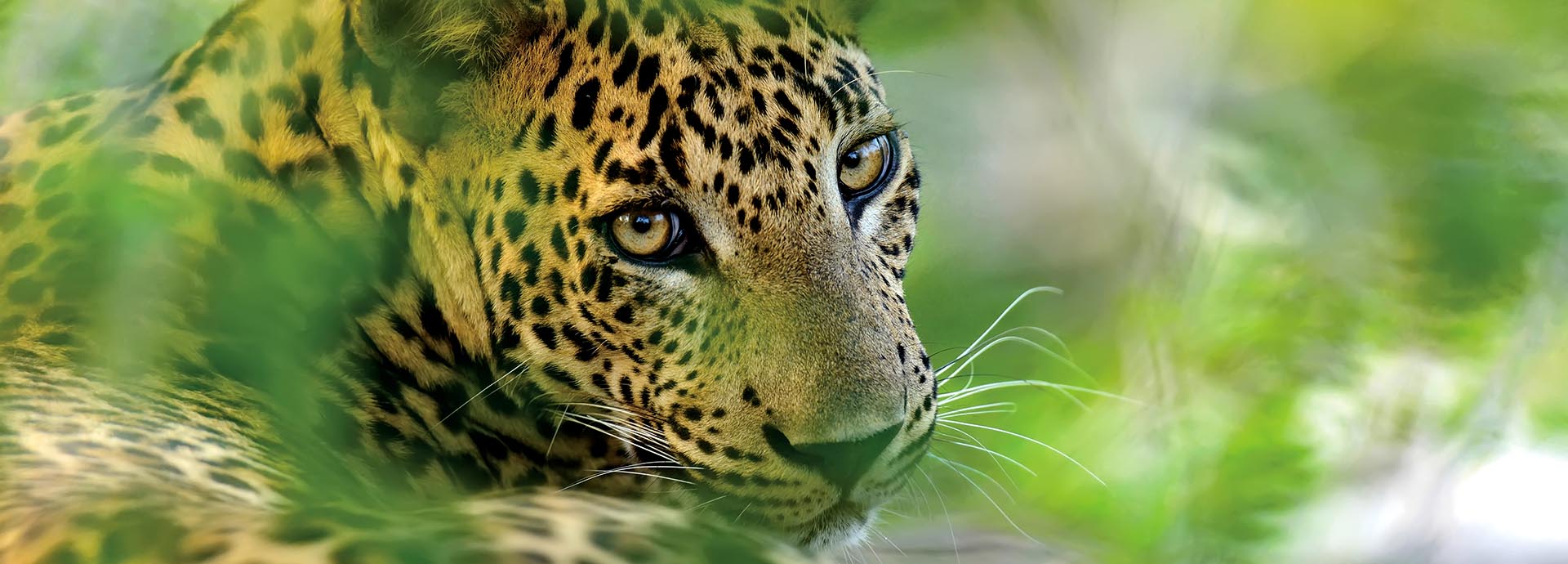
- Sri Lanka is one of the world’s most reliable destinations for sighting wild leopards, with Yala National Park holding one of the highest leopard-to-area densities on the planet — an attribute that distinguishes it sharply from African safari destinations where leopards are notoriously elusive.
- The island’s dual-monsoon geography means the south and west coast (Galle, Bentota, Yala) are best visited between November and April, while the north, east coast, and the cultural triangle around Anuradhapura remain accessible and dry from May through September — enabling year-round travel by adjusting the itinerary accordingly.
- Sri Lanka is one of only a handful of places on Earth where travellers can reliably observe blue whales in the wild, with peak sightings off the southern coast near Mirissa between November and April, and off Trincomalee on the east coast from March to August.
Known as the ‘Pearl of the Indian Ocean’, Sri Lanka charms travellers with its ancient cities, tropical interior, idyllic palm-fringed beaches and friendly people.
Few islands in the world offer the diversity that exists in Sri Lanka: ancient cities, rich religious festivals, colonial memories, rolling tea plantations, an astonishing variety of bird and animal wildlife and some of the best beaches in the Indian ocean. It showcases a bustling and chaotic way of life yet enchants visitors with a potpourri of cultures, religions, races, customs and its sheer natural beauty.
“The island of Ceylon (now Sri Lanka) is a small universe: it contains as many variations of culture, scenery and climate as some countries, a dozen times its size. What you get from it depends on what you bring, if you never stray from your hotel bar or the dusty streets of westernized Colombo, you could perish of fulminating boredom in a week, and it would serve you right. But if you are interested in people, history, nature and art – all the things that really matter – you may find, as I have, that a lifetime is not enough.” The Sea of Sinbad, By Arthur C Clarke
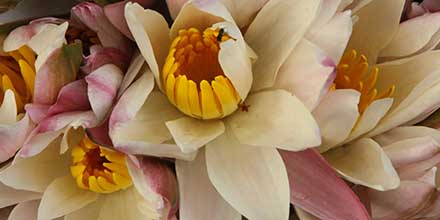
You Will Love
• Golden beaches
• Epic wildlife
• Intoxicating culture & festivals
• Exotic culinary delights
• A plethora of UNESCO World Heritage sites
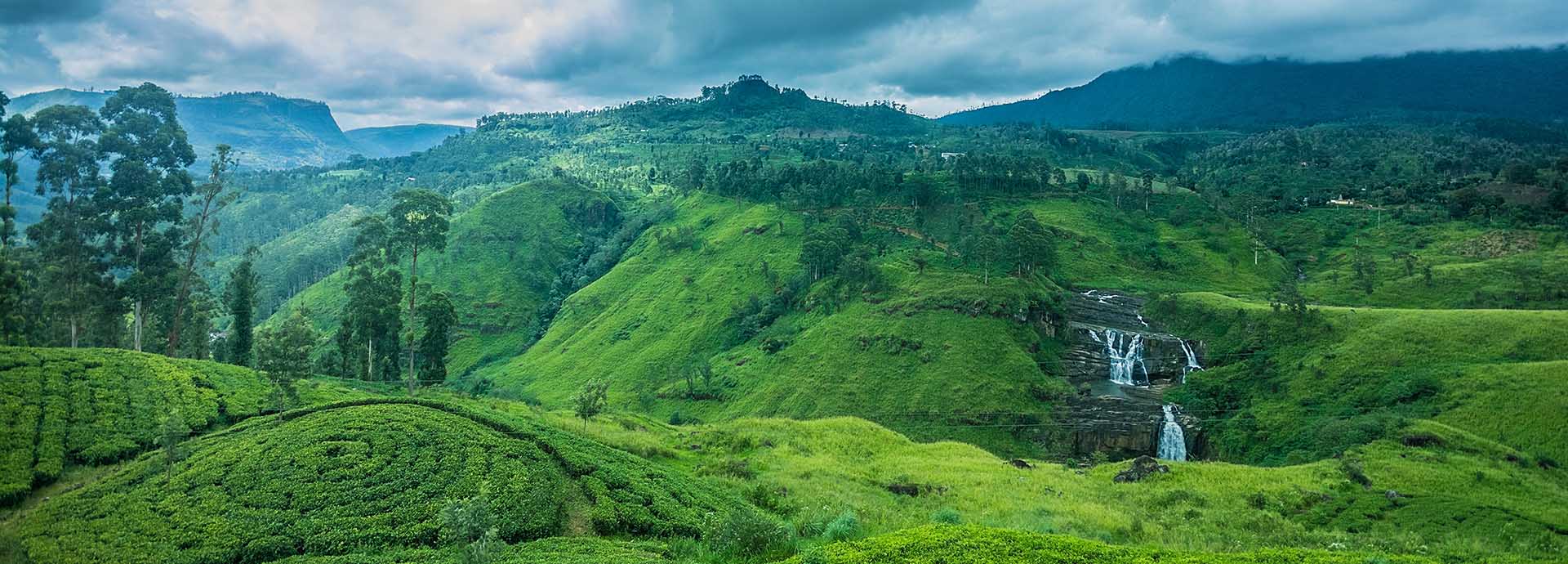
• Misty mountains & acres of tea
Let us design your perfect itinerary.

Unforgettable experiences in Sri Lanka
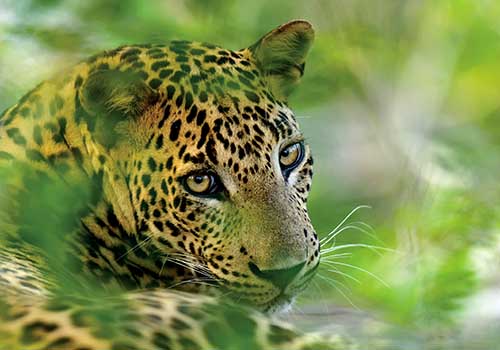
Spot leopards on safari
Spot leopards on safari
Sri Lanka is home to some phenomenal wildlife such as sloths, bears, elephants, water buffalos, wild boars, deer and golden jackal, but the star attraction must be the leopard. These elusive cats are notoriously hard to see but th...
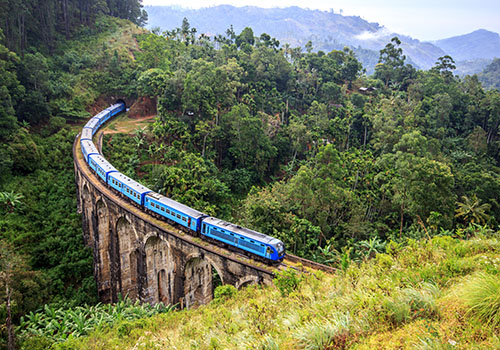
Travel by train through tea country
Travel by train through tea country
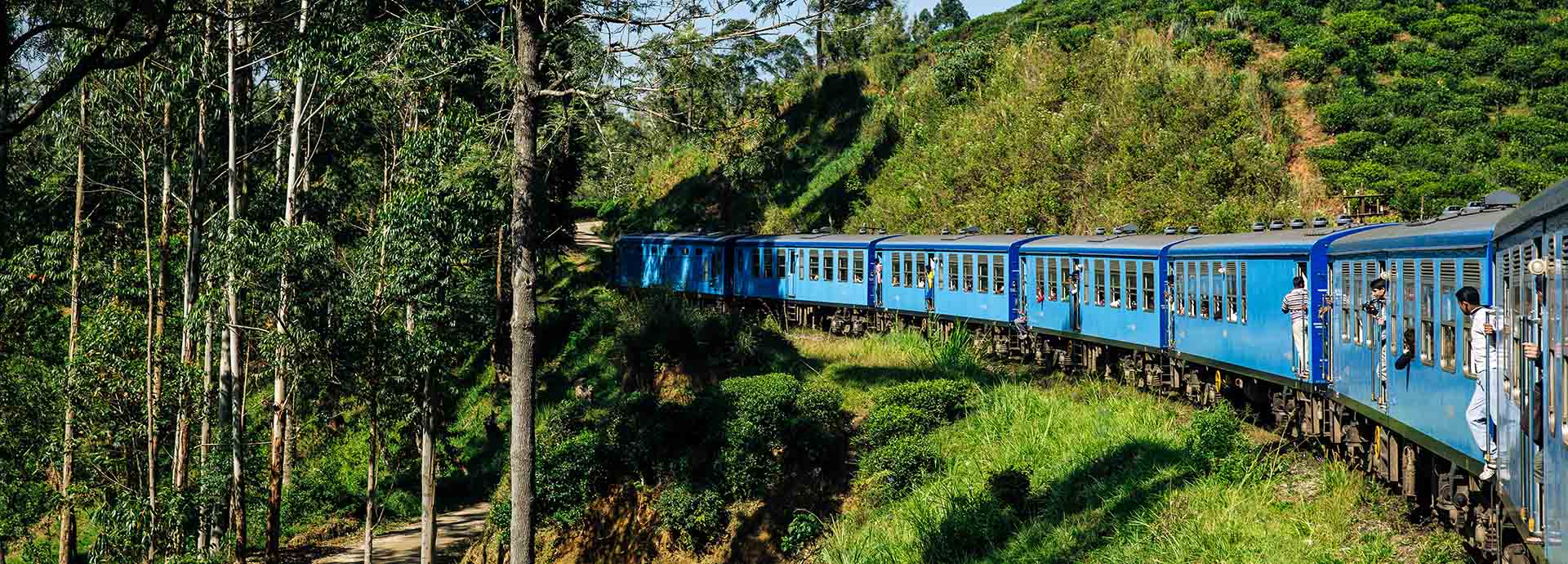
Take a scenic train journey from Kandy to Ella, through some of Sri Lanka’s most beautiful scenery and enjoy the magical landscapes of Hill Country as tropical banana trees give way to tea plantations and pine forests. You’ll ...
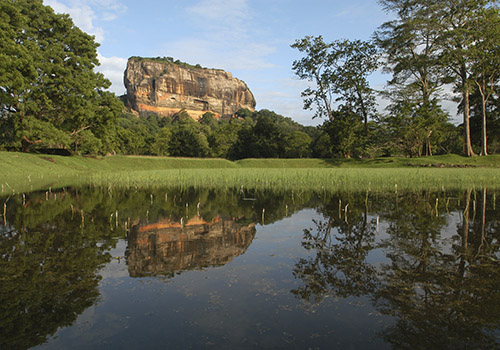
Scale Sigiriya Rock
Scale Sigiriya Rock
Rising 200m up from the plains, Sigiriya Rock Fortress (or Lion Rock) was one of the most short-lived, yet fascinating citadels of ancient Sri Lanka. Built in just seven years, its construction would have been a spectacular feat a...
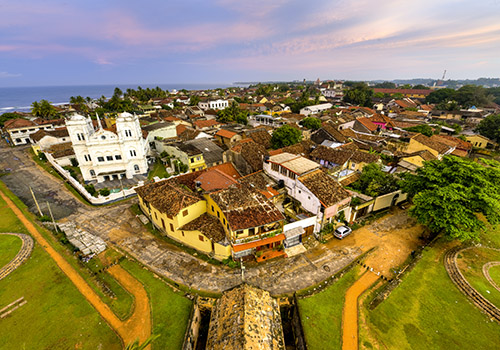
Turn back time at Galle fort
Turn back time at Galle fort
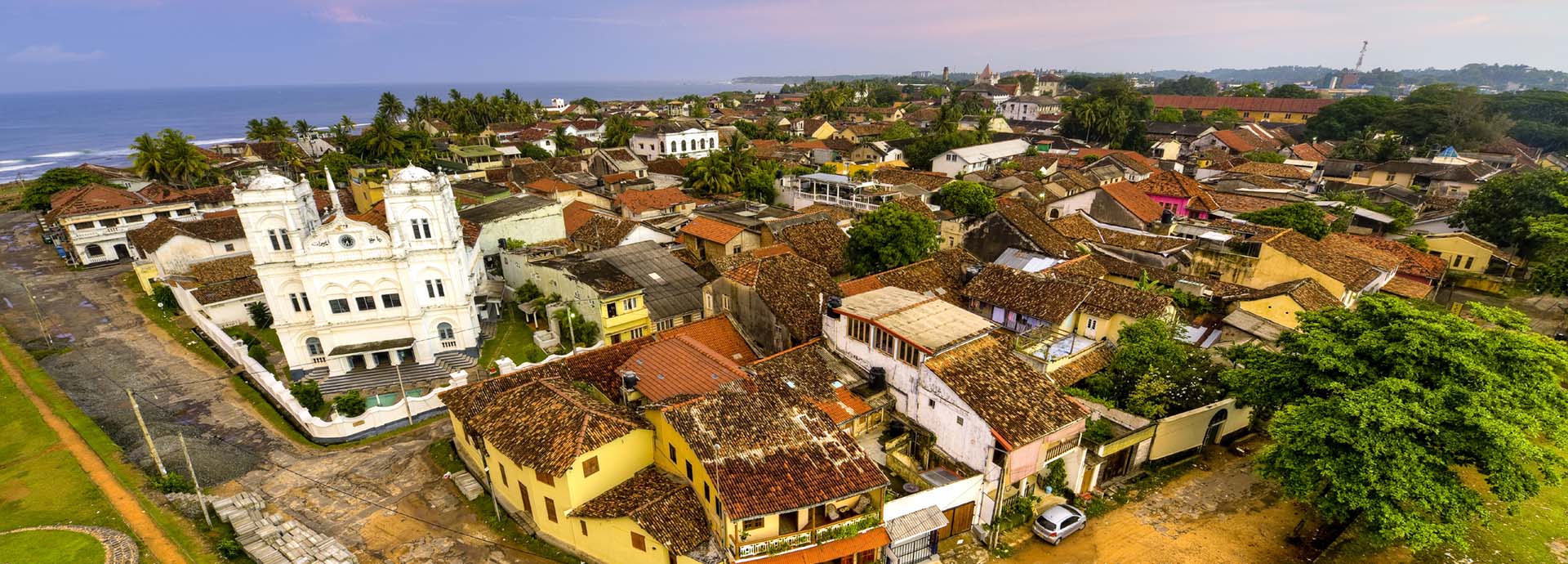
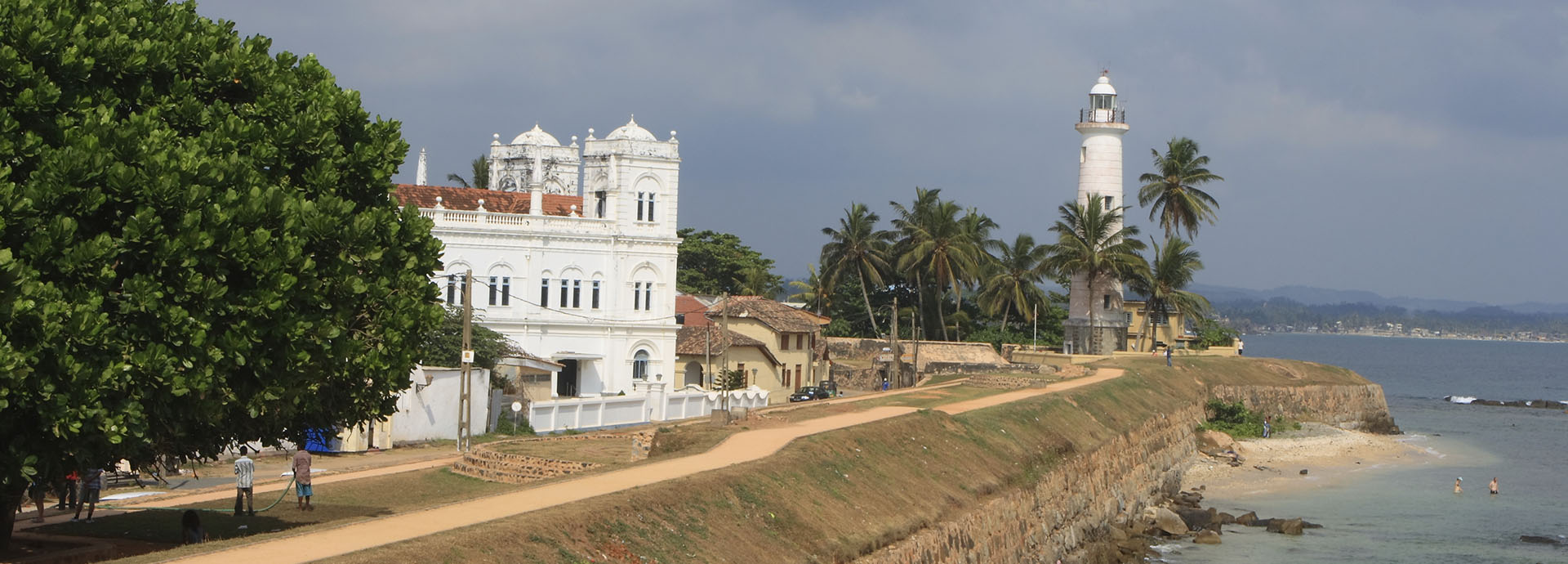
As Sri Lanka’s best preserved colonial townscape, Galle is a UNESCO World Heritage living time capsule perched on the coast close to the island’s southernmost point. At the heart of the city lies the famous fort, built by the ...
A selection of our favourite places to stay in Sri Lanka
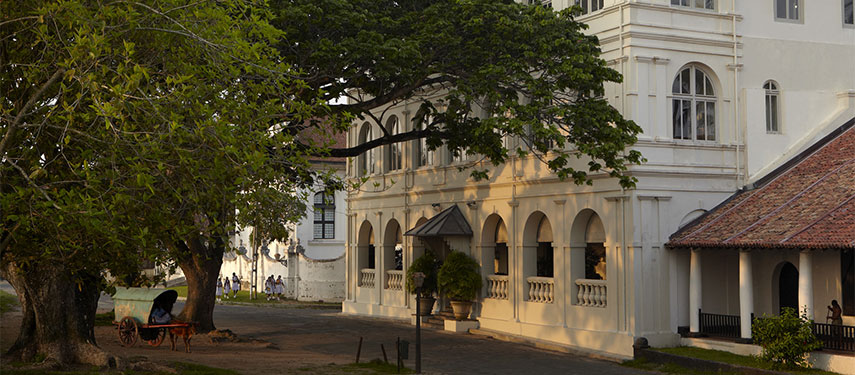
Amangalla – Galle
Sri Lanka’s oldest and most famous hotel
Amangalla sits within the ramparts of the 17th-century Galle Fort as part of the fabric of the town. Amangalla is named after the Sanskrit word for ‘peace’, and galla, the Sinhalese word for the town of Galle. Each of the 29 rooms have an elegant colonial design that is enhanced by original antiques and four poster beds dressed in crisp white linen.... Read More
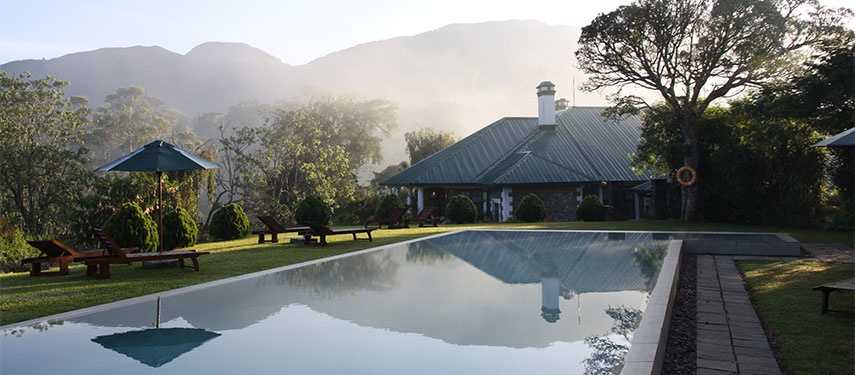
Ceylon Tea Trails – Hatton
Hill Country in Sri Lanka
Ceylon Tea Trails comprises four luxurious colonial era tea planters' bungalows, connected by walking trails through beautiful Ceylon tea gardens. They offer a taste of gracious living thanks to butler service & period furnishings, accompanied by gourmet meals. Venture out and enjoy the hikes, local villages and tea plantations.... Read More
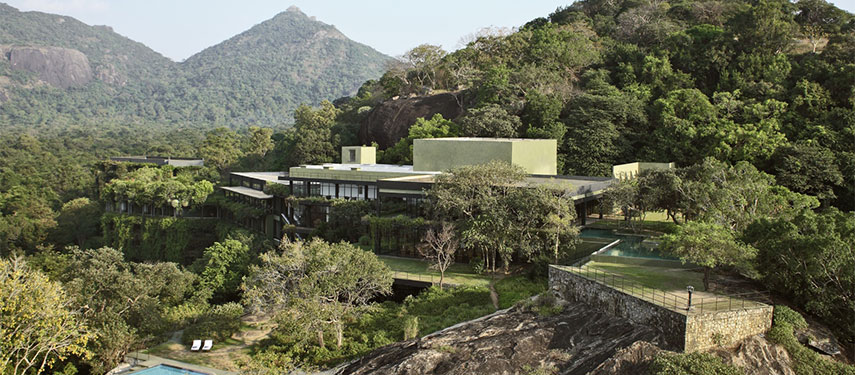
Heritance Kandalama – Dambulla
Jungle Bawa
Heritance Kandalama Hotel sits on a rocky outcrop on the edge of an ancient reservoir with views of the countryside including two UNESCO World Heritage Sites: the 1st Century BC Dambulla rock temple and the 5th Century AD Sigiriya Rock Temple. Designed by Geoffrey Bawa, the hotel is cool, conceptual and strikingly beautiful.... Read More
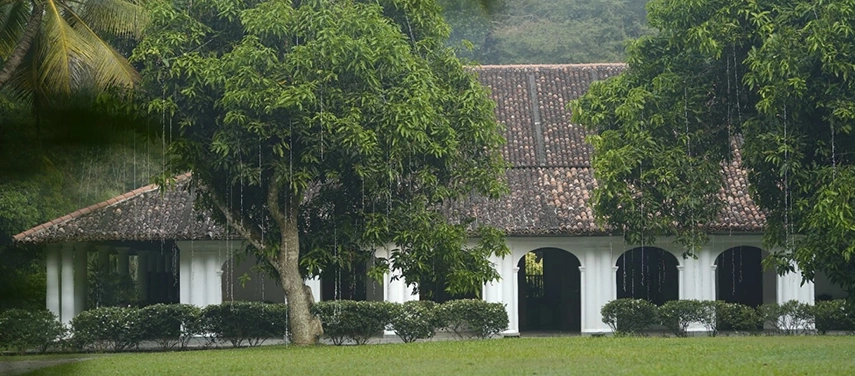
Adigar’s Manor – Kandy
Colonial Heritage Hotel
The grand ancestral home of one of Kandy’s most influential aristocratic families, Adigar's Manor sits in six acres of lush gardens on the outskirts of a quiet village close to Kandy. It is a luxurious and nostalgic jungle escape and an excellent base to explore Kandy’s Botanical Gardens, the Temple of the Tooth and the charming town itself.... Read More
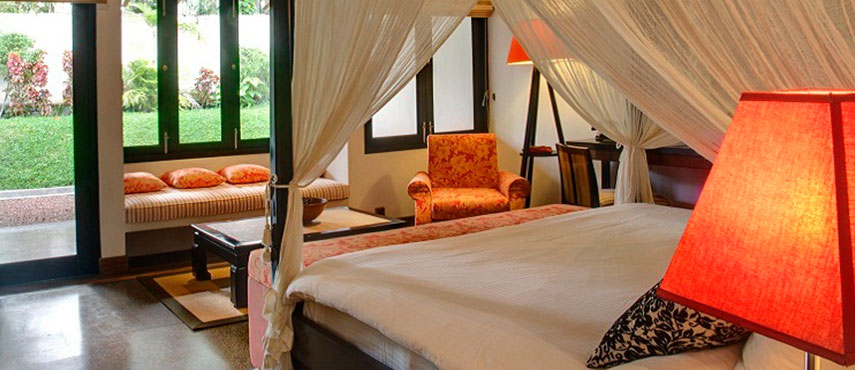
The Wallawwa – near Colombo airport
Garden Oasis
Just outside Colombo, amongst three acres of manicured gardens, The Wallawwa is a 200 year old colonial manor house, lovingly restored to provide 17 beautifully furnished bedrooms and suites. Original features have been brought right into the 21st century with luxuriant interiors and a glamorous pool to name a few.... Read More
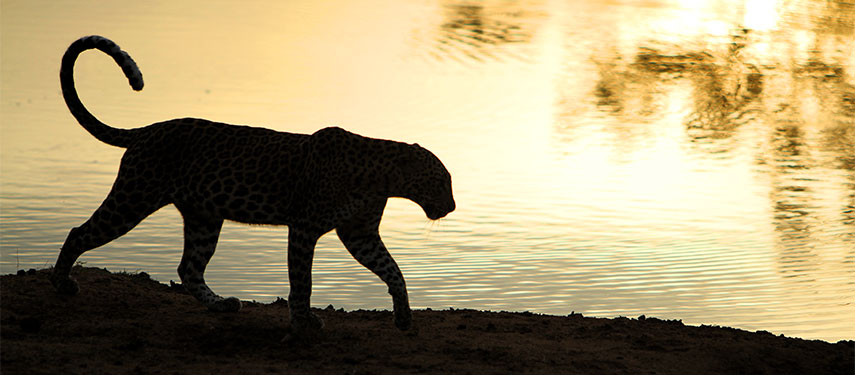
Leopard Safaris Yala Camp – Yala NP
Sri Lanka's Leopard Lair
Leopard Safaris is an award-winning safari operator that specializes in ecotourism adventures into the heart of the Sri Lankan wilderness. Yala's rocky outcrops, coastal areas, savannahs and scrub forest are home to a diverse range of mammals, birds and reptiles. For those on the leopard lookout there is no better place than here.... Read More
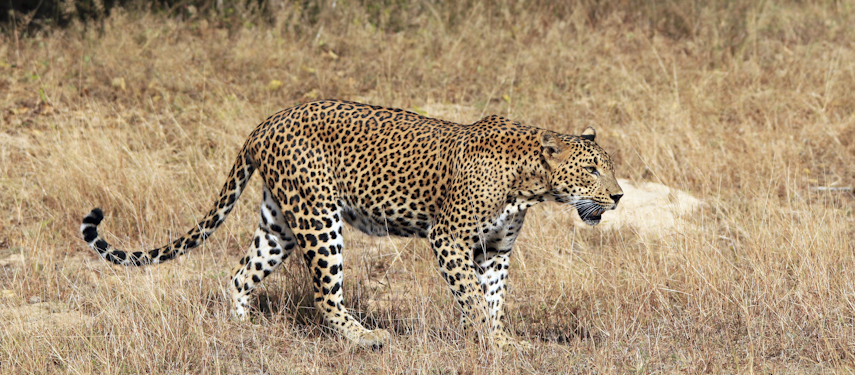
Leopard Trails Wilpattu Camp – Wilpattu National Park
A haven of lakes, leopards & sloth bears
Leopard Trails Bespoke Tented Safaris echoes the days when British adventurers travelled with well-furnished, spacious tents and a small army of butlers and expert cooks. The mobile camp is intimate, designed to provide a sense of exclusive Sri Lankan adventure, with guides who are fascinating company with endless.... Read More
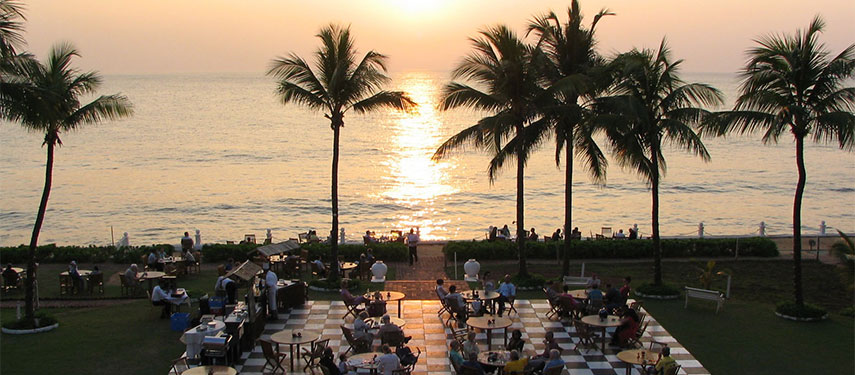
Galle Face Hotel – Colombo
Colonial oceanfront charmer
The Galle Face Hotel is located in the heart of the City of Colombo overlooking the Galle Face Green. Enjoy superior levels of comfort whilst reveling in the elegant and sophisticated ambience of a bygone era. The Regency has a wide range of eateries including Sea Spray - hang out with a drink and evoke thoughts of yesteryear.... Read More
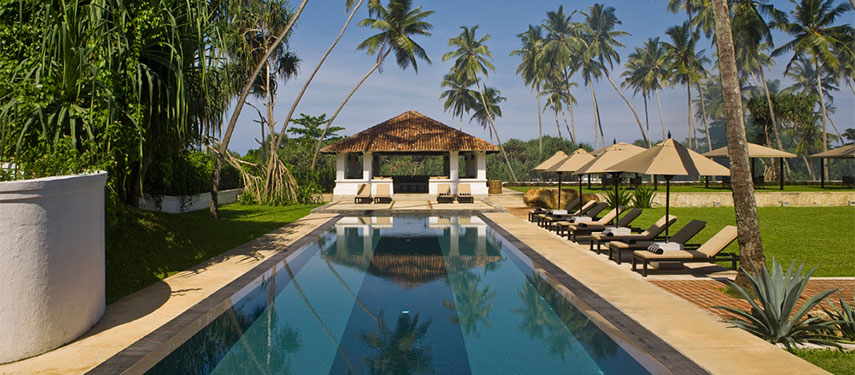
Villa Bentota – Bentota
Charm and calm
The Villa Bentota started life more than 30 years ago when Geoffrey Bawa converted the charming ancestral home that stands on the property into a boutique hotel. Plenty of staff are on hand to look after your every whim while you relax by the beach, pool or on the lush, tropical lawn area - a haven of comfort and tranquility.... Read More
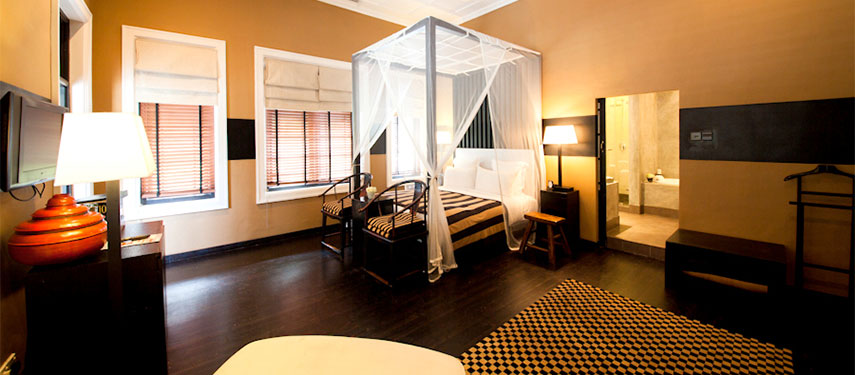
Tintagel – Colombo
Atmosphere and class
Tintagel Colombo is a unique and private hotel in the heart of Colombo’s most elite neighbourhood. Tintagel Colombo is housed in a stunning heritage structure of national importance, previously home to three of Sri Lanka’s political leaders. Tintagel Colombo is a popular choice of accommodation with its intimate atmosphere and character.... Read More
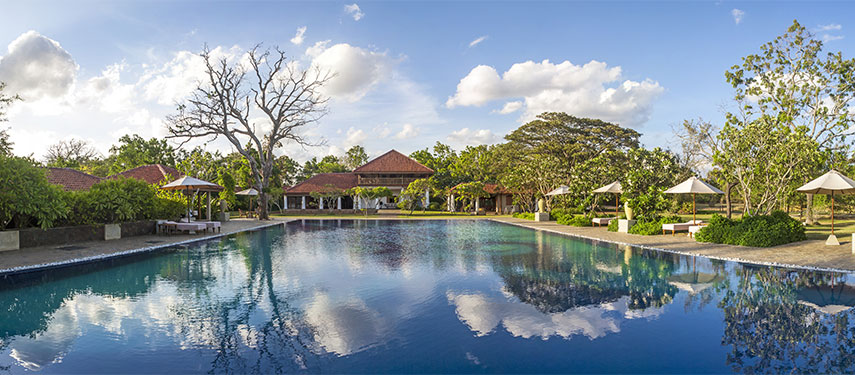
Uga Ulagalla – Anuradhapura
Heritage charm & eco-luxury in Sri Lanka’s cultural heartland
Uga Ulagalla blends historic elegance with sustainable luxury in the heart of Sri Lanka’s cultural triangle. Set on a 150-year-old ancestral estate, this boutique resort features 25 spacious villas with private plunge pools, solar-powered amenities, and sweeping views of lush paddy fields and woodlands. Guests can explore ancient cities, enjoy horseback riding, or simply unwind in the serene surroundings of this restored manor.... Read More
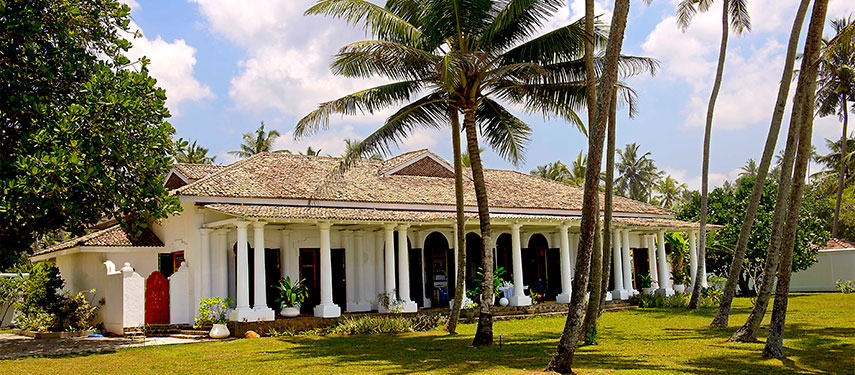
Twenty Three Palm Villa – near Galle
Beachfront retreat
23 Palm Villa is located near Galle on the South Coast of Sri Lanka. Positioned on 150m of golden beachfront allows for fabulous views of the sea. Built in the Dutch colonial style with deep verandas, high archways, towering pillars and soaring timber ceilings from where you can easily visit the historic Galle Fort.... Read More
Amanwella – Tangalle
Sea and relaxation at its best
Amanwella is located nearby to the seaside town of Tangalle, situated in a mature coconut grove with beach frontage where you can relax on the soft sand or on the terrace beside the pool. There is a calm and peace here, a beachfront hideaway devoted to connecting the person with the joys of the island.... Read More
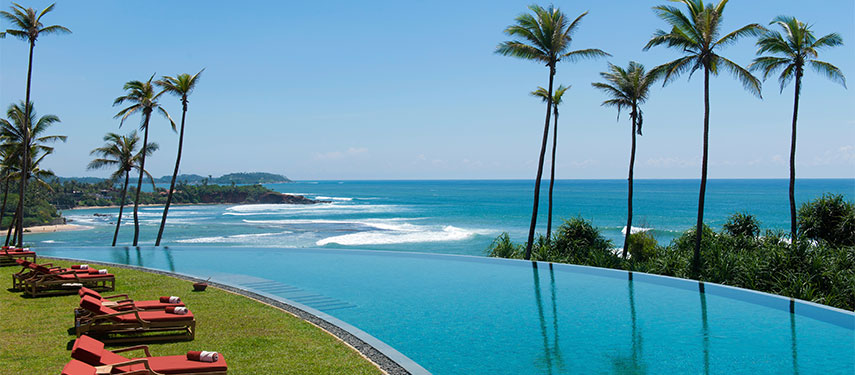
Cape Weligama – Weligama
A wondrous spot to stay and steer into the ocean
Thirty minutes east of Galle in southern Sri Lanka, lies Cape Weligama, a luxury resort with sweeping views overlooking the Indian Ocean. It is strategically nestled into the natural slopes atop Weligama's striking headland creating the welcoming illusion of a traditional Sri Lankan village. Stay, relax and enjoy the resort's facilities.... Read More
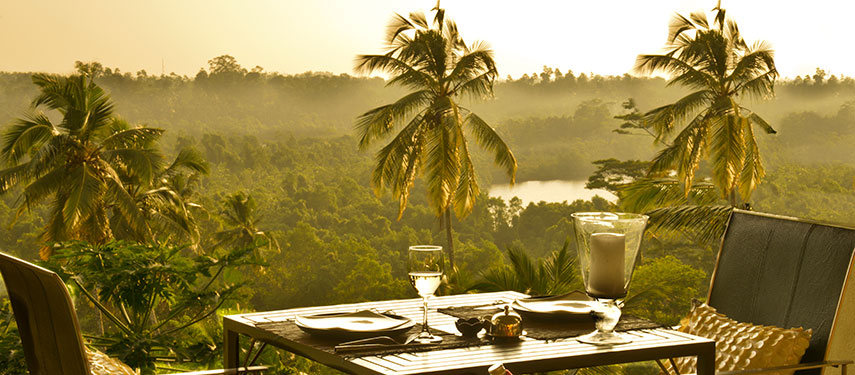
Kahanda Kanda – near Galle
A rural-like oasis
Located 15kms from the Galle Fort, in southern Sri Lanka, Kahanda Kanda is perched on a ridge overlooking Koggala Lake and surrounded by a working tea estate. This stylish private villa consists of a series of free-standing pavilions, beautiful gardens and an infinity swimming pool.... Read More
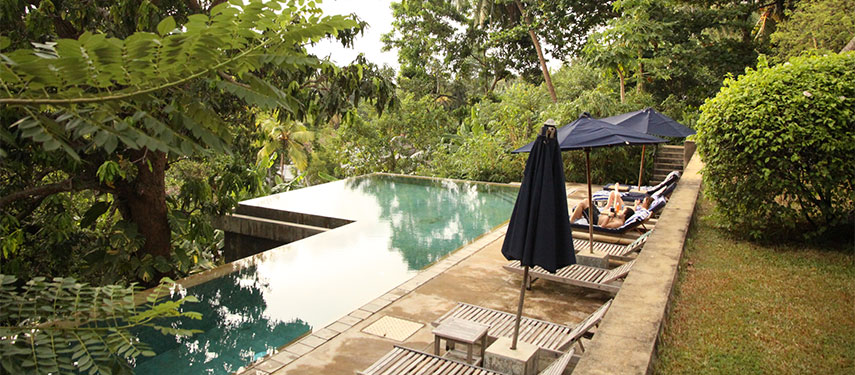
The Dutch House – Galle
Hillside peace and relaxation in Galle
High on a hill close to the city centre, The Dutch House has set the pace in redefining luxury in Sri Lanka. Highly exclusive, this country house built in 1712 ensures complete privacy for its guests. Enjoy watching the sun set from your private veranda or perhaps on an evocative trip around Galle in the villa’s 1940’s vintage Rover.... Read More
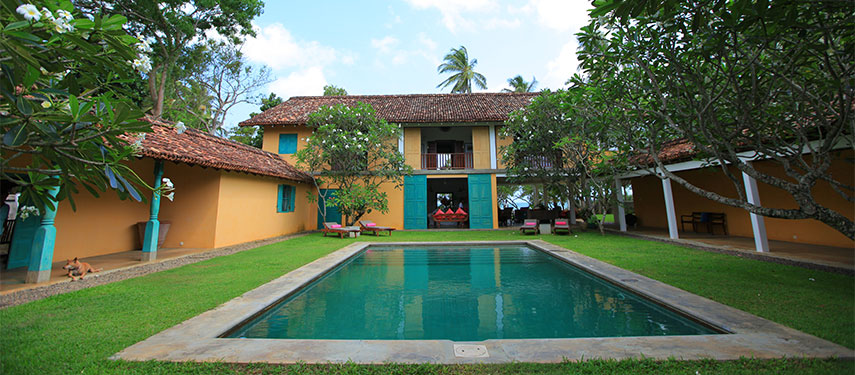
The Last House – Tangalle
Geoffrey Bawa haven
The Last House near Tangalle overlooks the Indian Ocean and is designed by architect Geoffrey Bawa. The villa is shaped like a horseshoe and divided into a number of wings with kitchen, living rooms and courtyard bedrooms on either side of an inviting emerald green swimming pool, ideal for family gatherings and friendly reunions.... Read More
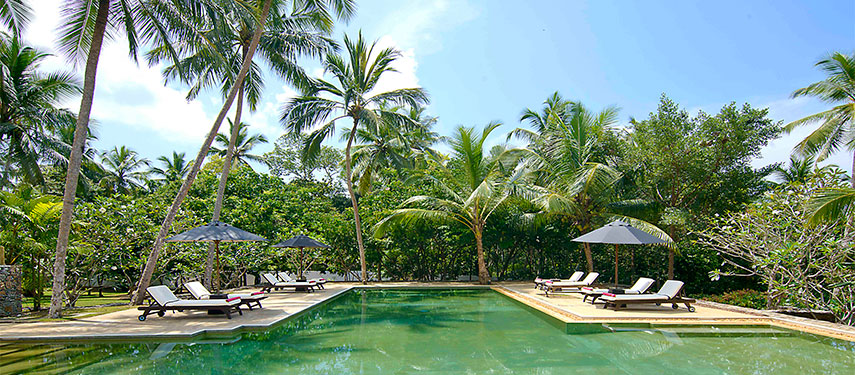
Why House – near Galle
Home away from home
Why House is a beautiful home situated within a lovely landscaped three acre private walled garden of tropical plants, fruit and spice trees, and is only a short walk from the pretty beach of Wijaya and a fifteen minute drive to the world heritage site Galle Fort. Serene and secluded, Why House is a much sought after tropical oasis.... Read More
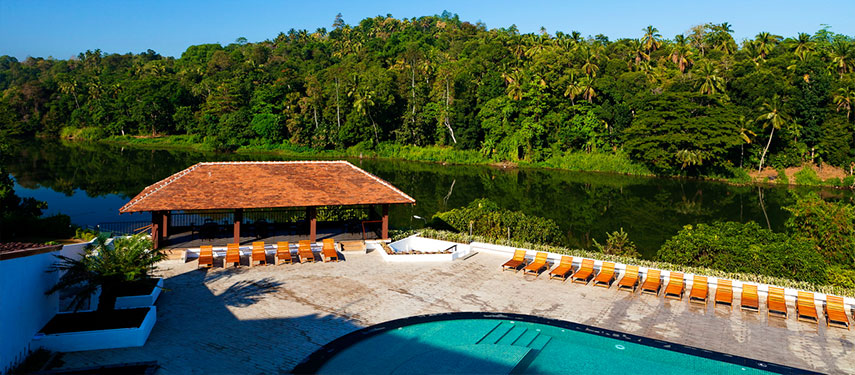
Cinnamon Citadel – Kandy
A property with views to impress
Nestled high up in the hill country, Cinnamon Citadel is located just 15 minutes from Sri Lanka’s bustling hill capital and the last domain of the Sinhala kings. You will find plenty of quiet places to relax and unwind after a day exploring including the swimming pool overlooking the mighty Mahaweli River.... Read More
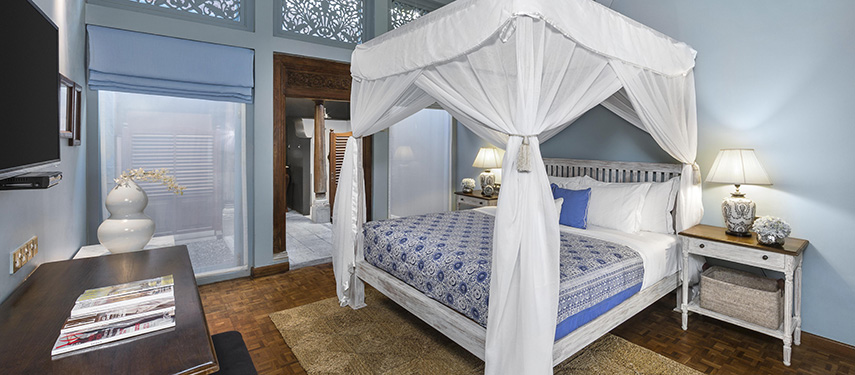
Maniumpathy – Colombo
Character and charm
Nestled between art galleries, chic boutiques, coffee shops, restaurants and national monuments, Maniumpathy is a unique stately home converted boutique hotel in Colombo. Maniumpathy is a more refined choice for long or short stays in Colombo, as well as the ideal place to meet, relax or celebrate.... Read More
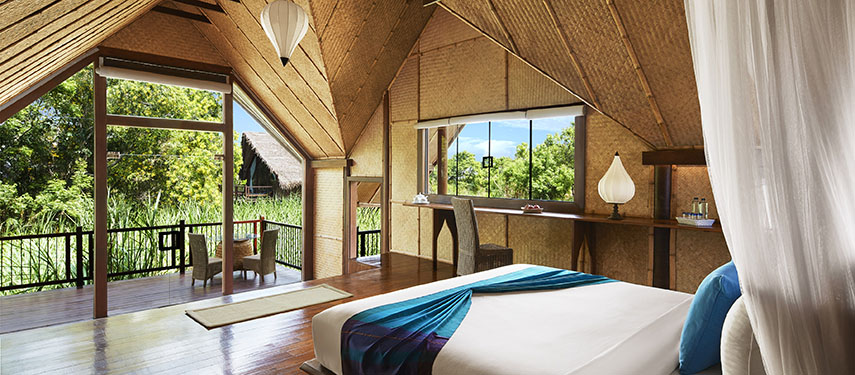
Vil Uyana – Sigiriya
Tropical over water garden oasis
Vil Uyana is conveniently located in the heart of the Cultrual Triangle just minutes from the UNESCO World Heritage site of Sigiriya Rock Fortress. The area is a matrix of wetland and organic paddy studded with luxurious dwellings and an island spa, in the culturally rich north central plains.... Read More
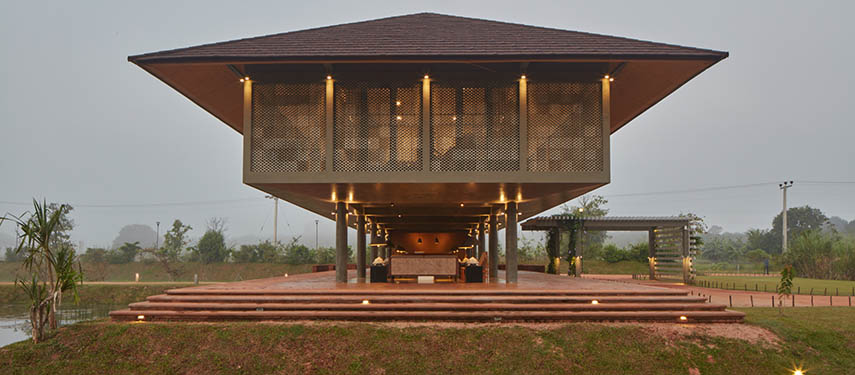
Water Garden – Sigiriya
Abundance of literal water gardens
Water Garden Sigiriya is located just 6 km away from the historic Sigiriya Rock and within easy reach of the ancient cities of the Cultural Triangle. The hotel’s design is inspired by the 2000 year old water garden of Sigiriya Rock fortress, sitting serenely amongst still lakes and tranquil water streams.... Read More
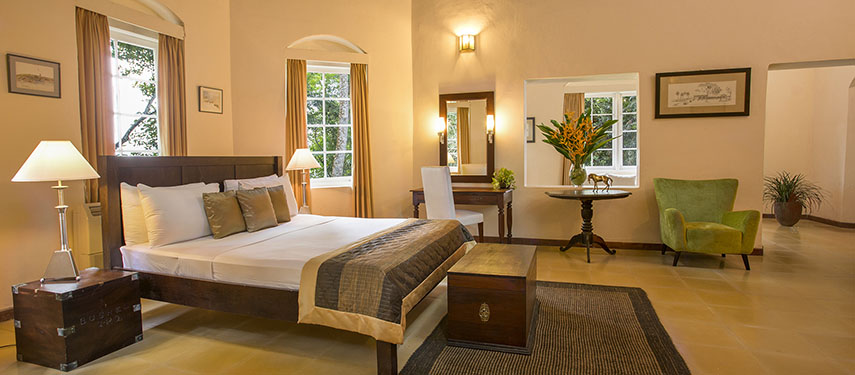
Glenross Plantation Villa – Kalutara
Green gables and glorious
Glenross Plantation villa is set in a lush rubber estate in Neboda, Kalutara. Originally a colonial planters bungalow, now luxurious suites all with a cozy living space for you to call your own. Unravel and unwind in the tranquil surroundings, lounge by the pool, explore the plantation's hiking trails and discover a new paradise.... Read More
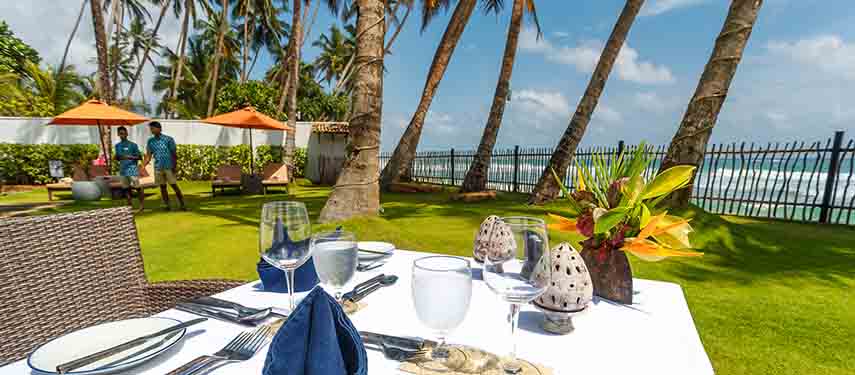
KK Beach Hotel – near Galle
Contemporary and stylish
KK Beach hotel is located just 12km from Galle and is beachfront, overlooking the Indian Ocean. The property offers delicious food, large rooms and comfortable accommodation - a great place for friends, couples of families to 'flop and drop' or rest and relax by the pool or beach with assurance for a fantastic stay.... Read More
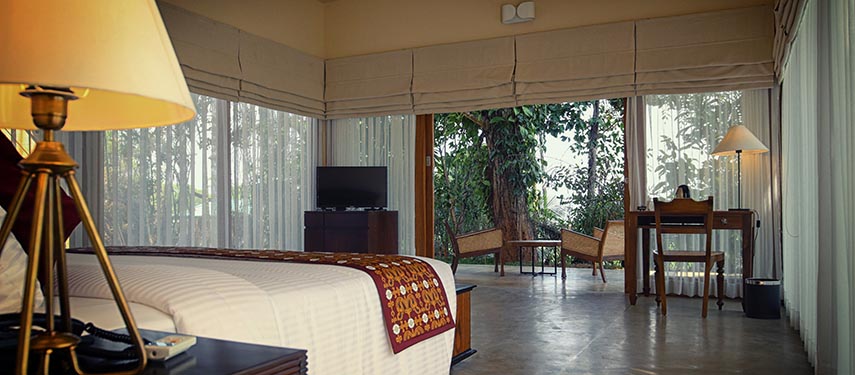
Kings Pavilion – Kandy
Comfy oasis close to Kandy
Nestled in the heart of the once mighty Kandyan Kingdom, Kings Pavilion is just 1.5km from the bustling heart of Kandy yet remains isolated and tranquil with breathtaking views over the Hunnasgiriya Mountain. Surrounded by misty mountains and verdant greenery it evokes the serene majesty of royal eras gone by.... Read More
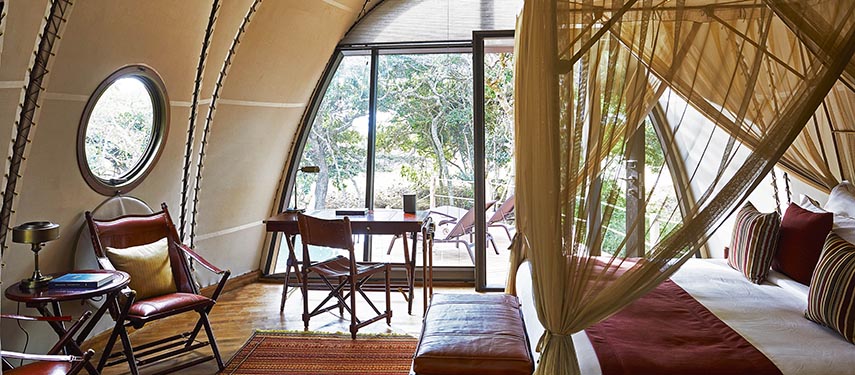
Wild Coast Tented Lodge – Yala NP
Like royalty with Relais & Chateaux
Wild Coast Tented Lodge, Yala, is wild and authentic, perfectly positioned in prime leopard country. Its unique design sees man-made structures blend seamlessly into the encircling landscape with the use of carefully selected natural materials while daily excursions into Yala National Park are a highlight for all.... Read More
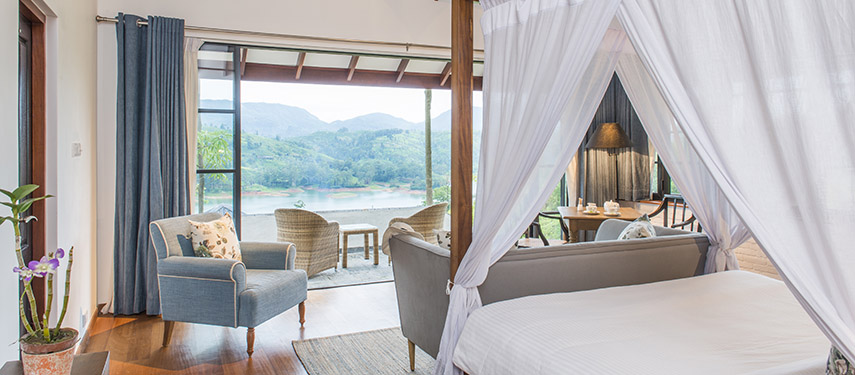
Camellia Hills – near Hatton
A delightful mid-point to any Sri Lankan itinerary
Overlooking a mirror-still reservoir and sitting amidst plantations and pine forests, Camellia Hills is a 5-room boutique hotel that encapsulates the peaceful tranquility of Sri Lanka’s tea country. A modern interpretation of a tea planter’s bungalow, sympathetically designed to echo the heritage of the area.... Read More
Tientsin Bungalow – Hatton
Tea and tranquility
Tientsin is the oldest of the four Tea Trails bungalows, built in 1888, and also has the most spectacular garden, originally created by a tea planter’s wife. It includes rose terraces; leafy arbours and several walled lawns. The bungalow has been beautifully restored and all the features are intact including the fireplaces and old wooden floors.... Read More
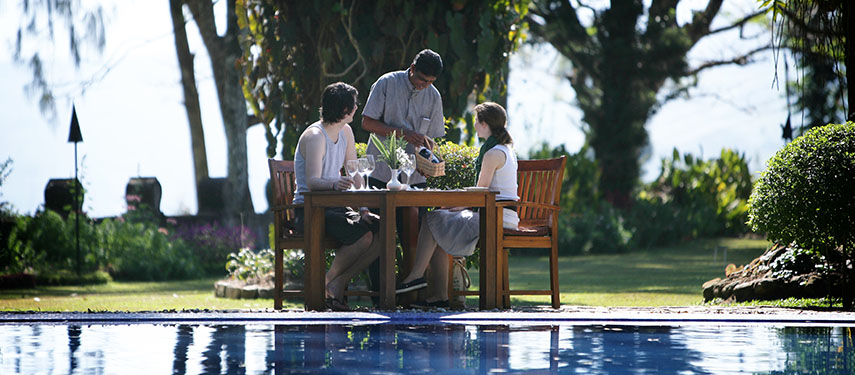
Norwood Bungalow – Hatton
Feels like home
Norwood Bungalow, originally built in 1890 and rebuilt in 1940, sits at the eastern end of the Bogawantalawa valley, high-up above Castlereagh Lake. It is one of the four Tea Trails properties set in a beautiful garden with towering bamboo plants, manicured croquet lawns and a stunning pool.... Read More
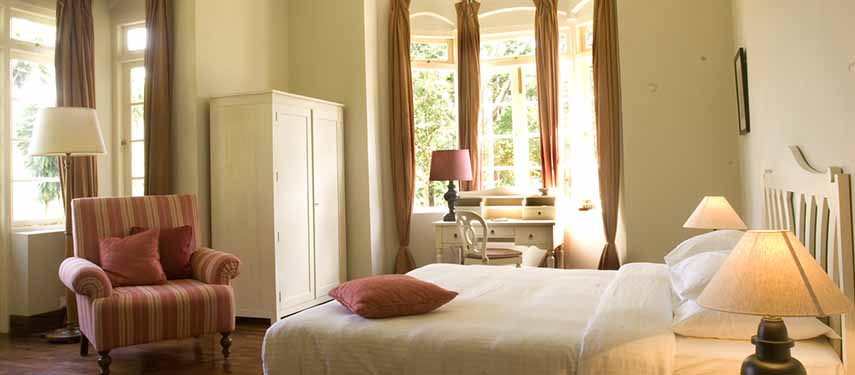
Castlereagh Bungalow – Hatton
Peace among the plantations
Castlereagh Bungalow lies nestled on the banks of Castlereagh Lake, perhaps the most romantic of the four Tea Trails properties. It is where pickers are busy at work, it exudes elegance from its parquet floors and drawing room with a log fire. Read by the pool, have high tea in the summerhouse or a gin and tonic on the terrace.... Read More
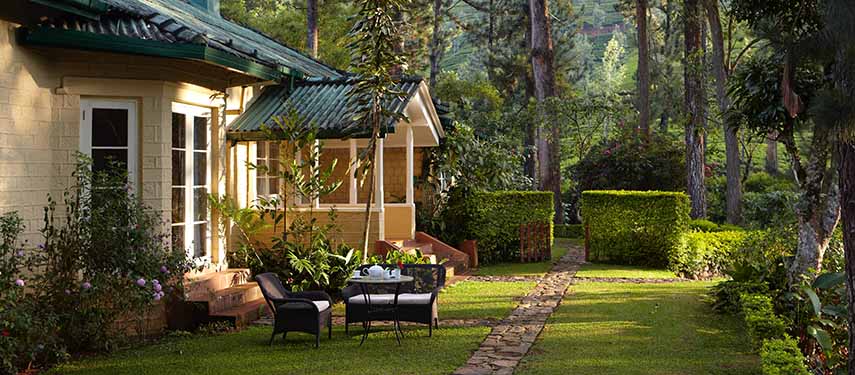
Summerville Bungalow – Hatton
High level class
Summerville Bungalow is the most intimate of the four Tea Trails bungalows with only four rooms. It is set right on the edge of Castlereagh Lake with stunning views over the water and the tea plantations on the opposite hill. The living room is very cozy with glass doors, a well-stocked drinks cabinet and a log fire.... Read More
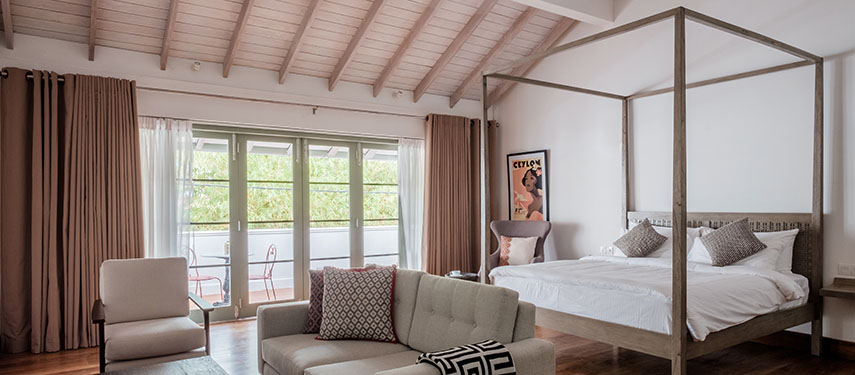
The Fort Bazaar – Galle
History in the heart of Galle
The Fort Bazaar is set amidst ageing coral walls on historic Church Street, within the historic walls of Galle Fort. The décor is fresh and contemporary with understated interiors and a distinctly Middle Eastern feel. It is a fabulous base from which to explore then to stop for coffee in a stylish café to watch the world go by.... Read More

A collection of journeys in Sri Lanka
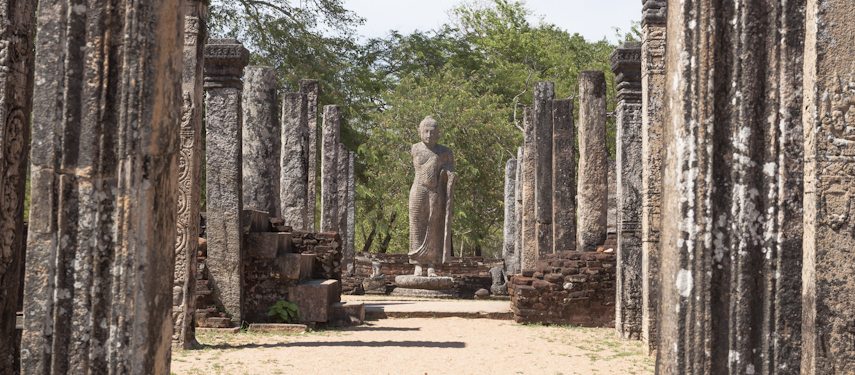
Sri Lanka’s Cultural Heritage
Inspiration Itinerary | A focus on Sri Lanka's culture
Enjoy a journey of just under two weeks in the teardrop nation of Sri Lanka with a cultural focus. Journey to the UNESCO heritage cities of Polonnaruwa and Anuradhapura before arriving in Kandy to visit the nation's most important relic, the Temple of the Tooth. Board a delightful train journey to the tea country surrounding Hatton before exploring the Portuguese and Dutch influenced city of Galle and ending your journey on the beach in Bentota - bliss!...Read More
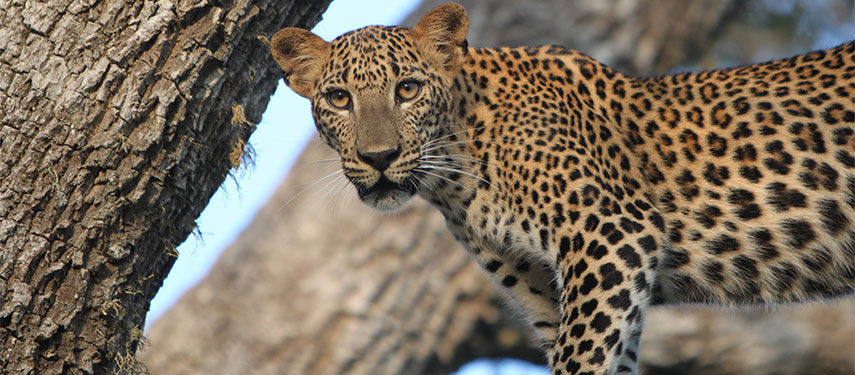
Tea, Sea and Safari in Sri Lanka
Inspiration Itinerary | Discover the very best of Sri Lanka
On this adventurous exploration of Sri Lanka take in the historic sights of the ‘cultural triangle’, the wildlife in Minneriya and Yala National Parks, the palm fringed shores of Lake Weligama and the living museum of Galle Fort. Journey through picturesque tea plantations, discover ancient cities and enjoy incredible wildlife viewing on this all encompassing journey through the Pearl of the Indian Ocean....Read More
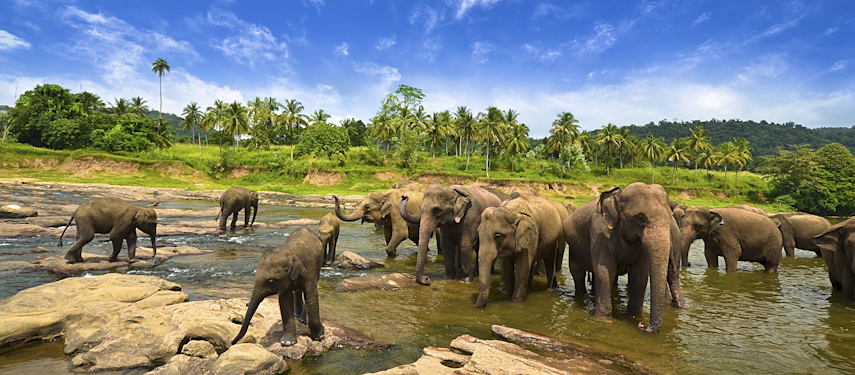
Family time in Sri Lanka
Inspiration Itinerary | Bring the 'brood' along
Experience the best of Sri Lanka on this itinerary that has been designed specifically for families. Spend your holiday away from the crowds and closer to nature. Explore, learn and relax as you immerse yourselves into Sri Lanka's fascinating, yet simple, island life. Tailored for the young, or young at heart, there is plenty to see, do and explore together!...Read More
Sri Lanka: Frequently Asked Questions
Sri Lanka’s two distinct monsoon seasons mean the answer depends on the itinerary. The south and west coasts — including Galle, the tea country around Hatton, and Yala National Park — are best visited between November and April, when skies are clear and wildlife concentrates around drying waterholes. The north, east coast, and the cultural triangle centred on Anuradhapura and Sigiriya are drier from May to September. The Classic Safari Company designs itineraries around these patterns, ensuring guests are always in the right region at the right time of year.
Yes. Australian passport holders are required to obtain an Electronic Travel Authorisation (ETA) before arrival. The ETA is applied for online through the official Sri Lanka government portal and is typically processed within 24 hours. It permits a 30-day stay and is valid for a double entry within six months of issue. The Classic Safari Company recommends applying well in advance of departure and can advise on current requirements at the time of booking.
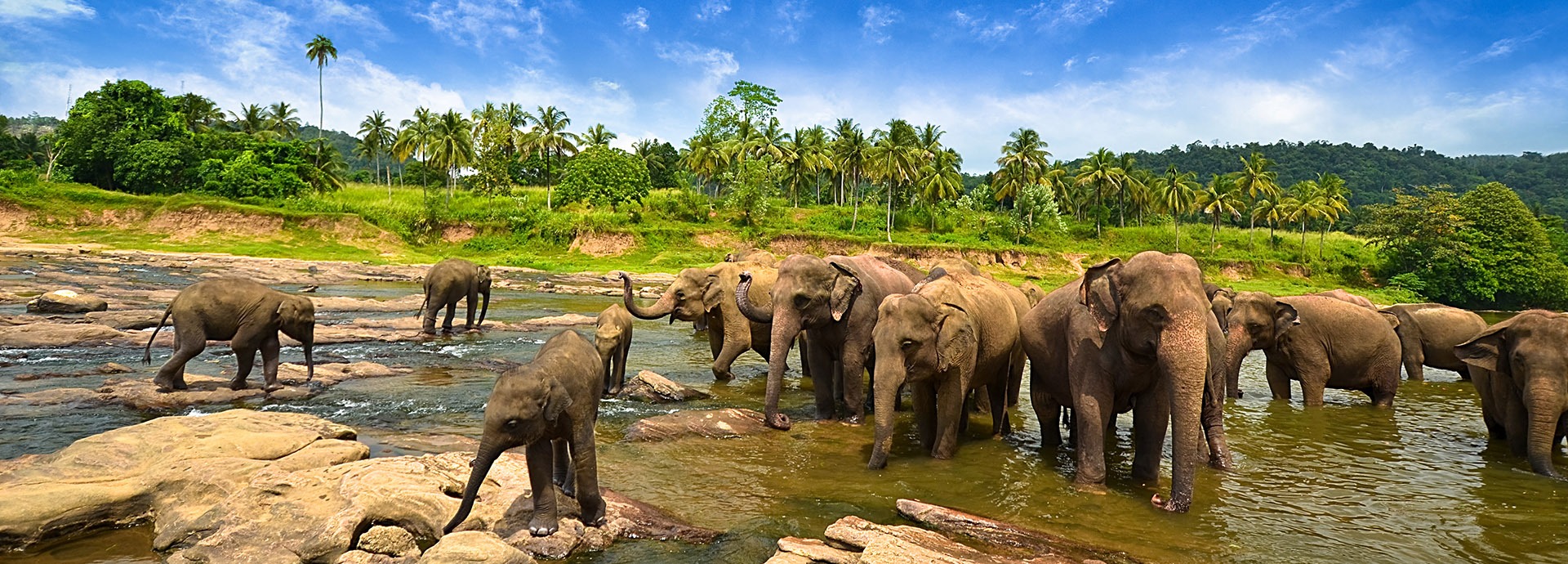
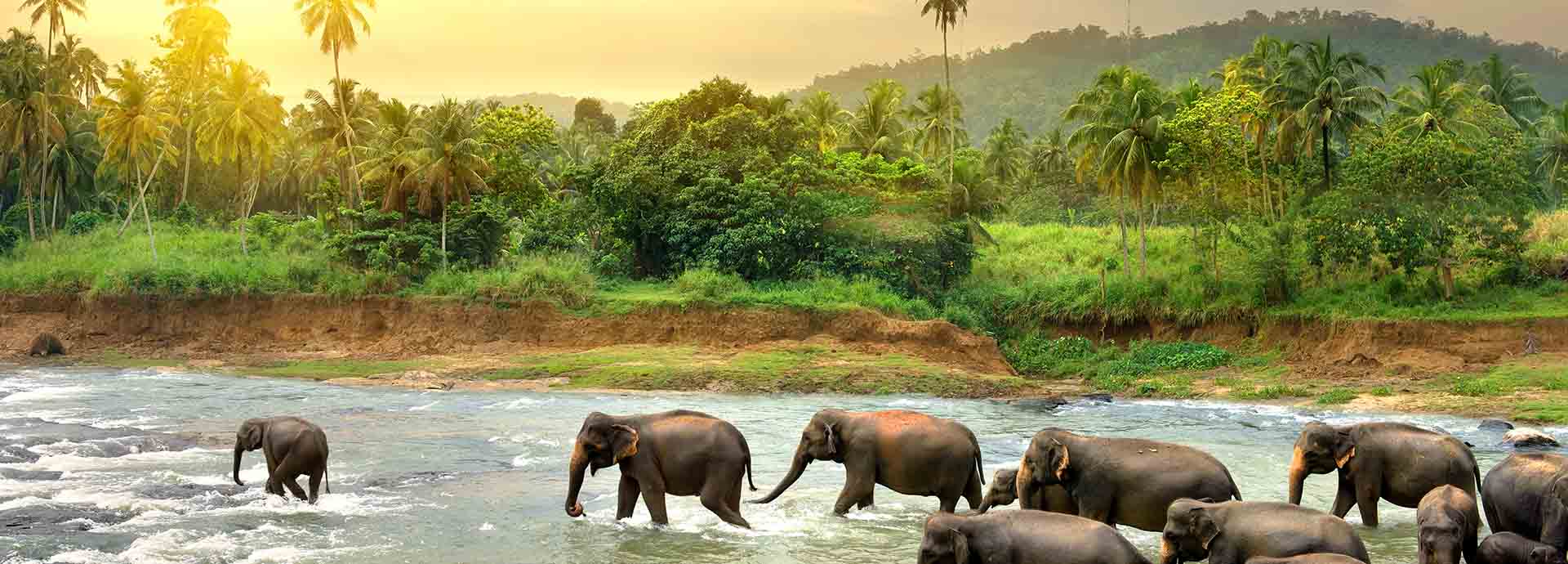
Sri Lanka supports an impressive range of wildlife within a compact geography. Yala National Park in the south offers the best chance of leopard sightings, while Minneriya and Kaudulla national parks in the cultural triangle are famous for gatherings of wild Asian elephants — sometimes numbering in the hundreds. Wilpattu National Park, Sri Lanka’s largest, is quieter and excellent for both leopard and sloth bear. Off the southern coast near Mirissa, blue whales and sperm whales are regularly sighted between November and April, with The Classic Safari Company able to incorporate whale-watching excursions into longer itineraries.
The Kandy to Ella rail journey is widely regarded as one of the most scenic train rides in Asia, winding through the central highlands past tea plantations, waterfalls, and colonial-era stations. The journey takes approximately six to seven hours and passes through Nanu Oya (the stop for Nuwara Eliya) and the famous Nine Arch Bridge near Ella. A separate and equally rewarding rail journey runs from Kandy to Hatton, providing access to the Ceylon Tea Trails properties and the tea gardens around Castlereagh Lake. The Classic Safari Company incorporates both routes depending on the focus of each itinerary.
Geoffrey Bawa (1919–2003) is widely considered Asia’s most influential architect of the twentieth century and the originator of tropical modernism — a design philosophy that blurs the boundary between built structure and natural landscape. Born in Ceylon, he spent five decades creating buildings that work with their environment rather than against it, using local materials, open courtyards, and long verandas to capture breeze and light. Several of the finest properties The Classic Safari Company recommends in Sri Lanka — including Heritance Kandalama, Villa Bentota, and The Last House — are Bawa originals, and touring his built legacy is a compelling reason in itself to visit the island.
Sri Lanka works exceptionally well for families with children of most ages. The distances between key regions are manageable, the train journeys are genuinely thrilling for younger travellers, and experiences such as climbing Sigiriya Rock, spotting elephants in Minneriya, and exploring the ramparts of Galle Fort appeal across generations. The Classic Safari Company’s family-specific Sri Lanka itinerary has been designed to balance active exploration with adequate downtime, and accommodation options include properties with large gardens and private pools suited to travelling with children.
Sri Lanka: A Glossary of Terms
Cultural Triangle — The area of north-central Sri Lanka bounded by the ancient cities of Anuradhapura, Polonnaruwa, and Kandy, encompassing the greatest concentration of UNESCO World Heritage Sites on the island, including Sigiriya Rock Fortress and the Dambulla Cave Temples.
Esala Perahera — An annual Buddhist pageant held in Kandy over ten nights in July or August, considered one of the grandest and oldest festivals in Asia; it features elaborately costumed elephants, fire dancers, drummers, and a procession of the sacred Tooth Relic of the Buddha.
ETA (Electronic Travel Authorisation) — The mandatory pre-departure entry permit required by Australian nationals travelling to Sri Lanka, obtained online through the official government portal and typically granted within 24 hours.
Geoffrey Bawa — Sri Lanka’s most celebrated architect (1919–2003) and the father of tropical modernism, whose buildings — including Heritance Kandalama and Villa Bentota — are characterised by their seamless integration with the surrounding landscape and remain pilgrimage sites for design-conscious travellers.
Hill Country — The elevated central region of Sri Lanka, reaching peaks above 2,500 metres, characterised by cooler temperatures, mist-covered mountains, and the tea plantations that produce Ceylon tea; the primary setting for the Kandy-to-Ella and Kandy-to-Hatton rail journeys.
Sigiriya — A fifth-century rock fortress rising approximately 180 metres above the surrounding plains in the cultural triangle, built by King Kashyapa and featuring ancient frescoes, water gardens, and panoramic views; a UNESCO World Heritage Site and one of Sri Lanka’s most visited landmarks.
Sinhalese — The majority ethnic group of Sri Lanka, whose language (Sinhala) and Theravada Buddhist traditions have shaped the island’s architecture, festivals, cuisine, and cultural landscape over more than two thousand years.
Theravada Buddhism — The form of Buddhism practised by the majority of Sri Lankans, characterised by adherence to the earliest Buddhist scriptures (the Pali Canon) and expressed through temples, monasteries, and the veneration of relics such as the Sacred Tooth of the Buddha housed in Kandy’s Temple of the Tooth.
Yala National Park — Sri Lanka’s most visited and wildlife-rich national park, located in the dry southeast of the island; renowned for having one of the world’s highest densities of wild leopards, as well as elephants, sloth bears, mugger crocodiles, and more than 200 bird species.
Ceylon Tea — The internationally recognised designation for tea grown in Sri Lanka’s central highlands, introduced under British colonial administration in the 1860s following the collapse of the island’s coffee industry; produced at various altitudes that yield distinct flavour profiles, from the delicate high-grown teas of Nuwara Eliya to the fuller-bodied low-grown varieties of Ratnapura.
An absolutely fantastic travel company - every one of the many trips they have organised for us over 22 years have been faultless and fabulous.
Judith & Roger Williams
Would do it all again and not change a moment. Best holiday ever!
The McGowan Tribe
It certainly was the best trip we have EVER had. The experiences were mind blowing. We want everyone we know to experience Africa - the animals, the people - magical.
Jo-anne & Dean Mifsud
The Classic Safari Company is the best I have dealt with. Extremely knowledgeable & professional, friendly, patient & understanding of first timers to Africa.
Annette Whiley
Classic Safari Company were brilliant - 10/10
Di & Kingsley Yates
Classic Safari is the place to go to for "top end" adventure travel.
Ron & Alison Guthrie
If you want the most sensational experience in Africa let Julia and the staff at Classic Safari Co plan it for you! Their knowledge, expertise and enthusiasm for their job means your every wish will be fulfilled.
Miriam & Joseph Harrison
Their experience and knowledge of Africa is evident and we couldn't have been happier with the total package. This has given us a taste for Africa - now we are ready for more.
Andrew & Pip Stevens
Classic Safari Company has done it again! A unique experience that ticked all the boxes - wildlife, culture and dining experience. A dream come true!
Ros Wheeler
Absolutely everything was first class & so well organised.
Simon & Jackie Adams
The trip of a lifetime, couldn't have dreamt of a better adventure if I tried.
Emma Jeffcoat
You can't improve on perfection. I had my best birthday and holiday with my family celebrating my 80th birthday in Africa. Everything that Julia organised was perfect and the whole trip was a highlight!
Buckingham Family
Everything was perfect! Advice and information on destinations and activities hit everything I had hoped to experience. I contacted the Classic Safari Company upon recommendation and have now, in turn, recommended to others.
Tim Bradley
Very knowledgeable and patient. Our trip was all that we hoped for. Wonderful!
Jane & Robert Happell
Thank you for making our trip to Africa so spectacular. The attention to detail really made it special. It really was the trip of a lifetime.
Paul Cozzi
An amazing experience - the best family holiday we have ever had. We were extremely impressed by the meticulous attention to our itinerary. I can't speak highly enough of all the elements of this exciting journey!
Sheryl & Robert Taylor
We loved it all. Our son wants to go back tomorrow. We would ALL go back again!
Laurence & Remi Cunningham
Classic Safari are the people who genuinely know other culture and offer incredible insight to perfectly meet your expectations.
Melanie McMillan & Iain Jones
The trip exceeded my expectations and was the best family holiday I have ever had. Our children simply loved it and now I know more about African wildlife than they do about our own farm animals.
Rowntree family
We are so happy we put our trust in CSC, we had an amazing adventure and would recommend them to anyone.
Kim & Brad Balance
Julia you did a fantastic job - everything was first class. Well organised, efficient and stress free. We all agreed it was the best holiday we've ever had. Cant wait to travel with CSC again.
Milford family
We wanted the opportunity to see as many wildlife parks as possible and the Classic Safari Company provided an action-packed itinerary that included six, with 11 tiger sightings and nine leopard. This was overlaid with an introduction to Jaisalmer, Jaipur and the 'real' India. Pench and Panna were the hidden gems of a really great trip, very well organised, seamless and enjoyable. As a solo traveller I felt incredibly safe at all times. I want to go back!
Mark Taylor
Exellent and wonderful, reaching way above expectations.
Elizabeth Mackintosh
Thank you for putting together the ancestral adventure of a lifetime. I cannot speak highly enough of the trip.
Jenny Kidd