India
Nobody Leaves India Unchanged
India | In Summary
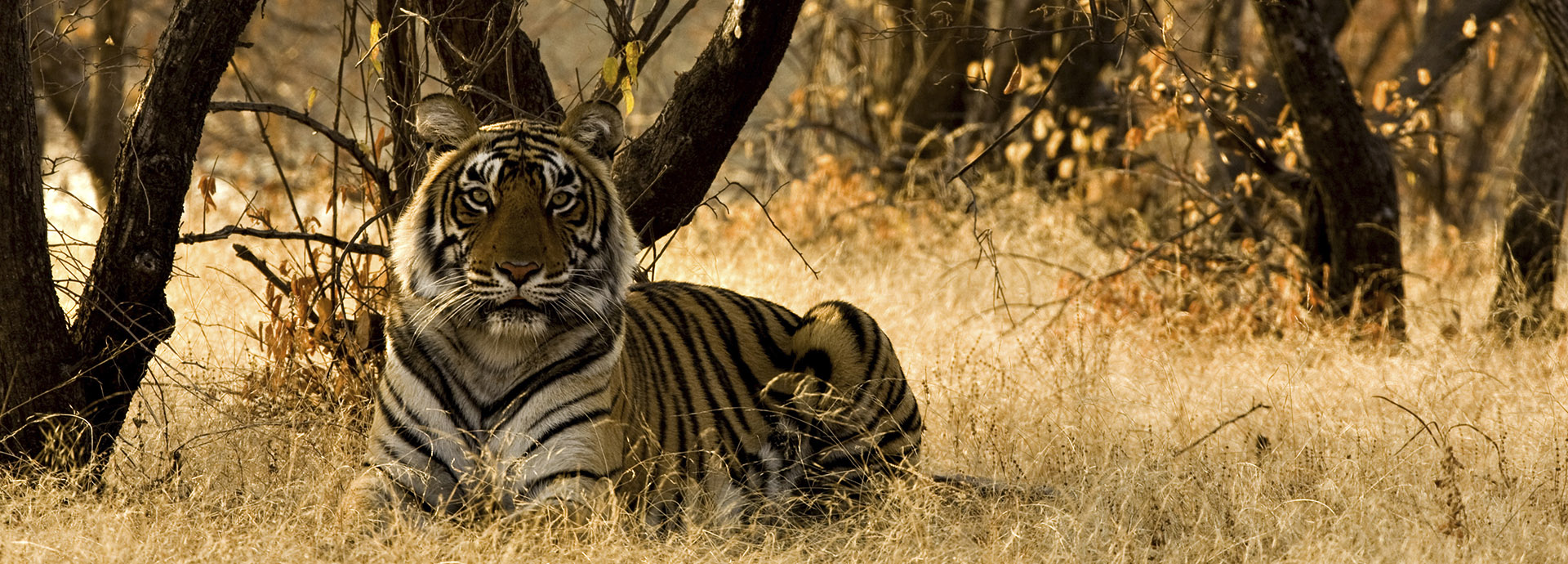
- India is home to more wild tigers than any other country on earth, with approximately 3,600 individuals recorded in the most recent national census — a population that has more than doubled since Project Tiger was launched in 1973, making India’s tiger reserves among the most compelling wildlife destinations in Asia.
- The Indian subcontinent spans five distinct climate zones, meaning no single travel season suits the entire country: October to March is ideal for Rajasthan and the Golden Triangle, the summer months open Ladakh and the high Himalaya, and the post-monsoon period brings Kerala’s waterways to their lushest — skilled itinerary design is essential to navigate these windows effectively.
- India’s accommodation canon includes some of the most architecturally significant luxury properties in the world, among them former maharaja palaces, Mughal-era forts converted to hotel use, and tented safari camps modelled on the traditions of the Raj — a legacy that gives bespoke travel here a theatrical quality found nowhere else.
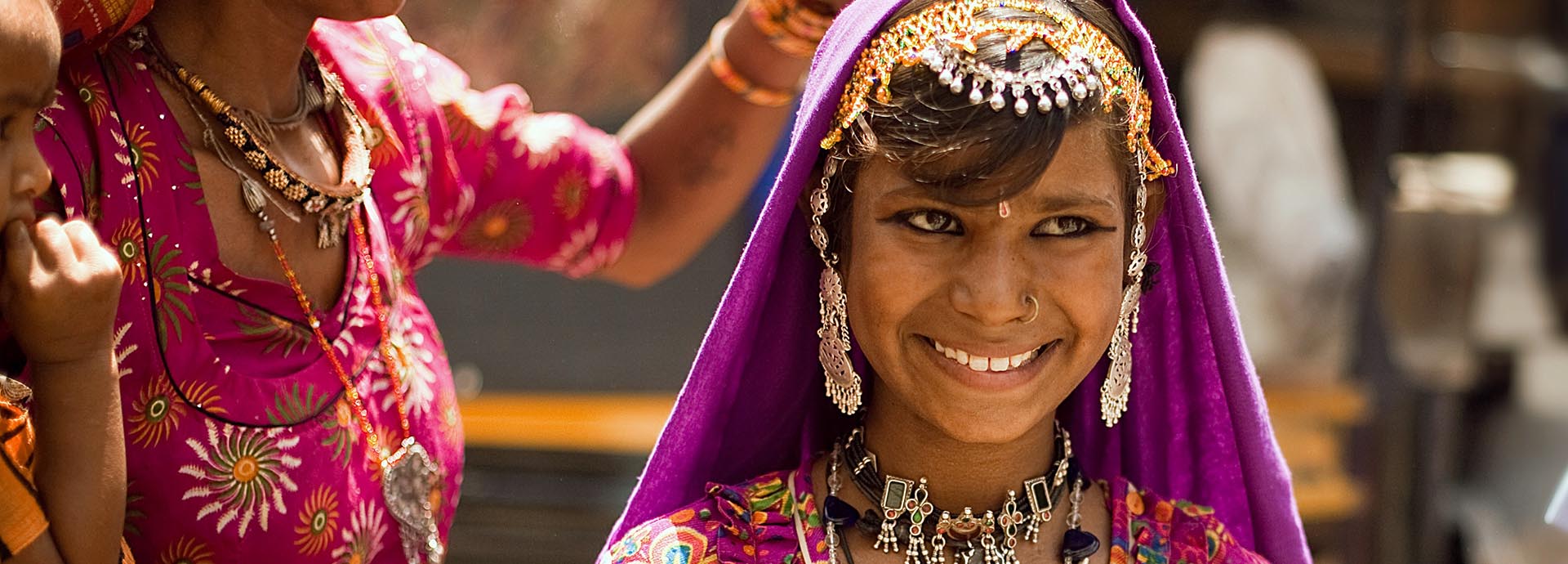
As one of the most diverse countries in the world, India offers incomparable variety. Walk the streets of any Indian city and find a dizzying array of religions, languages, food and culture that few countries can boast. Explore secretive jungles, spice-laden markets, places of pilgrimage and fairy-tale castles lost in time. For those wishing to combine adventure, culture and stunning wildlife, our luxury India tours offer a bespoke experience that cannot be matched.
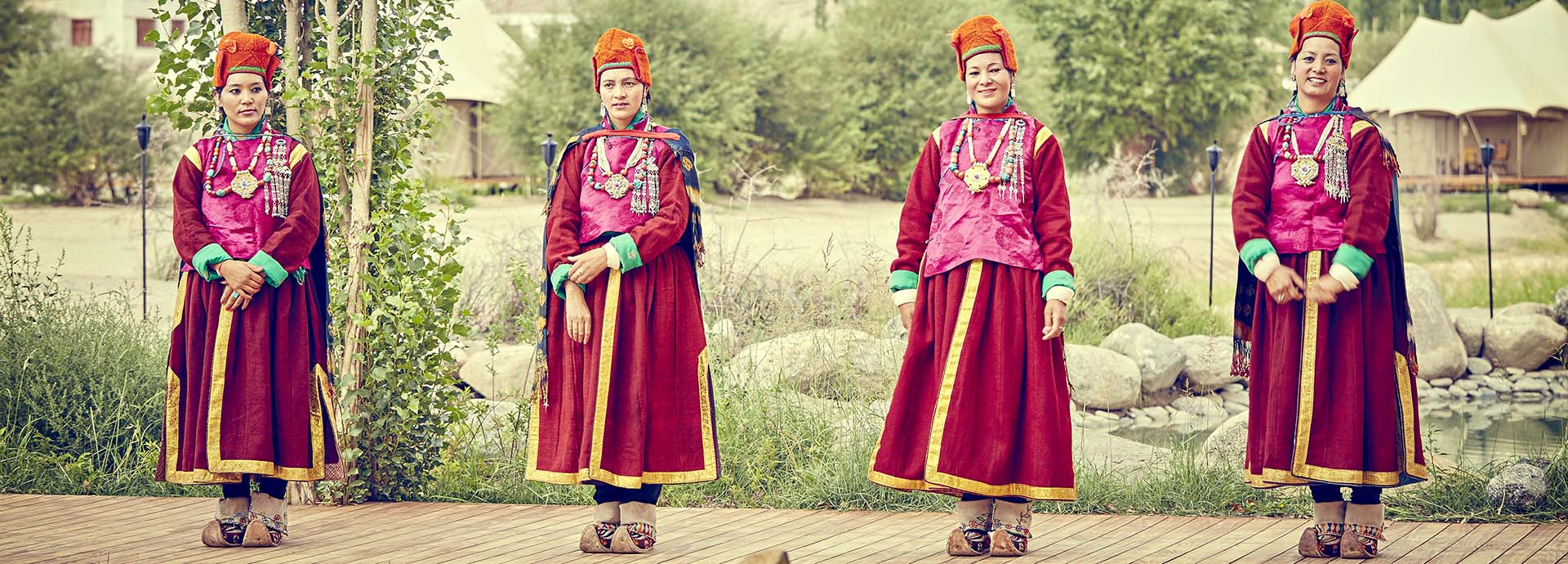
The Himalayas in the north are the world’s mightiest mountains, and a north India tour is often the perfect choice for an intrepid adventurer that loves to get out and explore. Their lofty summits have enticed those with a soul for exploration and devout spiritualists alike from across the world for millennia. In complete contrast, Rajasthan parades its princely splendour with opulent palaces and imposing forts, whilst photogenic pink and blue cities spring from the desert and Kipling’s jungles harbour a thriving population of wild tigers.
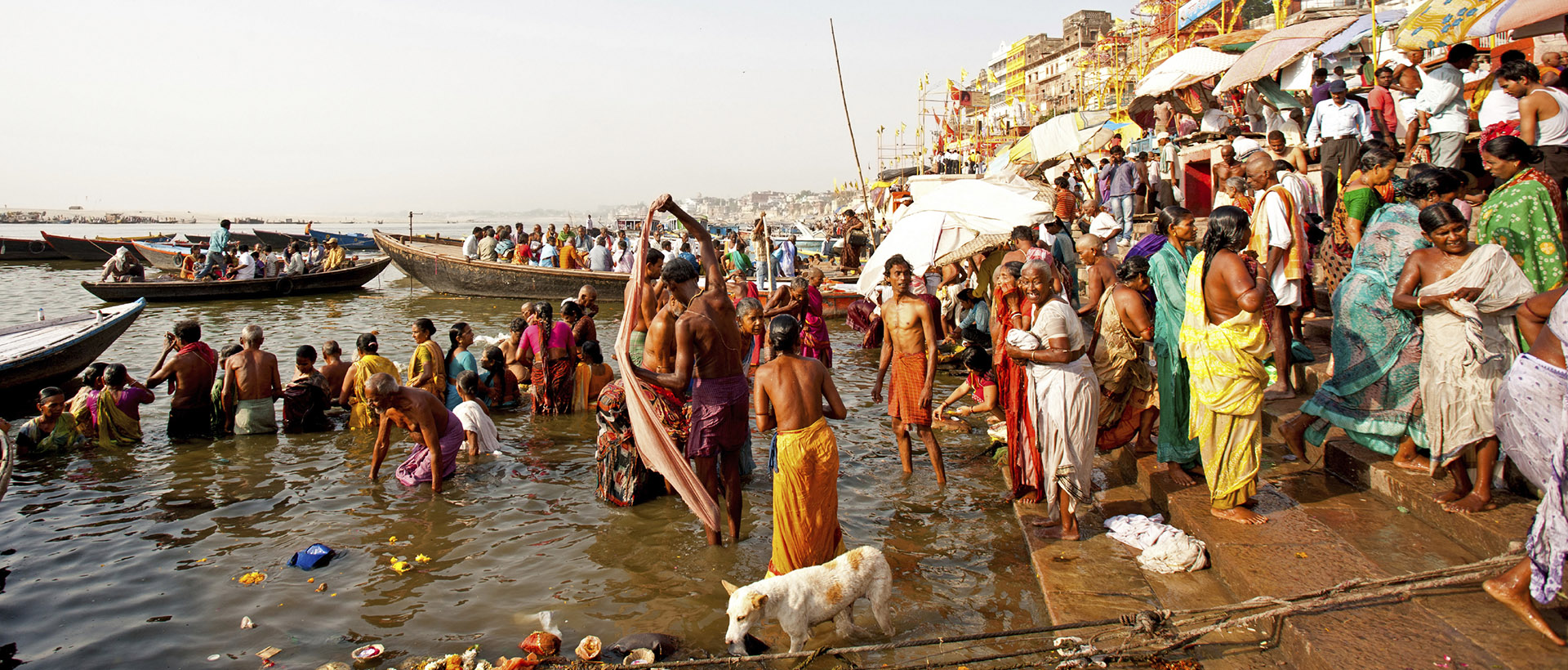
In the west, the Kashmir region is renowned for cold deserts and Buddhist rituals, while in the east one can recharge in the colonial cool of Darjeeling’s tea plantations, take puja on the holy Ganges at Varanasi and explore the Kingdom of Sikkim. The pace slows in the tropical backwaters of southern India – the perfect antidote to the chaos of the north and the ideal place to relax after an action-packed trip. Our bespoke experiences allow you to explore one, or all four, of these distinctive corners in a way that is perfectly tailored to you
You Will Love
• Vibrant cities
• Rich cultural landmarks
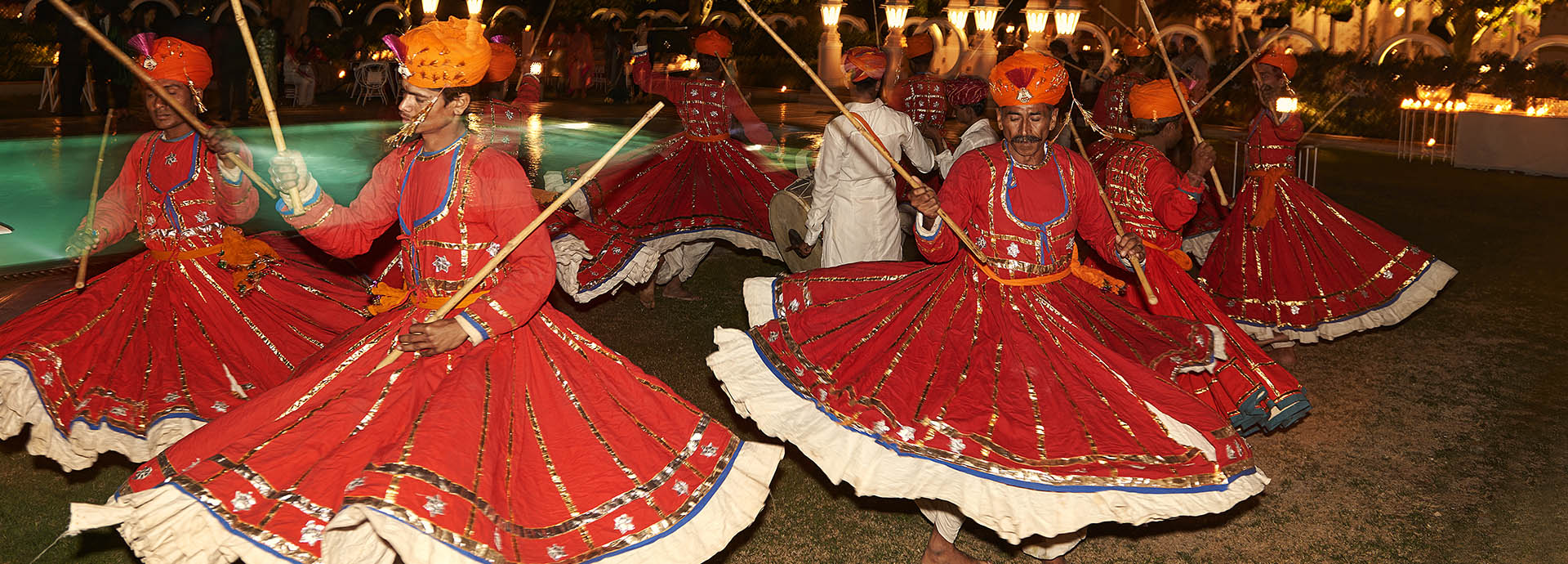
• Fantastic festivals
• Majestic wildlife
• Colourful, chaotic & life changing
Let us design your perfect itinerary.

India's diverse regions from the northern Himalayas to the tropical south

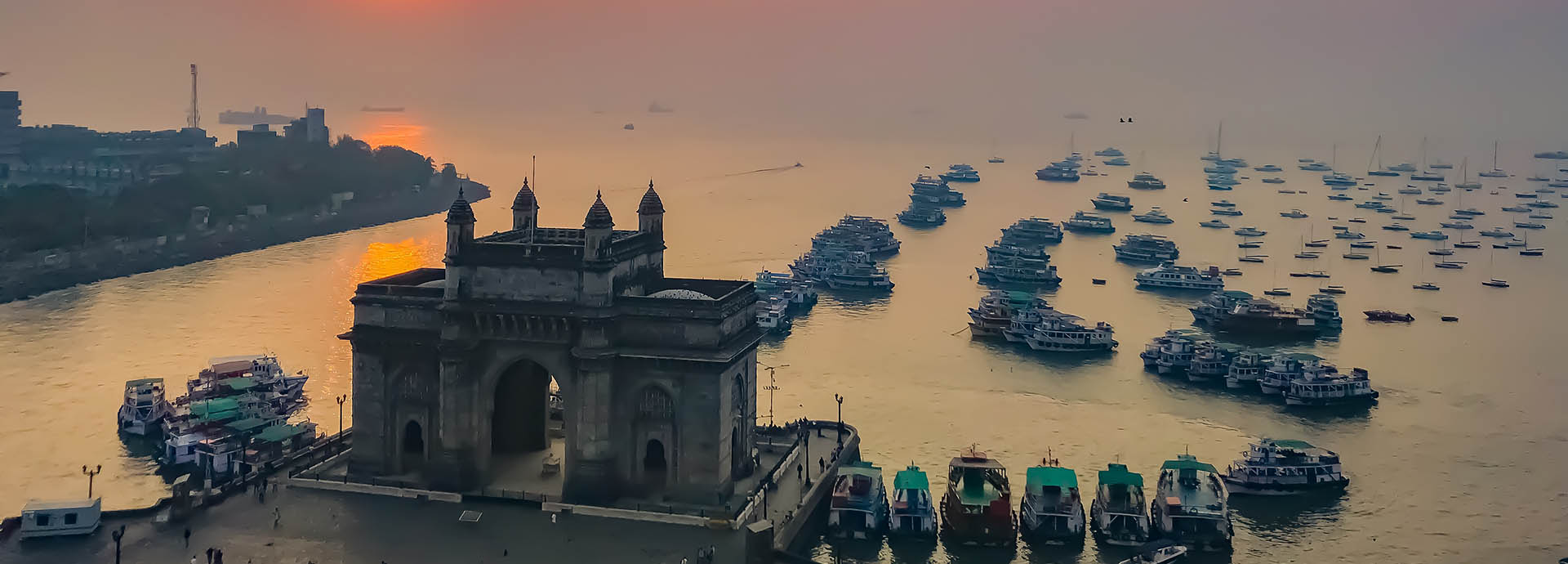
Delhi, Agra, Varanasi & Mumbai
Delhi is sprinkled with captivating ancient monuments, magnificent museums and is steeped in glorious, but turbulent history. It provides an intoxicating mix of the ancient and the modern that makes it the perfect base for your bespoke luxury India tours, reflected in its two parts: Old Delhi, the Muslim capital of India, a walled city with narrow alleys, mosques, temples and bazaars dating back to the 12th century; and New Delhi, the city created in 1911 to be the British capital with the grand Lutyens-designed government buildings, the majestic India Gate memorial and the thriving hub of Connaught Circus.
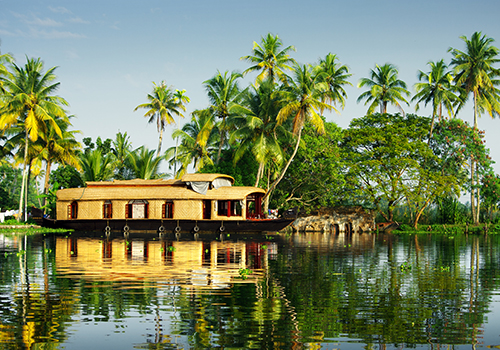
Kerala & Southern India
From the peaceful palm-fringed backwaters of Kerala to the stunning temples of Tamil Nadu, Southern India is a serenely beautiful location for bespoke luxury India tours that are tailored to your personal sense of pace. Beaches and backwaters, temples and tigers, spice plantations and sleepy fishing villages await in this tropical paradise, so different from the mayhem of northern India. Delicate, fragrant and idyllic, southern India will soothe your senses.
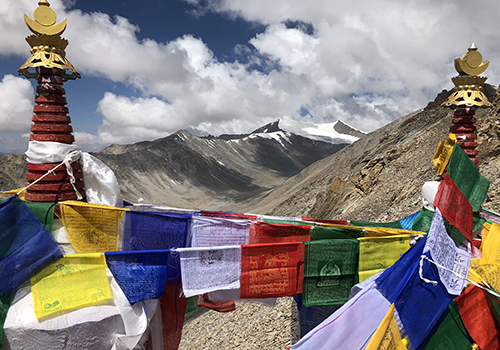
Northern India, the Himalaya, Kashmir & Sikkim
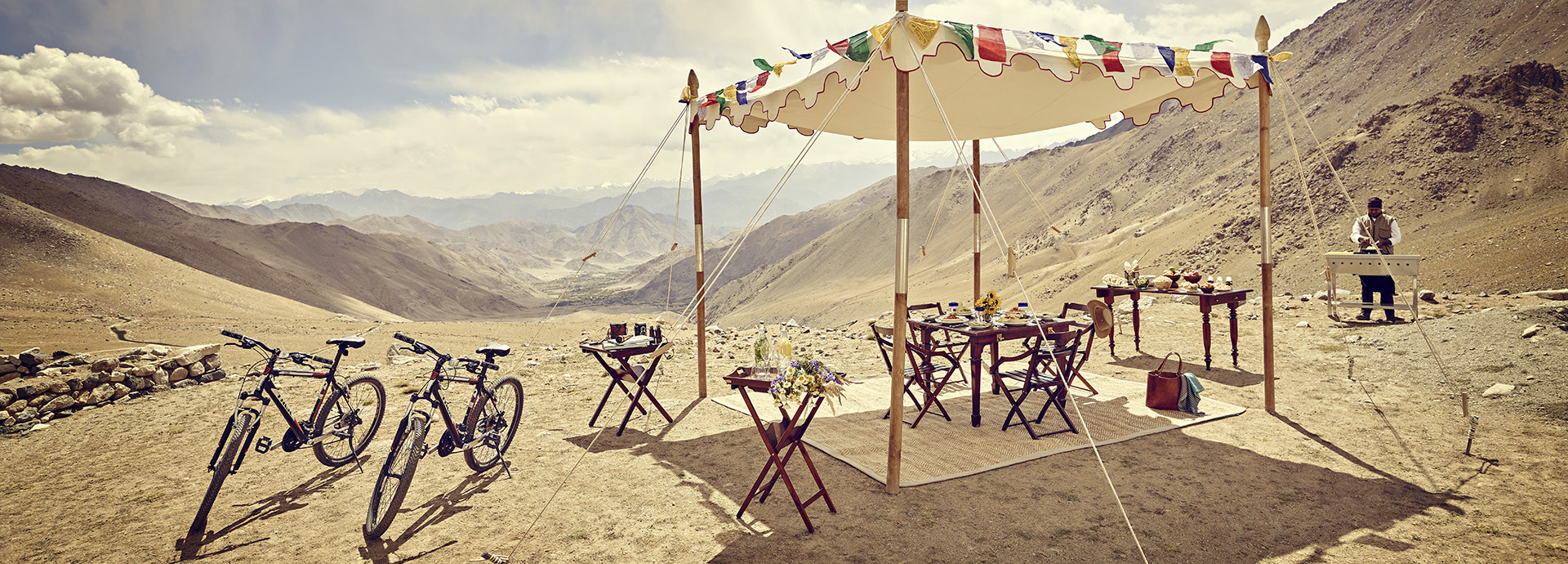
The Himalayas are the world's highest & mightiest mountains. Many of the Indian subcontinent's great rivers - the Ganges, the Brahmaputra and the Indus - flow from the range’s lofty summits, bringing life to the lowlands since time immemorial. The sheer geographic diversity of this region encompasses high altitude pastures, verdant forested valleys, turquoise lakes and a kaleidoscope of flora and fauna. The isolated snow-capped peaks are a far cry from the madding city crowds for which India is famed and a north India tour is the perfect experience for the intrepid adventurer.
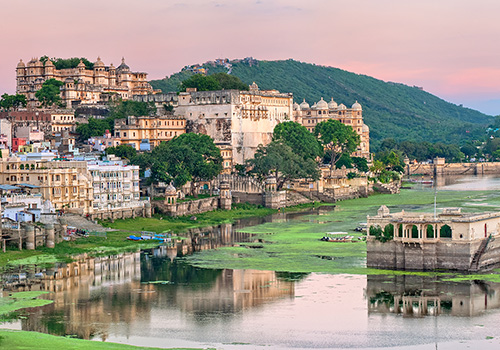
Rajasthan & surrounds
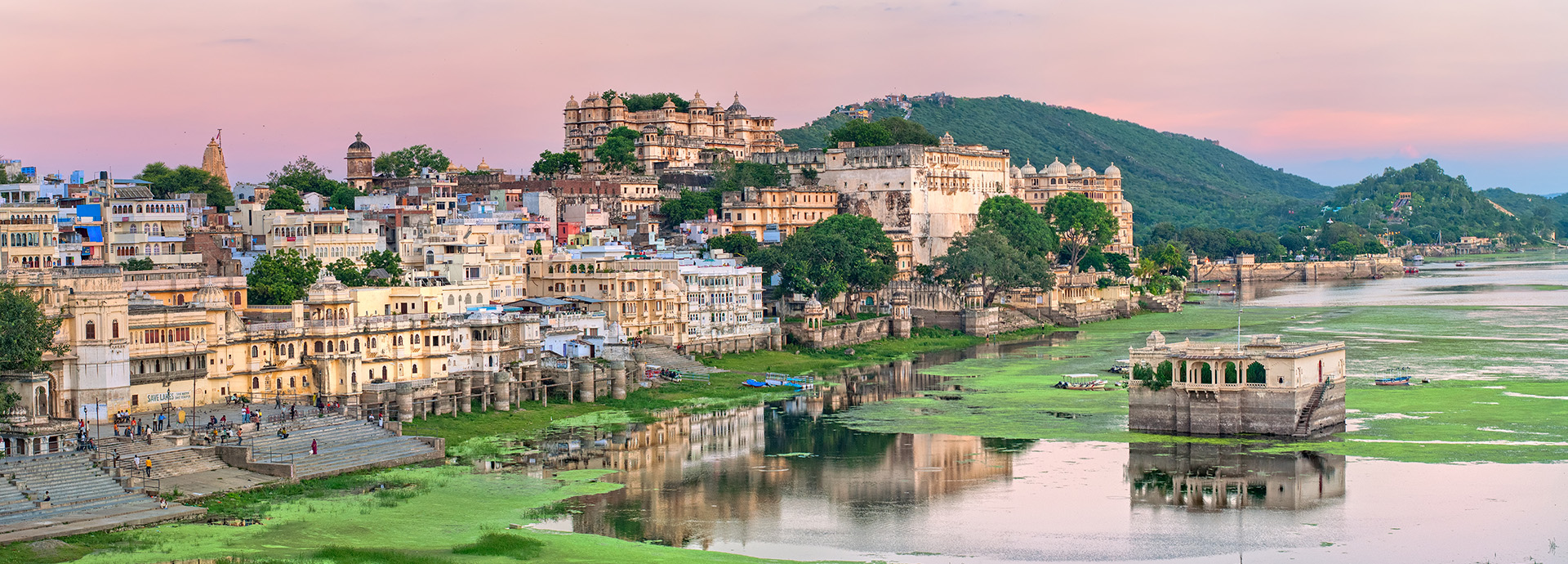
Rajasthan captivates the mind and heart with its imposing forts, striking temples, vibrant colours and rich cultural heritage. Despite being a desert state, it is home to a wealth of interesting rural towns and villages as well as some of India’s most iconic cities - Udaipur, known as the ‘Venice of the East’, and a city with a long history of accommodating those on luxury India tours. There is also Jaipur the 'Pink City', Jodhpur the 'Blue City’, Jaiselmer and Bikaner. Each destination has its own charms and memorable moments just waiting to occur, giving you a truly eclectic range of options for your itinerary.

Unforgettable Experiences in India
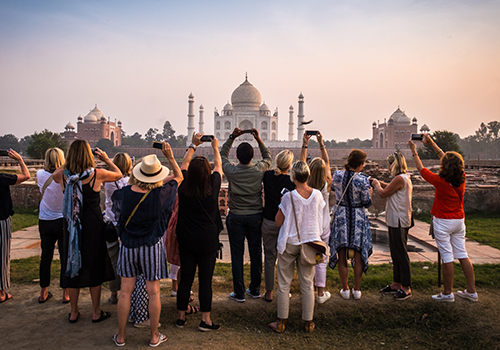
Stand in awe at the Taj Mahal
Stand in awe at the Taj Mahal
The magnificent white marble mausoleum was built by Mughal emperor Shah Jahan, in memory of his favourite wife, Mumtaz Mahal, and now stands as a monument of undying love and devotion and a perennial favourite for anyone on sojour...
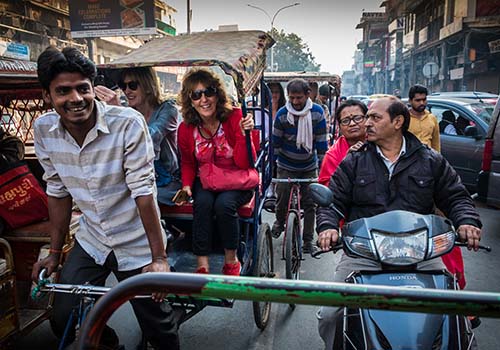
Ride a rickshaw through Chandni Chowk
Ride a rickshaw through Chandni Chowk
Chandni Chowk (Silver Street) is the colourful main street and main shopping bazaar of Old Delhi. It runs through the middle of Delhi’s walled city, from the Lahore Gate of the Red Fort to Fatehpuri Masjid. Chandni Chowk is one ...
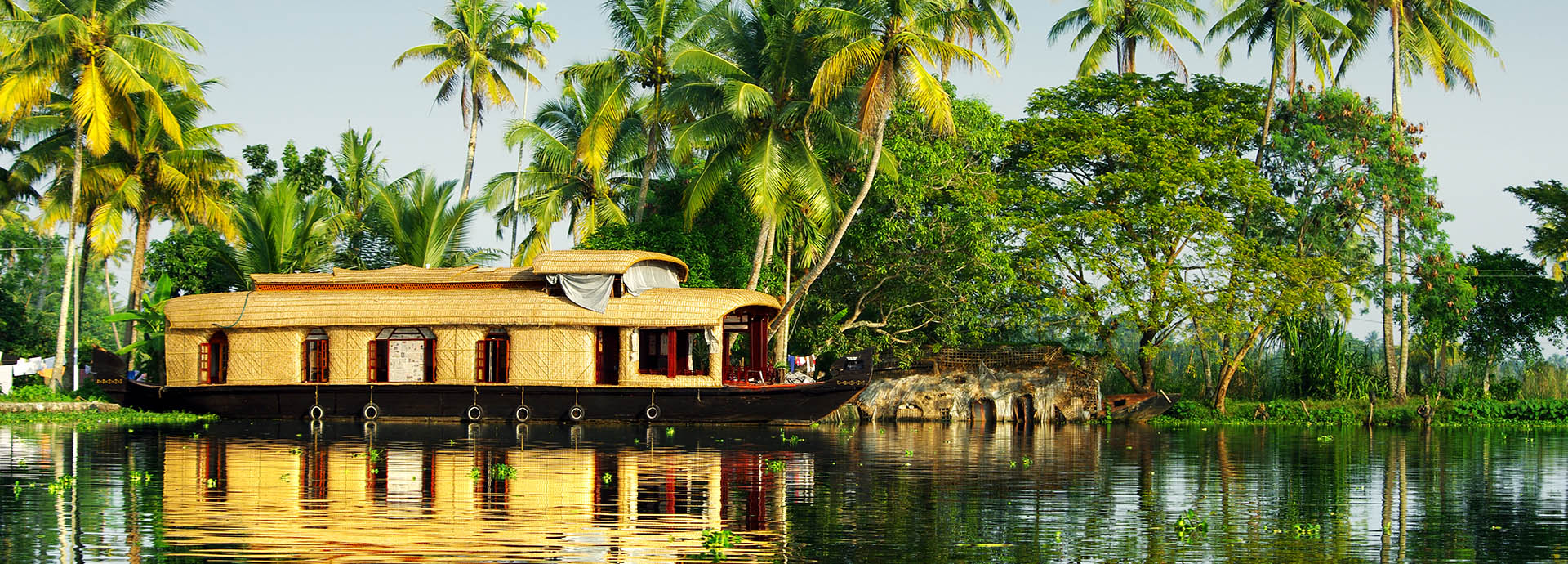
Explore the backwaters of Kerala in a houseboat
Explore the backwaters of Kerala in a houseboat
Cruising the tranquil channels of Kerala’s backwaters allows you to immerse yourself into the rustic village life of the region’s countryside. Traditional houseboats called “Kettuvallams” are built from jackfruit and then ...
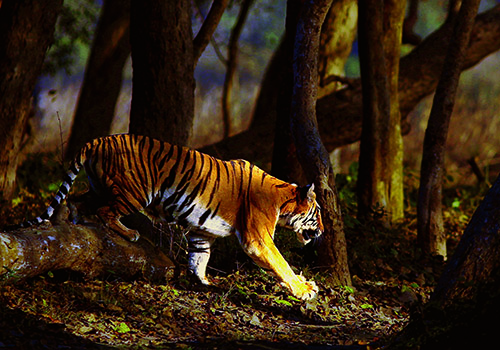
Search for elusive cats in Periyar Tiger Reserve
Search for elusive cats in Periyar Tiger Reserve
Southern India’s most popular wildlife area, Periyar Tiger Reserve, is a huge National Park consisting of verdant, rolling hills, dense jungle, marshland and open lakes, which can be explored in a vehicle or by boat. It is and e...
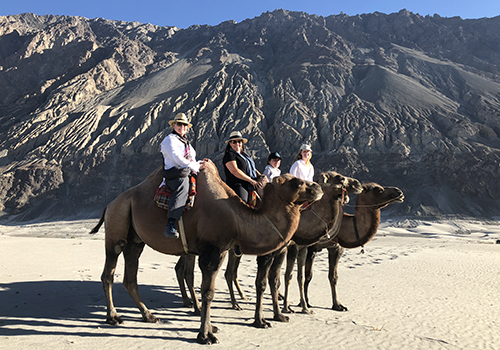
Ride Bactrian Camels in the Hunder Desert
Ride Bactrian Camels in the Hunder Desert
Situated in the Hunder Desert in Ladakh, the famous sand dunes of Deskit are far more reminiscent of the Sahara than the Tibetan plateau and come complete with a resident population of double-humped Bactrian camels. These shaggy c...
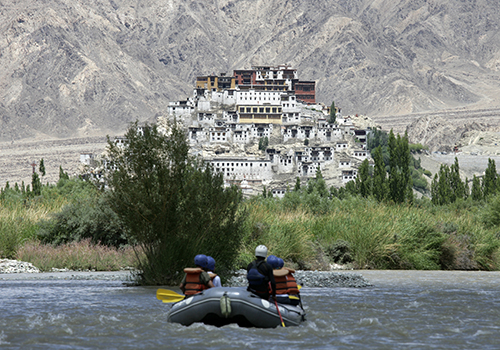
Go white water rafting on the Zanskar River
Go white water rafting on the Zanskar River
Ladakh is an untamed wilderness just crying out to be explored. This starkly beautiful and remote area of the Himalaya is home to sky piercing mountains, gushing rivers, deep canyons and vibrant landscapes. Keen adventurers and ad...
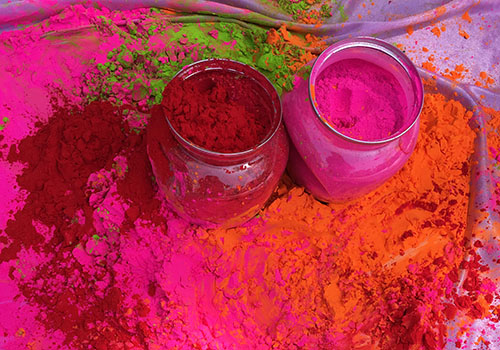
Revel in the Holi Festival celebrations
Revel in the Holi Festival celebrations
The colour, mess and madness that unfurls during the celebration of Holi is a once in a lifetime spectacle! Enjoyed all over India, Holi is a festival that celebrates rebirth and the arrival of spring, symbolically eradicating win...
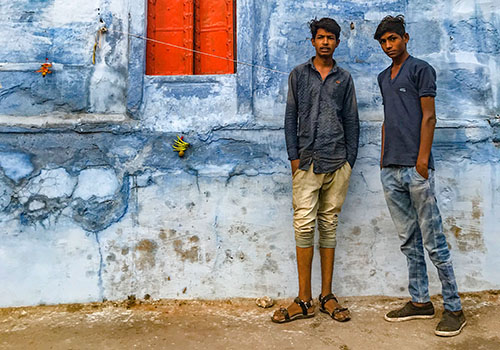
Walk the beautiful blue streets of Jodhpur
Walk the beautiful blue streets of Jodhpur
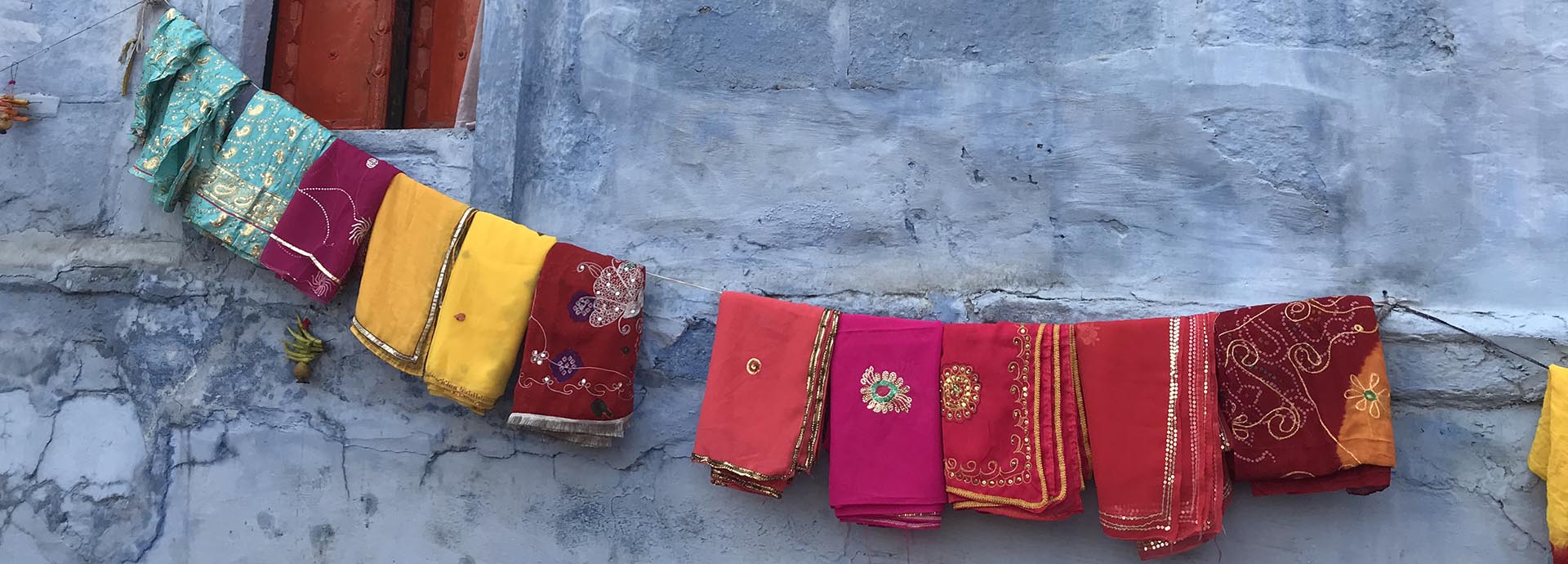
Jodhpur stands at the entrance of the Thar Desert as a vibrant spread of blue contrasting starkly with the surrounding dusty ochre and red sandstone landscape. The vivid colour provides a photogenic backdrop to everyday Rajasthani...
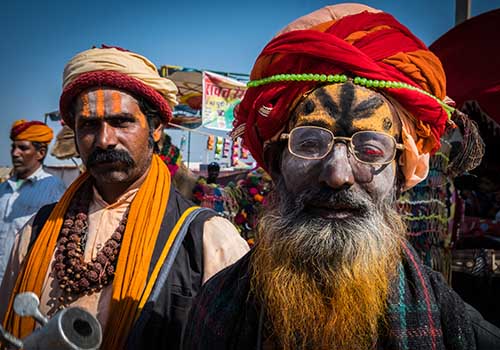
Be part of the Pushkar Camel Fair
Encounter the Pushkar Camel Fair
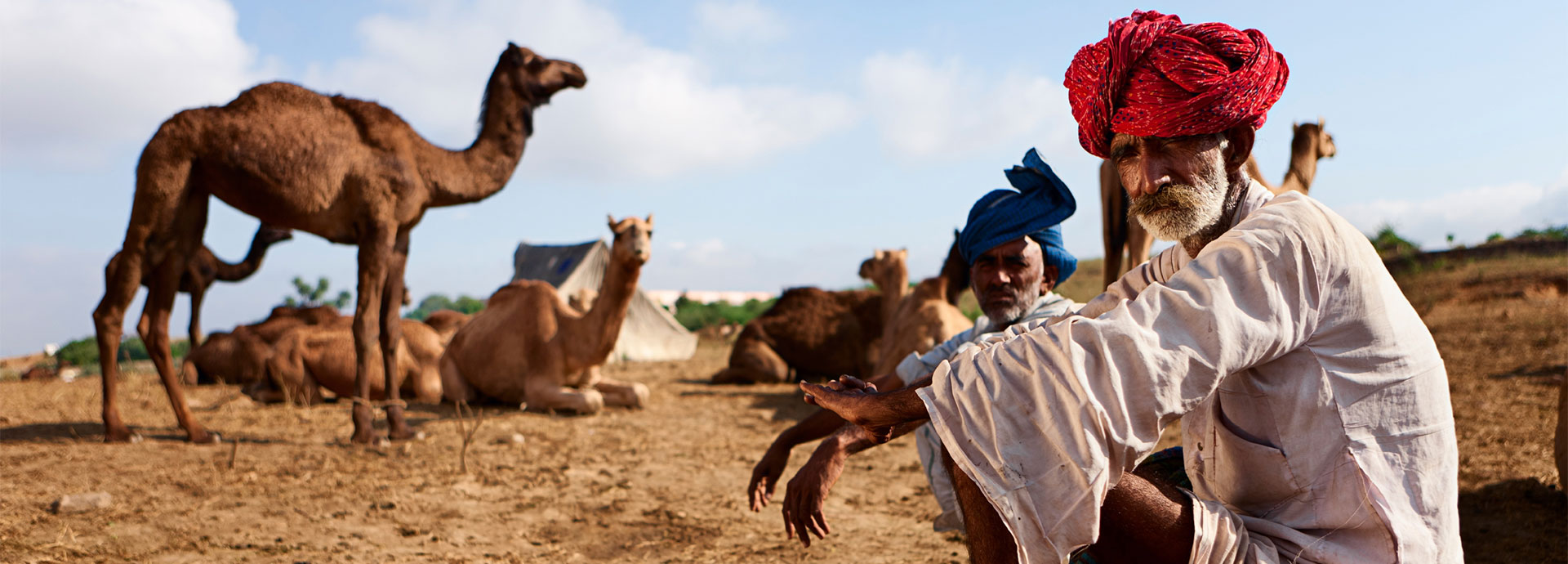
Rajasthan’s most famous festival is held each year in the Hindu lunar month of Kartika (Oct/Nov) and is one of India’s most highly-rated travel experiences. This five-day fair is a spectacle on an epic scale that will inject e...

A selection of our favourite places to stay in India
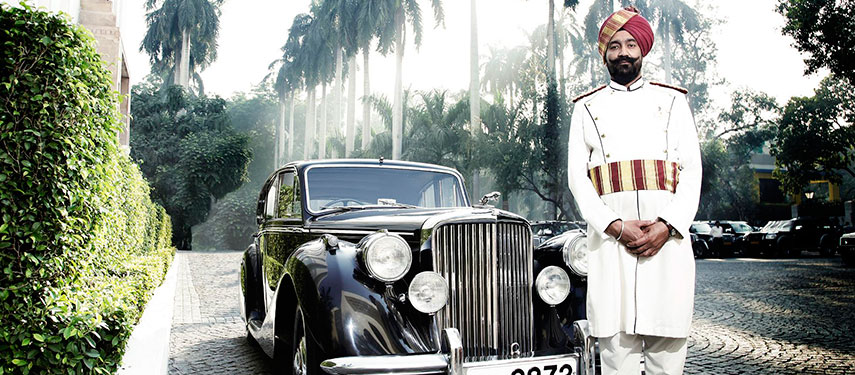
The Imperial Hotel – New Delhi
Classic Heritage Hotel
Arriving at The Imperial Hotel with its 24 towering signature palms and turbaned sentries at the door will immediately transport you back to the glamour of India’s Raj. The restored 1930's Victorian style building is a perfect meeting of old and new. Grand and luxurious, the hotel makes the perfect start or end to your stay in India.... Read More
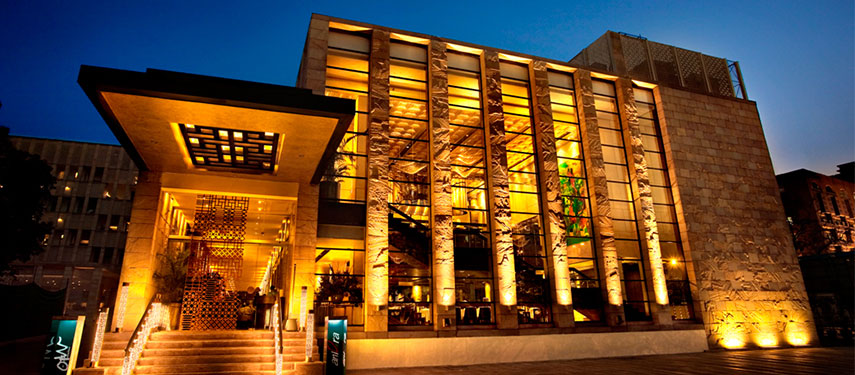
The Lodhi – New Delhi, Northern India
Simple & easy luxury in Delhi
The Lodhi's 40 rooms and suites have been carefully renovated to combine flawless international standards in luxury with age old craftsmanship and extensive use of local materials. With acute attention to detail and an ethos of understated opulence, The Lodhi showcases India's contemporary luxury at its very best.... Read More
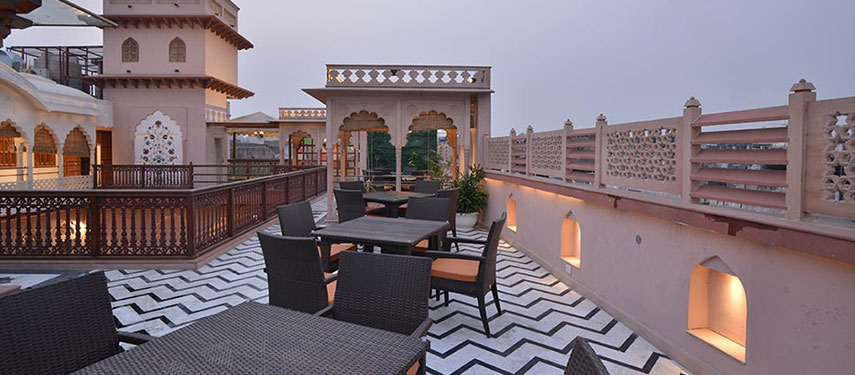
Haveli Dharampura – Old Delhi
Mughal architecture meets contemporary design
Haveli Dharampura is situated in the historic heart of Old Delhi, nestled among the narrow alleyways of Chandani Chowk, one of the oldest bazaars in the city. Amidst the vibrant hustle and bustle, the Haveli stands as a historic landmark and a peaceful city retreat, a great place from where to head out and explore while on our luxury India tours... Read More
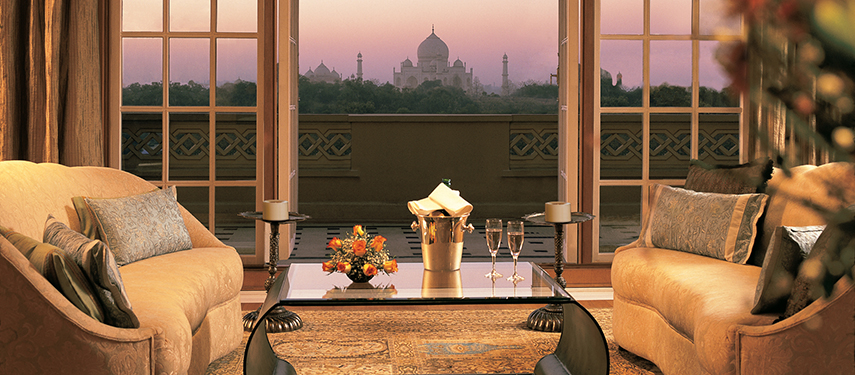
Oberoi Amarvilas – Agra, Northern India
Taj Mahal Luxury
With excellent views of the timeless monument to love, the Taj Mahal, there can only be one place to stay in Agra - the Oberoi Amarvilas. Oberoi Amarvilas boasts a breathtaking display of terraced lawns, ornate gardens complete with fountains and pools and rich interiors that take you back to an era of emperors & princes - the epitome of the luxury India tours experience... Read More
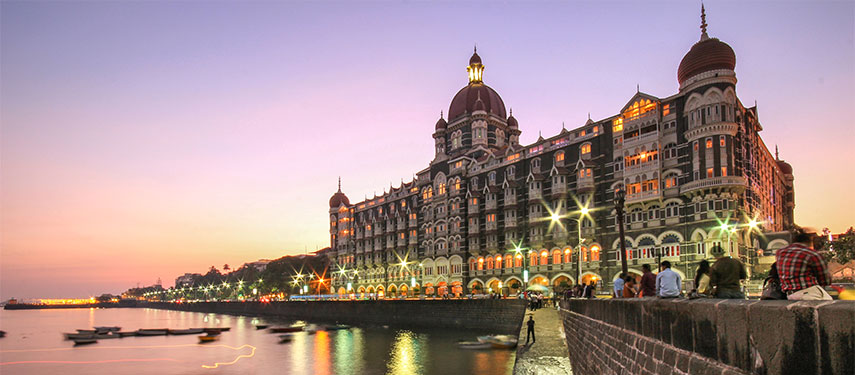
Taj Mahal Palace Hotel – Mumbai, Central India
At the water's edge, in the city's heart
The history of Mumbai and The Taj Mahal Palace are dramatically intertwined. The hotel is Mumbai's first harbour landmark and was the first licensed bar in the city. For more than a century, the Taj has played an intrinsic part in the life of the city, hosting maharajas and dignitaries from across the globe - a luxurious experience.... Read More
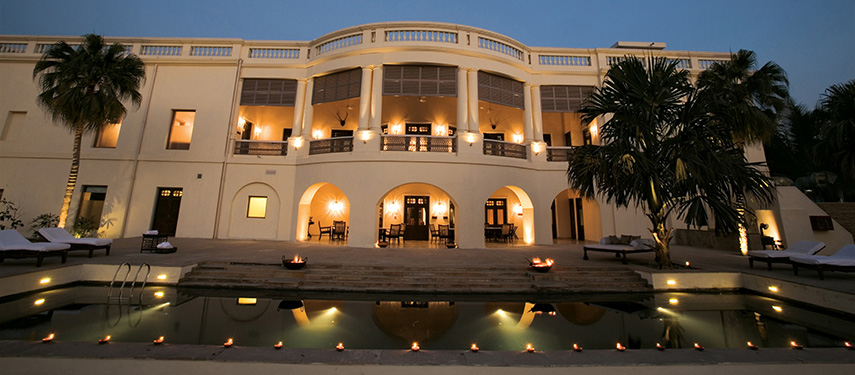
Nadesar Palace – Varanasi, Northern India
Varanasi Classic Palace
Situated in one of the oldest living cities of the world, Nadesar Palace is set amidst mango orchards, marigold fields and lotus-filled, jasmine scented gardens. Nadesar Palace has hosted royalty, statesmen and celebrities since 1835. Nadesar Palace is a haven of peace and tranquillity and Varanasi’s most exclusive hotel.... Read More
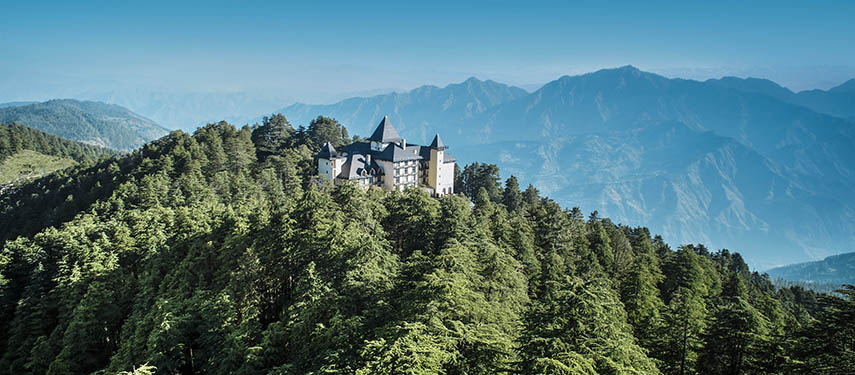
Oberoi Wildflower Hall – Shimla
Mountain Haven
Situated at 2500m in the magnificent Himalayas, Wildflower Hall is a fairy tale luxury resort in 22 acres of pine and cedar forest. It recreates the grand style of the colonial era with wood paneling and original artwork creating an aura of old-world charm. The resort also offers white water rafting, mountain biking, archery and more, allowing those enjoying their luxury India tours complete control over their entire adventure... Read More
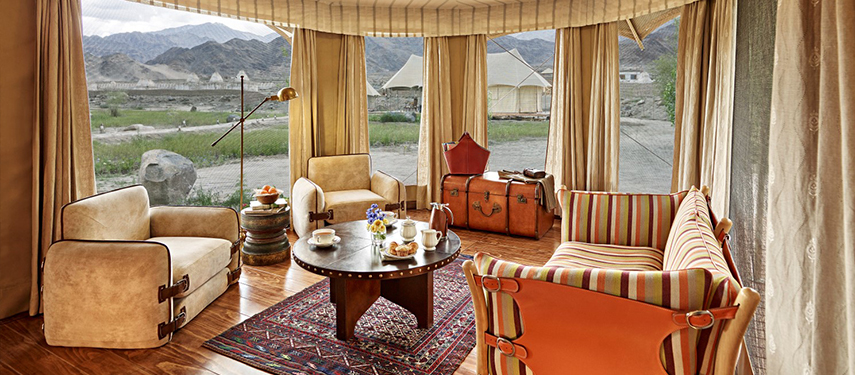
Chamba Camp Thiksey – Leh, Ladakh
Tented Leh
Pitched at the base of Thiksey monastery, for a few months over festivals during Ladakh’s short summer, the luxurious Chamba Camp has entered into a unique commercial and spiritual partnership. Your stay provides valuable income for the monastery at one of the most picturesque places on earth.... Read More
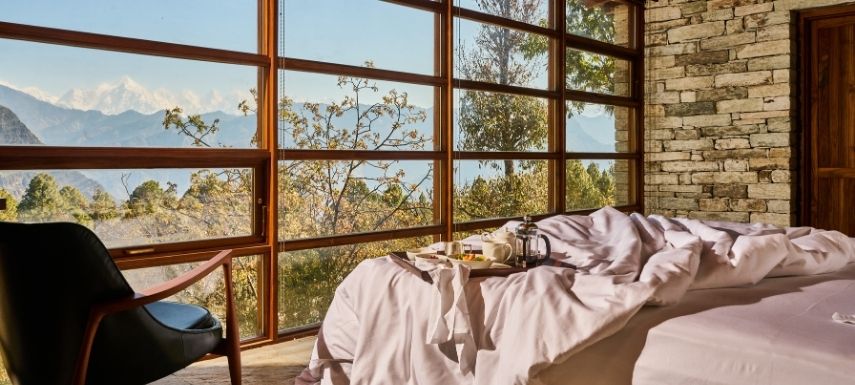
Shakti Prana – Kumaon Region, Indian Himalaya
Himalayan Mountain Retreat
In a stunning location high in the Himalayas, Shakti Prana offers a remoteness usually reserved only for the hardiest of explorers, but delivered here with absolute elegance and luxury. Rejuvenate your body and mind immersed in stunning scenery, take in crystalline air and enjoy absolute quietude.... Read More
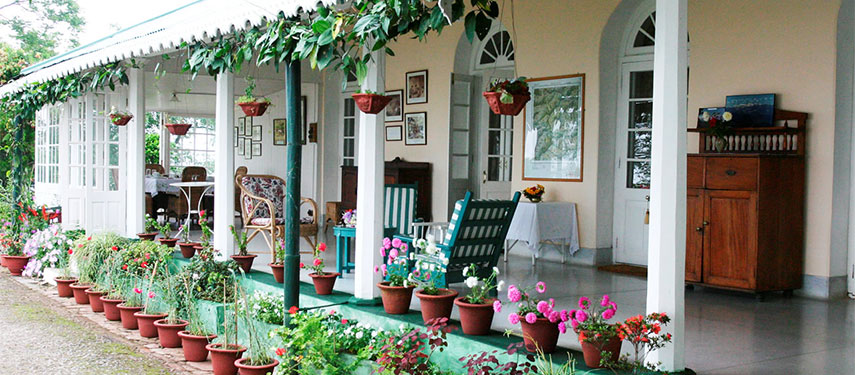
Glenburn Tea Estate – Darjeeling
Hill Country Tea Station
Glenburn Tea Estate is a heavenly colonial style plantation deep in the foothills of the Himalaya. Established by a Scottish tea company in 1859, then passed to one of India’s pioneering tea planting families, it continues to operate as a small scale working estate, producing some of the finest tea on the planet.... Read More
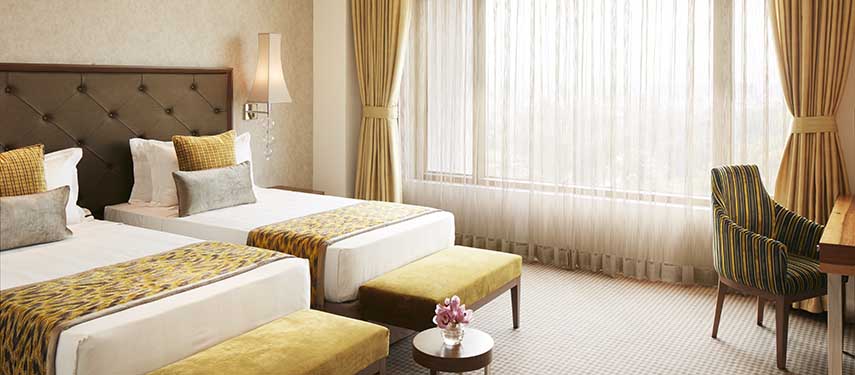
Taj Swarna – Amritsar, Northern India
Star of Amritsar
Taj Swarna fuses modern design with traditional elegance in the heart of Amritsar. With an enviable location next to Sikhism's most sacred shrine, the famed Golden Temple, it provides a fabulous base for discovering Amritsar as well as the nearby cities of Jalandhar and Ludhiana.... Read More
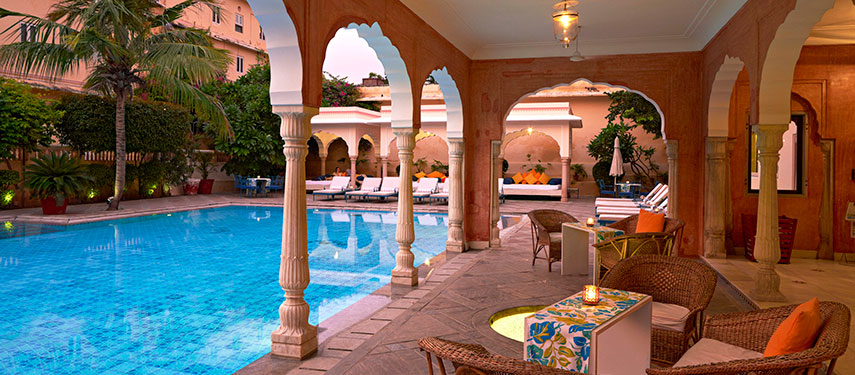
Samode Haveli – Jaipur, India
Ornate royal mansion in Jaipur
Unexpected and charming, Samode haveli is a 200-year old intimate townhouse, belonging to the royal family of Samode, hidden deep in the folds of the busy streets of old Jaipur. With its mix of history, simple style, and interesting features, Samode Haveli is the reigning hip heritage hotel in Jaipur and a popular first choice for anyone on bespoke luxury India tours.... Read More
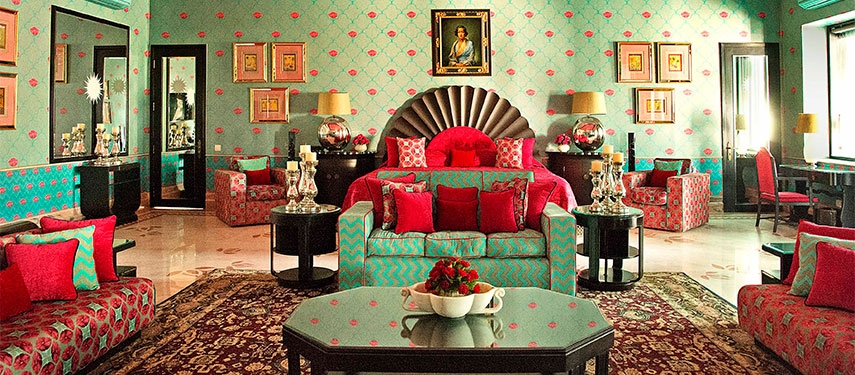
RAAS Rajmahal Palace – Jaipur, India
Wildly colourful Jaipur
Rajmahal Palace is located in the centre of Rajasthan’s bustling ’Pink City’, Jaipur. It is one of the oldest and most treasured properties belonging to the Royal Family and is the oldest Palace in Jaipur. Over the years this palace has hosted Her Majesty, Queen Elizabeth as well as Jackie Kennedy among others. Rubbing shoulders with royalty brings a new level of opulence to our luxury India tours.... Read More
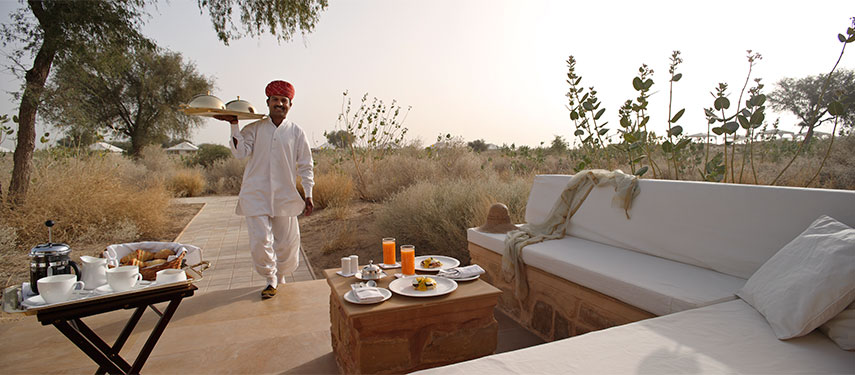
Suján The Serai – Jaisalmer, Rajasthan
Outrageous Desert Luxury
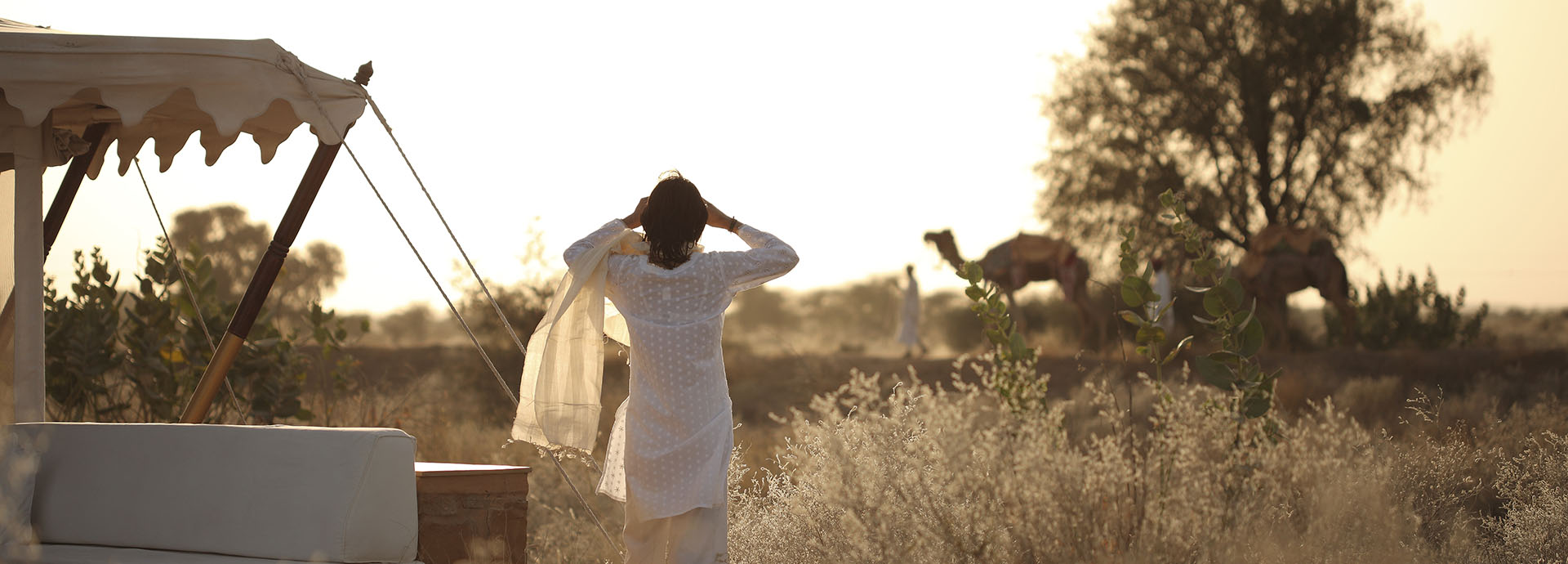
The luxurious and immaculate desert camp, The Serai, lies in its own little oasis 45 minutes away from the craziness of Jaisalmer. This is a beautiful and stylish escape with divine desert views and exquisite night skies – one of the most memorable experiences for many on a north India tour. A handful of elegant, tented suites are effortlessly chic, opulently furnished and styled in classic elegant desert themes.... Read More
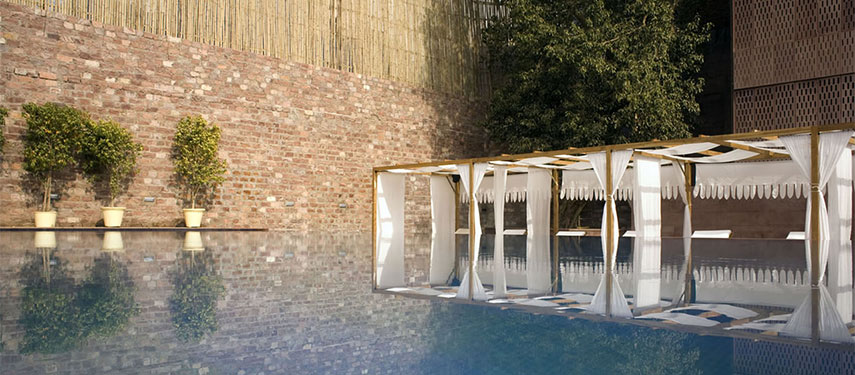
RAAS Jodhpur – Jodhpur, Rajasthan
Jodhpur Style
In the north-east quarter of Jodhpur's old walled city lies RAAS, a boutique luxury hotel with spectacular views of the fort. It is a combination of old and new, the only luxury boutique hotel within the walled-city and embodies the region's heritage with class and understated elegance. A perfect place to centre yourself before exploring the region on your north India tour.... Read More
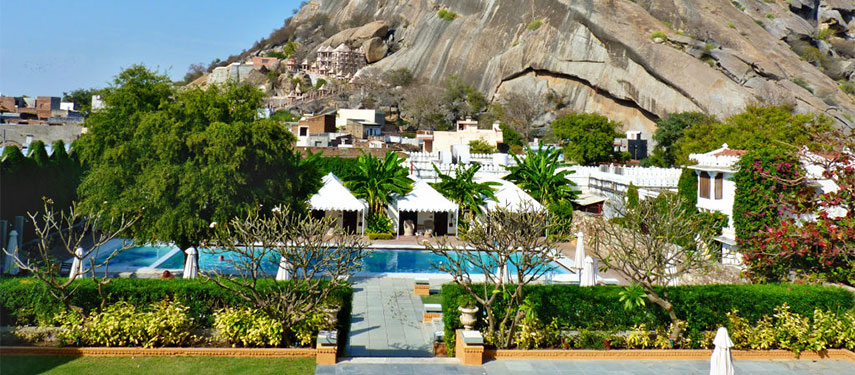
Rawla Narlai – Narlai Village, Rajasthan
A gem in rural Rajasthan
Located between Udaipur and Jodhpur in the heart of the Aravalli Hills of rural Rajasthan, Narlai is the ideal spot to break your journey and take a breath within the busy itineraries of our luxury India tours. This 17th century property was once a favourite hunting lodge of the Jodhpur royal family. Today, a real highlight at Rawla Narlai is the ‘Stepwell Dinner’, dining by candlelight... Read More
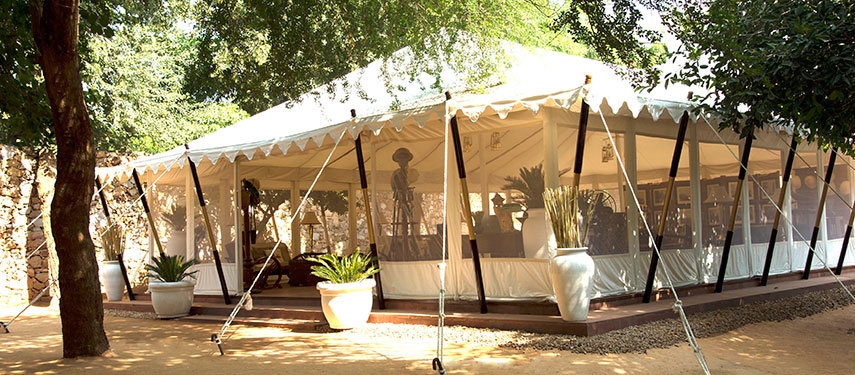
Suján Sher Bagh – Ranthambore NP, Rajasthan
Tigers & Tents
The 12 hand-stitched canvas tents at Sher Bagh camp reflect the style of the 1920’s and arouse nostalgic evocations for life on safari during the heyday of the Raj. In addition to faultless service, elegant style and exquisite dining, the wildlife is spectacular. Sher Bagh is an authentic tented jungle camp and the perfect base for tiger spotting – you couldn’t ask for more while on India wildlife tours!... Read More
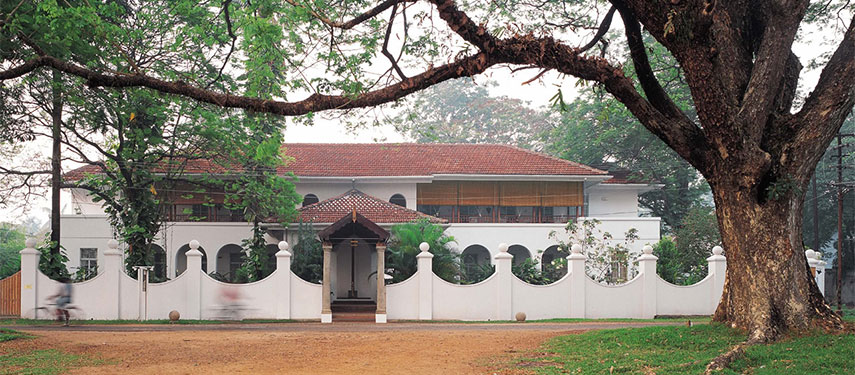
Malabar House – Cochin, Kerala
A haven of tranquility
Malabar House is situated on a peaceful green in the centre of Fort Cochin (Kochi) in Kerala. Formerly an 18th-century Dutch colonial residence this small, luxury boutique hotel offers a haven of tranquility in the city. The whole place is effortlessly stylish and is as romantic on ‘candlelit’ evenings as it is during the bright, sunny daytime.... Read More
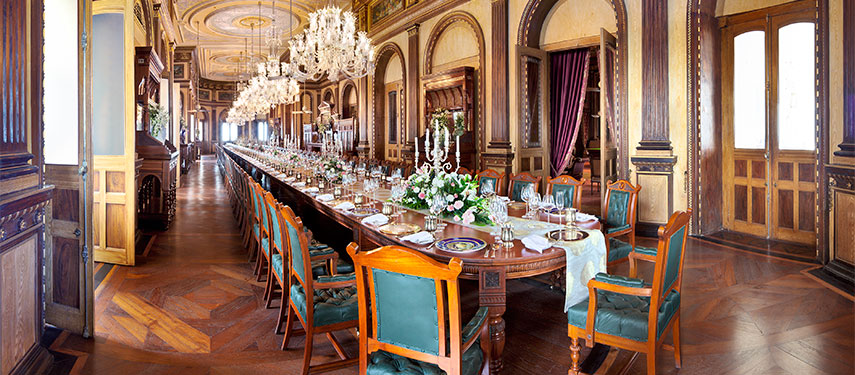
Taj Falaknuma Palace – Hyderabad
Live like royalty
Located high above Hyderabad, Taj Falaknuma Palace's 60 beautifully refurbished and lovingly restored rooms allow you to journey into the clouds where grandeur and excess is celebrated and savoured. At Taj Falaknuma Palace the rooms are glimpses of royalty, shaped by Italian marble flooring, valance curtains and colonial furniture.... Read More
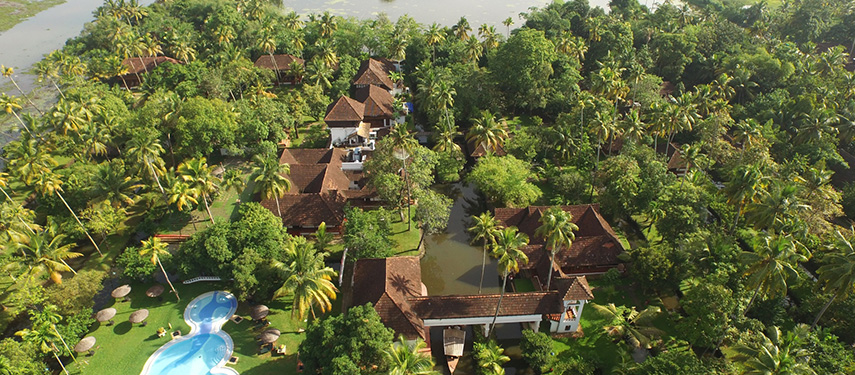
Coconut Lagoon – Kumarakom
Enchanting heritage home
Coconut Lagoon sits amongst rice paddies, tranquil waterways and lush gardens boasting authentic heritage, exquisite cuisine and a unique insight into this beautiful corner of Kerala. During your stay as part of your South India tour, you are free to wander through the cool wildflower and butterfly garden, take a sunset cruise or explore the network of canals by canoe.... Read More
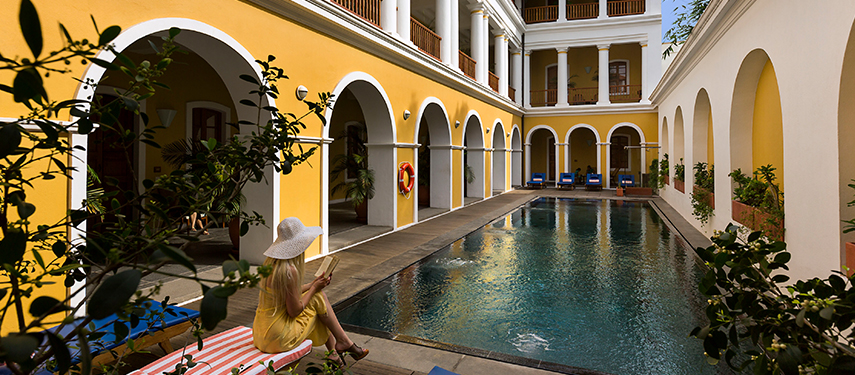
Palais de Mahe – Pondicherry, Southern India
Colonial French chic in India
In the heart of Pondicherry’s French Quarter, Palais de Mahe is a characterful retreat within easy wandering distance of the picturesque promenade. Spice-laden breezes drift off the Bay of Bengal and local artists display their work. Palais de Mahe is a grand and fitting base for exploring this beautiful and enchanting city while enjoying one of our luxury India tours through the south.... Read More
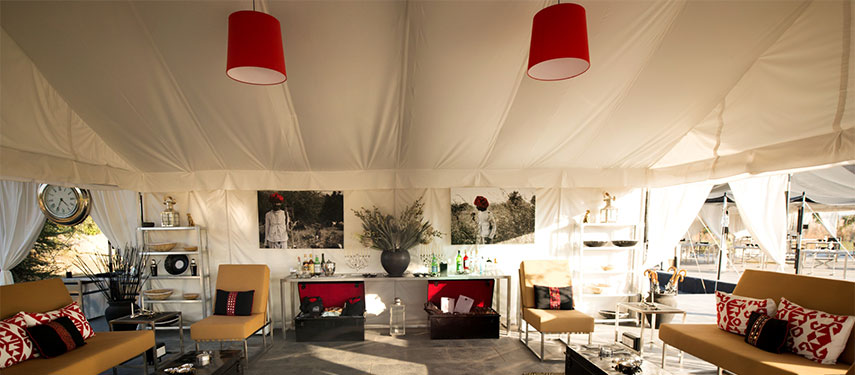
Suján Jawai Leopard Camp – Jawai, Rajasthan
Safari Luxury
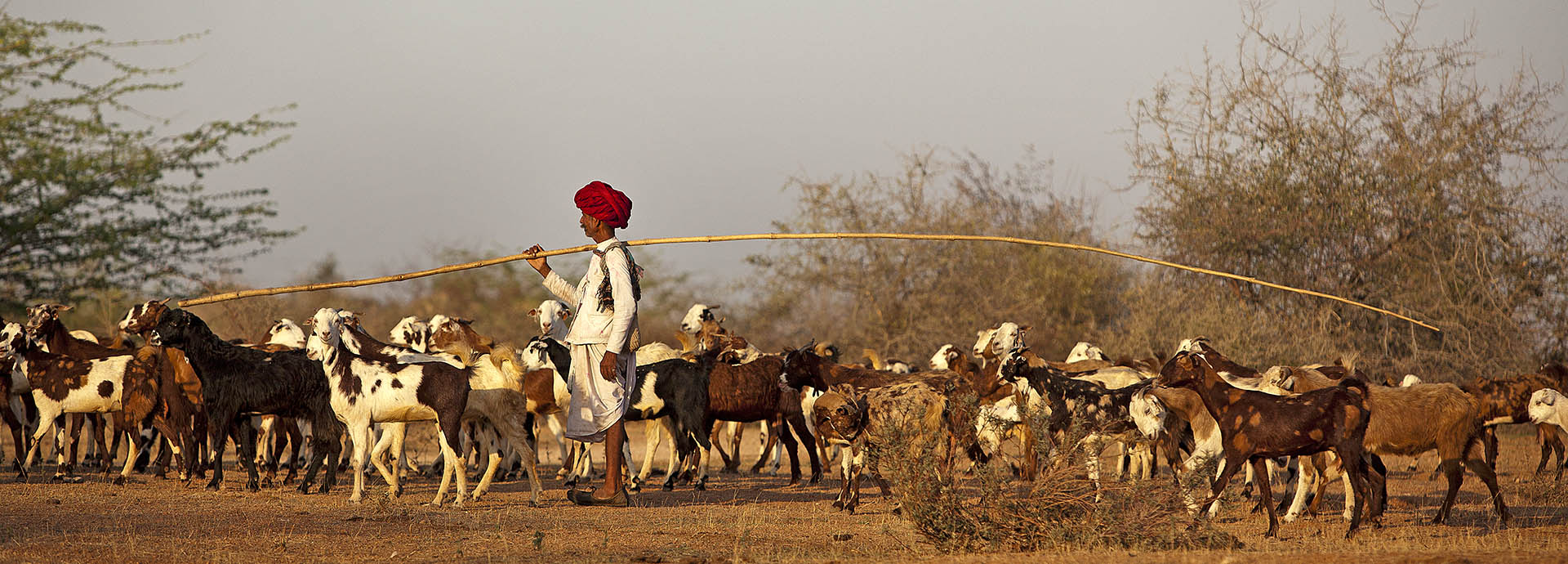
A modern take on a tented camp, Jawai blends white canvas with stainless steel and leather accoutrements to create an elegant escape in Rajasthan. The camp shares the dramatic rocky environment not only with leopards, but also with the Rabari herdsmen, whose vibrant red turbans are synonymous with the landscape. Staying here will be a unique experience while on bespoke, luxury India wildlife tours.... Read More
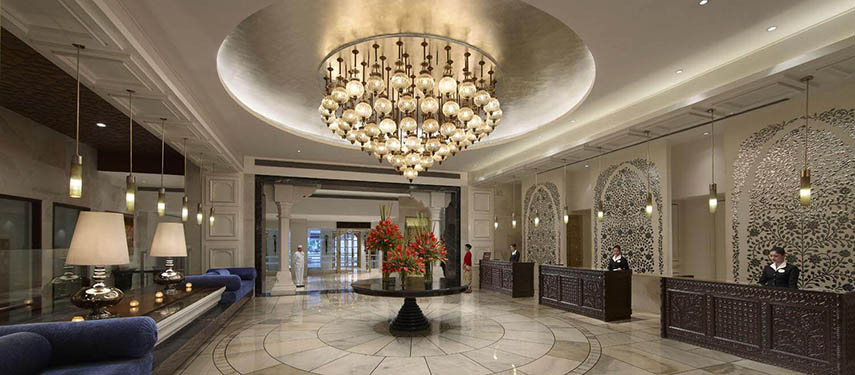
ITC Mughal – Agra, Northern India
Calm away from the tourist crowds
ITC Mughal, a luxury hotel in Agra is a fitting tribute to the great Mughal builders of the past. The only Indian hotel to have won the prestigious Aga Khan Award for its excellent representation of Mughal architecture. It comprises of 233 opulent rooms and suites, recreating a paradise for the contemporary Mogul.... Read More
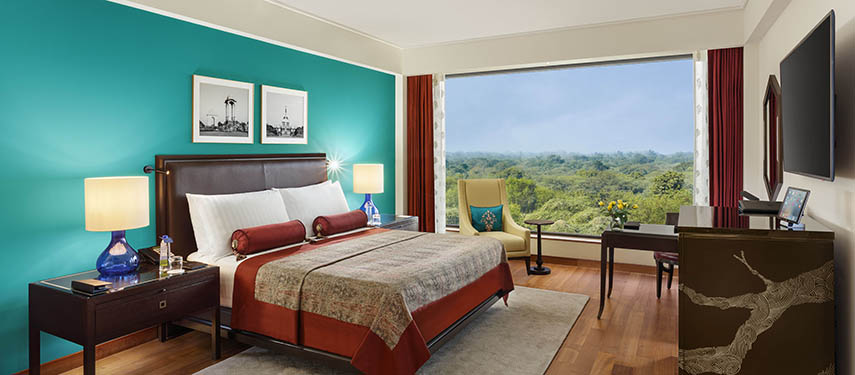
Oberoi New Delhi – New Delhi
Top of the ranks in Delhi
The Oberoi New Delhi is within easy reach of the remarkable culture of this amazing city. There are five superb restaurants onsite as well as an indoor and outdoor pool and a fitness centre. Enjoy contemporary sophistication close to local attractions such as the India Gate, Red Fort and the National Museum.... Read More
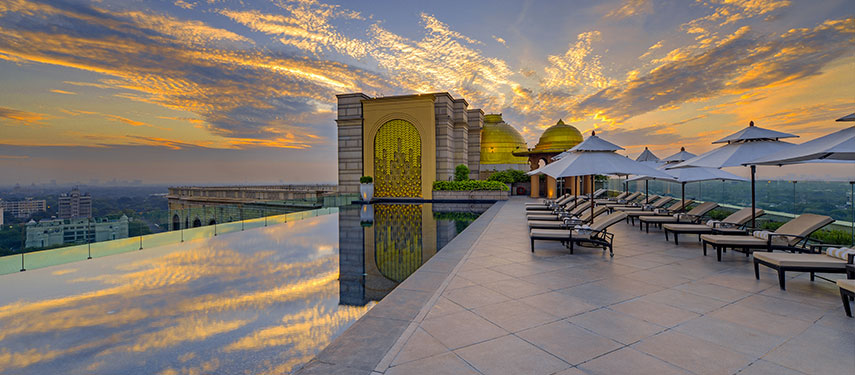
The Leela Palace – New Delhi
Sophisticated and serene
The Leela Palace sits in the heart of New Delhi’s busy diplomatic enclave, one of the best spots in the city which puts you in the heart of the action, yet remains an oasis of quiet and calm amongst the hustle and bustle. Placing you in the heart of New Delhi, The Leela Palace is the perfect base from which to explore this fascinating city.... Read More
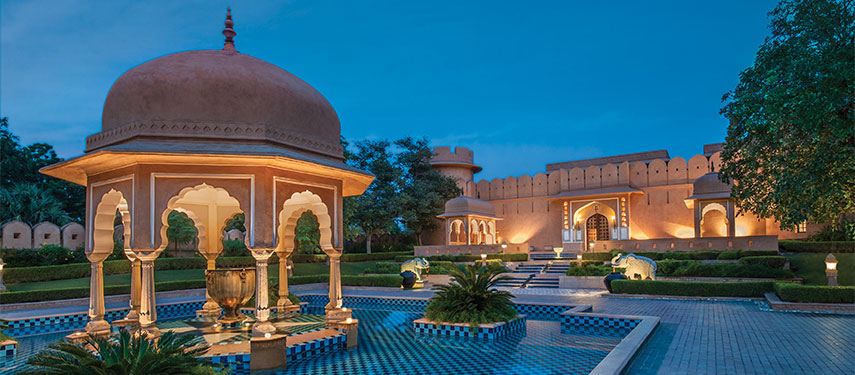
Oberoi Rajvilas – Jaipur, Rajasthan
Princely lifestyle of India
Located just eight kilometres from Jaipur, The Oberoi Rajvilas, spread over 32-acres of lush green gardens, is the perfect base from which to explore one of India’s most exotic and vibrant cities. The interiors in their simplicity, elegance and attention to detail, showcase the finest in modern and traditional Indian craftsmanship.... Read More
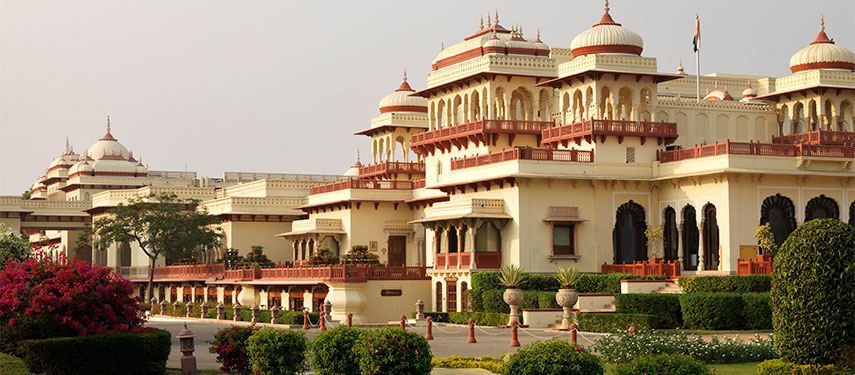
Rambagh Palace – Jaipur, Rajasthan
Ritz at Rambagh
The Rambagh Palace Hotel lies steeped in history with elegant rooms, marbled corridors and majestic gardens. In the 'Pink City' of Jaipur, the hotel is filled with rich textures, opulent furnishings and exquisite objets d'art. Enjoy a day out and about exploring Jaipur and return for dinner at one of the property's high quality restaurants.... Read More
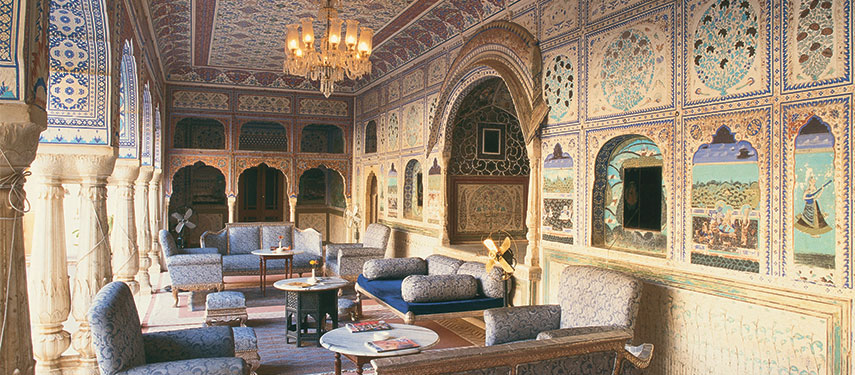
Samode Palace – Samode Village
Rajput excellence in the Aravalli Hills
Nestled in the Aravalli Hills north of the ‘pink city’ of Jaipur is the beautiful and luxurious Samode Palace - a magnificent example of Rajput-Mughal architecture and one of Rajasthan’s finest palace hotels. Lose yourself at Samode Palace in the maze of bougainvillea-covered courtyards or relax in the gardens onsite.... Read More
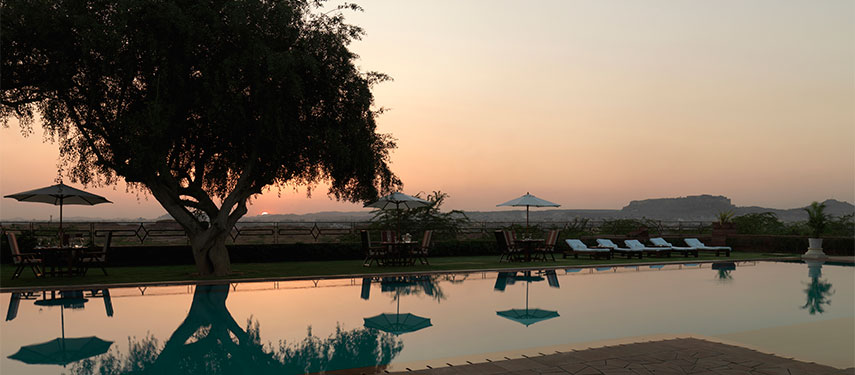
Taj Umaid Bhawan Palace – Jodhpur
Stay like a king or queen
Located high above the desert capital of Jodhpur, Umaid Bhawan Palace is the last of the great palaces of India and one of the largest private residences in the world. After 15 years in construction, the 347 room palace was finally completed in 1943 and has served as the principal residence of the Jodhpur royal family since.... Read More
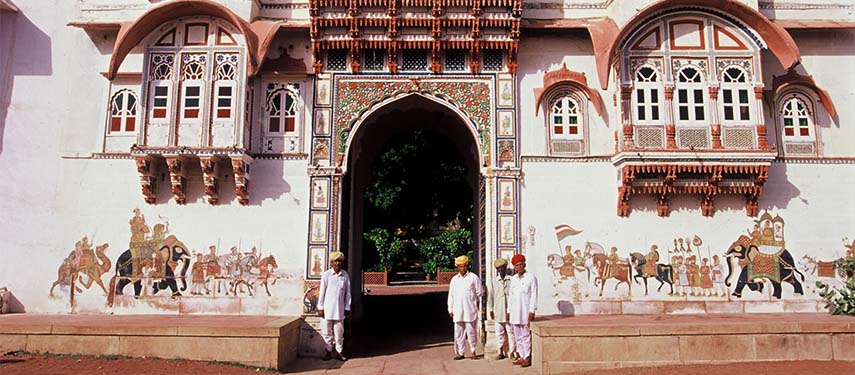
Rohet Garh – Rohet, Rajasthan
Jem in Jodhpur
Just south of Jodhpur, on the edge of the Thar Desert lies Rohet Garh, a lovely family run fort in a rural setting outside the city. It is a delight with its homely atmosphere, tranquil gardens and an abundance of bird life. Enjoy roaming about the nearby desert villages and exploring farm life, or take part in some of the best riding safaris in Rajasthan.... Read More
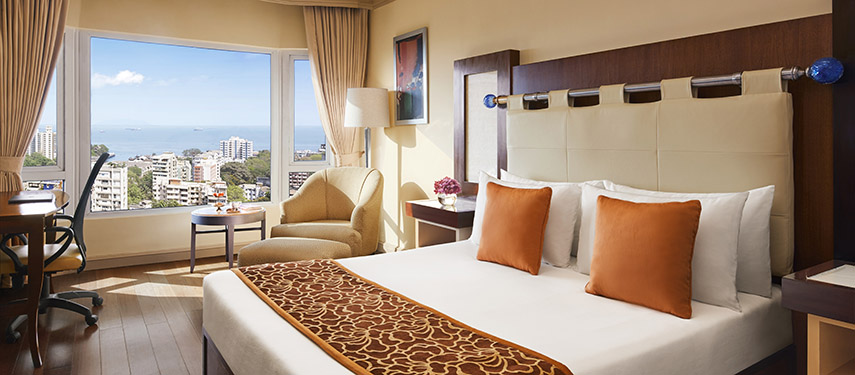
Vivanta by Taj President – Mumbai
Comfort on Cuffe Parade
Soak in the space that's a hot favourite in South Mumbai close to Gateway of India and Marine Drive. The Vivanta by Taj ‐ President offers the next generation of cutting edge hospitality – perfect for the global traveller. Vivanta by Taj President is an oasis in the hustle and bustle of one of India’s largest cities.... Read More
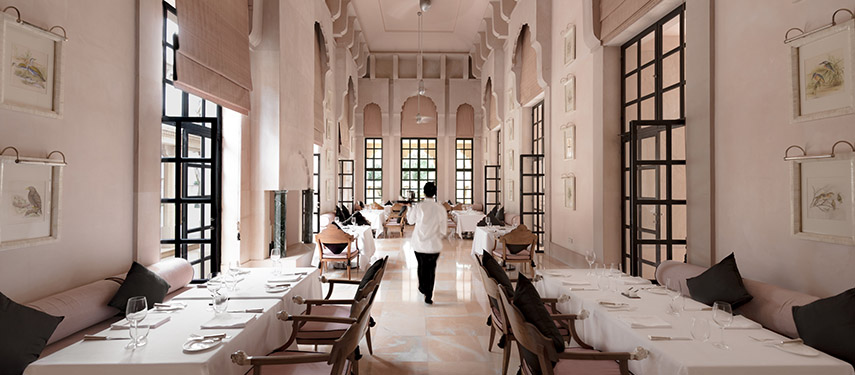
Amanbagh – Ajabgarh, Rajasthan
Escape to the Aravalli Hills
Amanbagh is set in a garden oasis within a walled compound in the Aravalli Hills, rural Rajasthan. Using pink marble and sandstone, the palatial grandeur design is in keeping of the Mughal era haveli mansions favored by nobility. Amanbagh is the perfect place to restore and rejuvenate the body to and invigorate the mind.... Read More
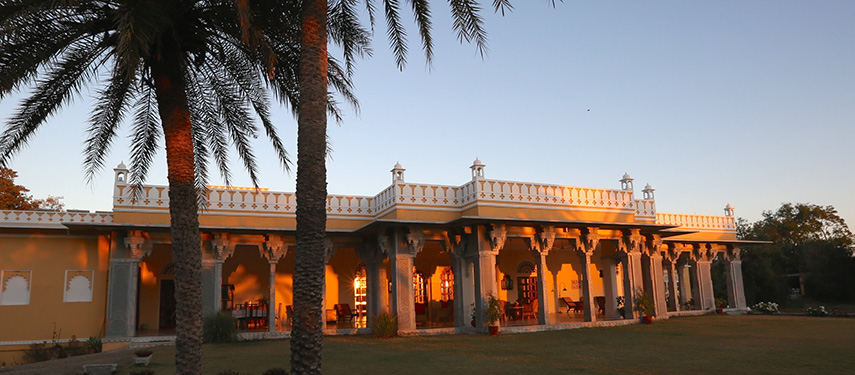
Dev Shree – Deogarh, Northern India
An idyllic rural getaway
Dev Shree luxury hotel sits on the edge of Ragho Sagar lake in the town of Deogarh, known for its pretty scenery and magnificent temples. The hotel offers just seven rooms, maintaining a sense of quiet exclusivity. A luxurious and peaceful retreat in rural Rajasthan – the perfect antidote to the busyness of city life!... Read More
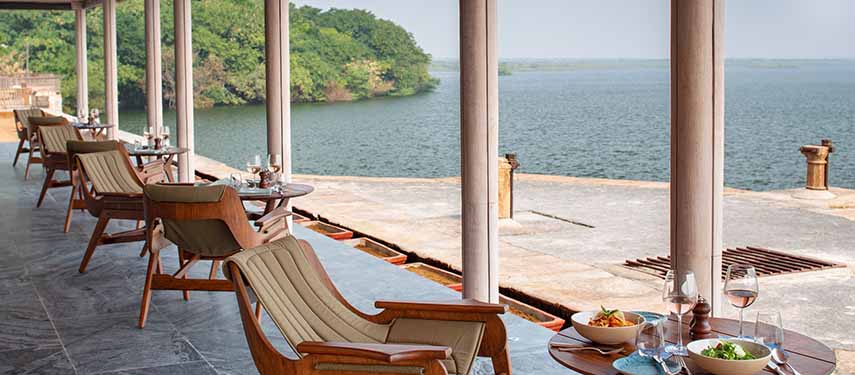
RAAS Chhatra Sagar – Nimaj, Rajasthan
Glamping on the lakeside
Chhatra Sagar, part of the RAAS group, is located right on the edge of a 100-year-old dam which is teeming with birds in the heart of rural Rajasthan, 110km east of Jodhpur, near the village of Nimaj in the district of Pali, Rajasthan. Chhatra Sagar is an idyllic spot to take a breather from the Rajasthan city pace.... Read More
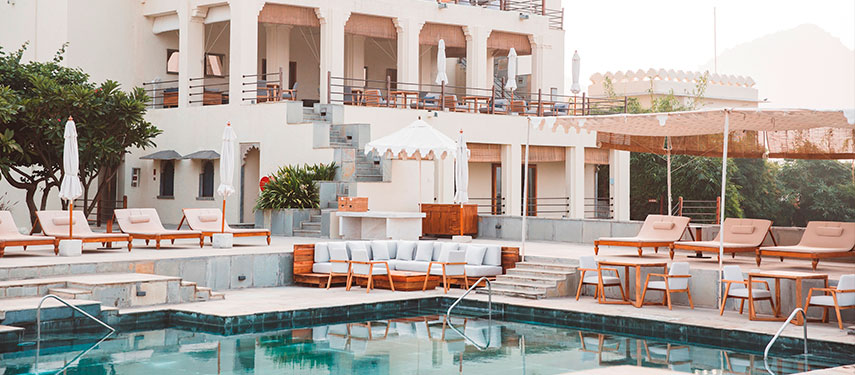
RAAS Devigarh – Udaipur, Rajasthan
Charm of old-world India
RAAS Devigarh is nestled in the Aravalli Hills of the Udaipur area. The palace was completed in the year 1760 A.D and offers a quiet oasis away from India’s infectious energy. RAAS Devigarh gives you time to sit, relax and unhurriedly soak up the tranquil landscape of Rajasthan, away from the bustle of everyday life.... Read More
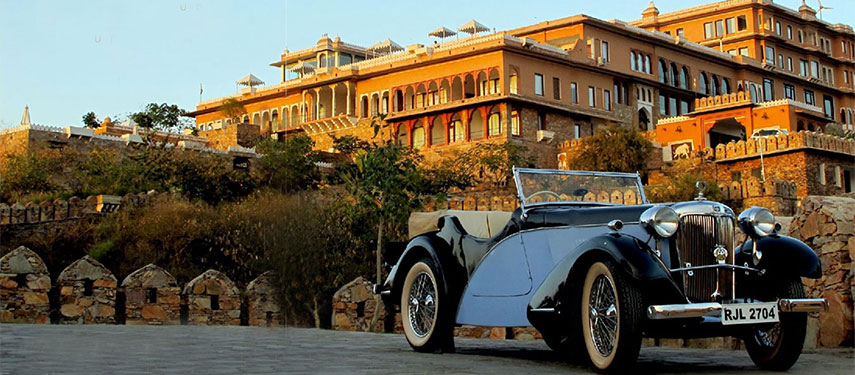
Fateh Garh Palace Hotel – Udaipur
Hilltop treasure
Fateh Garh Palace Hotel is a Heritage Renaissance Resort where luxury living and environmental friendliness go hand-in-hand. The property incorporates local stone and antique architectural elements and is home to two fabulous infinity pools, an indulgent spa and an impressive collection of vintage cars!... Read More
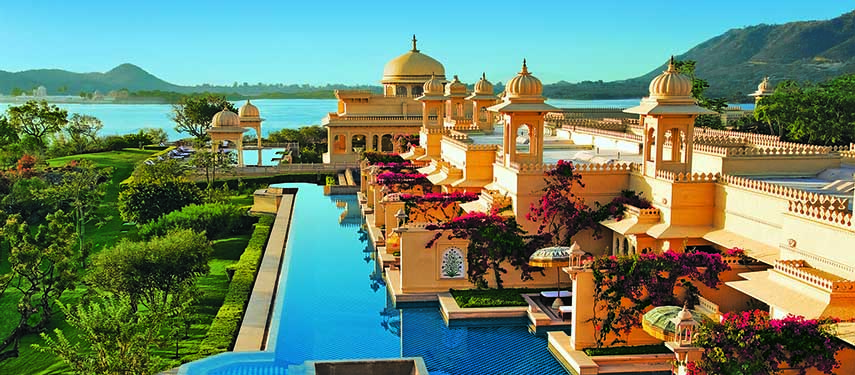
Oberoi Udaivilas – Udaipur, Rajasthan
Glamour in Udaipur
Located in the ‘romantic’ city of Udaipur, on the banks of Lake Pichola is the grand and luxurious Oberoi Udaivilas. The hotel sits within 30 acres of beautifully landscaped gardens, rambling courtyards and pavilions giving it a genuine Rajasthani feel. During your stay enjoy the grandeur and romance of another century.... Read More
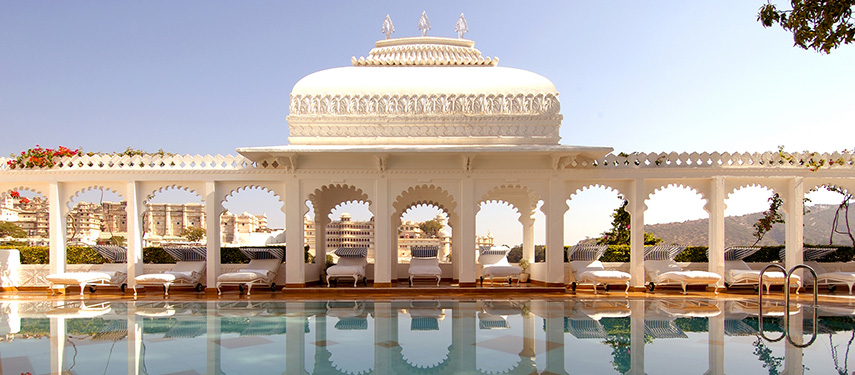
Taj Lake Palace – Udaipur, Rajasthan
James Bond filmset...
The Lake Palace Hotel is located in Udaipur, on an island on Lake Pichola and is without doubt the centerpiece of the city. This fairytale hotel was built in the 18th century with sumptuous architecture, Mughal domes and intricately carved white marble. Discover the winding streets of the old city or relax at the Lake Palace Hotel.... Read More
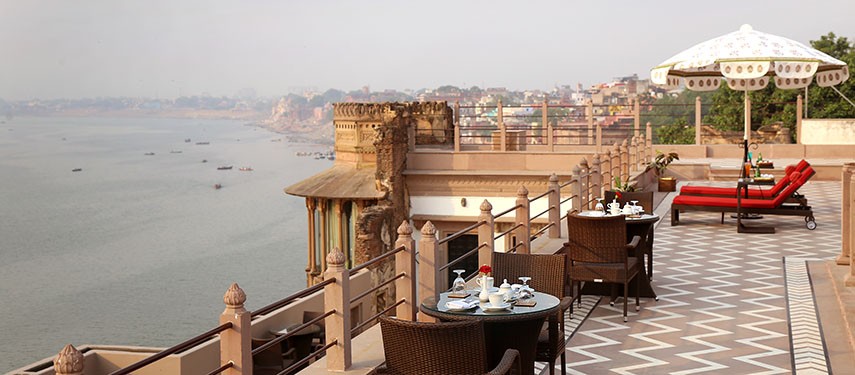
Brijrama Palace – Varanasi, Northern India
The Place to Be...
Brijrama Palace is one of the oldest landmarks on the banks of the river, dating back to 1812. The architecture and design is directly influenced by the erstwhile ruling dynasty of the Marathas. Communal areas are light and airy with the terraces affording spectacular vistas at sunrise & sunset. An iconic experience for a stay in Varanasi.... Read More
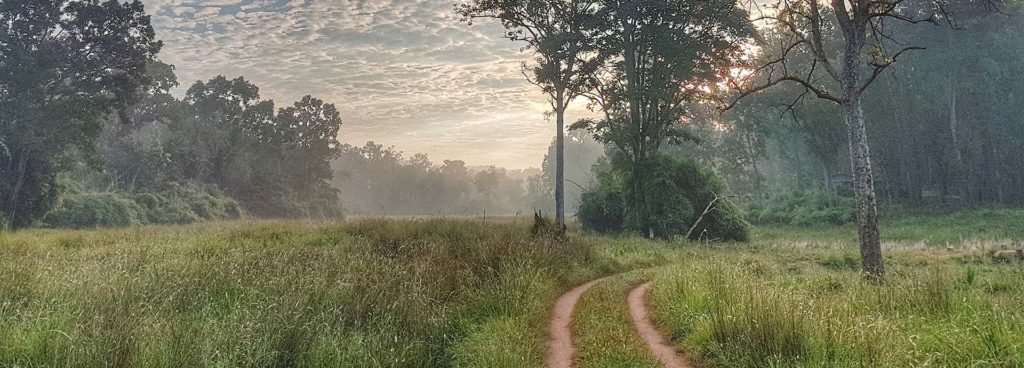
Mahua Kothi Lodge – Bandhavgarh NP
The wilderness of India
Mahua Kothi Jungle Lodge is situated in Bandhavgarh National Park, home to the highest density of tigers in India as well as a large variety of mammals, including leopard, chital, sambal deer, wild boar, sloth bear, jungle cat and more. Enjoy game drives, picnic lunches, nature walks and afternoon sundowners while on safari in India.... Read More
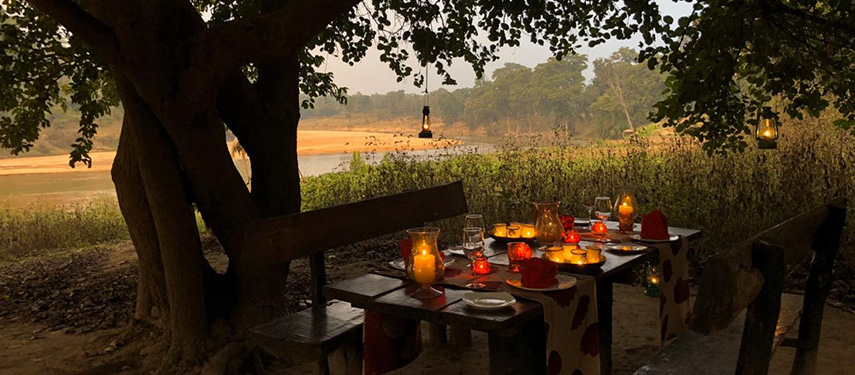
Flame of the Forest – Kanha NP
Nature's hideaway
Located just 15 minutes from the Kisli entrance of the Kanha National Park, the Flame of the Forest Safari Lodge, is a small intimate hideaway nestling on the banks of the Banjar river, offering stunning views over the river and dense forest. Step into an Indian wildlife fairytale at Flame of the Forest.... Read More
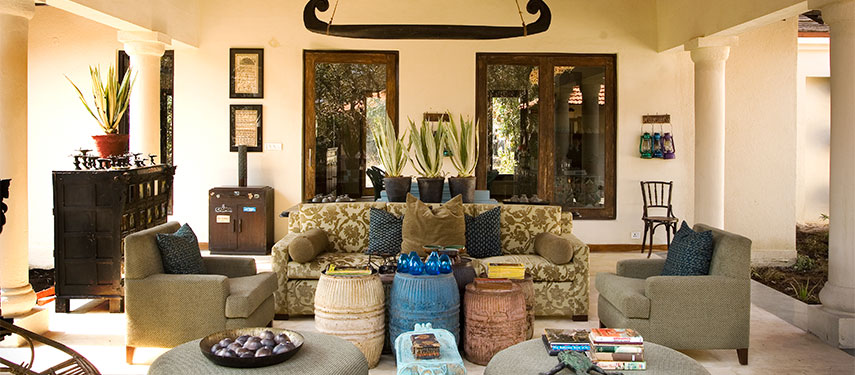
Baghvan Jungle Lodge – Pench NP
Wild and wonderful
Located next to Pench National Park, the Taj Baghvan Jungle Lodge has you in the heart of the 'tiger forest' where one can live out their Indian wildlife safari dreams. Enjoy the hidden marvels of Pench and explore the wide open grasslands and waterholes with the small and wondrous creatures and cats hidden among them.... Read More
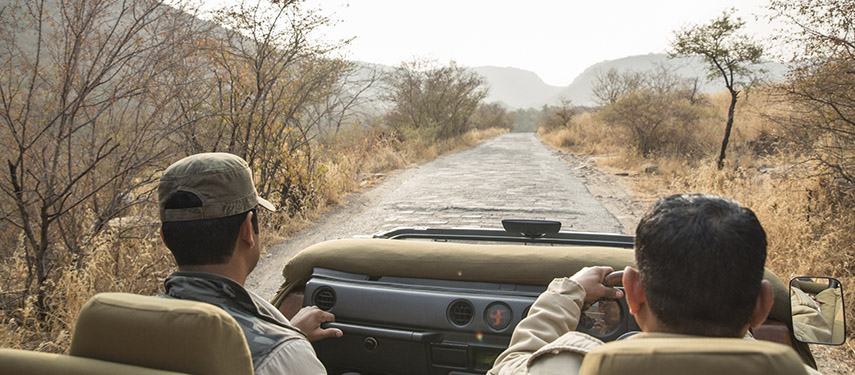
Aman-i-Khás – Ranthambore NP, Rajasthan
A myriad of wildlife encounters
Aman-i-Khás is a wilderness camp located in a rugged brushwood forest on the fringes of Ranthambore National Park. Aman-i-Khas is a luxury adventure camp for travelers wanting to immerse themselves in the rugged wilderness, rural traditions and peaceful wildlife of Rajasthan.... Read More
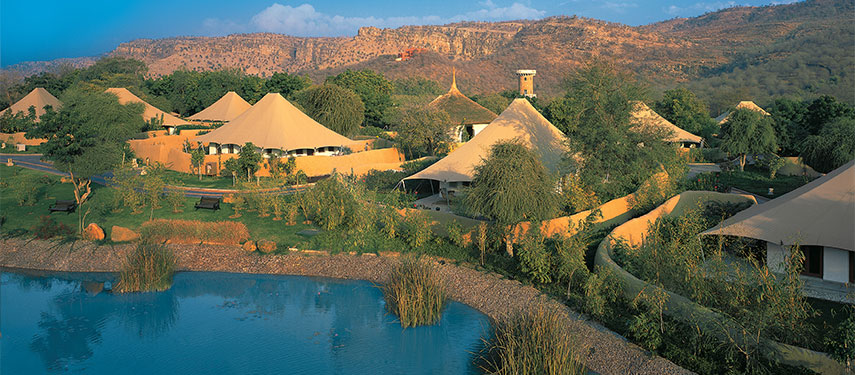
Oberoi Vanyavilas – Ranthambore NP
Safari in Ranthambore
Located just outside Ranthambore National Park, on 20 acres of land, lies the picture perfect and luxurious Oberoi Vanyavilas. When you’re not out game viewing in search of the wild tigers you can explore the Ranthambore Fort, nearby villages, go on an elephant ride or simply relax by the hotel swimming pool.... Read More
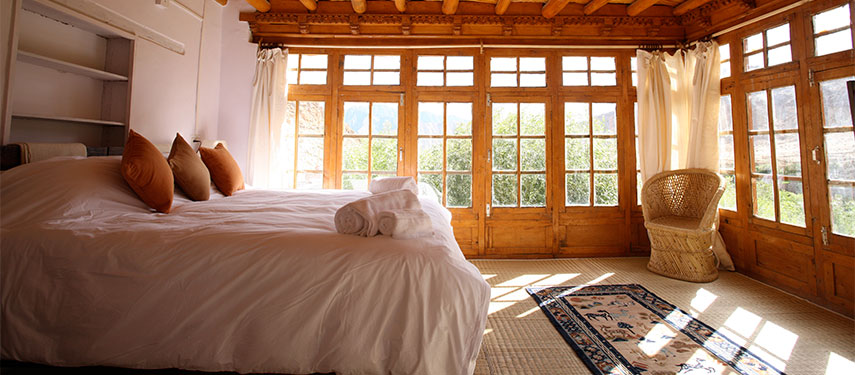
Shakti Ladakh – Ladakh, Indian Himalayas
Little Tibet
The Shakti village walk enables you to enjoy the villages and rural life in remote mountains in the far north of the Indian sub-continent. Step out of the modern world, walk between villages that are remote, and stay in traditional village houses, which Shakti has spruced up to provide proper comfort without compromising their authenticity.... Read More
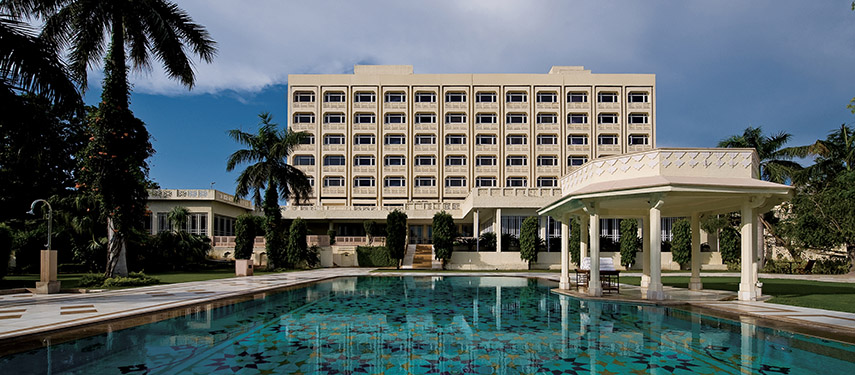
Tajview Hotel – Agra, Northern India
Peace and calm in Agra
Set amidst six acres of landscaped gardens, the Tajview Hotel in Agra offers superior rooms designed with a mix of contemporary and Mughal design, all with magnificent views of the Taj Mahal. Tajview - a fantastic setting in between exploring all of Agra's treasures right on the doorstep.... Read More
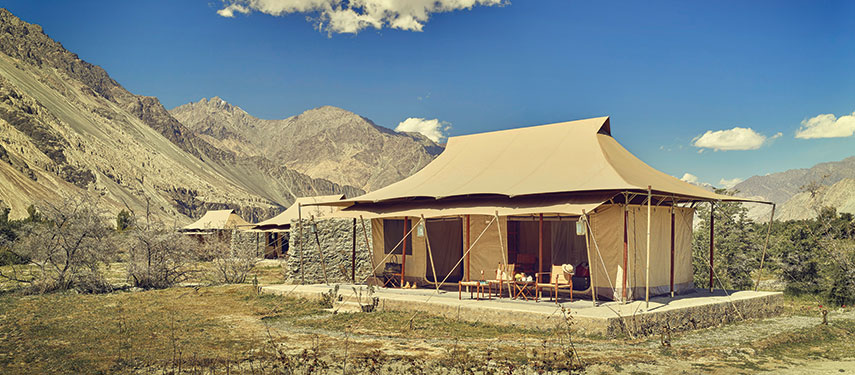
Chamba Camp Diskit – Nubra Valley, Ladakh
Way out in the wilderness
Chamba Camp Diskit is located amongst jagged mountains on the northern route to Leh, where the two rivers of the Nubra and the Shyok meet to form the glorious Nubra Valley. Sleep in luxurious canvas tents with grandiose four poster beds, take in the 360 degree views on your private sit out and unwind in the Himalaya region.... Read More
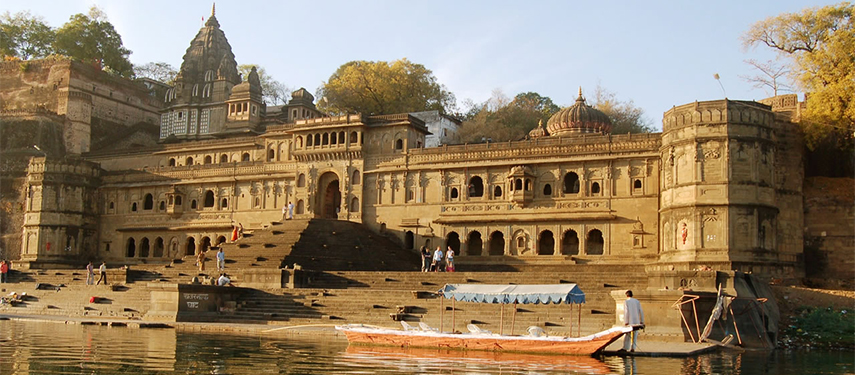
Ahilya Fort – Maheshwar, Central India
Rustic and charming
Sitting high above the banks of the sacred and mighty Narmada River is the majestic 18th Century Ahilya Fort with its magnificent architecture and spectacular views of the river and ghats surrounded by the untouched town of Maheshwar. Stroll through the town, visit the ghats or relax under a tree in the lovely garden at Ahilya Fort.... Read More
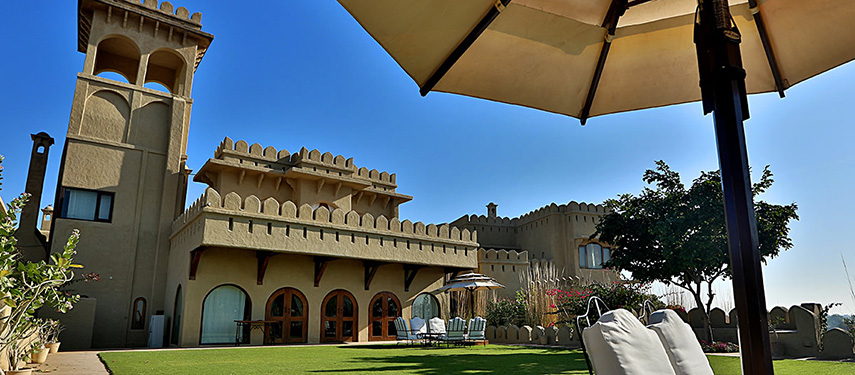
Rohet Mihir Garh – Rajasthan, Northern India
Desert Luxury
Mihir Garh or ‘The Fort of the Sun’ rises out of the rugged landscape and golden sands of Marwar. Here, serenity and splendour come together to create an authentic Rohet experience. Enjoy luxury escapism amidst the stillness of the desert, whilst also offering a fascinating insight into Rajasthan's cultures.... Read More
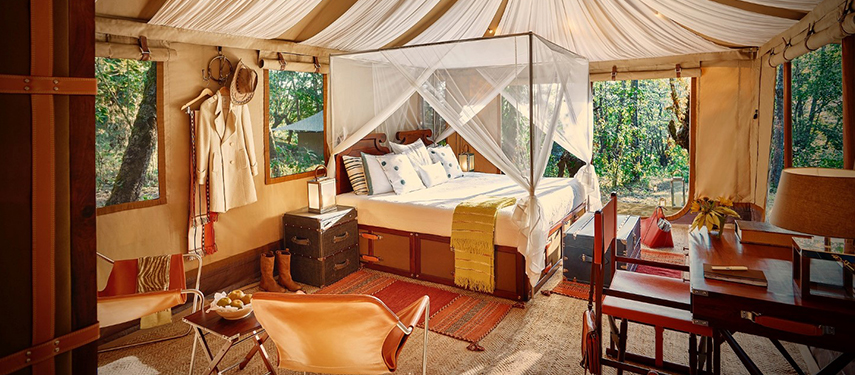
Kohima Camp – Nagaland, Northeast India
Culture and wonders
The Ultimate Travelling Camp has introduced Kohima Camp, set up in the northeastern state of exotic Nagaland. It is set up solely for the ten-day Hornbill Festival, and provides the opportunity to explore the Land of the Nagas and its rich tribal heritage, whilst staying in supreme comfort under canvas.... Read More
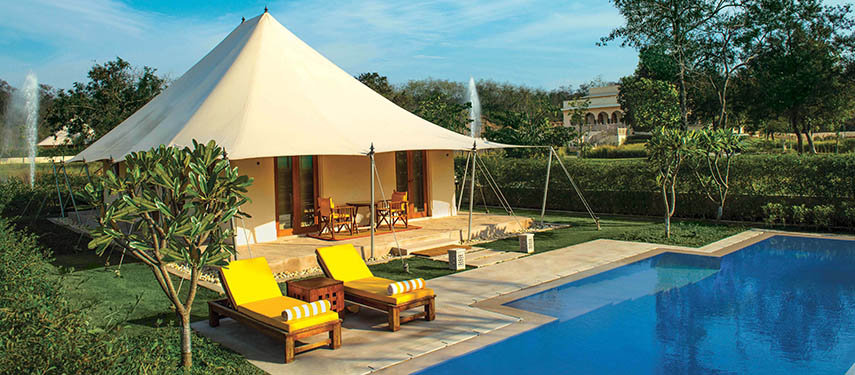
Oberoi Sukhvilas – Chandigarh
Gardens of grandiose
The Oberoi Sukhvilas Resort and Spa features acres of natural forest with aesthetically landscaped gardens, fountains, a reflection pool and traditional architecture for guests to relax in and take take time out in. Discover Chandigarh with a stay at the Oberoi Sukhvilas for an fine experience that extends past the ordinary.... Read More
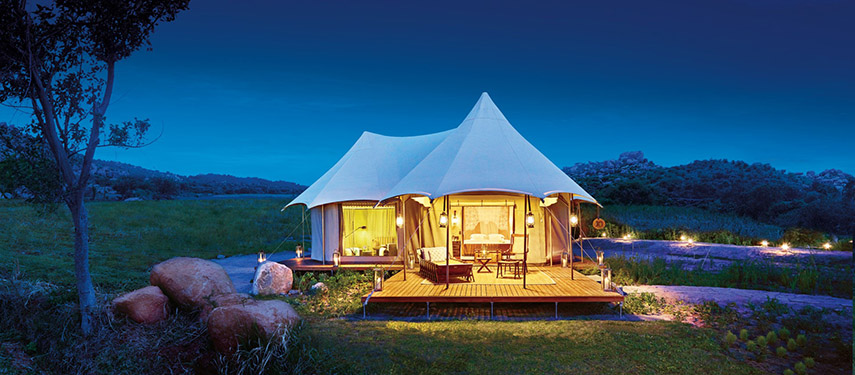
Kishkinda Camp – Hampi, Southern India
Discover the magic of Hampi
Kishkinda Camp, operated by The Ultimate Travelling Camp is a new tented camp located on the outskirts of the ancient town of Hampi. Enjoy unparalleled luxury and service whilst exploring the Karanataka and the UNESCO World Heritage site, and appreciate the comfort of the best type of camping experience there possibly is.... Read More
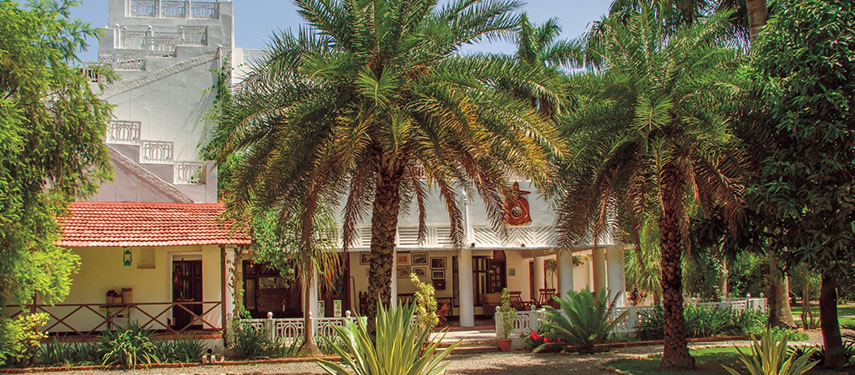
Jaagir Lodge – Dudhwa, Northern India
Plethora of nature and wildlife
Jaagir Lodge, one of The Ultimate Travelling Camp's properties is situated deep in the Terai in range of the forest reserves of Dudhwa, Pilibhit, Kishanpur, Katarniaghat and neighbouring Nepal. Jaagir Lodge - the perfect combination of tented accommodation, nomadic lifestyle experiences, nature and all luxuries conceivable.... Read More
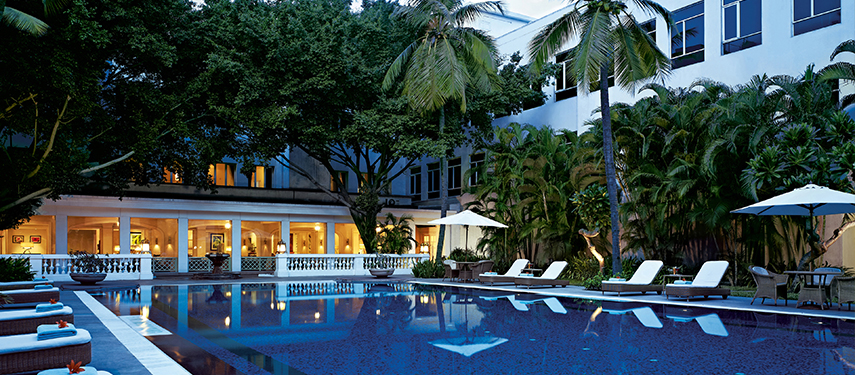
Taj Vivanta Connemara – Chennai
Grace and elegance in Chennai
Taj Vivanta Connemara is Chennai’s only heritage hotel, built originally in 1854 and refurbished in art deco style in 1937. An iconic swimming pool was added in 1974 designed by renowned architect Geoffrey Bawa. Enjoy the hotel's facilities or explore the city's rich heritage of artistic, religious and culinary traditions.... Read More
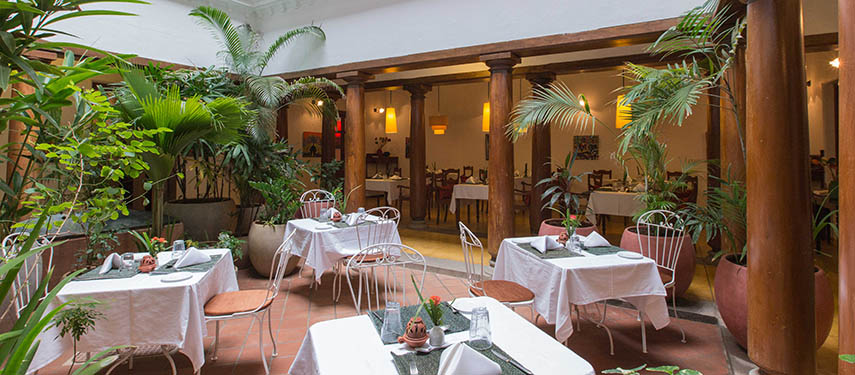
Maison Perumal – Pondicherry
Tamil and French colonial heritage
In the heart of Pondicherry’s Tamil Quarter, Maison Perumal is an 18th century home which exudes a legacy that reflects the French colonial aura within the seaside town. Enjoy a stay at Maison Perumal—where to be a guest in a gracious Tamil home was traditionally considered an honorary experience of the very high kind.... Read More
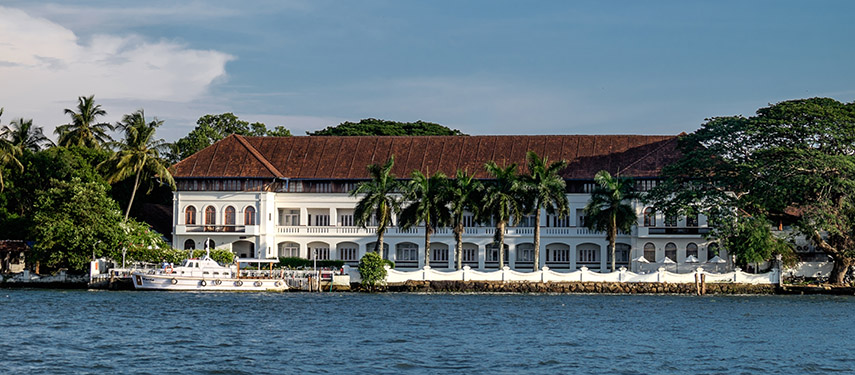
Brunton Boatyard – Cochin, Kerala
Old meets charming
Brunton Boatyard is a unique hotel with a fascinating heritage and undeniable charm. The interiors are a wonderful blend of English, Portuguese and Dutch influences. It offers a unique experience which celebrates the very best of centuries of cultural influence whilst also blending authenticity with stylish contemporary design.... Read More
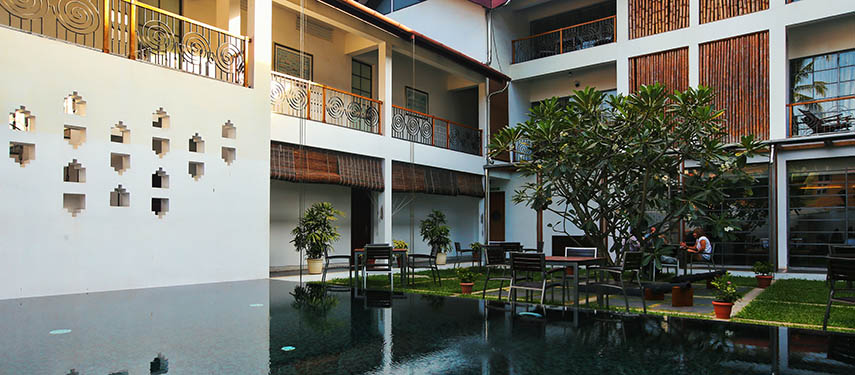
Eighth Bastion – Cochin, Kerala
Dutch comfort and class
Eighth Bastion, located in the Malabar region of Fort Kochi, is remnant of a time long past where the VOC was busy trading and fighting over spices and trade routes. The hotel’s outdoor pool and garden are great places to unwind after a busy day of exploring. Look no further than the Eighth Bastion Hotel for your stay in Kochi while on your South India tour.... Read More
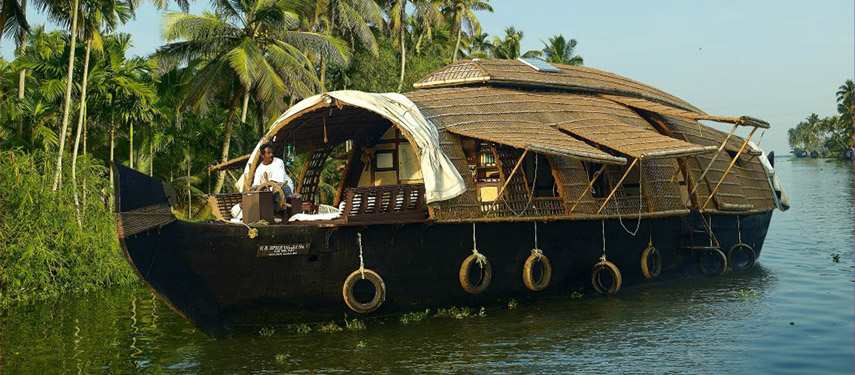
Earth Houseboat – Kerala, Southern India
An intimate and intricate adventure
Earth Houseboat was once a traditional barge used to transport rice along the large and intricate network of Kerala’s lakes and canals. Carrying you quietly across the tranquil waters there are few ways to explore Kerala that are more relaxing or more authentic. A tonic for the body and mind cruising through the sleepy backwaters.... Read More
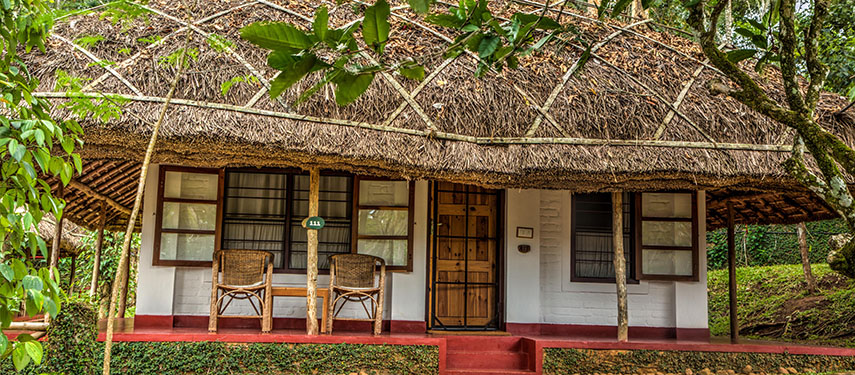
Spice Village – Thekkady, Southern India
A green retreat
Set amidst the landscaped spice gardens, the cottages at Spice Village are where you will rest your head at night while on your South India tour are simple, yet luxuriously furnished and naturally elegant. Immerse yourself in nature, culture and the local way of life - look no further than Spice Village for a true wilderness experience.... Read More
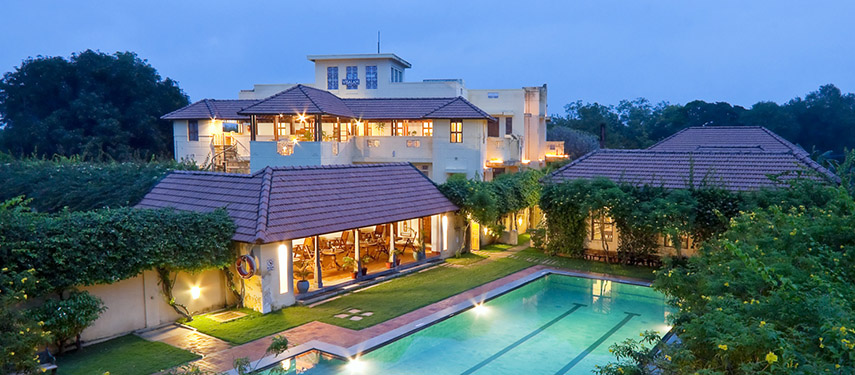
Visalam – Chettinad, Southern India
Tradition and charm
Visalam hotel is located 10km from the famous Thirumayan Fort in the Kanadukathan village of the Chettinad region of Tamil Nadu. It is a century-old palatial home with a lot of love and care put into keeping it to its former glory and where some of the many charms of Chettinad can be admired.... Read More
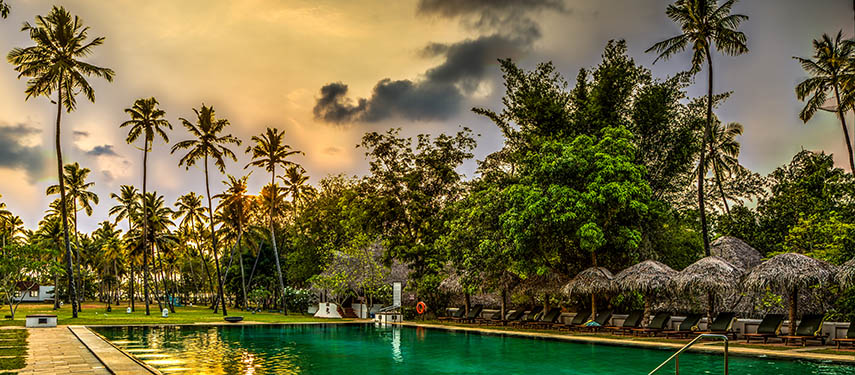
Marari Beach Resort – Kerala
Surrounded by nature
Set on 30 acres of land lies the Marari Beach Resort in Mararikulam, among lily ponds, coconut groves, fruit trees and a large organic farm. Cottages are thatched with coconut leaves and bathrooms echo nature's environment, with the experience of bathing under the open skies. Enjoy nature's raw beauty at Marari Beach Resort.... Read More
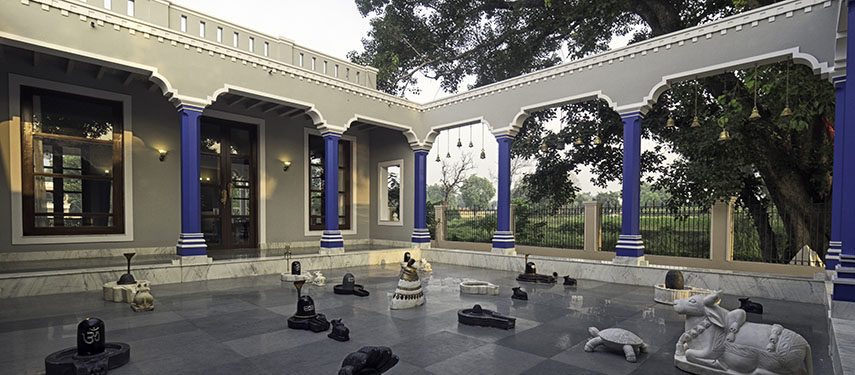
The Tree of Life Resort – Varanasi, Northern India
Quietude in Varanasi
The Tree of Life Resort & Spa encompasses all that Varanasi is, – an oasis of peace and calm after the often over-whelming experience of the crowds, the noise and traffic of the city. Situated in rural surroundings the Tree of Life Resort is conveniently located equidistant from Varanasi airport, the city centre (Ghats) and Sarnath.... Read More
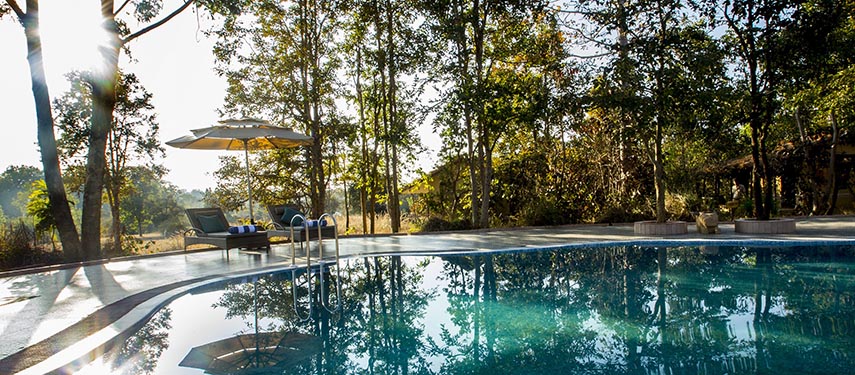
Singanawa Jungle Lodge – Kanha NP, Central India
Singanawa Jungle Lodge - Kanha NP, Central India
Singinawa Jungle Lodge is a beautiful lodge set in Kanha National Park - home to Bengal Tigers, Asiatic Leopards & Jungle Cats. Head out into the wild with guides undertaking a range of activities including bringing local village children along with you on jungle tours! At the end of the day rest in the comfort of the shade or in the palatial pool.... Read More
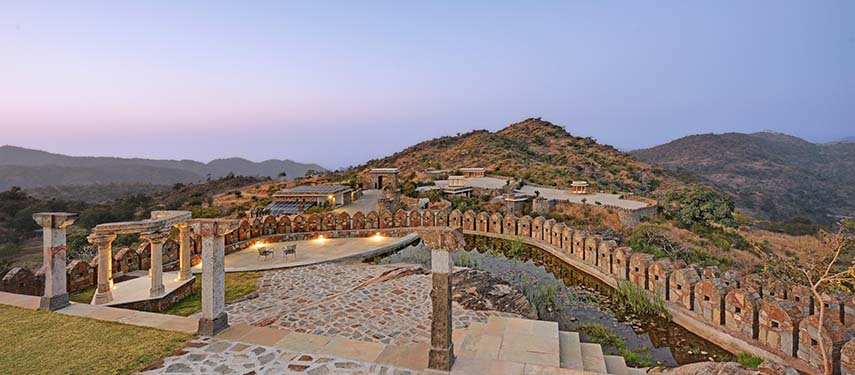
Fateh Safari Suites – Kumbhalgarh
Serenity sanctuary
Fateh Safari Suites is located in Kumbhalgarh, one of the most picturesque areas of Rajasthan, on the edge of the Aravalli Hills. There are a wide range of activities for guests to undertake, from safaris into the Kumbhalgarh Wildlife Sanctuary or more leisurely activities such as walking safaris, trekking and birdwatching.... Read More
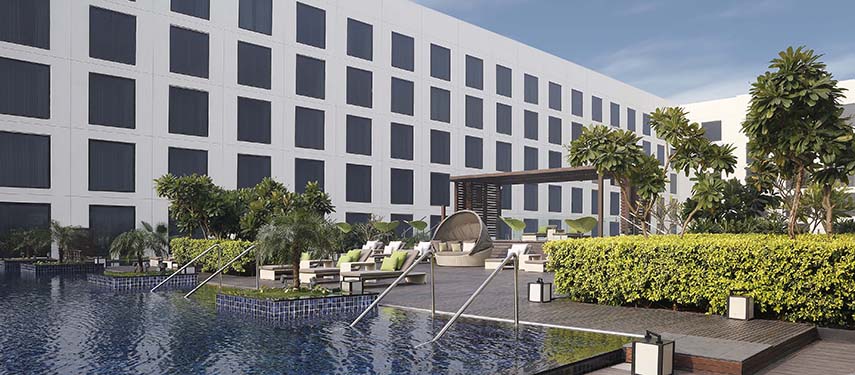
Pullman Aerocity – New Delhi, Northern India
Serene start or end to a journey
The Pullman New Delhi Aerocity Hotel is an upscale hotel located adjacent to both the international & domestic airport terminals. It is well connected through the Airport Express Line, which is just 5 minutes away, ensuring a relaxed stop over for travellers passing through Delhi, with or without the time to stop and explore.... Read More
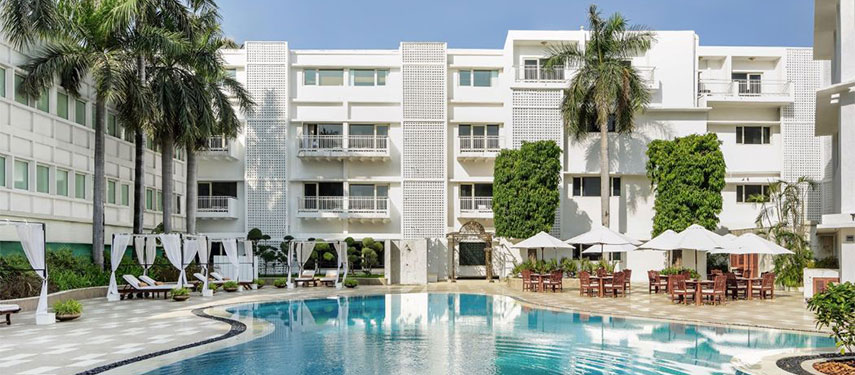
The Claridges – New Delhi, Northern India
A destination in itself
Claridges, New Delhi has been a landmark in Lutyen's Delhi since the 1950’s. Located amidst lush and tranquil surroundings in the heart of the city, this elegant property with colonial charm and plush lawns holds a prime location close to New Delhi's historical landmarks, galleries, museums, boutiques and markets.... Read More
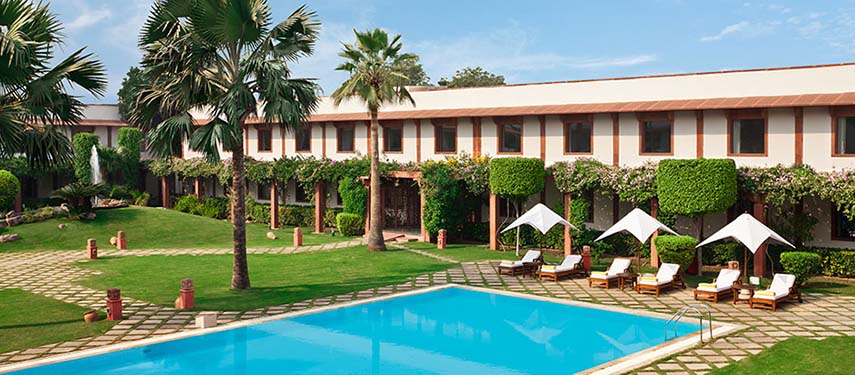
Trident Hotel – Agra, Northern India
Charm among the chaos
The Trident Agra, set amidst beautiful gardens, fountains and landscaped central courtyards, is located close to the breathtakingly bejeweled marble mausoleum that is the Taj Mahal, surely one of the most beautiful buildings in the world. After a long day sightseeing enjoy sundowners in the bar or in the tranquility of the garden.... Read More
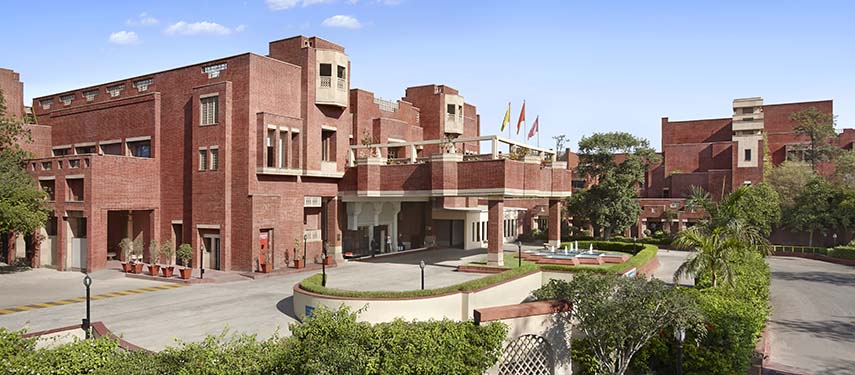
ITC Rajputana Hotel – Jaipur, Rajasthan
Relaxed royal atmosphere
The pink ITC Rajputana is located in the pink city of Jaipur, as a symbol of the royalty of the Rajputana Empire and taking the guest on a royal journey. Guests are welcomed in a royal atmosphere to the hotel, with a Jharoka enhancing the outside view. ITC Rajputana reflects all that is special about a stay in Rajasthan.... Read More

A collection of journeys in India
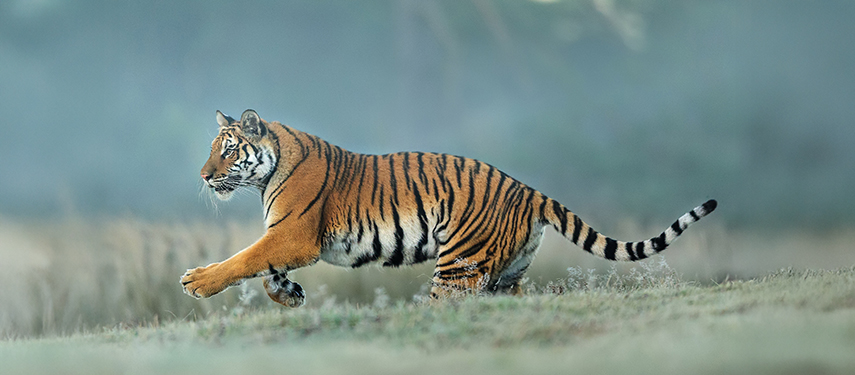
Wild India!
Set Departure | Mobile Hiking Safari, India
Tropical Ice’s ‘Wild India!’, is the sister expedition to ‘The Great Walk of Africa’. Bearing all the same hallmarks of challenging but beautiful walking, heritage hotels, luxurious tented accommodation and the unique opportunity to explore areas on foot that tourists simply do not visit. These are India’s definitive walking safaris - bespoke luxury India tours for the intrepid!...Read More
India: Amongst the Maharajas
Inspiration Itinerary | India in Style
This luxurious journey carries you through the iconic cities of Delhi, Agra, Jaipur and Udaipur, viewing imperial monuments, royal palaces and the beautiful ode to love, the Taj Mahal. Along with the opportunity to track Royal Bengal tigers in Ranthambore you will stay in luxurious hotels, known for their exceptional service and world-class facilities, combining all the right ingredients for an unforgettable holiday. Luxury bespoke India wildlife tours do not get more compelling than this....Read More
Sensational India
Inspiration Itinerary | India from north to south
From Amritsar's Golden Temple in the north to the sleepy backwaters of Kerala in the south you willl discover India's geography and scenery is as colourful and diverse as her history and culture. Encompassing a multitude of icons, mouth watering cuisines and a delightful array of palaces, forts and havelis, on this trip you will experience the best of India - from top to bottom!...Read More
Icons of India
Inspiration Itinerary | Quintessential Indian Icons
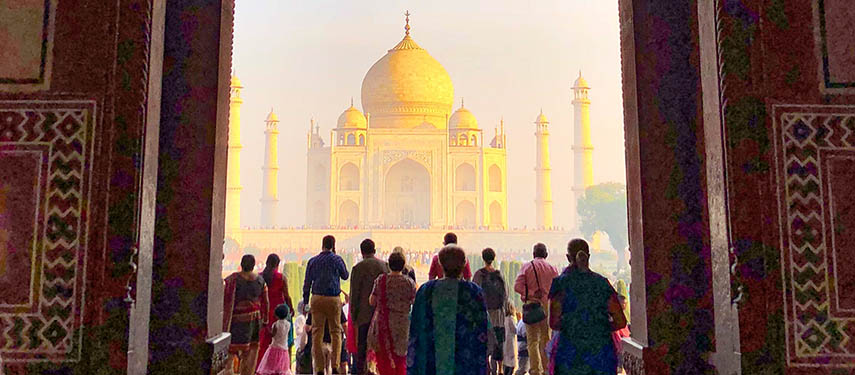
A journey that focuses on four iconic destinations including two of India's most awe inspiring achitectural endeavours - Agra's Taj Mahal and Amritsar's Golden Temple whilst exploring the highlights of the Lake City of Udaipur and the Pink City of Jaipur. Explore four iconic monuments - one the ultimate monument to love, Amber Fort - the most impressive edifice in the Golden Triangle, the picturesque lake in Udaipur and the pre-eminent spiritual site of Sikhism; all whilst staying in accommodation that has absolute flair and finesse....Read More
India: A Luxury Tour of Rajasthan for Active Families
Inspiration Itinerary | A Fun-Filled Active Family Adventure
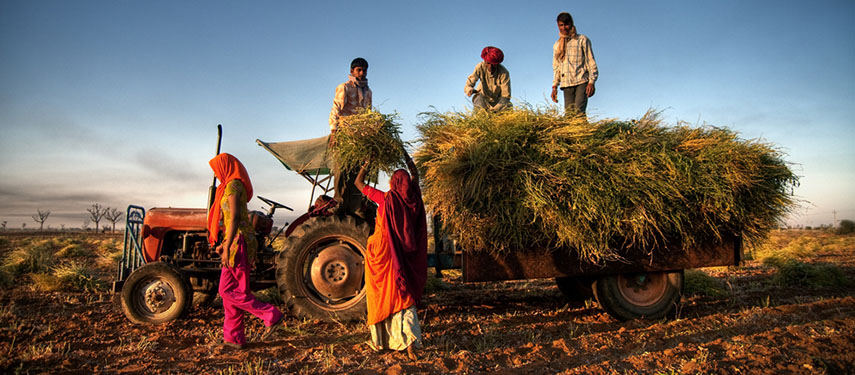
This luxury tour of Rajasthan travels through diverse and colourful landscapes, showcasing a perfect balance of India's culture, wildlife, landscapes and architecture. Culminating in a two day trekking and wildlife walk in Kumbhalgarh Sanctuary, and a visit to the iconic Kumbhalgarh Fort & Jain Temple in Ranakpur, this ticks all the boxes for families who love to explore!...Read More
Classic India & Pushkar Camel Fair
Inspiration Itinerary | Camels, Culture & Iconic Cities
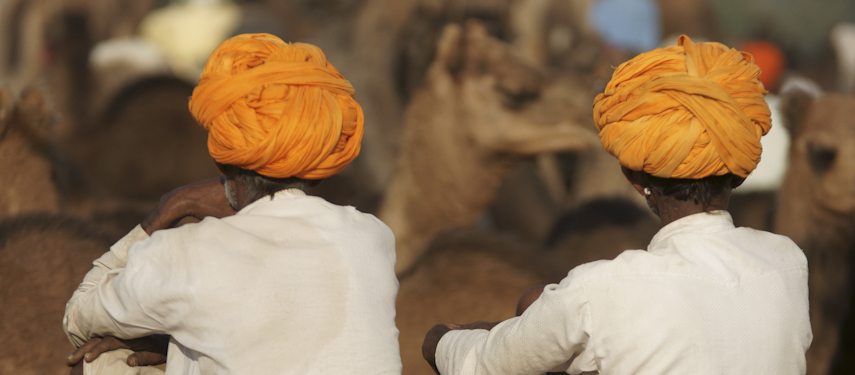
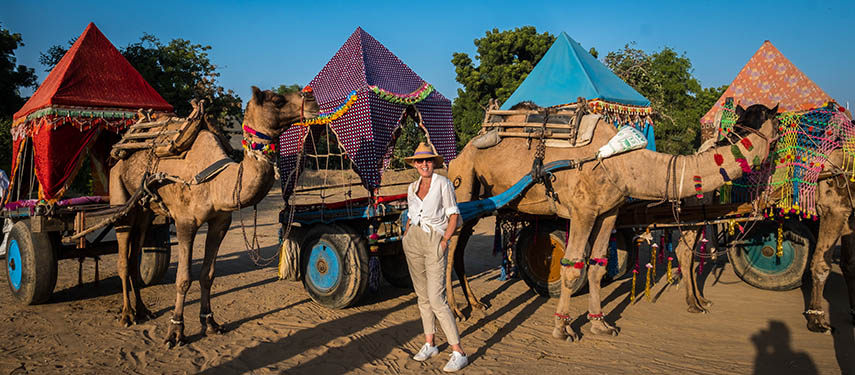
The Pushkar Camel Fair is an Indian spectacle on an epic scale! Thar camel drivers converge on the holy town of Pushkar for just two weeks every November. It is a once in your lifetime opportunity to witness the colour and carnival of one of India's last great traditional fairs and, combined with a journey through some of India's most iconic cities, you have the makings of a perfect recce of Rajasthan – what better way to bring a touch of eccentricity to our bespoke luxury India tours?...Read More
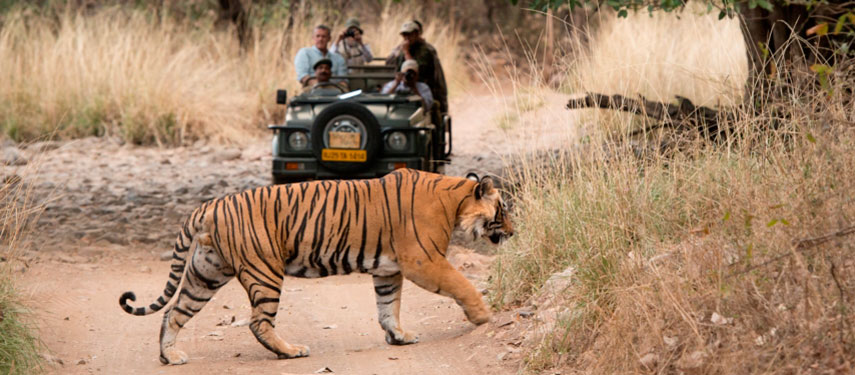
Wild India Adventure
Inspiration Itinerary | Big Cats in India
An incredible wildlife safari combining the best of central India's National Parks and Wildlife Reserves. Go in search of the impressive Bengal Tiger, elusive Asiatic Leopard and India's array of Jungle Cats. You are likely to also encounter Indian Wild Dog, Barasinga (deer), Indian Bison & Sloth Bears. Then throw in a visit to the iconic Taj Mahal and this itinerary ticks off some big bucket list Indian icons! ...Read More
India: Frequently Asked Questions
The answer depends entirely on which part of India is on the itinerary. October through March is the prime season for Rajasthan, the Golden Triangle, and most tiger reserves, when temperatures are comfortable and wildlife is easiest to spot. Ladakh and the high Himalaya are only accessible between June and September, when the mountain passes open. Kerala and southern India can be visited year-round, though April to September brings the south-west monsoon. The Classic Safari Company designs itineraries that account for these overlapping windows, combining regions at their seasonal best.
Yes. Australian passport holders must obtain an Indian e-Visa before travel, which is applied for online through the Indian government’s official portal. The e-Tourist Visa is available for stays of up to 90 days and is typically processed within four business days, though applying well in advance of departure is strongly recommended. Passport validity requirements and entry conditions can change, so The Classic Safari Company advises all travellers to confirm current requirements at the time of booking.
Ranthambore National Park in Rajasthan and Bandhavgarh National Park in Madhya Pradesh consistently produce the highest tiger sighting rates, owing to their relatively open terrain and high tiger densities. Kanha and Pench national parks offer a more immersive jungle experience, with sightings less frequent but set against spectacular forested landscapes. All parks operate a permit system that restricts visitor numbers per zone per session, and The Classic Safari Company secures allocations well in advance to maximise sighting opportunities.
The two are complementary rather than comparable. India offers a combination of wildlife, architecture, culture, and spirituality that has no equivalent elsewhere — a single itinerary can move from a tiger reserve to a Mughal palace to a backwater houseboat. African safaris typically offer greater game density and the full Big Five experience, while India’s tiger reserves deliver more focused, dramatic encounters with a single apex predator. Many seasoned travellers find India works beautifully as a cultural counterpoint to an African journey.
Yes, with thoughtful planning. Rajasthan is particularly well-suited to families, with its vivid cities, camel safaris, fort visits, and a pace that accommodates children well. Tiger reserves impose age restrictions on game drives — most require children to be at least six years of age, and some set the minimum at twelve — so itinerary sequencing matters. Southern India, including Kerala’s backwaters and spice plantations, also works well for multi-generational travel. The Classic Safari Company tailors family itineraries to ensure activities are appropriate, engaging, and logistically sound for all ages.
Varanasi, on the banks of the Ganges, is one of the oldest continuously inhabited cities on earth and one of Hinduism’s most sacred pilgrimage sites. Witnessing the Ganga Aarti — the nightly fire ceremony performed on the ghats — is a genuinely moving experience that requires no religious affiliation to appreciate. The city is intense, sensory, and unlike anywhere else in India. For travellers interested in culture and spirituality, it is among the most memorable inclusions in any north India itinerary, and The Classic Safari Company pairs it with carefully selected heritage accommodation that offers calm away from the city’s considerable energy.
India: A Glossary of Terms
Ghat — A stepped riverbank or series of stone steps leading down to a body of water, most famously associated with Varanasi on the Ganges, where ghats serve as sites for bathing, cremation ceremonies, and daily Hindu ritual.
Haveli — A traditional South Asian townhouse or mansion, typically featuring ornate carved stonework, interior courtyards, and decorative frescoes; many havelis across Rajasthan have been converted into heritage hotels and represent some of the most characterful accommodation in India.
Raj — A term derived from the Sanskrit for “rule” or “reign,” used historically to refer to British colonial governance of the Indian subcontinent from 1858 until independence in 1947; many of India’s grandest railway stations, hill stations, and luxury hotels date from this era.
Puja — A Hindu act of worship or devotional ritual, ranging from intimate household ceremonies to the spectacular nightly Ganga Aarti performed on the ghats of Varanasi, in which priests offer fire, flowers, and incense to the river goddess.
Mela — A large public gathering or fair, often with religious, cultural, or commercial significance; the Pushkar Camel Fair is one of India’s most celebrated melas, drawing tens of thousands of visitors and livestock traders annually.
Kettuvallam — A traditional wooden houseboat of Kerala, historically used to transport rice and goods along the state’s extensive network of backwaters and canals; today converted and fitted for luxury tourism, they remain one of the most distinctive ways to experience southern India.
Terai — The low-lying belt of grasslands, savannahs, and forests running along the southern foothills of the Himalaya, stretching from Nepal into northern India; the Terai is critical wildlife habitat supporting tigers, one-horned rhinoceros, and Asian elephants.
Project Tiger — India’s flagship tiger conservation initiative, launched in 1973 under the Wildlife Protection Act, which established a network of dedicated tiger reserves and has been credited with reversing a severe decline in the country’s wild tiger population.
Thar Desert — Also known as the Great Indian Desert, the Thar covers much of western Rajasthan and extends into Pakistan; it is one of the most densely populated desert regions in the world and forms the dramatic landscape backdrop to cities such as Jaisalmer and Jodhpur.
Monsoon — The seasonal wind system that brings heavy rainfall to the Indian subcontinent, typically arriving on the south-west coast of Kerala in early June and progressing northward through July; the monsoon is the defining feature of India’s travel calendar, effectively closing many tiger reserves and mountain routes while transforming the landscape of southern India.
Thank you so much for putting together the most memorable holiday for us. The experiences we have had in the last couple of weeks have gone beyond all expectations.
Jane & Col Loveday
It certainly was the best trip we have EVER had. The experiences were mind blowing. We want everyone we know to experience Africa - the animals, the people - magical.
Jo-anne & Dean Mifsud
The Classic Safari Company is the best I have dealt with. Extremely knowledgeable & professional, friendly, patient & understanding of first timers to Africa.
Annette Whiley
Classic Safari Company were brilliant - 10/10
Di & Kingsley Yates
Would do it all again and not change a moment. Best holiday ever!
The McGowan Tribe
Classic Safari is the place to go to for "top end" adventure travel.
Ron & Alison Guthrie
If you want the most sensational experience in Africa let Julia and the staff at Classic Safari Co plan it for you! Their knowledge, expertise and enthusiasm for their job means your every wish will be fulfilled.
Miriam & Joseph Harrison
An absolutely fantastic travel company - every one of the many trips they have organised for us over 22 years have been faultless and fabulous.
Judith & Roger Williams
Their experience and knowledge of Africa is evident and we couldn't have been happier with the total package. This has given us a taste for Africa - now we are ready for more.
Andrew & Pip Stevens
Classic Safari Company has done it again! A unique experience that ticked all the boxes - wildlife, culture and dining experience. A dream come true!
Ros Wheeler
Absolutely everything was first class & so well organised.
Simon & Jackie Adams
The trip of a lifetime, couldn't have dreamt of a better adventure if I tried.
Emma Jeffcoat
You can't improve on perfection. I had my best birthday and holiday with my family celebrating my 80th birthday in Africa. Everything that Julia organised was perfect and the whole trip was a highlight!
Buckingham Family
Everything was perfect! Advice and information on destinations and activities hit everything I had hoped to experience. I contacted the Classic Safari Company upon recommendation and have now, in turn, recommended to others.
Tim Bradley
Very knowledgeable and patient. Our trip was all that we hoped for. Wonderful!
Jane & Robert Happell
Thank you for making our trip to Africa so spectacular. The attention to detail really made it special. It really was the trip of a lifetime.
Paul Cozzi
An amazing experience - the best family holiday we have ever had. We were extremely impressed by the meticulous attention to our itinerary. I can't speak highly enough of all the elements of this exciting journey!
Sheryl & Robert Taylor
We loved it all. Our son wants to go back tomorrow. We would ALL go back again!
Laurence & Remi Cunningham
Classic Safari are the people who genuinely know other culture and offer incredible insight to perfectly meet your expectations.
Melanie McMillan & Iain Jones
The trip exceeded my expectations and was the best family holiday I have ever had. Our children simply loved it and now I know more about African wildlife than they do about our own farm animals.
Rowntree family
We are so happy we put our trust in CSC, we had an amazing adventure and would recommend them to anyone.
Kim & Brad Balance
Julia you did a fantastic job - everything was first class. Well organised, efficient and stress free. We all agreed it was the best holiday we've ever had. Cant wait to travel with CSC again.
Milford family
We wanted the opportunity to see as many wildlife parks as possible and the Classic Safari Company provided an action-packed itinerary that included six, with 11 tiger sightings and nine leopard. This was overlaid with an introduction to Jaisalmer, Jaipur and the 'real' India. Pench and Panna were the hidden gems of a really great trip, very well organised, seamless and enjoyable. As a solo traveller I felt incredibly safe at all times. I want to go back!
Mark Taylor
Exellent and wonderful, reaching way above expectations.
Elizabeth Mackintosh
Thank you for putting together the ancestral adventure of a lifetime. I cannot speak highly enough of the trip.
Jenny Kidd