



Brazil
Carnivale Spirit
Discovering Brazil | In Summary
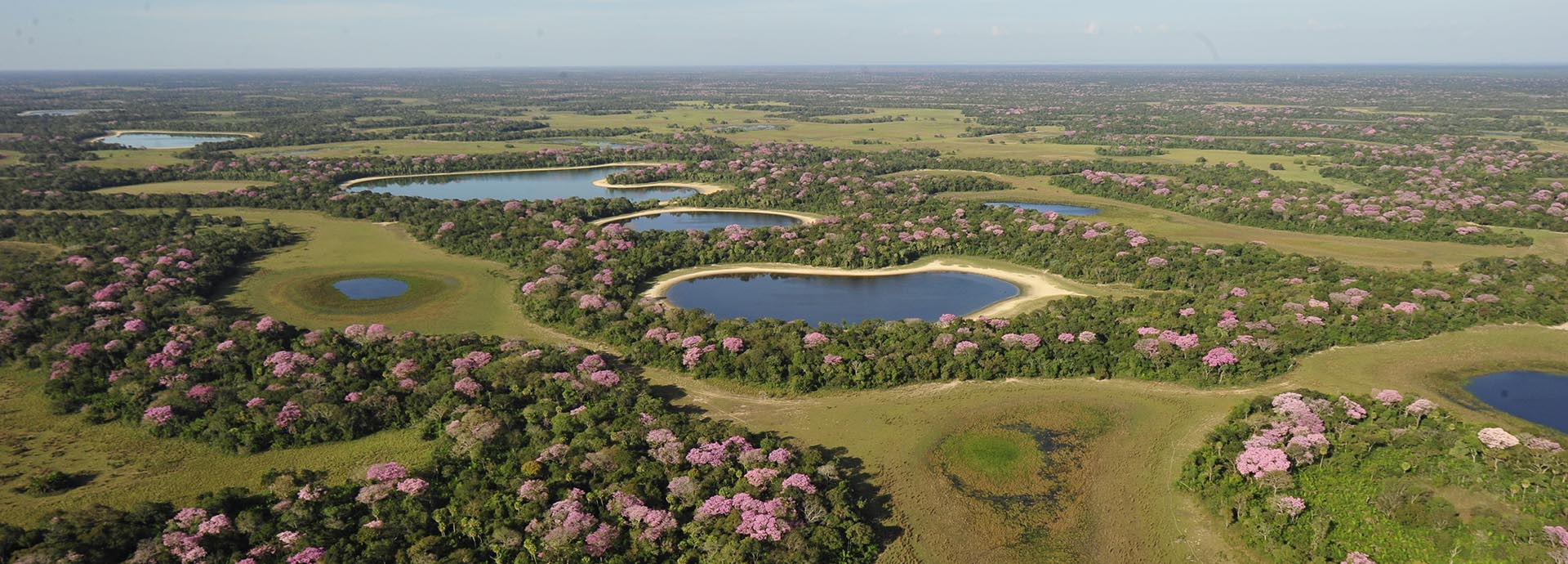
- Brazil contains the world’s largest tropical wetland — the Pantanal — spanning roughly 150,000–195,000 square kilometres across Mato Grosso and Mato Grosso do Sul states, making it larger than many European countries and offering jaguar-spotting success rates that rival any big-cat safari destination on earth, particularly during the dry season from June to October when wildlife concentrates around receding waterways.
- The Amazon River alone discharges approximately 20 percent of all freshwater flowing into the world’s oceans, and the Brazilian Amazon contains an estimated 10 percent of all species on earth — figures that underscore the ecological scale of what travellers encounter when they explore the basin by private boat or jungle lodge.
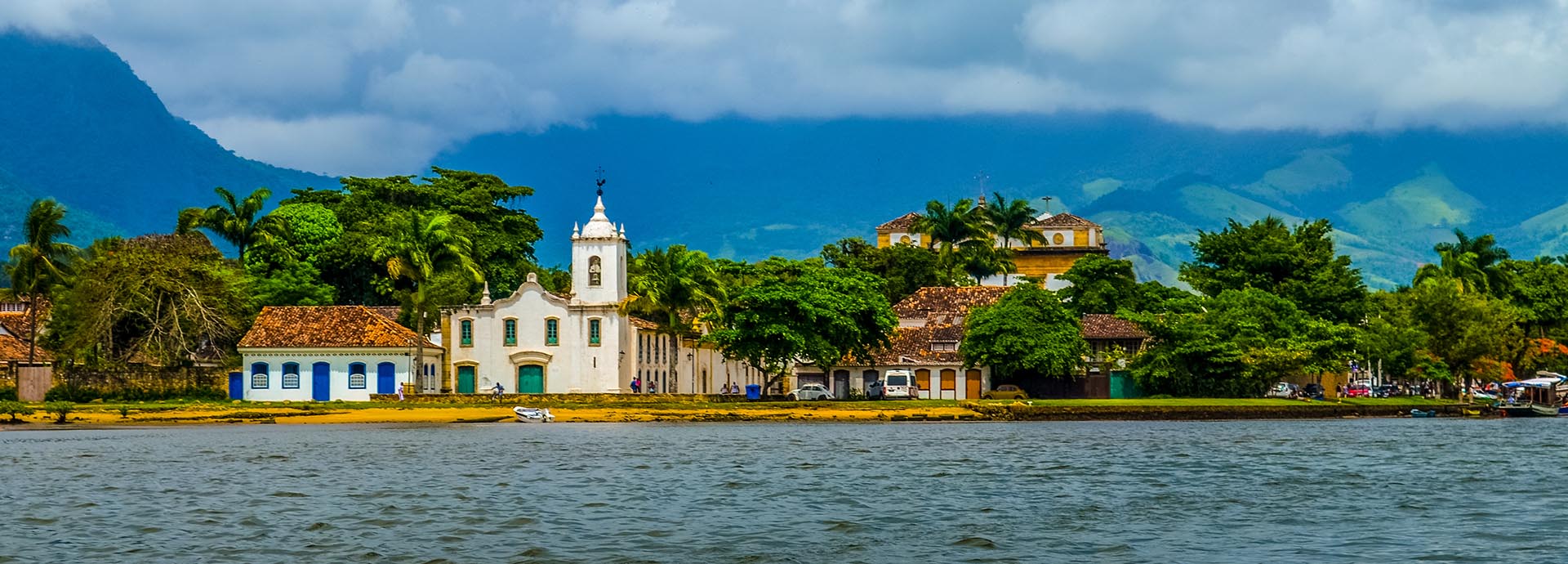
- Beyond its wilderness credentials, Brazil is home to some of Latin America’s most architecturally distinctive luxury accommodation, from Oscar Niemeyer-influenced modernist properties to restored 18th-century colonial mansions in Paraty — a UNESCO World Heritage town — giving culturally minded travellers a compelling counterpoint to the country’s wildlife itineraries.
Brazil makes up almost 50 percent of the continent and borders every South American nation except for Ecuador and Chile – it is vast! From the thundering falls of Iguaçu to the Amazon and the Atlantic, it buzzes with festival spirit. Known for its beautiful, fun-loving people, this immense country knows how to celebrate life!
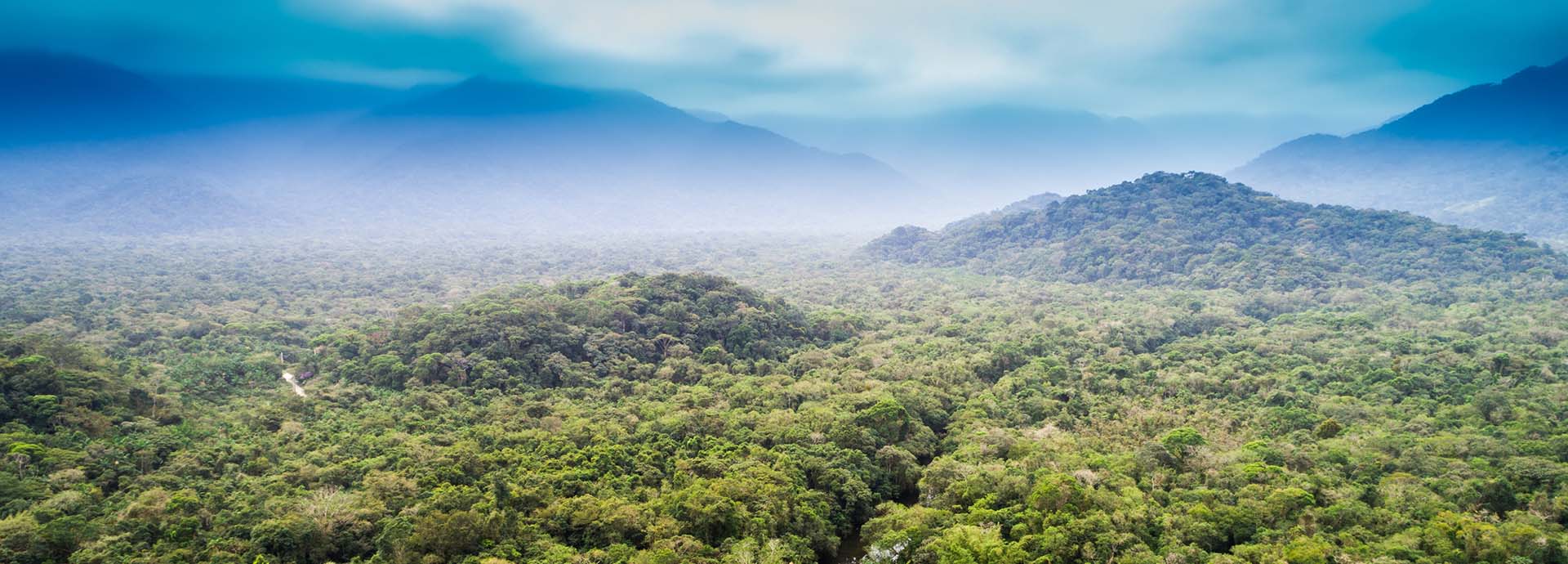
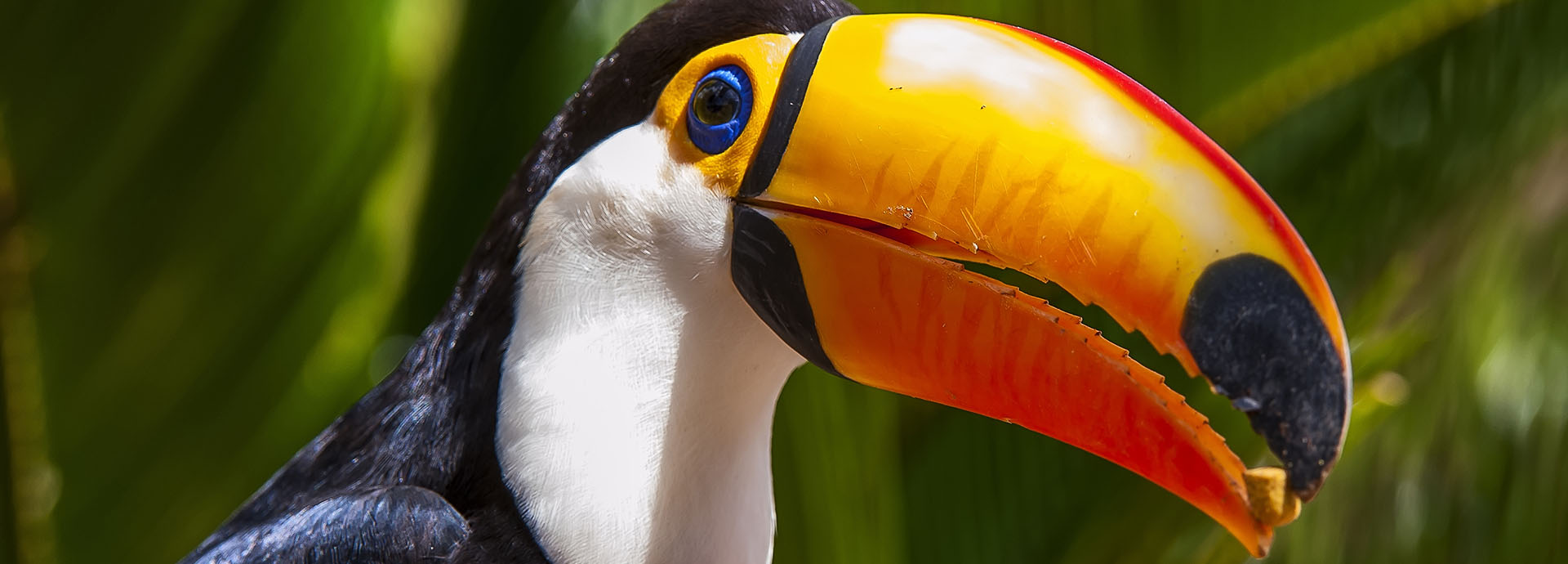
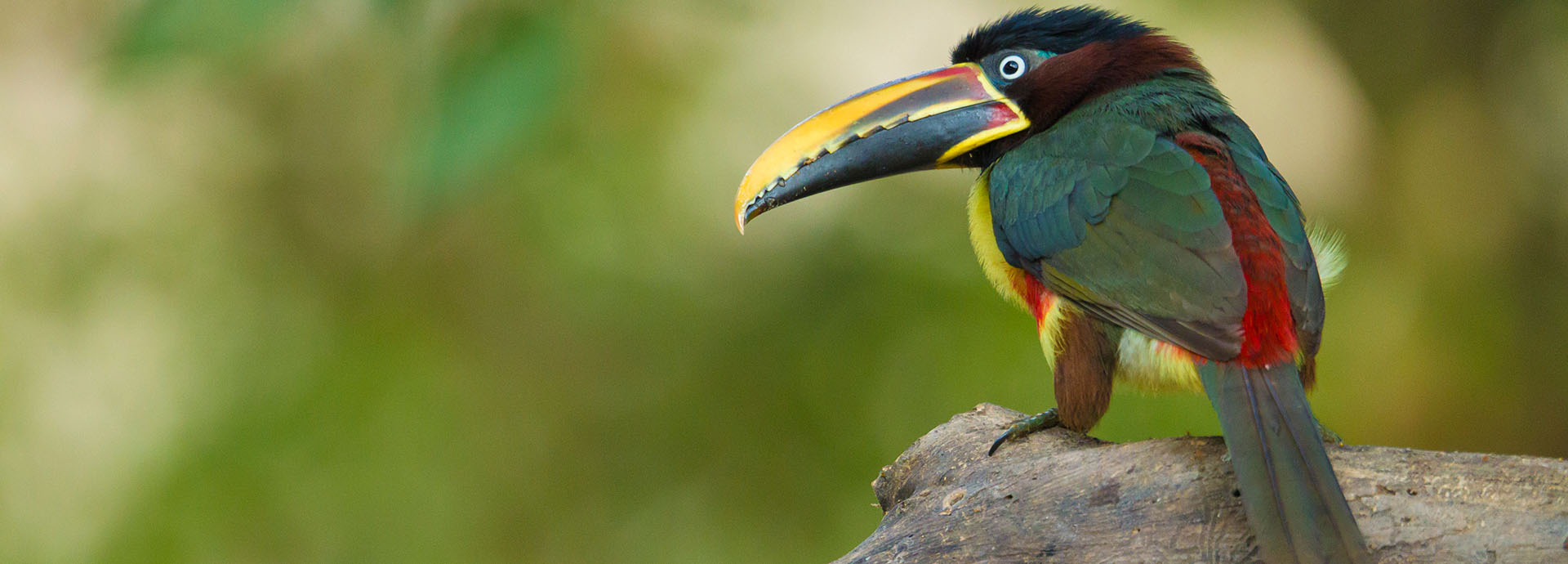
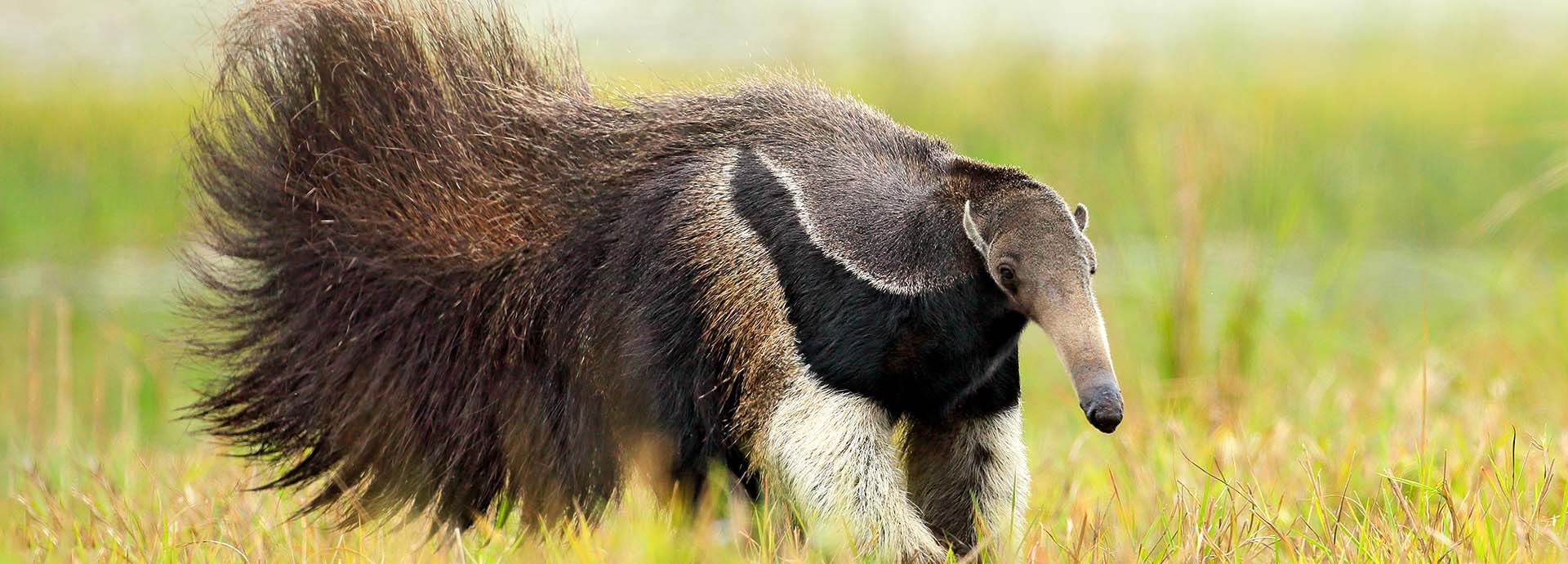
The Amazon Rainforest needs little introduction. Teeming with wildlife you’ll find jaguars, sloths and anteaters creeping through its steamy jungles while tamarinds and toucans crowd the canopy. Swim with pink dolphins in the Rio Negro, be enthralled by a show at a Belle Epoque opera house in the middle of the jungle or paddle in a wooden canoe to a remote tribal community where few visitors ever venture. Saddle up in the Pantanal to explore the teeming wetlands on horseback or take a helicopter flight for a bird’s eye view of Iguaçu Falls, one of the great wonders of the world. If city lights beckon, head to Rio for flamboyant carnival costumes, the outstretched arms of Christ the Redeemer, and the glamourous beaches of Ipanema and Copacabana. Fashionistas, foodies and art lovers will be in their element!
You Will Love
• The mighty Amazon Rainforest
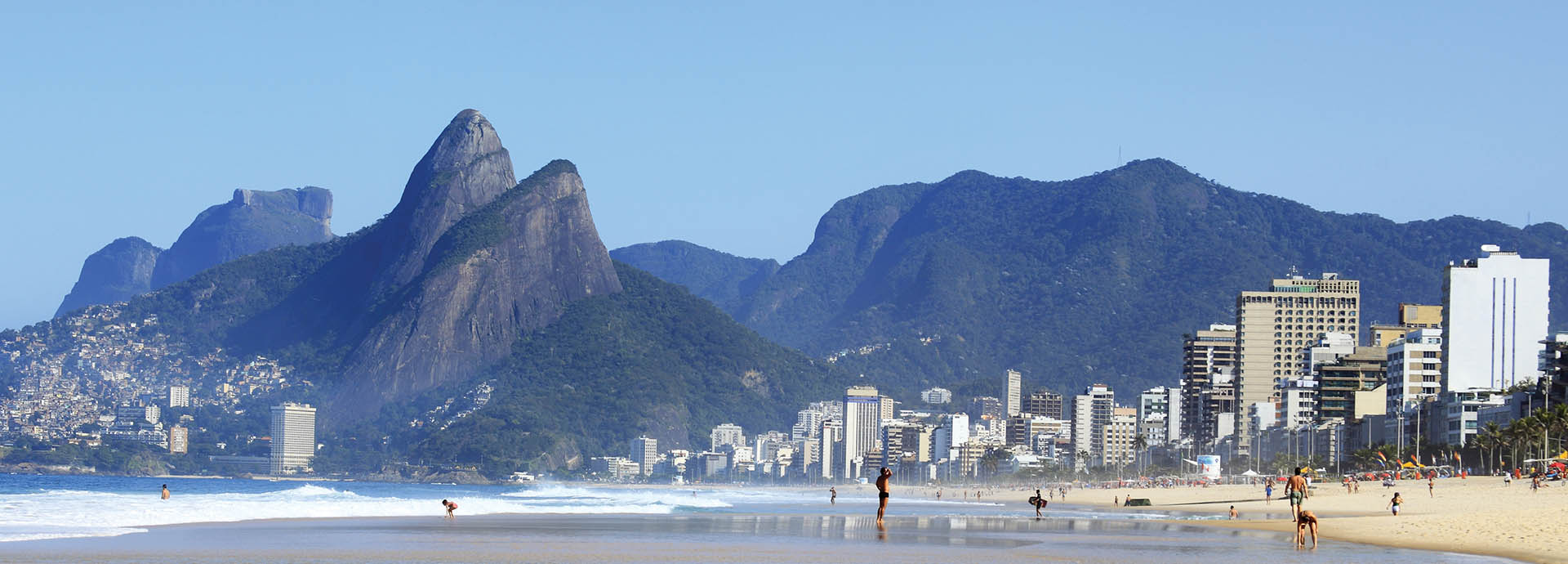
• People watching on Ipanema Beach
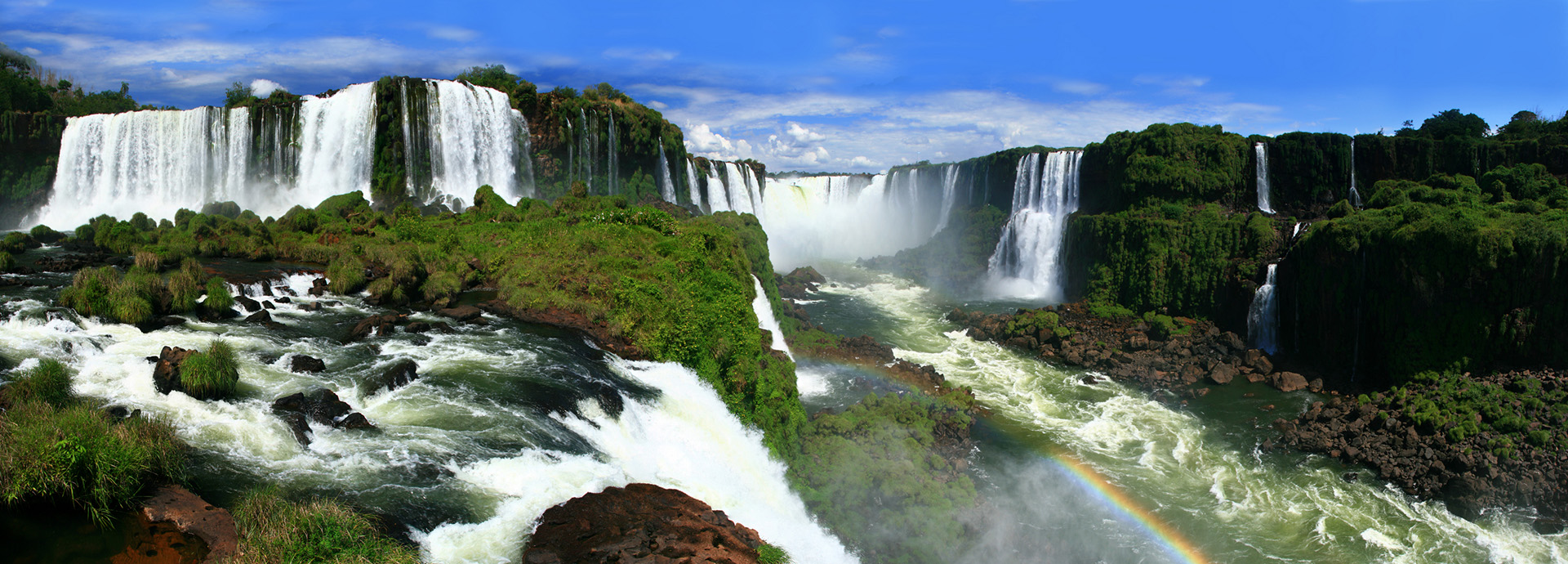
• The thundering Iguaçu Falls
• Pink river dolphins
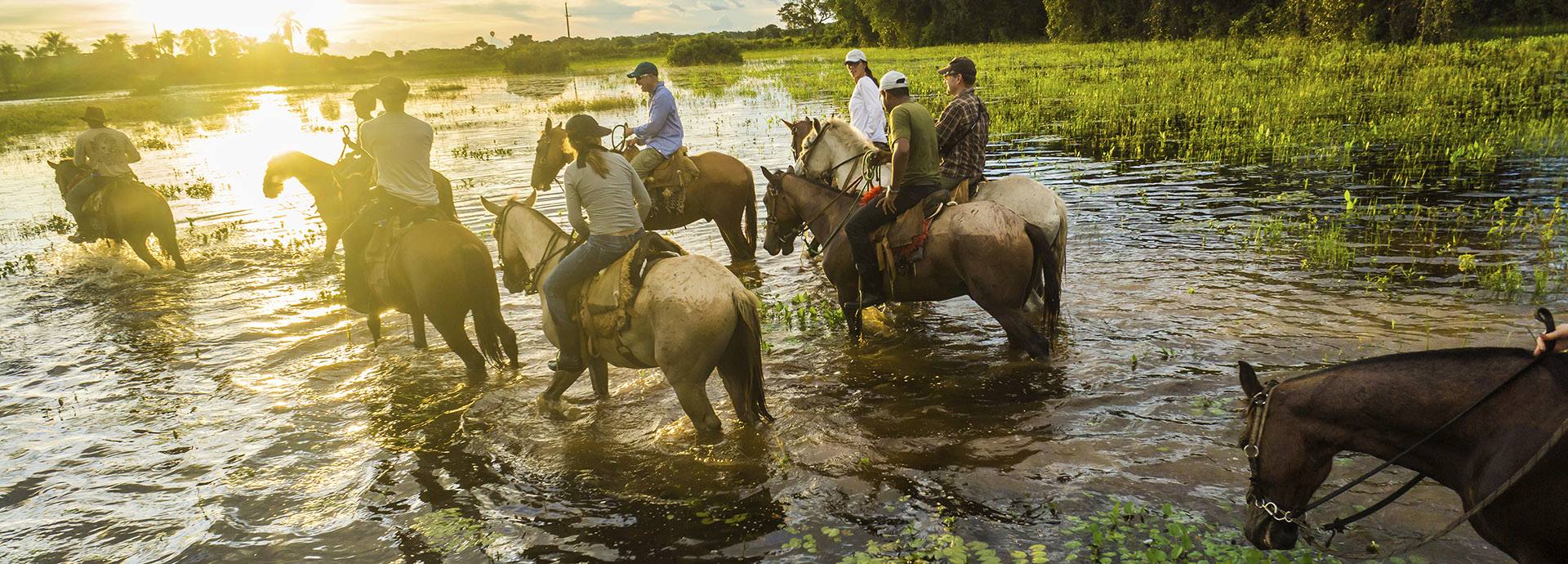
• Horse riding with vaqueros in the Pantanal
• Carnival!
Let us design your perfect itinerary.

Brazil’s diverse regions
from Rio de Janeiro to the Amazon
Iguaçu Falls
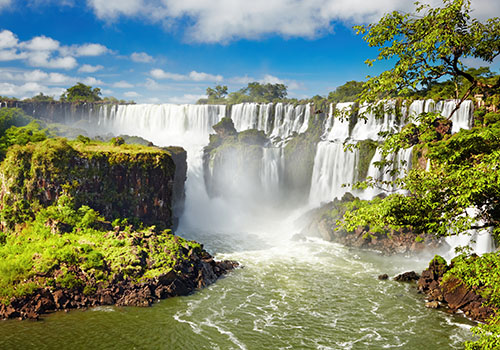
These majestic waterfalls in southern Brazil are one of the great wonders of the Americas, with 275 individual falls encompassing a vast area protected by two national parks spanning both Brazil and Argentina. The highest fall, the Garganta do Diabo (Devil's Throat) reaches 70m (230ft), which is one and a half times the height of Niagara Falls. The white water dramatically spills out of the lush green jungle-clad cliffs creating vast billowing clouds and splendid rainbows. The falls have such incredible beauty they are sure to be a highlight of any trip to South America.
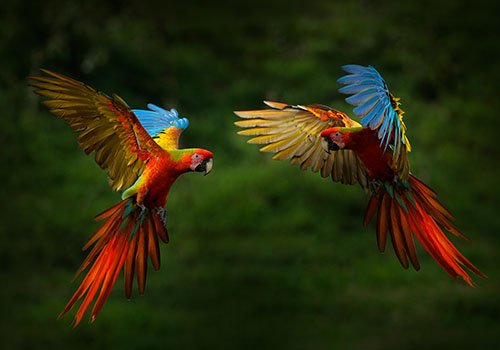
Manaus & the Amazon
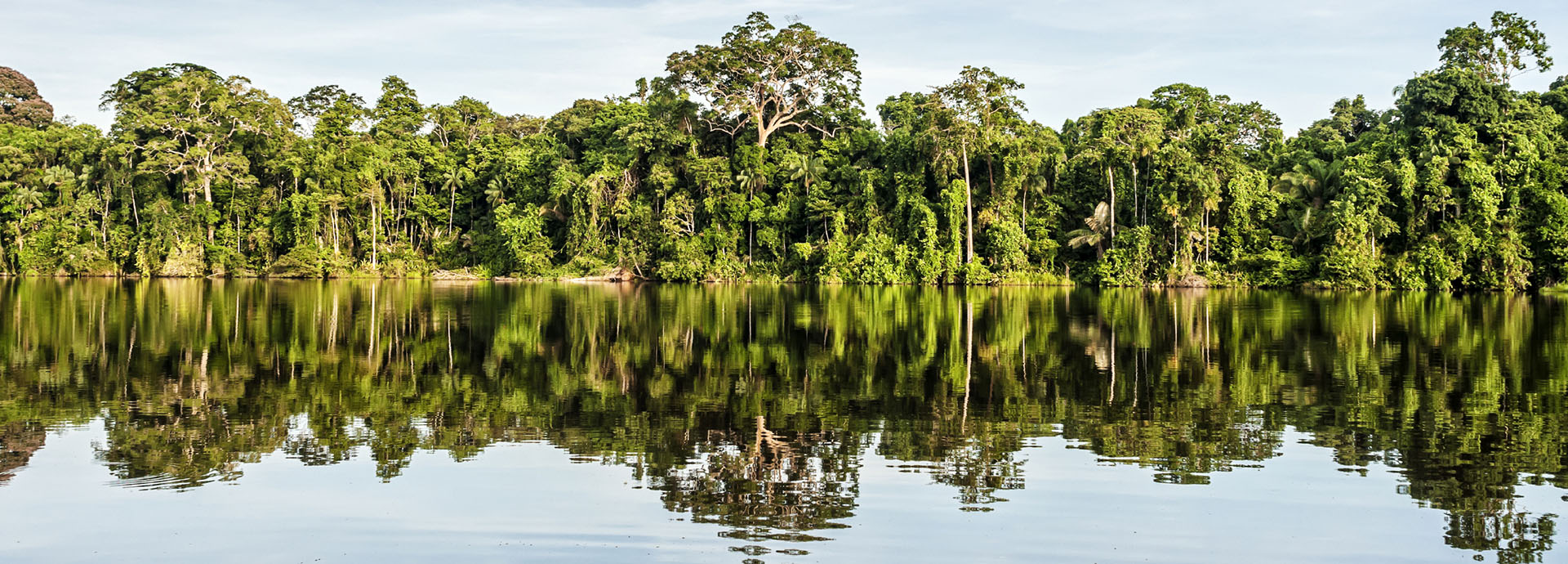
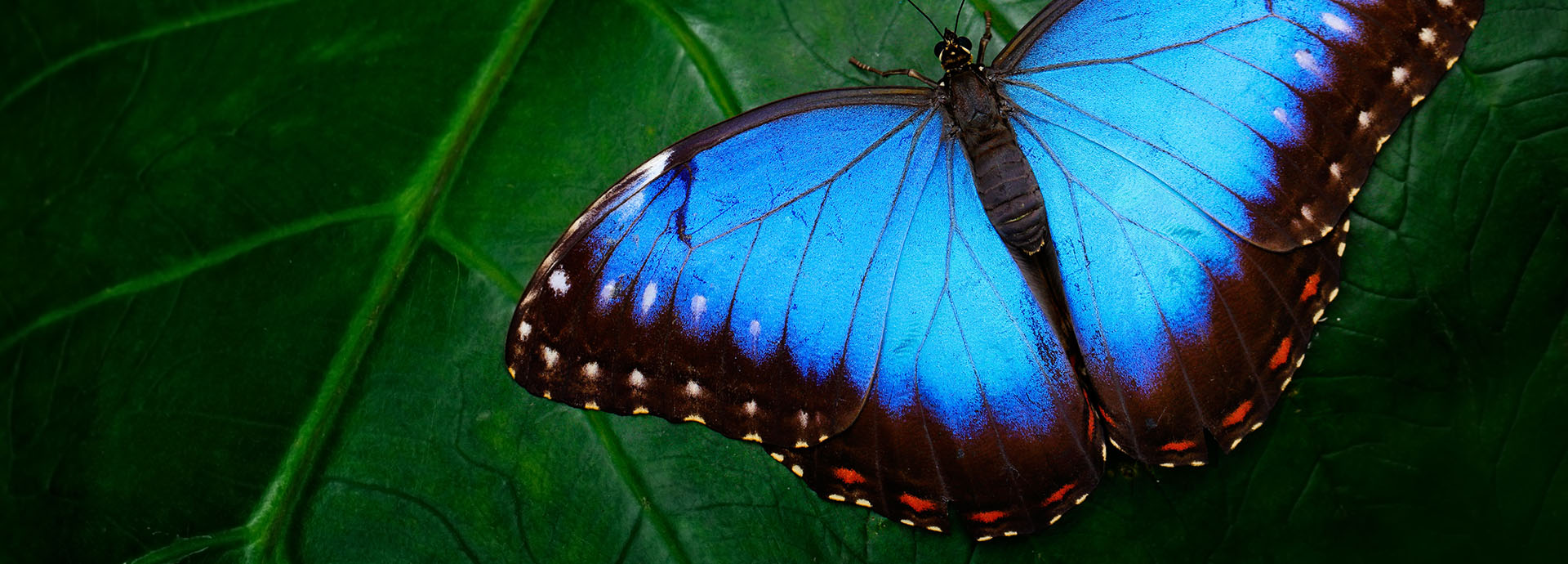
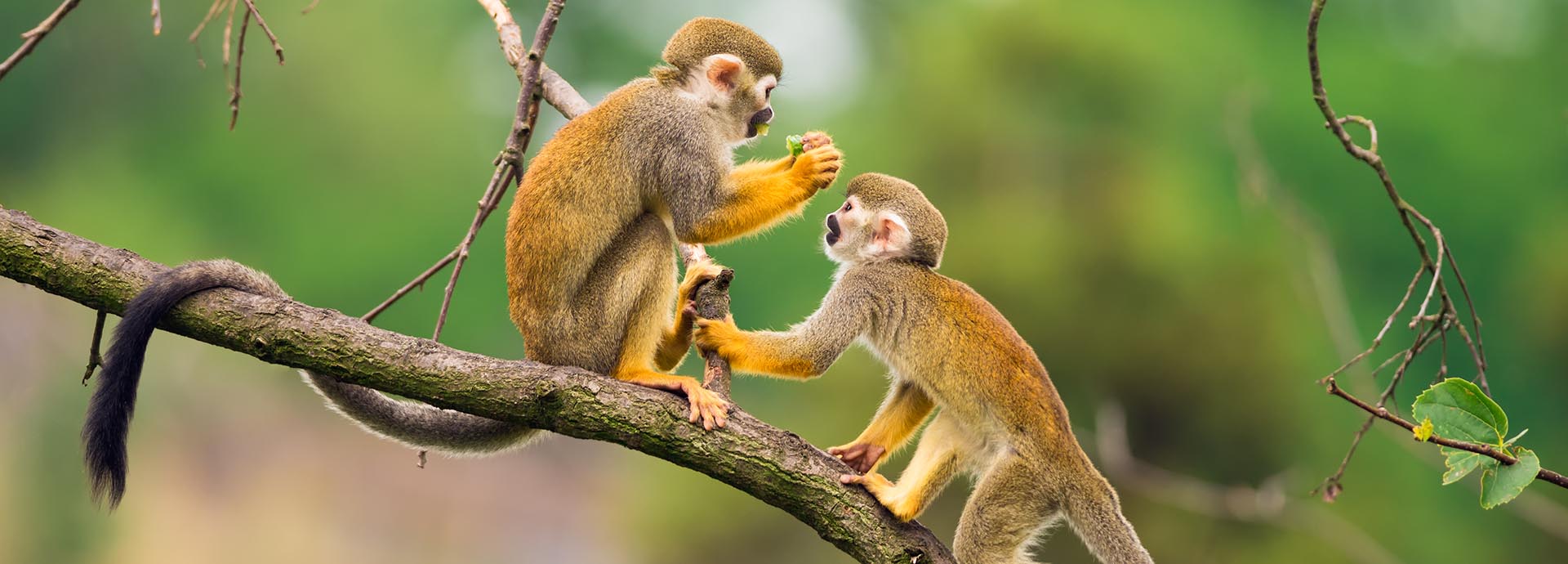
Dubbed 'The Green Inferno', the Amazon jungle is the largest tropical rainforest on Earth and you will be awed grandeur. Marvel at the magnitude and diversity of its flora and fauna, learn the medicinal secrets of indigenous tribes, watch monkeys and sloths swing in branches overhead, marvel at massive lily-pads, eat fruits you never imagined existed, canoe through forgotten tributaries, fish for piranhas, swim with pink dolphins and fall asleep at night to the symphonic hum of the surrounding ecosystem.

Rio de Janeiro
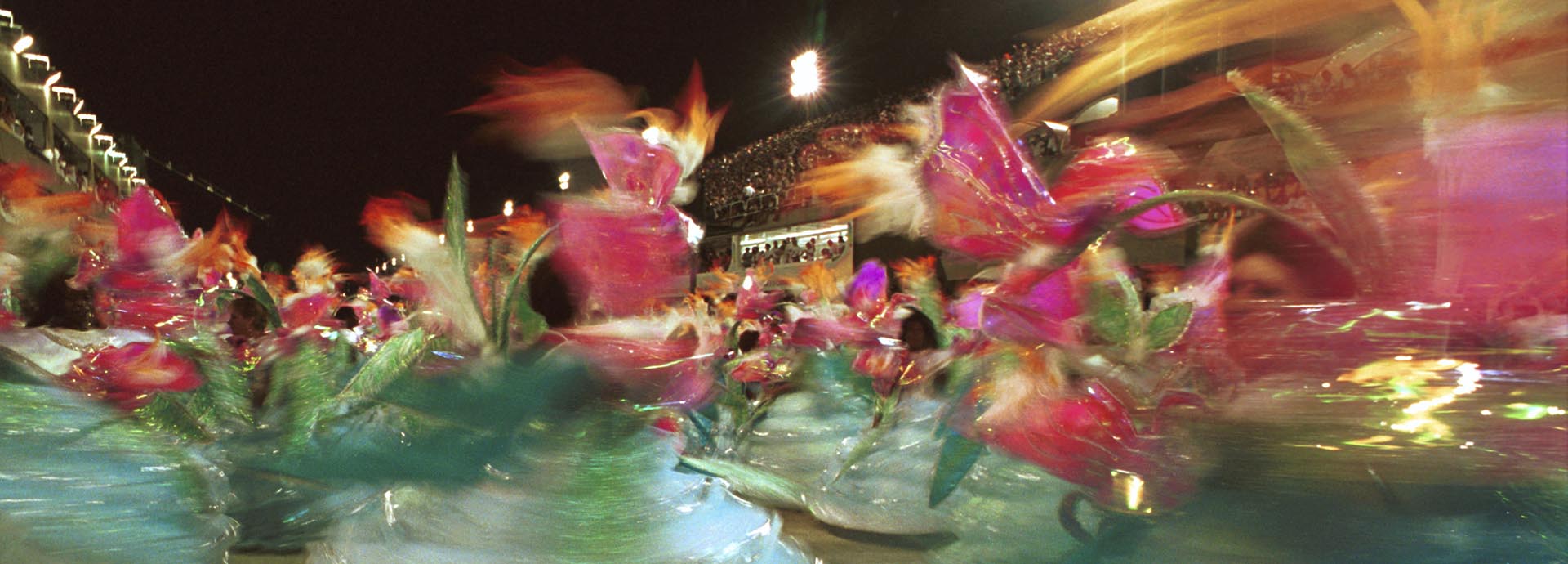
Rio de Janeiro is one of the happiest and hippest cities in the world. Set against jaw-dropping scenery it boasts the buzzing beaches of Copacabana and Ipanema, jungle-clad mountains, the bohemian neighbourhood of Santa Teresa and the imposing Christ the Redeemer that stands guard over the city. Each year thousands flock to Rio to be part of the world’s biggest street party, Rio Carnival, famed for its spectacular processions of bejewelled dancers, drums, samba music and sequins!
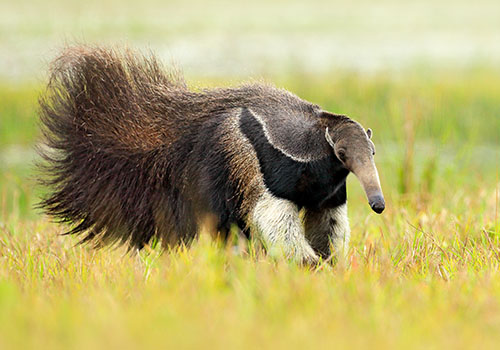
The Pantanal
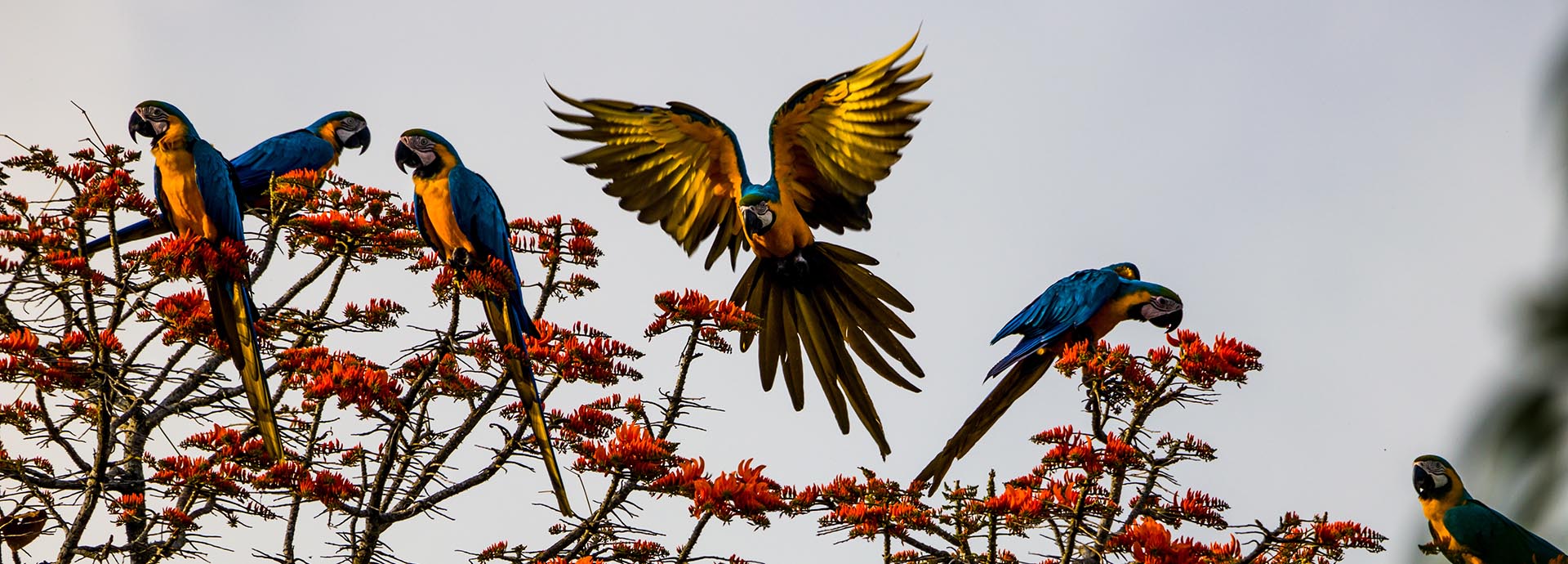
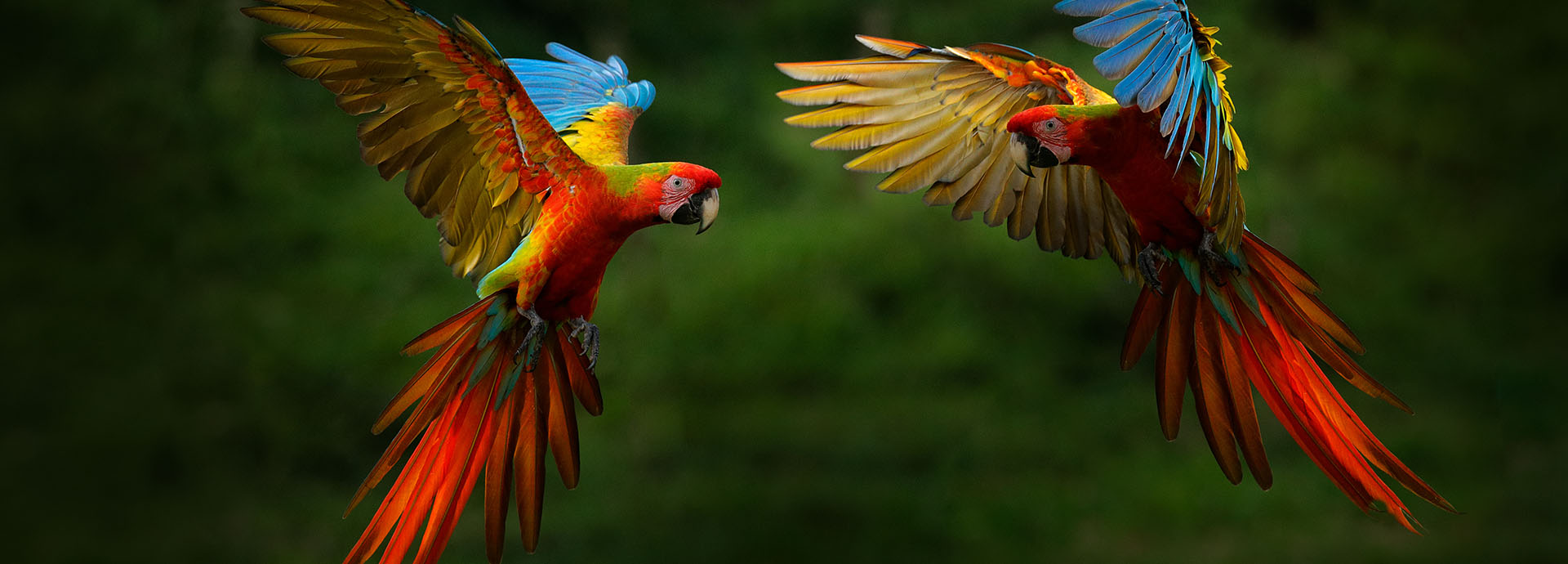
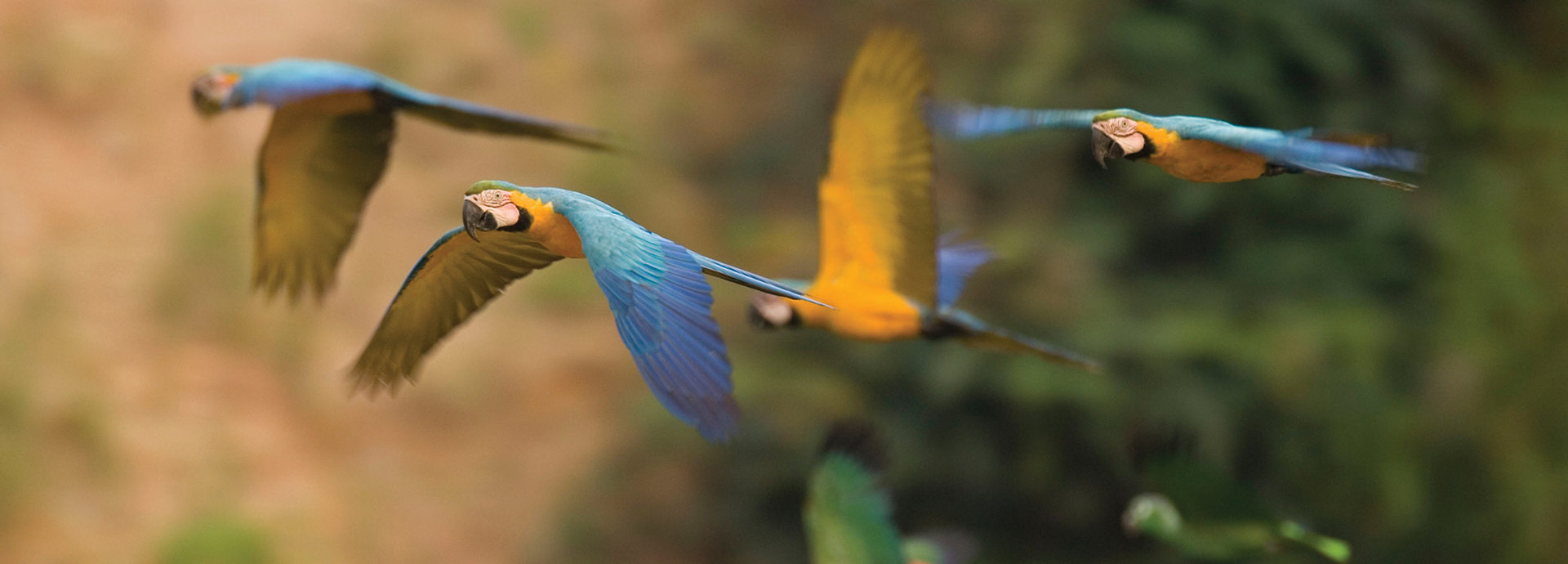
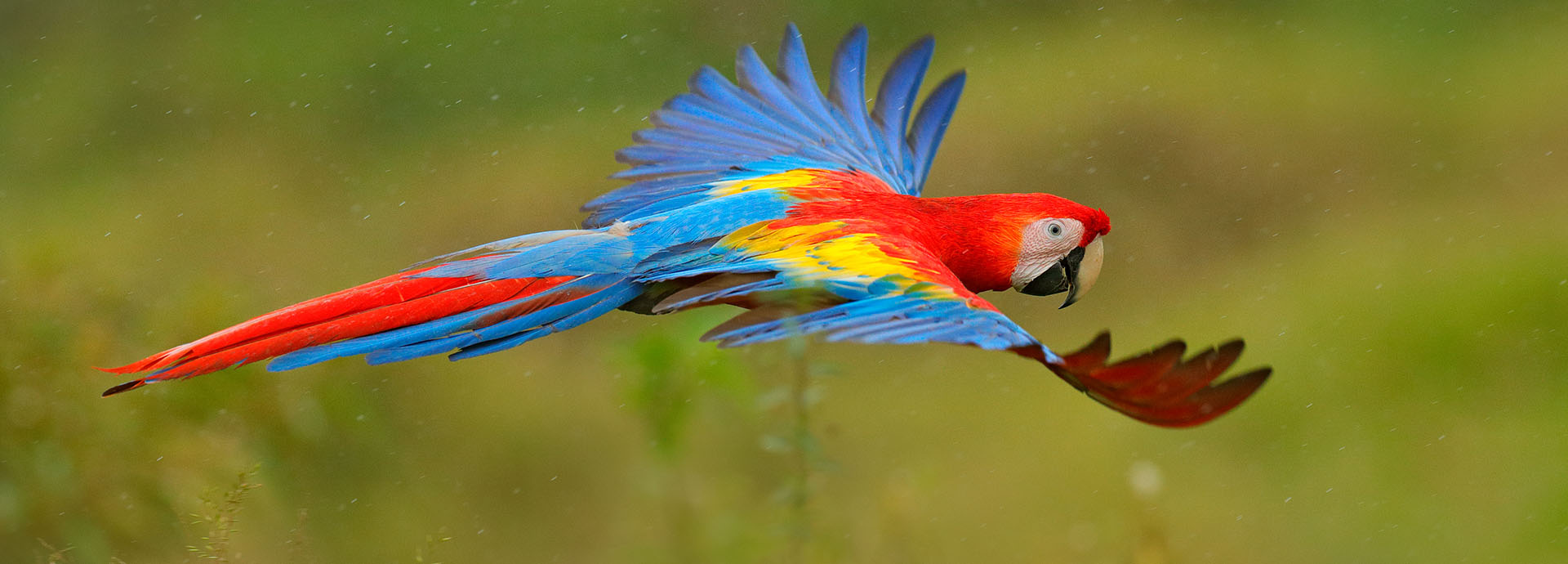
The Pantanal is a mosaic of flooded grasslands, savannas and tropical forests. It is the world’s largest wetland of any kind and one of the least explored regions of Brazil. The Pantanal hosts a biologically diverse collection of aquatic plants and animal species including caimans, anacondas and jaguars, pumas, giant river otters and the hyacinth macaws. The lower vegetation levels and open spaces make for spectacular sightings. Paradise for any nature enthusiast.

Unforgettable experiences in Brazil

Join the party at Rio’s Carnival
Join the party at Rio’s Carnival
Arguably the finest party in the world, Carnival is celebrated all over Brazil, but there is no denying that Rio puts on the biggest and brightest show. Over five days of revelry you can join bandas or blocos (street parties) as p...
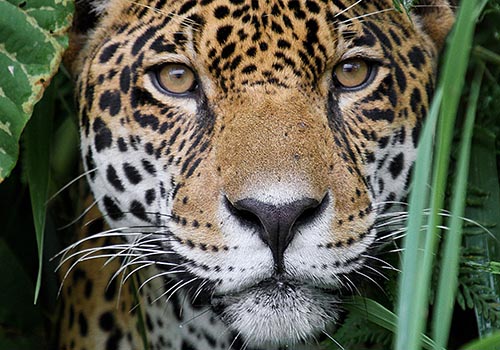
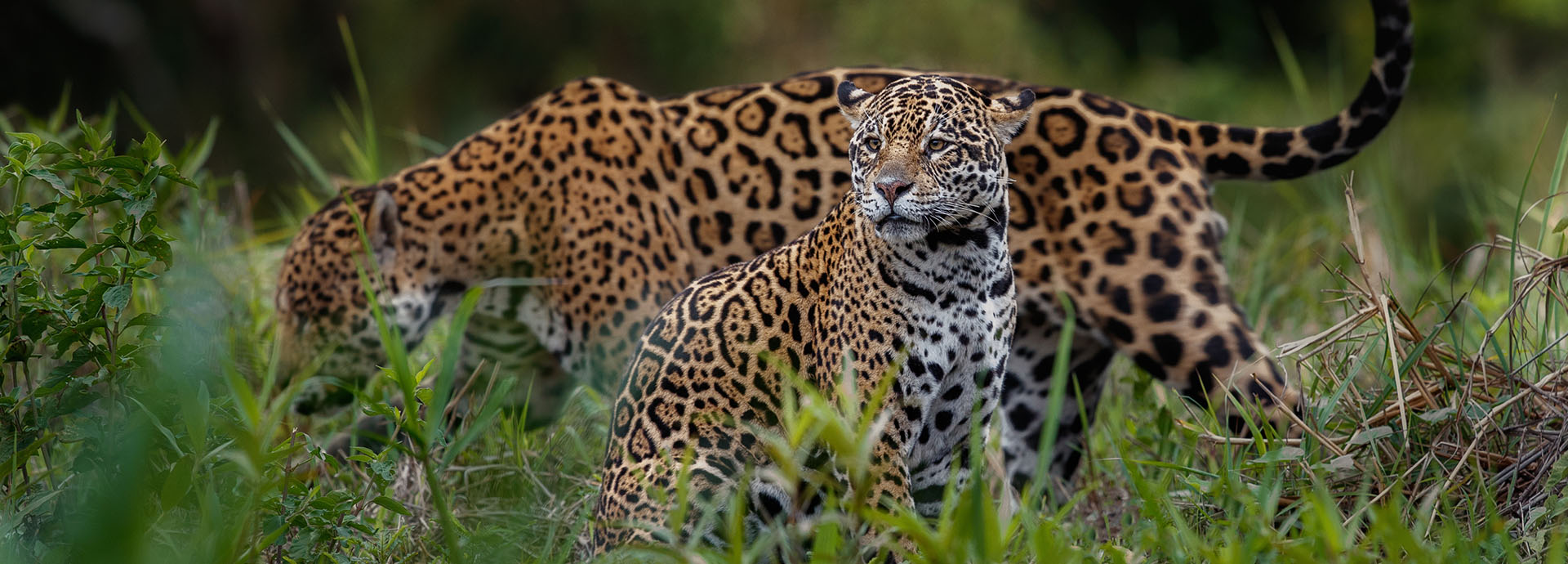
Spot jaguars in the Pantanal
Spot jaguars in the Pantanal
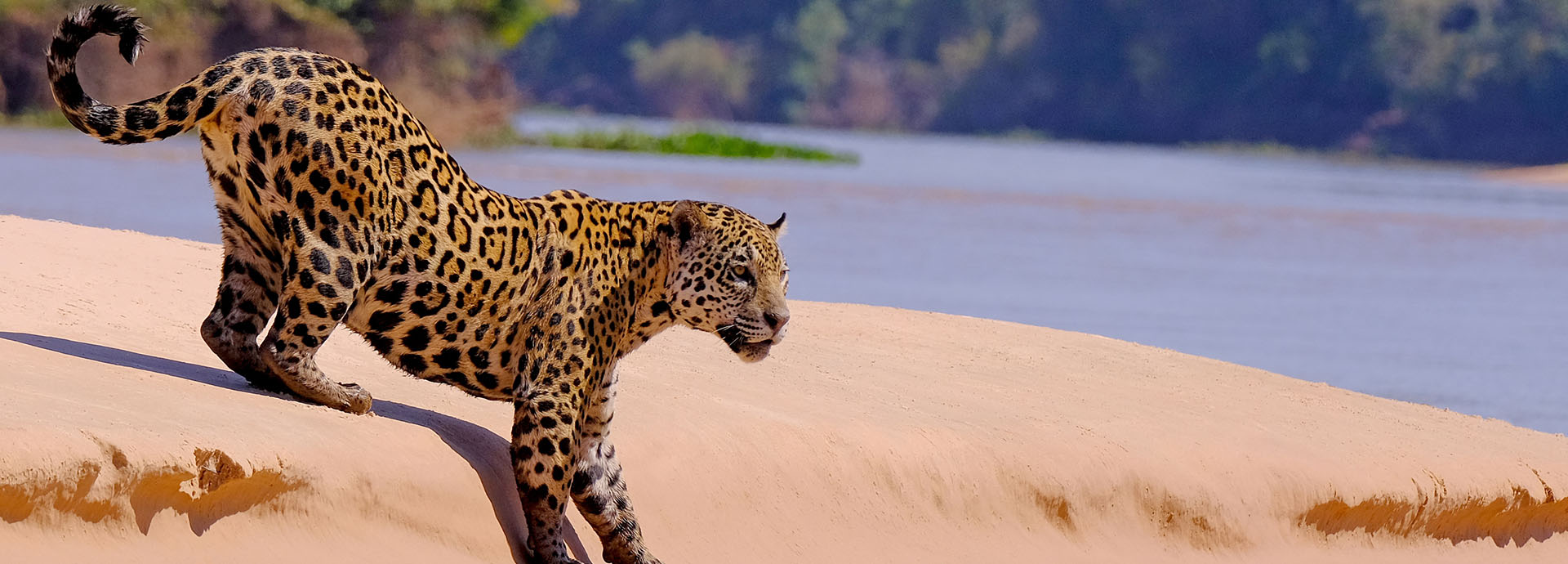
Brazil provides the opportunity to see incredible wildlife, but perhaps the most sought after and challenging animal to spot is the elusive jaguar. The best area to search for these majestic cats is in the world’s largest tropic...
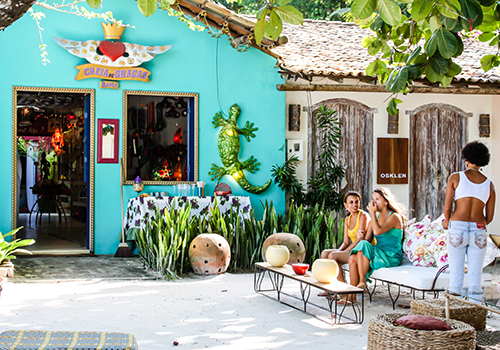
Become a beach bum in Trancoso
Become a beach bum in Trancoso
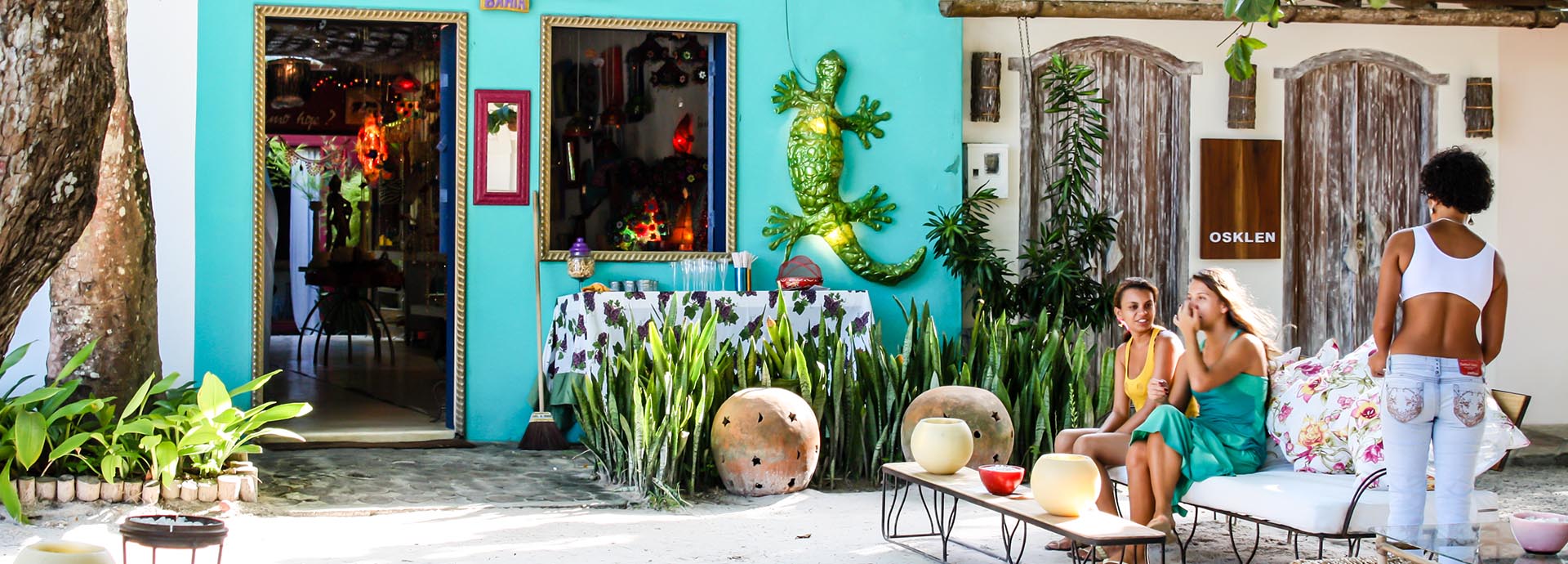
The little-known bohemian district of Trancoso in Bahia offers an unparalleled beach experience for anyone wanting to get away from the crowds and completely switch off. Unwind with an ice cold caipirinha at one of the beach bars ...
Walk through the jungle to see Iguaçu Falls
Walk through the jungle to see Iguaçu Falls
Iguaçu Falls is undoubtedly one of the world’s great natural phenomena and a visit here will be a highlight of any holiday to South America. The panoramic views from the Brazilian side of the falls are simply breathtaking, as i...

Watch football at the Maracana
Watch football at the Maracana
Football is more than just a sport in Brazil, it’s part of the culture and national identity. Brazil has not only produced some of the finest players and the most successful team of all time but also some of the most passionate ...
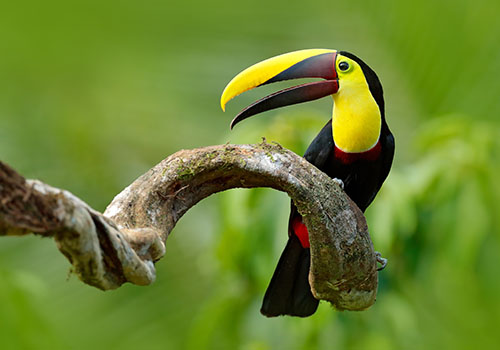
Sail down the Amazon
Sail down the Amazon
There is no better way to explore the world’s largest river than by boat. Sailing through the dense jungle gives you the freedom to delve deeper into the unknown. Time is spent cruising the lazy waters, exploring life along the ...

A selection of our favourite places to stay in Brazil
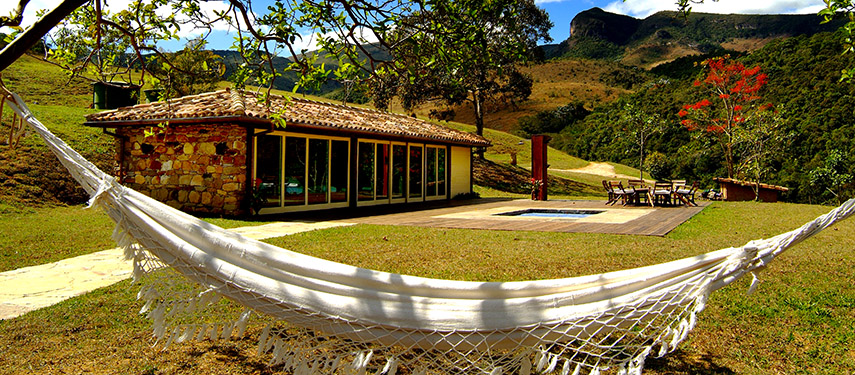
Reserva do Ibitipoca – Minas Gerais
Rainforest retreat
Reserva do Ibitipoca is set in a forest reserve in the Mantiqueira Mountains in southeast Brazil near Rio de Janeiro. Guided daily excursions are offered on foot or horseback explore a network of caves, valleys and natural wonders in search of Muriqui monkeys, wild boars, jaguars and ocelots, pumas and wolves.... Read More
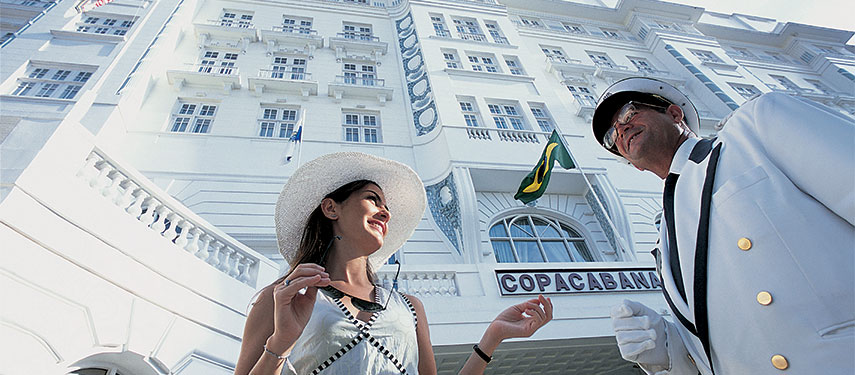
Belmond Copacabana – Rio de Janeiro
Brush shoulders with Brazil's style setters
A landmark hotel, the Copacabana Palace has been an essential part of the fabric of Rio since it opened its Art Deco doors in 1923. The Copacabana Palace is superbly located, facing the world famous Copacabana Beach just minutes from the city centre, Ipanema and Leblon districts.... Read More
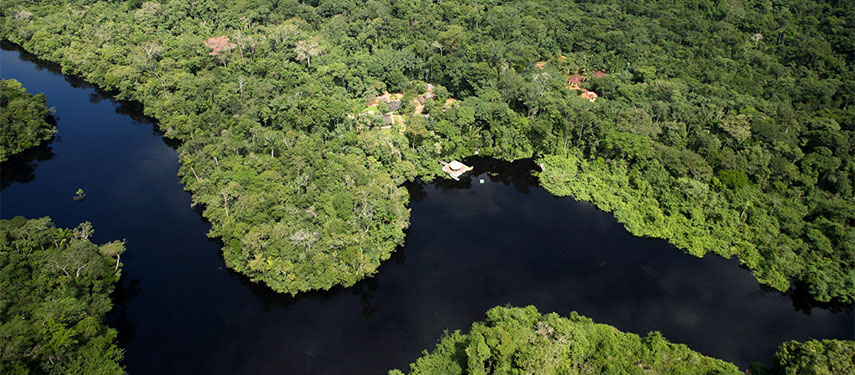
Cristalino Jungle Lodge – Amazon Rainforest
Jungle hideaway
Cristalino Lodge is located beside the River Cristalino in the southern Amazon. It has been carefully designed to integrate harmoniously with the surrounding jungle allowing you to feel perfectly at one with nature without ever compromising on luxury and comfort. Spot wildlife, explore jungle trails and unwind on tranquil waters at Cristalino.... Read More
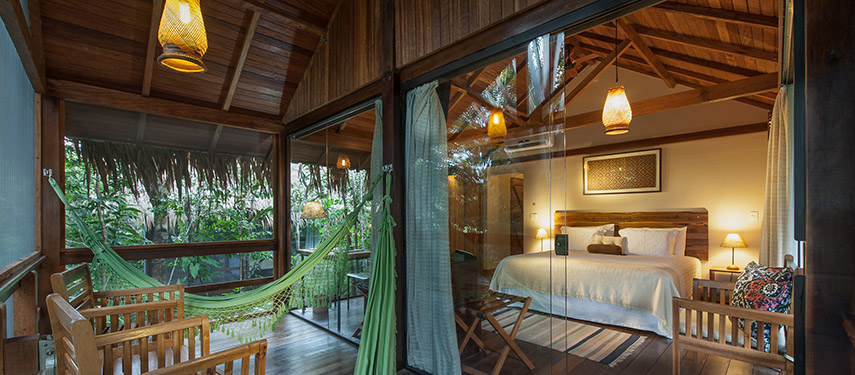
Anavilhanas Jungle Lodge – Amazon
Jungle luxe
The Anavilhanas Jungle Lodge is located across from the world’s largest river archipelago, on the Rio Negro, placing you perfectly to explore the Amazon Basin. Stays here are action packed with hikes in the jungle, piranha fishing, dolphin & alligator spotting, canoe trips, and visits to local indigenous communities.... Read More
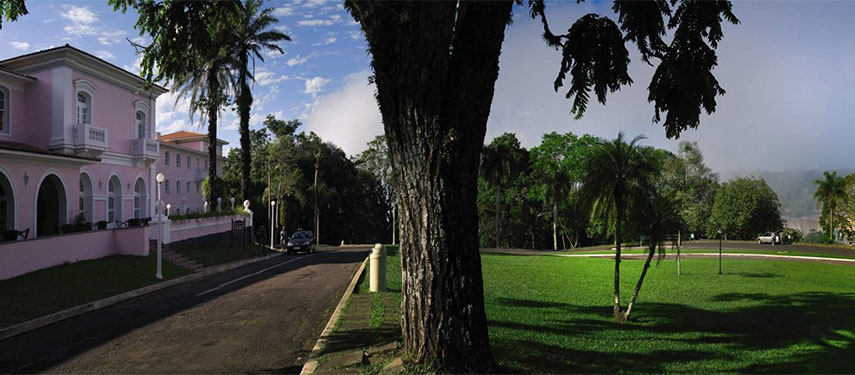
Belmond Hotel Das Cataratas – Iguazu
Classic, luxury hotel with exclusive Falls access
The only hotel located within the Iguaçu National Park, Belmond Hotel das Cataratas enjoys an unrivalled location just a short stroll from the sensational Falls themselves. A Portuguese colonial residence, this classic luxury hotel is redolent with the atmosphere of lazy days lounging on a veranda or beneath sub-tropical palms.... Read More
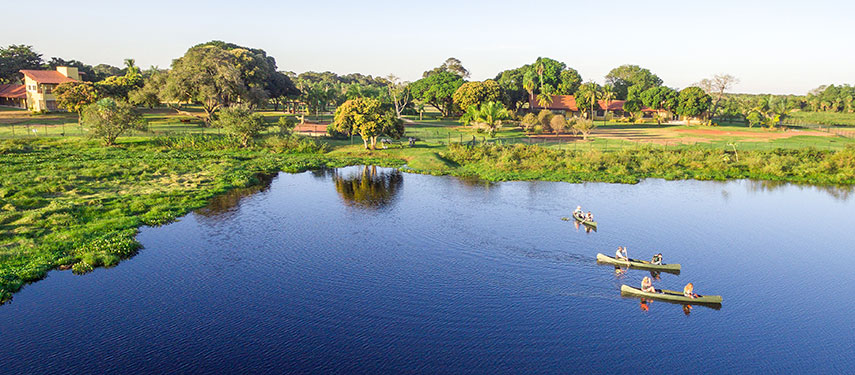
Caiman – Pantanal
Pioneering ecotourism
Caiman is home to some of the most respected conservation projects in Brazil, including the NGO Onçafari and its jaguar habituation project. It is actively involved with environmental research whilst also offering a sanctuary for relaxing in the tranquillity of the Brazillian wilderness.... Read More
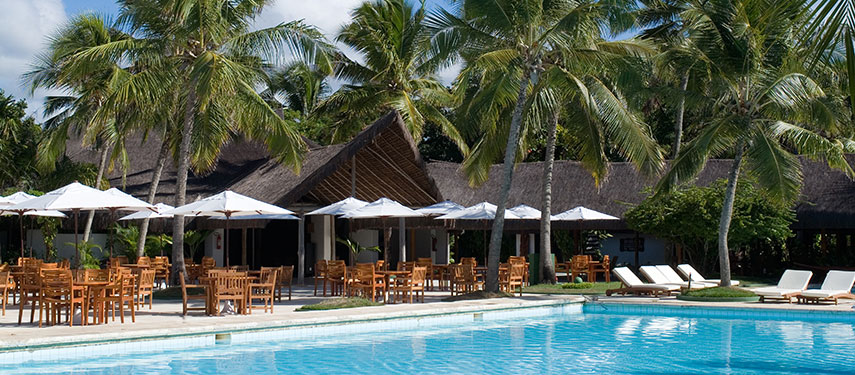
Tivoli Eco Resort – Praia do Forte, Bahia
White sand, warm water, pure emotion
The Tivoli Eco Resort is located within Bahia, one of the most exclusive areas on the Brazilian coast, next to the delightful fishing village of Praia do Forte. Explore the local area, relax on the beach and enjoy the lush gardens and stunning infinity pool. It is a peaceful and luxurious escape where you can truly unwind and re-charge.... Read More
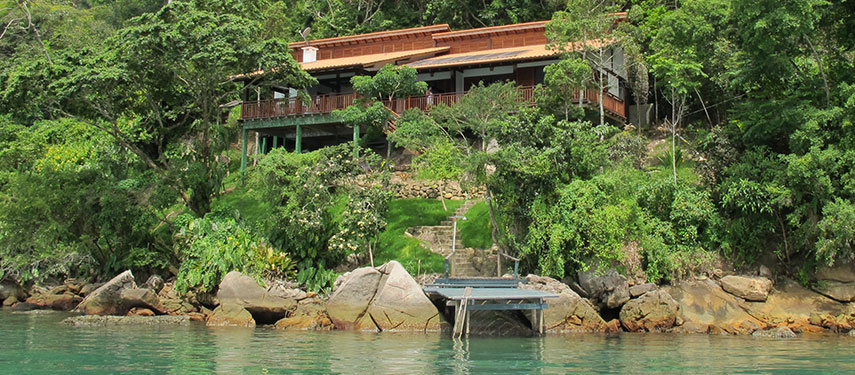
Casa Cairucu – near Paraty
Sea front villa with uninterrupted water views
A few steps from the calm, protected waters of Paraty Bay, Casa Cairucu sea front villa is surrounded by pristine beaches with amazing sea views and uninterrupted swathes of rainforest. Just 20 minutes from stunning Paraty, Casa Cairucu is the perfect house for a family or friends who are looking for something special and unusual.... Read More
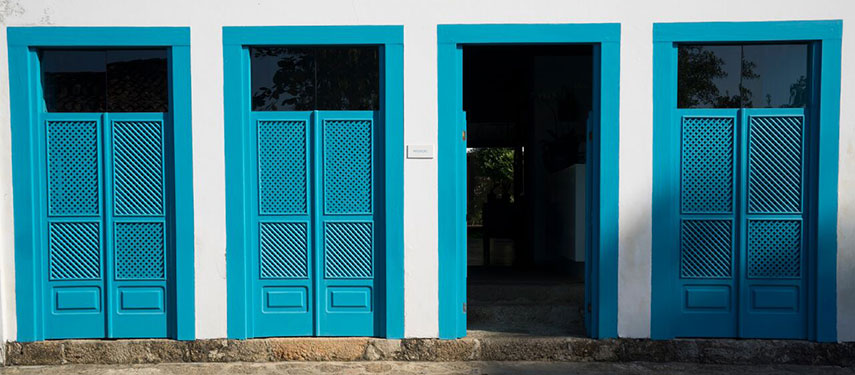
Casa Turquesa – Paraty
Warm and intimate ambience
Casa Turequesa is nestled in a quiet area of Paraty’s historic centre, overlooking the docks. The restored historic mansion has just nine spacious suites ensuring an ambience of warmth and intimacy. Casa Turquesa is ideal for exploring the secrets of historic Paraty, one of Brazil’s prettiest towns, and its idyllic beaches.... Read More
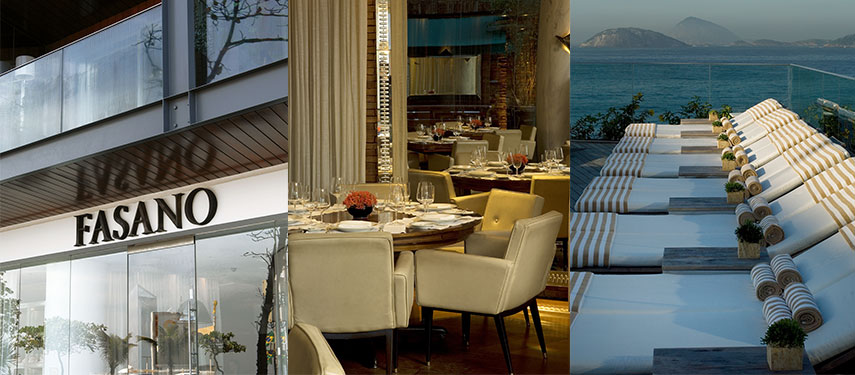
Fasano – Rio de Janeiro
Chic hotel in Ipanema
Hotel Fasano Rio de Janeiro is located on the legendary Ipanema Beach, which offers a host of cultural and shopping options, along with the city’s best bars and restaurants. The hotel is steps away from Copacabana Beach and a short walk from Leblon. The Fasano puts you in the box seat to explore all that Rio offers.... Read More
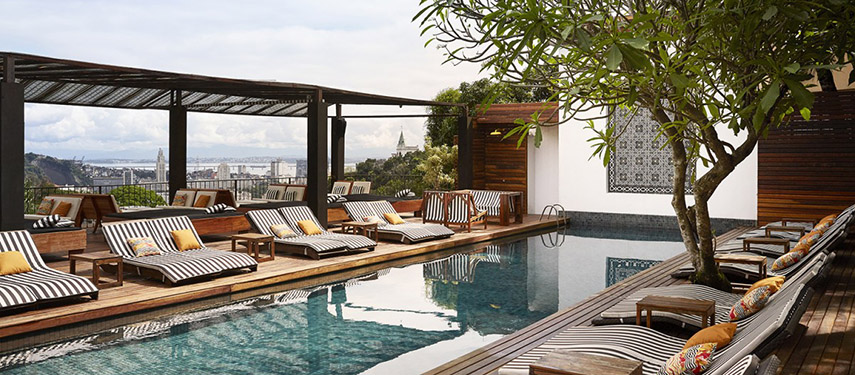
Hotel Santa Teresa – Rio de Janeiro
Panoramic views of the city, beach and bay
In one of Rio’s most aristocratic areas, and enjoying fabulous panoramic views of the city, harbor and Guanabara Bay from every room, Hotel Santa Teresa has been elegantly restored to create a charming, luxurious and breathtakingly beautiful retreat. Enjoy time spent in the very cultural and historical heart of Rio.... Read More
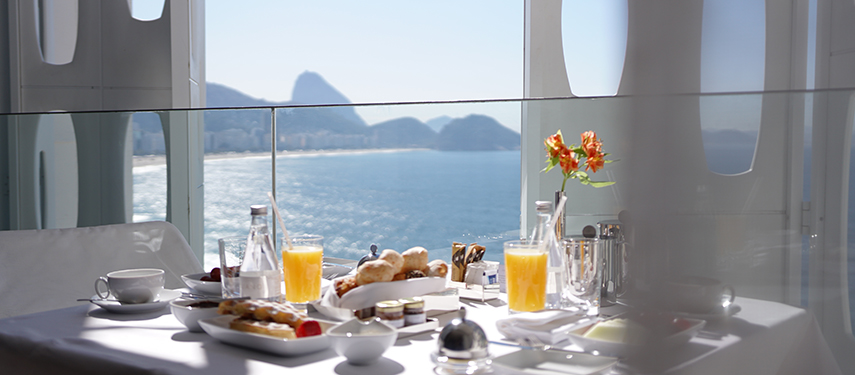
Emiliano – Rio de Janeiro
Calm haven in the heart of the big smoke
In a privileged location, Emiliano is beachfront to the famous Copacabana beach. The property exudes value on the sea views with its contemporary architecture and natural light. The rooftop also has a swimming pool. Emiliano - where one can appreciate minimalistic charm in an exclusive environment, right in the heart of Rio.... Read More
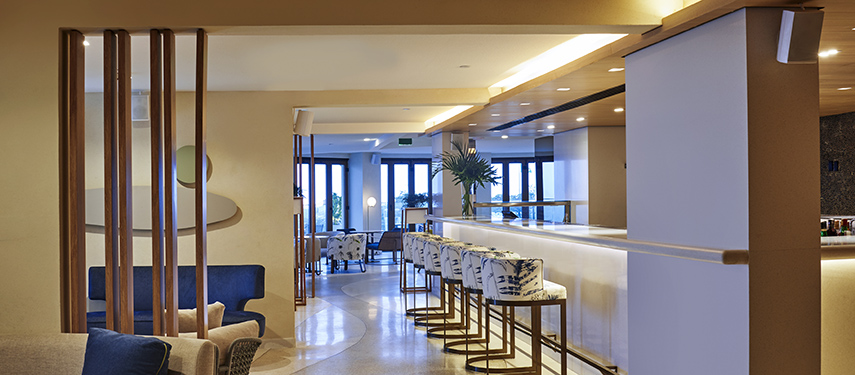
Fairmont – Rio de Janeiro
Charm of Copacabana
The Fairmont Rio de Janeiro Hotel is located just steps from Ipanema Beach, in Copacabana district, and under the majestic gaze of Sugar Loaf Mountain. Onsite there are two swimming pools, a fitness centre, sauna, spa restaurant, bars and meeting rooms. Enjoy luxury in the heart of one of Rio's most spectacular locations - Copacabana.... Read More
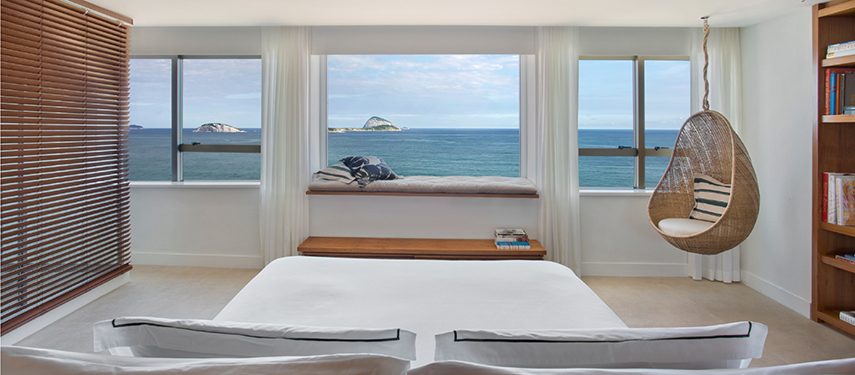
Janeiro – Rio de Janeiro
A seafront extension
Located in the middle of Leblon's extrapolate beach culture, the Janeiro hotel bring's Rio's 'bossa' vibe to life. Arrive to the hotel and soak up the breeze, open your arms wide to the Atlantic infront, feel the salty air and relax. Janeiro - splendour and simplicity on the doorstep to so many of Rio's attractions.... Read More
A collection of journeys in Brazil

Brazil: Rio & Iguaçu Falls
Itinerary Inspiration | Brazil
Visiting the metropolis of Rio de Janeiro as well as the power of the falls at Iguaçu on this short and sweet seven-day itinerary. Stay at accommodation with views of the surroundings, excellent service and in a great location, and enjoy a range of activities in both locations along with some time at leisure to explore as you wish....Read More
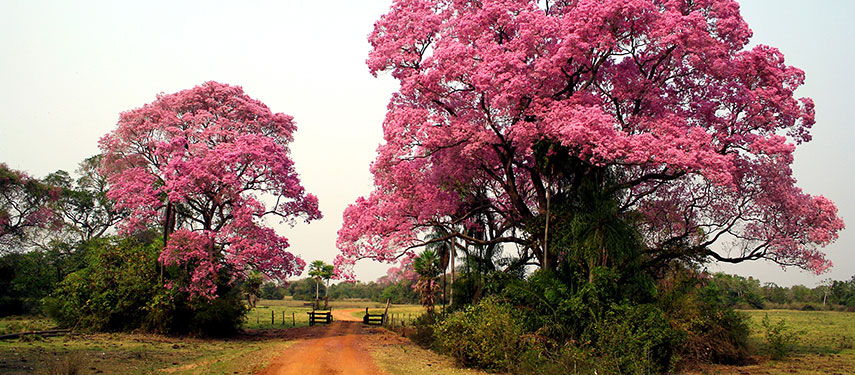
Brazil: Pantanal, Iguaçu & Rio
Itinerary Inspiration | Brazil's wild world
Travel about the depths of Brazil's Pantanal, through flamboyant Rio de Janeiro and with a stop at Iguaçu on this 12-day journey. Attempt to get up and close to jaguar, canoe along beautiful bays and look out for the hyacinth macaw, swim in the beaches of Copacabana and visit the Christ the Redeemer Statue, or get wet on a boat journey around the Falls....Read More
Brazil: Frequently Asked Questions
Brazil’s vast geography means timing depends on the region. For jaguar sightings in the Pantanal, the dry season from June to October is optimal — water levels drop, vegetation thins and predators concentrate along the remaining waterways. The Amazon is navigable year-round, but the high-water season (January–June) allows boat access deeper into flooded forest, while the dry season (July–December) offers better trekking and wildlife spotting on river banks. Rio de Janeiro is pleasant year-round, though Carnival falls in February or March depending on the liturgical calendar.
Australian passport holders currently enjoy visa-free access to Brazil for tourist stays of up to 90 days, extendable to 180 days within a 12-month period. Entry requirements can change, so The Classic Safari Company recommends verifying conditions with the Brazilian consulate or the Australian Department of Foreign Affairs and Trade prior to travel. A yellow fever vaccination certificate is strongly recommended for visits to the Amazon and Pantanal regions and may be required when entering from neighbouring countries.
The Pantanal offers a genuinely distinctive wildlife experience that rewards comparison without being diminished by it. Where African savannah safaris rely on open plains and elevated game drive vehicles, the Pantanal is explored by a combination of four-wheel drive, horseback, boat and on foot — often in a single day. The density of jaguars, caimans, giant river otters, hyacinth macaws and capybaras is extraordinary, and the relatively low visitor numbers mean a more intimate encounter. Guests who have done both frequently cite the Pantanal as among the most productive wildlife experiences of their travels.
A private boat itinerary on the Amazon allows guests to set their own pace through one of the planet’s most biodiverse ecosystems. Days typically alternate between guided canoe excursions into narrow tributaries, forest treks to observe medicinal plants and canopy wildlife, visits to riverside communities and dawn birding sessions from the upper deck. Pink boto dolphins are encountered regularly in the Rio Negro and Solimões confluences, and night excursions offer chances to spot caimans and nocturnal wildlife. The Classic Safari Company tailors these itineraries around luxury vessels staffed by specialist naturalist guides.
Brazil is an outstanding family destination provided the itinerary is thoughtfully designed. Rio de Janeiro offers broad appeal across age groups, from beach culture and cable car rides to Sugar Loaf Mountain to the spectacle of Christ the Redeemer. Iguaçu Falls is universally thrilling. The Pantanal and Amazon suit older children and teenagers with a genuine interest in wildlife and nature; younger children may find extended boat journeys or remote jungle lodges less comfortable. The Classic Safari Company team can advise on age-appropriate lodges and pacing.
Brazil’s coastline extends for over 7,400 kilometres, encompassing dramatically varied beach landscapes. The Bahia coast, anchored by Salvador and extending south to Trancoso and Porto Seguro, offers powdery white sands, warm water and a strong Afro-Brazilian cultural identity. Fernando de Noronha, a UNESCO-protected volcanic archipelago off the northeast coast, is considered among South America’s finest dive and snorkel destinations. The Lençóis Maranhenses in the northeast — a surreal landscape of white sand dunes laced with freshwater lagoons — is gaining traction as a luxury add-on for adventurous travellers.
Brazil: A Glossary of Terms
Pantanal — The world’s largest tropical wetland, spanning approximately 150,000–195,000 square kilometres across the Brazilian states of Mato Grosso and Mato Grosso do Sul, with extensions into Bolivia and Paraguay; a premier destination for jaguar safaris and immersive wildlife experiences.
Várzea — Seasonally flooded Amazonian forest that fills with water during the high-water season, creating an aquatic jungle environment navigable by canoe or small boat and providing critical habitat for pink dolphins, caimans and specialised fish species.
Caiman — A broad-snouted South American crocodilian found in abundance across the Pantanal and Amazon basin; several species are present in Brazil, the most common being the yacaré caiman, regularly spotted on river banks and wetland margins.
Samba — A rhythmic musical and dance form of African-Brazilian origin that forms the cultural backbone of Carnival; Samba schools (escolas de samba) spend the entire year rehearsing for the competitive processions held at Rio’s Sambódromo each February or March.
Sambódromo — The purpose-built Carnival parade venue in Rio de Janeiro, designed by Oscar Niemeyer and opened in 1984; it serves as the arena in which Samba schools compete before judges and crowds of up to 90,000 spectators.
Boto — The Amazon river dolphin (Inia geoffrensis), also known as the pink river dolphin; one of only a handful of freshwater dolphin species in the world and a totemic wildlife encounter on Amazon river journeys, particularly in the Rio Negro and at the Meeting of the Waters near Manaus.
Vaqueiro — The Brazilian cowboy of the Pantanal and northeastern cerrado regions; skilled horsemen who manage cattle across the seasonally flooded wetlands and whose traditional horsemanship forms the basis of guided horseback wildlife excursions in the Pantanal.
Cerrado — Brazil’s vast tropical savannah biome, covering roughly 25 percent of the country’s landmass; a globally significant biodiversity hotspot second only to the Amazon in terms of endemic species, and the terrestrial bridge between the Pantanal, Amazon and Atlantic Forest ecosystems.
Capybara — The world’s largest living rodent, native to South America and found in large numbers throughout the Pantanal and Amazon; semi-aquatic and highly social, capybaras are a common and endearing sight on any Brazilian wildlife itinerary.
Igapó — Blackwater-flooded Amazonian forest, distinct from the nutrient-rich várzea; characterised by acidic, tannin-dark water and a different suite of wildlife, and found extensively along the Rio Negro near the Anavilhanas Archipelago — one of the world’s largest river archipelagos.
Yet again my holiday with Classic Safari Company has surpassed all expectations. The pairing of the Galapagos and the Amazon was a trip of a lifetime.
Lynne Williams
Would do it all again and not change a moment. Best holiday ever!
The McGowan Tribe
Classic Safari Company has done it again! A unique experience that ticked all the boxes - wildlife, culture and dining experience. A dream come true!
Ros Wheeler
Very knowledgeable and patient. Our trip was all that we hoped for. Wonderful!
Jane & Robert Happell
If you want the most sensational experience in Africa let Julia and the staff at Classic Safari Co plan it for you! Their knowledge, expertise and enthusiasm for their job means your every wish will be fulfilled.
Miriam & Joseph Harrison
Classic Safari are the people who genuinely know other culture and offer incredible insight to perfectly meet your expectations.
Melanie McMillan & Iain Jones
Classic Safari is the place to go to for "top end" adventure travel.
Ron & Alison Guthrie
We are so happy we put our trust in CSC, we had an amazing adventure and would recommend them to anyone.
Kim & Brad Balance
The Classic Safari Company is the best I have dealt with. Extremely knowledgeable & professional, friendly, patient & understanding of first timers to Africa.
Annette Whiley
Their experience and knowledge of Africa is evident and we couldn't have been happier with the total package. This has given us a taste for Africa - now we are ready for more.
Andrew & Pip Stevens
Thank you for putting together the ancestral adventure of a lifetime. I cannot speak highly enough of the trip.
Jenny Kidd