Ethiopia
Captivating History & Unique Cultures
Discovering Ethiopia | In Summary
- Ethiopia is the only African nation never formally colonised and holds the continent’s highest number of UNESCO World Heritage Sites — a destination defined by ancient history, rock-hewn churches and living tribal culture rather than the classic Big Five safari.
- Signature experiences span the rock-hewn churches of Lalibela and Tigray, the ethnically diverse tribes of the Omo Valley, endemic wildlife such as the Ethiopian Wolf and gelada baboon, and trekking in the Simien Mountains and Danakil Depression.
- Every Ethiopia journey is privately tailored, locally guided and built around responsible, authentic engagement with the communities and fragile ecosystems visited.
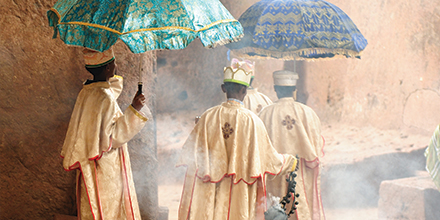
Ethiopia is an awe-inspiring and intriguing forgotten land. Sitting at the apex of the Great Rift Valley, its story begins in pre-history with the emergence of early human-ape homins including the famous ‘Lucy’. More recently, Ethiopia’s history is laden with the treasures of great empires including ancient tombs and obelisks, pre-Christian temples and 2000 year old rock-hewn churches, some teetering on top of remote mountain spires. It boasts the highest number of UNESCO World Heritage Sites of any African country and is the only one never to have been colonised.
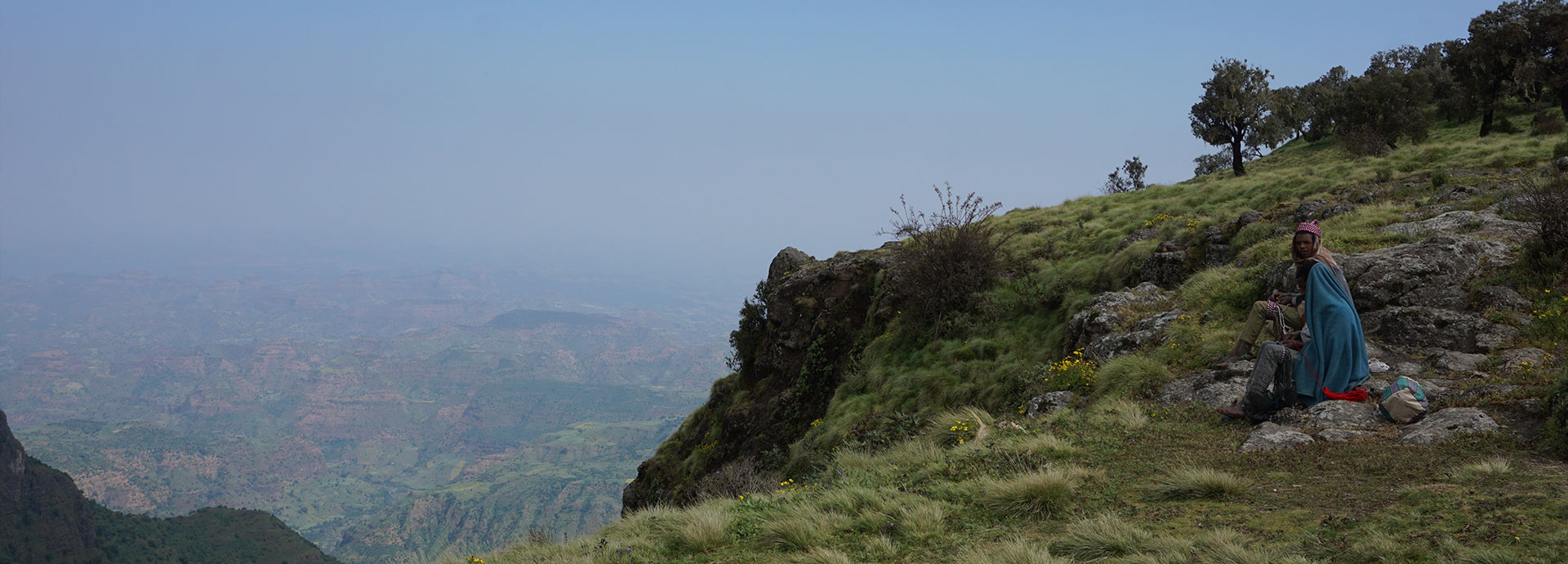
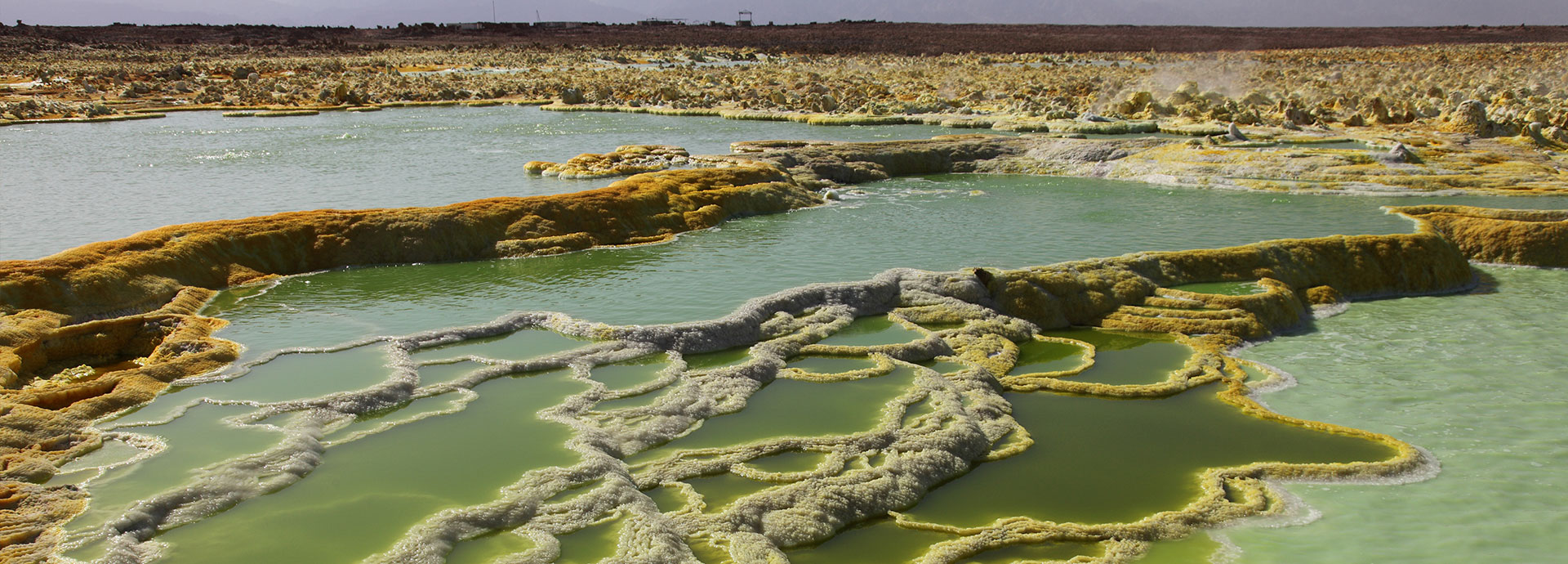
The landscapes are no less dramatic, and the Simien Mountains are arguably the most spectacular mountain range in Africa, if not the world, providing tremendous trekking and unique wildlife encounters. Meanwhile the Danakil Depression is the lowest, hottest, most inhospitable place on earth yet is home to the Afar people who travel in great camel caravans to cut salt from the earth. In the north you’ll see Arabic influence at every turn, while the south is home to some of Africa’s most fascinating tribes, including the Mursi who are famous for their lip plates.
With an unfathomable history spanning millennia, staggering natural beauty and some of the kindest, proudest and most fascinating people on the planet, Ethiopia is like nowhere else on earth.
You Will Love
- Staggering natural beauty at every altitude
- The Tribes of the Omo Valley and the Afar of the Danakil
- Being way off the beaten track – a real adventure
- The unique, iconic wildlife
- Countless UNESCO World Heritage sites
- Unfathomable history spanning millennia
Let us design your perfect itinerary.
Unforgettable experiences in Ethiopia
Marvel at rock-hewn churches
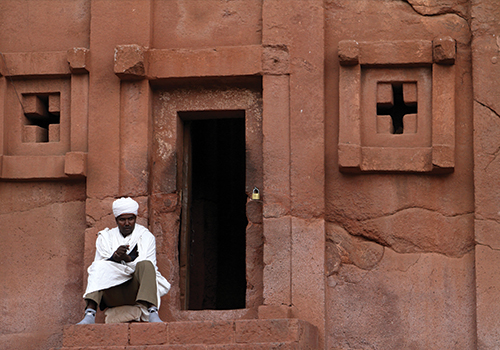
Marvel at rock-hewn churches
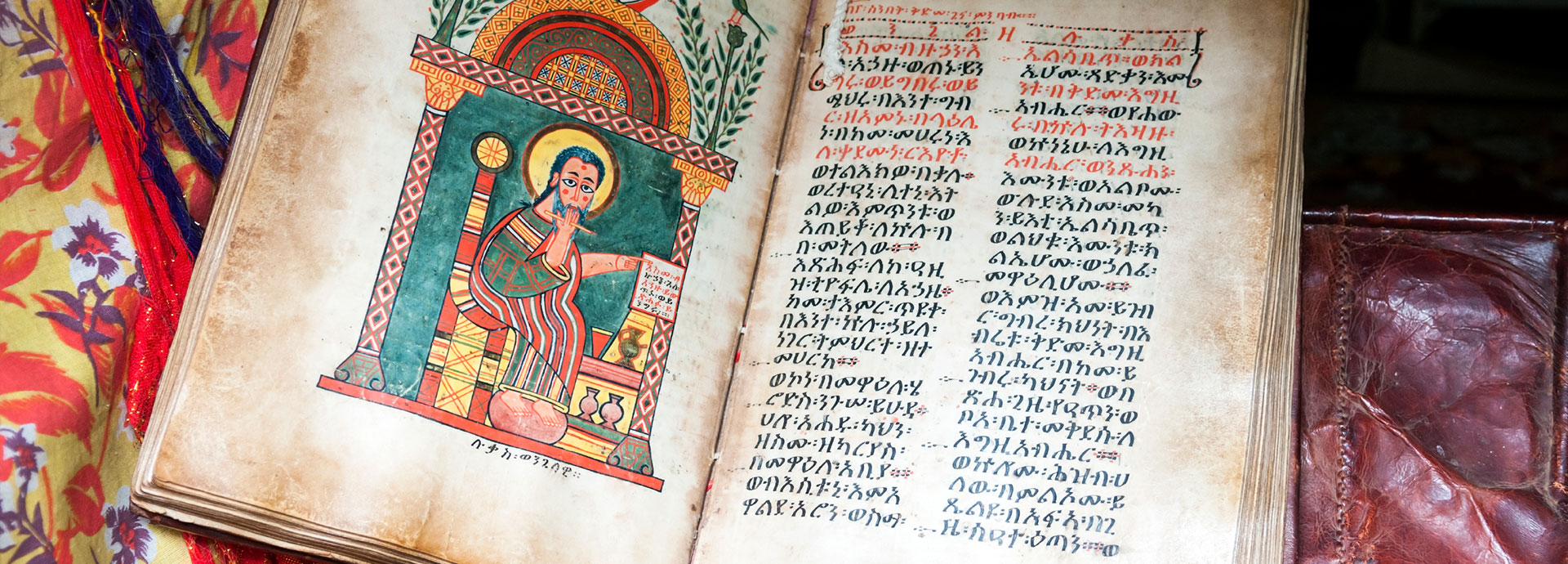
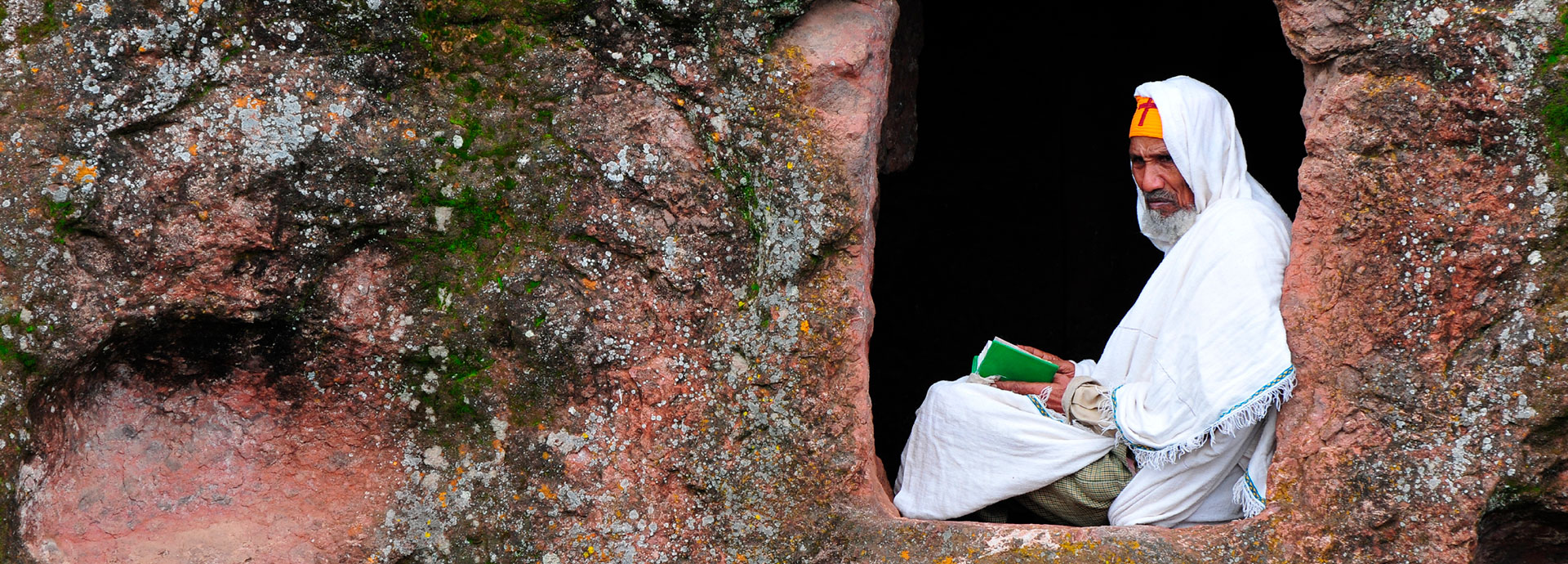
A private guide will unearth the mystifying rock-hewn churches of the Amhara region of northern Ethiopia, many of which are still important pilgrimage sites for Coptic Christians. Lalibela is the site of eleven medieval monolithic...
Meet the tribes of the Omo Valley
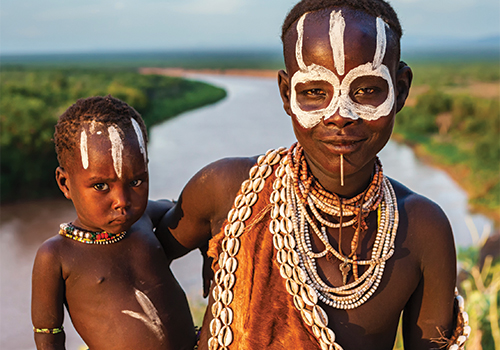
Meet the tribes of the Omo Valley
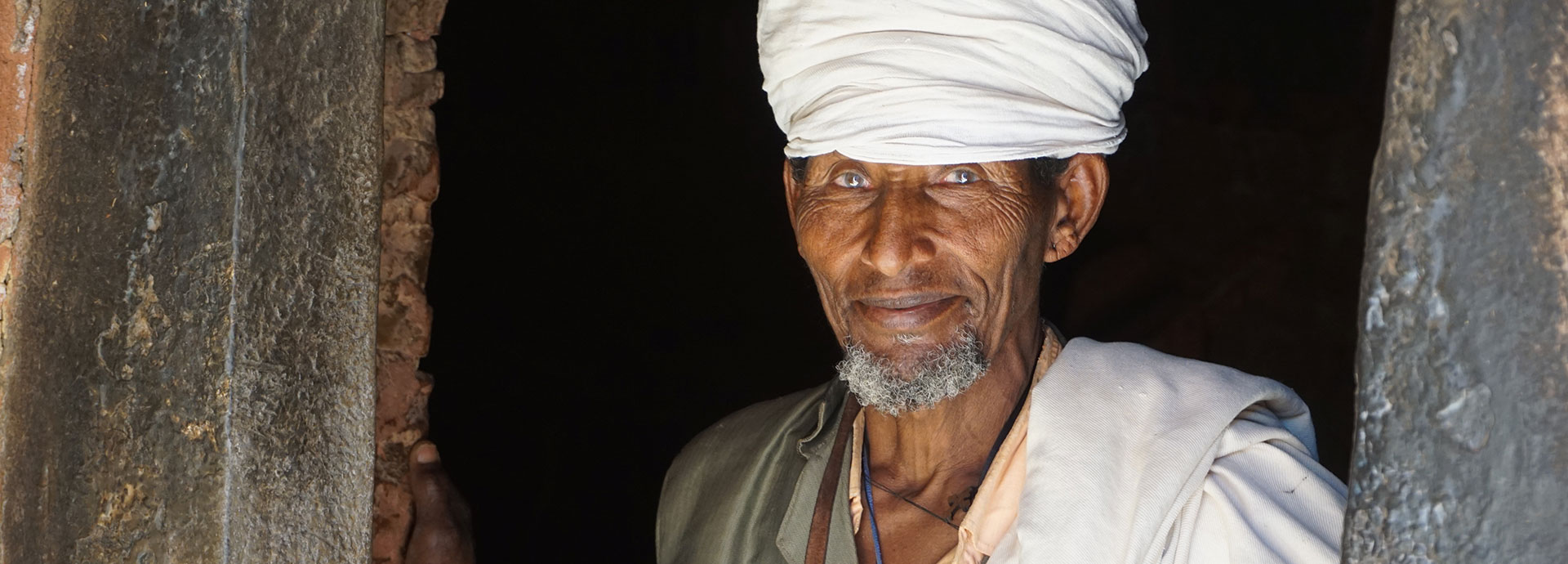
The Omo Delta in southwest Ethiopia is one of the least accessible but most ethnically diverse parts of East Africa. Over ten distinctly unique tribes exist within a 38-mile radius, including the lip plate wearing Mursi, the Hamar...
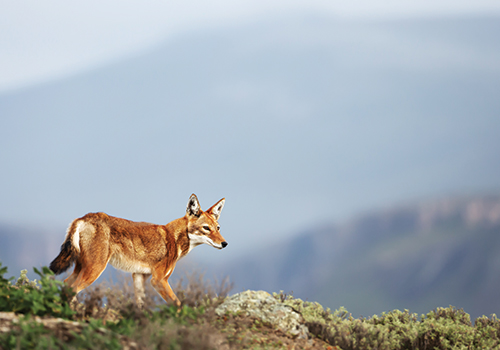
Encounter rare, endemic species
Encounter rare, endemic species
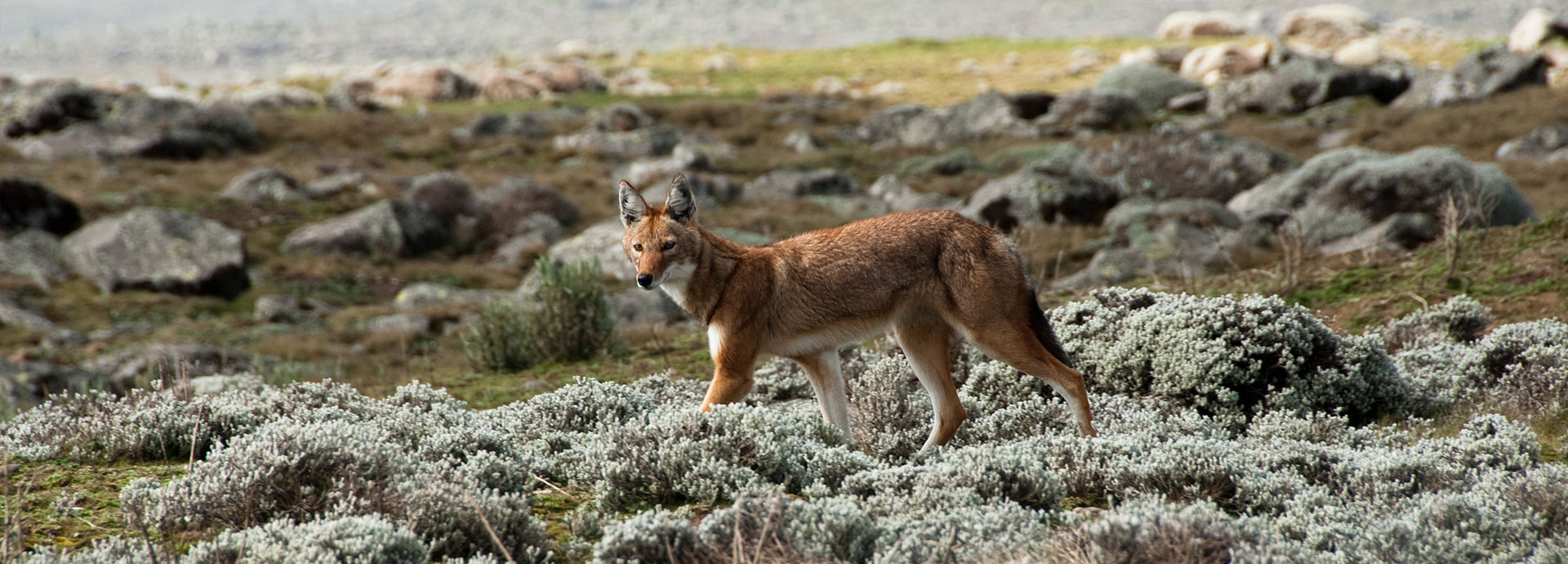
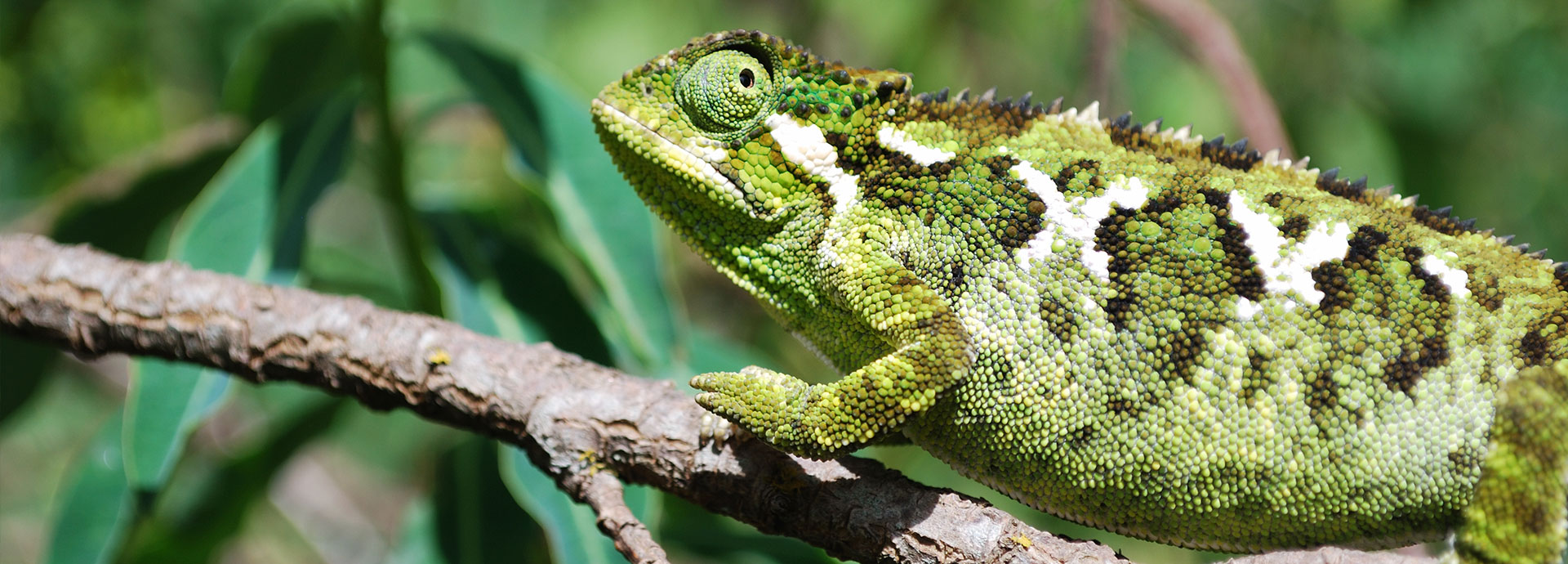
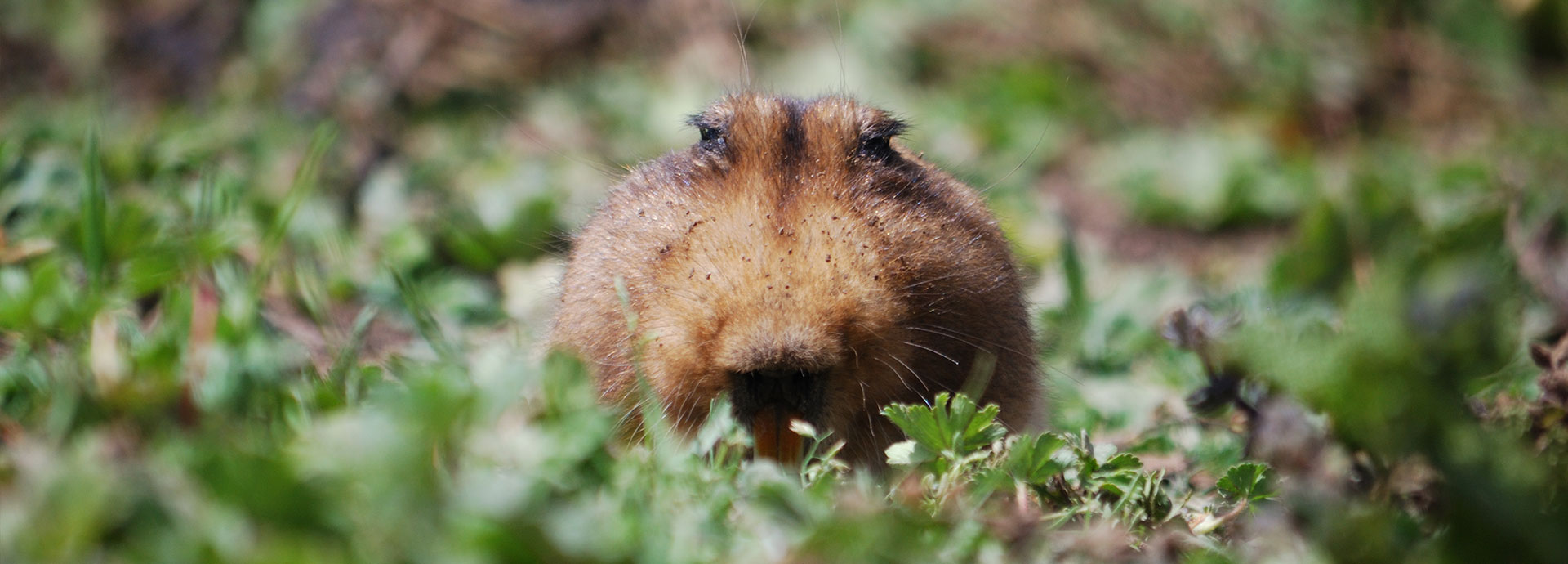
With 14 major wildlife reserves, Ethiopia is home to over 300 mammals, of which 39 are endemic. The Walia Ibex lives almost exclusively between 2,500 and 4,500 meters high in the northern escarpment in the Simien Mountains Nationa...
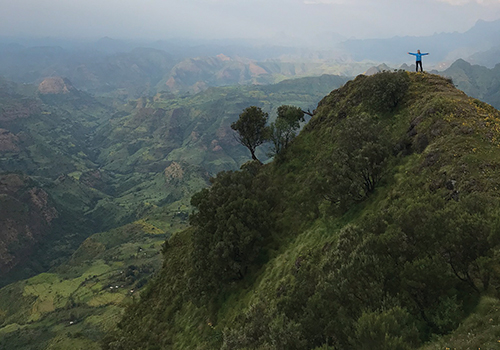
Hike the Simien Mountains
Hike the Simien Mountains
The Simien Mountains National Park is a UNESCO World Heritage Site and a rugged and remote chain of mountains that stretch across northern Ethiopia. The highest peak, Ras Deshen, reaches over 4,500 meters. Due to the fragility of ...
A selection of our favourite places to stay in Ethiopia
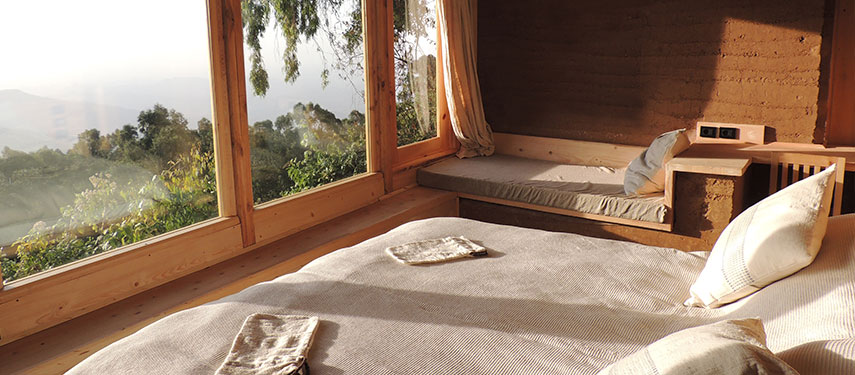
Limalimo – Simien Mountains National Park
Simien Mountain chic
The first lodge of its kind in Ethiopia, Limalimo is luxurious, design led and sustainable. Architecturally masterminded in clean lines and polished concrete, it perches on the edge of an escarpment in the Simien Mountains National Park with simply stunning views. Rooms are minimal but stylish and communal areas are inviting.... Read More
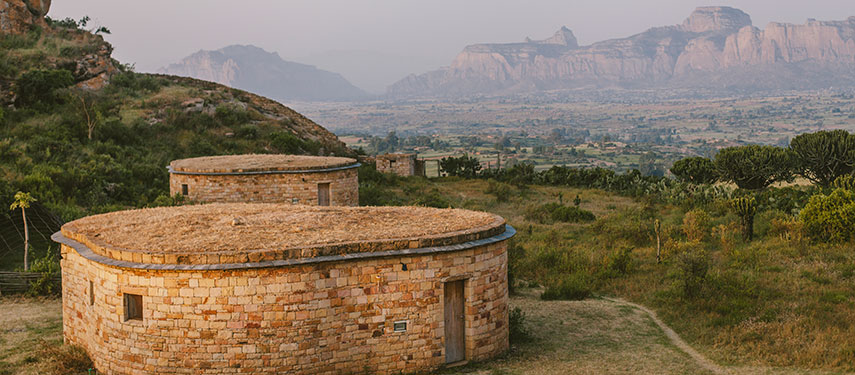
Gheralta Lodge – Tigray
Gateway to the biblical North
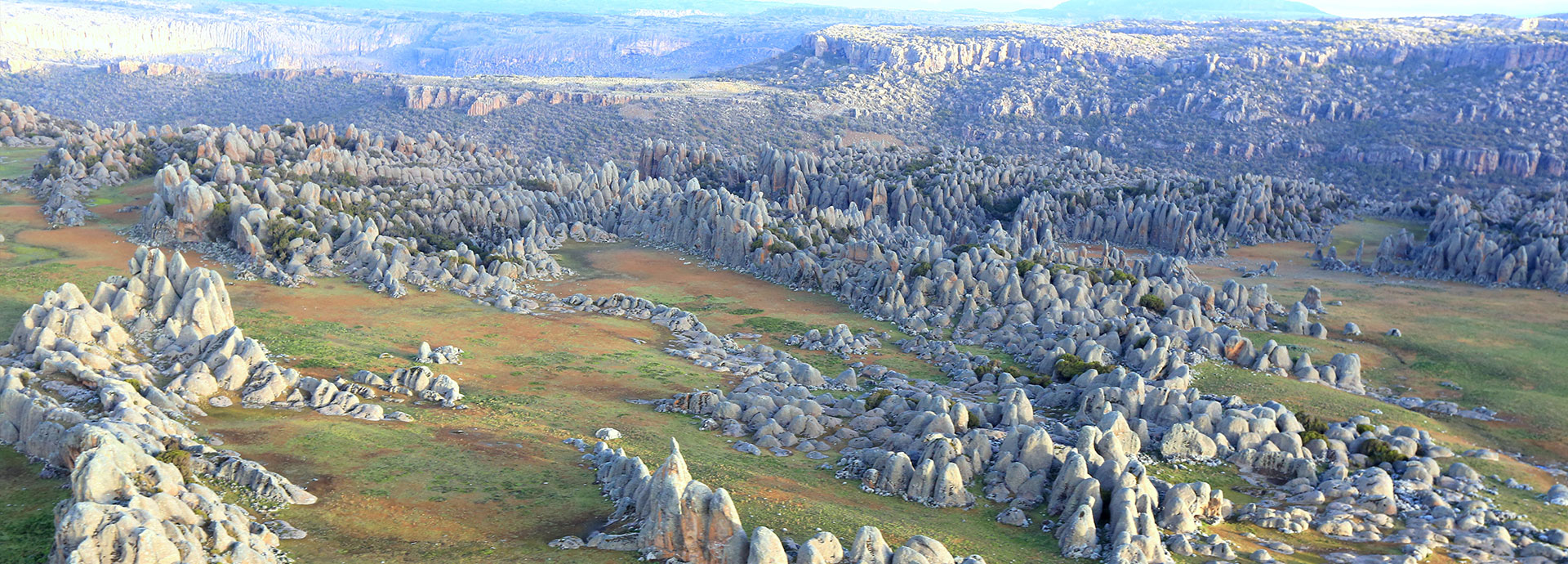
Gheralta Lodge is your launch point for exploring the rock-hewn churches and 'land that time forgot' scenery of the northern Tigray region. Low level and built of rock it blends seamlessly into its stony environment and boasts dramatic views across the vast landscape, especially at sunset.... Read More
Ethiopia: Frequently Asked Questions
Ethiopia is best known as the cradle of humankind — the home of the famous early hominin fossil ‘Lucy’ — and as a land of extraordinary history. It holds more UNESCO World Heritage Sites than any other African country, is the only nation on the continent never to have been formally colonised, and is celebrated for its rock-hewn churches, ancient empires and remarkably diverse tribal cultures.
Not in the classic Big Five sense. Ethiopia’s appeal lies in its history, landscapes and culture, complemented by rare endemic wildlife. With 14 major reserves and more than 300 mammal species (39 of them found nowhere else), the country rewards travellers seeking the Ethiopian Wolf, the walia ibex and the gelada baboon rather than the lion-and-leopard scenes of East or Southern Africa.
The most reliable window is the dry season, roughly October to March, when trekking in the Simien Mountains is at its best and the landscapes are clear. Travelling just after the rains brings carpets of wildflowers to the highlands — a spectacular backdrop for watching gelada baboons. We tailor timing to the regions and experiences on your itinerary.
Ethiopia is genuinely off the beaten track and best approached as an adventure rather than a polished first safari. It rewards the curious and the culturally minded, and with an expert local guide and a fully tailored, privately guided itinerary, every level of traveller can explore it comfortably and safely.
The Omo Valley in southwest Ethiopia is one of East Africa’s most ethnically diverse regions, with over ten distinct tribes within a small radius — including the lip-plate-wearing Mursi, the Hamar known for their bull-jumping ceremonies, and the Kara, celebrated for body paint and scarification. We ensure all visits are sustainable, authentic and a positive experience for both visitor and visited.
Every Ethiopia journey is designed from scratch around your interests, whether that’s the biblical north, the tribal south or high-altitude trekking. Speak with our specialists, who draw on more than 30 years of experience and trusted local guides to craft a seamless, privately guided itinerary.
Ethiopia: A Glossary of Terms
- Lucy — The fossilised remains of an early human ancestor (Australopithecus afarensis) discovered in Ethiopia, central to the country’s identity as the cradle of humankind.
- Rock-Hewn Churches — Churches carved directly out of solid rock, most famously the eleven medieval monolithic churches of Lalibela, created in the 12th century as a ‘New Jerusalem’.
- Great Rift Valley — The vast geological fault system running through East Africa, at whose apex Ethiopia sits, shaping much of its dramatic topography.
- Simien Mountains — A rugged UNESCO-listed mountain range in northern Ethiopia, home to Ras Dashen (over 4,500 m) and prized for trekking and endemic wildlife.
- Danakil Depression — One of the lowest, hottest and most inhospitable places on earth, home to the Afar people who harvest salt in great camel caravans.
- Ethiopian Wolf — A critically endangered canid found in the Bale Mountains and occasionally the Simien Mountains; Africa’s most threatened carnivore.
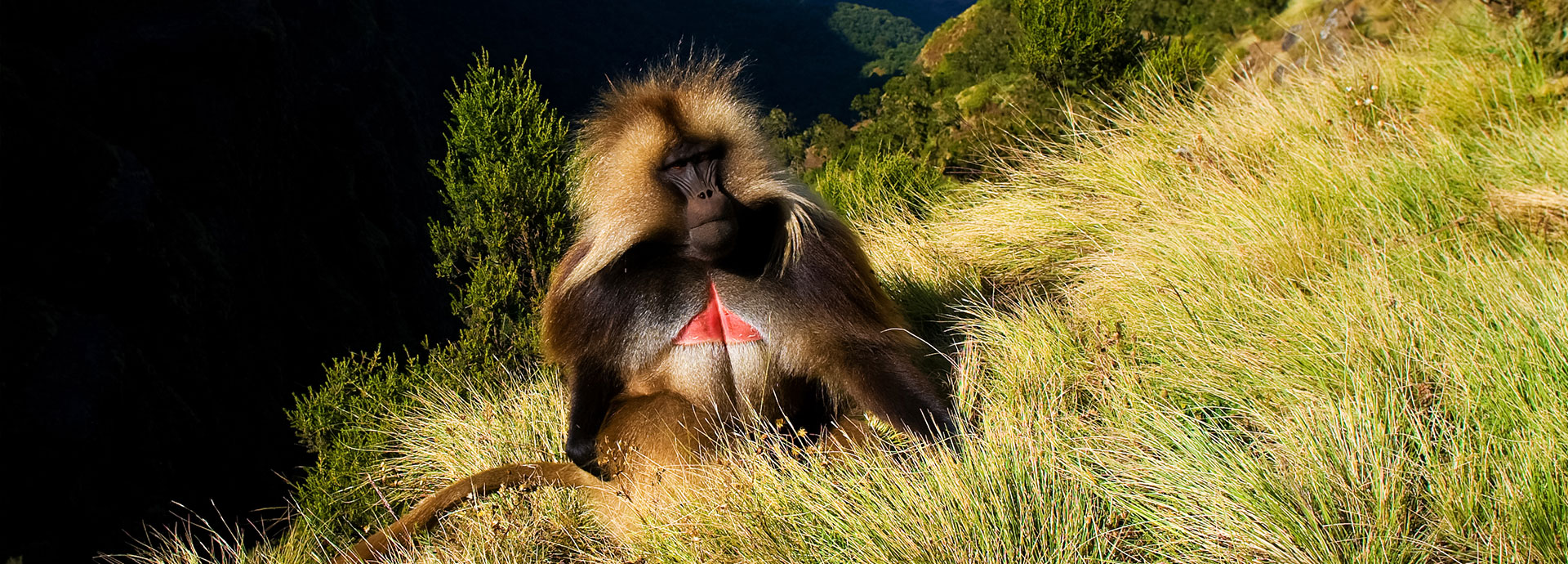
- Gelada Baboon — A grass-grazing primate endemic to the Ethiopian highlands, nicknamed the ‘bleeding-heart monkey’ for the red patch on its chest.
- Walia Ibex — A rare wild goat that lives almost exclusively on the high northern escarpment of the Simien Mountains National Park.
- Omo Valley — A remote southwestern region renowned for its concentration of distinct tribal cultures, including the Mursi, Hamar and Kara.
- UNESCO World Heritage Site — A place of outstanding cultural or natural significance recognised by UNESCO; Ethiopia holds more than any other African country.
Ethiopia blew me away. Our local guide was a gentleman – perfect English, a kind soul and ex-university lecturer so he really knew his stuff. The whole journey went like clockwork - even losing my passport didn't phase him! - and we couldn’t have asked for a better trip.
Ella Kiddell
Thank you for recommending we head to the Simien Mountains when we did. We got there just after the rains and the whole place was carpeted in wild flowers. Stunning. Watching the gelada baboons playing in all that colour was amazing.
Sam Collins
Classic Safari Company has done it again! A unique experience that ticked all the boxes - wildlife, culture and dining experience. A dream come true!
Ros Wheeler
Classic Safari are the people who genuinely know other culture and offer incredible insight to perfectly meet your expectations.
Melanie McMillan & Iain Jones
Their experience and knowledge of Africa is evident and we couldn't have been happier with the total package. This has given us a taste for Africa - now we are ready for more.
Andrew & Pip Stevens
Classic Safari is the place to go to for "top end" adventure travel.
Ron & Alison Guthrie
Very knowledgeable and patient. Our trip was all that we hoped for. Wonderful!
Jane & Robert Happell
Thank you so much for putting together the most memorable holiday for us. The experiences we have had in the last couple of weeks have gone beyond all expectations.
Jane & Col Loveday
The trip exceeded my expectations and was the best family holiday I have ever had. Our children simply loved it and now I know more about African wildlife than they do about our own farm animals.
Rowntree family
If you want the most sensational experience in Africa let Julia and the staff at Classic Safari Co plan it for you! Their knowledge, expertise and enthusiasm for their job means your every wish will be fulfilled.
Miriam & Joseph Harrison
We wanted the opportunity to see as many wildlife parks as possible and the Classic Safari Company provided an action-packed itinerary that included six, with 11 tiger sightings and nine leopard. This was overlaid with an introduction to Jaisalmer, Jaipur and the 'real' India. Pench and Panna were the hidden gems of a really great trip, very well organised, seamless and enjoyable. As a solo traveller I felt incredibly safe at all times. I want to go back!
Mark Taylor
You can't improve on perfection. I had my best birthday and holiday with my family celebrating my 80th birthday in Africa. Everything that Julia organised was perfect and the whole trip was a highlight!
Buckingham Family