

Egypt
In the Footsteps of Pharaohs
Discovering Egypt | In Summary
- Egypt pairs ancient wonders — the Pyramids of Giza, Valley of the Kings, and Abu Simbel — with Nile cruising aboard a felucca, dahabiya, or luxury river boat, plus Red Sea diving and Mediterranean beach time.
- Accommodation ranges from heritage hotels with storied guestbooks, such as the Sofitel Winter Palace Luxor and Marriott Mena House, to five-star Nile boats like the Sanctuary Sun Boat IV and the MS Amoura Dahabiya.
- Beyond the icons, travellers can trek to the ancient monastery on Mount Sinai, explore Alexandria’s coastal blend of classical and modern, and journey through 35-century-old royal tombs still rich with original detail.
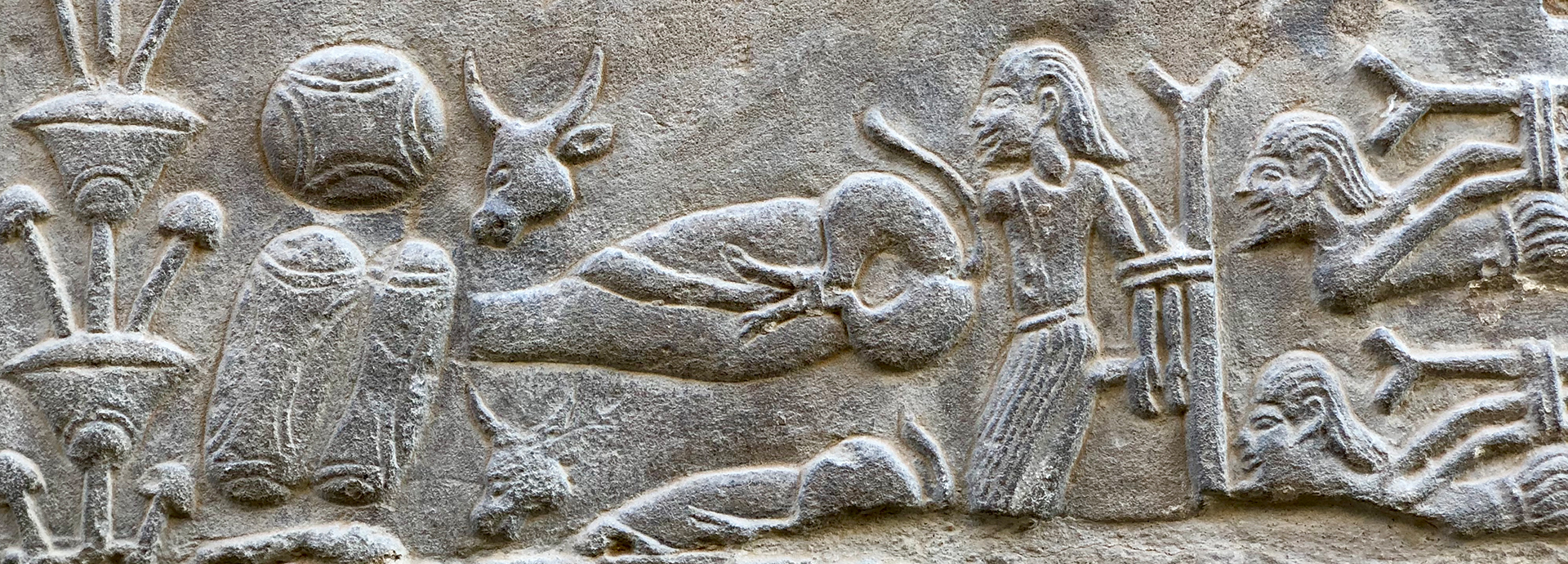
For thousands of years Egypt has been the playground of emperors and kings. Great civilisations have risen from its sandy interiors and the Nile continues to bring life to an otherwise barren land. A period of British occupation left its colonial mark but much of the scenery has barely changed since biblical times and the entire nation is wrapped in an ancient mysticism which has beguiled writers and romantics for centuries.
Today Egypt offers visitors a wealth of rich and varied experiences. Unearth your inner explorer and delve into the Valley of the Kings in Luxor, weave between the impressive pyramids of Giza by camel and trek to the ancient monastery on Mount Sinai then scuba dive the Red Sea and relax on beautiful Mediterranean beaches. Sail the Nile aboard an elegant felucca (sailboat) and luxuriate in exquisite heritage hotels which have hosted the likes of Sir Winston Churchill and Agatha Christie.
Experience Egypt as a modern nation bustling with life and sound, and step back through the sands of time as you follow in the footsteps of pharaohs.
You Will Love
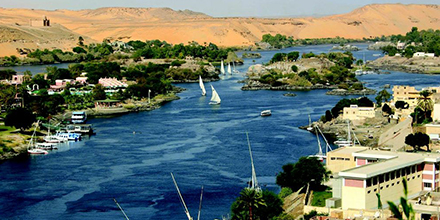
- Cruising the Nile aboard a felucca
- The Pyramids of Giza, Luxor, Abu Simbel, the Valley of the Kings
- Diving the Red Sea
- Heritage hotels with impressive guestbooks
- Travelling through the sands of time
- Stepping straight into an Agatha Christie novel
Let us design your perfect itinerary.

Unforgettable experiences in Egypt
Stand in awe at Abu Simbel
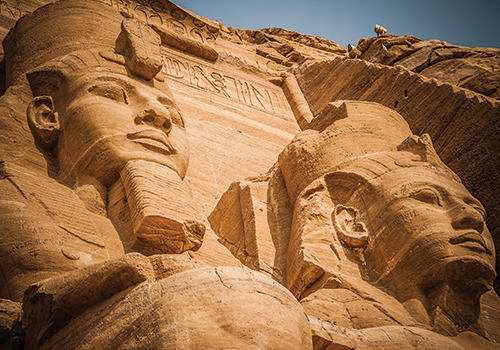
Stand in awe at Abu Simbel
View the commanding twin temples of Ramses II and his wife, Queen Nefertari at Abu Simbel, which were originally carved out of the mountainside in the 13th century BC. Be guided through the grand temples, hearing the enthralling h...
Sail the Nile on a Felucca
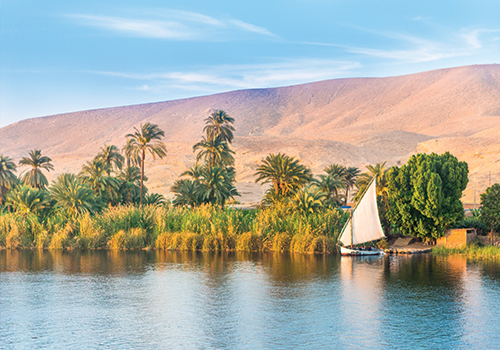
Sail the Nile on a Felucca
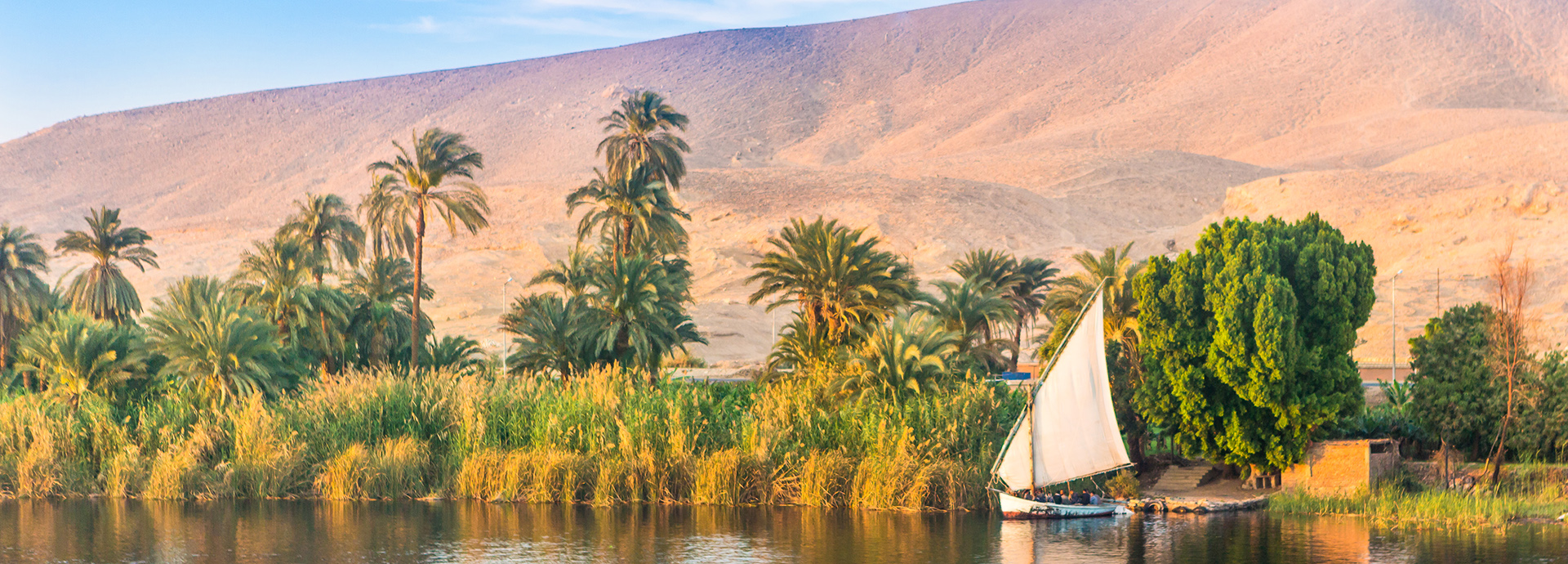
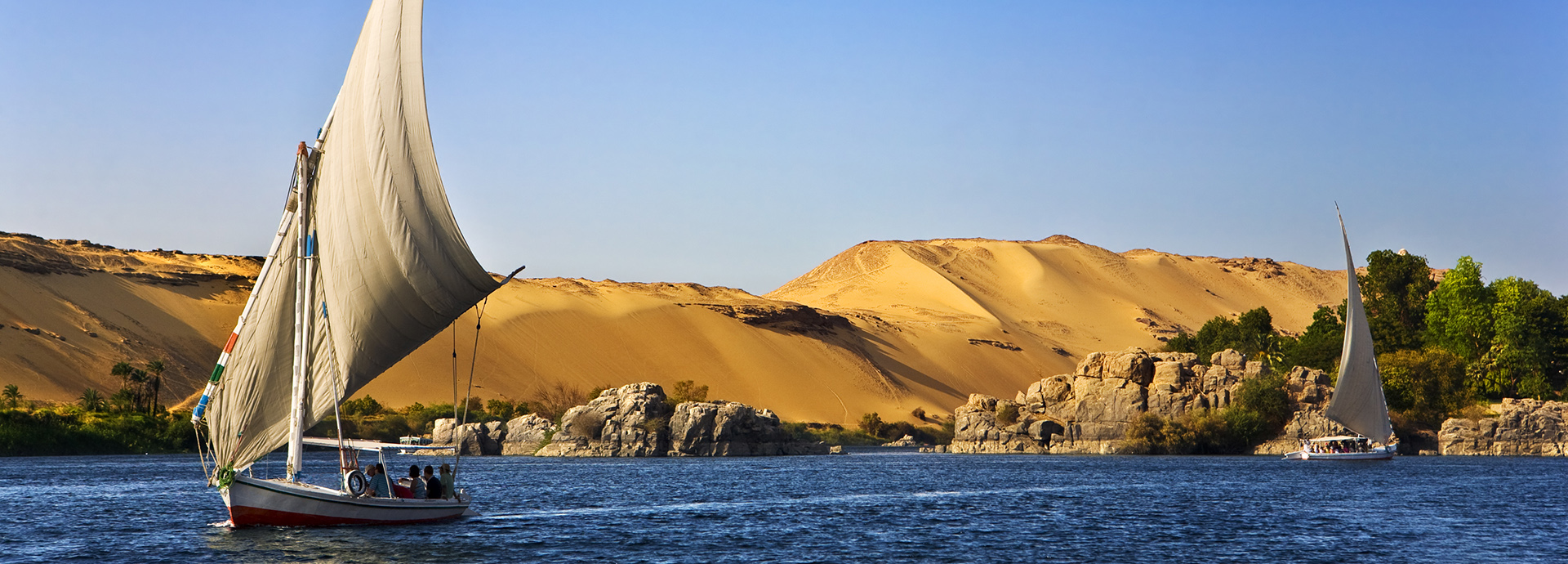
Sailing down the longest river in the world in a traditional wooden felucca (sailboat) transports you back in time to ancient Egypt. Powered purely by the wind, you will drift down the life-giving waters of the Nile, taking in the...
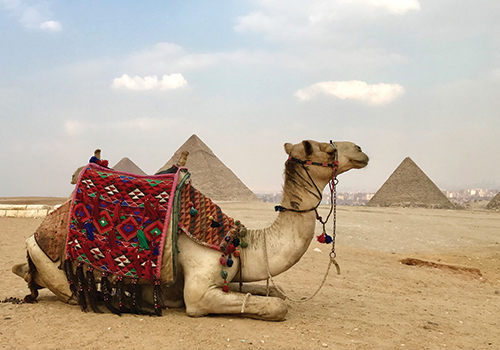
Ride a camel to the pyramids
Ride a camel to the pyramids
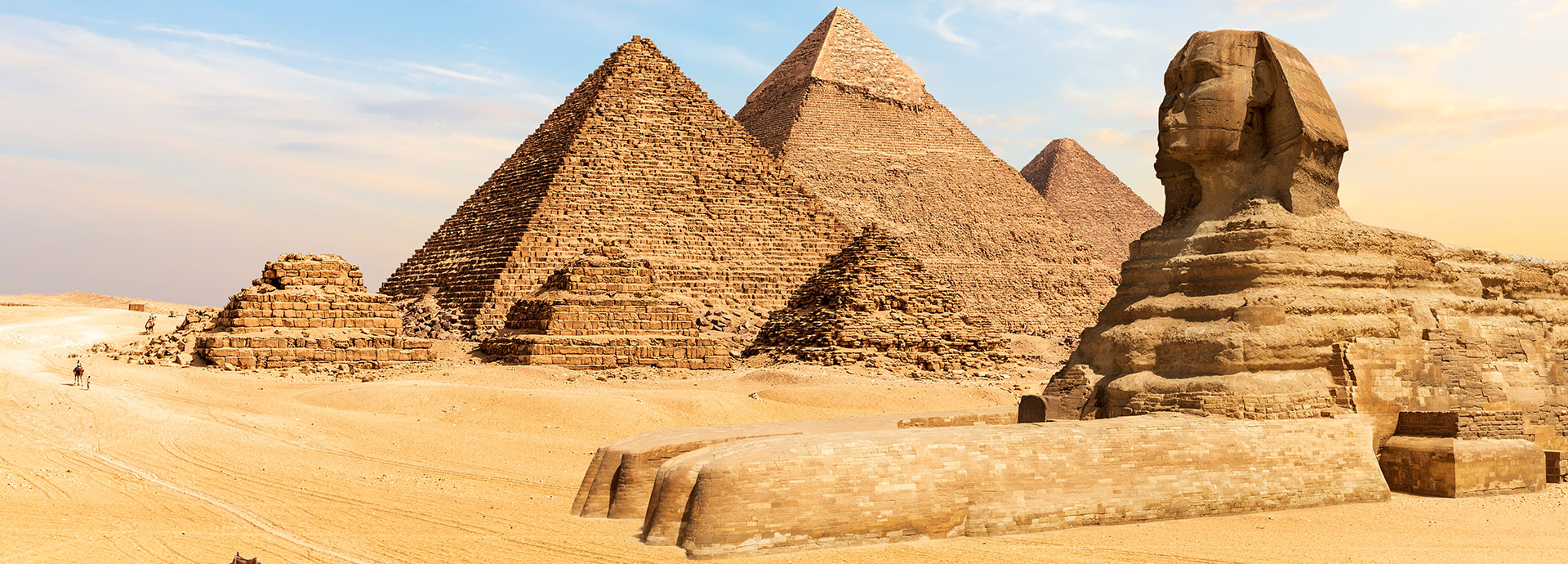
There is no better way to experience Egypt than to ride a camel through the Sahara Desert towards the great pyramids. The pyramids were built as tombs for the country's pharaohs and were the tallest man-made structure in the world...
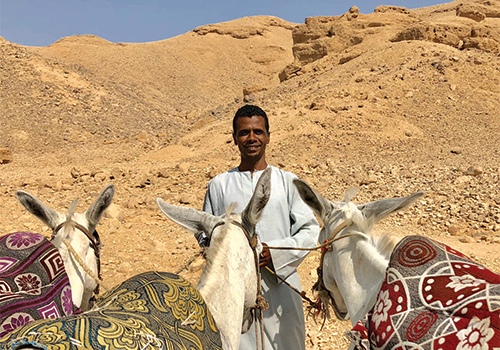
Wander the Valley of the Kings
Wander the Valley of the Kings
As you meander through the Valley of the Kings, you’ll discover 63 royal tombs carved into the hillside. These include the legendary burial place of Tutankhamun, still enclosed in 35-century-old walls, the enormous Temple of Hat...
A selection of our favourite places to stay in Egypt
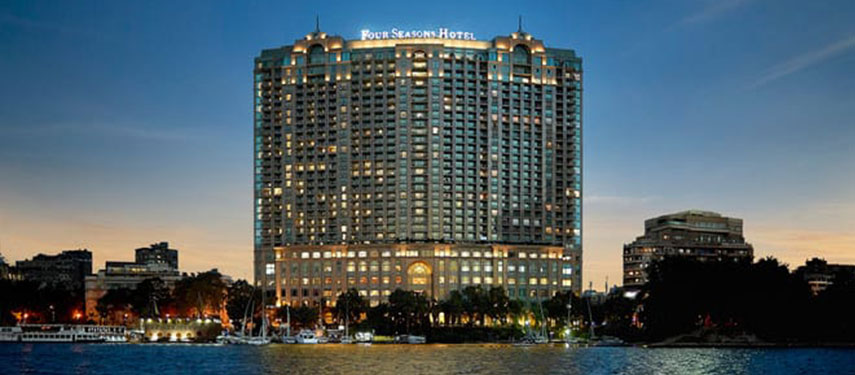
Four Seasons at Nile Plaza – Cairo
Gilded luxury on the Nile
Situated on the banks of the Nile with panoramic views Cairo and the pyramids beyond, the Four Seasons at Nile Plaza offers an iconic Egyptian experience. The rooms are luxurious and plush, styled with ornate light fittings, thick carpets, and golden colour palettes - gilded luxury fit for a pharaoh.... Read More
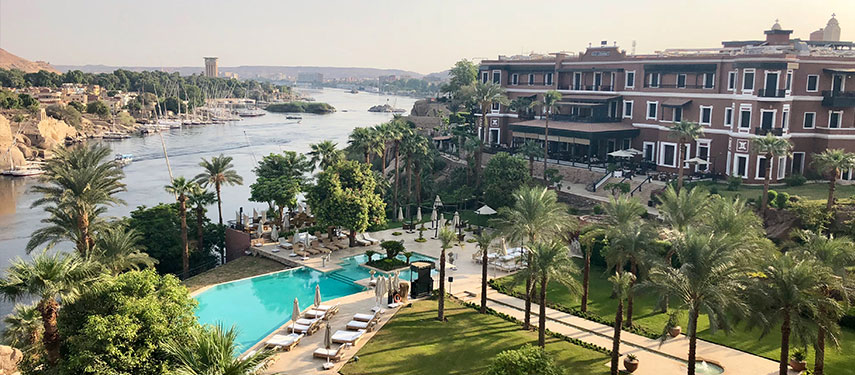
Sofitel Legend Old Cataract – Aswan
19th-century Victorian palace
Rising grandly from a pink granite shelf at the edge of the Nubian Desert with views of Elephantine Island, the five star Sofitel Legend Old Cataract Aswan hotel sits within a 19th-century Victorian palace and blends a stunningly beautiful setting with ancient heritage and modern design.... Read More
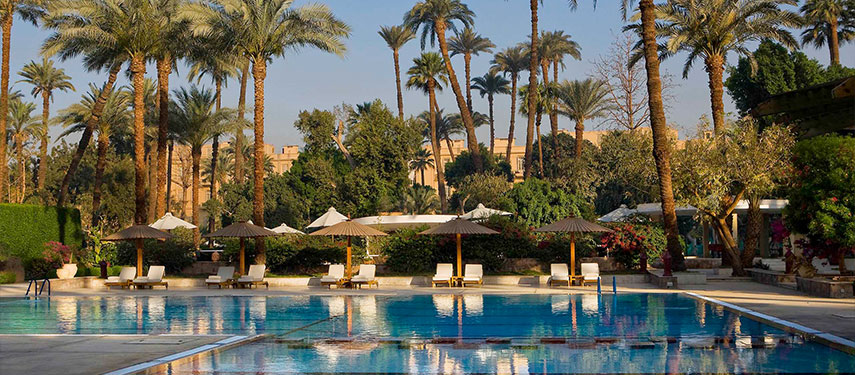
Sofitel Winter Palace – Luxor
Former haunt of Christie & Carter
The Hotel Sofitel Winter Palace Luxor is a 5-star luxury hotel on the banks of the river Nile in Luxor, set amidst ancient temples and tropical gardens. To stay in the Winter Palace Luxor is to experience the Egypt of old in all its ancient splendour and colonial glamour.... Read More
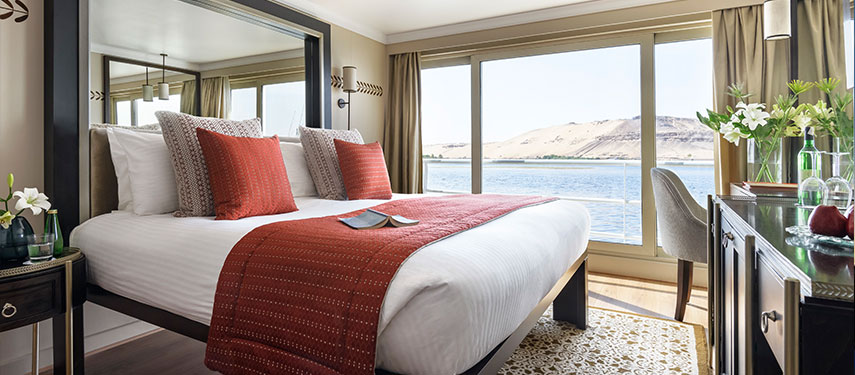
Sanctuary Sun Boat IV – Nile River Boat
Gliding down the Nile
Sailing down the Nile aboard the Sun Boat you take in the temples, obelisks and timeless scenery from the easy lull of the water. Choose from a 3, 4 or 7-night itinerary, all of which take in Aswan and Luxor. Style, comfort, and elegance combine to recreate the opulent era of the '20s and '30s - the ultimate in luxury and relaxation.... Read More
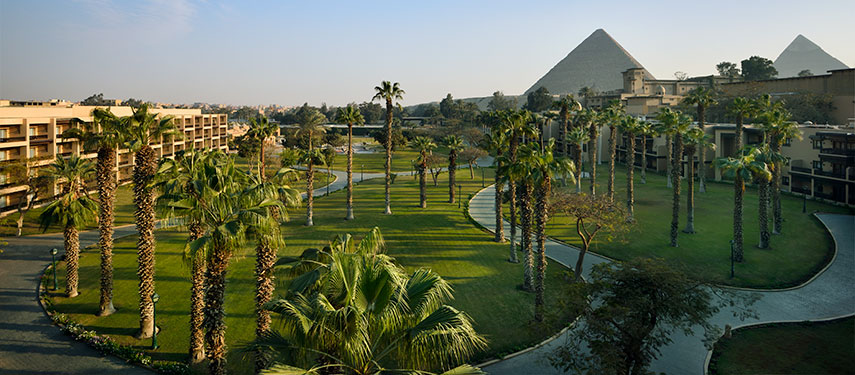
Marriott Mena House – Cairo
Pyramid views & a glittering guestbook
Overlooking the Great Pyramids of Giza, Mena House offers perhaps the finest views in all of Cairo. Originally a hunting lodge, the hotel has an impressive history with a guest book of kings and emperors to match. It harks back to an era of outrageous opulence with the added benefit of modern-day luxury and contemporary elegance.... Read More
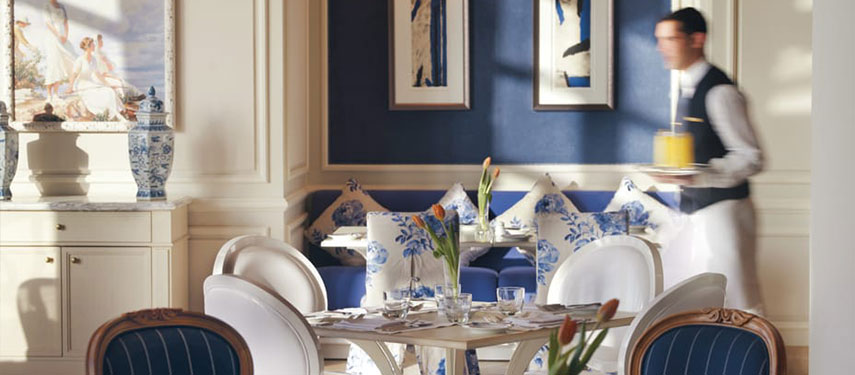
Four Seasons San Stefano – Alexandria
Modern meets classical
With a gorgeous seaside location and a private beach to one side and a buzzing metropolis bursting with life to the other, the Four Seasons San Stefano at Alexandria caters for every interest and tastefully blends modern luxury with classical style.... Read More
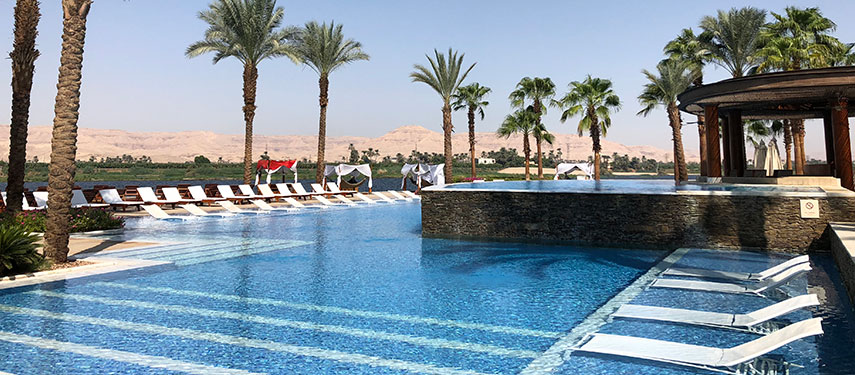
Hilton Luxor Resort & Spa – Luxor
Views from the Nile's east bank
Hilton Luxor Resort & Spa is located on the east bank of the lush River Nile, boasting glorious views over the river and the historic city of Luxor. It provides the perfect base for exploring the Valley of the Kings, visiting the temples of Karnak and Luxor or wandering the souk areas in search of treasures to take home.... Read More
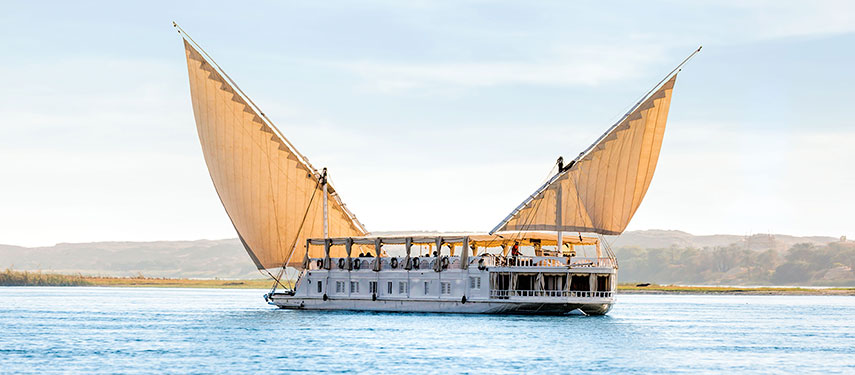
MS Amoura Dahabiya – Nile River Boat
Sophisticated sailboat
Dahabiyas are river-going sailboats which were common in Egypt during the 1920s-40s, when aristocrats and sophisticated travellers used them to cruise the Nile in style. Sailing aboard a dahabiya remains one of the most exclusive and relaxing ways to experience the Nile, watching scenery float by.... Read More

A collection of journeys in Egypt
Treasures of Egypt
Sail Through History | Expressions of Interest
Step back through the sands of time as you follow in the footsteps of the pharaohs! Beginning at the great Pyramids of Giza, travel to Luxor, sail to Aswan, explore the ancient ruins of Abu Simbel and end in the bustling capital city of Cairo, on this awe-inspiring Classic Safari Company foray through Egypt. Highlights include sailing the Nile on our own private dahabiya boat, the ancient pyramids, the Valley of the Kings, & the fabulous company of other like-minded travellers!...Read More
Egypt: Frequently Asked Questions
A camel ride across the Sahara towards the pyramids is the classic approach. Built as tombs for Egypt’s pharaohs, the pyramids were the tallest man-made structures in the world for over 3,800 years and remain the country’s most iconic site.
A felucca is a traditional wooden sailboat powered purely by wind, offering a simple, scenic way to drift down the Nile. A dahabiya is a larger river-going sailboat, common among aristocrats and sophisticated travellers in the 1920s–40s, and remains one of the most exclusive and relaxing ways to cruise today.
The Valley of the Kings near Luxor holds 63 royal tombs carved into the hillside, including the burial place of Tutankhamun, the Temple of Hatshepsut (ancient Egypt’s first female pharaoh), and the Colossi of Memnon, which date back almost 4,000 years.
Abu Simbel’s twin temples, built for Ramses II and Queen Nefertari, were originally carved out of the mountainside in the 13th century BC. In a remarkable feat of engineering, the entire site was relocated in the 1960s to escape flooding from the creation of Lake Nasser.
Options span Cairo’s Four Seasons at Nile Plaza and Marriott Mena House (with pyramid views), Aswan’s 19th-century Sofitel Legend Old Cataract, Luxor’s Sofitel Winter Palace, and Nile cruising aboard the Sanctuary Sun Boat IV or the MS Amoura Dahabiya.
Yes — many itineraries pair the Nile with scuba diving in the Red Sea, relaxing on Mediterranean beaches, and trekking to the ancient monastery on Mount Sinai, alongside time in cosmopolitan Alexandria.You said: Keep “is” – I like to be as correct as possible!
Egypt: A Glossary of Terms
- Pharaoh — The title held by the rulers of ancient Egypt, regarded as god-kings and commemorated through the pyramids, temples, and tombs that still define the country’s landscape.
- Felucca — A traditional wooden sailboat, powered purely by wind, used for short, scenic journeys along the Nile.
- Dahabiya — A river-going sailboat common in Egypt during the 1920s–40s, favoured by aristocrats and travellers seeking an exclusive, leisurely way to cruise the Nile.
- Valley of the Kings — A royal burial ground near Luxor containing 63 tombs carved into the hillside, including that of Tutankhamun.
- Abu Simbel — Twin temples built for Ramses II and Queen Nefertari, carved into a mountainside in the 13th century BC and relocated in the 1960s to avoid flooding from Lake Nasser.
- Pyramids of Giza — Ancient tombs built for Egypt’s pharaohs, the tallest man-made structures in the world for over 3,800 years.
- Temple of Hatshepsut — A mortuary temple dedicated to ancient Egypt’s first female pharaoh, located near the Valley of the Kings.
- Colossi of Memnon — Two massive stone statues near Luxor, dating back almost 4,000 years and decorated with scenes from Egyptian mythology.
- Lake Nasser — A vast reservoir created in the 1960s by the construction of the Aswan High Dam, which necessitated the relocation of the Abu Simbel temples.
- Nile — The world’s longest river, running through Egypt and forming the backbone of most travel itineraries through the country.
Thank you so much for putting together the most memorable holiday for us. The experiences we have had in the last couple of weeks have gone beyond all expectations.
Jane & Col Loveday
It certainly was the best trip we have EVER had. The experiences were mind blowing. We want everyone we know to experience Africa - the animals, the people - magical.
Jo-anne & Dean Mifsud
The Classic Safari Company is the best I have dealt with. Extremely knowledgeable & professional, friendly, patient & understanding of first timers to Africa.
Annette Whiley
Classic Safari Company were brilliant - 10/10
Di & Kingsley Yates
Would do it all again and not change a moment. Best holiday ever!
The McGowan Tribe
Classic Safari is the place to go to for "top end" adventure travel.
Ron & Alison Guthrie
If you want the most sensational experience in Africa let Julia and the staff at Classic Safari Co plan it for you! Their knowledge, expertise and enthusiasm for their job means your every wish will be fulfilled.
Miriam & Joseph Harrison
An absolutely fantastic travel company - every one of the many trips they have organised for us over 22 years have been faultless and fabulous.
Judith & Roger Williams
Their experience and knowledge of Africa is evident and we couldn't have been happier with the total package. This has given us a taste for Africa - now we are ready for more.
Andrew & Pip Stevens
Classic Safari Company has done it again! A unique experience that ticked all the boxes - wildlife, culture and dining experience. A dream come true!
Ros Wheeler
Absolutely everything was first class & so well organised.
Simon & Jackie Adams
The trip of a lifetime, couldn't have dreamt of a better adventure if I tried.
Emma Jeffcoat
You can't improve on perfection. I had my best birthday and holiday with my family celebrating my 80th birthday in Africa. Everything that Julia organised was perfect and the whole trip was a highlight!
Buckingham Family
Everything was perfect! Advice and information on destinations and activities hit everything I had hoped to experience. I contacted the Classic Safari Company upon recommendation and have now, in turn, recommended to others.
Tim Bradley
Very knowledgeable and patient. Our trip was all that we hoped for. Wonderful!
Jane & Robert Happell
Thank you for making our trip to Africa so spectacular. The attention to detail really made it special. It really was the trip of a lifetime.
Paul Cozzi
An amazing experience - the best family holiday we have ever had. We were extremely impressed by the meticulous attention to our itinerary. I can't speak highly enough of all the elements of this exciting journey!
Sheryl & Robert Taylor
We loved it all. Our son wants to go back tomorrow. We would ALL go back again!
Laurence & Remi Cunningham
Classic Safari are the people who genuinely know other culture and offer incredible insight to perfectly meet your expectations.
Melanie McMillan & Iain Jones
The trip exceeded my expectations and was the best family holiday I have ever had. Our children simply loved it and now I know more about African wildlife than they do about our own farm animals.
Rowntree family
We are so happy we put our trust in CSC, we had an amazing adventure and would recommend them to anyone.
Kim & Brad Balance
Julia you did a fantastic job - everything was first class. Well organised, efficient and stress free. We all agreed it was the best holiday we've ever had. Cant wait to travel with CSC again.
Milford family
We wanted the opportunity to see as many wildlife parks as possible and the Classic Safari Company provided an action-packed itinerary that included six, with 11 tiger sightings and nine leopard. This was overlaid with an introduction to Jaisalmer, Jaipur and the 'real' India. Pench and Panna were the hidden gems of a really great trip, very well organised, seamless and enjoyable. As a solo traveller I felt incredibly safe at all times. I want to go back!
Mark Taylor
Exellent and wonderful, reaching way above expectations.
Elizabeth Mackintosh
Thank you for putting together the ancestral adventure of a lifetime. I cannot speak highly enough of the trip.
Jenny Kidd