São Tomé & Príncipe
Dense Jungle & Deserted Beaches
Discovering São Tomé & Principe | In Summary
- In 1919, British astronomer Arthur Eddington travelled to Roça Sundy on Príncipe Island to observe a total solar eclipse; his measurements of starlight bending around the sun provided the first empirical proof of Einstein’s general theory of relativity, giving this remote Atlantic island a singular and extraordinary place in the history of modern science.
- São Tomé and Príncipe is one of Africa’s least-visited sovereign nations — a reality that translates directly into rare quality of experience: even the most celebrated dive sites, turtle beaches and rainforest trails remain refreshingly free of crowds, offering an intimacy and authenticity that is increasingly hard to find elsewhere on the continent.
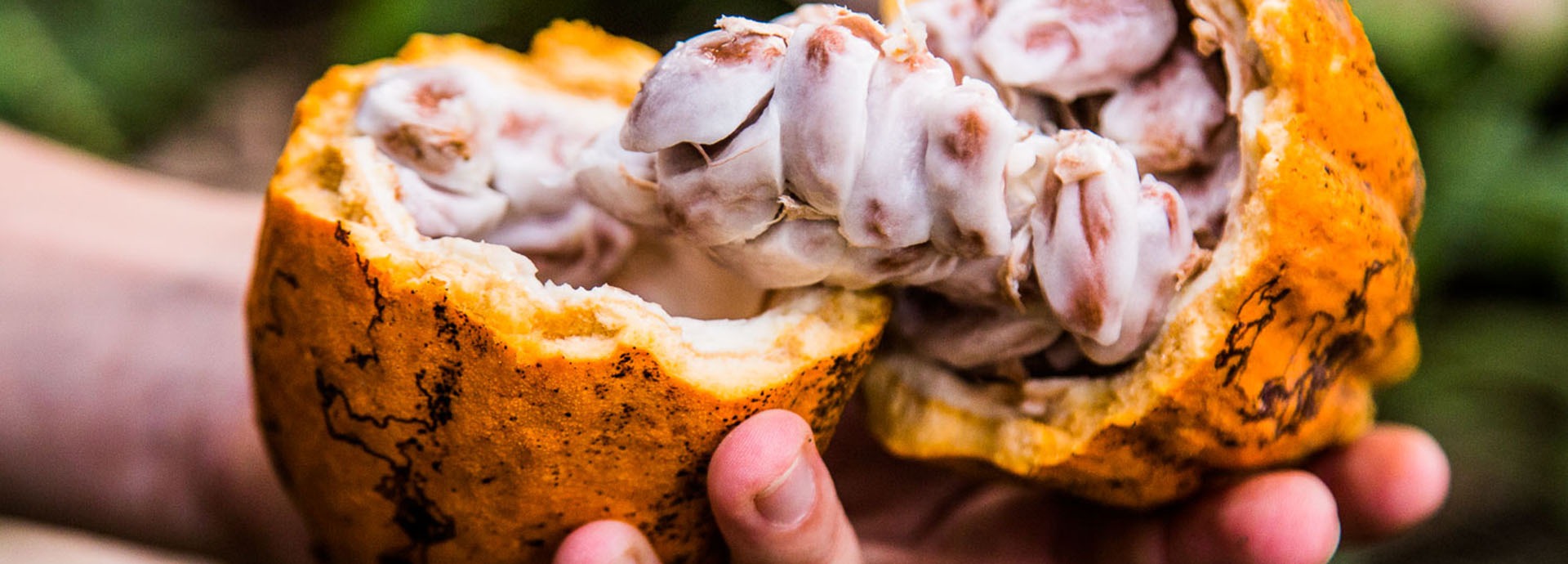
- Once the world’s single largest producer of cacao, the islands today are celebrated for the exceptional quality of their single-origin fine-flavour chocolate, prized by artisan chocolatiers across Europe; several historic roças now offer immersive farm-to-bar journeys, tracing the story of the islands’ most defining crop from century-old plantation trees to finished bar.
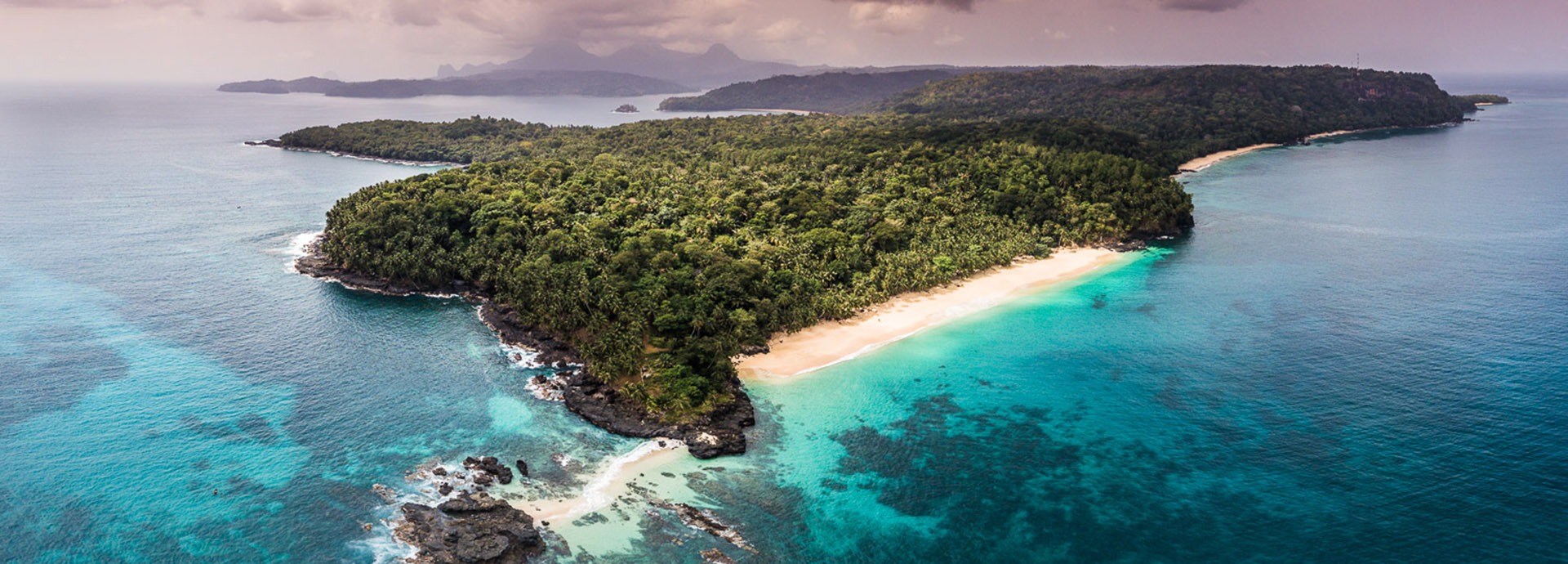
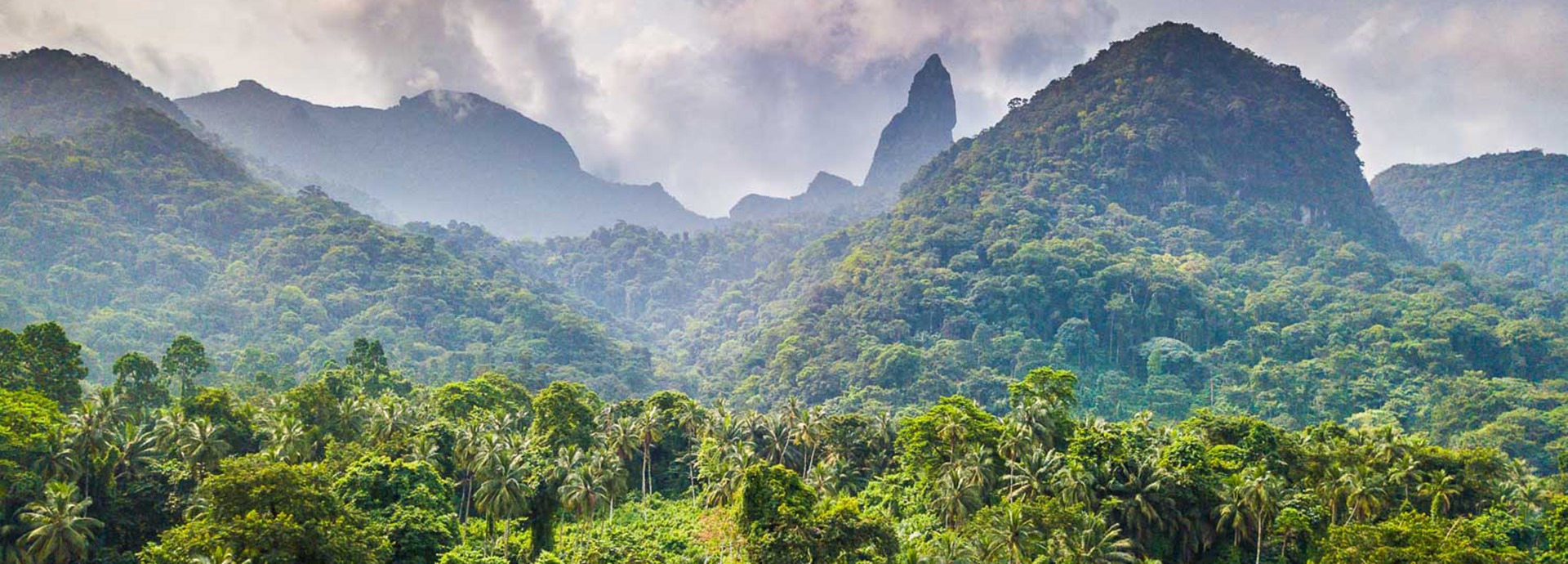
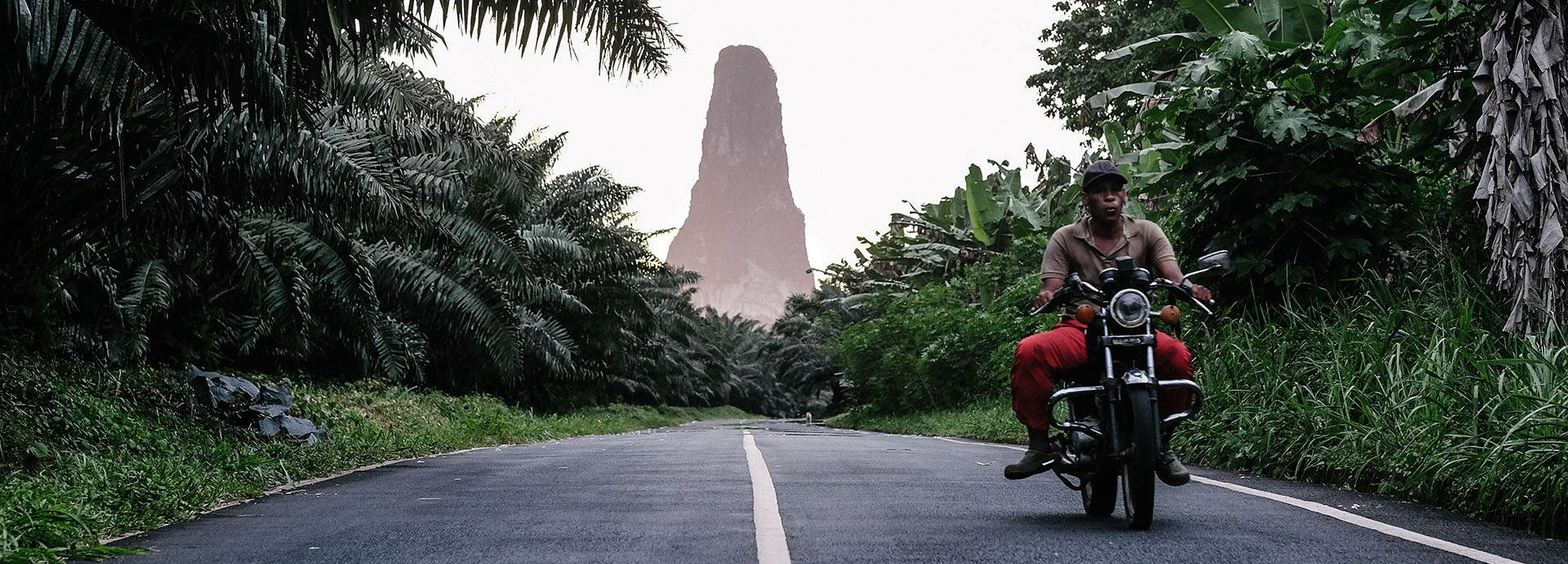
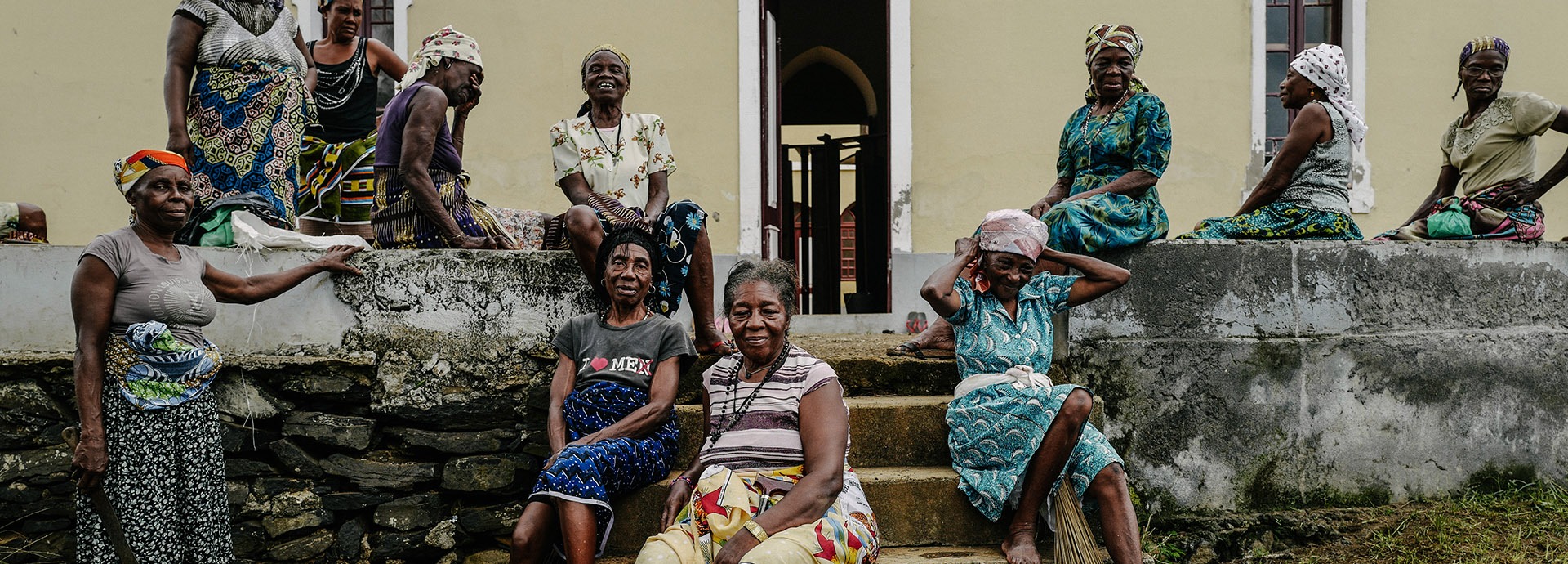
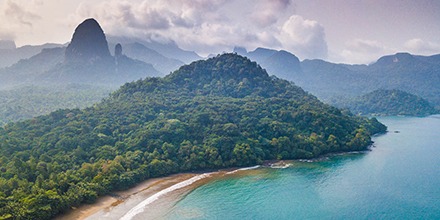
São Tomé and Príncipe is one nation consisting of two remote volcanic islands marooned 225 kilometres off the coast of Gabon. Never connected to the mainland and uninhabited until Portuguese explorers arrived in the 15th century, they present an isolated biosphere of unique creatures completely unafraid of humans and found nowhere else on earth. No wonder the islands are often referred to as ‘the African Galápagos’. New species are still regularly being discovered. The landscape is a lost world of dense jungle, spires of primordial rock and deserted beaches. São Tomé is the busier of the two islands while Príncipe is a UNESCO listed biosphere peppered with steep mountains blanketed in thick primary rainforest.
The Portuguese colonised the islands with immense cacao plantations and slaves, the descendants of whom remain today as modern ‘Príncipeans’. The legacy is a handful of beautiful plantation houses, which have been sympathetically converted into exclusive boutique hotels. Activities centre around the natural world with plenty of snorkelling, wreck diving, turtle watching and hiking to keep you occupied, but you will find equal pleasure in wandering the islands interacting with the friendly locals in a relaxed and genuine way. The history of this forgotten land is astonishing, and the people here have some fascinating stories to tell.
You Will Love
• A lost paradise
• Safe, relaxed and very friendly
• The fascinating stories of modern ‘Príncipeans’ and their ancestors
• Beautiful plantation house hotels
• New species waiting to be discovered
• Plane wreck diving
Let us design your perfect itinerary.

Unforgettable experiences in São Tomé & Príncipe
Taste the islands’ bounty
Taste the islands’ bounty
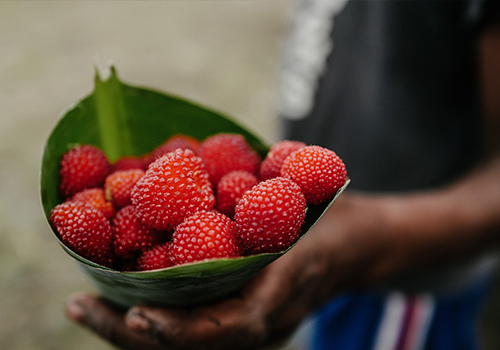
With forests filled with fruits and nuts, and waters brimming with tuna and wahoo, Príncipe is blessed with an abundance of natural produce. Visit the grand plantations of former Portuguese outposts, learn the secrets of organic ...
Plunge into the ocean
Plunge into the ocean
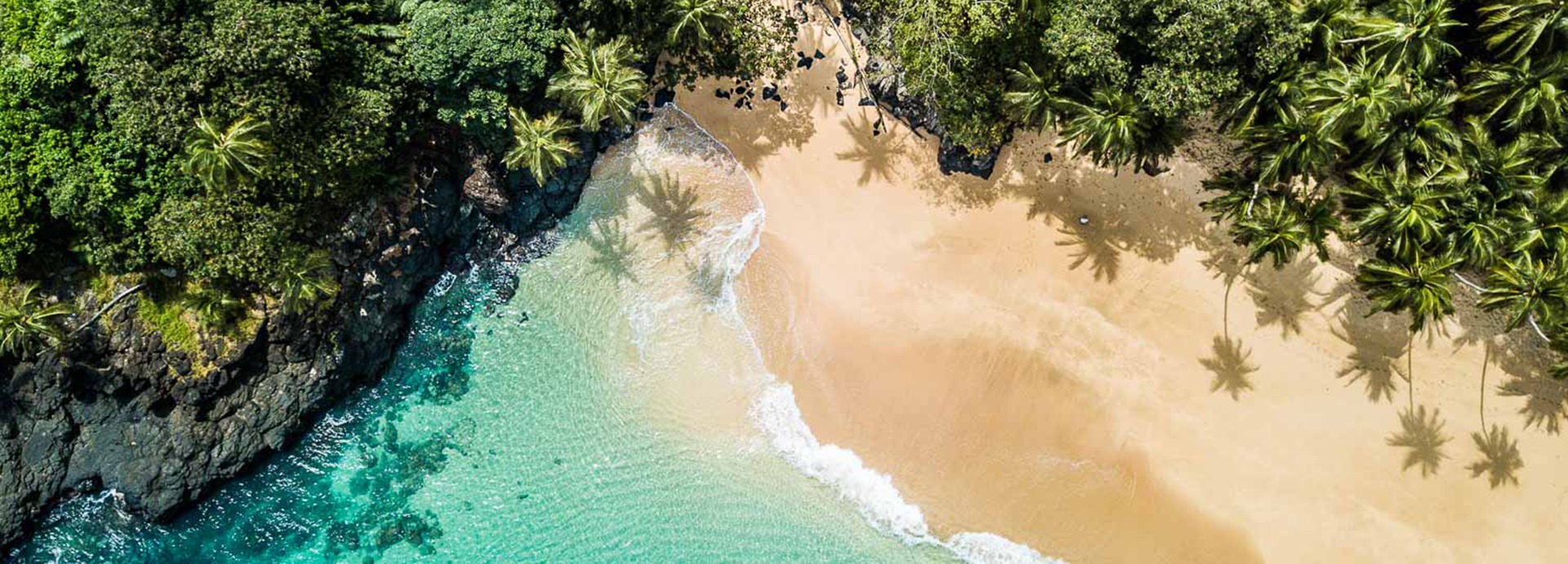
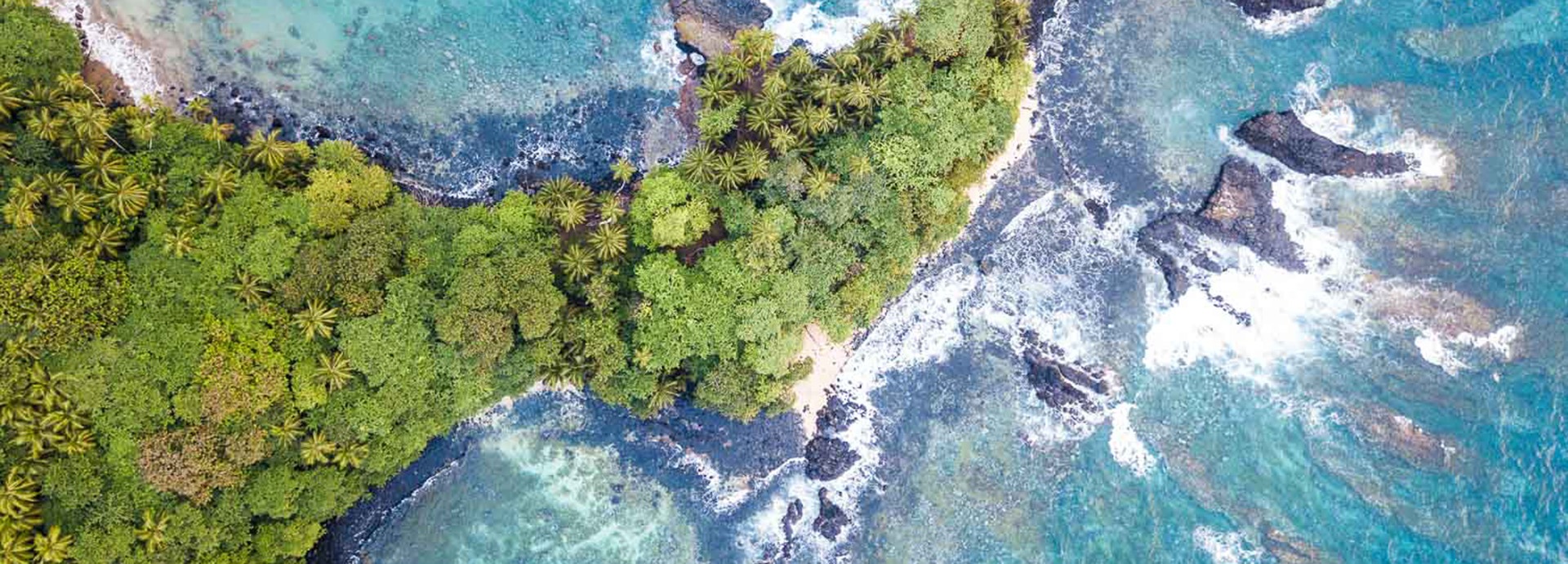
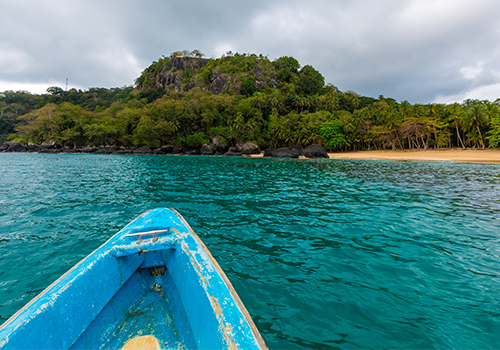
The beaches that fringe Príncipe Island are sinuous stretches of soft white sand, studded with black volcanic rocks and backed by dense forest. Swimming from the beach you’ll enjoy warm, crystal clear water while dive sites inc...
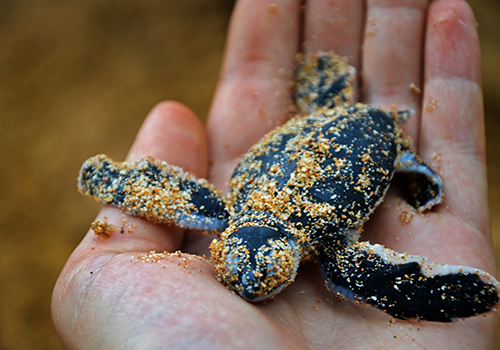
Conserve sea turtles
Conserve sea turtles
Between September and April, accompany a team of researchers and conservationists who monitor the female sea turtles as they lay their eggs on the beaches of Principe Island. You’ll learn about the Olive Ridley, Green, Hawksbill...
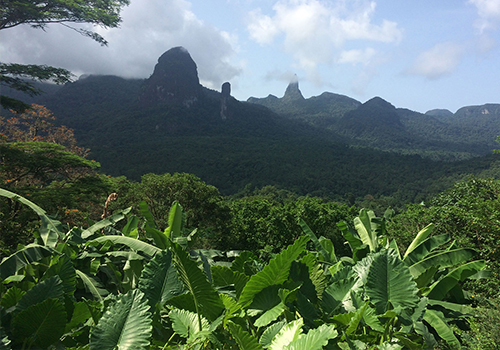
Hike biosphere trails
Hike biosphere trails
Hundreds of trails lace their way across São Tomé and Príncipe providing excellent hiking for every fitness level. Enjoy the breath taking lookout points, waterfalls and the vine entangled ruins of long forgotten churches. Stan...
A selection of our favourite places to stay in São Tomé & Príncipe
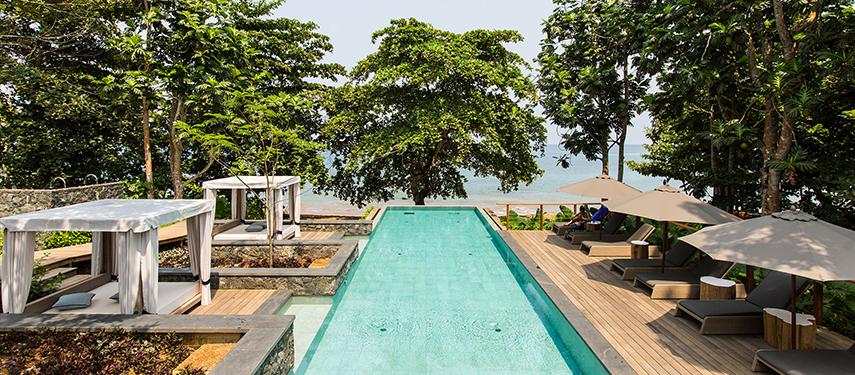
Sundy Praia – Príncipe Island, São Tomé & Príncipe
Lost paradise island escape
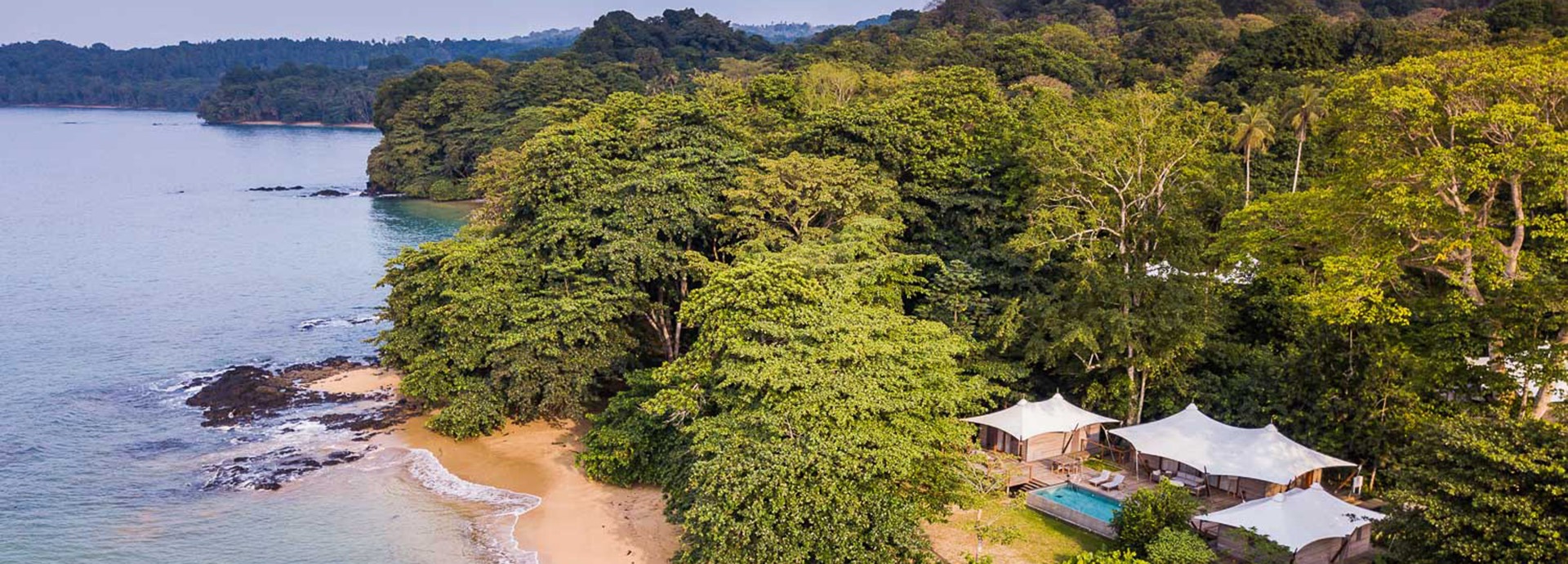
Merging seamlessly with their forest surrounds, the 15 tented villas of this luxurious tropical hideaway lie hidden among a scattering of almond and banana trees. Explore deserted coves, forests and mountain peaks, watch turtles hatch or whales breach, then return home to dine on the produce of the island’s incredible natural larder.... Read More
Roça Sundy – Príncipe Island, São Tomé & Príncipe
Colonial plantation house
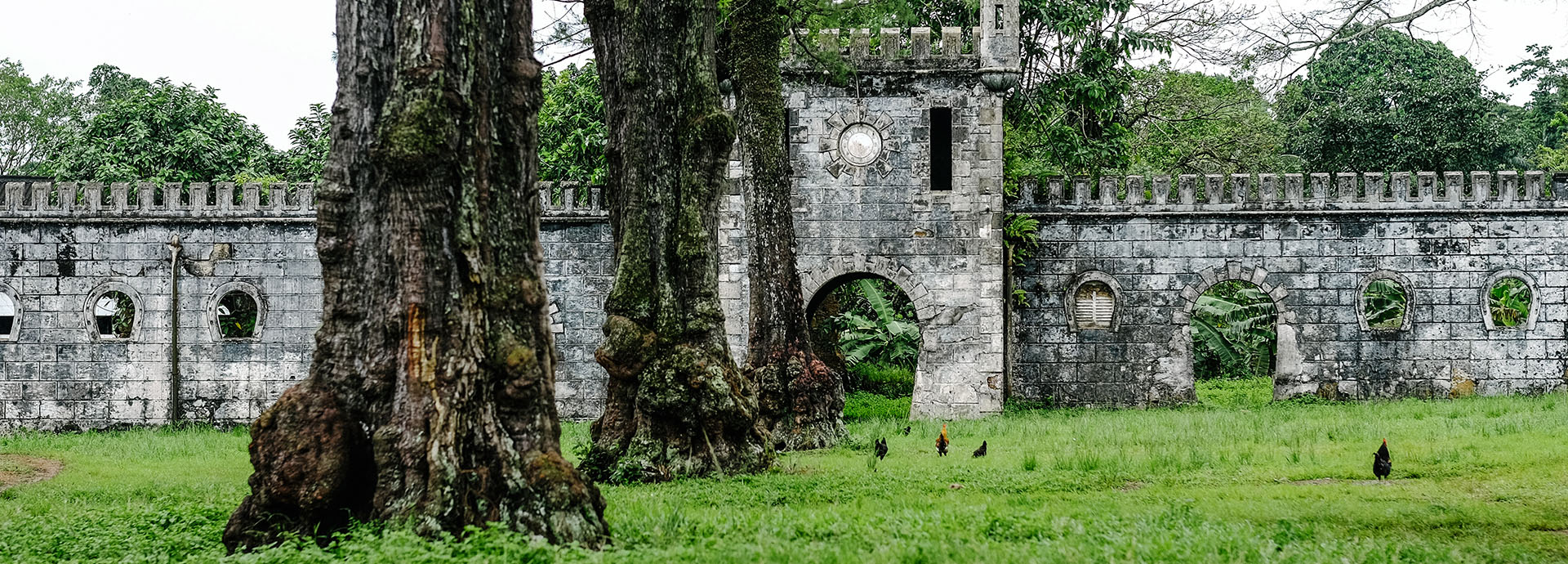
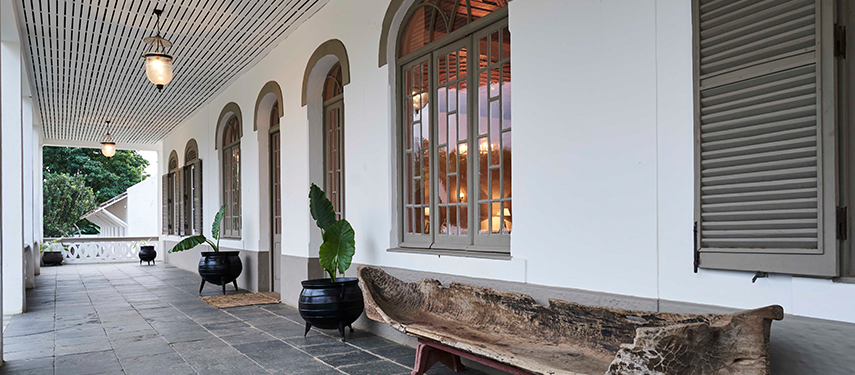
This grand colonial house is a legacy from the time that São Tomé and Príncipe was the biggest cacao producer in the world. Now a stylish boutique hotel, great care has been taken to preserve its original grandeur. This hotel is a surprising touch of sophistication in this forgotten pocket of Africa.... Read More
São Tomé & Principe: Frequently Asked Questions
São Tomé and Príncipe straddles the equator and experiences two dry seasons. The main gravana runs from June to September — generally the most comfortable window, with lower humidity, calmer seas and excellent visibility for diving. A shorter dry period called gravanito falls around December and January. The wetter months of October to May bring lush jungle and coincide with sea turtle nesting season (September to April), making this a remarkable time to visit if turtle activity is a priority. Year-round temperatures hover around 26–28°C, making the islands an appealing destination at almost any time of year.
There are no direct flights from Australia to São Tomé and Príncipe. The most common routing is via Lisbon, from where TAP Air Portugal operates direct flights to São Tomé Island. Ethiopian Airlines also provides connectivity via Addis Ababa. From São Tomé, Príncipe Island is reached by a short domestic flight of approximately 40 minutes. Your Classic Safari Company consultant will design a seamless routing, and many travellers choose to incorporate a night or two in Lisbon — or combine the islands with a neighbouring West or Central African destination — to make the most of the journey.
Despite an absence of large land mammals, the islands reward naturalists and birdwatchers richly. São Tomé and Príncipe is home to more than 25 endemic bird species — a density of avian endemism that rivals Madagascar — including the São Tomé giant sunbird (the world’s largest), the dwarf olive ibis (the world’s smallest ibis), Newton’s fiscal and the Príncipe glossy starling. The surrounding Atlantic waters host humpback and sperm whales, bottlenose dolphins, and four nesting sea turtle species: Olive Ridley, Green, Hawksbill and Leatherback. Endemic chameleons, geckos and a host of extraordinary insects complete an impressive checklist for the patient observer.
Australian passport holders require a visa to enter São Tomé and Príncipe. Visas can be obtained on arrival at São Tomé International Airport for a fee, making the process straightforward for most travellers. Entry requirements can change, so we recommend confirming the latest visa conditions with your Classic Safari Company consultant prior to booking flights or committing to firm travel dates.
Yes, and doing so makes excellent geographical sense given the effort of reaching the islands. Príncipe and São Tomé pair naturally with Gabon — particularly the rainforests of Lopé National Park — as well as the Republic of Congo’s Odzala-Kokoua National Park, home to western lowland gorillas and forest elephants. A Lisbon stopover adds a rewarding cultural dimension to the journey. Your Classic Safari Company specialist can design an itinerary that connects these destinations with minimal backtracking and maximum reward.
The roças — grand colonial plantation estates built by Portuguese settlers — are the islands’ most architecturally distinctive landmarks and carry a complex and sobering history. At the height of the colonial era, São Tomé and Príncipe was the world’s single largest producer of cacao, a trade built entirely on enslaved labour. Several roças have since been carefully restored as boutique hotels, among them Roça Sundy on Príncipe — one of the most historically significant properties in all of Africa. It was at Roça Sundy in May 1919 that Arthur Eddington conducted the solar eclipse observations that confirmed Einstein’s general theory of relativity; a commemorative plaque on the property marks the spot.
São Tomé & Principe: A Glossary of Terms
- Roça — the Portuguese word for a colonial plantation estate; in São Tomé and Príncipe, roças were large agricultural complexes established by Portuguese settlers from the late 15th century, primarily for the cultivation of cacao and sugar, and several have since been sensitively restored as boutique hotels.
- Príncipean — the contemporary term for the inhabitants of Príncipe Island, the majority of whom are descendants of the enslaved Africans brought to work the colonial plantations; their culture, traditions and Creole language are an enduring legacy of that history.
- Gravana — the main dry season in São Tomé and Príncipe, running from approximately June to September; characterised by reduced humidity, clearer skies and calmer seas, it is generally considered the optimum window for visiting the islands.
- Gravanito — the secondary dry season, occurring around December and January; a shorter and somewhat less pronounced dry period that nonetheless offers pleasant, comfortable conditions for travel.
- UNESCO Biosphere Reserve — a designation awarded to Príncipe Island in 2012 under UNESCO’s Man and the Biosphere Programme, recognising its exceptional biodiversity and commitment to sustainable land use; the reserve encompasses the entire island and its surrounding marine environment.
- Eddington Expedition — the 1919 solar eclipse observation conducted by British astronomer Arthur Eddington from Roça Sundy on Príncipe Island; Eddington’s measurements of light bending around the sun provided the first experimental confirmation of Einstein’s general theory of relativity, making Príncipe an unlikely but indelible landmark in the history of modern physics.
- São Tomé Giant Sunbird — the world’s largest sunbird, endemic to São Tomé Island and found nowhere else on earth; listed as endangered and one of the most sought-after sightings for visiting birdwatchers.
- Dwarf Olive Ibis — the world’s smallest ibis, endemic to Príncipe Island; a critically endangered and elusive forest bird confined to the dense primary rainforest of the island’s biosphere reserve.
- Single-Origin Cacao — cacao sourced exclusively from one geographic location; São Tomé and Príncipe is celebrated for producing high-quality single-origin fine-flavour cacao, tracing its lineage back to the colonial-era varieties planted across the islands’ roças and now prized by artisan chocolatiers internationally.
- Lung’Ie — the Portuguese-based Creole language spoken on Príncipe Island, one of four distinct Creole languages found across the two islands; listed as endangered, it is a living cultural record of the meeting of African and Portuguese worlds that shaped the islands’ history.
Thank you so much for putting together the most memorable holiday for us. The experiences we have had in the last couple of weeks have gone beyond all expectations.
Jane & Col Loveday
It certainly was the best trip we have EVER had. The experiences were mind blowing. We want everyone we know to experience Africa - the animals, the people - magical.
Jo-anne & Dean Mifsud
The Classic Safari Company is the best I have dealt with. Extremely knowledgeable & professional, friendly, patient & understanding of first timers to Africa.
Annette Whiley
Classic Safari Company were brilliant - 10/10
Di & Kingsley Yates
Would do it all again and not change a moment. Best holiday ever!
The McGowan Tribe
Classic Safari is the place to go to for "top end" adventure travel.
Ron & Alison Guthrie
If you want the most sensational experience in Africa let Julia and the staff at Classic Safari Co plan it for you! Their knowledge, expertise and enthusiasm for their job means your every wish will be fulfilled.
Miriam & Joseph Harrison
An absolutely fantastic travel company - every one of the many trips they have organised for us over 22 years have been faultless and fabulous.
Judith & Roger Williams
Their experience and knowledge of Africa is evident and we couldn't have been happier with the total package. This has given us a taste for Africa - now we are ready for more.
Andrew & Pip Stevens
Classic Safari Company has done it again! A unique experience that ticked all the boxes - wildlife, culture and dining experience. A dream come true!
Ros Wheeler
Absolutely everything was first class & so well organised.
Simon & Jackie Adams
The trip of a lifetime, couldn't have dreamt of a better adventure if I tried.
Emma Jeffcoat
You can't improve on perfection. I had my best birthday and holiday with my family celebrating my 80th birthday in Africa. Everything that Julia organised was perfect and the whole trip was a highlight!
Buckingham Family
Everything was perfect! Advice and information on destinations and activities hit everything I had hoped to experience. I contacted the Classic Safari Company upon recommendation and have now, in turn, recommended to others.
Tim Bradley
Very knowledgeable and patient. Our trip was all that we hoped for. Wonderful!
Jane & Robert Happell
Thank you for making our trip to Africa so spectacular. The attention to detail really made it special. It really was the trip of a lifetime.
Paul Cozzi
An amazing experience - the best family holiday we have ever had. We were extremely impressed by the meticulous attention to our itinerary. I can't speak highly enough of all the elements of this exciting journey!
Sheryl & Robert Taylor
We loved it all. Our son wants to go back tomorrow. We would ALL go back again!
Laurence & Remi Cunningham
Classic Safari are the people who genuinely know other culture and offer incredible insight to perfectly meet your expectations.
Melanie McMillan & Iain Jones
The trip exceeded my expectations and was the best family holiday I have ever had. Our children simply loved it and now I know more about African wildlife than they do about our own farm animals.
Rowntree family
We are so happy we put our trust in CSC, we had an amazing adventure and would recommend them to anyone.
Kim & Brad Balance
Julia you did a fantastic job - everything was first class. Well organised, efficient and stress free. We all agreed it was the best holiday we've ever had. Cant wait to travel with CSC again.
Milford family
We wanted the opportunity to see as many wildlife parks as possible and the Classic Safari Company provided an action-packed itinerary that included six, with 11 tiger sightings and nine leopard. This was overlaid with an introduction to Jaisalmer, Jaipur and the 'real' India. Pench and Panna were the hidden gems of a really great trip, very well organised, seamless and enjoyable. As a solo traveller I felt incredibly safe at all times. I want to go back!
Mark Taylor
Exellent and wonderful, reaching way above expectations.
Elizabeth Mackintosh
Thank you for putting together the ancestral adventure of a lifetime. I cannot speak highly enough of the trip.
Jenny Kidd