Tanzania
Iconic East Africa
Discovering Tanzania | In Summary
- Tanzania’s ecological range is extraordinary even by African standards — Kilimanjaro alone passes through five distinct vegetation zones, from equatorial rainforest at 1,800m to permanent ice fields at the summit, making it one of the few destinations where a single itinerary can begin at a glacial alpine peak and end on an Indian Ocean coral reef.
- With more than 1,100 recorded bird species, Tanzania ranks among Africa’s premier birding destinations; the alkaline shallows of Lake Manyara host lesser flamingo flocks numbering in the hundreds of thousands, while Ruaha and Nyerere support some of the continent’s most significant breeding populations of African fish eagle and martial eagle.
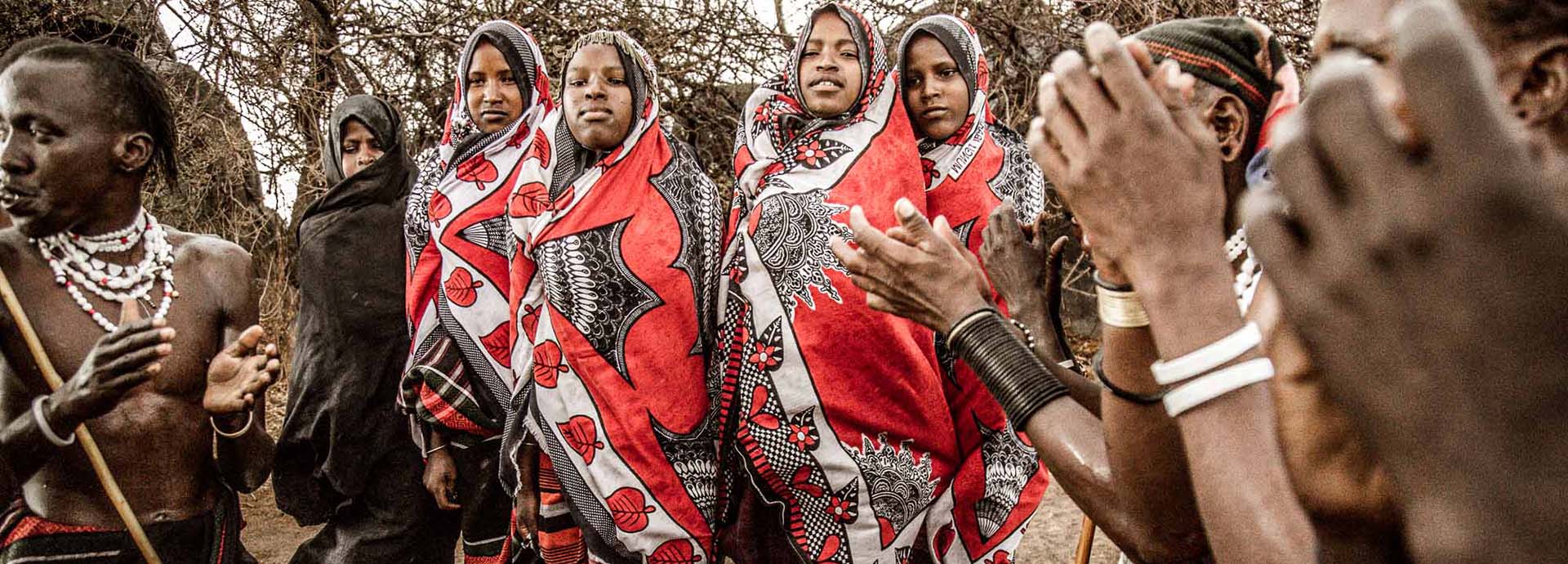
- Tanzania is home to several of Africa’s most remarkable living cultures: the Hadzabe of the Lake Eyasi basin are among the last remaining hunter-gatherer societies on the continent, speaking one of the world’s oldest click languages, while the Datoga — who consider themselves Tanzania’s oldest tribe — maintain traditions of metalwork, leather craft and ceremonial song that predate recorded Tanzanian history.
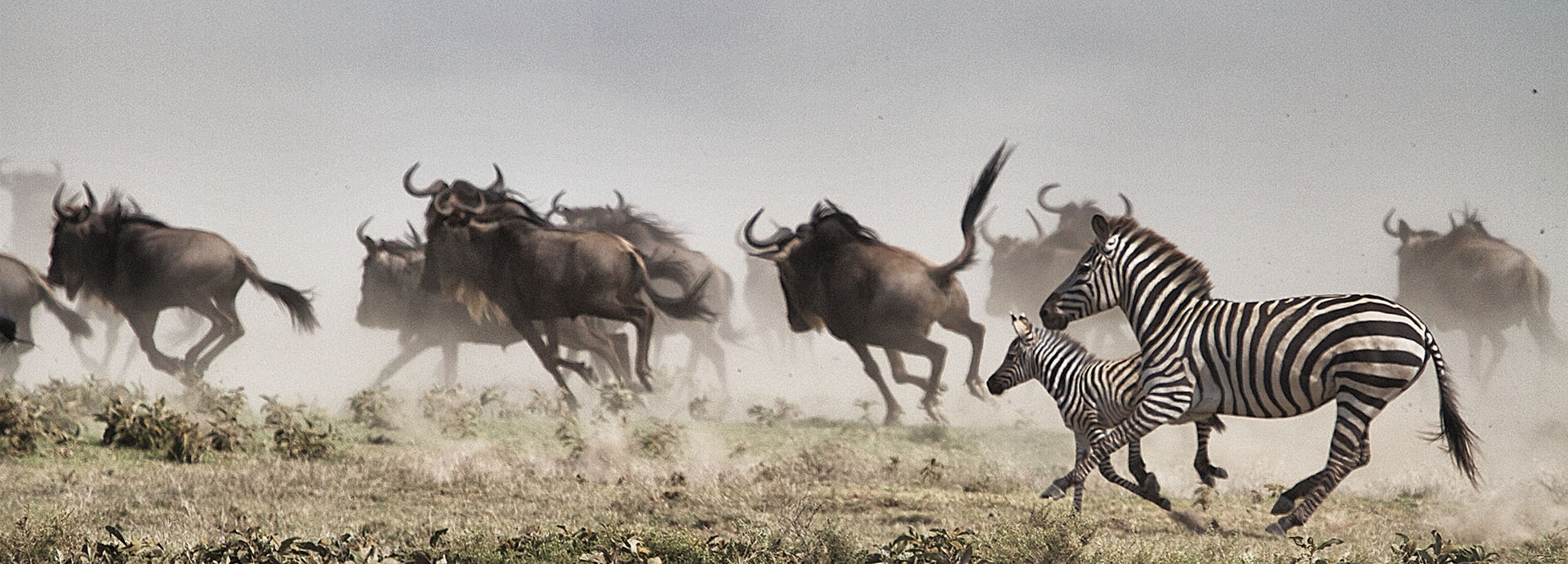
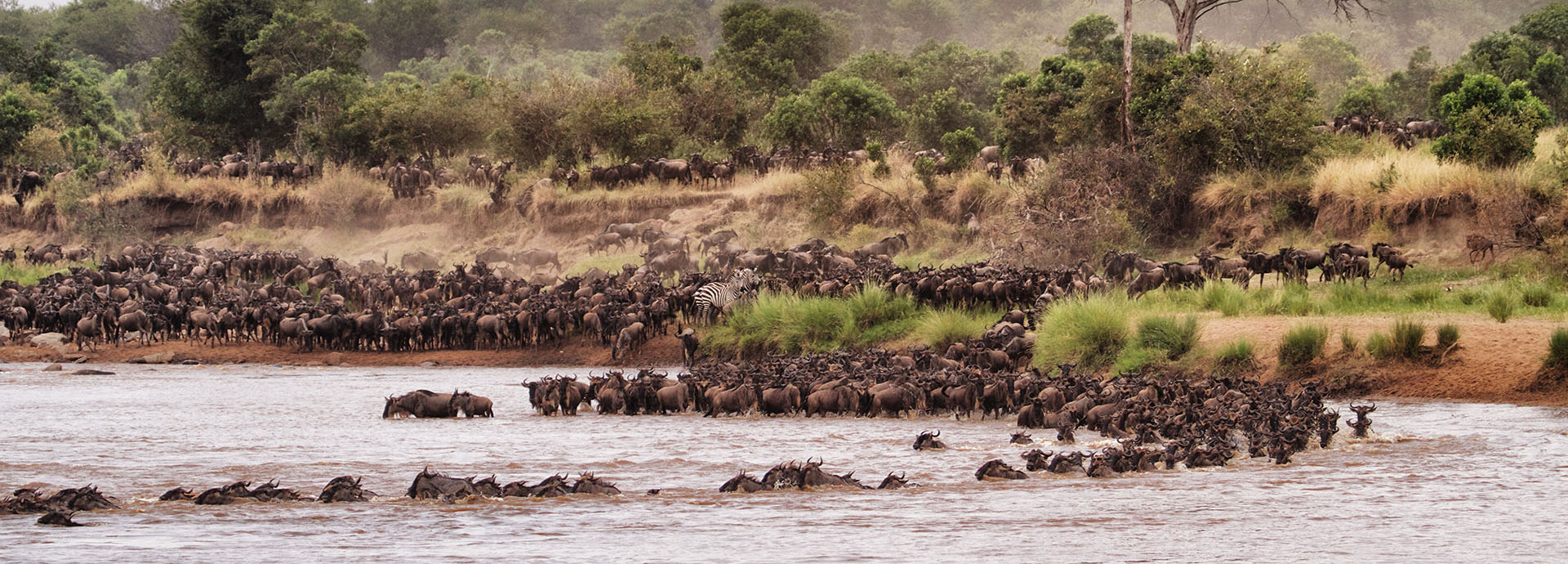
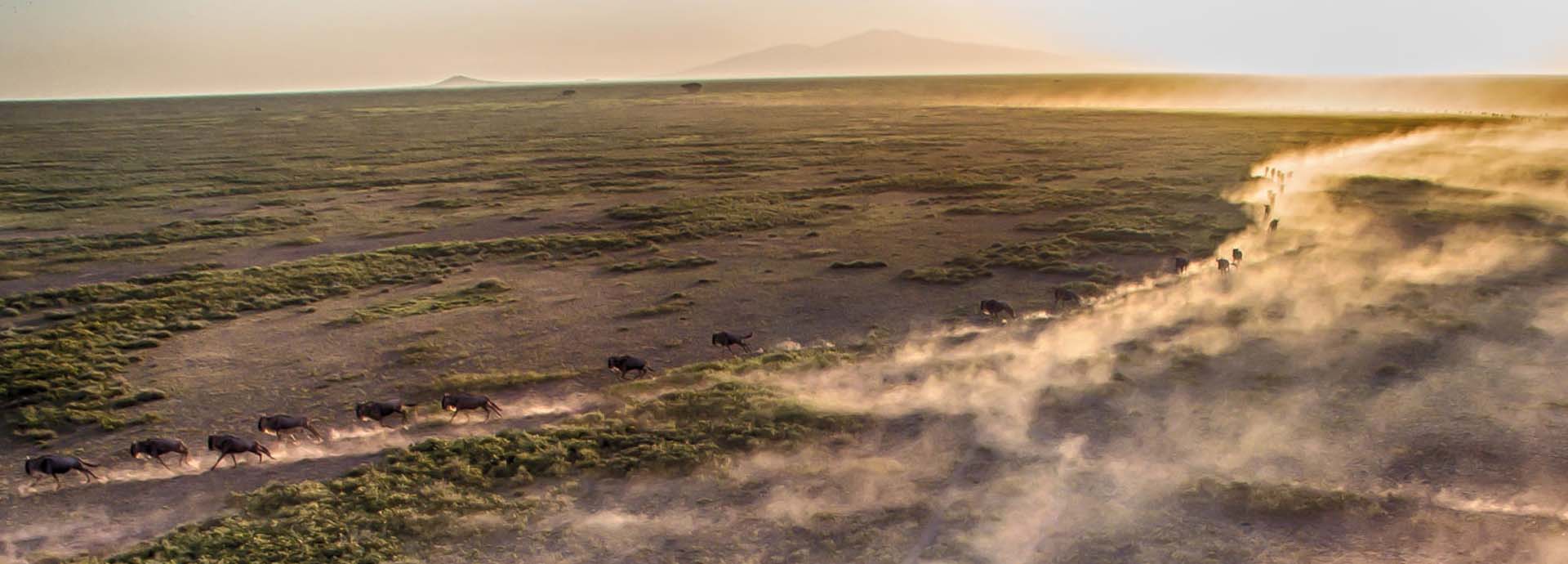
With National Parks and game reserves covering 28% of the country, Tanzania has more land devoted to wildlife than anywhere else in the world and the game viewing in Tanzania is unparalleled. The high point of the year is the spectacular wildebeest migration when great herds cross the northern plains and plunge through the rivers of the Serengeti. Observing the herds at the end of their migration, when they rest to feed on lush grasses and give birth is a lesser known but equally rewarding experience.
Combine the Serengeti with game viewing in the spectacular Ngorongoro Crater and the smaller parks of Lake Manyara and Tarangire, or head south to the remote parks of Nyerere National Park (formerly The Selous), Ruaha and Katavi where you can swap your vehicle for bush walks through raw, uncharted territory. Challenge yourself to climb Kilimanjaro, trek to see wild chimpanzees among the wild jasmine and butterflies of the Mahale Mountains, then head to Zanzibar, Pemba and Mafia, otherwise known as the Spice Isles, for a pure barefoot luxury in paradise!
You Will Love
• The wildebeest migration
• Wild chimpanzees
• Vast areas of untouched wilderness
• Climbing Mount Kilimanjaro
• Paradise on Zanzibar and the spice islands
Let us design your perfect itinerary.
Tanzania’s diverse regions
from Zanzibar to the Serengeti
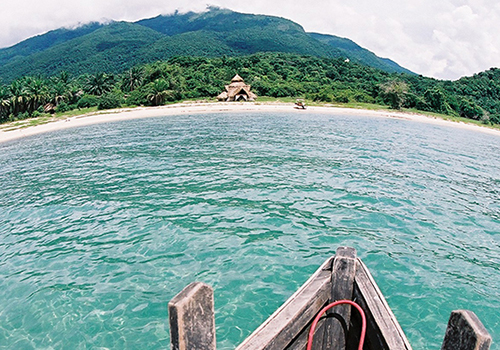
Katavi & Mahale Mountains
If you wish to escape the tourist circuit, Mahale and Katavi are about as far away as you can get. The forested slopes of Mahale are home to wild chimpanzees as well as an incredible array of animals, birds and butterflies. At the foot of the mountains lies the turquoise water of Lake Tanganyika which is fringed by white sand beaches. In Katavi, wildlife concentrates around seasonally diminishing water sources. Hippo cram the few pools in their thousands, elephant, buffalo and plains game are drawn to drink, and lion and hyenas follow to provide tense predator-prey encounters.
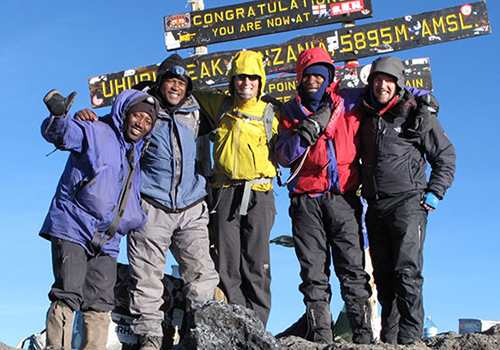
Mount Kilimanjaro
Mount Kilimanjaro stands at 5,895 metres above sea level, making it the highest free-standing mountain in the world. 'Kili' stands proudly above the African plains on the edge of the Rift Valley and its snow-capped peaks are an unusual sight so close to the equator. Mount Kilimanjaro is actually a dormant volcano with three volcanic cones, Kibo, Mawenzi and Shira. It’s peaks are a major climbing destination and scaling its slopes to stand on the ‘roof of Africa’ is an epic challenge. Selecting the right operator will ensure the highest chance of success and a safe, positively life changing experience.
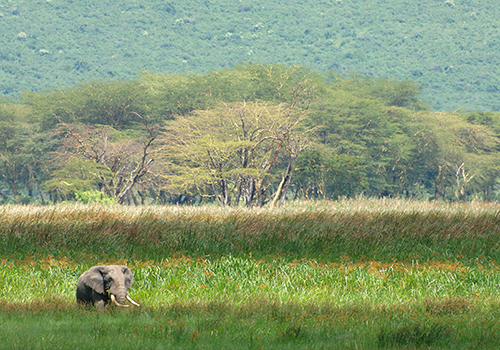
Ngorongoro Crater, Lake Manyara & Tarangire
The Ngorongoro Crater, Lake Manyara & Tarangire are the three jewels of northern Tanzania and the Ngorongoro Crater is undoubtedly the most famous. Stunning views are the hallmark of this natural wonder, which is a microcosm of East African wildlife. Lake Manyara National Park is a small but picturesque tract of land which, during the wet season, is almost 60% covered by a huge lake. The alkaline rich water supports a tremendous display of bio-diversity, including vast flocks of pink flamingos. In Tarangire herds of elephant often number in the hundreds, plains game and predators abound.
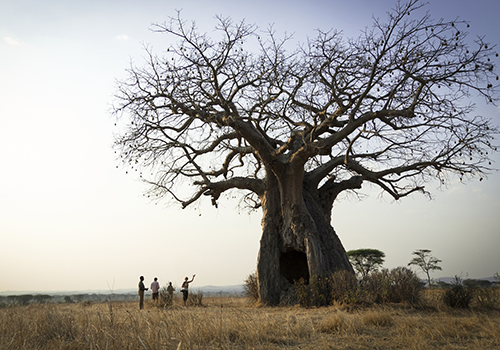
Nyerere & Ruaha
These enormous, little-known areas in southern Tanzania are raw and wild safari destinations known only to the finest operators and keenest wildlife enthusiasts. Nyerere National Park (formerly The Selous) is the largest protected reserve in Africa and wildlife from far and wide is attracted to the waters of the Rufii River – a fine place for boating safaris. By contrast, Ruaha is an arid, harsh environment, yet no other national park in Tanzania has the diversity of Ruaha. Elephants, plains game and predators such as lion all thrive in huge numbers.
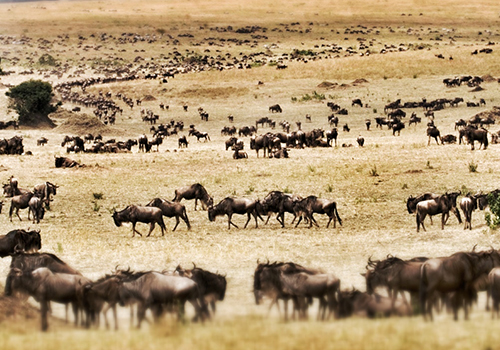
Serengeti Plains
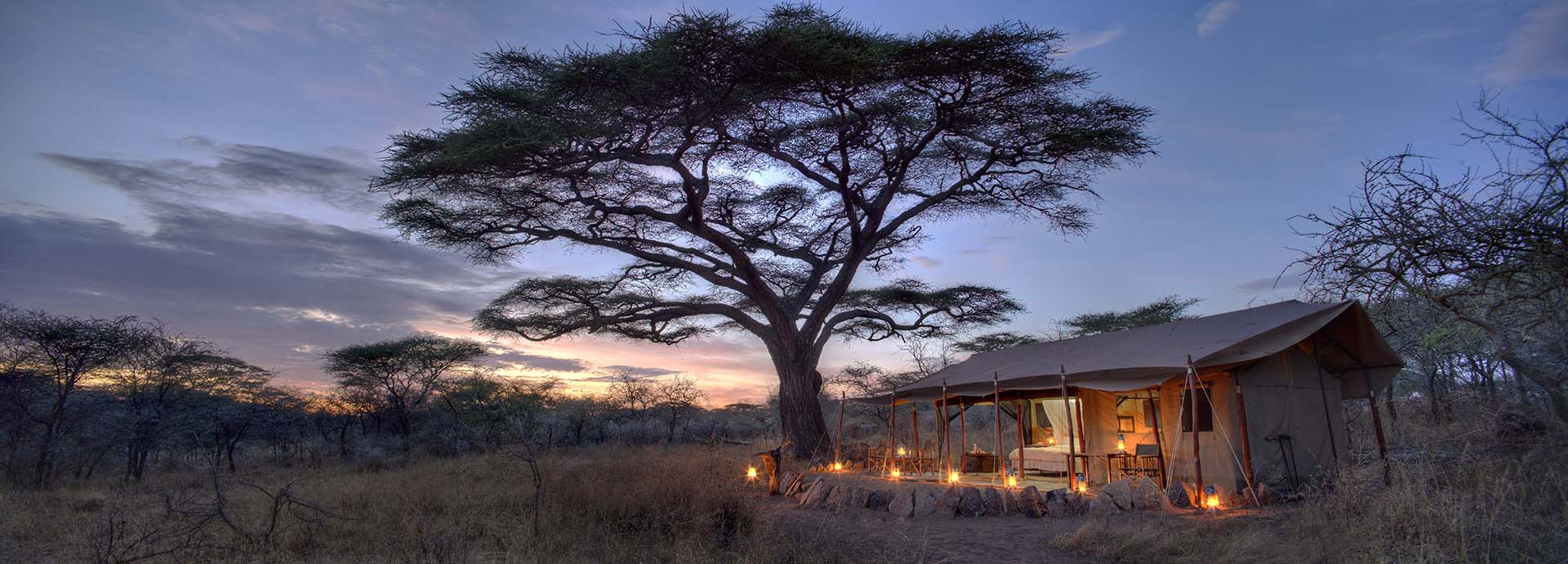
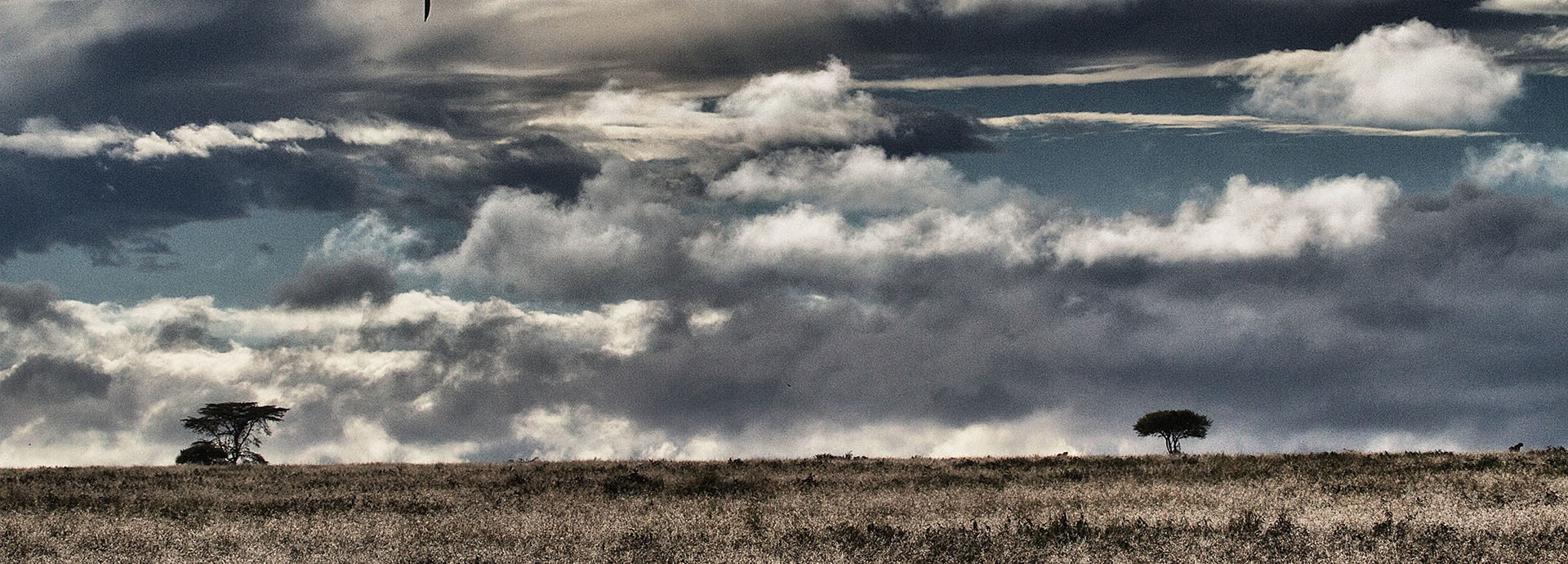
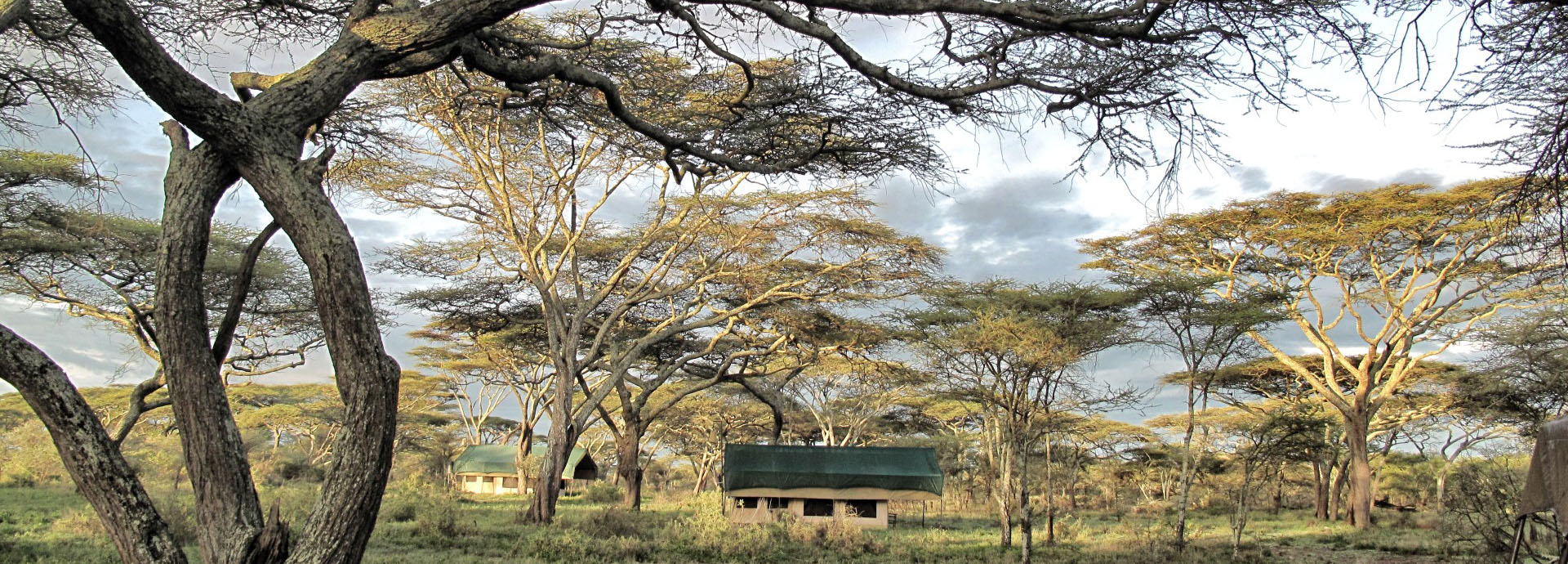
The Serengeti is top of most people’s list - and for good reason. The vast grassy open plains are broken only by the odd parasol shaped acacia trees that are synonymous with safaris in Africa. Aside from its endless beauty, the Serengeti is best known for the great wildebeest migration, which eats its way through this giant eco-system, followed hotly by the inevitable predator species. Outside of migration madness, the Serengeti supports so much resident wildlife that you are guaranteed great game viewing at any time of year.
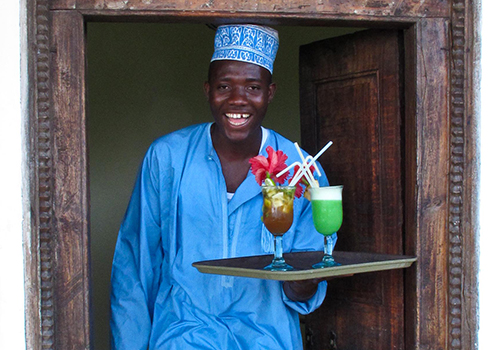
Zanzibar, Spice Islands & Surrounds
The Zanzibar archipelago is made up of over 50 islands, varying from tiny outcrops to the larger inhabited islands of Pemba, Mafia and Zanzibar. Zanzibar is famed for its idyllic beaches, interesting history and Arabic influence. Stone Town is composed of a network of alleys, exotic spice markets and tiny shops behind huge carved doors that sell everything under the sun. Tropical Mafia, Pemba and Mnemba are untainted, with beautiful beaches and vibrant coral reefs providing their visitors with exotic and unforgettable Indian Ocean island escape – the perfect spot for post-safari R&R.
Unforgettable experiences in Tanzania
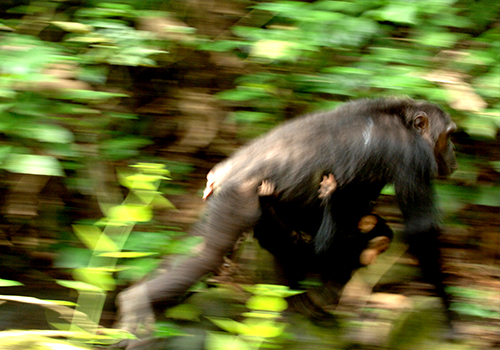
Trek wild chimpanzees in Mahale Mountains
Trek wild chimpanzees in Mahale Mountains
Walking through the dense jungle of the Mahale Mountains National Park in search of wild chimpanzees is an exhilarating experience. Once found, you can sit with them watching their daily life; grooming, wrestling, foraging, eating...
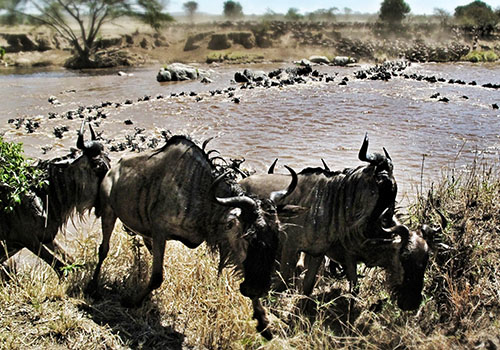
Witness the Great Wildebeest Migration
Witness the Great Wildebeest Migration
Get front row seats to one of the greatest wildlife spectacles on earth. Almost two million wildebeest and twenty thousand zebras make their way around the Serengeti and Masai Mara in search of lush grazing grounds and fresh water...
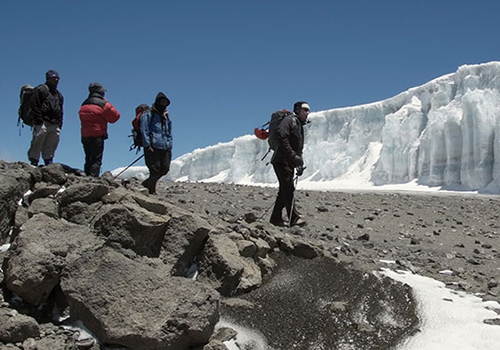
Conquer Mount Kilimanjaro
Conquer Mount Kilimanjaro
Adventurers can choose from a variety of routes, which vary in duration and difficulty, to reach the summit Uhuru (which means Freedom). Although thousands of people make it to the top, the altitude and unpredictable weather gives...
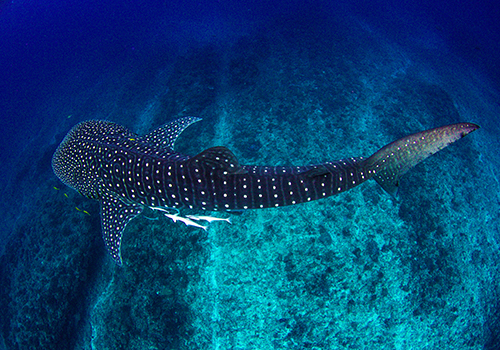
Swim with Africa’s Whale Sharks
Swim with Africa's Whale Sharks
Lying off the south-east coast of Tanzania, Mafia Island hosts the longest whale shark season anywhere in the world. Between October and March sightings are almost guaranteed, allowing a few lucky guests a truly magical experienc...
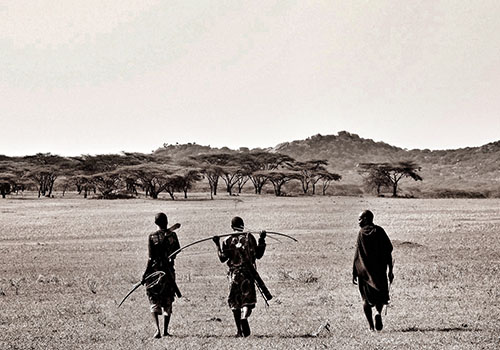
Learn to hunt with the Hadzabe tribe
Learn to hunt with the Hadzabe tribe
The Hadzabe people have lived in an area near the beautiful Lake Eyasi in northern Tanzania for hundreds of years and their way of life remains relatively unchanged. They continue to live as hunter-gatherers in harmony with their ...
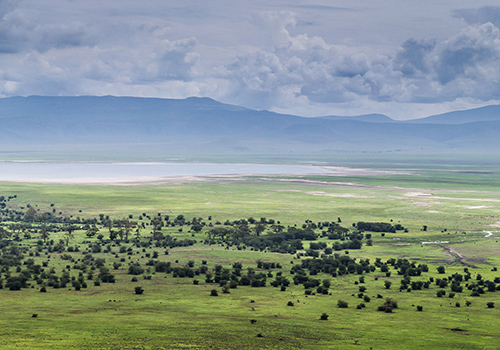
Explore the UNESCO world heritage site of Ngorongoro
Explore the UNESCO world heritage site of Ngorongoro
The Ngorongoro Crater is a natural amphitheatre that was created 2 million years ago when the cone of a volcano collapsed into itself. It has formed its own ecosystem and is now a popular ‘one stop shop’ for safari goers, with...
A selection of our favourite places to stay in Tanzania
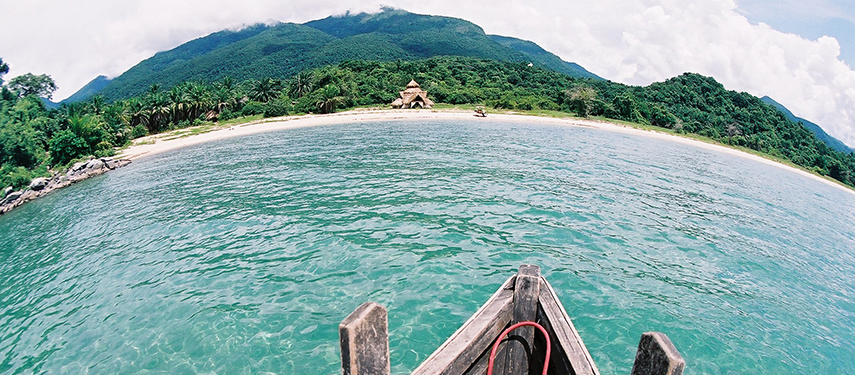
Greystoke Mahale – Mahale Mountains
Barefoot Beach & Bush Luxury
On its own secluded beach on the shores of Lake Tanganyika in Tanzania sits Greystoke Mahale. The mountains rise up behind camp supporting lush evergreen semi-tropical forest, colourful butterflies, glades of jasmine and around 1,000 wild chimpanzees. Few camps have a more beautiful or secluded location.... Read More
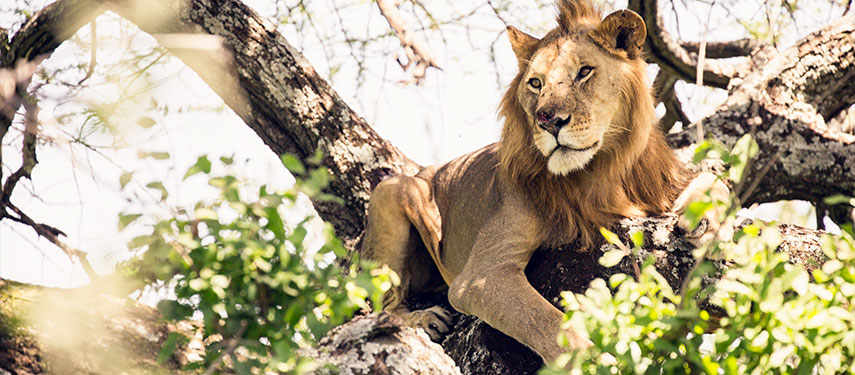
Mwiba Lodge – Serengeti National Park
Front row seats for calving season
Overlooking a rocky gorge amongst stone boulders and acacia trees, Mwiba’s setting in the southern Serengeti has ‘wow’ factor. It plays hosts to exceptional wildlife whilst remaining quiet and exclusive with only a handful of visitors. With a delicate balance of cultural authenticity and remarkable wildlife, Mwiba offers an outstanding safari experience.... Read More
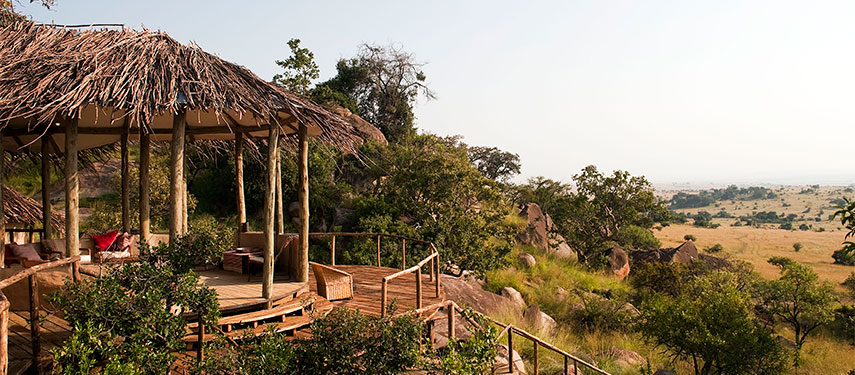
Lamai Serengeti – Serengeti National Park
Remote, private wilderness for those in the know!
Lamai sits in the remote northern Serengeti, tucked amongst the rocks high up on a hill, with panoramic views of the surrounding landscape. It is just a few miles from a known crossing point on the Mara River, utilised by thousands of wildebeest during the annual migration and, with luck, guests may witness the heart-stopping drama of a crossing unfold.... Read More
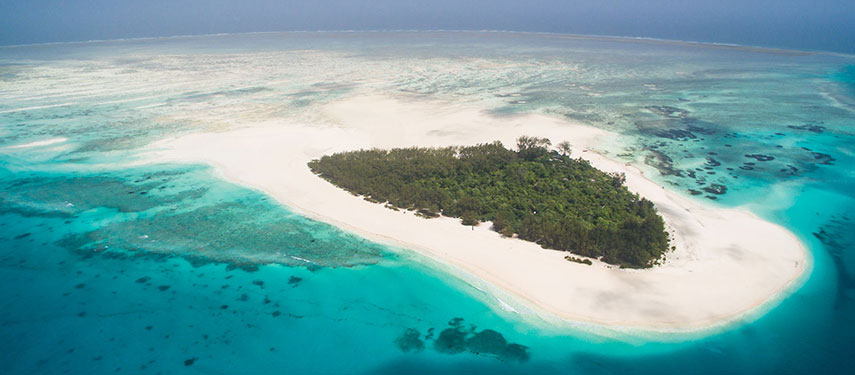
Mnemba Island – Zanzibar
Romantic beachside hideaway
The pristine white beaches of Mnemba, surrounded by deep blue ocean, combine to make this intimate island your own private tropical paradise. This exquisite private island is renowned as one of the world’s most romantic ocean destinations, offering a seclusion and rustic exclusivity unparalleled on the African coastline.... Read More
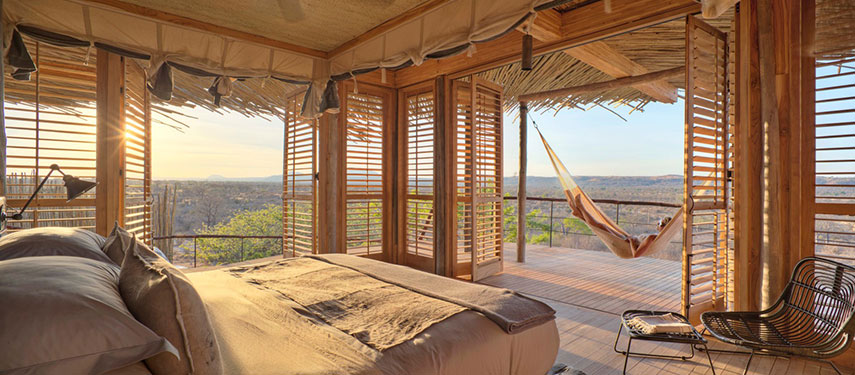
Jabali Ridge – Ruaha National Park
Wild, remote, luxurious
Jabali Ridge is set high on a rocky outcrop overlooking the wild beauty of Ruaha National Park and the 8 suites are designed to maximise the views of the stunning landscape. Very few visitors venture this far off the safari circuit but those in the know enjoy the luxury of pure seclusion and remarkable wildlife encounters all to themselves.... Read More
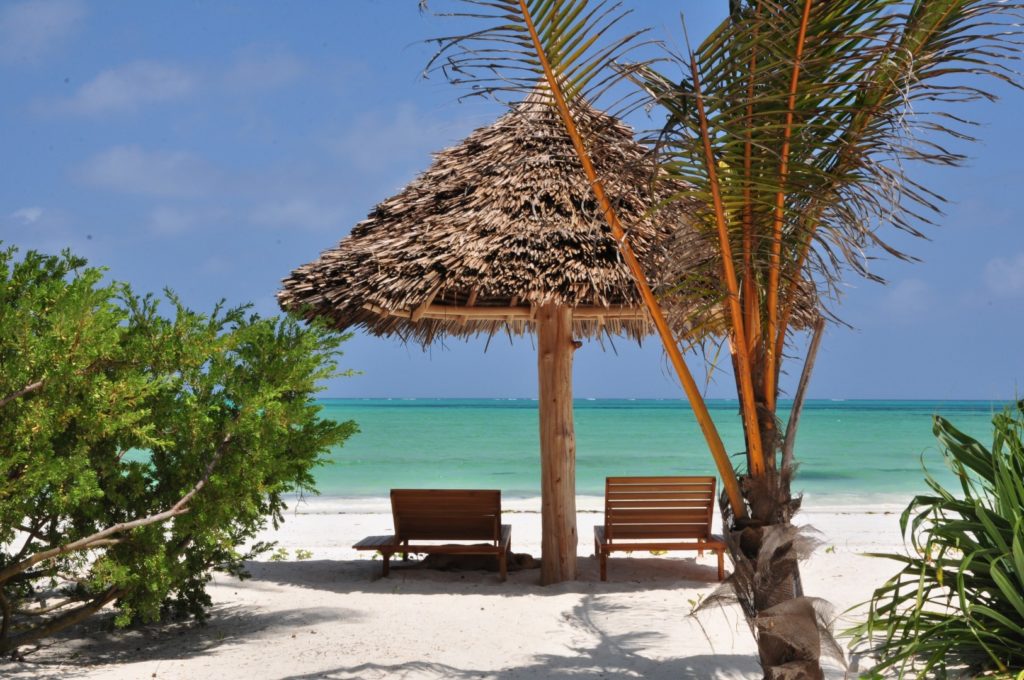
Whitesand Villas – Zanzibar
An unforgettable barefoot experience
Whitesand Villas & Spa is located on the world-renownded east coast of Zanzibar, nestled on Paje Beach with the Indian Ocean lapping at its doorstep. Comprising of only 11 luxury villas with private pools and a residence of 4 beautifully appointed rooms this property caters for those looking for the best of both worlds - utter relaxation, kitesurfing adrenaline or forays into Stone Town and along the coast... Read More
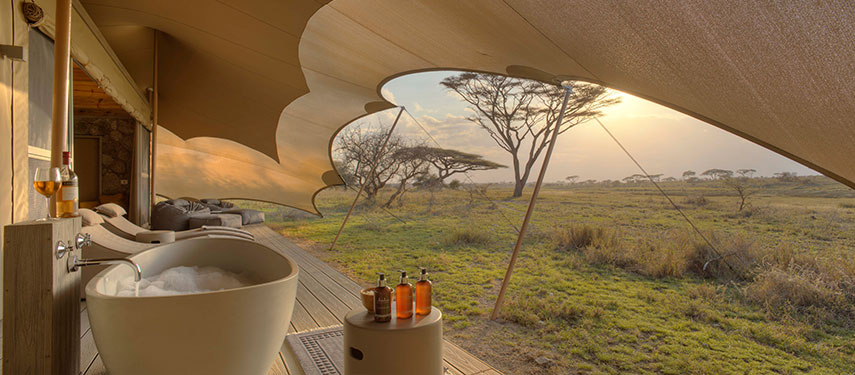
Namiri Plains – Serengeti National Park
Tented camp in remote eastern Serengeti
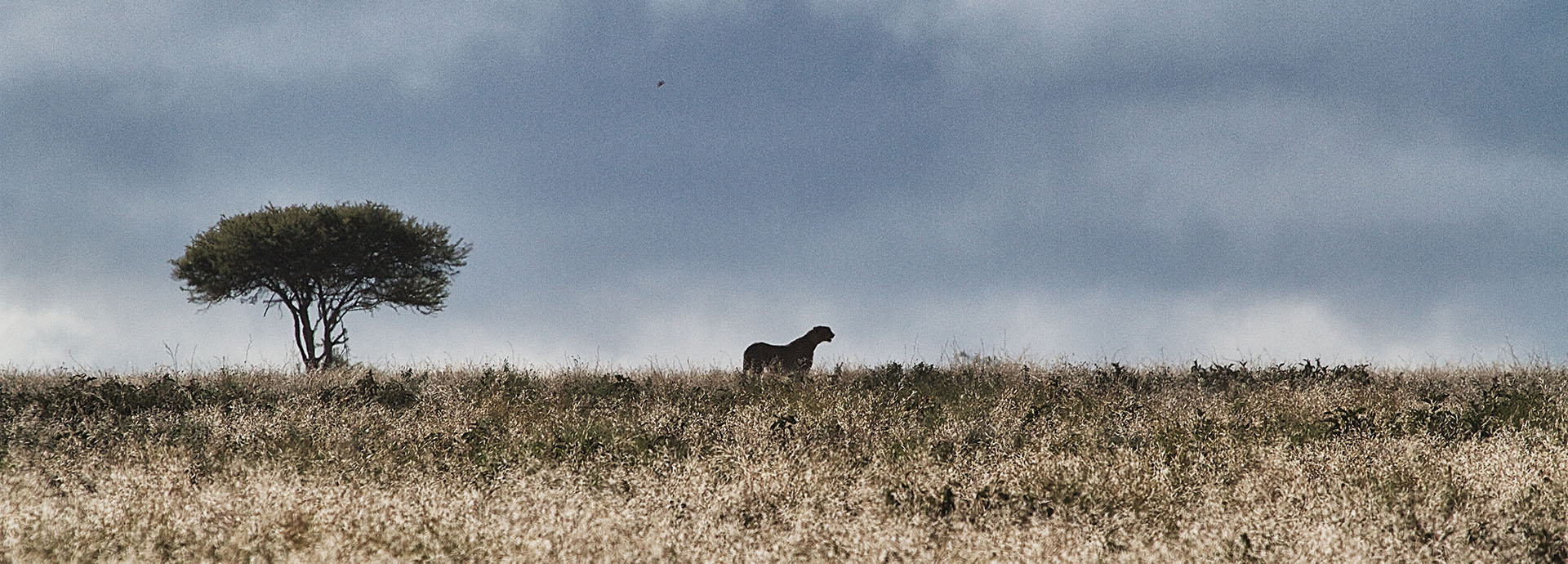
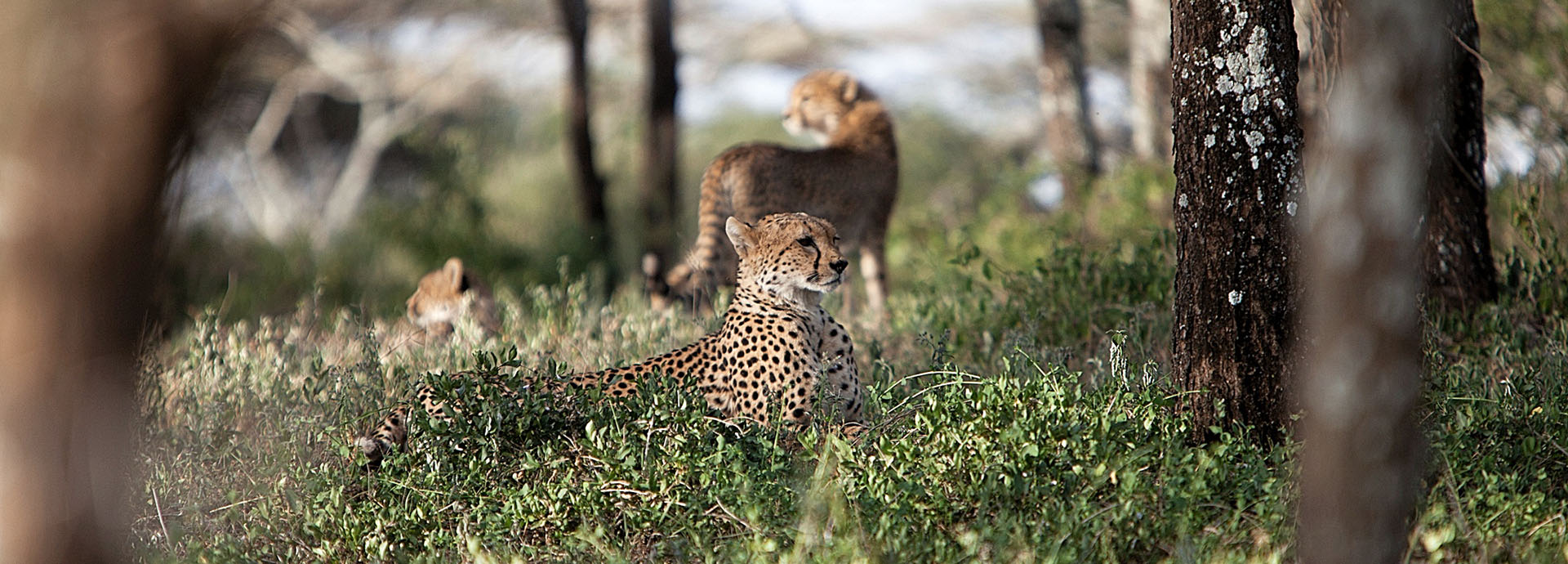
Set on the eastern plains of the Serengeti, Namiri Plains offers front-row seats to one of Africa’s most predator-rich regions. This exclusive camp features ten elegantly appointed suites, each designed with natural textures and panoramic views of the surrounding savannah, and an additional, newly-refurbished family suite. Renowned for exceptional cheetah and big cat sightings, the area is also a prime location for the Great Migration from November to June.... Read More
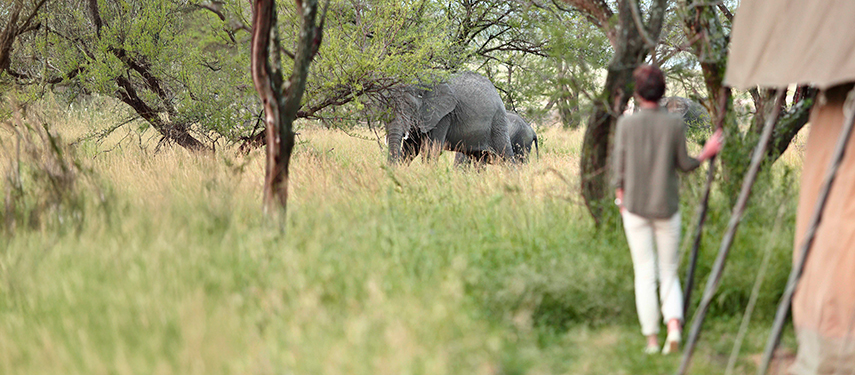
Olakira Migration Camp – Serengeti National Park
Follow the Great Migration in intimate safari style
Olakira Migration Camp by Asilia Africa is a mobile luxury camp that moves twice a year to shadow the Great Migration across the Serengeti. With nine spacious tents, including two designed for families, guests enjoy en suite bathrooms, solar-powered lighting, and stargazing tents with open-to-sky views. The camp blends rustic charm with refined hospitality, offering unforgettable wildlife encounters and immersive bush experiences in exclusive wilderness locations.... Read More
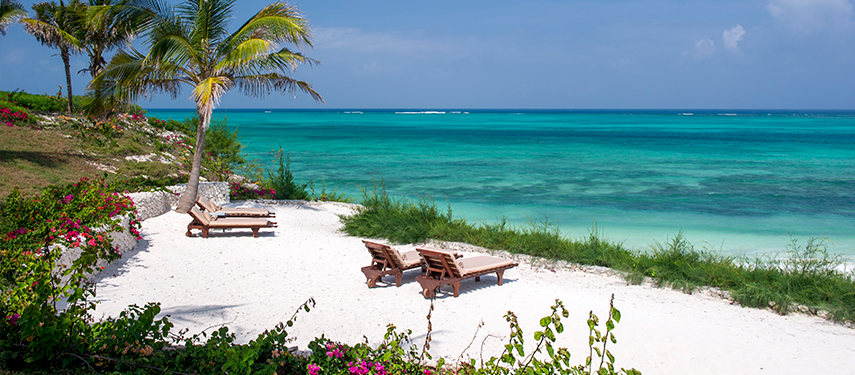
Zawadi Hotel – Zanzibar
Coral reefs, mangroves & red colobus
Being small and exclusive, this peaceful hideaway offers the best of idyllic island life on Zanzibar. The nine private villas are secluded and spacious with over 100m2 of ocean-facing space to enjoy. Lying in one of the most coveted locations, Zawadi is relaxed luxury at its best. A place where you can unpack, unwind and luxuriate.... Read More
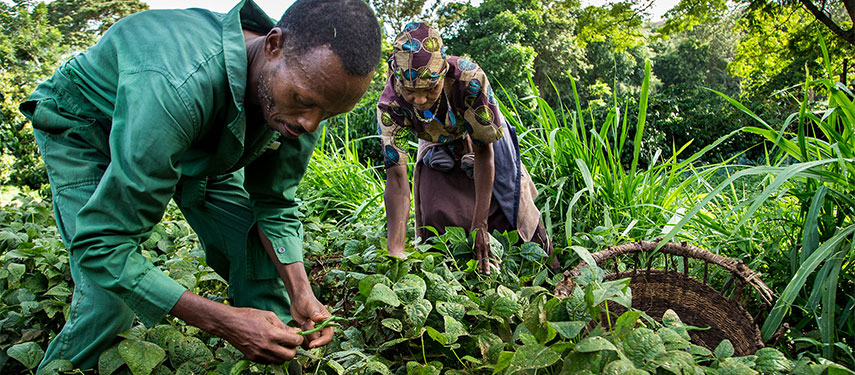
Gibb’s Farm – Ngorongoro Foothills
Coffee estate guesthouse
First constructed by a German farmer in the 1930's to be the homestead of a large coffee plantation, Gibb's Farm is now a warm and inviting safari lodge that imparts a sense of well-being and tranquillity as you take in the beauty of nature, relax into the rhythm of farm life and experience the warm hospitality of the local community.... Read More
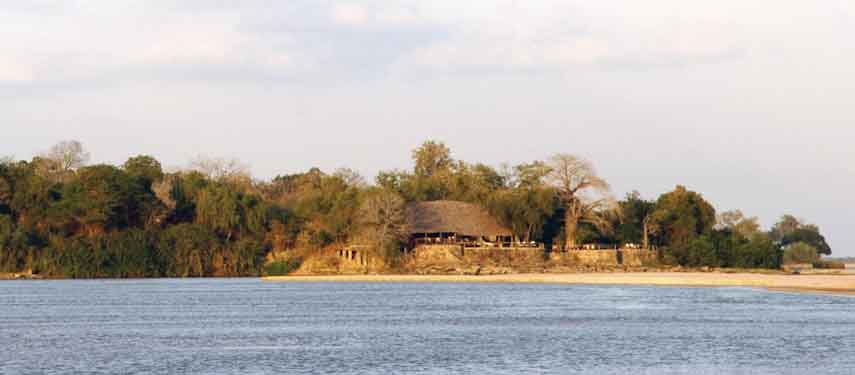
Sand Rivers – Nyerere National Park
Riverside camp for a total Africa immersion
Located in south-eastern Tanzania Sand Rivers delivers in offering an intimate stay in a region that is truly remote and unspoilt, without a trace of human habitation beyond the few camps north of the great Rufiji River. Whether you choose game drives, walking safaris, fishing or boating the experience never disappoints.... Read More
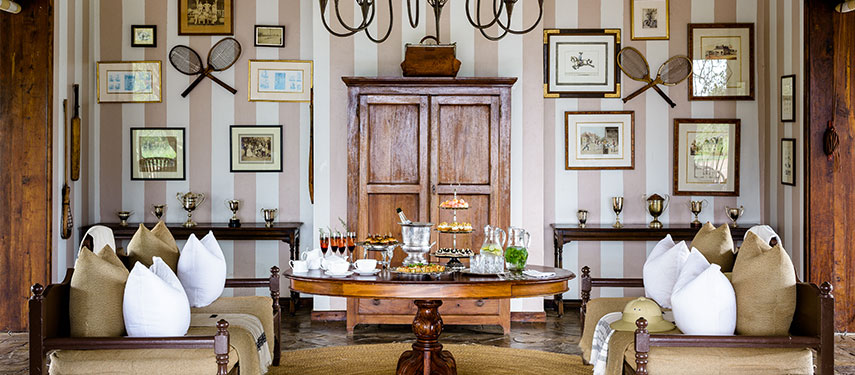
Singita Sasakwa – Serengeti National Park
A sense of grandeur in the Serengeti
Sasakwa Lodge offers panoramic and awe-inspiring views over the iconic Serengeti plains – an iconic safari destination and the stage for the Great Wildebeest Migration. The lodge is built in the grand style of an English manor home blending quaint charm with the drama and predator action which surrounds the moving herds.... Read More
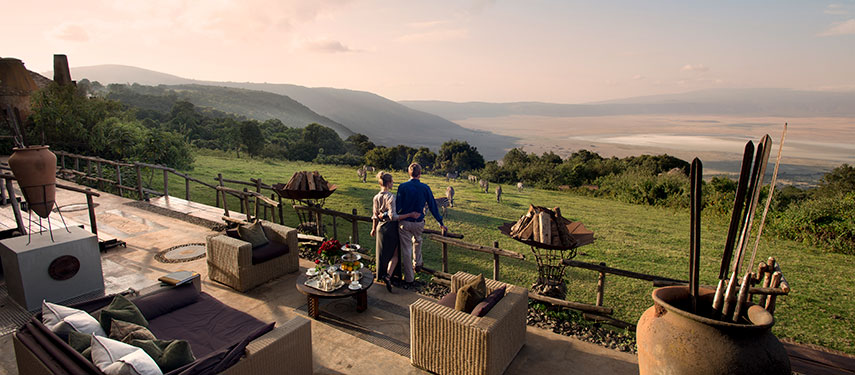
Ngorongoro Crater Lodge – Ngorongoro Crater
Luxury Lodge with sublime Crater views
Ngorongoro Crater Lodge is one of the most architecturally spectacular safari lodges in Africa. Glancing outside you are instantly transported into one of Africa's most famous landscapes as you enjoy the sheer indulgence of sunken baths, massages, a personal butler and arguably one of the best views in the world.... Read More
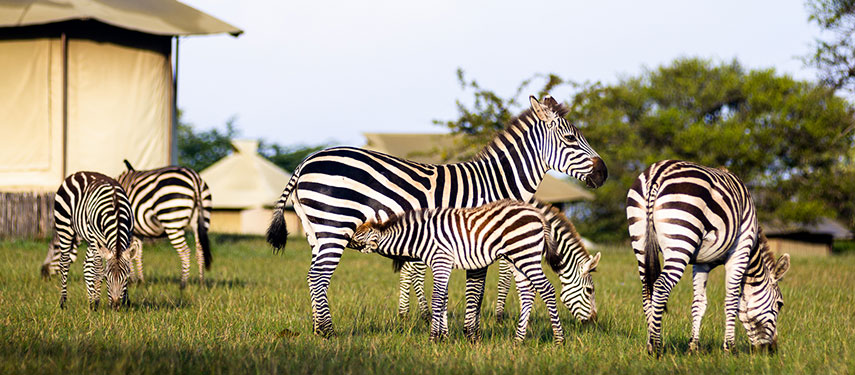
Singita Sabora – Grumeti Reserve
Opulent 1920s-style explorer’s camp
Singita's Sabora Camp affords you the opportunity to experience the elegant safari lifestyle of Hemingway, Blixen and Roosevelt. The lavish tented camp has been gracefully decorated in rich fabrics and professionally guided daily activities will allow you to explore the encompassing wilderness in truly authentic safari style.... Read More
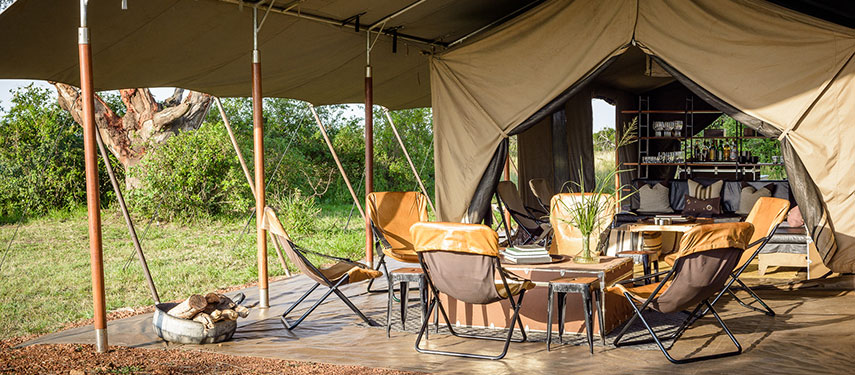
Singita Explore – Grumeti Reserve
Exploratory private luxury tented camp
Enjoy an authentic safari experience in an area boasting game rich savannahs and stunning natural beauty during your stay at Singita Explore. This luxury mobile camp has been purposefully built for private-use and a stay here places you in the heart of the action where the sense of luxury is undeniable and one of true immersion.... Read More
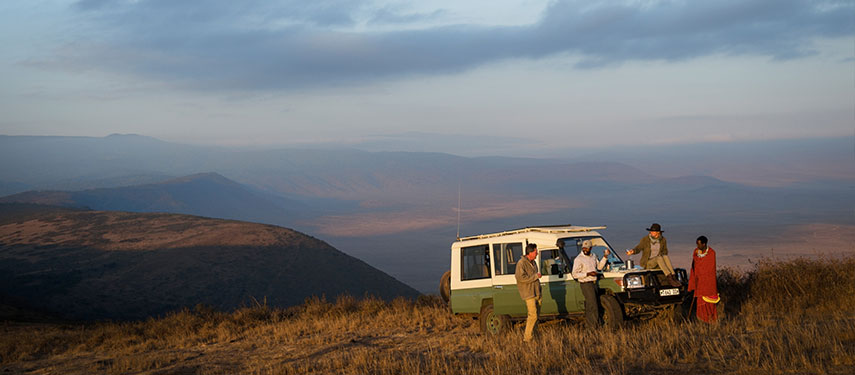
Entamanu Ngorongoro – Ngorongoro Crater
Ngorongoro benchmark
Watch the sunrise over the Ngorongoro Crater, and set over the Serengeti from the stunning Entamanu Ngorongoro. There is no safari experience like Ngorongoro, one of Africa’s most iconic wildlife destinations, and will have a piece of it all to yourself from this idyllic retreat in a privileged location.... Read More

Alex Walker’s Serian Serengeti – Serengeti National Park
Moving with the migration in style
At Alex Walker's Mobile Serengeti South, set up from mid-December to May, stay in one of 6 spacious and comfortable tents in prime position to witness the wildebeest birthing season. The area is surrounded by predators ready to feast, zebra dotting the landscape and there is also the chance to spot wild dog.... Read More
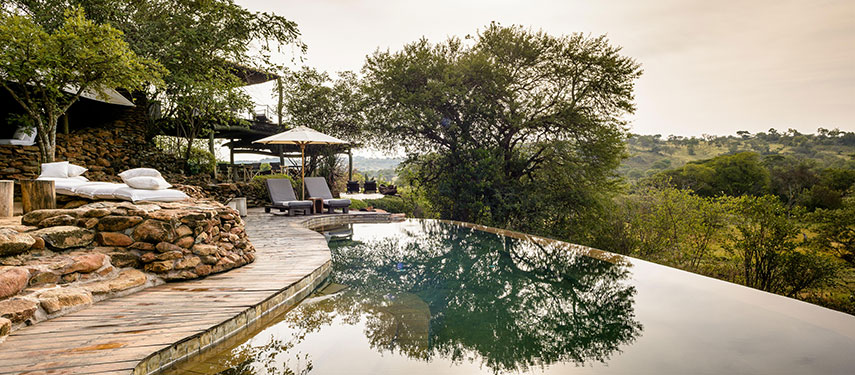
Singita Faru Faru – Grumeti Reserve
Serengeti safari chic
Singita Faru Faru Lodge is built in the style of a classic East African safari camp, with the suites and lodge areas decorated as a throwback to the timeless Colonial era. The professionally guided activities include game drives in open vehicles, walks, night drives, mountain biking, and access to an equestrian centre.... Read More
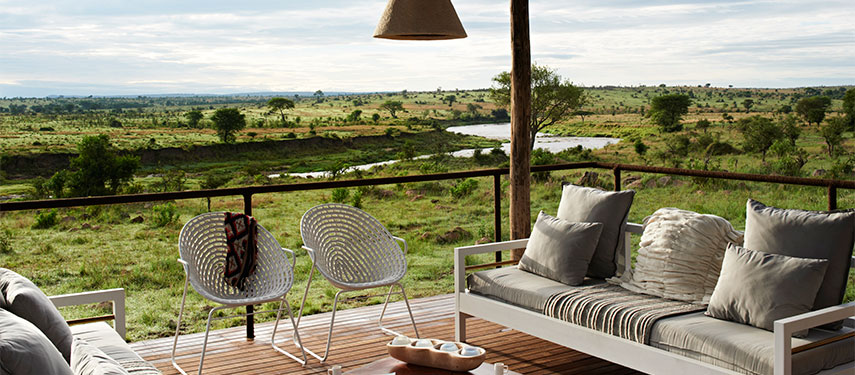
Singita Mara River Tented Camp – Lamai Triangle
Serengeti finesse
Singita Mara Tented Camp offers direct access to the world-renowned Mara River in the Lamai triangle, the northern most tip of the Serengeti National Park in Tanzania. The camp's natural and relaxed styling perfectly compliments its remote and isolated location resulting in an exhilarating connection to the sights and sounds of the surrounding bush.... Read More
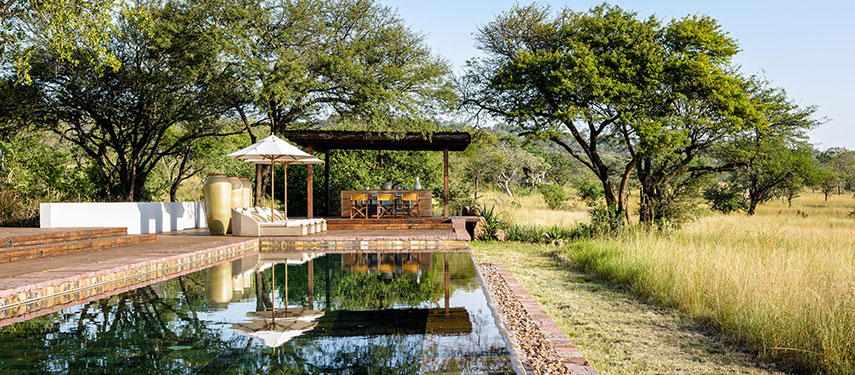
Singita Serengeti House – Grumeti Reserve
A private retreat for family and friends
Singita Serengeti House was specifically designed to welcome families and friends. It is the perfect base for a personalized adventure, impeccable service, a little luxury and a classic, game rich safari experience thanks to its location within a reserve that forms an integral part of the Serengeti-Mara ecosystem.... Read More
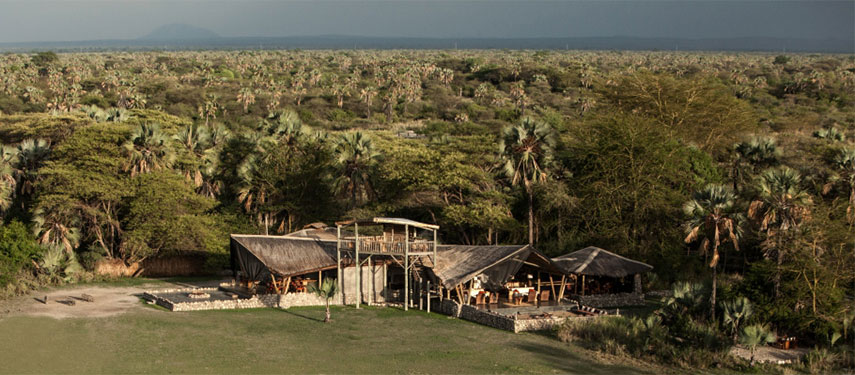
Chem Chem Lodge – Lake Manyara
Active Tanzania
Chem Chem is situated within a privileged area between Tarangire National Park and Lake Manyara. Experiences on offer include game drives, walking (or running!) with the Maasai, sundowners on Lake Manyara, animal tracking, photography, helicopter rides and more.... Read More
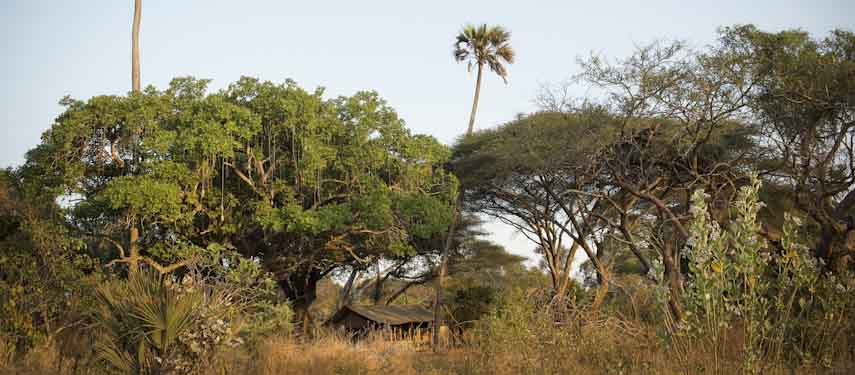
Chada Katavi – Katavi National Park
Remote Tanzania
Chada Katavi is stylish and wonderfully comfortable, but the camp’s footprint remains light. The game is everywhere and elephants frenquently visit camp, attracted to the shady fruit trees. Few people venture to Katavi National Park but it is one of Africa’s hidden treasures.... Read More
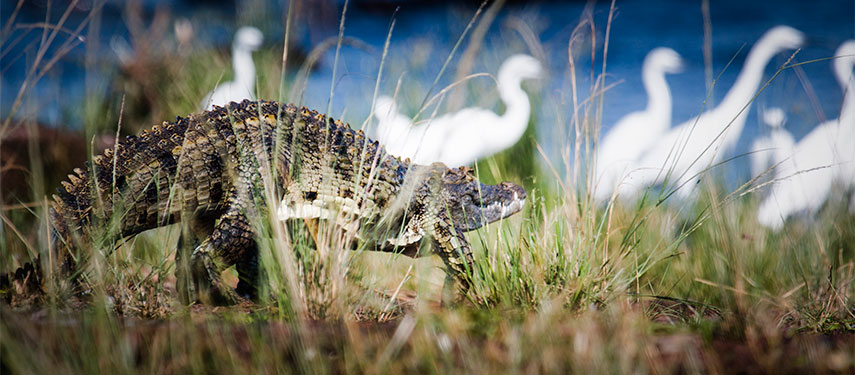
Rubondo Island – Lake Victoria
Chimpanzee island
Rubondo Island lies just off Tanzania in the southwest corner of the famous Lake Victoria - the second largest lake in the world. There is just one lodge on the island offering guided forest walks through wild chimpanzee territory. It is one of the most remarkable wilderness destinations on the planet.... Read More
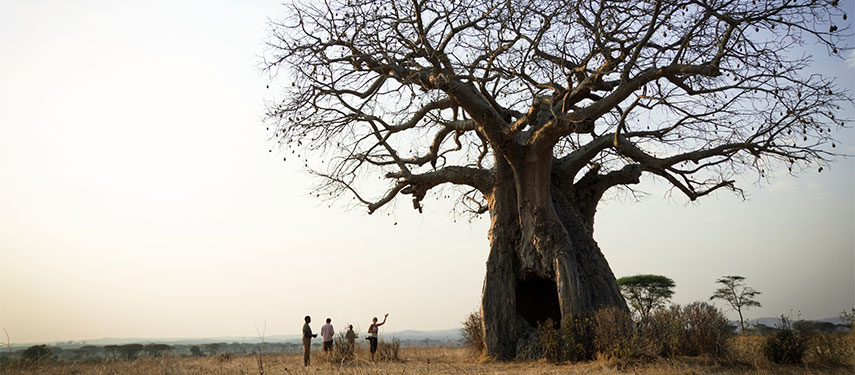
Kigelia Ruaha – Ruaha National Park
Mighty Ruaha
Kigelia Ruaha, named after the Kigelia Africana, or ‘Sausage Trees’ which surround camp, sits in an area full of game within Tanzania's vast and remote Ruaha National Park. It is not uncommon to find elephants walking along the paths connecting the tents!... Read More
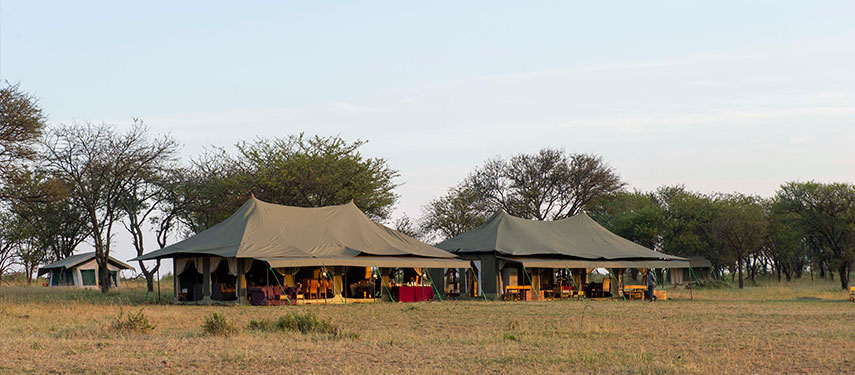
Kaskaz Mara – Serengeti National Park
River Crossing Craziness
Kaskaz Mara Camp is just a short drive from the exciting Mara River viewing area, a prime spot to watch herds of blue wildebeest plunge into the infamously perilous Mara River. The resident game here is also prolific for a fantastic year-round safari experience.... Read More
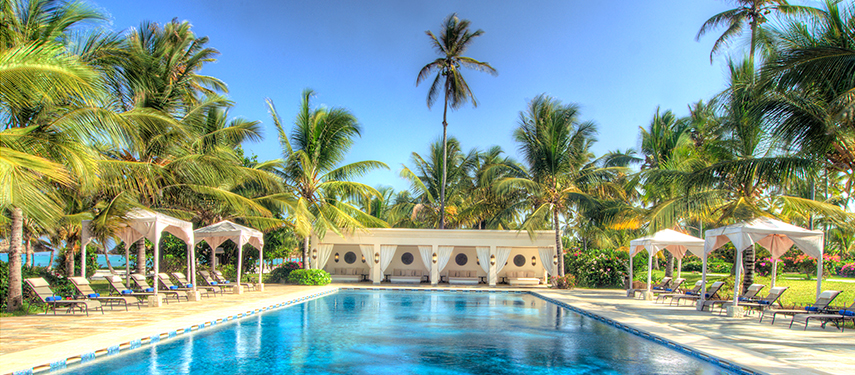
Baraza Resort – Zanzibar
Spices, sand and Swahili style
This peaceful and exclusive resort is located just 50 minutes from Stone Town on the pristine Bwejuu beach, and was once named as one of the top 30 island beaches in the world by Conde Nast Traveller magazine. It is undoubtedly one of Zanzibar’s most exclusive boutique resorts.
...
Read More
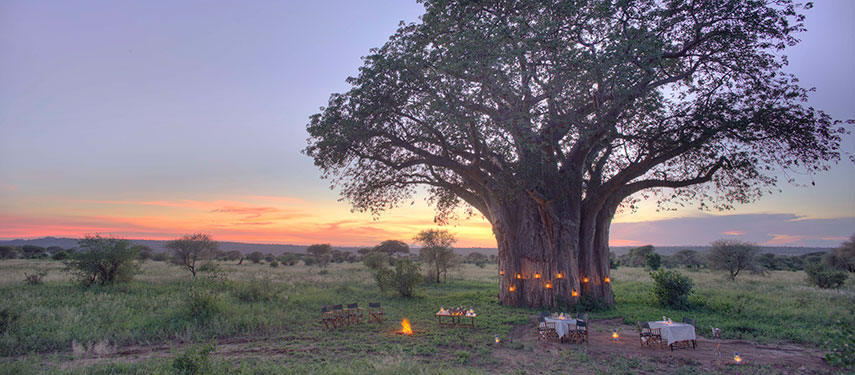
Tarangire Ndovu Camp – Tarangire National Park
Exploratory Tanzania
Nasikia Tarangire Ndovu Camp is located in an area known for its massive elephant herds and ancient baobabs. The camp is not permanent, but instead built each year between the months of June and October, when huge elephant herds travel through the area.
...
Read More
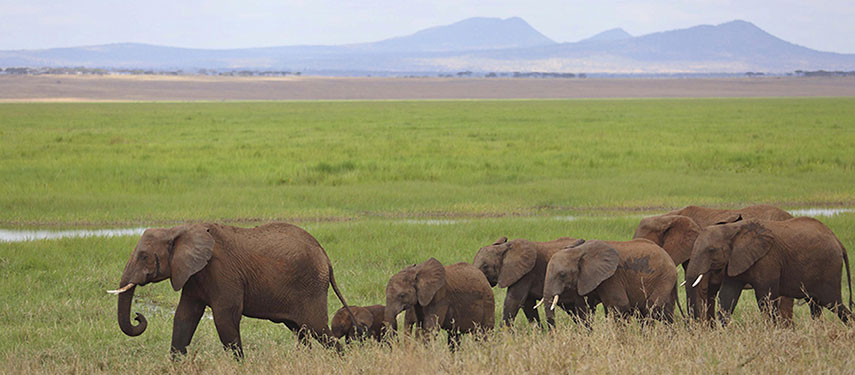
Oliver’s Camp – Tarangire National Park
Lush wilderness of the Tarangire
Located in the remote south of Tarangire National Park, Oliver’s Camp offers a privacy and exclusivity rarely found inside a national park. Ideal for those who really want to experience nature in its purest form, Oliver’s Camp offers undisturbed open vehicle game drives, adventurous private fly camping (on request) and walking safaris.... Read More
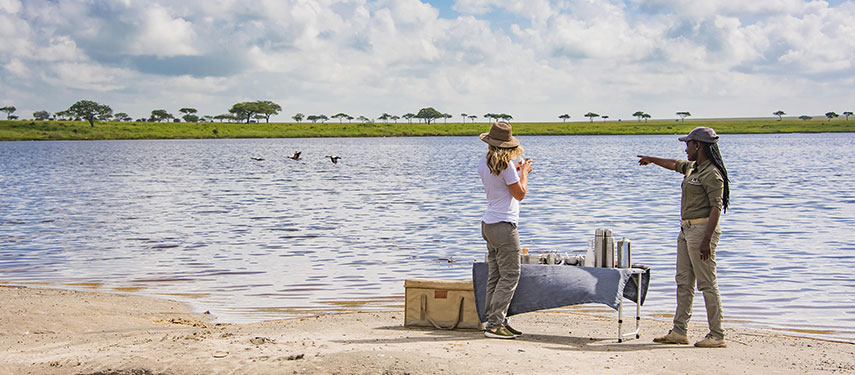
Dunia Camp – Serengeti National Park
Heart of the Serengeti
This seasonal camp is located in the Moru Kopjes in the central Serengeti, giving you access to a prime game viewing area. Morning and afternoon game drives at Dunia Camp are unlike anything else in the Southern Serengeti and it is not uncommon to be out all day - there is so much to see!... Read More
A collection of safaris in Tanzania
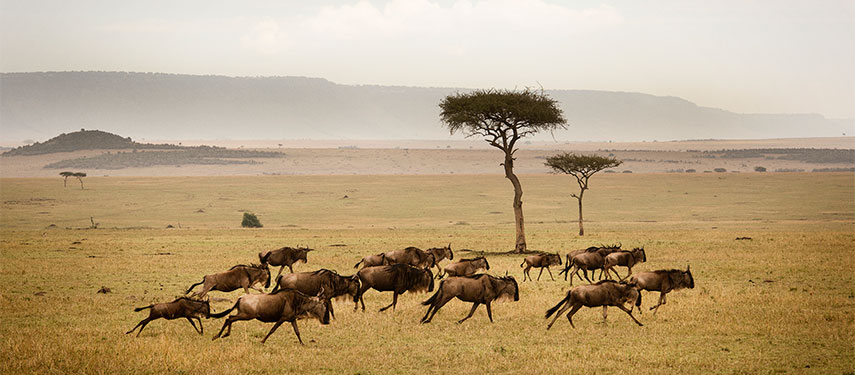
Migration Madness
Inspiration Itinerary | Tanzania's Serengeti
The Serengeti National Park in Tanzania is the ultimate safari destination, especially from mid-June to October when the annual wildebeest migration flows into the northern reaches of the park. The perfect safari includes 3 nights at Namiri Plains in the centre of the park, followed by 3 nights at Sayari Camp in the north of the park, close to the Mara River famed for its crocodile infested waters....Read More
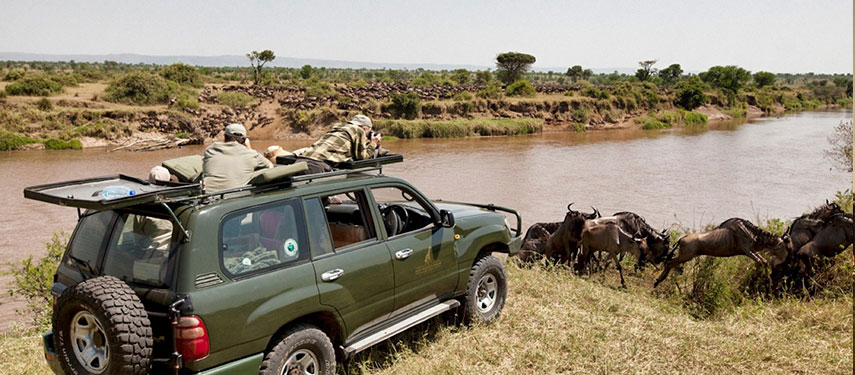
Alex Walker’s Serengeti
Wildlife Safari | Tanzania's Wildebeest Migration
The Serengeti offers the ultimate safari experience. Alex Walker’s Serian Camp moves periodically to take full advantage of the incredible wildebeest migration. At its peak, you can join 1.6 million gnus in the far north of the park. You will have your own private safari vehicle and dedicated guide and the safari experience is exceptional, including walking safaris, unlimited 4WD game drives and night drives. This trip also includes a full day safari to the iconic Ngorongoro Crater....Read More
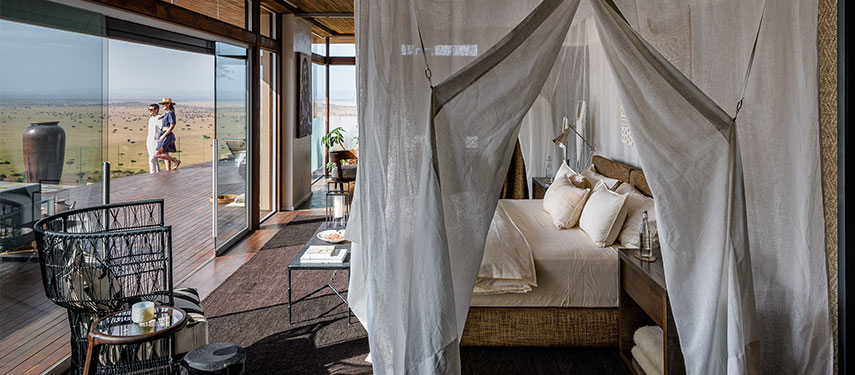
Bush Luxury Tanzania
Inspiration Itinerary | Singita Grumeti Serengeti
Singita offers unadulterated luxury in the African bush. The Grumeti is a 350,000 acre reserve and is an extension of the Serengeti National Park. Fly from Arusha, across the vast Serengeti plains to the Grumeti and spend 3 nights at Singita Sabora followed by 3 nights at Singita Sasakwa. While soaking up the luxury surroundings and exceptional levels of service offered by Singita, you'll enjoy guided walks, 4WD game drives, stargazing and community visits. ...Read More
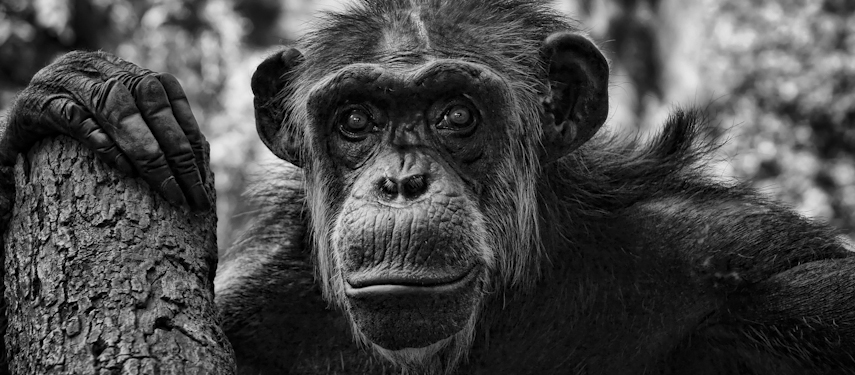
Tanzania Beast Retreat
Flying Safari | Wildlife & Chimpanzees
In one of the most remote places in Africa you will visit two safari destinations. Katavi National Park offers walking safaris and 4WD game drives, while the Mahale Mountains is all about wild chimps. Greystoke Mahale camp offers barefoot luxury, surrounded by the most privileged primates on the planet. With just 6 thatched bandas in camp, you are isolated from people and the modern world, and will be mesmerised by the complex social maneuverings of the chimps....Read More
Tanzania: Frequently Asked Questions
Tanzania rewards visitors year-round, but timing shapes the experience profoundly. The dry season from June to October delivers exceptional game viewing across the northern parks, as thinning vegetation concentrates wildlife around permanent water. This is also the period of the famous Mara River crossings in the far north of the Serengeti. From January to March, the southern Serengeti becomes a calving ground, where vast numbers of wildebeest give birth — drawing lion, cheetah and hyena in force and producing some of the most dramatic predator encounters of the year. Zanzibar is most reliably dry between June and October, and again in January and February.
Northern Tanzania — the Serengeti, Ngorongoro Crater, Lake Manyara and Tarangire — is Tanzania’s classic circuit: accessible, superbly serviced and reliably rewarding. Southern Tanzania is an altogether different proposition. Nyerere National Park and Ruaha are vast, far less visited and rarely traversed by vehicle. Walking safaris and boating safaris on the Rufiji River replace the open-vehicle game drive, encounters feel genuinely remote, and wildlife — particularly lion, elephant, wild dog and greater kudu — exists in remarkable densities with almost no tourist pressure. The south suits safari enthusiasts seeking depth over spectacle.
Absolutely. Tanzania is one of the most welcoming safari destinations for first-timers, combining reliable infrastructure in the northern parks with some of Africa’s most iconic wildlife experiences. The Serengeti–Ngorongoro circuit is well-established and served by lodges of an exceptionally high standard. Fly-in itineraries minimise long road transfers and maximise time on game. For those wanting a natural transition out of the bush, a few nights on Zanzibar at the end of the itinerary provides exactly that — white-sand beaches and turquoise water after the dust and drama of the plains.
Tanzania’s resident wildlife is extraordinary in its own right. The Ngorongoro Crater supports some of the highest predator densities in Africa — black rhino, lion, leopard, cheetah and spotted hyena are all present — alongside over 400 bird species. Tarangire holds exceptional elephant numbers during the dry season, when herds can reach into the hundreds. Ruaha is one of Tanzania’s best destinations for wild dog and greater kudu. In Mahale Mountains, wild chimpanzees — our closest living relatives — can be trekked through forested slopes above Lake Tanganyika. Off the southern coast, Mafia Island offers the world’s longest whale shark season, with sightings near-guaranteed between October and March.
A focused northern circuit covering the Serengeti, Ngorongoro Crater and either Lake Manyara or Tarangire works well across 8 to 10 days, allowing meaningful time in each area. Extending south to Ruaha or Nyerere adds another 4 to 5 days. Those climbing Kilimanjaro should budget 7 to 9 days for the ascent alone depending on the chosen route — acclimatisation days are essential, not optional. Adding Zanzibar for post-safari recovery requires a minimum of 3 nights to do it justice. A comprehensive itinerary combining the northern parks, southern Tanzania, Kilimanjaro and the islands comfortably spans 18 to 21 days.
Combining a Tanzanian safari with Zanzibar is one of East Africa’s most satisfying travel pairings and is logistically straightforward. Short domestic flights connect Dar es Salaam, Kilimanjaro International and the Serengeti airstrips directly to Zanzibar, keeping transit times minimal. Most travellers position Zanzibar at the close of their itinerary — the contrast between the red dust of the Serengeti and the calm of Mnemba Island or Matemwe Beach is one of Tanzania’s great pleasures. Stone Town, Zanzibar’s UNESCO World Heritage-listed historic quarter, is worth a day or two for its carved merchant doors, spice bazaars and Arab-influenced waterfront architecture.
Tanzania: A Glossary of Terms
- Serengeti — Derived from the Maasai word Siringet, meaning “endless plains”; Tanzania’s most celebrated national park, spanning 14,763 km² and forming the Tanzanian half of the Serengeti–Mara ecosystem through which the annual migration circuits.
- Great Migration — The annual, roughly clockwise movement of approximately 1.5 to 2 million wildebeest and 500,000 zebra as they follow seasonal rainfall and fresh grazing between the southern Serengeti, the western corridor and the Maasai Mara in Kenya.
- Calving Season — The period between January and March when the majority of wildebeest give birth on the short-grass plains of the southern Serengeti; an extraordinary wildlife spectacle in its own right, drawing dense concentrations of lion, cheetah and hyena.
- River Crossing — The dramatic moment when wildebeest and zebra plunge through the crocodile-patrolled Mara River during the northern leg of the migration; timing and location are critical, and crossings are unpredictable — patience is essential.
- Kopje — Isolated outcrops of ancient granite that break the flat expanse of the Serengeti plains; serving as elevated vantage points and resting sites for lions and leopards, and among the most photographically distinctive features of the Tanzanian landscape.
- Ngorongoro Caldera — The world’s largest intact and unflooded volcanic caldera, formed approximately 2 million years ago when a giant volcano collapsed inward; its enclosed ecosystem supports some of the highest predator densities in Africa.
- Rufiji River — Tanzania’s largest river by volume, flowing through Nyerere National Park; its banks and seasonal floodplains concentrate hippo, crocodile, elephant and plains game, and are the setting for Nyerere’s distinctive boating safari experience.
- Uhuru Peak — The highest point on the crater rim of Kibo, one of Kilimanjaro’s three volcanic cones, and at 5,895 metres the highest point on the African continent. Uhuru is Swahili for “freedom.”
- Stone Town — The historic heart of Zanzibar City and a UNESCO World Heritage Site; a dense quarter of coral-stone buildings, ornately carved wooden doors, Arab merchant houses and spice markets reflecting Zanzibar’s centuries as a hub of Indian Ocean trade.
- Fly Camp — A minimalist overnight camp set in open bush away from the main lodge, typically comprising simple bedrolls, a campfire and a guide sleeping alongside guests; designed to deliver an unmediated, immersive experience of the African wilderness with no barriers between traveller and environment.
The Classic Safari Company offers so much experience and passion! Every aspect of our experience in Kenya and Tanzania was planned to perfection!
Jo-anne & Dean Mifsud
Tanzania from the wild chimpanzees in the west to the great migration of the Serengeti, this is a country waiting to be explored!
Julia Salnicki - African Specialist
Everything was perfect! Advice and information on destinations and activities hit everything I had hoped to experience. I contacted the Classic Safari Company upon recommendation and have now, in turn, recommended to others.
Tim Bradley
The Classic Safari Company is the best I have dealt with. Extremely knowledgeable & professional, friendly, patient & understanding of first timers to Africa.
Annette Whiley
If you want the most sensational experience in Africa let Julia and the staff at Classic Safari Co plan it for you! Their knowledge, expertise and enthusiasm for their job means your every wish will be fulfilled.
Miriam & Joseph Harrison
Classic Safari Company were brilliant - 10/10
Di & Kingsley Yates
Absolutely everything was first class & so well organised.
Simon & Jackie Adams
Classic Safari is the place to go to for "top end" adventure travel.
Ron & Alison Guthrie
Thank you so much for putting together the most memorable holiday for us. The experiences we have had in the last couple of weeks have gone beyond all expectations.
Jane & Col Loveday
Classic Safari are the people who genuinely know other culture and offer incredible insight to perfectly meet your expectations.
Melanie McMillan & Iain Jones
An absolutely fantastic travel company - every one of the many trips they have organised for us over 22 years have been faultless and fabulous.
Judith & Roger Williams
We loved it all. Our son wants to go back tomorrow. We would ALL go back again!
Laurence & Remi Cunningham