New Zealand | Aotearoa
Land of the Long White Cloud
New Zealand – Aotearoa | In Summary
- New Zealand is one of the few destinations on earth where genuine wilderness adventure and world-class wine and food exist in the same day’s itinerary — a heli-hike into Southern Fiordland in the morning, a private degustation at a Marlborough vineyard by evening.
- The country’s predator-free island sanctuaries and intensive conservation programmes have helped rescue species such as the kākāpō from near-extinction, making New Zealand a globally significant destination for wildlife travellers with a serious interest in conservation outcomes.
- Australian travellers benefit from a uniquely frictionless entry: no visa is required, the time zone differential is minimal, and flight times from Sydney, Melbourne or Brisbane range from approximately three to four hours — making New Zealand one of the most logistically effortless international journeys available to Australian luxury travellers.
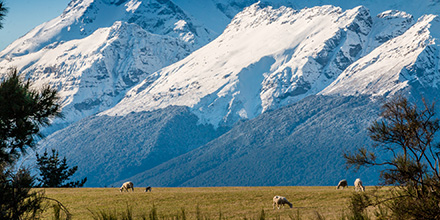
Active adventurers, foodies and nature nuts all rejoice in the lush bounty of New Zealand and it’s little wonder. Whether you’re into skiing or sauvignon blanc, it is the destination for cool climate explorations amidst epic landscapes.
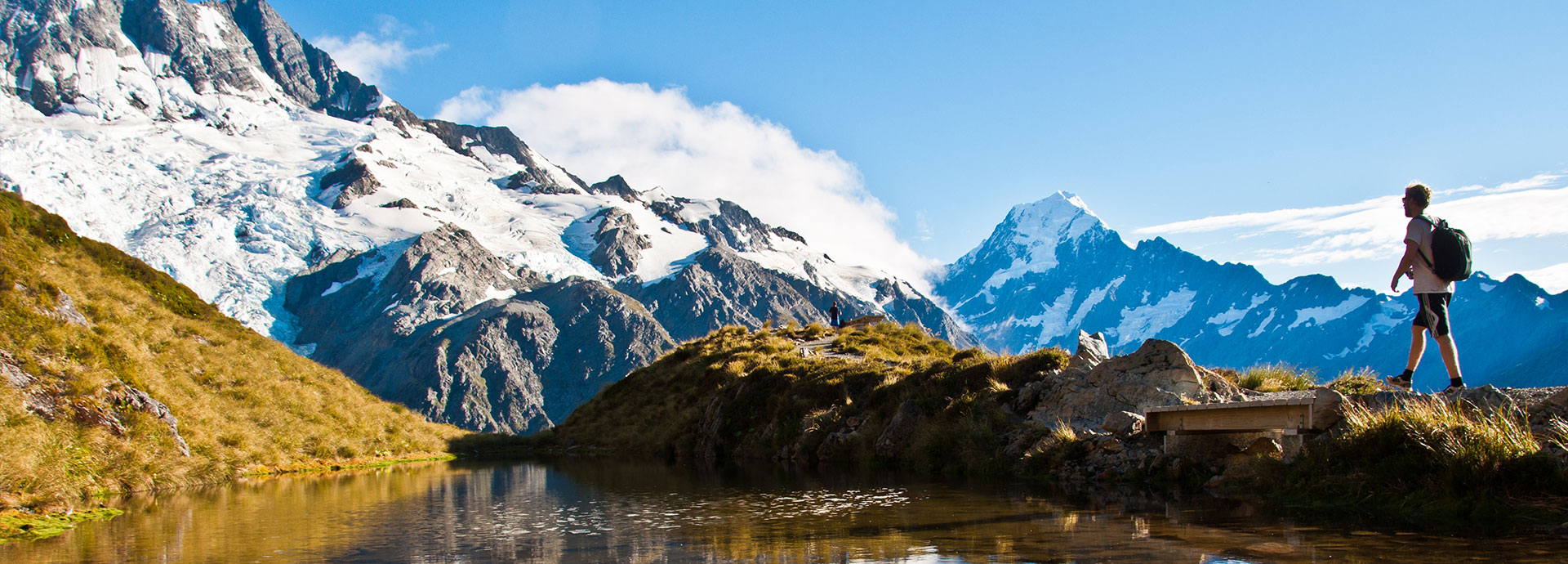
New Zealand’s ‘tramping’ (hiking to non-Kiwis) is legendary and iconic multi-day routes include the mountainous Milford Track and the sparkling Abel Tasman Coastal Track. Those in search of adrenaline need look no further than the jetboating, heli-skiing and bungee jumping on offer, yet those with more sedate tastes can enjoy stress free road trips and seamless logistics. Things in New Zealand just work.
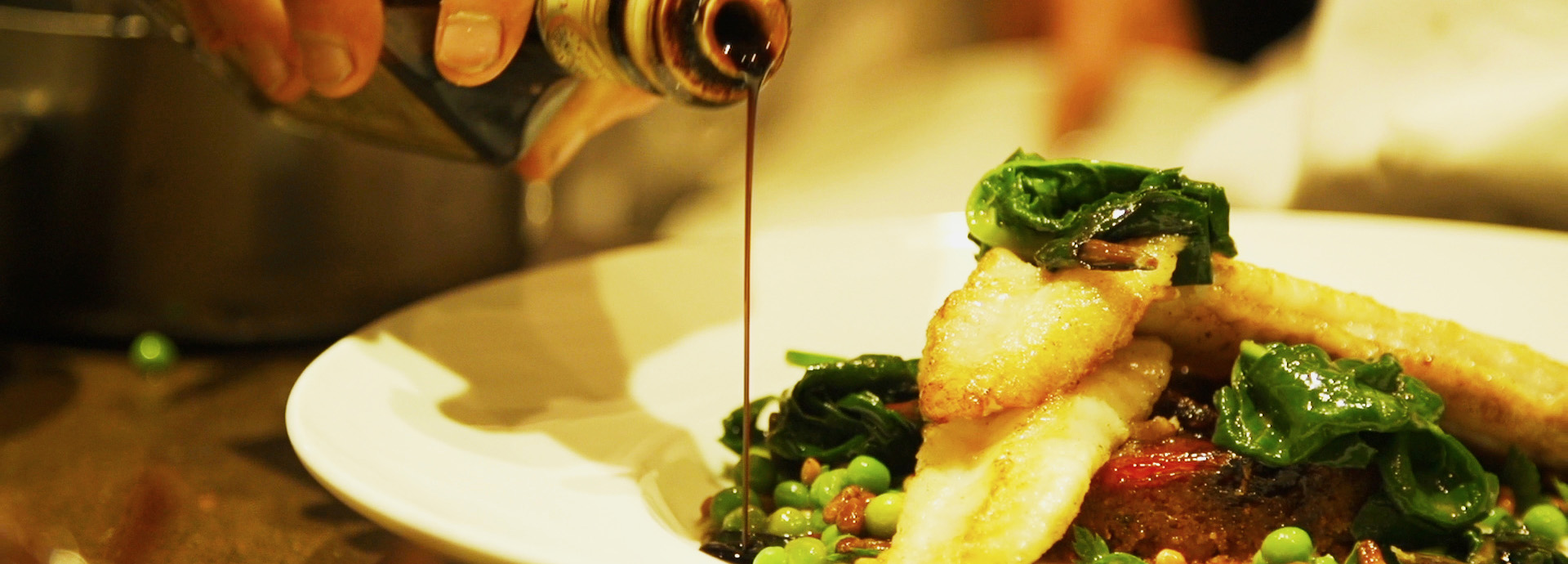
The gastronomy is really something and whether it be a steaming bowl of green lipped mussels at a beachside café, a traditional Māori hāngī, or a private degustation menu at a top-rated vineyard, the purity of the land sings through its produce.
You Will Love
- Epic landscapes & geothermals
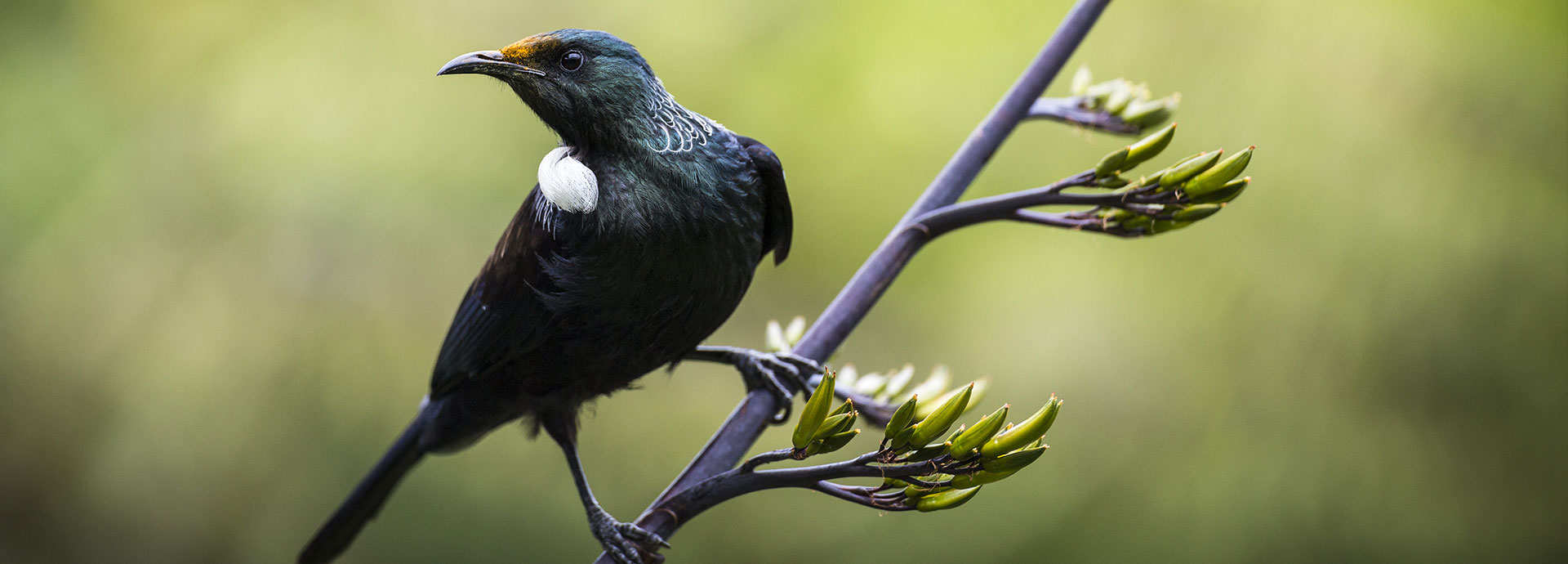
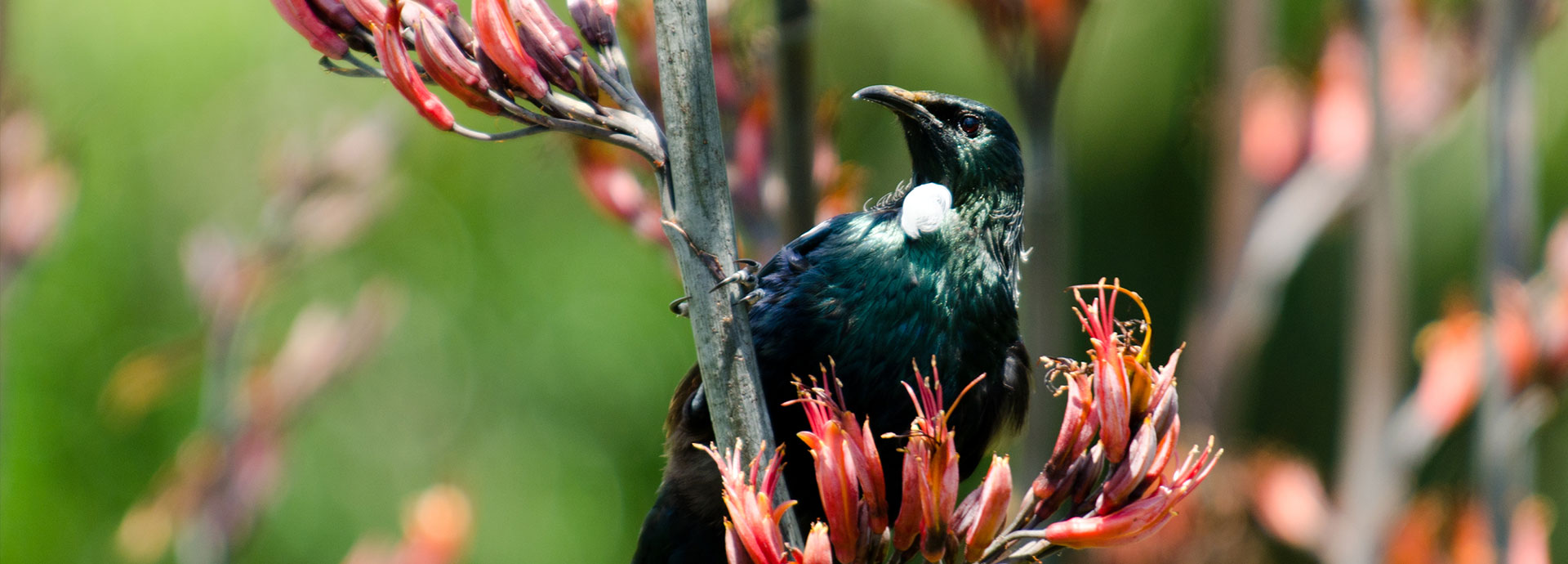
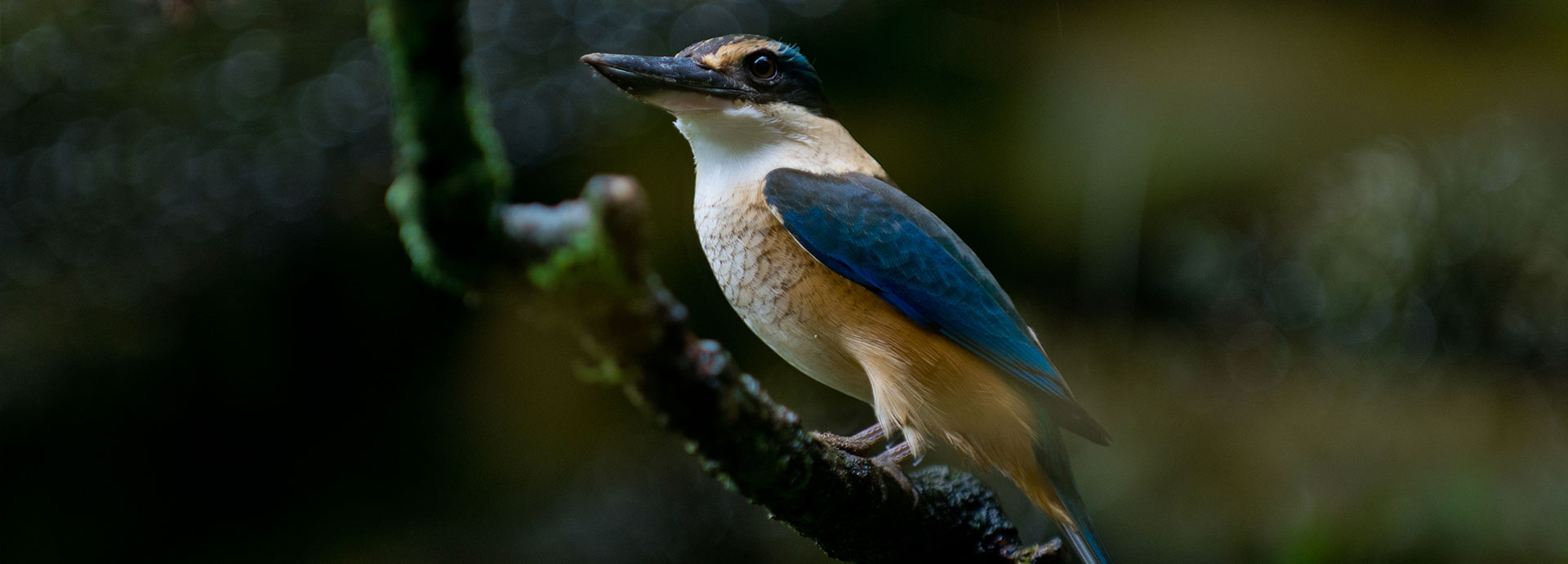
- Unique birding – kiwis, kakapos & tuis
- Sauvignon blancs & hearty pinot noirs
- Adrenaline & adventure
- Easy, comfortable travel
Let us design your perfect itinerary.
Unforgettable experiences in New Zealand
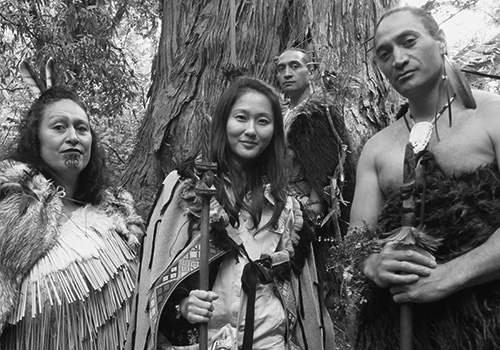
Experience a Maori Powhiri
Experience a Maori Powhiri
A private and personal experience meeting with a powerful, spiritual and cultural group of Maori people who enjoy sharing their culture with our visitors in a close and intimate environment. This most often includes a Powhiri, a f...
Glide over glaciers and into stunning Fiordland
Glide over glaciers and into stunning Fiordland
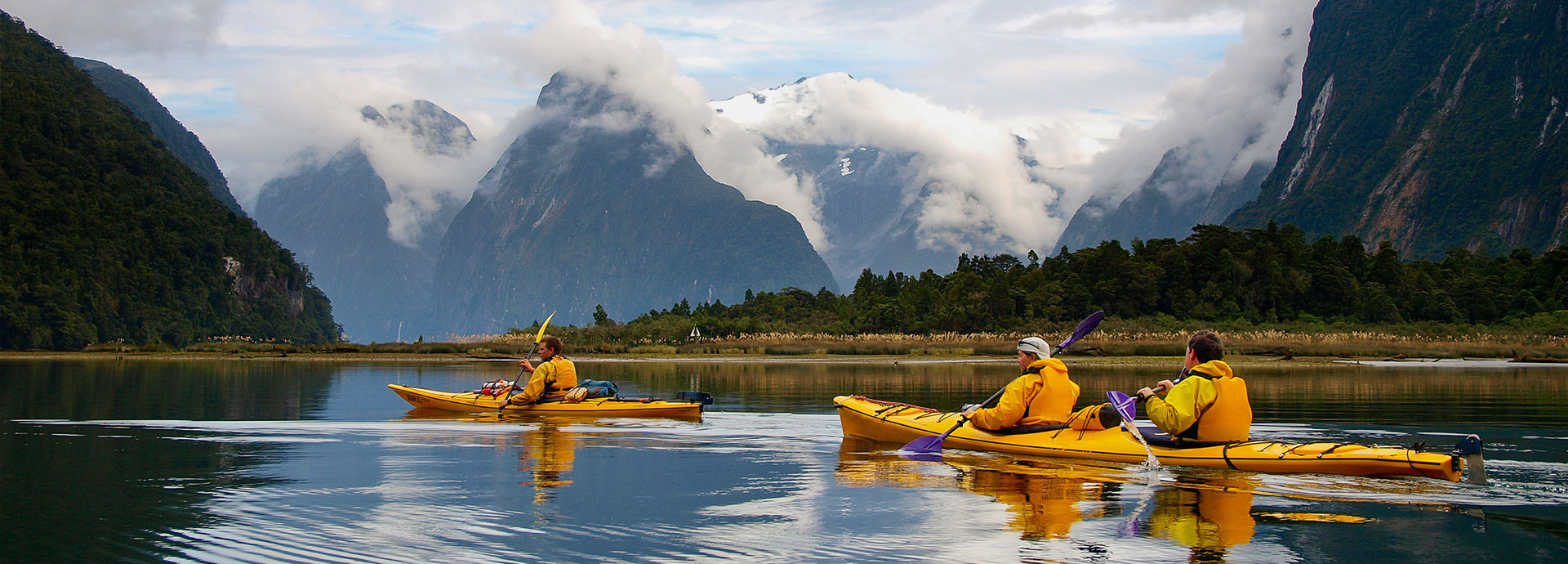
The magic of Fiordland and the Southern Glaciers is best explored by Helicopter with one of our legendary pilots. Away from the crowds of Milford Sound you can fly into the more Southern Fiords and have the peace and tranquillity ...
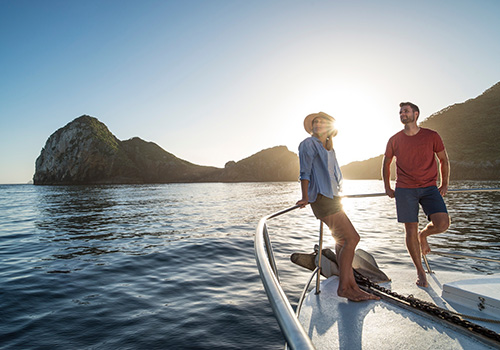
Skipper your own boat in the Bay of Islands
Skipper your own boat in the Bay of Islands
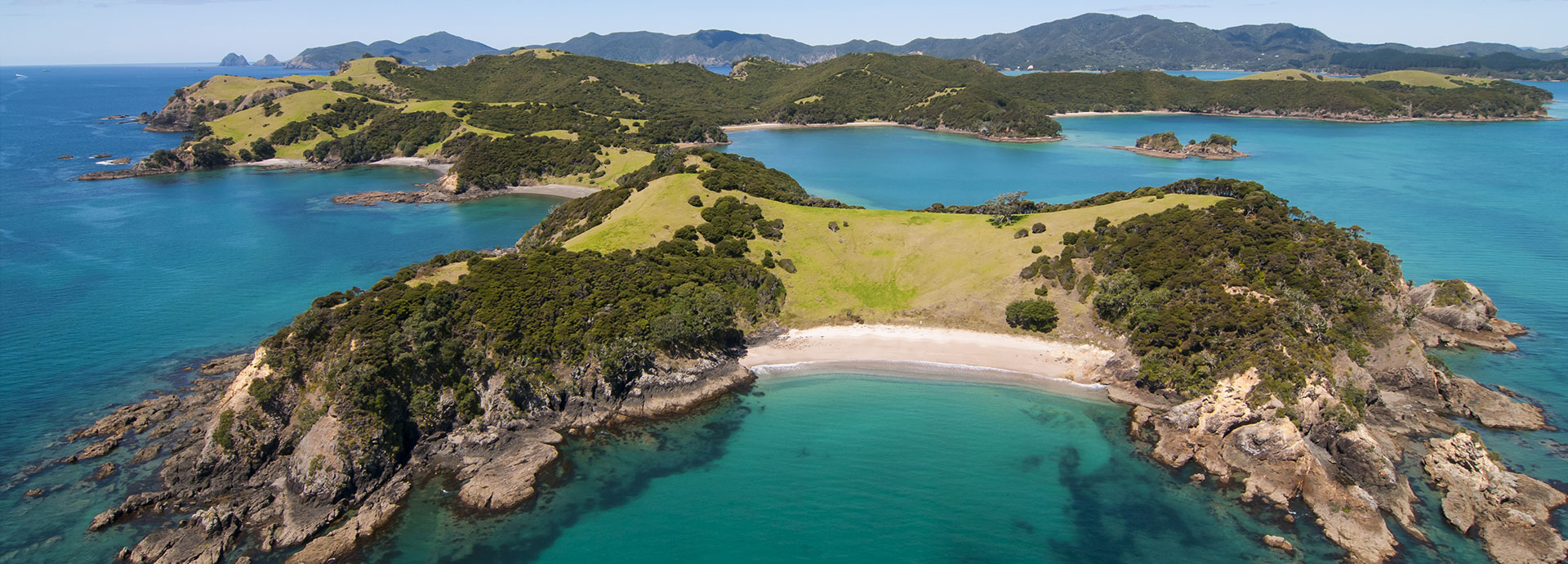
Skipper a boat to sail the subtropical micro-region of the Bay of Islands, known for its stunning beauty and history. The Bay of Islands encompasses 144 islands between Cape Brett and the Purerua Peninsula and includes the boutiqu...
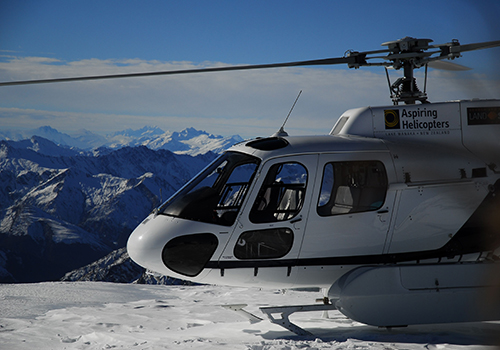
Heli hike in Southern Fiordland
Heli hike in Southern Fiordland
Head right out into the far depths of New Zealand's rugged wilderness areas of Southern Fiordland - incorporate a heli journey, hiking and perhaps even a jetboat experience. Go where no other tourists go, the air is fresh and the ...
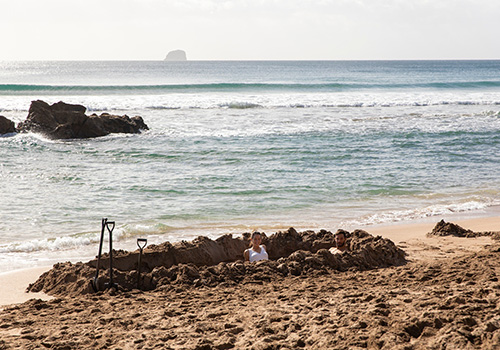
Dig your own spa at Hot Water Beach
Dig your own spa at Hot Water Beach
Spend a few nights over summer along the Coromandel Peninsula - enjoy the sun, surf, sand and the relaxed kiwi way of life. Two hours either side of low tide, pop on your swimmers, perhaps have a surf or a dip in the salty waters,...
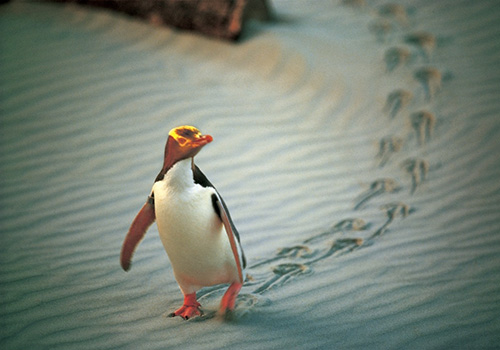
Visit Albatross Penguins in Dunedin
Visit Albatross Penguins in Dunedin
Why venture more than 10 hours on a plane from Australia, when you can travel only a few, enjoy a jam-packed journey of New Zealand's own if you wish, and have the opportunity to see Albatross Penguins! Explore the Scottish city D...
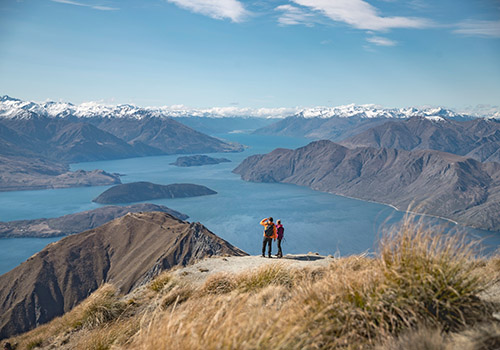
Hike up Roy’s Peak
Hike up Roy's Peak
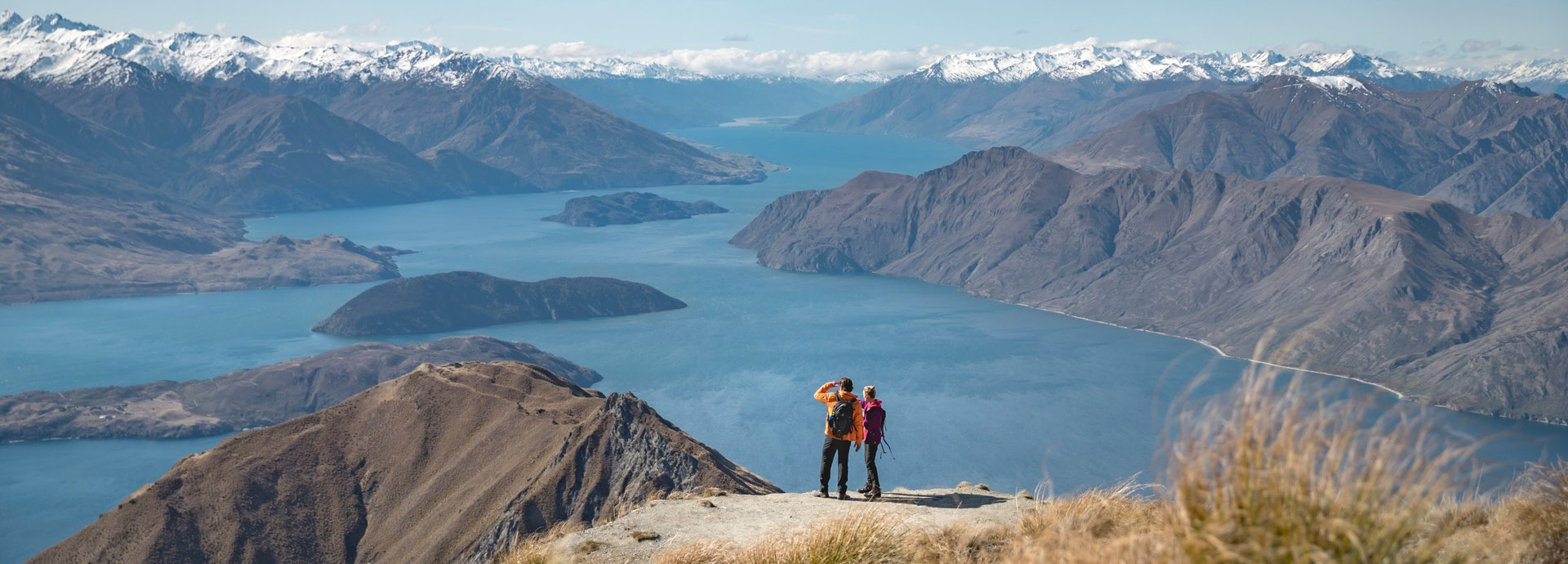
Located only a 5 minute drive from Wanaka lies the start of the Roy's Peak track. While a challenging 16km (1300m climb) which takes the average person 5-6 hours to complete round-trip, the views are absolutely worth it. Straight ...
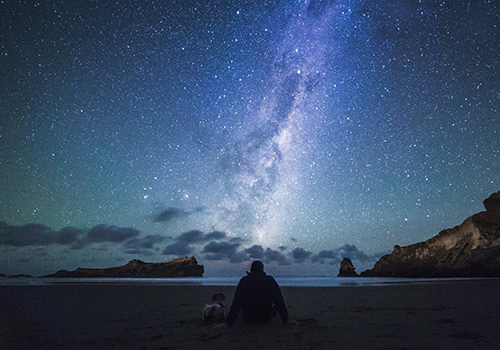
Star gaze at the Southern Cross in Tekapo
Star gaze at the Southern Cross in Tekapo
Acquaint yourself with the dark skies of Lake Tekapo, one of the world's best places for stargazing. Even just looking to the sky you will be astounded by the number of bright sparkling stars you can see. The Southern Cross, one o...
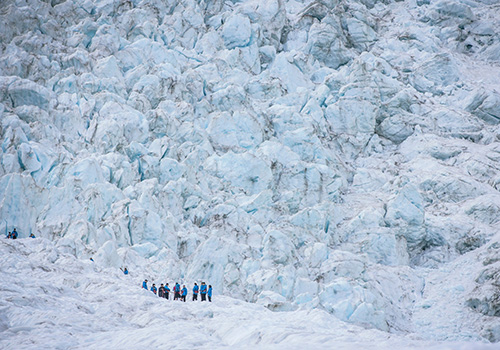
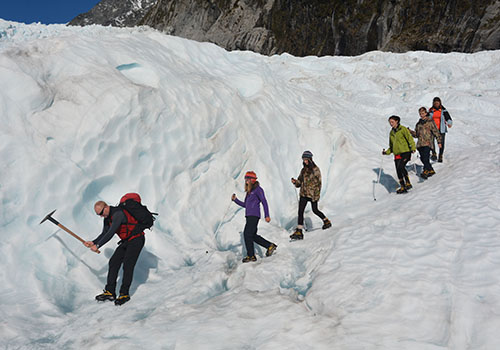
Glacier hike at Franz Josef
Glacier hike at Franz Josef
Franz Josef glacier is one of the most unique glaciers in the world - surrounded by temperate rainforest and it is one of the world's fastest-moving. Walk along the riverbed, explore the bush and get up close to the glacier, or ta...
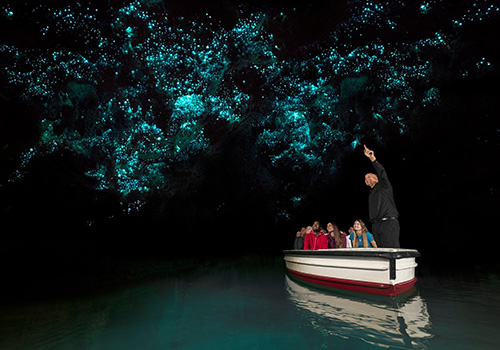
Spot glow worms at night in hidden areas of New Zealand
Spot glow worms at night in hidden areas of New Zealand
Many areas in New Zealand's North Island, once the sun is right down, have the charm that glow-worms start to appear. Head out on a lake in a kayak, bushwalk some of the local tracks, explore nearby caves and without any lights (p...
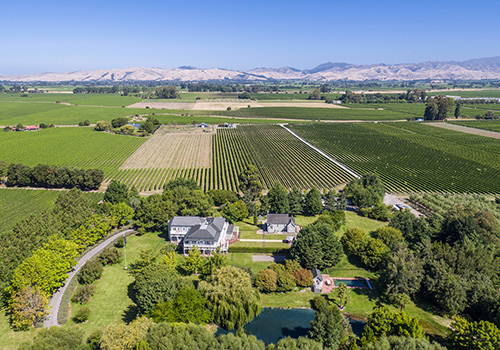
Head out on an exclusive wine tour in Marlborough
Head out on an exclusive wine tour in Marlborough
Spend a day in the beautiful Marlborough District of New Zealand, famous for its Sauvignon Blanc and Pinot Noir. Approximately 3/4 of New Zealand's wine is made in the area - the soils fertile and fantastic for harvesting good qua...

A selection of our favourite places to stay in New Zealand
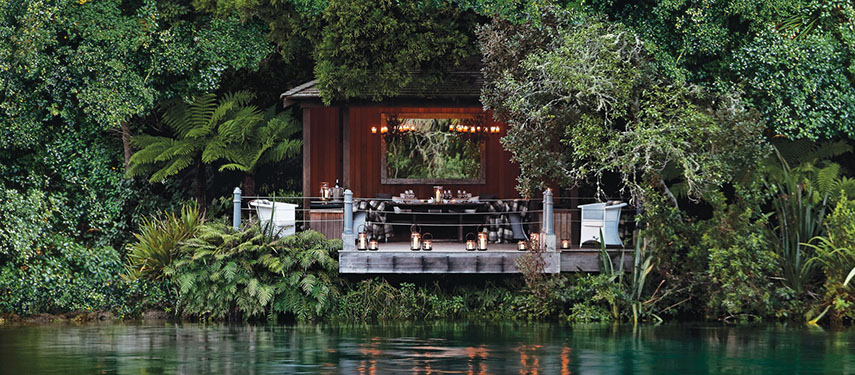
Huka Lodge – Taupo, North Island
Natures Ultimate Playground
A rich landscape of lakes, forests, waterfalls and mountains forms a stunning backdrop to this iconic New Zealand retreat in Taupo, the heart of the volcanic North Island and considered as one of the world’s top retreats. Leave the real world behind as you enter the gates of Huka Lodge on a beautiful stretch of the Waikato River.... Read More
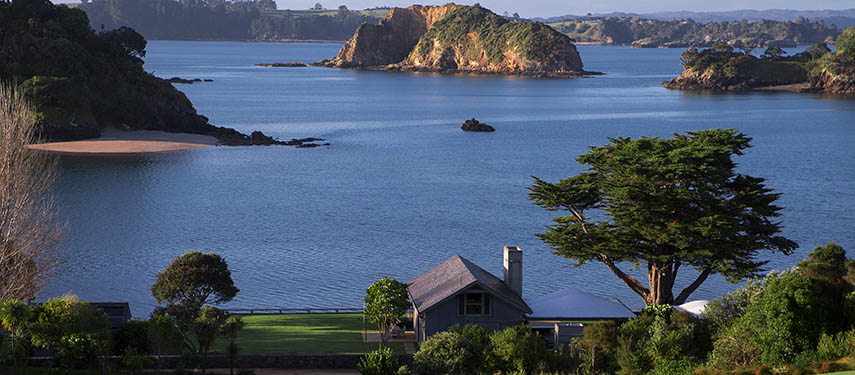
The Landing – Bay of Islands, North Island
Far North Escape
The Landing is a unique luxury retreat nestled among a thousand acres of beaches, native bush, farmland, bird sanctuaries and protected historic sites in the Bay of Islands in northern New Zealand. This is the landing place where Maori and European settlers first met and a great spot to relax and rejuvenate or enjoy outdoor activities.... Read More
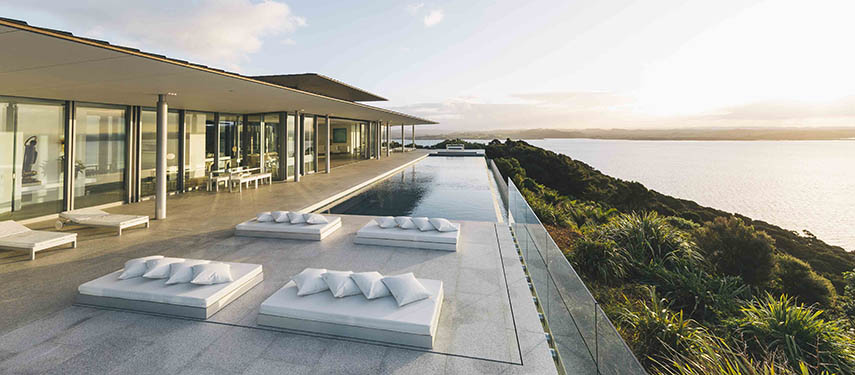
Eagles Nest – Bay of Islands, North Island
Luxe escape in the Bay of Islands
Eagles Nest is a multi-award-winning retreat on a private, 75-acre peninsula overlooking New Zealand’s gorgeous Bay of Islands. Utterly peaceful and with spectacular views across the bay, you might not want to leave the seclusion of your luxury villa but for the more active traveller explore this sub-tropical paradise blessed with beaches, islands, dolphins and excellent game fishing.... Read More
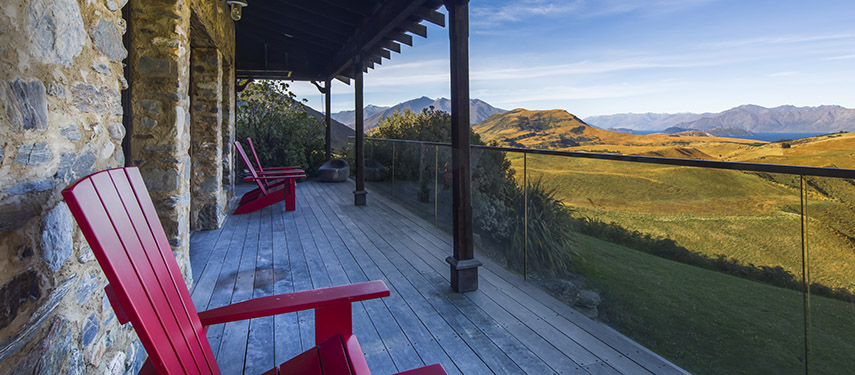
Mahu Whenua – Wanaka, South Island
A jewel in the crown
Mahu Whenua is a luxurious high-country homestead in the middle of 55,000 hectares of some of the most iconic and dramatic natural alpine scenery just 20 minutes from Wanaka on New Zealand’s South Island. Immerse yourself in one of the most majestic and pristine parts of the world and be at one with nature.... Read More
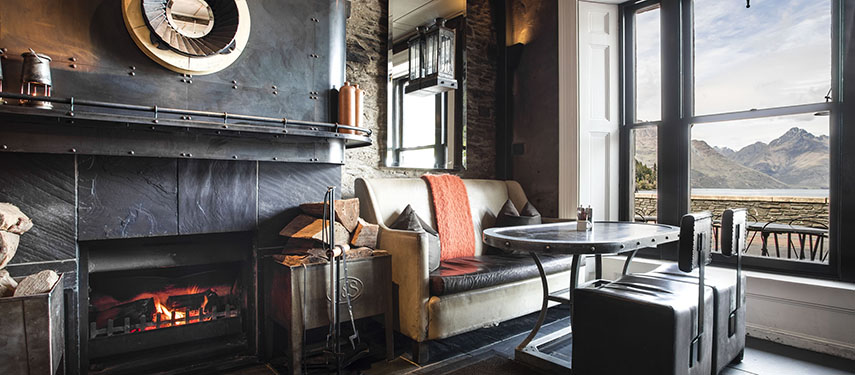
Eichardt’s Private Hotel – Queenstown, South Island
The grand dame of Queenstown
The grand dame of Queenstown, Eichardt’s Hotel provides a collection of beautifully designed suites and apartments rich in history and the grandest views of Lake Wakatipu and surrounding mountains in the heart of Queenstown where everything is an easy stroll away. Eichardt’s Hotel provides the perfect base to suit every taste.... Read More
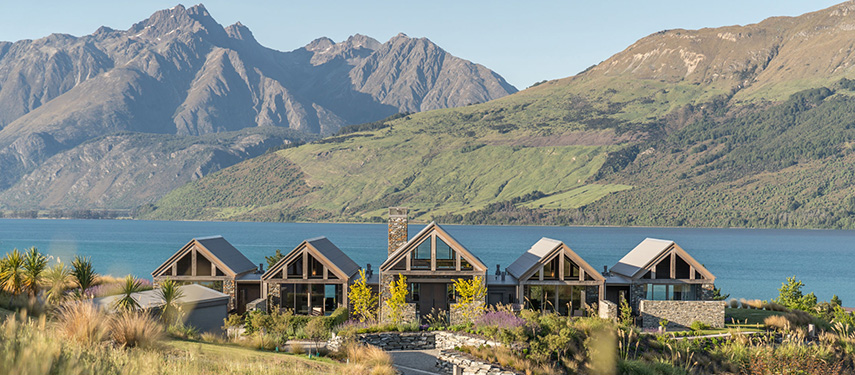
Blanket Bay Lodge – near Milford South, South Island
Ultimate Alpine Escape of the Southern Alps
This stunning backcountry retreat lies on the edge of one of the greatest alpine wilderness regions in the Southern Hemisphere surrounded by some of New Zealand’s most remote and pristine Wilderness. With spectacular views over Lake Wakatipu and the soaring Southern Alps, Blanket Bay offers the perfect location for exploring everything this spectacular region has to offer and is consistently voted one of the world’s best Lodges by many prestigious publications and organizations such as Conde Nast Traveler and National Geographic.... Read More
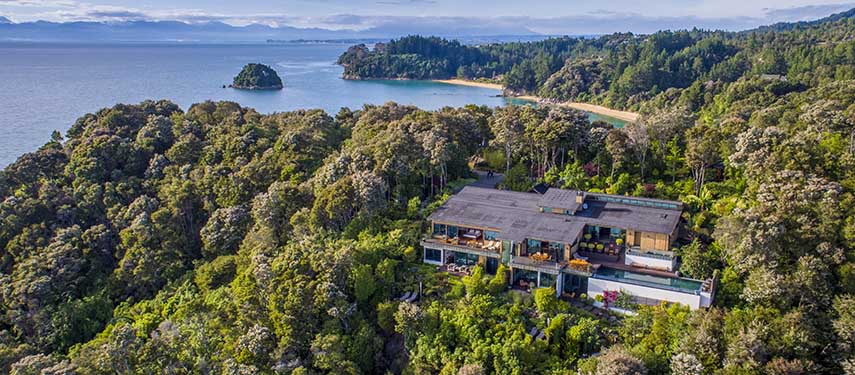
Split Apple Retreat – Kaiteriteri, South Island
Abel Tasman Exclusive
Split Apple Retreat is an exclusive luxury lodge and wellness retreat located on the edge of the Abel Tasman National Park at the top of the South Island. With the Abel Tasman on your doorstep, Split Apple Resort is the perfect spot to explore beautiful walking tracks, golden beaches and pristine nature by foot, kayak, or on horseback.... Read More
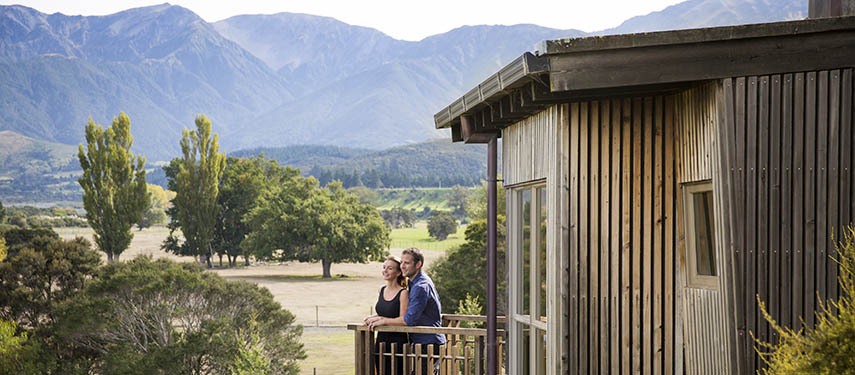
Hapuku Lodge – Kaikoura, South Island
Eco Luxe in a maritime Serengeti
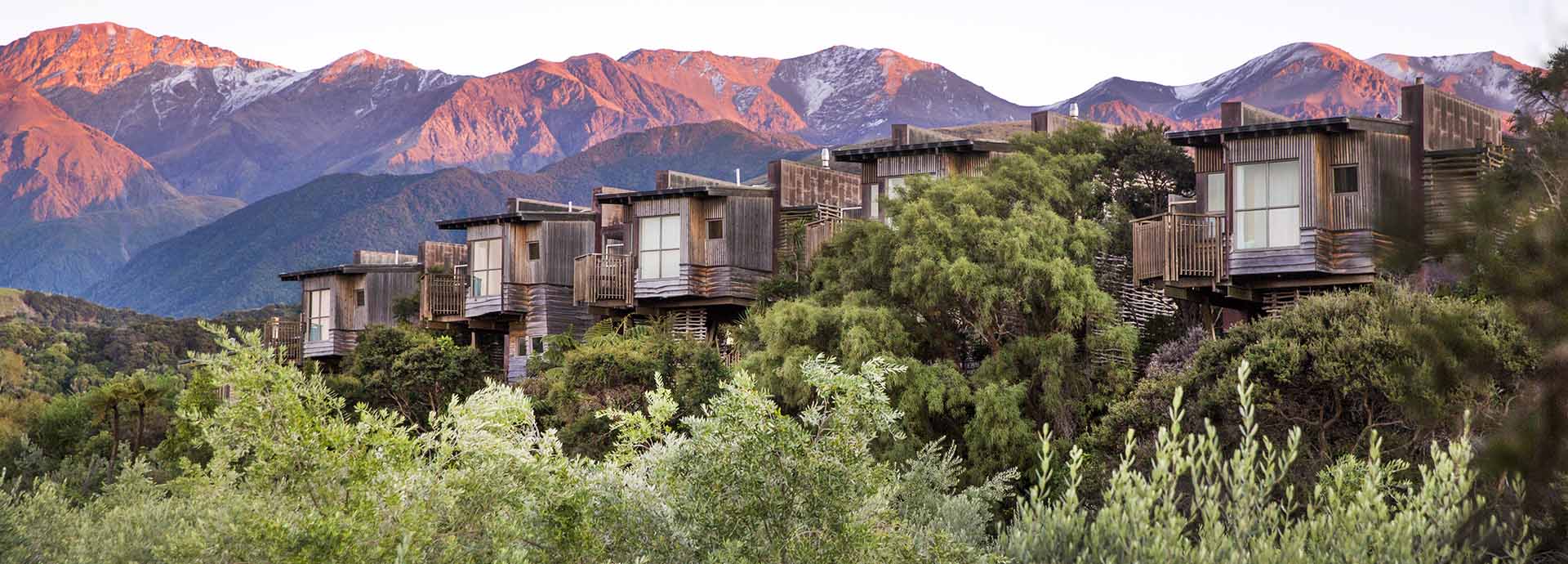
Located in one of the most beautiful places in the world, Hapuku Lodge is a 5 star Eco-Retreat set on rugged coastline a few kilometers north of the eco-marine town of Kaikoura in the South Island of New Zealand. Nestled 30 feet in the air, the tree houses sit snugly at the base of the majestic Kaikoura Mountains.... Read More
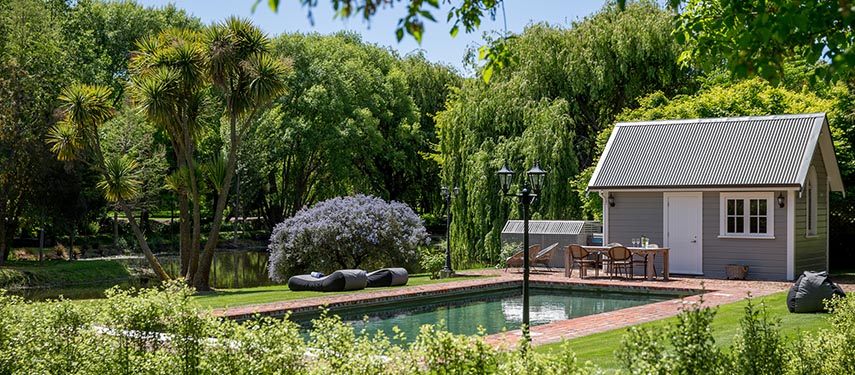
Marlborough Lodge – nr Blenheim, South Island
Wine lovers paradise
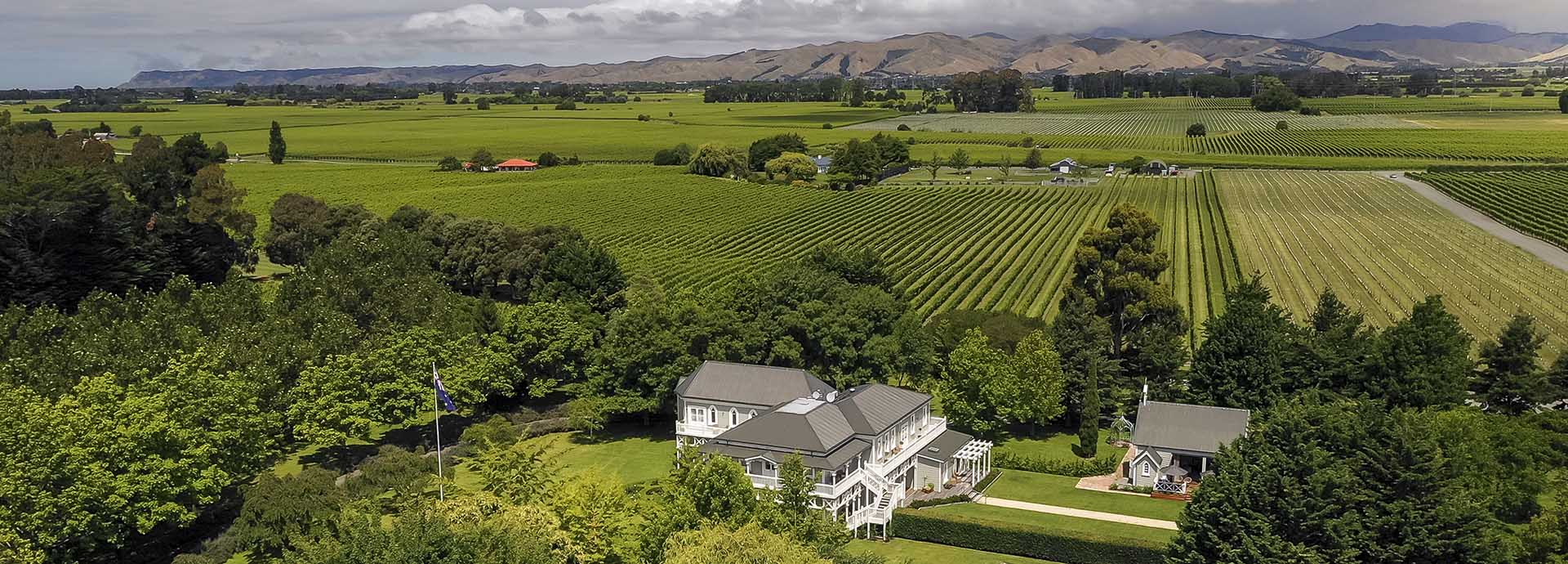
Marlborough and the top of New Zealand's South Island is a treasure trove of food, wine, arts, culture and scenery just waiting to be explored, and The Marlborough Lodge sits right in the heart of it all. Enrich your senses as you wander through the 16 acres of sprawling gardens and out into the surrounding vineyards whilst being surrounded by birdsong, learn about the vineyard and the philosophy and passion that goes into each vintage and enjoy some of Marlborough’s mouthwatering gourmet cuisine. Steeped in history with a refreshing contemporary vibe, The Marlborough Lodge is timeless, enabling you to leave the world behind for a while.... Read More
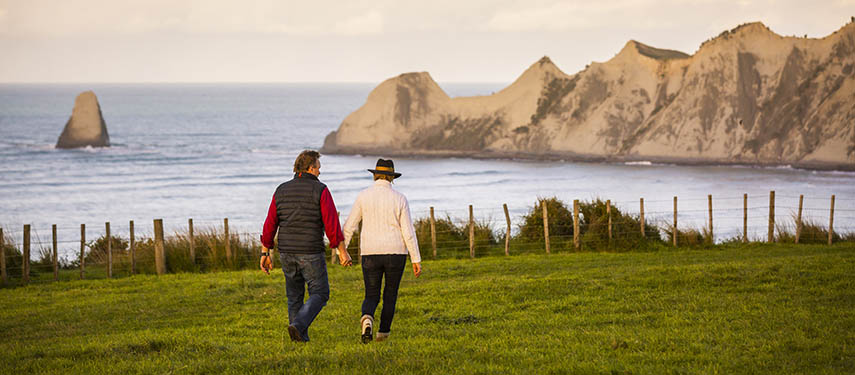
Cape Kidnappers – Hawkes Bay, North Island
A Farmstay Like No other
Cape Kidnappers sits atop rolling hills and rugged cliffs on a 6,000 acre sheep and cattle farm with spectacular sea views in Hawke’s Bay on New Zealand’s North Island. Step out from your luxurious suite to explore this rugged terrain by Can-Am as you travel to the very edges of this vast coastal property.... Read More
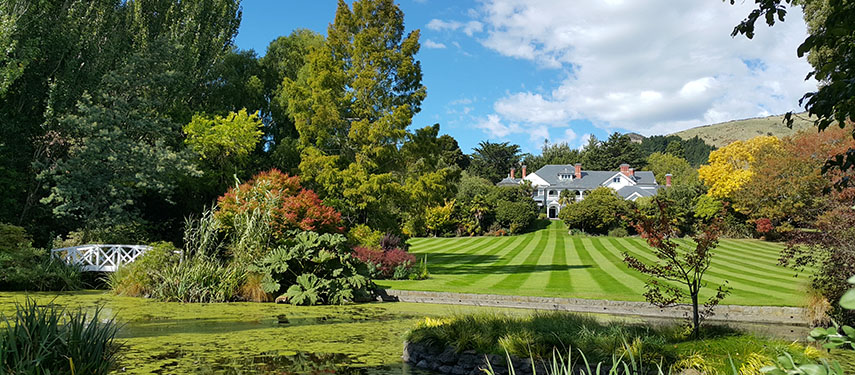
Otahuna Lodge – nr Christchurch, South Island
Prime historic gem
Otahuna Lodge is an easy 30-minute drive from Christchurch, a perfect spot from which to explore New Zealand’s largest and most diverse province. Relax in your beautiful suite with grand architectural features, wander through 30 acres of century-old botanic gardens and enjoy superb farm to table meals with top New Zealand wines.... Read More
A Collection of Journeys in New Zealand
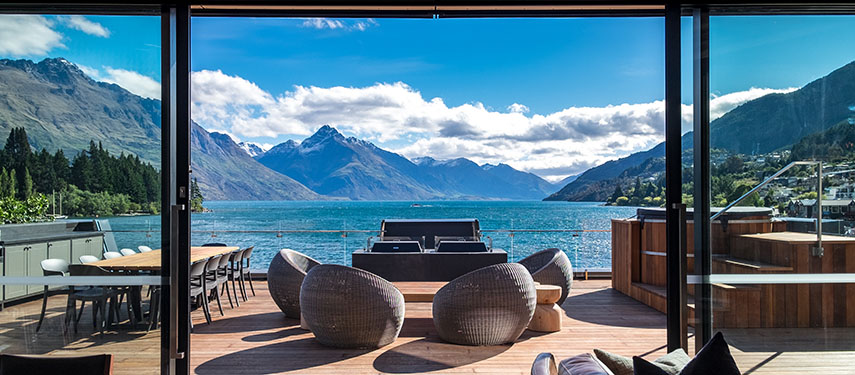
New Zealand Luxury & Adventure
Itinerary Inspiration
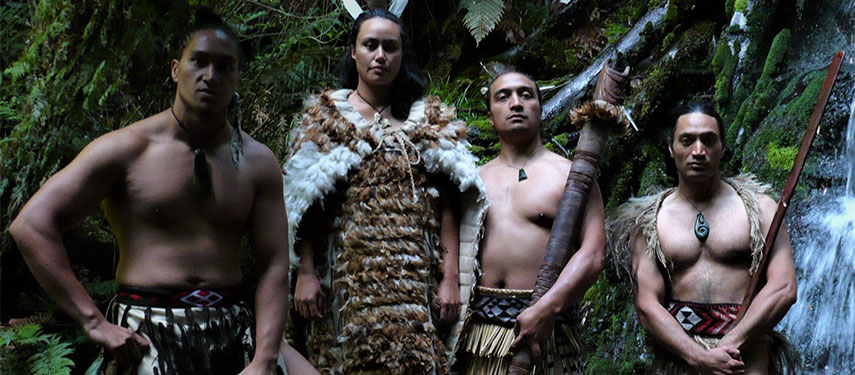
This example itinerary provides the perfect framework for a spectacular journey through New Zealand’s most startling landscapes with a specific focus on Maori spirituality underpinned by luxury lodges, expedition camping, remote places and hiking/biking…a wonderful introduction to this magical land....Read More
New Zealand: Active Family North to South
Itinerary Inspiration | New Zealand
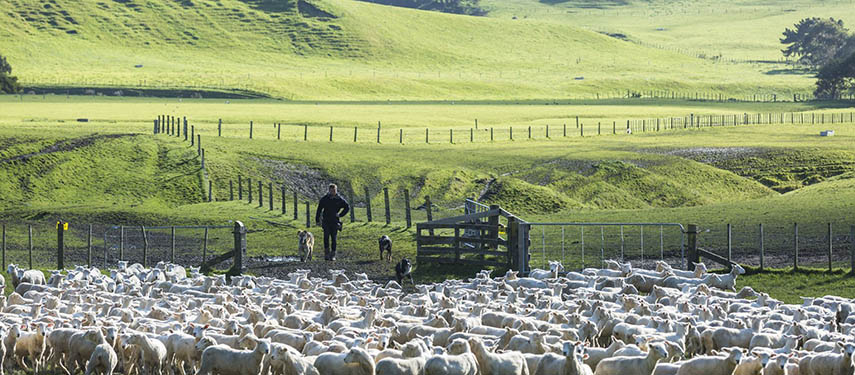
This example itinerary provides the perfect framework for a spectacular journey through New Zealand's most startling landscapes filled with family fun and adventure for those who wish to go beyond the ordinary....Read More
New Zealand for multi-generational families
Itinerary Inspiration | New Zealand
This suggested itinerary provides the perfect framework for a spectacular journey through New Zealand’s most startling landscapes. Crafted with luxury, and travelling with children in mind, you will traverse from the north to the south. For an itinerary tailored to suit adults only get in touch!...Read More
Aotearoa: Frequently Asked Questions
New Zealand’s seasons are the inverse of Australia’s, with summer running from December through February and winter from June through August. The South Island’s ski season peaks from July to September, while the long days of December and January are ideal for hiking iconic trails such as the Milford Track and the Routeburn. Spring — September to November — brings wildflower displays and whale-watching season off Kaikoura, and autumn, from March to May, offers the grape harvest in Marlborough and quieter trails with rich foliage colour.
Australian citizens and permanent residents do not require a visa to enter New Zealand and may visit, live, and work there indefinitely under the Trans-Tasman Travel Arrangement. A valid Australian passport is all that is required. Entry is straightforward, and there is no electronic travel authority or visitor visa to arrange in advance.
The North Island is characterised by volcanic geothermals, Māori cultural heartlands, and a subtropical north — from the Bay of Islands to the geothermal wonders of Rotorua and the sophistication of Hawke’s Bay wine country. The South Island offers the more dramatic alpine scenery: Fiordland, the Southern Alps, Queenstown’s adventure offerings, Kaikoura’s marine wildlife, and the wine regions of Marlborough and Central Otago. Most itineraries of ten days or more combine both islands for a fully rounded experience.
New Zealand’s endemic birdlife is extraordinary — kiwi, kākāpō, tūī, kea, and weka are among the species found nowhere else on earth. Offshore, Kaikoura is one of the world’s premier whale-watching locations, with sperm whales present year-round and dusky dolphins, orca, and New Zealand fur seals frequently sighted. The Otago Peninsula near Dunedin is home to the world’s only mainland royal albatross breeding colony at Taiaroa Head, as well as rare yellow-eyed penguins and little blue penguins.
New Zealand is exceptionally well suited to families and multi-generational travel. The country’s infrastructure is excellent, distances between key destinations are manageable, and the range of activities — from heli-skiing and jetboating for older travellers to wildlife encounters and beach days for younger ones — means that diverse groups with varying fitness levels and interests can be accommodated within the same itinerary. The Classic Safari Company offers dedicated family itineraries including its North to South active family journey and a multi-generational programme designed to cater to grandparents and grandchildren alike.
New Zealand’s luxury lodge offering is among the finest in the Southern Hemisphere. Huka Lodge on the Waikato River in Taupo is widely regarded as one of the world’s great retreats. Blanket Bay near Glenorchy offers alpine grandeur on the shores of Lake Wakatipu. Mahu Whenua places guests in the middle of 55,000 hectares of private high-country wilderness above Wanaka. For wine-country immersion, Marlborough Lodge sits surrounded by working vineyards near Blenheim, while Cape Kidnappers delivers a farmstay experience on a clifftop property above Hawke’s Bay. The Classic Safari Company holds long-standing relationships with each of these properties and can secure preferred rates and private experiences for its clients.
New Zealand - Aotearoa: A Glossary of Terms
Aotearoa — The Māori name for New Zealand, most commonly translated as “Land of the Long White Cloud.” Increasingly used alongside or in place of “New Zealand” in official and cultural contexts.
Tramping — The New Zealand term for multi-day hiking or bushwalking. The country’s nine Great Walks — including the Milford Track, Routeburn Track, and Abel Tasman Coastal Track — are among the most celebrated tramping routes in the world.
Hāngī — A traditional Māori method of cooking in which food is slow-cooked in an underground oven using heated stones. Attending or participating in a hāngī is one of the most authentic Māori cultural experiences available to visitors.
Pōwhiri — The formal Māori welcoming ceremony, conducted on a marae (meeting ground), which includes ritual challenge, speeches, song, and the hongi (pressing of noses). Private pōwhiri experiences can be arranged for visiting groups as a profound introduction to Māori culture and protocol.
Fiordland — A vast and remote national park in the southwest corner of the South Island, encompassing Milford Sound, Doubtful Sound, and Dusky Sound. It is one of the world’s largest national parks and a UNESCO World Heritage Site, characterised by sheer cliff walls, ancient rainforest, and near-constant rainfall that feeds hundreds of temporary waterfalls.
Marlborough — New Zealand’s largest and most celebrated wine-producing region, located at the top of the South Island near Blenheim. It produces approximately three-quarters of all New Zealand wine, with Sauvignon Blanc its flagship variety and Pinot Noir its most prized red.
Kaikoura — A small coastal town on the northeastern coast of the South Island, renowned as one of the world’s premier whale-watching destinations. Sperm whales are present year-round due to the deep underwater canyon immediately offshore; the town is also a hub for dolphin swimming, seal colony visits, and albatross sightings.
Kākāpō — A critically endangered, flightless, nocturnal parrot endemic to New Zealand and the world’s heaviest parrot. Once nearly extinct due to introduced predators, the kākāpō is now the subject of one of New Zealand’s most intensive conservation recovery programmes, with the surviving population managed on predator-free offshore islands.
Southern Alps — The mountain range running the length of the South Island’s spine, reaching its highest point at Aoraki / Mount Cook (3,724 metres). The range feeds glaciers including Franz Josef and Fox on the West Coast and forms the dramatic backdrop to Queenstown, Wanaka, and the Mackenzie Basin.
Dark Sky Reserve — A designation awarded to areas with exceptionally low light pollution, enabling outstanding stargazing. The Aoraki Mackenzie International Dark Sky Reserve — centred on Lake Tekapo and Aoraki / Mount Cook — is one of the largest dark sky reserves in the world and offers some of the Southern Hemisphere’s finest views of the Milky Way and Magellanic Clouds.
Thank you so much for putting together the most memorable holiday for us. The experiences we have had in the last couple of weeks have gone beyond all expectations.
Jane & Col Loveday
It certainly was the best trip we have EVER had. The experiences were mind blowing. We want everyone we know to experience Africa - the animals, the people - magical.
Jo-anne & Dean Mifsud
The Classic Safari Company is the best I have dealt with. Extremely knowledgeable & professional, friendly, patient & understanding of first timers to Africa.
Annette Whiley
Classic Safari Company were brilliant - 10/10
Di & Kingsley Yates
Would do it all again and not change a moment. Best holiday ever!
The McGowan Tribe
Classic Safari is the place to go to for "top end" adventure travel.
Ron & Alison Guthrie
If you want the most sensational experience in Africa let Julia and the staff at Classic Safari Co plan it for you! Their knowledge, expertise and enthusiasm for their job means your every wish will be fulfilled.
Miriam & Joseph Harrison
An absolutely fantastic travel company - every one of the many trips they have organised for us over 22 years have been faultless and fabulous.
Judith & Roger Williams
Their experience and knowledge of Africa is evident and we couldn't have been happier with the total package. This has given us a taste for Africa - now we are ready for more.
Andrew & Pip Stevens
Classic Safari Company has done it again! A unique experience that ticked all the boxes - wildlife, culture and dining experience. A dream come true!
Ros Wheeler
Absolutely everything was first class & so well organised.
Simon & Jackie Adams
The trip of a lifetime, couldn't have dreamt of a better adventure if I tried.
Emma Jeffcoat
You can't improve on perfection. I had my best birthday and holiday with my family celebrating my 80th birthday in Africa. Everything that Julia organised was perfect and the whole trip was a highlight!
Buckingham Family
Everything was perfect! Advice and information on destinations and activities hit everything I had hoped to experience. I contacted the Classic Safari Company upon recommendation and have now, in turn, recommended to others.
Tim Bradley
Very knowledgeable and patient. Our trip was all that we hoped for. Wonderful!
Jane & Robert Happell
Thank you for making our trip to Africa so spectacular. The attention to detail really made it special. It really was the trip of a lifetime.
Paul Cozzi
An amazing experience - the best family holiday we have ever had. We were extremely impressed by the meticulous attention to our itinerary. I can't speak highly enough of all the elements of this exciting journey!
Sheryl & Robert Taylor
We loved it all. Our son wants to go back tomorrow. We would ALL go back again!
Laurence & Remi Cunningham
Classic Safari are the people who genuinely know other culture and offer incredible insight to perfectly meet your expectations.
Melanie McMillan & Iain Jones
The trip exceeded my expectations and was the best family holiday I have ever had. Our children simply loved it and now I know more about African wildlife than they do about our own farm animals.
Rowntree family
We are so happy we put our trust in CSC, we had an amazing adventure and would recommend them to anyone.
Kim & Brad Balance
Julia you did a fantastic job - everything was first class. Well organised, efficient and stress free. We all agreed it was the best holiday we've ever had. Cant wait to travel with CSC again.
Milford family
We wanted the opportunity to see as many wildlife parks as possible and the Classic Safari Company provided an action-packed itinerary that included six, with 11 tiger sightings and nine leopard. This was overlaid with an introduction to Jaisalmer, Jaipur and the 'real' India. Pench and Panna were the hidden gems of a really great trip, very well organised, seamless and enjoyable. As a solo traveller I felt incredibly safe at all times. I want to go back!
Mark Taylor
Exellent and wonderful, reaching way above expectations.
Elizabeth Mackintosh
Thank you for putting together the ancestral adventure of a lifetime. I cannot speak highly enough of the trip.
Jenny Kidd