South Africa
Everything You Could Wish For
Discovering South Africa | In Summary
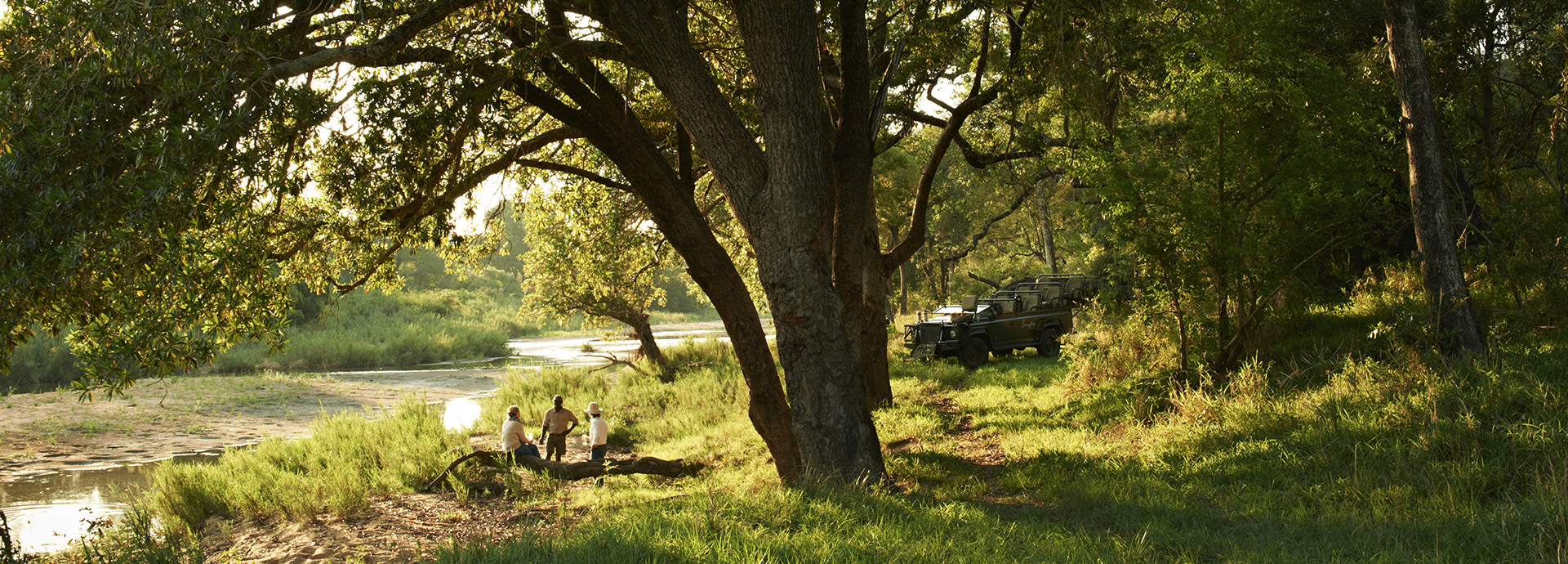
- South Africa’s private game reserves deliver a fundamentally different safari to Kruger National Park: guides drive off established roads to track animals, game drives operate after dark with spotlights to reveal the nocturnal world, and vehicle numbers at any sighting are strictly limited — a level of exclusivity and immersion that no national park can replicate.
- South Africa holds eight UNESCO World Heritage Sites, from the Cradle of Humankind — where some of the oldest hominid fossils on earth have been unearthed — to the Cape Floral Region, a biome so exceptionally biodiverse it contains more plant species per square kilometre than almost anywhere on the planet.
- For Australian travellers, South Africa offers one of Africa’s most accessible entry points: English is widely spoken, roads are well-maintained and driven on the left, fly-in logistics via Johannesburg are straightforward, and a significant number of outstanding Big 5 reserves are entirely malaria-free.
South Africa is one of the world’s top travel destinations offering a unique blend of scenery, culture, wildlife and activities for all ages and interests. The cities are dynamic and cosmopolitan, wild landscapes span mountains, savannahs and deserts, and the combination of sub-tropical waters and colder Atlantic currents provide a rich diversity of marine wildlife, in particular a spectacular migration of sardines followed by predatory sharks, dolphins and whales.
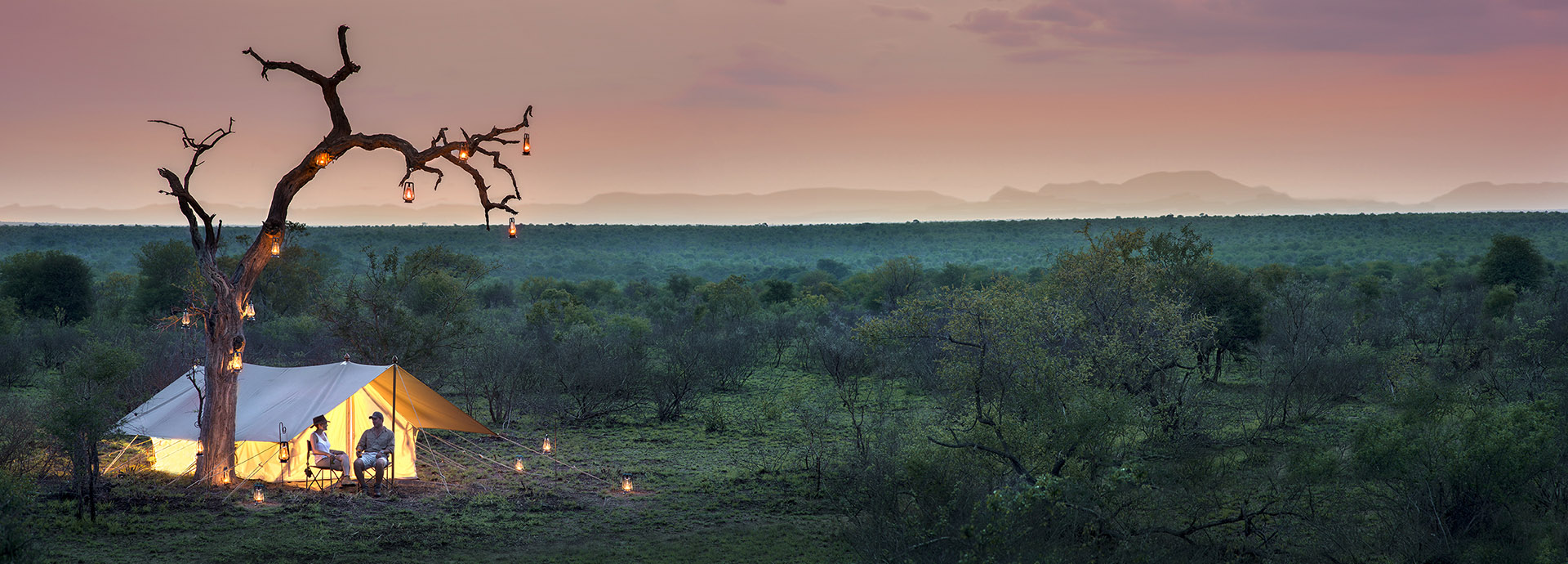
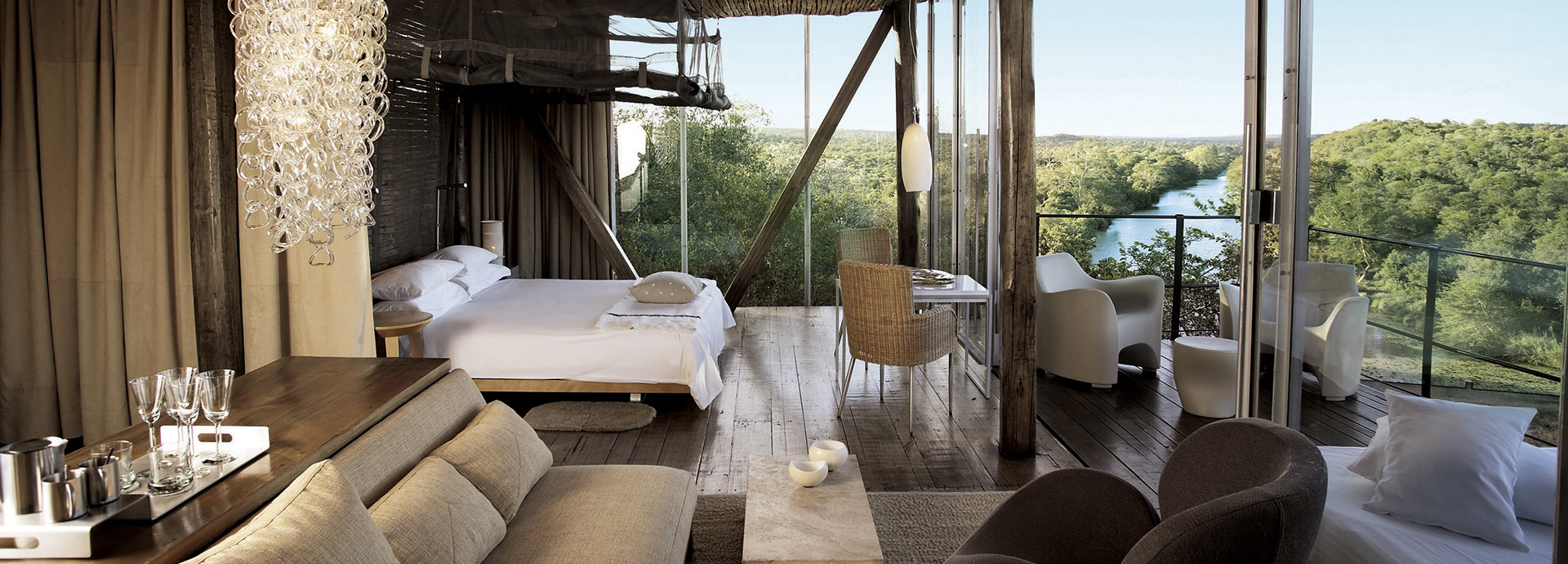
With excellent roads and plenty of pretty towns and points of interest along the way, South Africa is the perfect destination for a self-drive safari and the iconic Garden Route is a must! There is a multitude of national parks, including the famous Kruger, and private reserves that teem with ‘big 5’ wildlife. Here you’ll find a collection of luxe lodges, tented camps and achingly romantic treehouses. Cape Town buzzes with avant-garde hotspots and hip suburbs, whilst grand colonial hotels recline languorously against a backdrop of Table Mountain. With eleven official languages and a diverse range of cultures, it is no wonder that Nelson Mandela named South Africa ‘The Rainbow Nation’.
You Will Love
• Majestic mountains, savannahs, pristine beaches, cosmopolitan cities
• Exceptional big 5 game viewing
• Paddock-to-plate gourmet dining
• Rich, diverse cultural history
• The wine – chenin blanc & pinotage!
• Unbeatable options for every budget
Let us design your perfect itinerary.
South Africa’s diverse regions
from Cape Town to Kruger
Cape Town, Winelands & Surrounds
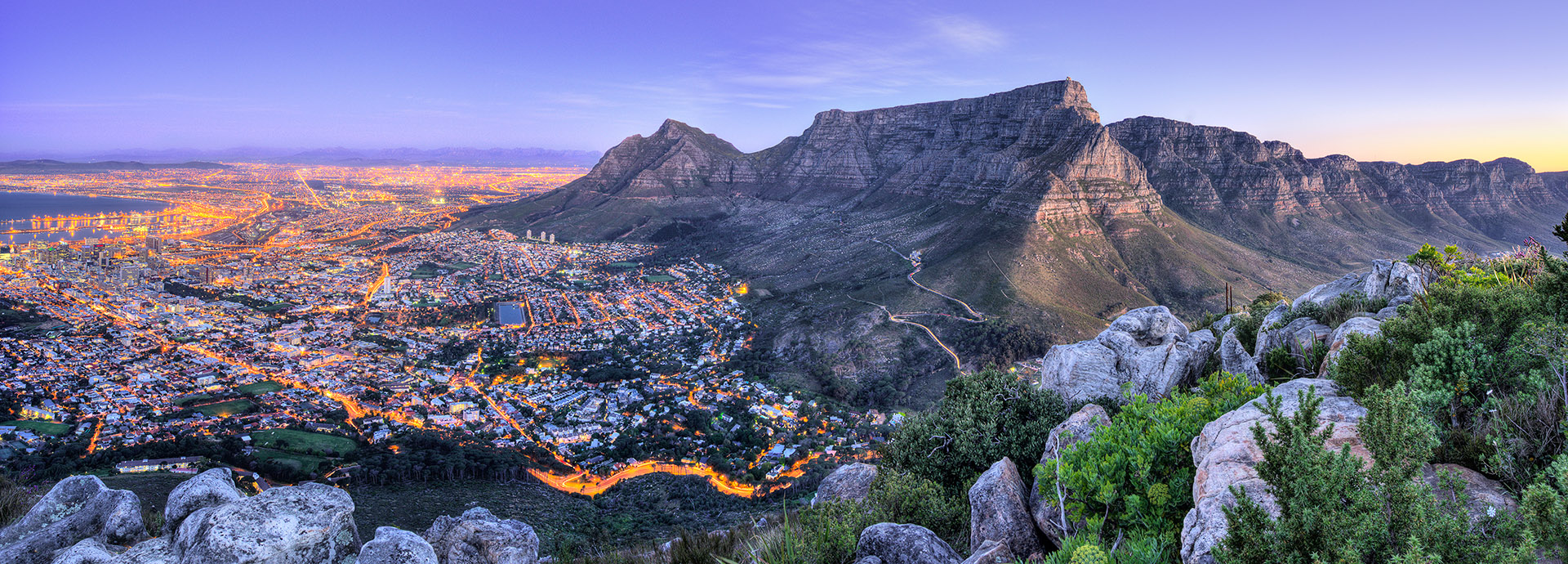
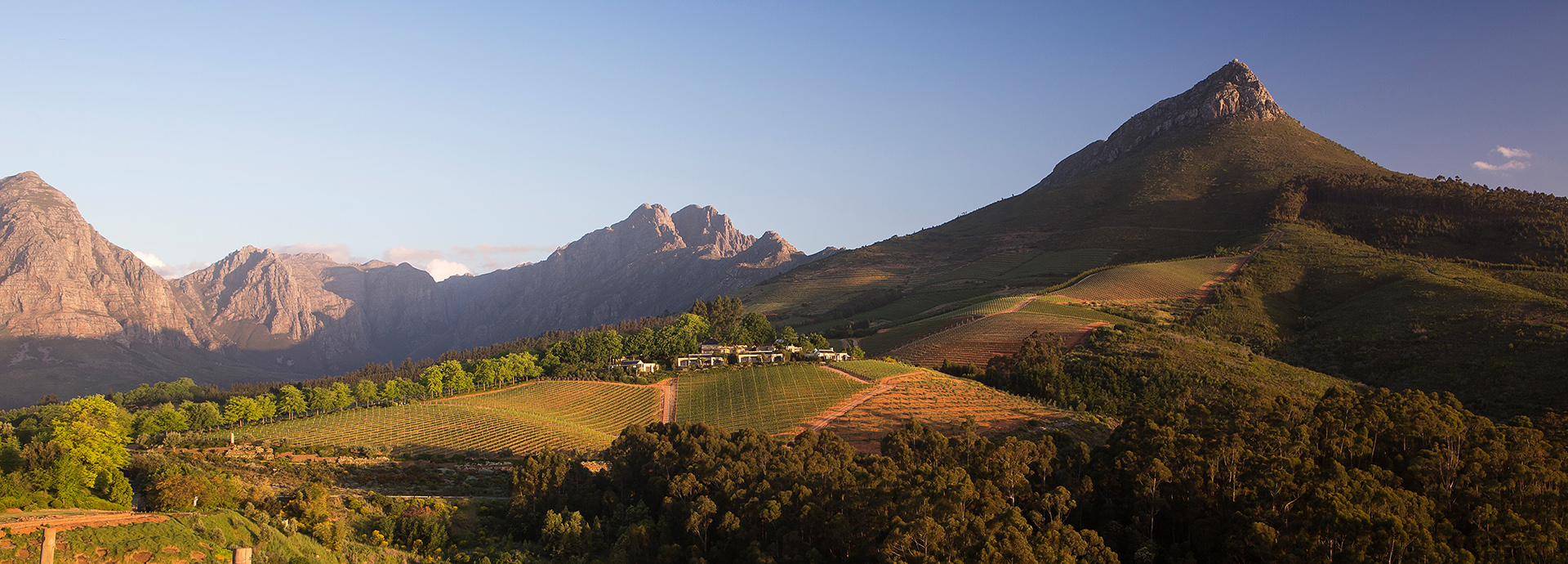
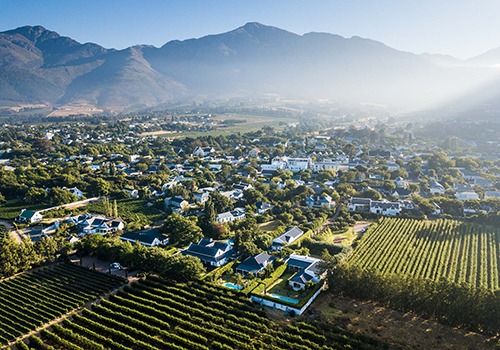
Cape Town is a place where old and new blend together - it's African yet European, a truly cosmopolitan city. Warmed by the African sun and dominated by flat-topped Table Mountain, Cape Town offers the bright city lights of theatres, hip hangouts, fine dining and a bustling working waterfront. Under an hours’ drive away, the Stellenbosch, Paarl and Franschhoek winelands offer Cape Dutch heritage, a fabulous range of boutique accommodation, paddock-to-plate dining experiences and some of the finest wines in the world.
Garden Route & Wilderness Coast
Between Cape Town and Port Elizabeth, on the Eastern Cape coast, runs an astoundingly beautiful stretch of coastline, The Garden Route. The name comes from the verdant and ecologically diverse vegetation encountered, and the numerous lagoons and lakes dotted along the way. With its quaint fishing towns, secluded little bays, rolling mountain ranges and endless coastline, the Garden Route is well worth exploring. The roads are well maintained and easy to navigate making it perfect for a self-drive holiday.
Greater Kruger Area
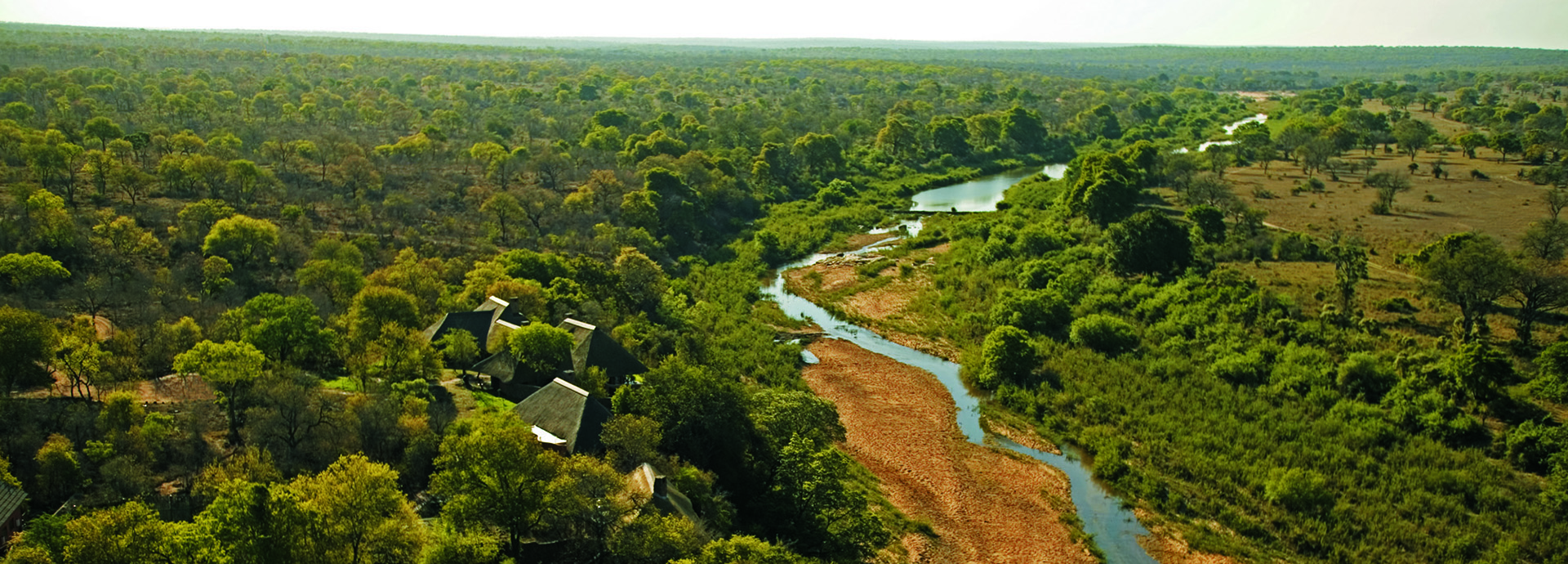
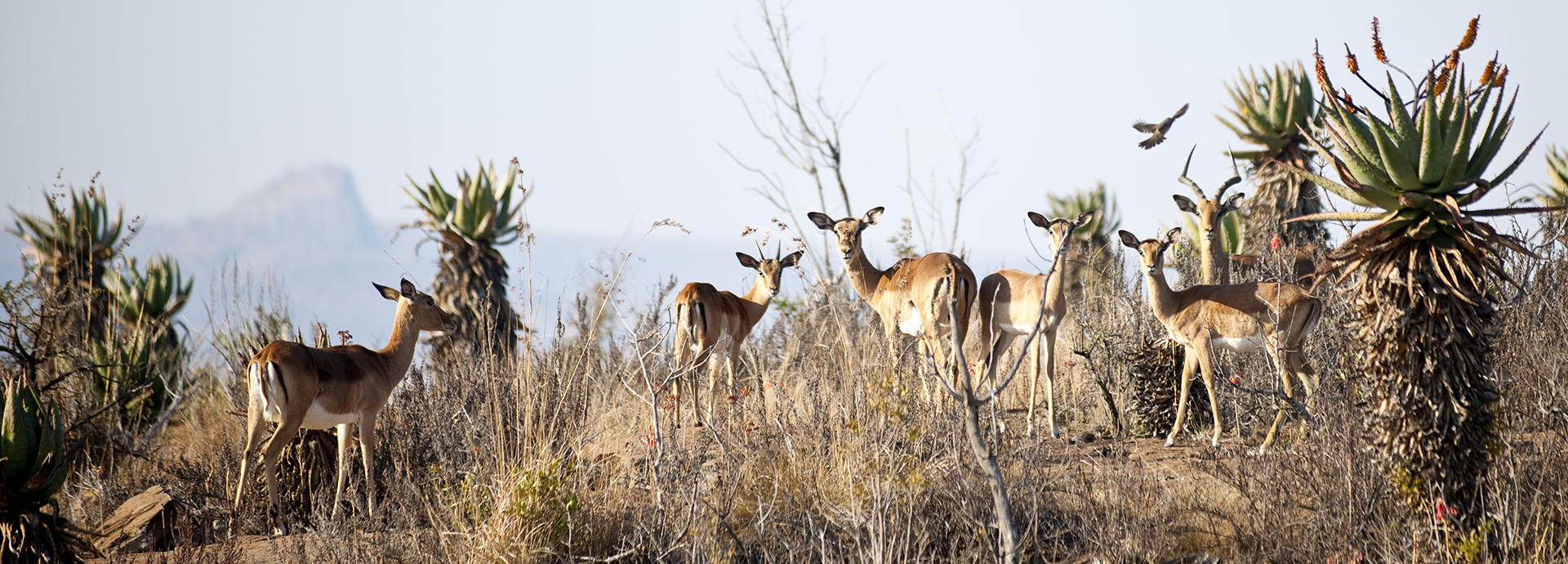
The fences that once ran along the border of Kruger National Park have been taken down to allow wildlife to roam freely between the park and the private game reserves to the west. These bordering reserves, such as the world famous Sabi Sands and Timbavati, form part of the Greater Kruger National Park but remain privately owned and offer a wonderfully exclusive safari as a result. The reserves are famed for their leopard populations and are home to high concentrations of an amazing array of wildlife including giraffe, zebra, buffalo, elephant, lion, cheetah and endangered rhino.
Unforgettable experiences in South Africa
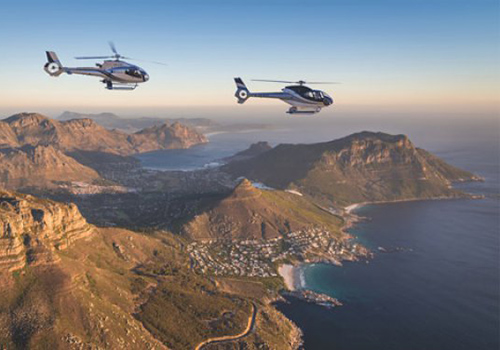
Fly by helicopter to Cape Point
Fly by helicopter to Cape Point
With jagged cliffs rising from deep blue oceans, sweeps of white sandy beaches and impressive architecture, Cape Town is well known for its stunning scenery, which is best appreciated from a bird’s eye view helicopter tour. Trac...
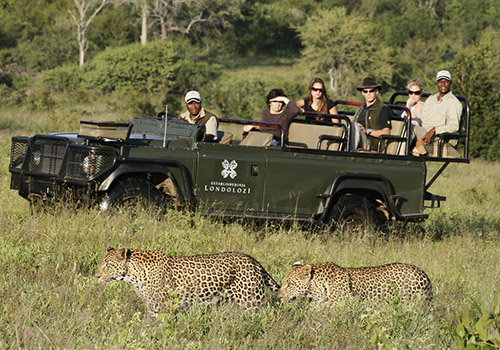
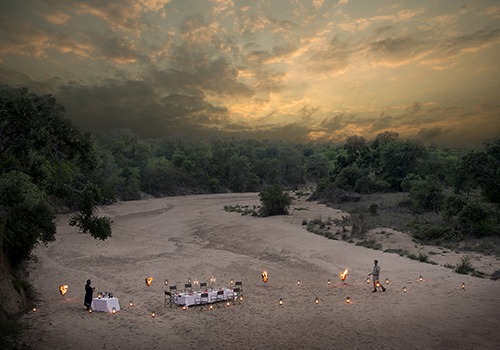
Encounter big game on a safari drive
Encounter big game on a safari drive
No trip to South Africa is complete without spending some time on safari. The Kruger National Park and its surrounding private game reserves are some of the largest, best-known and finest wildlife areas in Africa. South Africa als...
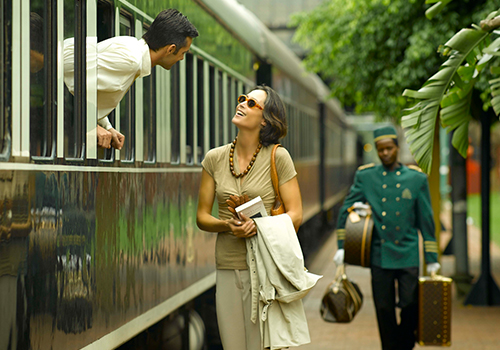
Recapture the romance of luxury train journeys
Recapture the romance of luxury train journeys
South Africa offers a collection of world-class train journeys to whisk you through the remote reaches of the country without ever compromising on comfort. Expect 5* vintage luxury on these Orient Express-style voyages and dine on...
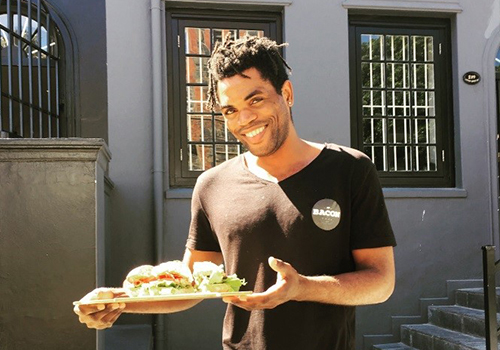
Indulge in Cape Town’s phenomenal cuisine
Indulge in Cape Town’s phenomenal cuisine
Cape Town is fast becoming a must visit destination for any foodie. Walking tours of this gastronomic city will take you on a journey through the creative side of Cape Town and its artisanal trends. Visit the colourful Bo Kaap, tr...
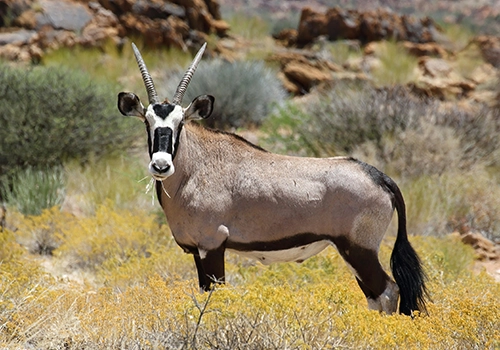
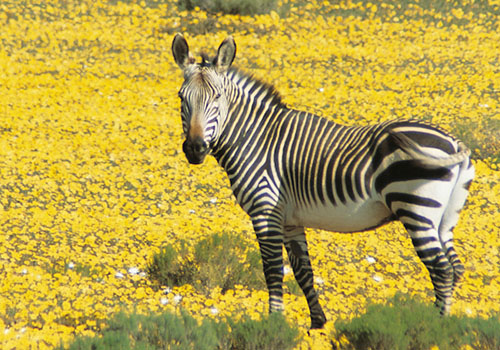
Walk through the wildflowers of Namaqualand
Walk through the wildflowers of Namaqualand
For botanists and plant enthusiasts, Namaqualand provides some of the most spectacular and varied plant life in the world. The biome supports over 3,000 species, including Fynbos, and up to 50% of these are found nowhere else on e...
A selection of our favourite places to stay in South Africa
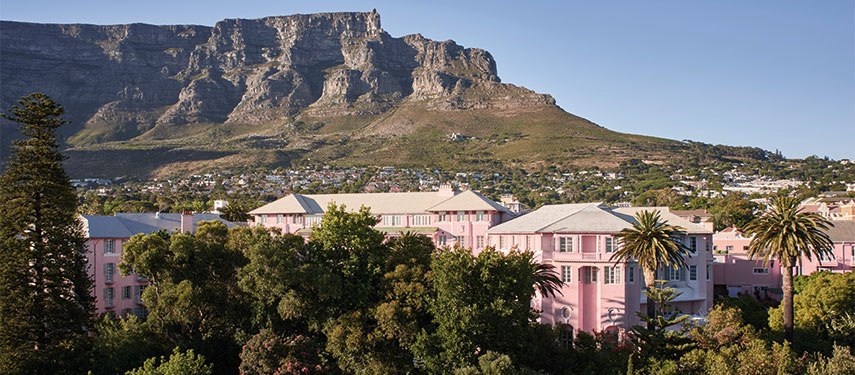
Belmond Mount Nelson Hotel – Cape Town
Heritage Hotel
Nestling in a garden estate of tall palms and flowering trees, the Mount Nelson is an oasis of elegance at the vibrant heart of Cape Town, which combines classic charm with modern luxury. Sophisticated and regal, the Mount Nelson is the Grande Dame of Cape Town and the perfect base to explore this lively city and its surrounds.... Read More
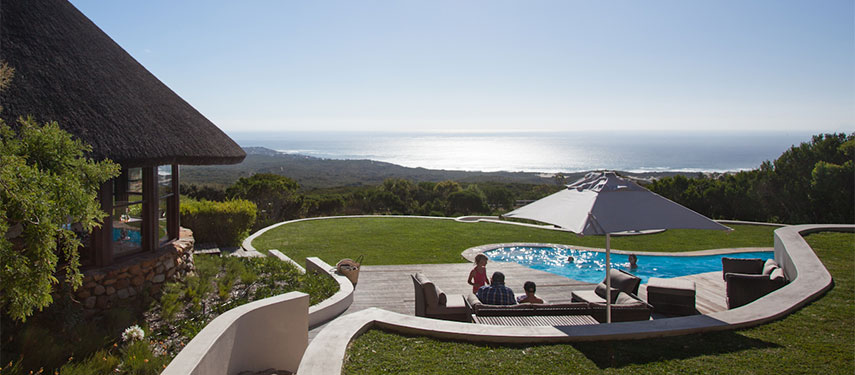
Grootbos Garden Lodge – Grootbos Reserve
Gardens of Eden
The warm and welcoming Garden Lodge is set amongst an Eden of beautifully landscaped fynbos gardens. Blending perfectly into its surroundings yet retaining a sense of effortless contemporary style, this is the perfect spot for soaking up South Africa’s botanical beauty and dramatic coastline.... Read More
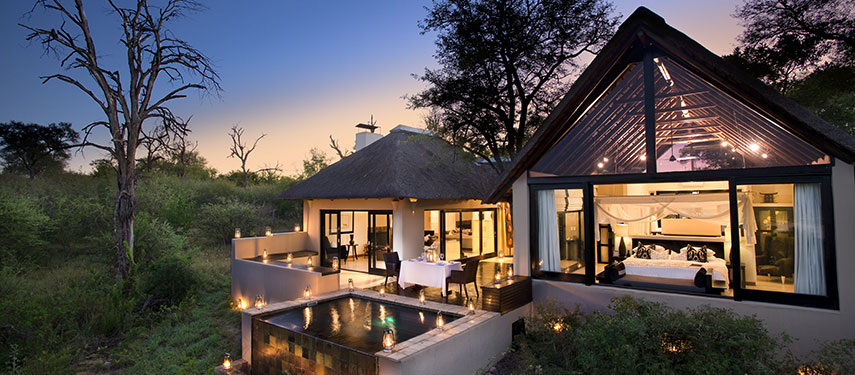
Lion Sands Ivory Lodge – Sabi Sands Reserve
Sophisticated safari suites
Each of the six luxurious suites is operated as a private villa, which makes for a glorious private escape from reality and their thoughtful design offers ‘back to nature’ style surrounded by the untamed African bush. With prime river frontage, fantastic guiding and excellent game viewing, Ivory Lodge makes for an unparalleled safari experience.
...
Read More
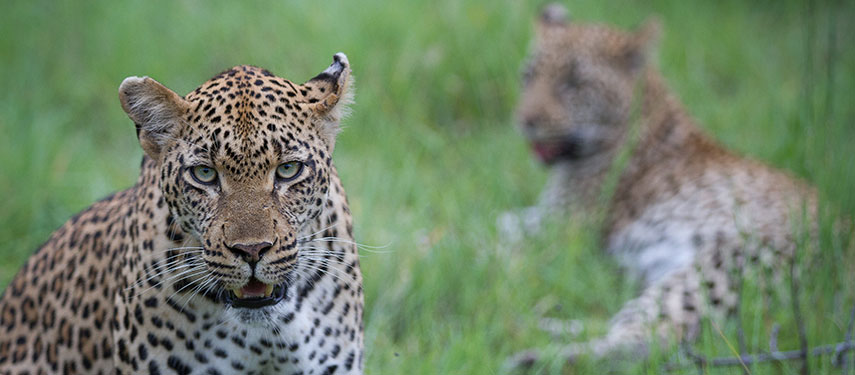
Londolozi Founders Camp – Sabi Sands Reserve
Heritage Camp with a modern twist
Founders Camp reinforces the commitment to luxurious accommodation, fine cuisine and exceptional service. This, combined with its setting on the Sabi River in a private game reserve, makes for an exclusive safari experience that is unashamedly luxurious. Enchanting, intimate and child-friendly, Founders Camp is perfect for your next safari.... Read More
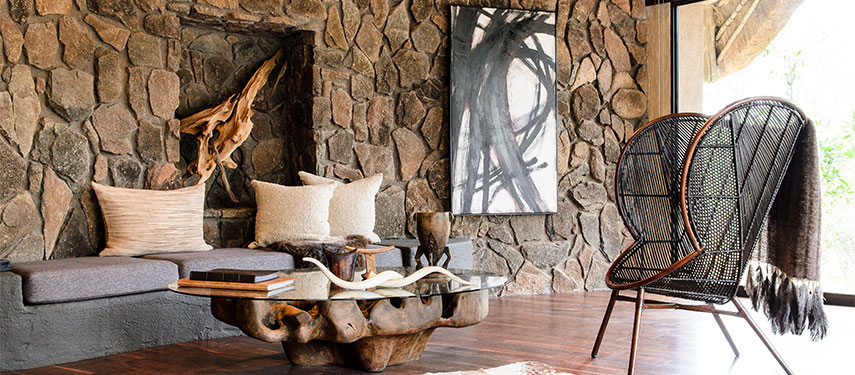
Singita Boulders – Sabi Sands Reserve
Luxury organic-style lodge
Singita Boulders is located in an area that offers prime game viewing and is recognised globally for its formidable predator concentrations and frequent leopard sightings. Stunning design, stylish suites, phenomenal cuisine and faultless service all combine for an indisputable 6 star bush luxury experience.... Read More
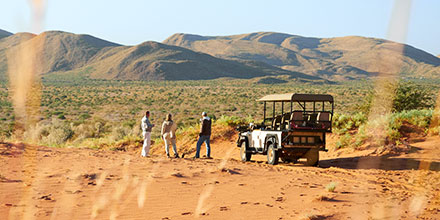
Tswalu Motse – Kalahari Reserve
Kalahari conservation meets barefoot luxury
Designed to blend inconspicuously into the mountain range, The Motse consists of eight spacious suites, all styled with a distinct and elegant African character. Tswalu offers an abundance of activities from game drives in open vehicles to bush walks, sleep outs, hot air balloon rides, horseback trails, archery and dune dinners under the stars.... Read More
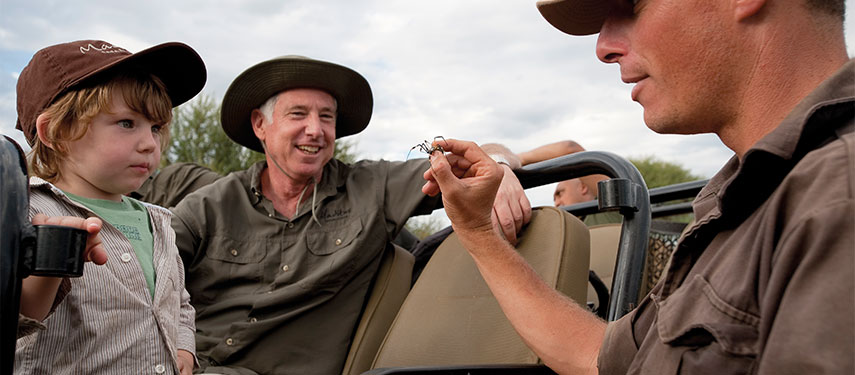
Madikwe Safari Lodge – Madikwe Reserve
Child-friendly safari camp
Madikwe Safari Lodge is situated in one of South Africa’s largest and malaria-free sanctuaries, the Madikwe Game Reserve. The lodge’s immediate surroundings are well known for providing the best game viewing within the reserve, as well as having the lowest visitor numbers which makes for a superior game viewing experience.... Read More
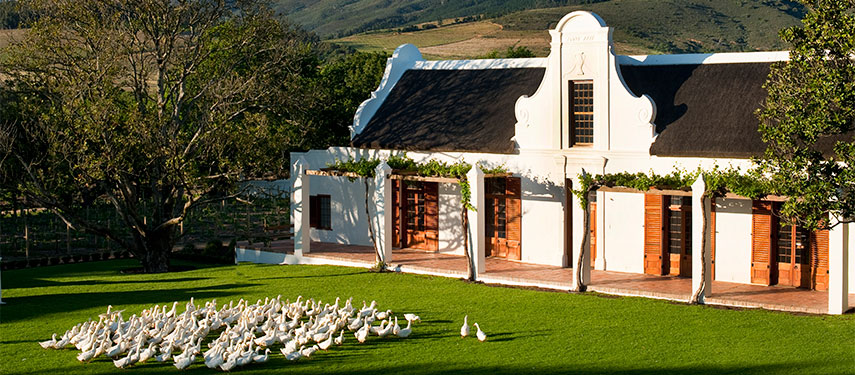
Babylonstoren – Drakenstein Valley
Stunning 17th century organic farm
Guest suites at Babylonstoren echo the Cape Dutch farm buildings of the 17th and 18th century with whitewashed walls, ornate gables and thatched roofs. Evoking a sense of well-being, enjoy superb cuisine owing to Babylonstoren's farm-to-fork philosophy led by the ever-changing tapestry and botanical diversity of the garden.... Read More
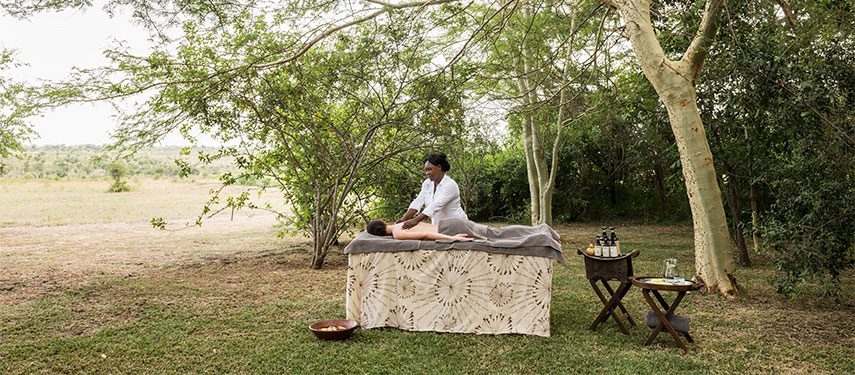
Savanna Lodge – Sabi Sands
Lavish retreat in the coveted Sabi Sands
Savanna Lodge is an exclusive 5 star lodge in the game-rich Sabi Sand private reserve within the greater Kruger National Park conservancy. The beautifully appointed suites nestle amongst indigenous bush and trees that provide privacy, quiet and a haven for birds.... Read More
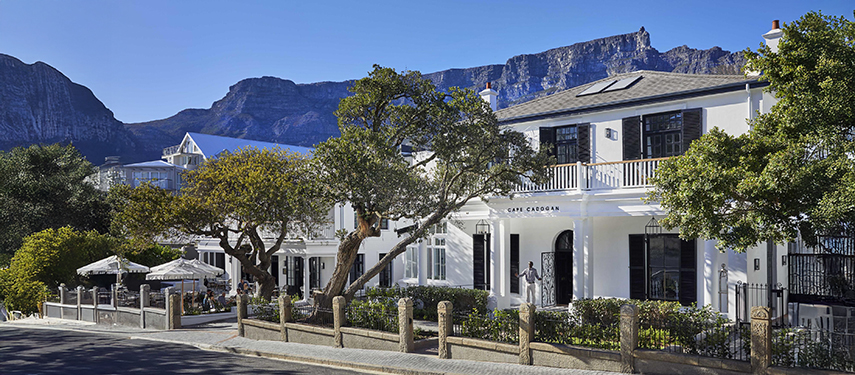
Cape Cadogan – Cape Town
Historic boutique Cape Town hotel
Cape Cadogan Boutique Hotel blends historic charm with contemporary elegance in Cape Town’s vibrant Gardens district. This intimate property, with its National Monument status, offers 24 individually styled rooms, combining classic design with modern comfort. Guests can unwind in tranquil communal spaces, enjoy gourmet breakfasts, and experience the city’s best attractions just a short stroll away.... Read More
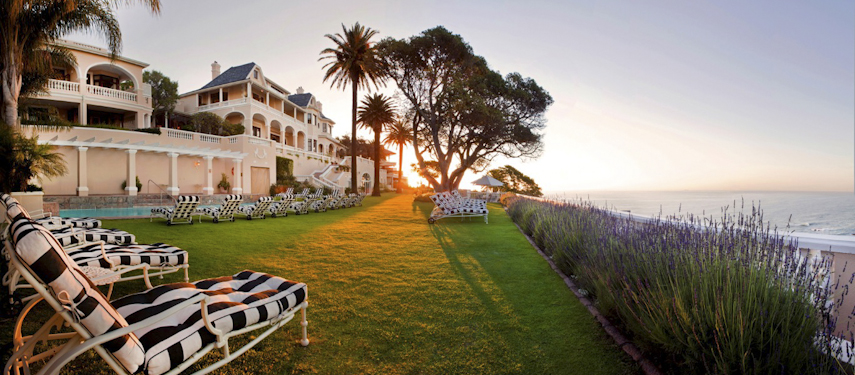
Ellerman House – Cape Town
Prestigious luxury in the Mother City
Ellerman House enjoys the finest views of the Atlantic seaboard from its commanding position, just 10 minutes away from Cape Town’s waterfront. With total privacy, Ellerman House feels like a family home and it is a peaceful hideaway to experience wonderful hospitality, natural splendour and Cape Town’s cultural treasures.... Read More
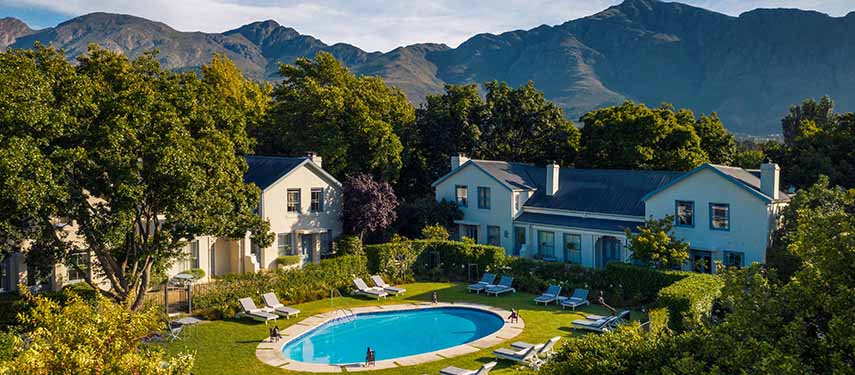
Le Quartier Français – Franschhoek
Serious dining experience
This exclusive luxury hotel situated in the heart of the Franschhoek Valley within the Cape Winelands is home to two great restaurants - the award winning Tasting Room and Common Room - with both menus designed by Executive Chef Margot Janse. Tucked away in secluded gardens. it offers a total gastronomic experience.... Read More
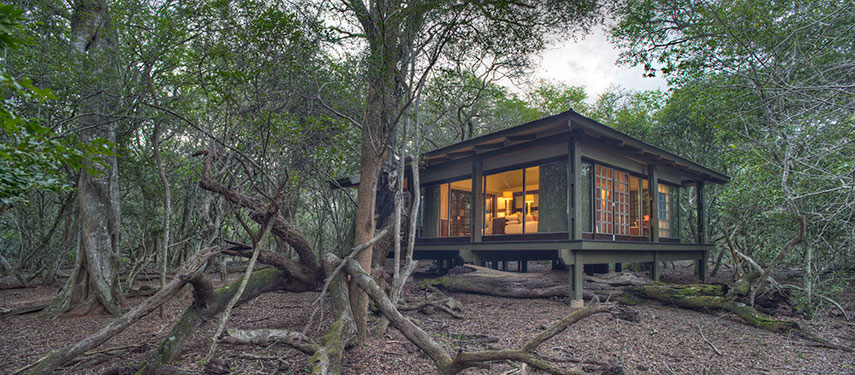
Phinda Forest Lodge – KwaZulu Natal
Glass walls to the forest
Set in game rich bushland close to the unspoiled beaches and spectacular coral reefs of the Indian Ocean, Phinda Game Reserve offers an unmatched ‘bush and beach’ combination. The suites at Forest Lodge are encased in glass to offer full immersion into the natural environment without ever compromising on comfort.... Read More
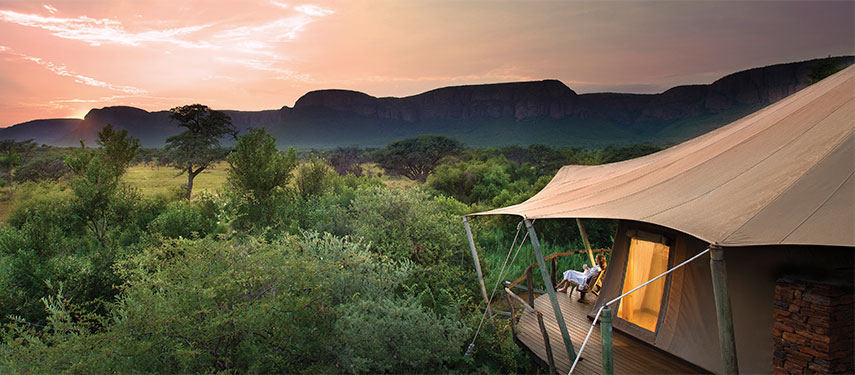
Marataba Lodge – Limpopo Provence
Tented suites with a contemporary twist
Enjoy the sounds, smells and sights of the African wilderness at Marataba Lodge. Tented accommodation amidst this malaria-free zone is perfect for families, with a host of activities on offer such as twice-daily game drives and safari walks, along with rock pools that one can have a swim in to freshen off.... Read More
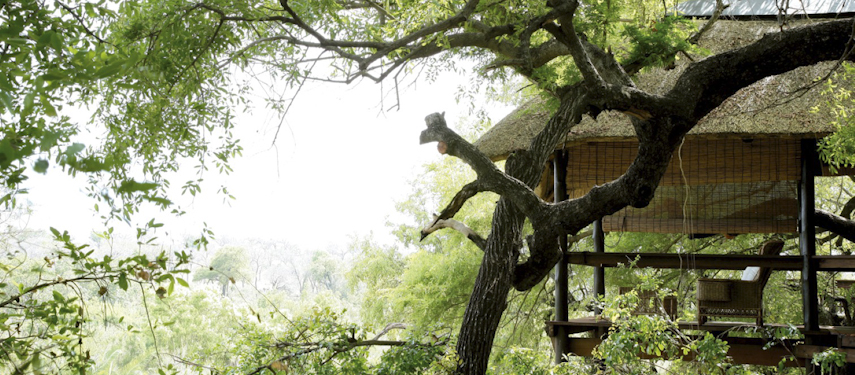
Londolozi Tree Camp – Sabi Sands Reserve
Uber-stylish safari legend
World renowned as one of Africa’s finest game lodges, Londolozi was the first game reserve in the world to be accorded Relais & Châteaux status. Its setting on the Sabi River in the private Sabi Sands Game Reserve makes for an exclusive safari experience and a lovely spot from which to watch elephants feed below.... Read More
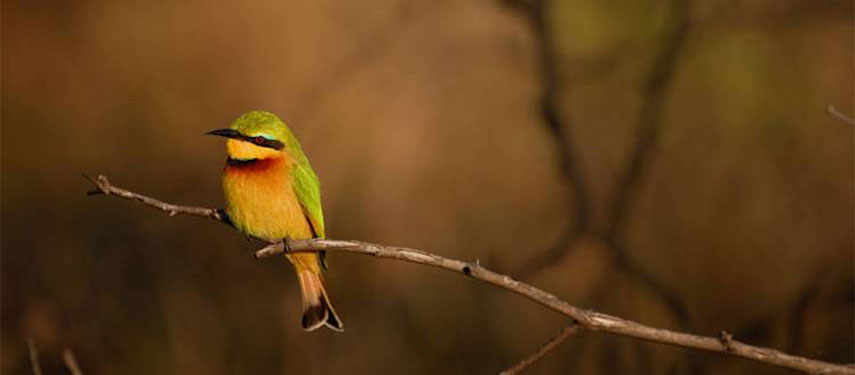
Jaci’s Safari Lodge – Madikwe Reserve
Safari and relaxation combined
Designed with comfort and relaxation in mind, Jaci's Safari Lodge has ten gorgeous safari-styled rooms and suites. It is the ideal environment for a stress-free safari experience with lots of fun activities for children including fascinating games to instill a love of animals, plants and birds.... Read More
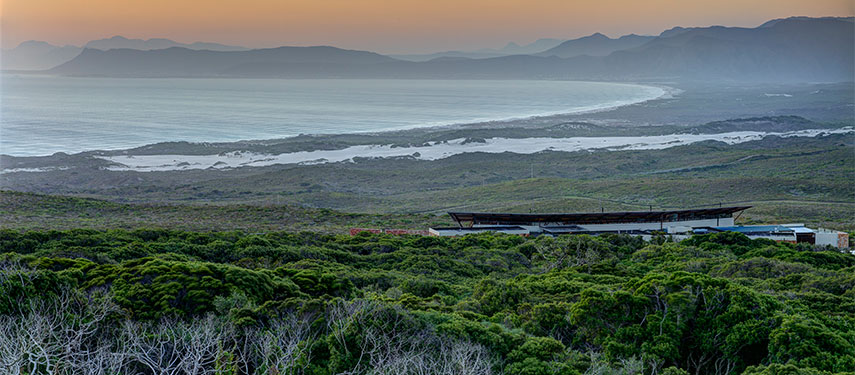
Grootbos Forest Lodge – Grootbos Reserve
Floral & marine eco-paradise
Just 40 minutes east of Hermanus, Forest Lodge offers sweeping views across Walker Bay to Cape Point. The lodge is a modern contemporary design where the experience is built around the surrounding environment. Forest Lodge provides a wonderful wilderness experience on the doorstep of cosmopolitan Cape Town.... Read More
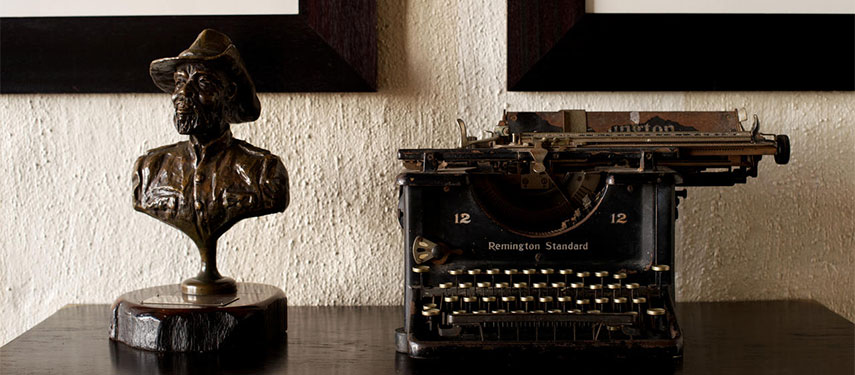
Londolozi Varty Camp – Sabi Sands Reserve
Family & history
The campfire has burned at Varty Camp for over 90 years and it remains the symbolic heart of South Africa's Londolozi reserve. Children over the age of six are welcome making this an excellent option for family safaris.... Read More
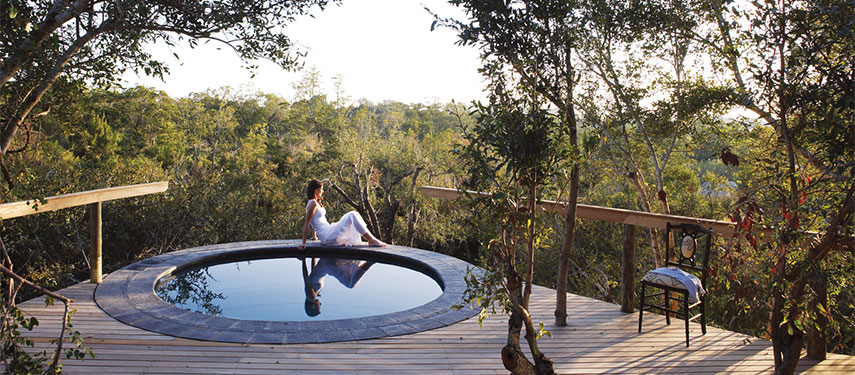
Londolozi Pioneer Camp – Sabi Sands Reserve
South African seclusion
Set amongst the dappled shade of 500 year old ebony trees with stunning river views, Pioneer Camp is the most secluded of five stunning camps within South Africa's famous Londolozi Reserve. With superb river views and a deeply personal atmosphere, it is perfect for honeymoons and romantic getaways.... Read More
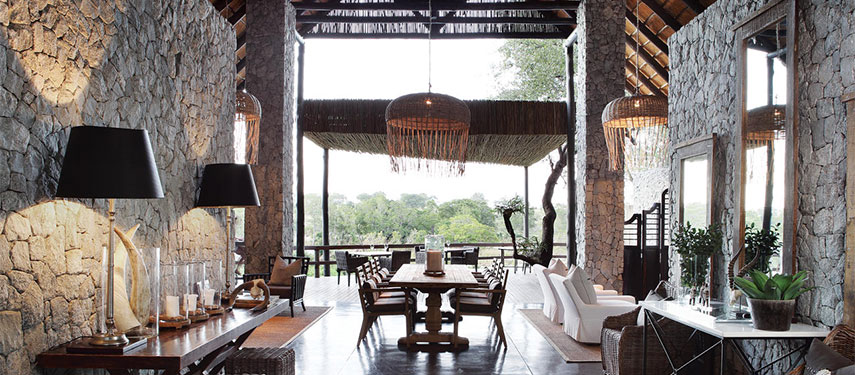
Londolozi Private Granite Suites – Sabi Sands Reserve
Celebrate nature and space
Londolozi’s Private Granite Suites are a celebration of elegance and elephants in a remarkable river setting within one of South Africa’s original private game reserves - the first in the world to be accorded with Relais & Châteaux status. It offers an extraordinary experience for the exclusive use of just six discerning guests.... Read More
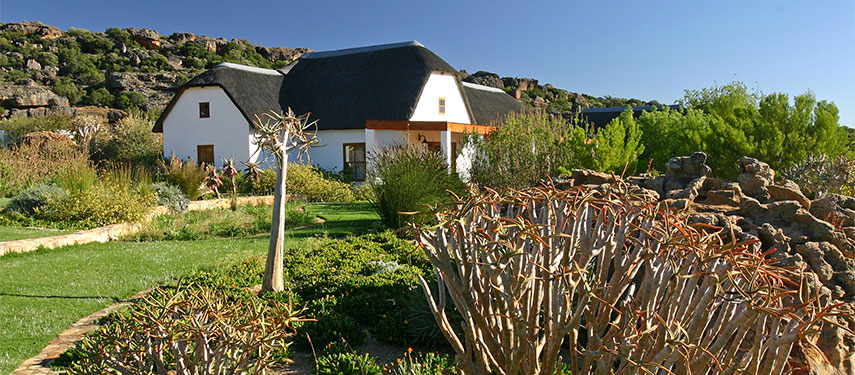
Bushman’s Kloof – Cedarberg
Reconnect with the landscape
Bushman’s Kloof is an exclusive and private wilderness reserve and wellness retreat located in the unparalleled panorama of the Cederberg Mountains. Experience the best of this magical wilderness reserve - its history, landscapes and wildlife, and feel the pulse of an extraordinary and ancient landscape.... Read More
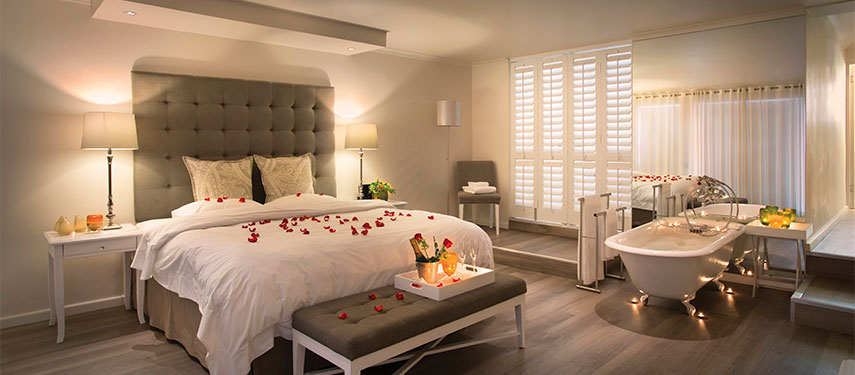
More Quarters – Cape Town
A stone's throw to Kloof Street
Offering you the luxury of your own holiday apartment within the bustling heart of Cape Town and around the corner from Kloof Street, the objective at More Quarters is to not only provide luxurious accommodation, but also an authentic Cape Town experience – an inside knowledge on Cape Town’s best kept secrets.... Read More
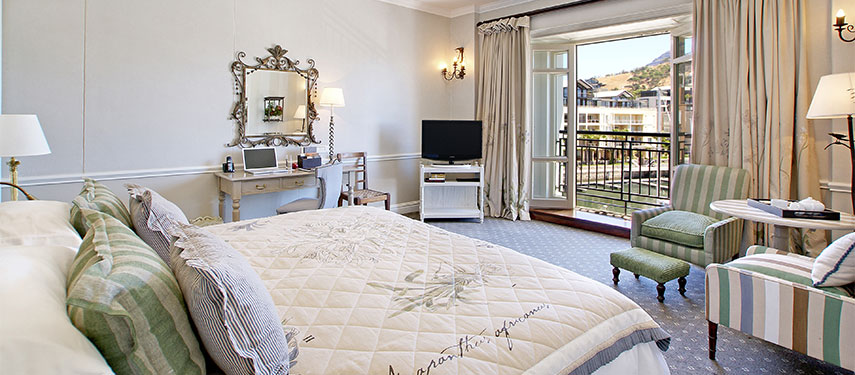
Cape Grace – Cape Town
A sanctuary of sophistication
Cape Grace Hotel provides the gentle elegance of a small, luxury hotel combined with the allure of one of the world’s most beautiful cities. It is nestled on a private quay in Cape Town’s bustling Victoria & Alfred waterfront and is a welcome and gracious sanctuary of tradition, comfort & sophistication.... Read More
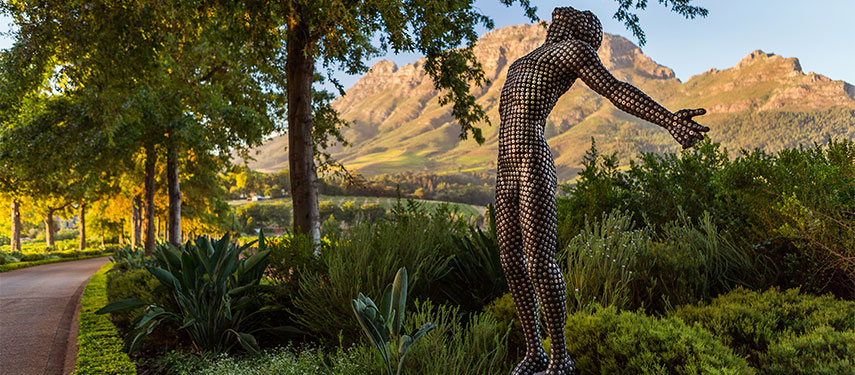
Delaire Graff – Stellenbosch
Seclusion in Stellenbosch
Delaire Graff Estate is the completed vision of owner, Laurence Graff; to transform a magnificent winelands property into a desirable art, hospitality and wine destination. With its two outstanding restaurants, a state-of-the-art winery, the exclusive Lodges, and two luxury boutiques, Delaire Graff provides an exclusive experience for those after the finer things in life.... Read More
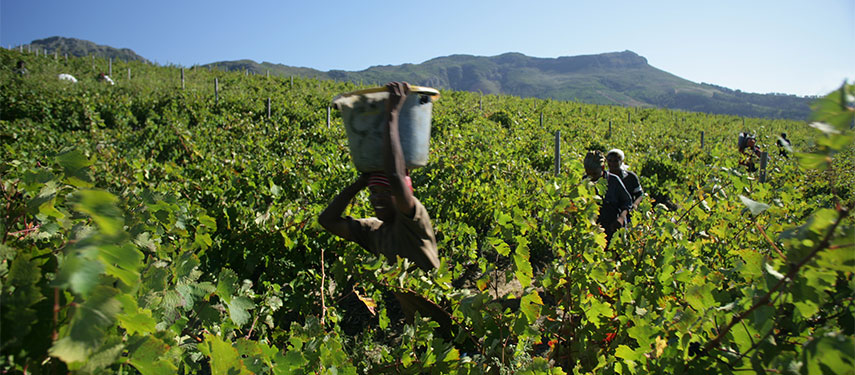
Boschendal Farm – Stellenbosch
The goodness of rural South African life
Surrounded by dramatic mountain landscapes, lush gardens and vines, the original farmstead complex of Boschendal Farm now offers beautiful accommodation and a blissful taste of rural South African life. It is the perfect choice for couples, families or groups of friends looking to relax, unwind and discover rural South Africa.... Read More
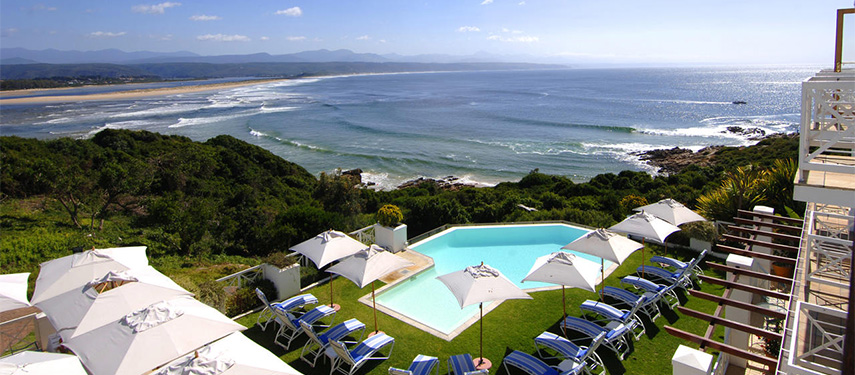
The Plettenberg – Plettenberg Bay
A seaside bliss
Plettenberg Bay is South Africa’s ultimate beach destination in the heart of the adventure rich Garden Route. Situated on a rocky headland with spectacular views of the ocean, mountains and endless stretches of golden beach, The Plettenberg is the ideal place to both relax and unwind, or recharge and reinvigorate.... Read More
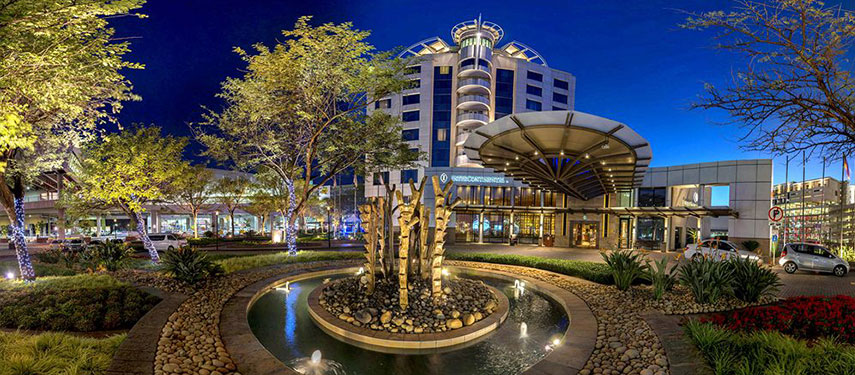
Intercontinental O.R. Tambo – Johannesburg
Convenience and comfort
The Intercontinental O.R. Tambo is Johannesburg airport's only luxury hotel and its location within walking distance to the domestic and international terminals makes it an ideal place to stop over after a long flight or in between safari adventures. Hints of African artefacts are dotted around the property so that one can feel the charm of Africa en route to the next destination.... Read More
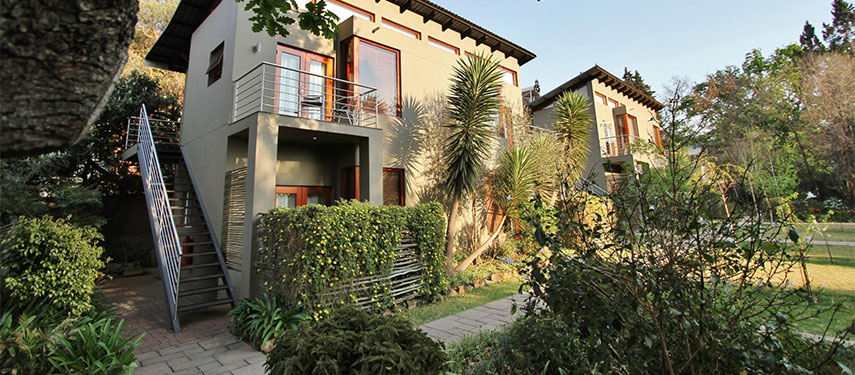
The Peech Boutique Hotel – Johannesburg
Calm amidst green surroundings
The Peech is an obvious choice for any stopover or extended stay in Johannesburg. It is close to many of the city's highlights including the Apartheid Museum, the shopping meccas of Rosebank Markets and Sandton Centre, and to numerous art galleries. With its understated luxury, The Peech exudes a stylish flair and sophistication.... Read More
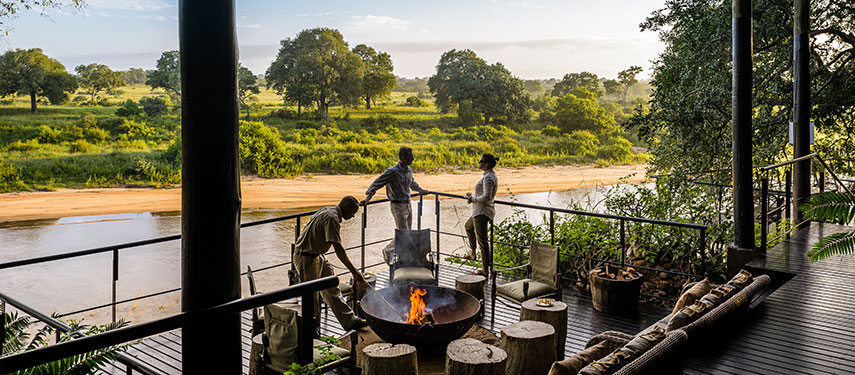
Singita Ebony – Sabi Sands Reserve
Prime game viewing
Singita Ebony is located in the exclusive Sabi Sands Game Reserve bordering the southern section of the Kruger National Park. The lodge has a commanding presence and an essence that evokes an intense feeling of familiarity - as if visiting a congenial family home.... Read More
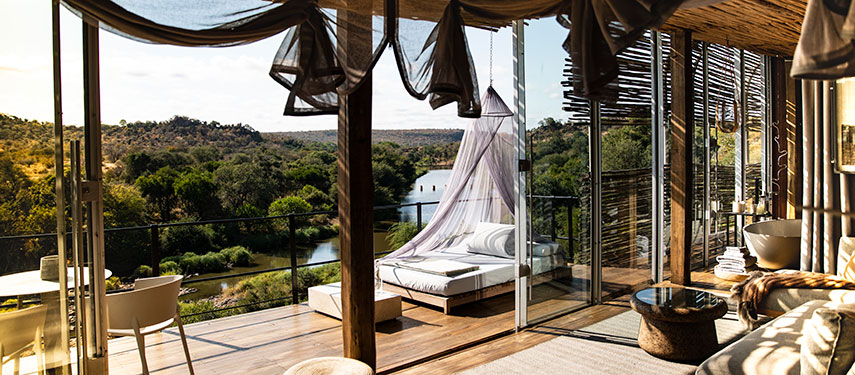
Singita Lebombo – Kruger National Park
Where four eco-zones are combined
Singita Lebombo is located on the far eastern reaches of the Kruger National Park, in an isolated slice of pristine wilderness. This area represents one of the few remaining unexplored territories in Africa where a unique wildlife population thrives across four different eco-zones.... Read More
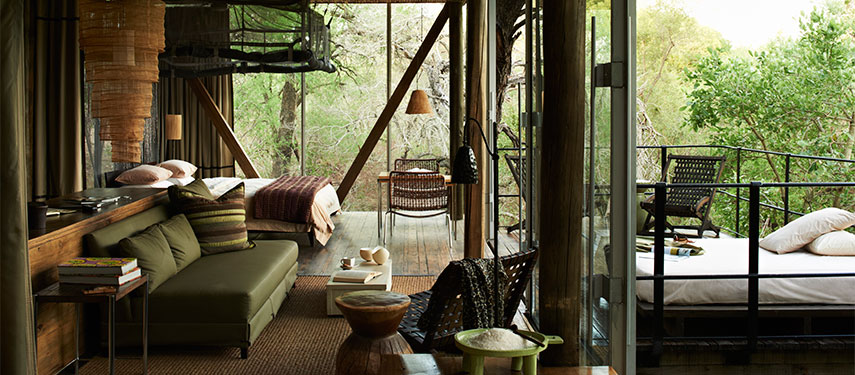
Singita Sweni – Kruger National Park
A magical stay awaits
Singita Sweni flanks the Sweni River, sitting within 33,000 acres of pristine wilderness in the world-renowned Kruger National Park. Even when you’re indoors, you’ll have the sensation of being close to the river and trees. Enjoy 'Big 5' game viewing or a unique experience of ‘camping out’ under the stars on the day bed out on your viewing deck.... Read More
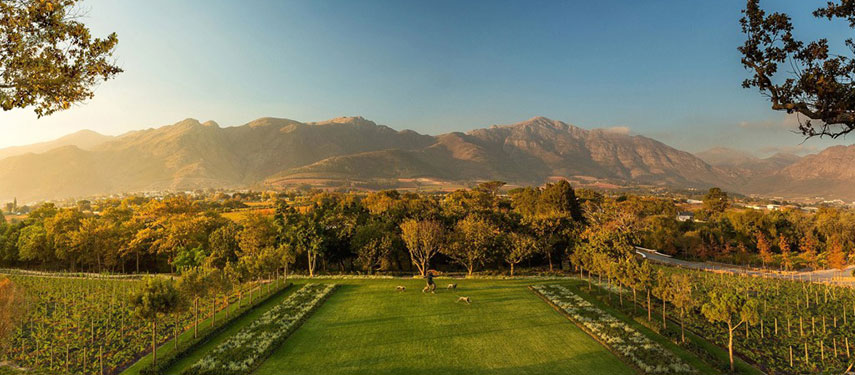
Leeu Estates – Franschhoek
Quintessential Franschhoek
Just under an hour’s drive from Cape Town, Leeu Estates is a country house and boutique winery set among vineyards, gardens and fynbos in the scenic Franschhoek Valley. Combining easy, relaxed luxury with exquisite dining experiences, fine wine and charming heritage, Leeu Estates offers a quintessential Franschhoek experience.... Read More
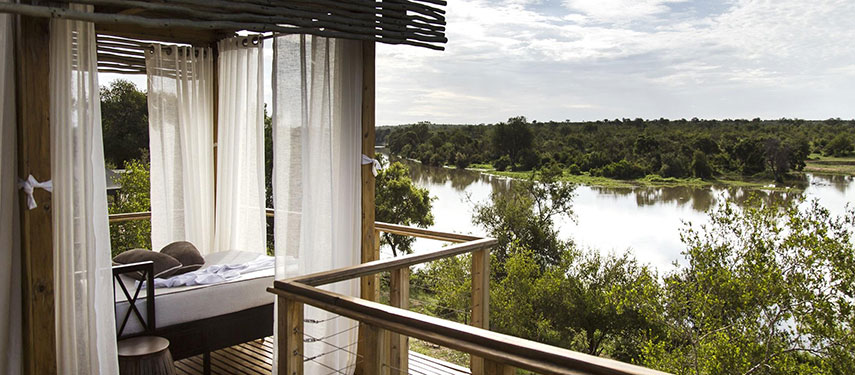
Simbavati Hilltop Lodge – Timbavati Reserve
Bliss on the hilltop
Blending elegant comfort with exciting wildlife viewing, Simbavati Hilltop Lodge presents a fantastic safari experience for experienced safari-goers and first-timers alike. Spot unique white lions in their natural environment, along with the Big 5, as well as magnificent views of the bush from the lodge.... Read More
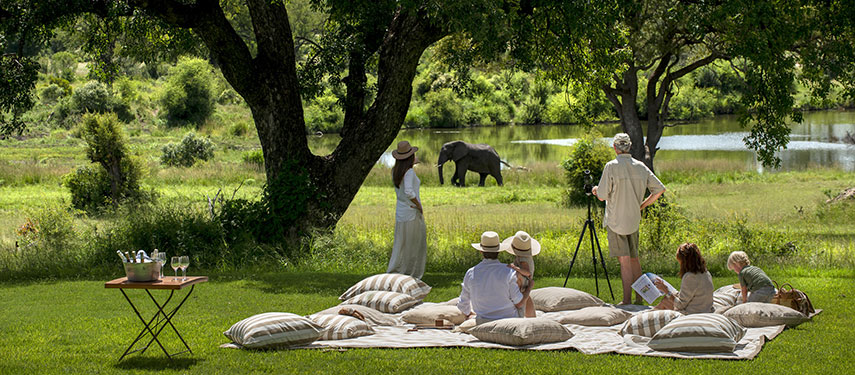
Singita Castleton – Sabi Sands Reserve
Safari in a country house
Set within 45,000 acres of private reserve, Singita Castleton consists of a main house with communal living spaces, and six individual cottages within the grounds, catering for up to 12 people. It is the perfect spot for any group looking for a superb, game rich private safari coupled with a little luxury and the feeling of having not left home.... Read More
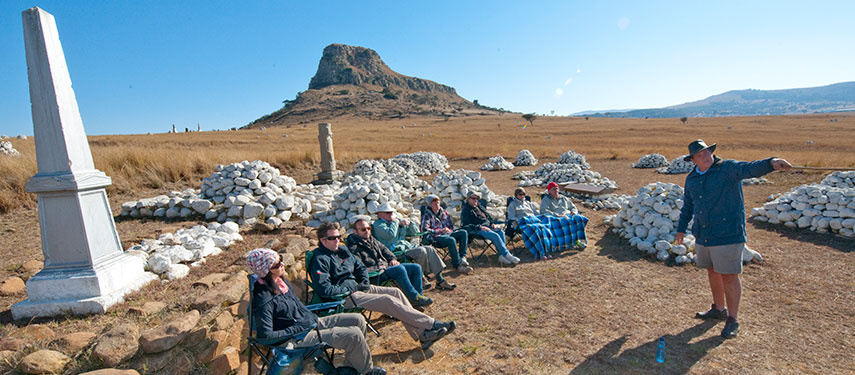
Fugitives Drift – KwaZulu-Natal
Step back into South Africa's history
Positioned on a hillside above the Buffalo River Gorge in the Natal Battlefields, Fugitives' Drift is a simple but charming family and owner-run property that offers a unique experience combining wildlife with rich South African history. Enjoy horse riding, game drives, walking, fishing and battlefield tours that bring the epic Zulu wars to life.... Read More
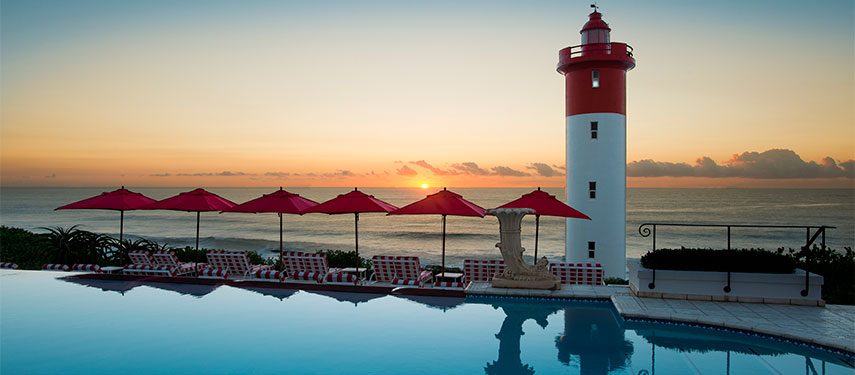
The Oyster Box Hotel – KwaZulu-Natal
Classic and colonial
Perfectly situated on the ocean’s edge, The Oyster Box is conveniently located for quick and easy access to Durban city centre. The combination of colonial charm, impeccable service, lush tropical gardens and breathtaking setting makes the Oyster Box a splendid luxury break.... Read More
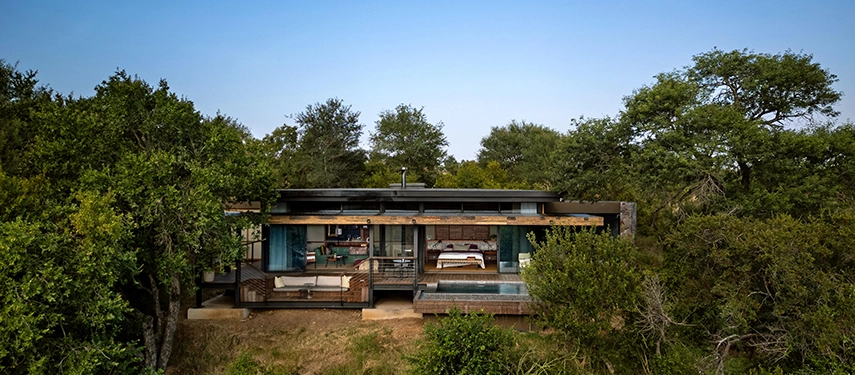
Tanda Tula – Timbavati Reserve
A Sanctuary of Stillness
A contemporary canvas-and-glass sanctuary where Tsonga heritage meets the unhurried rhythms of the Greater Kruger wilderness. This is a place of rare freedom and soulful connection, inviting you to slow down and let the bush dictate the pace of your days.... Read More
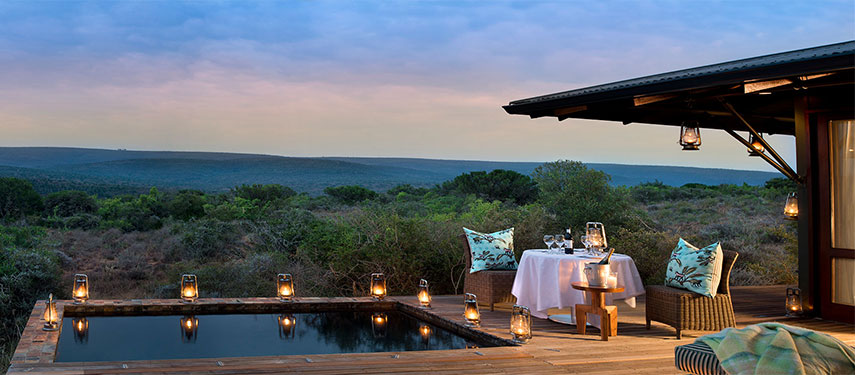
Kwandwe Ecca Lodge – Eastern Cape
Splendour by the river
Nestled in the heart of South Africa's pristine Eastern Cape province lies Kwandwe Private Game Reserve, flanking the Great Fish River which meanders through this malaria-free pristine private wilderness. It is renowned for understated luxury, exquisite scenery and the thousands of animals and wildlife that call the Reserve home.... Read More
A collection of safaris & journeys in South Africa
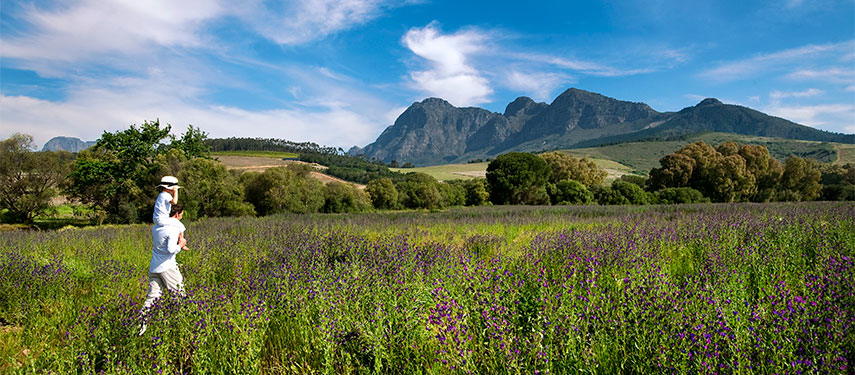
South Africa’s Cape Classic
Inspiration Itinerary | Cape Town & Winelands in style
From tabletop mountains to beaches with penguins, all the way through to divine mouth-watering cuisine and valleys full of vineyards, Cape Town is an exceptionally varied and vibrant city where the possibilities for enjoyment are almost endless. Exploring this cosmopolitan city and its surrounds can easily be done at your leisure by hire car, or though escorted or private tours where you will learn about the history and culture of the region. Stay in some of our favourite luxury properties, chosen because of their location and exquisite design, and enjoy the allure of a destination where there is truly something for everyone....Read More
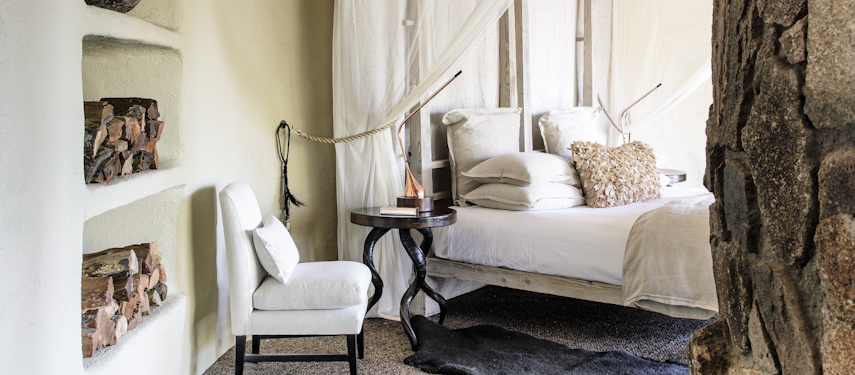
South African Bush Luxury
Inspiration Itinerary | Kruger, Kalahari & Cape in Style
This luxury safari of South Africa combines the world-renowned Sabi Sands in the Greater Kruger, famed for the Big Five - lion, leopard, elephant, buffalo & rhino, and a rare beauty; the Kalahari.
The diversity of animals in the Kalahari is extraordinary, with many species not seen in most other safari destinations, including wild dog, meerkats, aardwolf, African wild cat and brown hyena.
Tswalu in the Kalahari contrasts perfectly with a safari experience in the Kruger.
Then, to top off the perfect safari combination, visit Cape Town to celebrate all that you have seen and experienced, enjoying world-class cuisine in one of the world's most beautiful cities. ...Read More
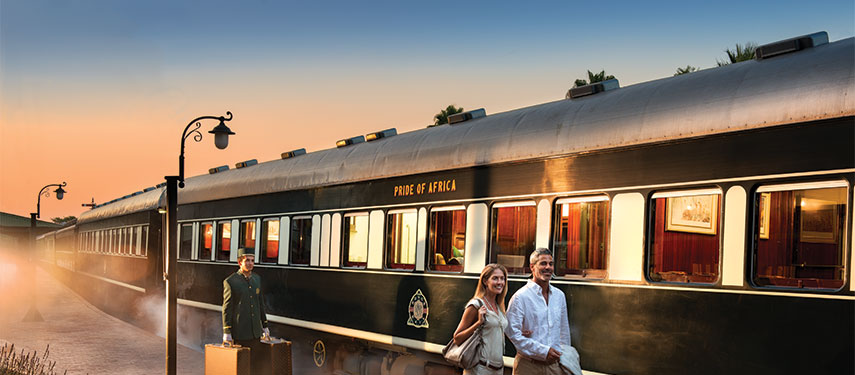
Rovos Rail – Pretoria to Cape Town
Rail Journey | Pretoria to Cape Town
Established in 1989, Rovos Rail has a world-class reputation. Train journeys varying from two to 15 days combine some of Africa's greatest destinations with a variety of daily off-train excursions. On board, sit back in the vintage wood-panelled coaches as the extraordinary scenery unfolds in front of you. With discreet and friendly service, top cuisine and a selection of South Africa’s finest wines, Rovos Rail harks back to a more elegant era encompassing the romance of African exploration....Read More
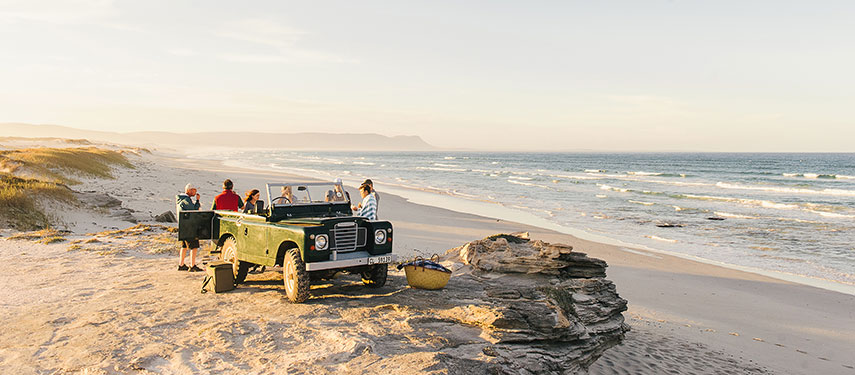
Whales, Winelands & Wilderness
Inspiration Itinerary | Coastal calm to wild savannah
This 10-night inspiration itinerary captures South Africa’s soulful beauty in three distinct chapters. Begin in a wildlife-rich nature reserve, where you can float on a serene lagoon surrounded by birdlife and marine mammals. Next, raise a glass to the good life in beautiful Franschhoek, nestled in the Cape Winelands. Finally, round out your adventure on a private, conservation-focused 'Big Five' safari in the company of both black and white rhino. South Africa’s diverse biomes collide in this fabulous journey....Read More
South Africa: Frequently Asked Questions
South Africa’s regional diversity means there is no single ideal window — the best timing depends entirely on what you want to experience. For wildlife safaris in the Greater Kruger, the dry winter months of May to October are optimal: vegetation thins, animals concentrate around water sources, and cooler early mornings make for ideal game drive conditions. Leopard sightings in the Sabi Sands are at their most reliable during this period. For Cape Town and the Winelands, October to April brings long summer days, perfect beach weather, and the harvest season in the vineyards. The Sardine Run — one of the ocean world’s great wildlife spectacles — unfolds along the KwaZulu-Natal coast between May and July. For wildflower viewing in Namaqualand, plan around August and September.
For travellers combining a first safari with Cape Town or the Winelands, the malaria-free reserves of the Eastern Cape and Madikwe offer exceptional Big 5 game viewing without requiring antimalarial medication — an important practical consideration. For those prioritising the most immersive possible safari experience, the Greater Kruger private reserves — particularly Sabi Sands and Timbavati — deliver off-road tracking, night drives and highly personalised guiding that national park visitors simply cannot access. Families travelling with young children are strongly advised to consider malaria-free destinations such as Madikwe or Kwandwe in the Eastern Cape, as antimalarials are not appropriate for all age groups.
A well-paced classic South Africa itinerary typically requires a minimum of 10 to 12 nights. A popular structure allocates three to four nights in Cape Town and the Winelands — time enough for Table Mountain, the Peninsula and at least one cellar door visit — followed by five to six nights on safari in the Greater Kruger or an Eastern Cape reserve. Travellers with additional time can connect the two via the Garden Route, adding two to three nights of coastal and wilderness exploration on a beautifully staged self-drive. A stopover night in Johannesburg, at the airport or in Sandton, is practical for most fly-in itineraries from Australia.
Australian passport holders do not require a visa to enter South Africa. On arrival, you will receive a visitor’s permit allowing a stay of up to 30 days, extendable to a maximum of 90 days through the Department of Home Affairs. Your passport must be valid for at least 30 days beyond your intended departure date and must contain at least two blank pages. South Africa is conveniently reached from Australia via one-stop routings through Dubai, Singapore, Doha or Hong Kong, with several airlines offering well-connected options into Johannesburg’s O.R. Tambo International. Entry requirements can change; we recommend confirming the current position with Smart Traveller or the South African High Commission before departure.
Malaria is a consideration in specific regions, primarily the lowveld areas of Limpopo and Mpumalanga — which encompass much of the Greater Kruger — and the northern reaches of KwaZulu-Natal. Risk is generally higher during the wetter summer months from October to April. Importantly, South Africa offers a wide range of excellent malaria-free safari destinations, including Madikwe Game Reserve, the Eastern Cape private reserves (among them Kwandwe and Shamwari), and the Waterberg — all capable of delivering outstanding Big 5 game viewing. These are particularly recommended for families with young children. Consult a travel medicine specialist well before your departure date for personalised advice.
Kruger National Park is one of Africa’s great wild places — vast, self-contained and home to an extraordinary density of wildlife across nearly two million hectares. The private reserves within the Greater Kruger ecosystem offer a fundamentally more personalised experience. Guides drive off established roads to follow fresh animal tracks, game drives operate after dark with spotlights to unlock the nocturnal world of leopard, hyena and porcupine, and strict limits on vehicle numbers at any sighting mean encounters feel genuinely intimate. Guiding standards in reserves such as Sabi Sands and Timbavati are among the highest in Africa, and the accommodation — from Londolozi and Singita to Savanna and Lion Sands — operates at a level of luxury no national park can replicate.
South Africa: A Glossary of Terms
- Big Five — lion, leopard, elephant, African buffalo, and rhinoceros; coined during the era of big-game hunting to describe the five most dangerous animals to pursue on foot, and now used universally by the safari industry to describe South Africa’s most iconic wildlife encounters.
- Fynbos — the fire-adapted, heather-like shrubland that defines the Cape Floristic Region; home to more than 9,000 plant species, approximately 70% of which occur nowhere else on earth, and central to the UNESCO World Heritage–listed Cape Floral Region — one of only six recognised floral kingdoms on the planet.
- Greater Kruger Area — the collective name for Kruger National Park and its adjacent private game reserves (including Sabi Sands, Timbavati, Thornybush and Klaserie) following the removal of internal boundary fences; wildlife now moves freely across an unfenced conservation area of approximately two million hectares.
- Sabi Sands — a private game reserve coalition directly bordering the southern section of Kruger National Park, internationally recognised for its exceptional leopard density, off-road tracking, night game drives, and some of the African continent’s most celebrated luxury lodges.
- Sardine Run — the annual late-autumn migration of billions of sardines northward along South Africa’s KwaZulu-Natal coastline, typically occurring between May and July; the resulting feeding frenzy draws sharks, bottlenose dolphins, Cape gannets and Bryde’s whales in one of the natural world’s most dramatic marine spectacles.
- Malaria-Free Reserve — a game reserve situated outside South Africa’s malarial transmission zones; key examples include Madikwe, Kwandwe and the broader Eastern Cape reserves, and the Waterberg — all offering full Big 5 safari experiences without the need for antimalarial prophylaxis, and therefore strongly recommended for families travelling with young children.
- Cape Dutch Architecture — the ornate, gabled building style that emerged in the Cape Colony from the 17th century onward, characterised by symmetrical whitewashed facades, elaborately scrolled gables and thatched roofs; now defining the aesthetic of the Franschhoek and Stellenbosch wine estates and many of South Africa’s most beloved heritage properties.
- Cape Winelands — South Africa’s pre-eminent wine-producing region, centred on the historic valleys of Stellenbosch, Paarl and Franschhoek; celebrated for Cape Dutch heritage estates, world-class restaurants and distinctive cultivars including chenin blanc (locally known as Steen), pinotage — a variety developed exclusively in South Africa — and internationally acclaimed Bordeaux-style blends.
- Paddock-to-Plate — a farm-to-fork dining philosophy in which menus are built around ingredients grown, raised or produced on-site; particularly prominent across the Cape Winelands and in the restaurant culture of Franschhoek, and increasingly embraced by South Africa’s leading safari lodges.
- Timbavati — a private game reserve forming part of the Greater Kruger ecosystem along the park’s central western boundary; historically associated with the rare white lion, a recessive genetic variant first documented here in the 1970s, and today recognised as one of the finest Big 5 destinations in the Greater Kruger area.
The Classic Safari Company put together a truly exceptional holiday in South Africa. Their knowledge and professionalism is first rate.
Waterland Tribe
Our trip to South Africa and Zimbabwe was so well organised and went off without a hitch. Everything was taken care of all we had to do was turn up and have a great time!
Nick & Yvonne Rice
The recommendation of guides and services in South Africa were absolutely wonderful. Will definitely use your services again!
Sharon & David Herbert
Thank you so much for putting together the most memorable holiday for us. The experiences we have had in the last couple of weeks have gone beyond all expectations.
Jane & Col Loveday
An amazing experience - the best family holiday we have ever had. We were extremely impressed by the meticulous attention to our itinerary. I can't speak highly enough of all the elements of this exciting journey!
Sheryl & Robert Taylor
We are so happy we put our trust in CSC, we had an amazing adventure and would recommend them to anyone.
Kim & Brad Balance
Thank you for making our trip to Africa so spectacular. The attention to detail really made it special. It really was the trip of a lifetime.
Paul Cozzi
Classic Safari Company has done it again! A unique experience that ticked all the boxes - wildlife, culture and dining experience. A dream come true!
Ros Wheeler
Exellent and wonderful, reaching way above expectations.
Elizabeth Mackintosh
Very knowledgeable and patient. Our trip was all that we hoped for. Wonderful!
Jane & Robert Happell
The trip exceeded my expectations and was the best family holiday I have ever had. Our children simply loved it and now I know more about African wildlife than they do about our own farm animals.
Rowntree family
Thank you for putting together the ancestral adventure of a lifetime. I cannot speak highly enough of the trip.
Jenny Kidd
If you want the most sensational experience in Africa let Julia and the staff at Classic Safari Co plan it for you! Their knowledge, expertise and enthusiasm for their job means your every wish will be fulfilled.
Miriam & Joseph Harrison