Zimbabwe
Africa’s Pink Diamond
Discovering Zimbabwe | In Summary
- Zimbabwe forms part of KAZA — the Kavango-Zambezi Transfrontier Conservation Area — the world’s largest transfrontier conservation area, a five-country framework that restores ancient wildlife migration corridors and allows Hwange’s elephant herds to move freely into Botswana’s Chobe National Park and beyond.
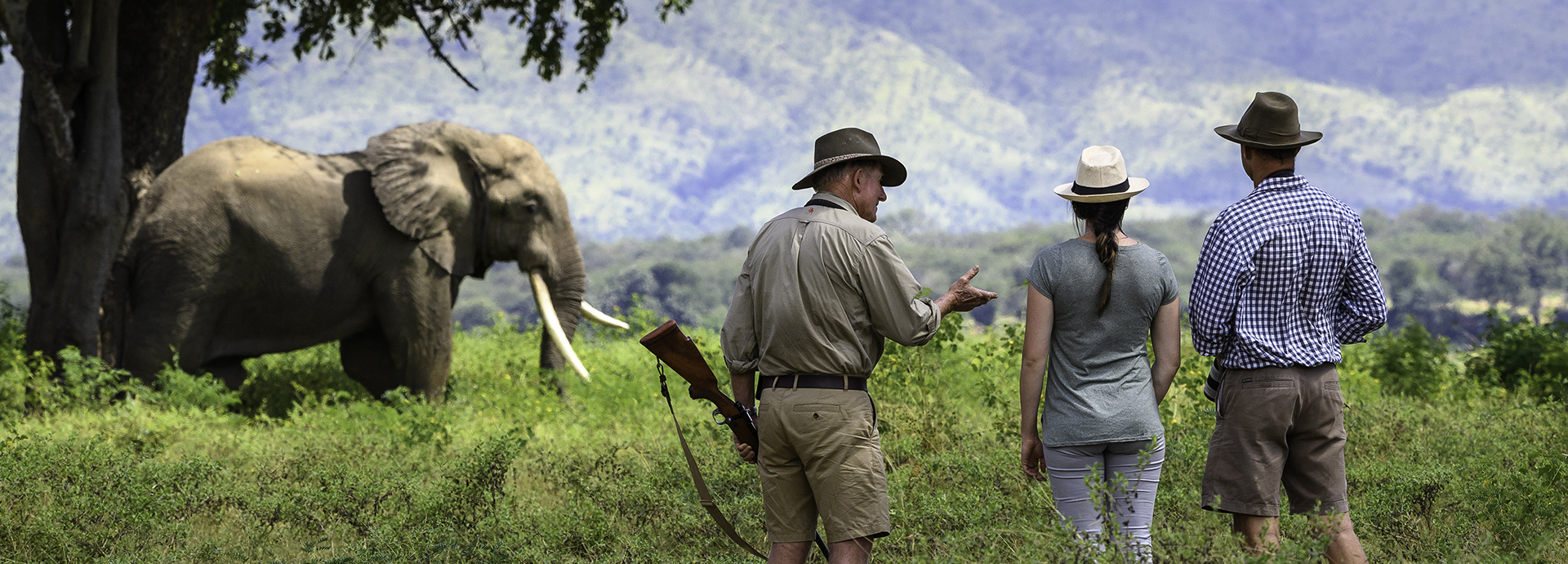
- Zimbabwean guides hold the ZPWMA Category One licence, widely regarded as the most rigorous professional guide qualification on the African continent; candidates must demonstrate comprehensive ecological knowledge, expert tracking ability, and the competence to conduct walking safaris safely alongside lion, elephant, and buffalo.
- Lake Kariba — formed in 1959 by the damming of the Zambezi — is the world’s largest man-made reservoir by volume, offering a fourth and entirely distinct Zimbabwe experience: houseboat safaris drifting past submerged tree trunks, sunset tiger fishing, and a waterbird spectacle unlike anywhere else in southern Africa.
Zimbabwe is rich in natural wonders, cultural and historical highlights. Despite, or perhaps because of, the country’s reputation for economic and political instability, Zimbabwe’s eco-operators and conservationists have fought tirelessly to see its wild area flourish once more and the passionate guides are among the best in Africa. Today it proudly resumes its rightful position as Africa’s pink-diamond and the safari destination of choice for those in the know.
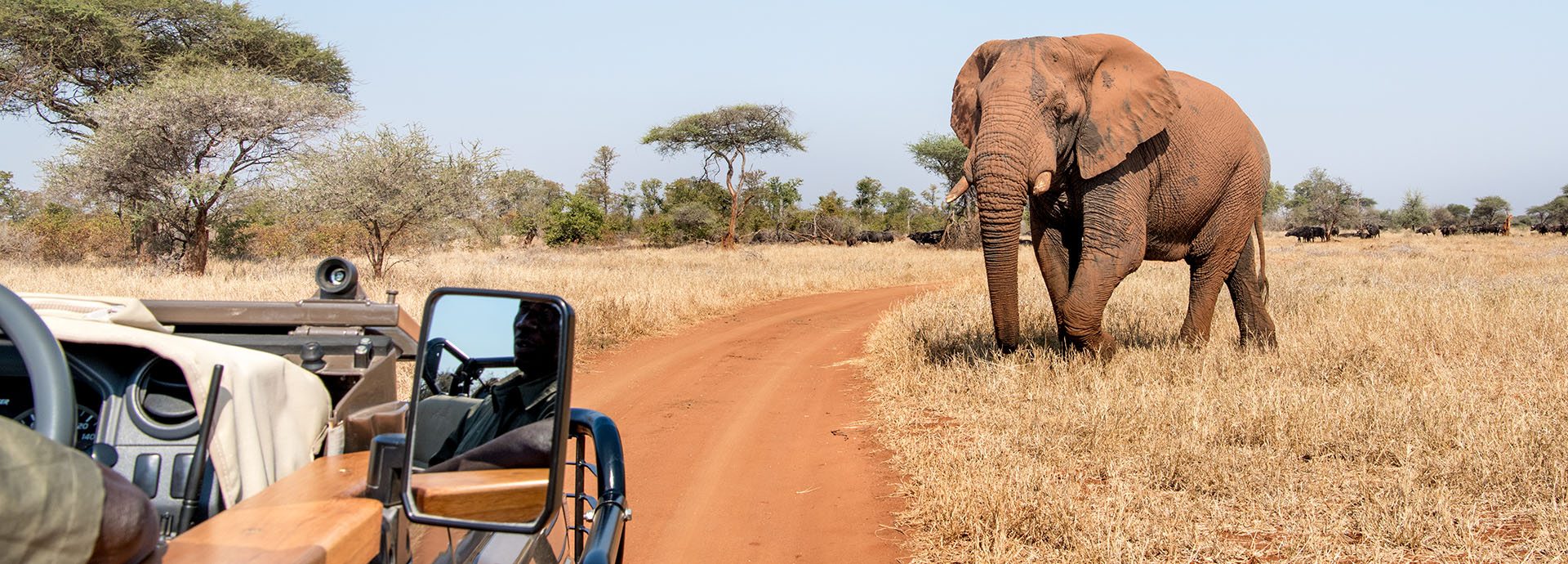
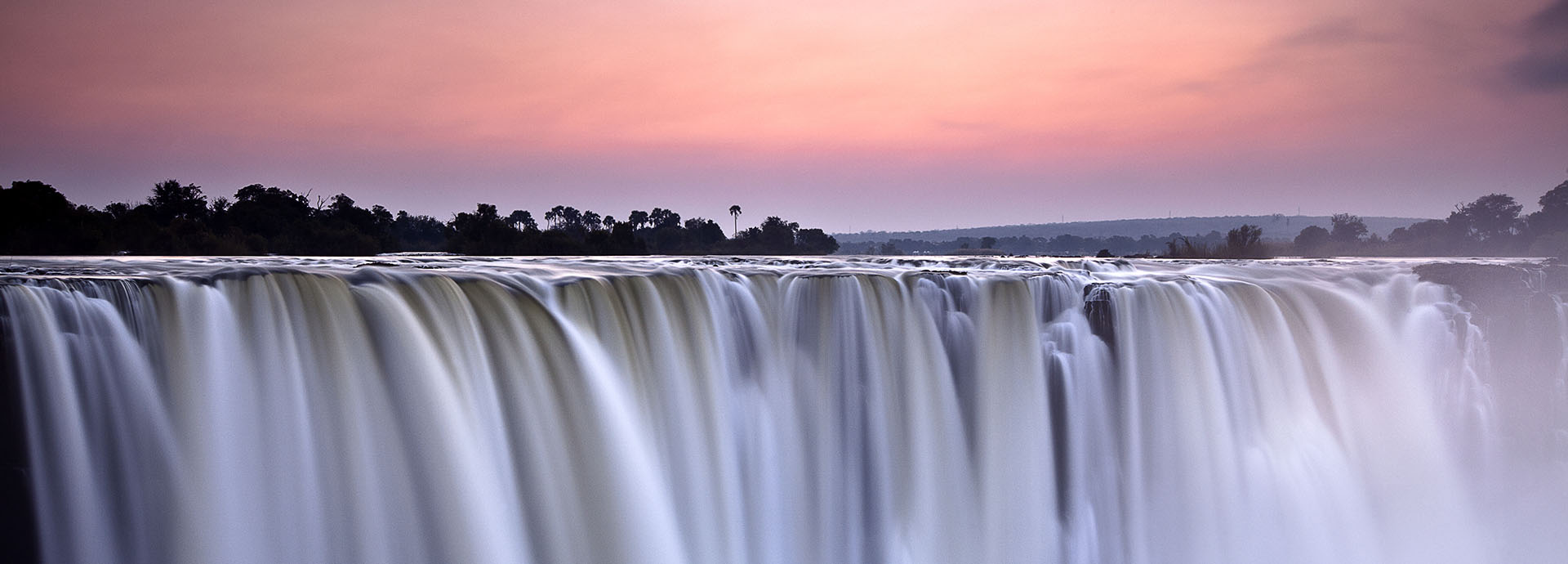
Hwange National Park is the largest reserve in Zimbabwe and boasts more than 100 different animal species and over 400 species of birds. It is world famous for its 30,000 elephants which congregate around a handful of known permanent waterholes in a trumpeting racket of fascinating social interactions. Mana Pools National Park is synonymous with the mighty Zambezi River. A UNESCO world heritage site, it is stunningly beautiful, wild and remote and offers fantastic opportunities for canoeing & walking safaris. The Victoria Falls are Zimbabwe’s foremost attraction and a must-see. They remain one of the most spectacular natural wonders of the world offering an array of adventure-based activities including river rafting, bungee jumping, abseiling and canoeing that will sate any adrenalin junkie’s appetite.
You Will Love
• Phenomenal guiding
• Victoria Falls
• Big game safaris
• Offbeat destinations
• Walking safaris, canoeing and adventure
• Passionate guides and pioneering conservation programmes
Let us design your perfect itinerary.
Zimbabwe’s diverse regions
from Hwange to Victoria Falls
Hwange National Park
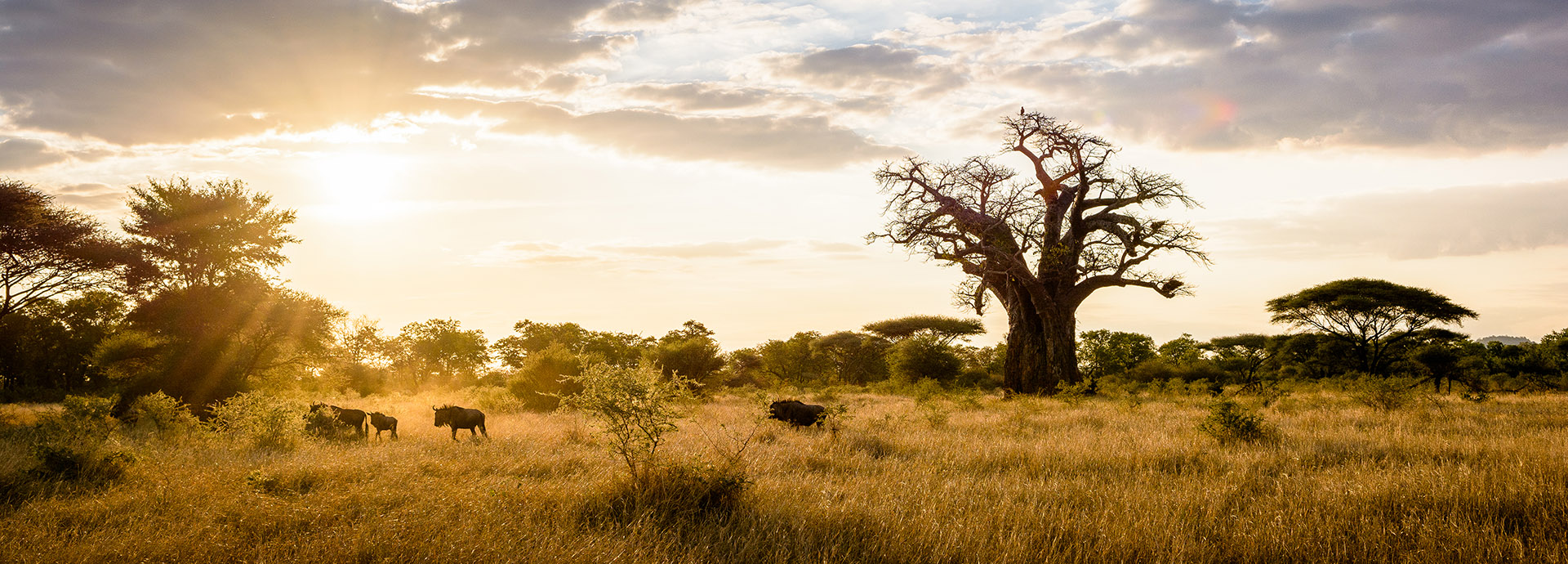
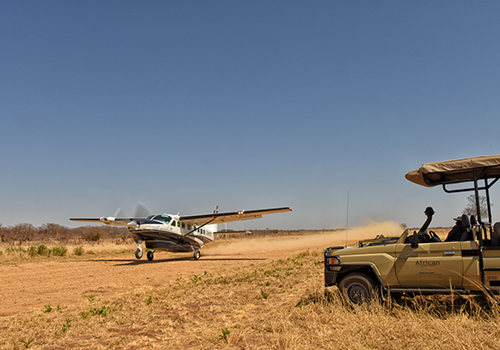
Hwange is Zimbabwe’s largest National Park and boasts a vast a huge amount of wildlife across a variety of landscapes ranging from forests to grassy plains and desert like sandscapes dotted with pam trees. It is known as the ‘land of the giants’ due to its populations of 40,000 elephants, but it is also home to more than 100 mammal species and at least 400 types of bird. It is as bountiful as any African park, yet receives a fraction of the number of visitors.
Mana Pools National Park
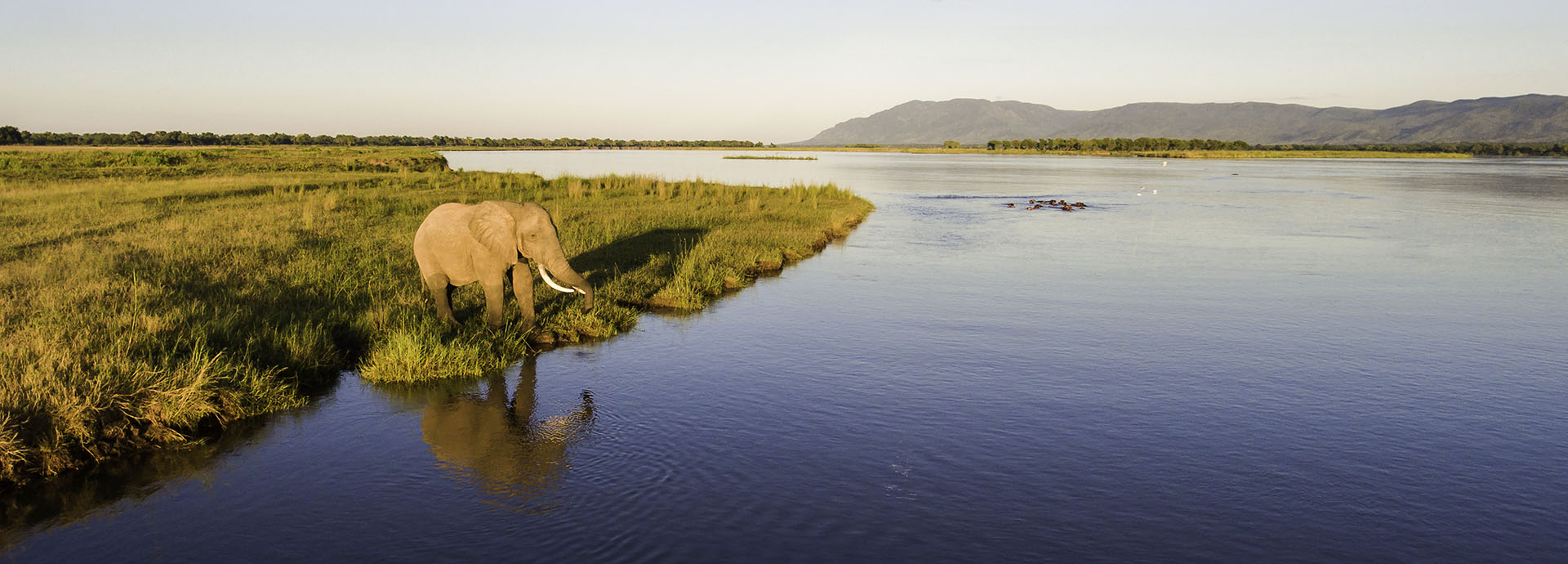
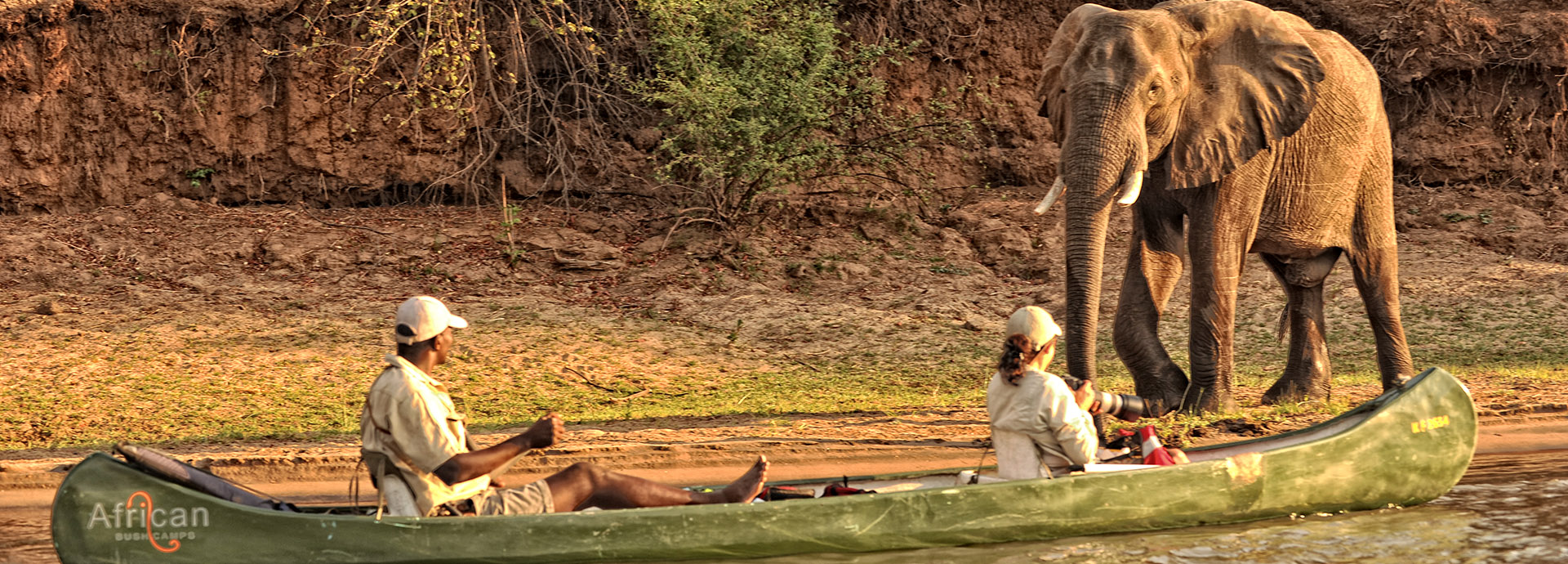
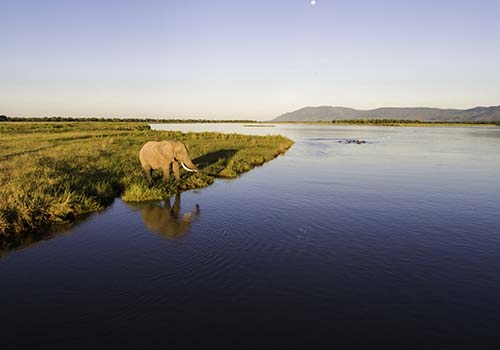
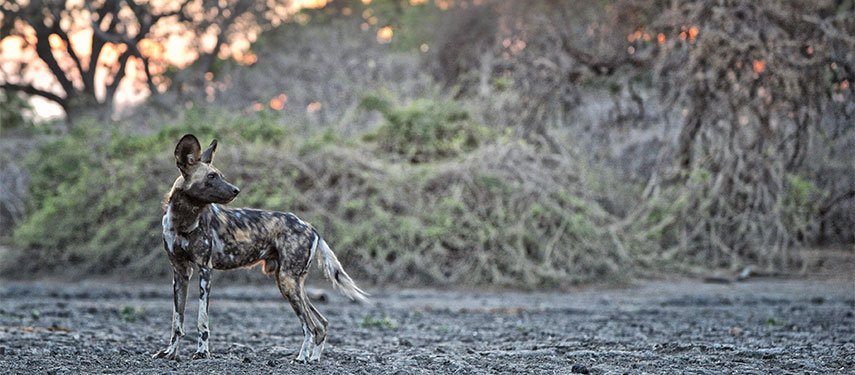
Mana, meaning ‘four’ in the local Shona language, refers to the number of ox-bow lakes within the park. These, along with the Zambezi River to the north, provide a constant supply of water which supports a huge amount of game. Game drives, canoeing and standout walking safaris with some of the finest guides in Africa are all possible here. The park boasts huge populations of hippo, crocodile, elephant, buffalo and African painted dog.
Victoria Falls
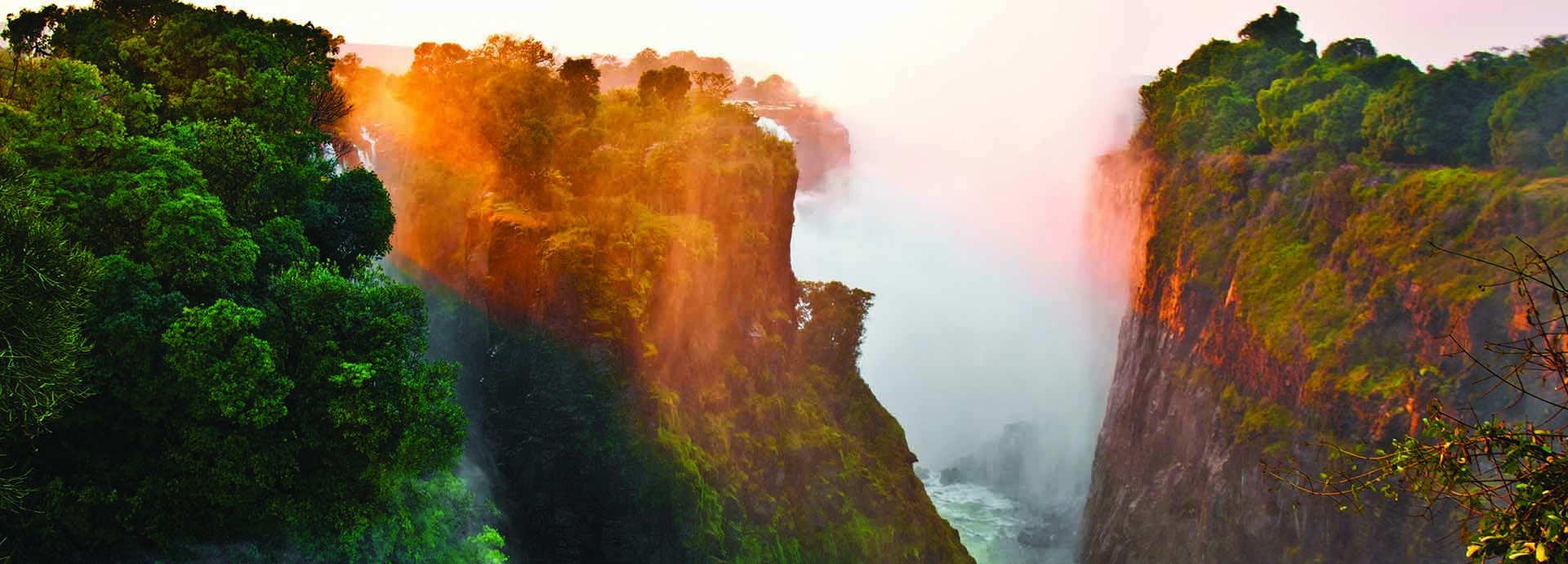
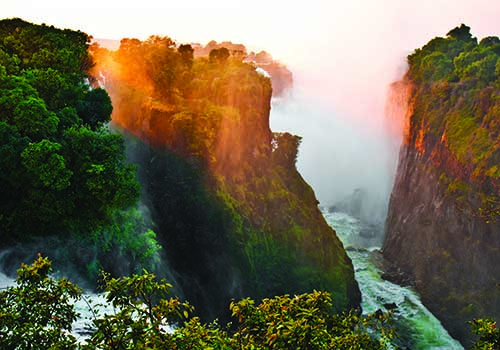
Victoria Falls forms as the Zambezi River drops 100m into a narrow gorge. At its peak more than 27 million cubic feet of water fall per minute, creating the biggest wall of white water in the world. Although the falls can be seen from either Zimbabwe or Zambia, there are far more viewpoints (16) on the Zimbabwean side including one above the thundering Devil’s Cataract and four facing the main falls. It’s a sight that every traveller to Zimbabwe simply must see.
Unforgettable experiences in Zimbabwe
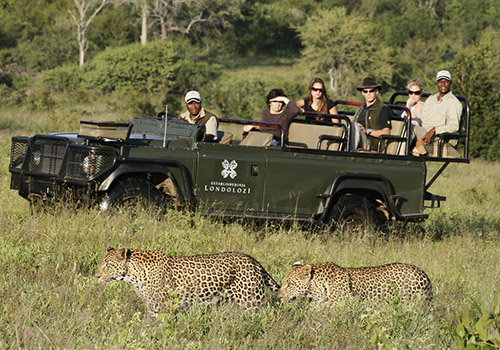
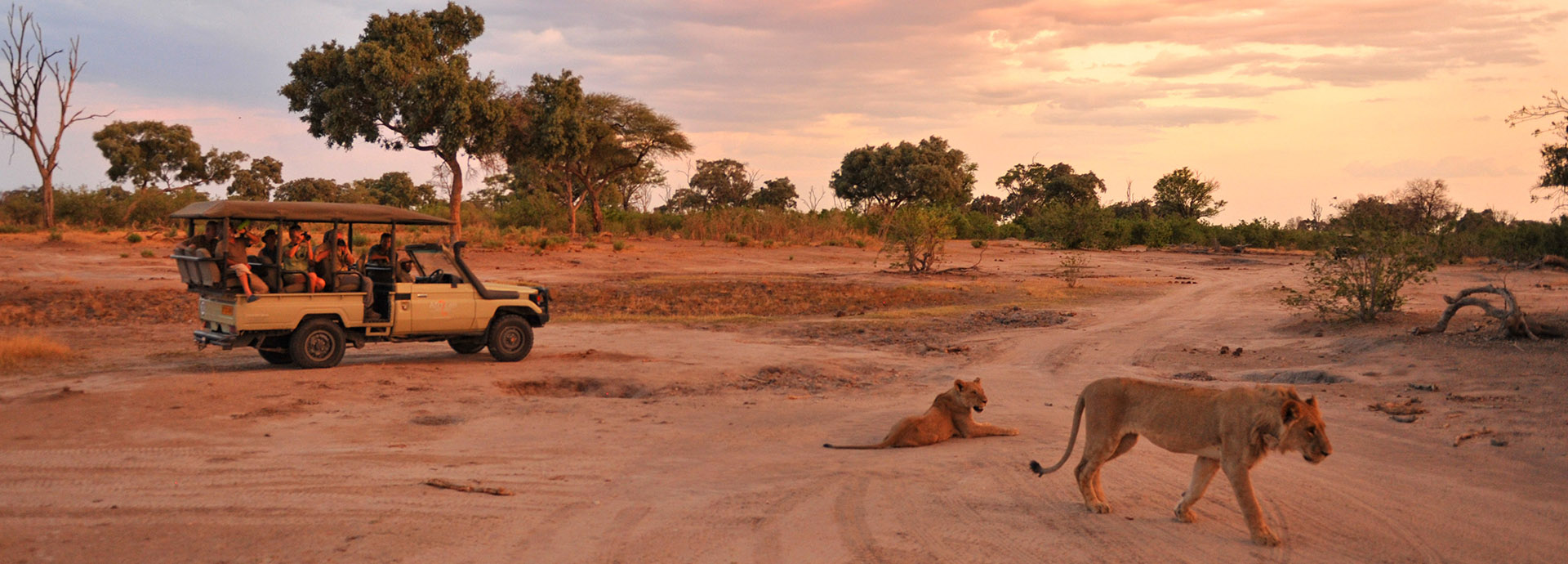
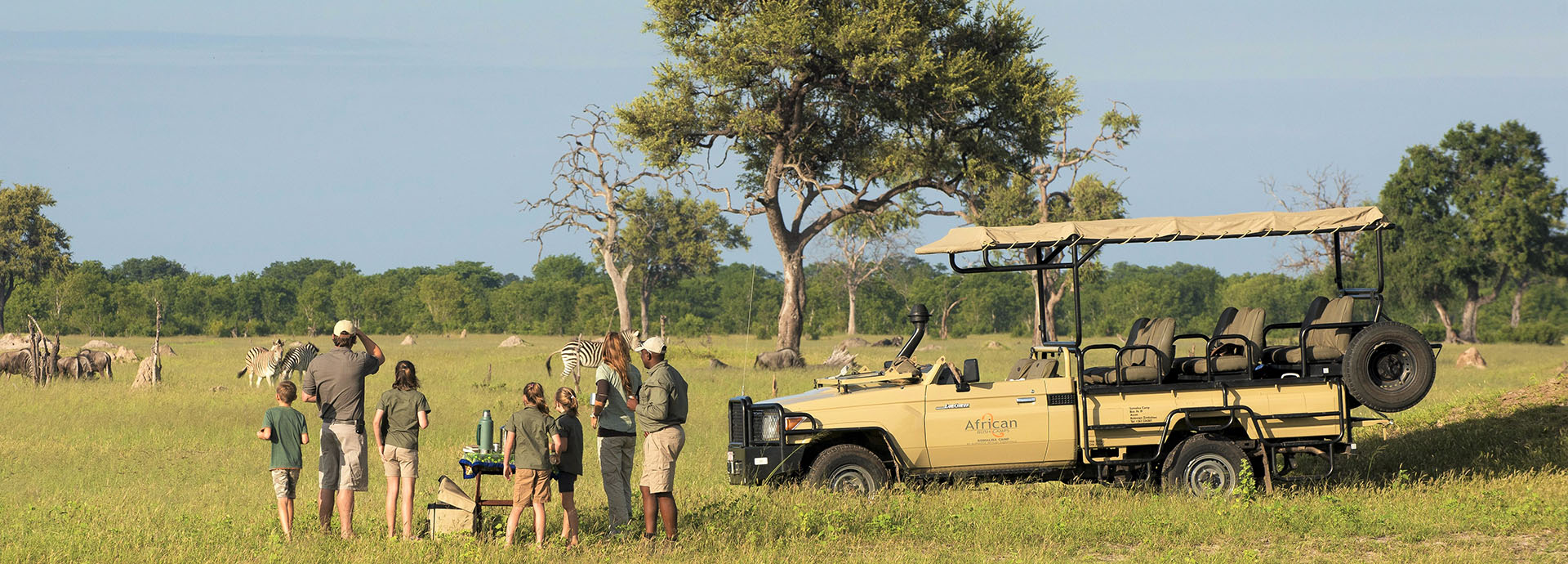
Encounter big game on a safari drive
Encounter big game on a safari drive
No trip to South Africa is complete without spending some time on safari. The Kruger National Park and its surrounding private game reserves are some of the largest, best-known and finest wildlife areas in Africa. South Africa als...
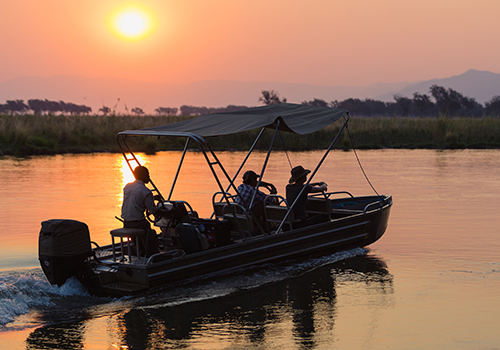
Cruise the Zambezi River at sunset
Cruise the Zambezi River at sunset
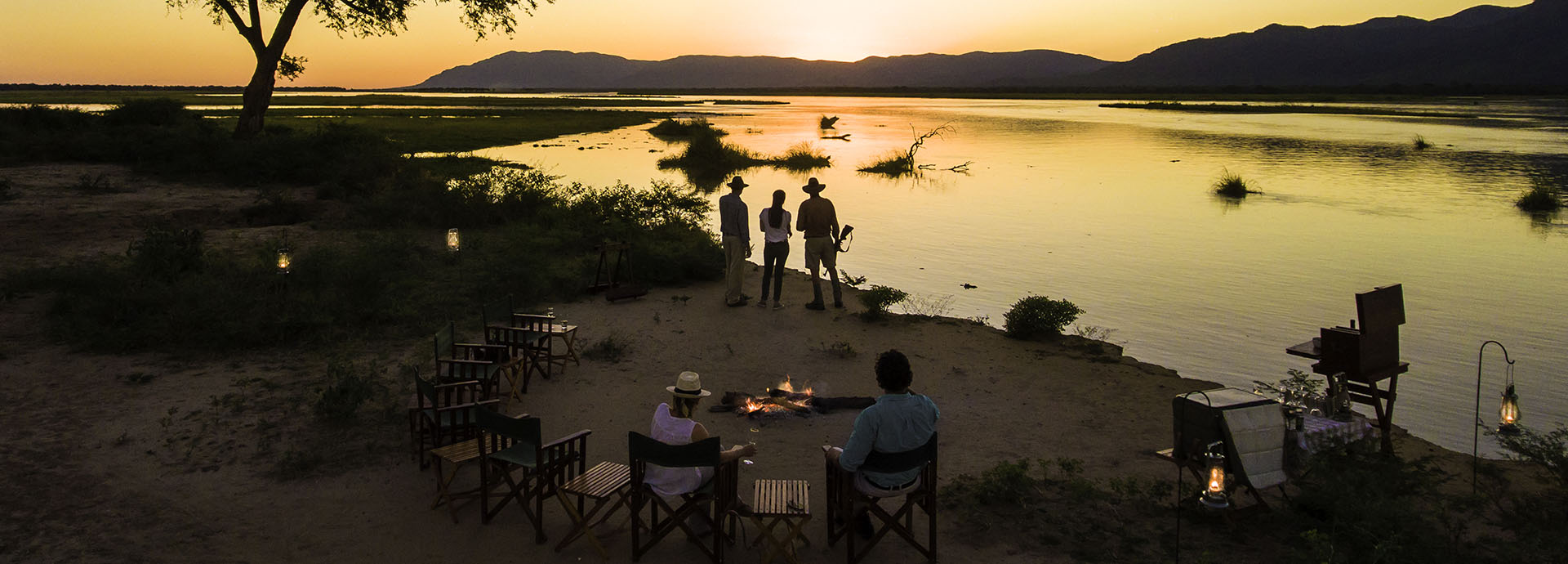
After a long day on safari there is nothing better than a leisurely cruise down the Zambezi river with a cold drink in hand. African sunsets are legendary and you can glide along listening to the birds tweeting as they return to t...
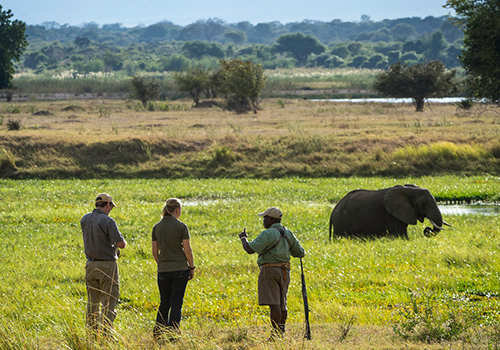
Walk with big game in the company of world-class guides
Walk with big game in the company of world-class guides
Zimbabwe is well known within the safari industry for having the most rigorous guide training programme. This has created some of Africa’s top guides who love nothing more than safely approaching big game on foot. Walking safari...
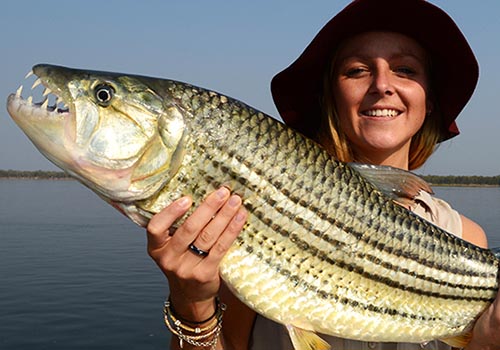
Catch tiger fish in the Zambezi river
Catch tiger fish in the Zambezi river
The aptly named tiger fish is related to the infamous piranha and is known for its tenacious spirit and insatiable hunting ability. It is regarded as one of the greatest freshwater game fish in the world and the Zambezi river is t...
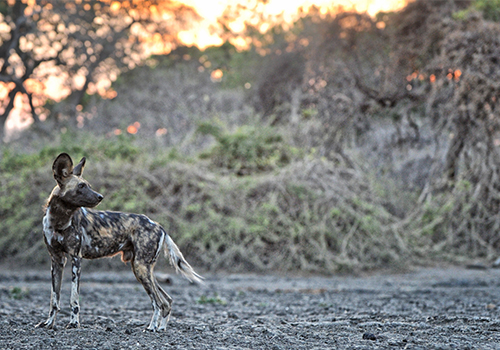
Learn about the endangered painted dog
Learn about the endangered painted dog
With less than 5,000 left in the wild, the African painted dog is critically endangered. Zimbabwe is one of the last strongholds for these sociable animals. This is in part thanks to the Painted Dog Conservation Project. You can v...
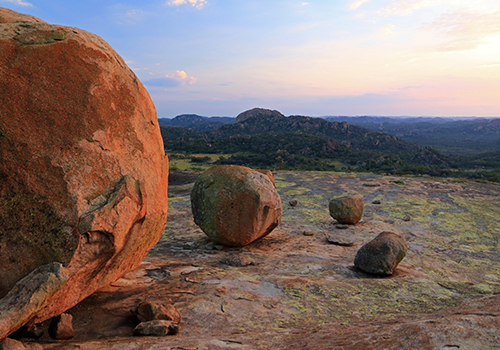
Marvel at the ancient rock art at Matobo
Marvel at the ancient rock art at Matobo
As well as being home to the grave of Cecil Rhodes, the Matobo Hills contain the highest concentration of rock art in Southern Africa. The oldest paintings date back around 13,000 years but it is believed that the Matobo Hills reg...
A selection of our favourite places to stay in Zimbabwe
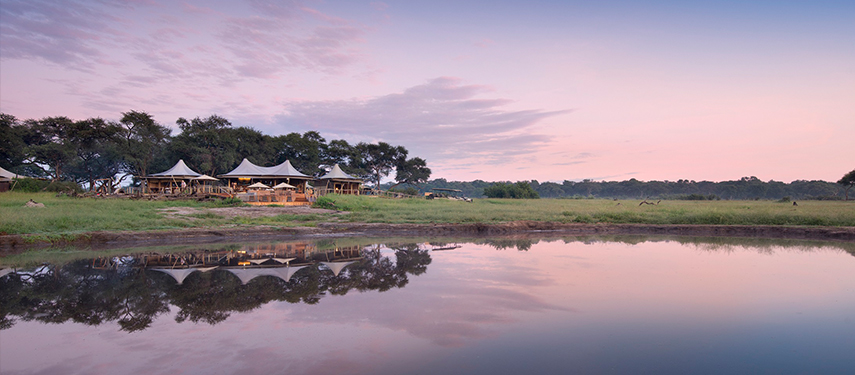
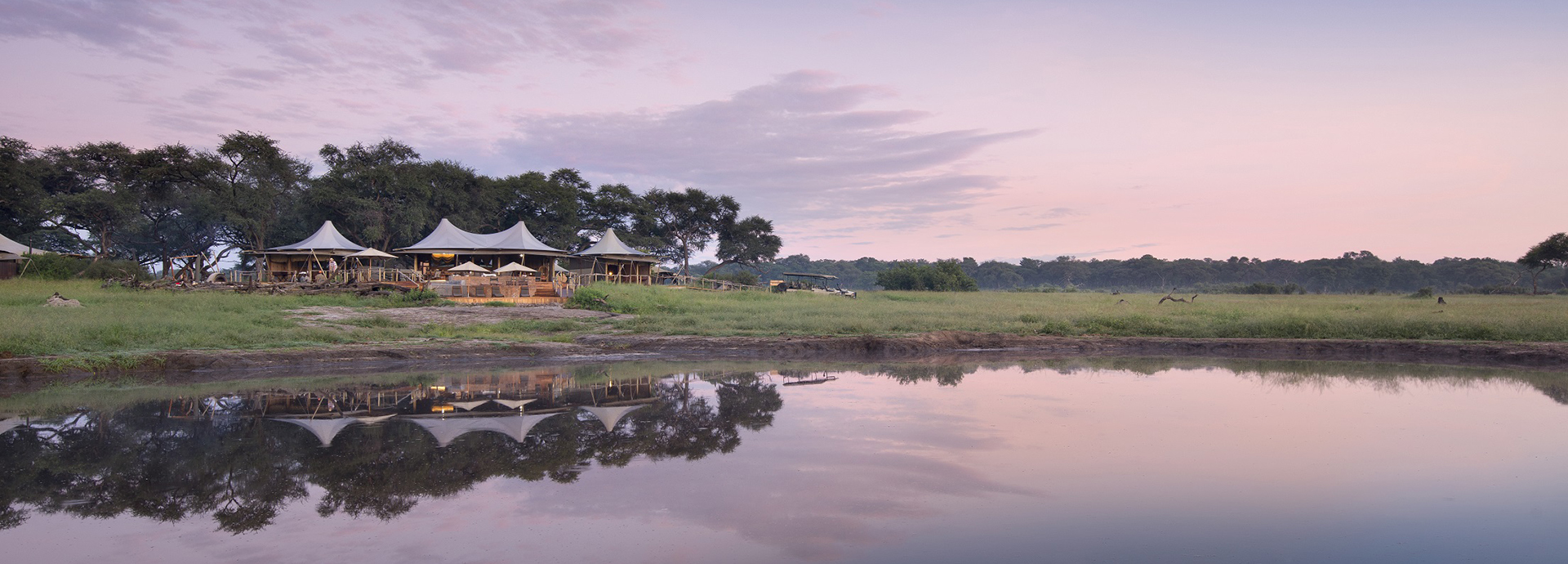
Somalisa Camp – Hwange National Park
Leading light bush camp
Somalisa Camp is set in the heart of Hwange National Park, known as the ‘land of the giants’ for its big elephant herds. It sits on an acacia island along the edge of a seasonal floodplain and is an authentic but glamorous bush camp, leading the light in community and conservation.... Read More
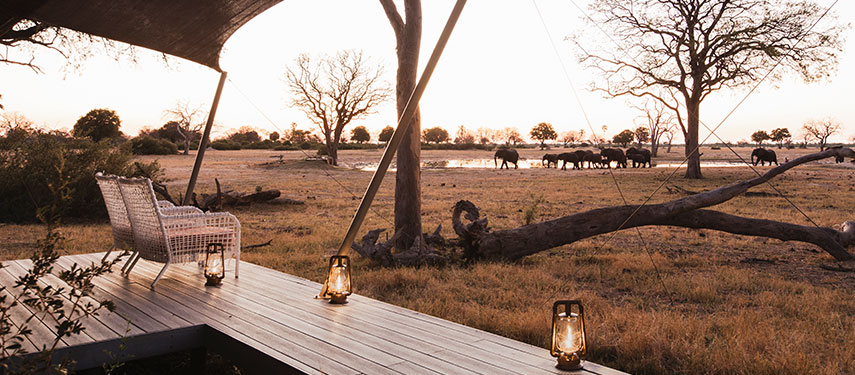
Linkwasha Camp – Hwange National Park
Luxurious but authentic
Linkwasha Camp lies in the south east of Hwange National Park, overlooking a vibrant waterhole in one of its best game viewing areas. The availability of water in the area attracts game in both quantity and variety, especially in the winter months when Hwange is home to a Noah's Ark parade of animals coming to quench their thirst.... Read More
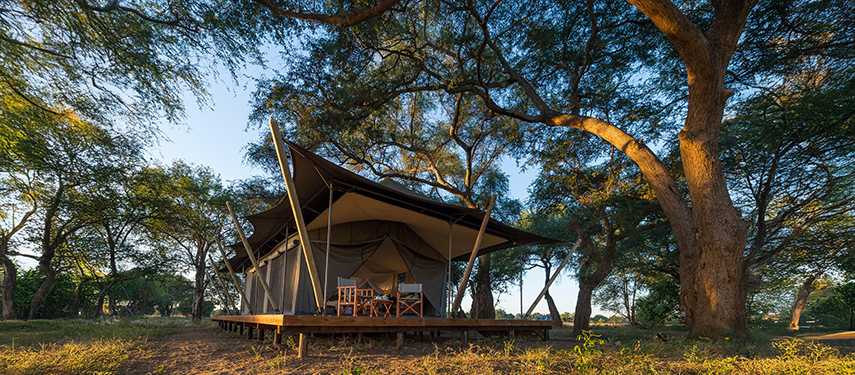
Ruckomechi Camp – Mana Pools
Wild elegance on the banks of the Zambezi
Ruckomechi Camp lies within the private concession of Zimbabwe’s Mana Pools National Park, offering an exclusive riverside retreat with exceptional wildlife encounters. Ten spacious canvas tents, including two for families, feature open-air showers, stylish interiors, and views across the Zambezi River to the escarpments of the Rift Valley. The camp offers immersive safari experiences such as walking safaris, boating, and game drives, all led by expert guides.... Read More
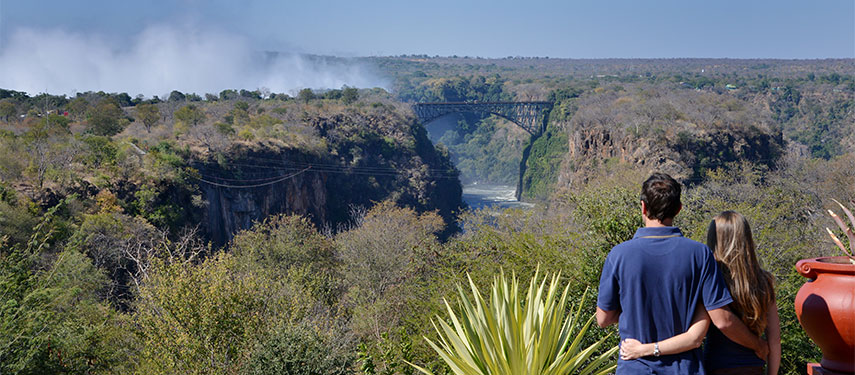
The Victoria Falls Hotel – Victoria Falls
Luxurious colonial heritage hotel
Known as the “Grand Old Lady of the Falls” The Victoria Falls Hotel is a member of the Leading Hotels of the World portfolio. This Edwardian-style five-star hotel, built in 1904, combines the charm of the old with the convenience of the new. The Victoria Falls Hotel offers authentic colonial luxury within walking distance to the falls.... Read More
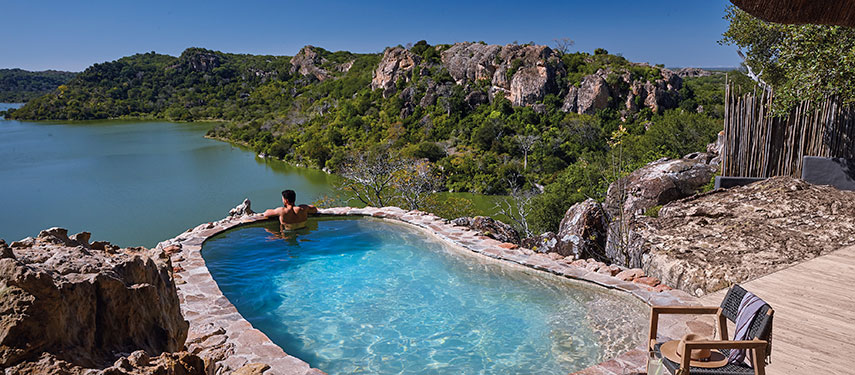
Singita Pamushana – Malilangwe Reserve
Conservation meet luxury
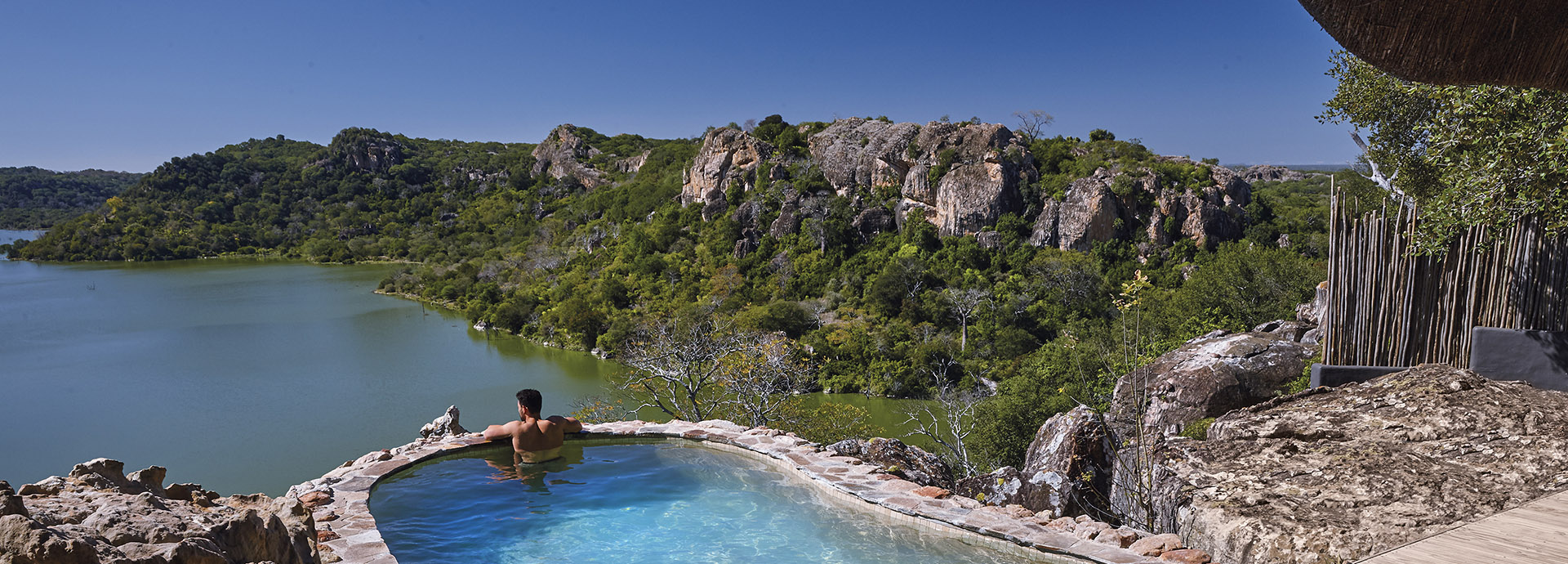
One of Africa’s best-kept secrets, Singita Pamushana Lodge is in the remote Malilangwe Wildlife Reserve in south-eastern Zimbabwe. The lodge was set up in partnership with the Malilangwe Trust and is the epitome of luxury and design, perched over the shimmering Malilangwe lake which attracts great hordes of birds and wildlife.... Read More
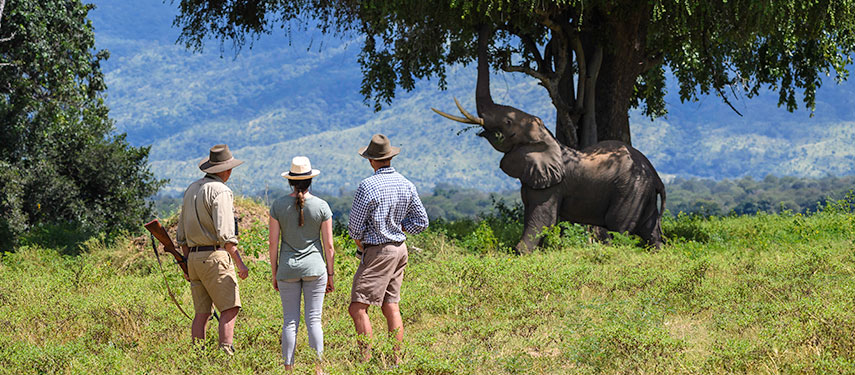
John’s Camp – Mana Pools
A new focus on the Africa of old
John's Camp is a semi-permanent tented camp situated within Mana Pools - one of the most beautiful game reserves in Africa. Although newly renovated, John’s Camp takes you back to a time when travel through Africa was intimate, authentic and uncomplicated in its comfort.... Read More
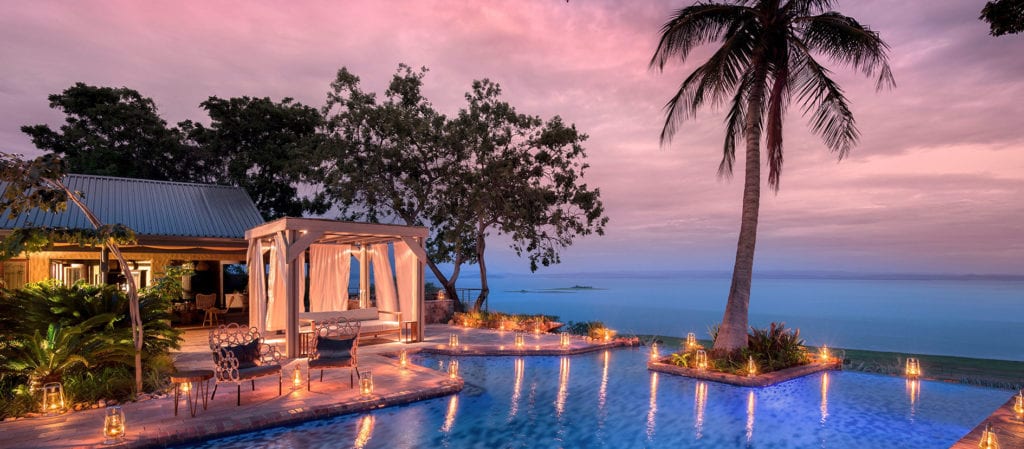
Bumi Hills Safari Lodge – Lake Kariba
A place to unwind and reenergise
Perched high above a range of remote hills overlooking the vastness of Lake Kariba, Bumi Hills Safari Lodge is the ultimate place to escape from reality. Game drives, tiger fishing and private boat trips are all on offer here, and you’ll find total relaxation laying by the beautiful infinity pool with a cocktail in hand.... Read More
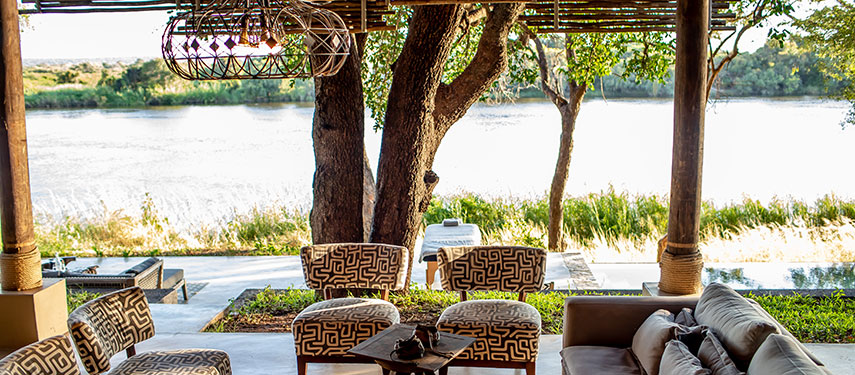
Matetsi River Lodge – Matetsi Game Reserve
Luxury Safari Lodge near The Falls
Nestled on an exclusive stretch of the Zambezi River, within 40km of Victoria Falls, &Beyond Matetsi River Lodge celebrates the region’s beautiful river scenery and effortlessly combines it with contemporary design-led interiors. Enjoy an array of activities including cruises along the Zambezi River, game, bush walks and more.... Read More
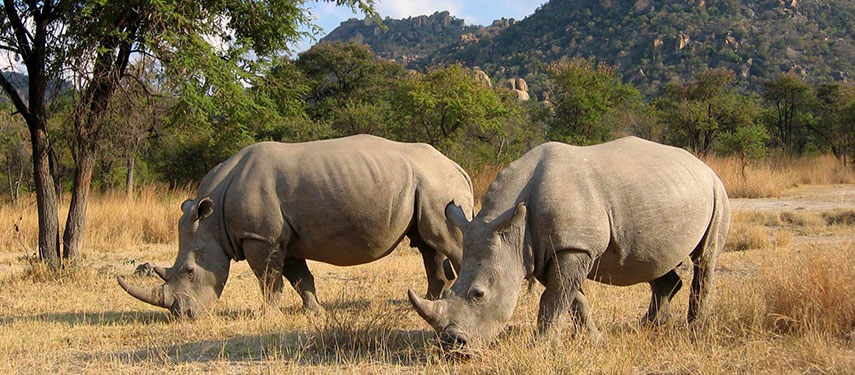
Amalinda Lodge – Matobo Hills
Unique boulder design
Amalinda Camp sits in a 300-acre private concession in the UNESCO World Heritage Site of the Matobo Hills, where the ancient rock art of the San Bushmen can be admired. Rhino and leopard are common, and the granite domes and castle kopjes of the Matobo Hills echo the majesty of untamed Africa.... Read More
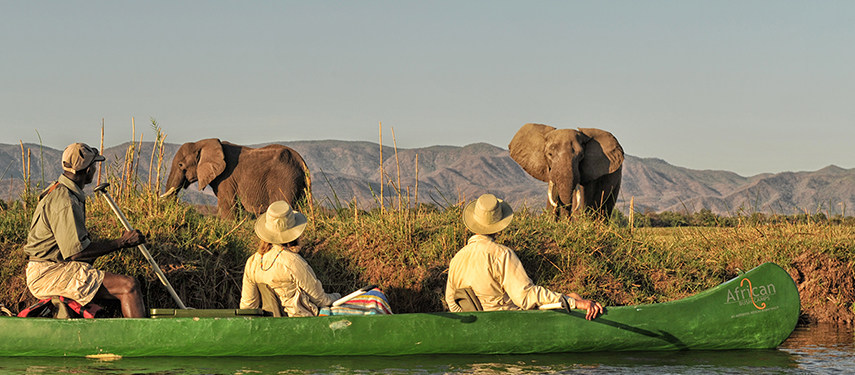
Zambezi Expeditions – Mana Pools
Mobile Camp in Mana Pools
The legendary Mana Pools is known for its wildlife rich floodplains and magnificent views of the Zambezi River. As a fully mobile operation, Zambezi Expeditions offers one of the best ways to experience Mana Pools on the banks of the mighty Zambezi River, placing you wherever the action is!... Read More
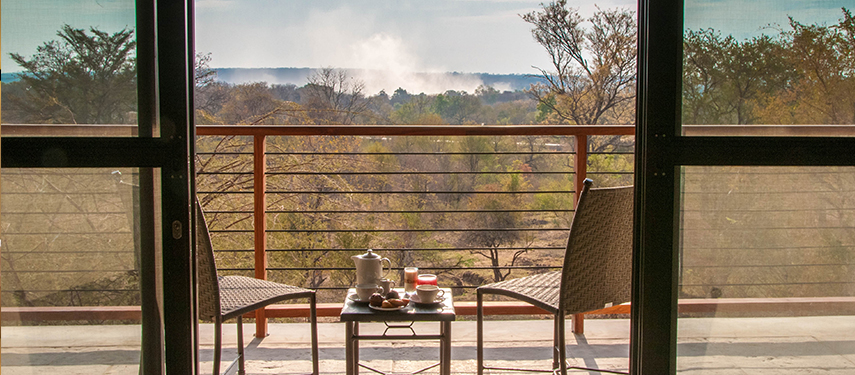
Ilala Lodge – Victoria Falls
Victoria Falls on Foot
At only a short walking distance away from one of the World's Seven Natural Wonders, Ilalala Lodge provides distinguished yet well priced boutique accommodation in a gracious setting with personalized service and warm hospitality to match. Enjoy Ilala as a warm welcome home away from home.... Read More
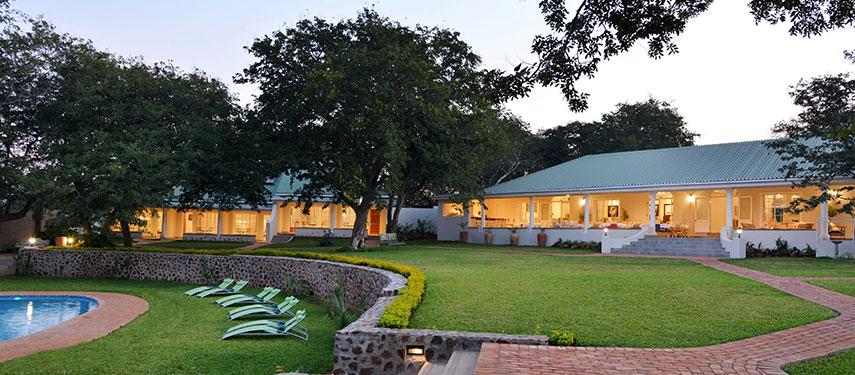
Batonka Guest Lodge – Victoria Falls
An elegant Vic Falls home from home
Beautifully manicured gardens and tastefully designed and decorated rooms are some highlights at Batonka Guest Lodge. This upmarket lodge is mere minutes from the majestic Victoria Falls where an array of activities are on offer that are sure to keep you entertained throughout your stay.... Read More
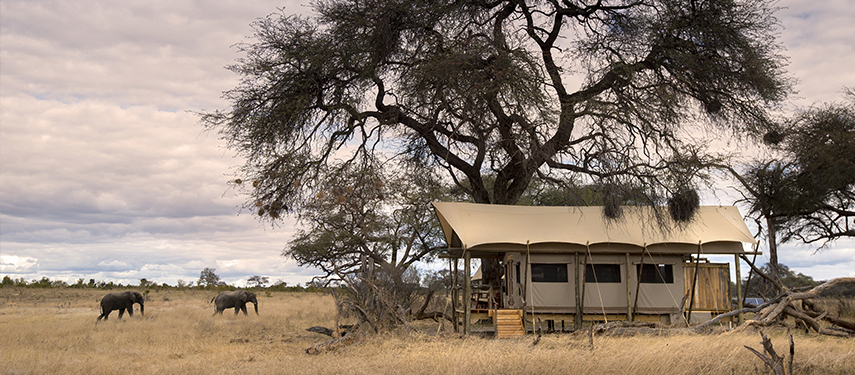
Somalisa Expeditions – Hwange National Park
Tented Hwange luxe
At Somalisa Expeditions sit in your armchair and let nature venture to you. It is a place of bonfires, where stories and laughter are shared, and where senses are awakened on game drives, bush walks and cultural visits. Experience the romance of top notch bush luxury in one of the most wildlife-rich natural environments in Africa.... Read More
Kanga Expeditions – Mana Pools
Home of the "Armchair Safari" Experience
When Kanga's location was first discovered, African Bush Camps founder Beks Ndlovu realised its potential for attracting high concentrations of game immediately. The camp is set beside an active waterhole and since this is the only known water source in the area it is a real wildlife hub, especially in the dry season.... Read More
Somalisa Acacia – Hwange National Park
For safari enthusiasts of all ages
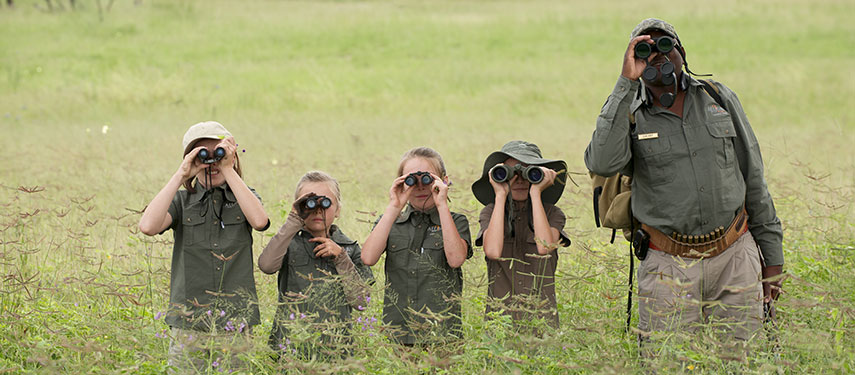
Somalisa Acacia is set on a private concession that offers a fantastically rich wildlife experience for safari enthusiasts of all ages. Fantastic guiding, abundant wildlife, stylish accommodation and child-friendly facilities combine together for an unbeatable family safari.... Read More
Little Makalolo – Hwange National Park
Exclusive eco-safari in Zimbabwe’s wild heart
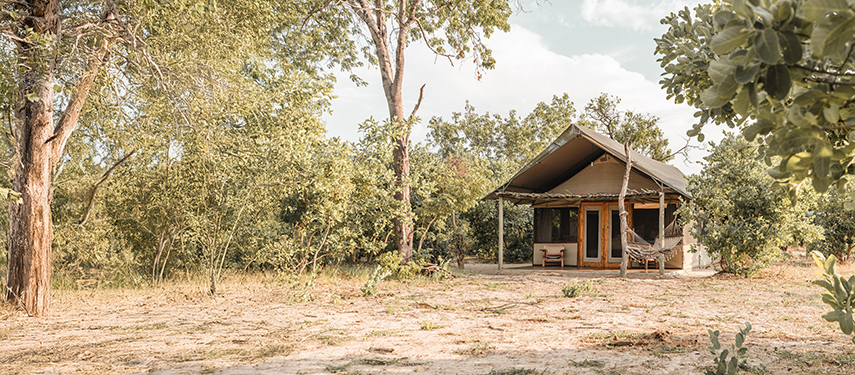
Located in the remote eastern region of Hwange National Park, Little Makalolo offers an intimate safari experience with just six stylish tents, each featuring indoor and outdoor showers and en suite bathrooms. The camp overlooks a vibrant waterhole, attracting a variety of wildlife year-round. Guests enjoy day and night game drives, guided walks, and excellent hide-based viewing, all led by expert guides.... Read More
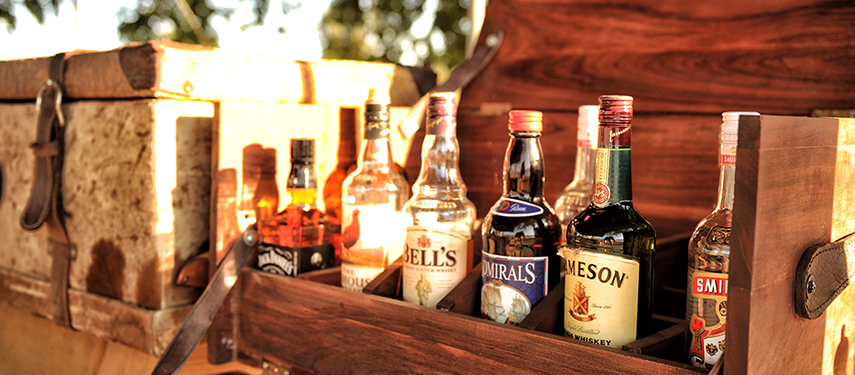
ABC of Zimbabwe with African Bush Camps
Itinerary Inspiration | From Hwange to Mana Pools
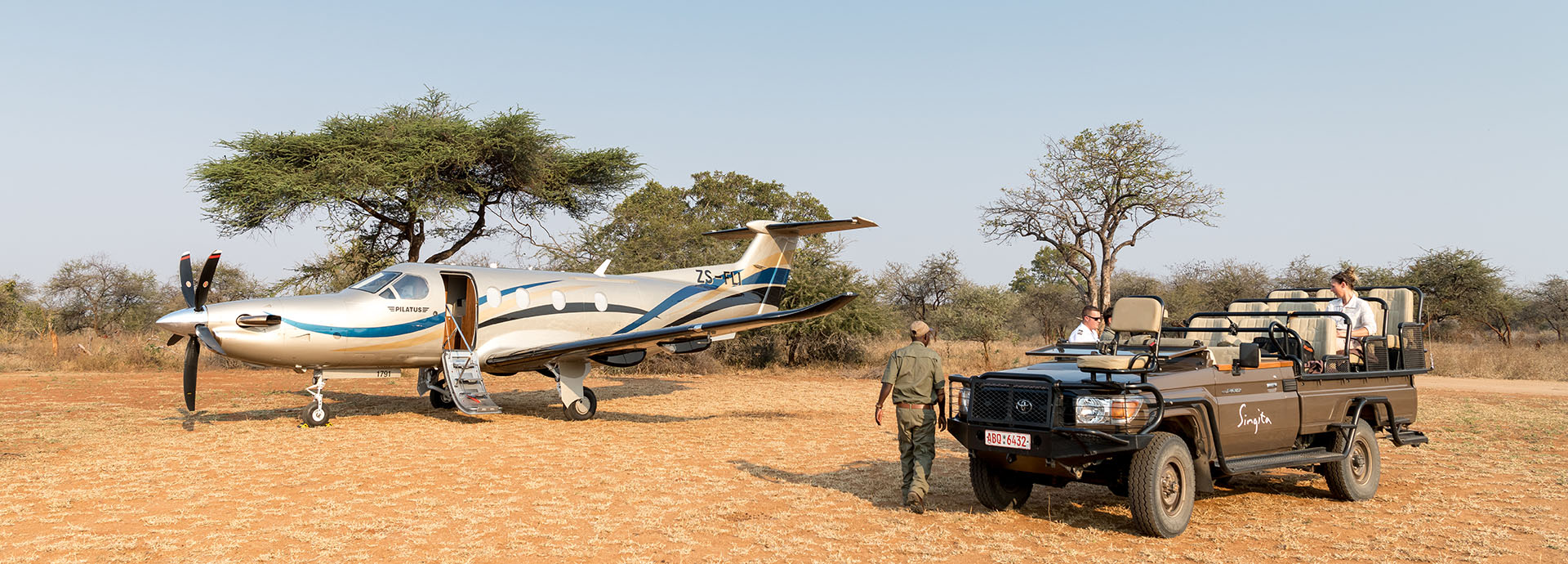
This is an adventure enthusiast’s paradise. Starting in Victoria Fall, Zimbabwe’s adventure capital, you will then take to the air in a light aircraft and fly to Hwange National Park, and enjoy game drives in search of huge herds of elephant and the predators that follow them. Your next stop is Mana Pools in the countries north, on the banks of the might Zambezi River, followed by the perfect end to any safari, that is a visit to Lake Kariba, where spectacular views and calming cruises on the lake can be enjoyed....Read More
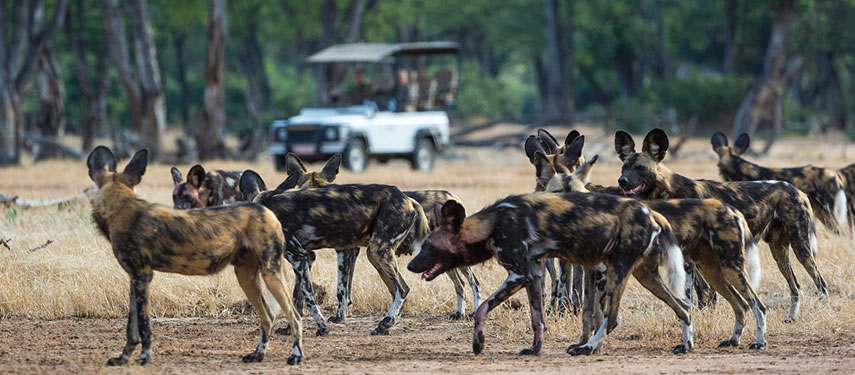
Zimbabwe Classic with Wilderness Safaris
Itinerary Inspiration | Victoria Falls Hwange & Zambezi
Combining Hwange National Park, Mana Pools and the majestic Victoria Falls, this 5-star safari of Zimbabwe includes major highlights and offers you extraordinary diversity, spectacular scenery and world-class safari experiences. It is well known that Zimbabwe has the best safari guides on the continent; an accolade the Zimbabwe safari industry is very proud of. Guides are exceptionally well trained, allowing truly unique safari experiences not available elsewhere and will provide great dinner party stories for years to come....Read More
Zimbabwe: Frequently Asked Questions
The dry season, from May to October, is prime time for wildlife viewing. As water sources recede, animals concentrate around Hwange’s permanent waterholes and the Mana Pools floodplain, making game encounters more frequent and predictable. August and September offer the highest game densities — and the warmest temperatures — while visitor numbers peak. The wet season (November to April) transforms the landscape with vivid greenery, migratory birdlife, and newborn wildlife, rewarding photographers willing to trade density for seasonal drama.
Zimbabwe’s parks support one of Africa’s most impressive wildlife rosters. Hwange is celebrated for its extraordinary elephant concentrations alongside lion, leopard, cheetah, sable antelope, giraffe, and more than 400 bird species. Mana Pools delivers superb encounters with buffalo, hippo, crocodile, and African painted dog along the Zambezi floodplain. The private Malilangwe Reserve in south-eastern Zimbabwe supports all five members of the Big Five — including a closely managed white rhino population — rare in this part of the continent. Zimbabwe is also one of Africa’s last viable strongholds for the critically endangered African painted dog.
Zimbabwe’s guides are broadly regarded as the finest in Africa, and the reputation is earned rather than assumed. The ZPWMA Category One licence — the country’s highest professional safari qualification — requires years of field experience, extensive ecological and animal behaviour knowledge, and the demonstrated ability to lead walking safaris in the presence of dangerous game. The result is a generation of guides who bring exceptional depth, intimacy, and storytelling to every encounter in the bush.
Zimbabwe’s key safari regions — Hwange, Mana Pools, Victoria Falls, and the private conservancies — are considered safe and well-managed, with robust tourism infrastructure and experienced operators. The country’s wildlife destinations have seen significant recovery and sustained investment over the past decade. Australian travellers should consult the DFAT Smart Traveller advisory at smartraveller.gov.au before departing, and travel with a reputable operator who maintains current, ground-level knowledge of the country. Classic Safari Company’s Zimbabwe specialists work with trusted in-country partners and are well-placed to provide up-to-date guidance.
Australian passport holders require a visa to visit Zimbabwe. A single-entry visa can be obtained on arrival at key entry points including Victoria Falls International Airport, or arranged in advance through Zimbabwe’s online e-visa system. Travellers planning to move between Zimbabwe and Zambia — as many do on itineraries around the Victoria Falls and Zambezi circuit — should enquire about the KAZA Univisa, which covers both countries on a single document and is available at major border crossings and airports.
Zimbabwe pairs naturally with its neighbours. The shared Hwange–Chobe wildlife corridor makes a Botswana–Zimbabwe combination an ideal fit for big game enthusiasts, while the Victoria Falls hub allows easy onward movement into Zambia’s Livingstone and South Luangwa National Park. The KAZA Univisa simplifies Zimbabwe–Zambia border crossings considerably. Classic Safari Company regularly designs seamless multi-country itineraries across southern Africa — speak with one of our Zimbabwe specialists to explore the options.
Zimbabwe: A Glossary of Terms
- Mana Pools — A UNESCO World Heritage Site on Zimbabwe’s Zambezi River floodplain where ox-bow lakes created by seasonal flooding provide permanent water and extraordinary wildlife density; the name derives from the Shona word for “four,” referring to the park’s principal pools.
- Hwange National Park — Zimbabwe’s largest national park, covering approximately 14,651 square kilometres in the northwest of the country; renowned for one of Africa’s greatest elephant concentrations and exceptional species diversity across more than 100 mammals and 400 bird species.
- KAZA (Kavango-Zambezi Transfrontier Conservation Area) — The world’s largest transfrontier conservation area, spanning Zimbabwe, Botswana, Zambia, Namibia, and Angola; designed to restore ancient wildlife migration corridors and enable free elephant movement and seasonal dispersal across five international borders.
- Category One Guide Licence — The highest professional safari qualification in Zimbabwe, administered by the Zimbabwe Parks and Wildlife Management Authority (ZPWMA), permitting the holder to lead walking safaris in the presence of dangerous game; widely regarded as the most demanding guide accreditation on the African continent.
- African Painted Dog (Lycaon pictus) — One of Africa’s most threatened carnivores, identifiable by its distinctive mottled coat of black, white, and amber; Zimbabwe — particularly Hwange and Mana Pools — is among the species’ last viable strongholds, supported in part by the Painted Dog Conservation Project and its rehabilitation centre near Hwange township.
- Victoria Falls (Mosi-oa-Tunya) — One of the world’s Seven Natural Wonders, formed where the Zambezi River drops 100 metres into a narrow basalt gorge along the Zimbabwe-Zambia border; at peak flow the falls discharge more than 27 million cubic feet of water per minute, and Zimbabwe’s bank provides 16 distinct viewpoints of the spectacle.
- Lake Kariba — Created by the construction of Kariba Dam in 1959, Lake Kariba is the world’s largest man-made reservoir by volume, stretching approximately 280 kilometres along the Zimbabwe-Zambia border; it offers houseboat safaris, tiger fishing, and birdlife-rich shores as a distinctly different complement to Zimbabwe’s land-based safari regions.
- Malilangwe Wildlife Reserve — A remote, privately managed 130,000-acre wildlife reserve in south-eastern Zimbabwe, operated in partnership with the Malilangwe Trust; home to all members of the Big Five including a carefully managed white rhino population, and the site of the acclaimed Singita Pamushana Lodge.
- KAZA Univisa — A shared tourist visa permitting holders to travel freely between Zimbabwe and Zambia on a single document; available at major border crossings and international airports, it significantly simplifies multi-country itineraries centred on the Victoria Falls and Zambezi River corridor.
- Matobo Hills — A UNESCO World Heritage Site in southern Zimbabwe defined by ancient granite domes, castle kopjes, and balancing boulders; home to the highest concentration of San Bushman rock art in southern Africa — some paintings dating back approximately 13,000 years — as well as thriving populations of both white and black rhino.
Sonnet 4.6 High
Our trip to Zimbabwe was so well organised. Everything was taken care of all we had to do was turn up. Thanks Kath, we had a great time. Loved the safari, it was the highlight.
Nick & Yvonne Rice
Zimbabwe offers it all, a quintessential safari experience with big game, diverse landscapes and some of the best guides in Africa – it’s simply a must for any safari goer.
Kath Austin - Zimbabwe specialist
The Classic Safari Company is the best I have dealt with. Extremely knowledgeable & professional, friendly, patient & understanding of first timers to Africa.
Annette Whiley
Would do it all again and not change a moment. Best holiday ever!
The McGowan Tribe
You can't improve on perfection. I had my best birthday and holiday with my family celebrating my 80th birthday in Africa. Everything that Julia organised was perfect and the whole trip was a highlight!
Buckingham Family
Very knowledgeable and patient. Our trip was all that we hoped for. Wonderful!
Jane & Robert Happell
Everything was perfect! Advice and information on destinations and activities hit everything I had hoped to experience. I contacted the Classic Safari Company upon recommendation and have now, in turn, recommended to others.
Tim Bradley
Classic Safari Company has done it again! A unique experience that ticked all the boxes - wildlife, culture and dining experience. A dream come true!
Ros Wheeler
Thank you so much for putting together the most memorable holiday for us. The experiences we have had in the last couple of weeks have gone beyond all expectations.
Jane & Col Loveday
An absolutely fantastic travel company - every one of the many trips they have organised for us over 22 years have been faultless and fabulous.
Judith & Roger Williams
Thank you for putting together the ancestral adventure of a lifetime. I cannot speak highly enough of the trip.
Jenny Kidd
Exellent and wonderful, reaching way above expectations.
Elizabeth Mackintosh