Republic of Congo
Pioneering Eco-Tourism Hotspot
Discovering Congo-Brazzaville | In Summary
- Odzala-Kokoua National Park — the primary safari destination in the Republic of Congo — covers 13,600 km² of rainforest, bais, rivers and savannah, and forms part of the TRIDOM Transfrontier Park: a groundbreaking conservation corridor linking protected areas in Gabon, Cameroon and the DRC.
- The Republic of Congo holds an estimated 25,000 western lowland gorillas within Odzala-Kokoua alone — a figure that dwarfs the combined mountain gorilla populations of Rwanda (approx. 600) and Uganda (approx. 460), making it one of the planet’s most significant great ape sanctuaries.
- The best time to visit is during Congo’s two dry seasons — December to March and June to September — when the bais are most active and forest conditions are at their most passable; CSC’s partner Kamba operates three camps within Odzala — Lango, Mboko and Ngaga — each positioned in a distinct habitat for a fully immersive itinerary.
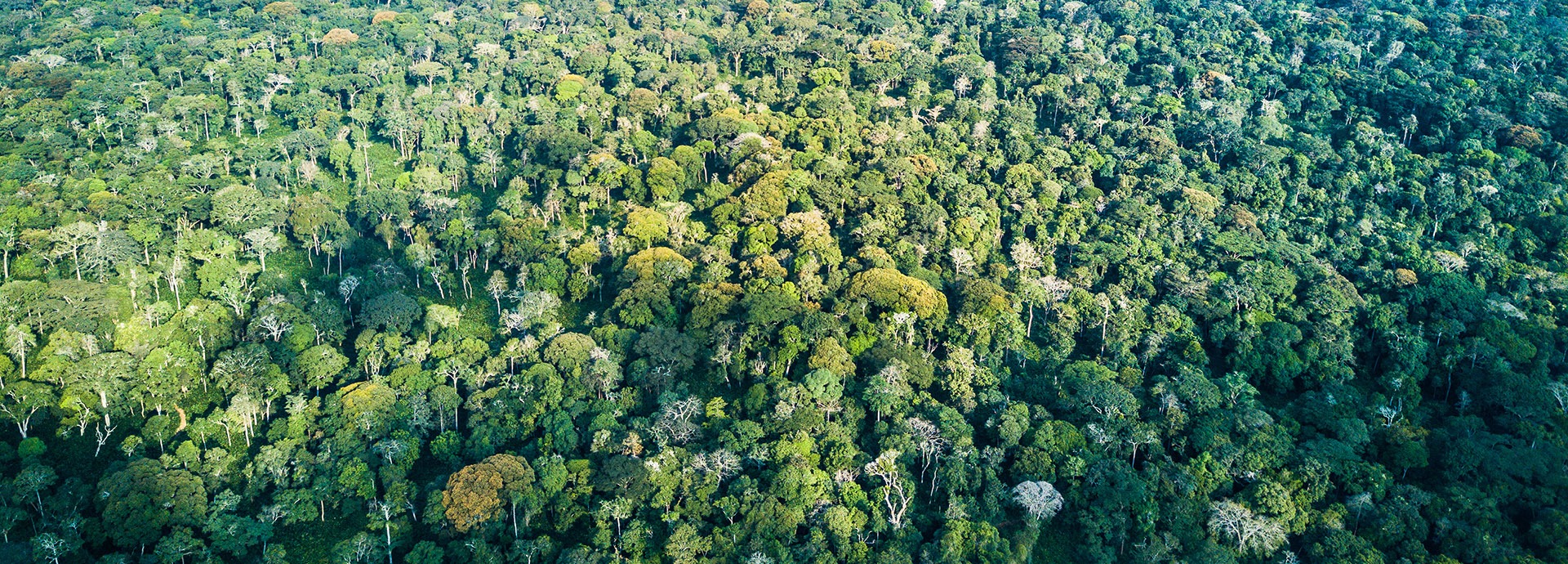
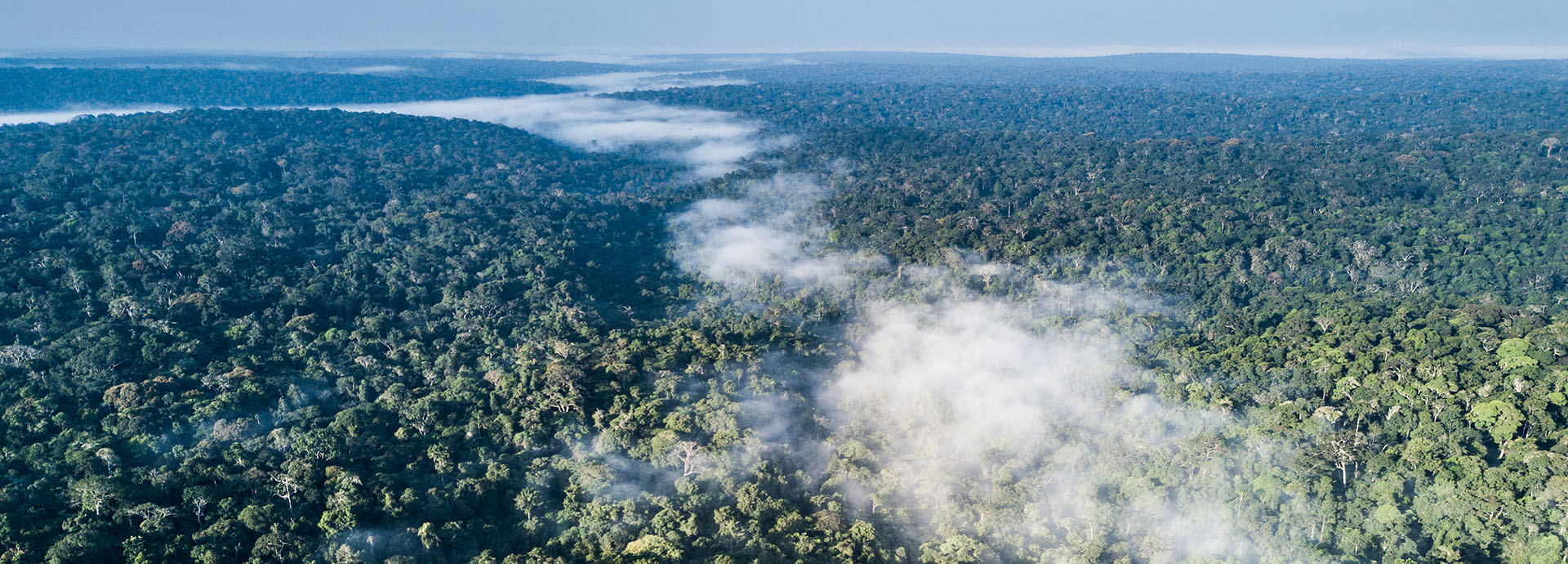
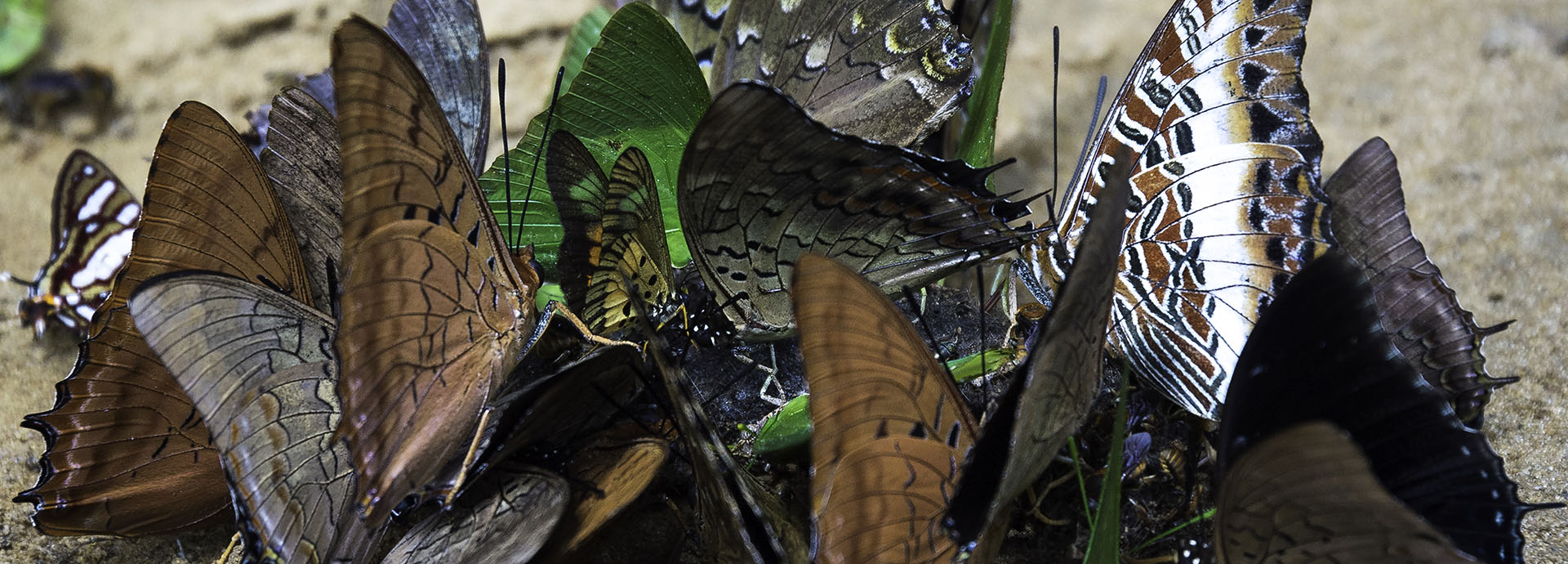
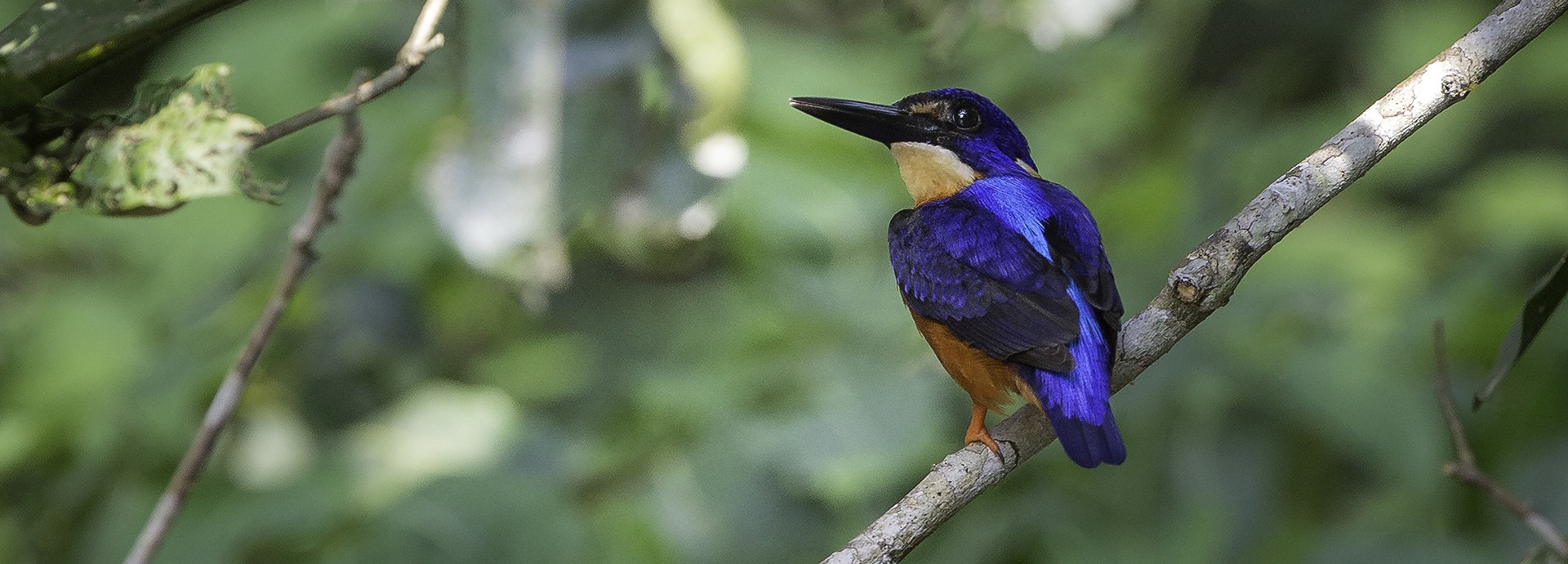
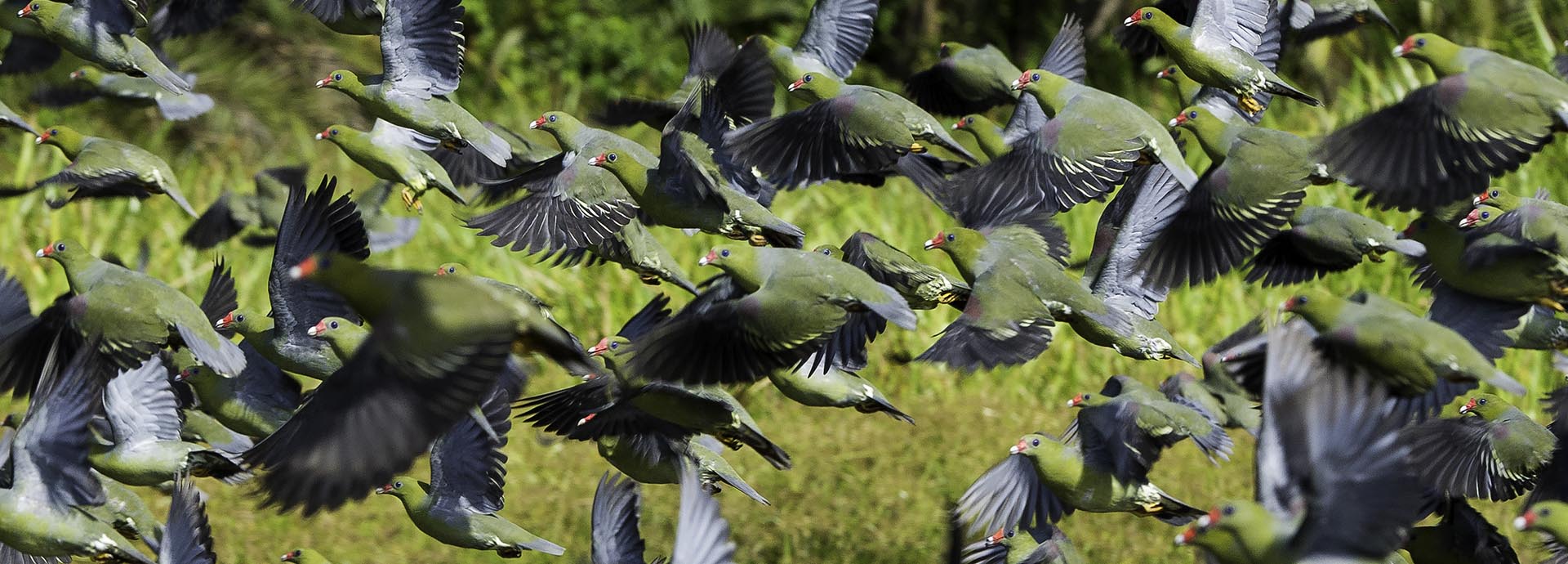
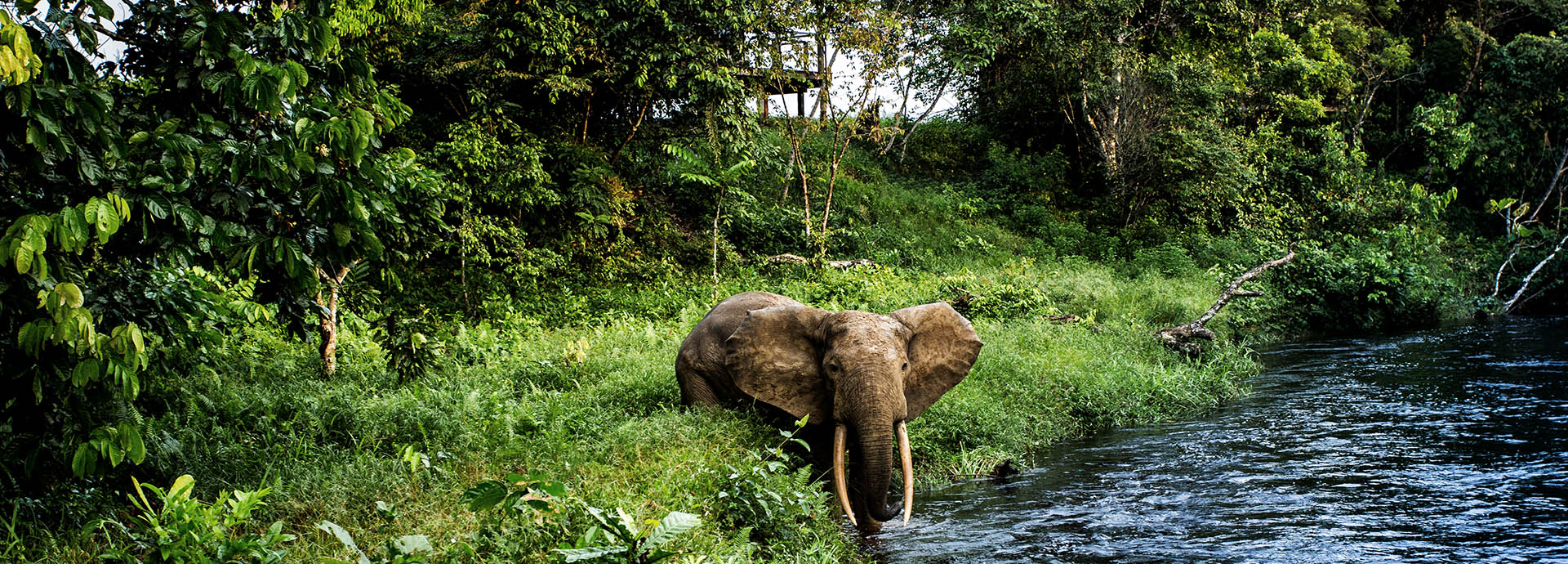
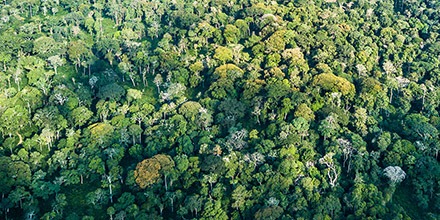
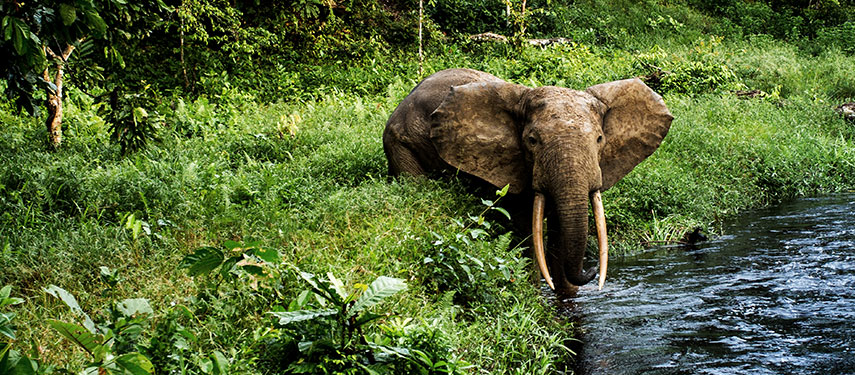
The Republic of Congo, or Congo-Brazzaville as it is sometimes named (not to be confused with the Democratic Republic of Congo (DRC) which is a completely different country) is an unspoilt conservation hotspot and exotic safari destination. The safari experience here combines river ecosystems and savannahs with wildlife rich bais (clearings) and steamy jungles teeming with forest elephants, chimpanzees, butterflies, colourful funghi, brilliant birdlife and plenty of primates including the critically endangered western lowland gorilla.
Tourism is a relatively new, but growing, sector in the Republic of Congo and our carefully selected operators here are tirelessly committed to preserving Congo’s wilderness areas. We firmly believe that their well managed eco-tourism approach will put the Congo on the map, provide local sustainable development and help to protect the forests by diversifying the economy away from petrochemicals.
The Republic of Congo is a destination for those looking for a wild and unique safari adventure. Few have trodden the Congo’s wilderness areas and this presents an exciting opportunity to be among the first to discover their astonishing biodiversity and pave the way for a sustainable future.
You Will Love
- An emerging, little known safari destination
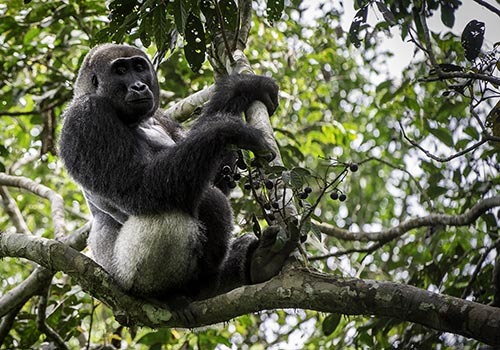
- Critically endangered western lowland gorillas
- River ecosystems, savannahs, wildlife rich bais & steamy jungles
- Birds, butterflies & colourful funghi
- Sound eco-tourism operators & a sustainable future
Let us design your perfect itinerary.

Unforgettable experiences in the
Republic of Congo
Explore Poto Poto market
Explore Poto Poto market
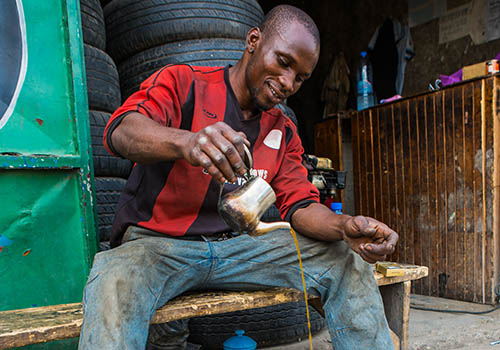
At the centre of one of Brazzaville busiest districts lies a sprawling, bustling market that is not to be missed if you want to lap up some culture. Look out for crafts, jewellery and Congolese fabrics as you make your way through...
Trek western lowland gorillas
Trek western lowland gorillas
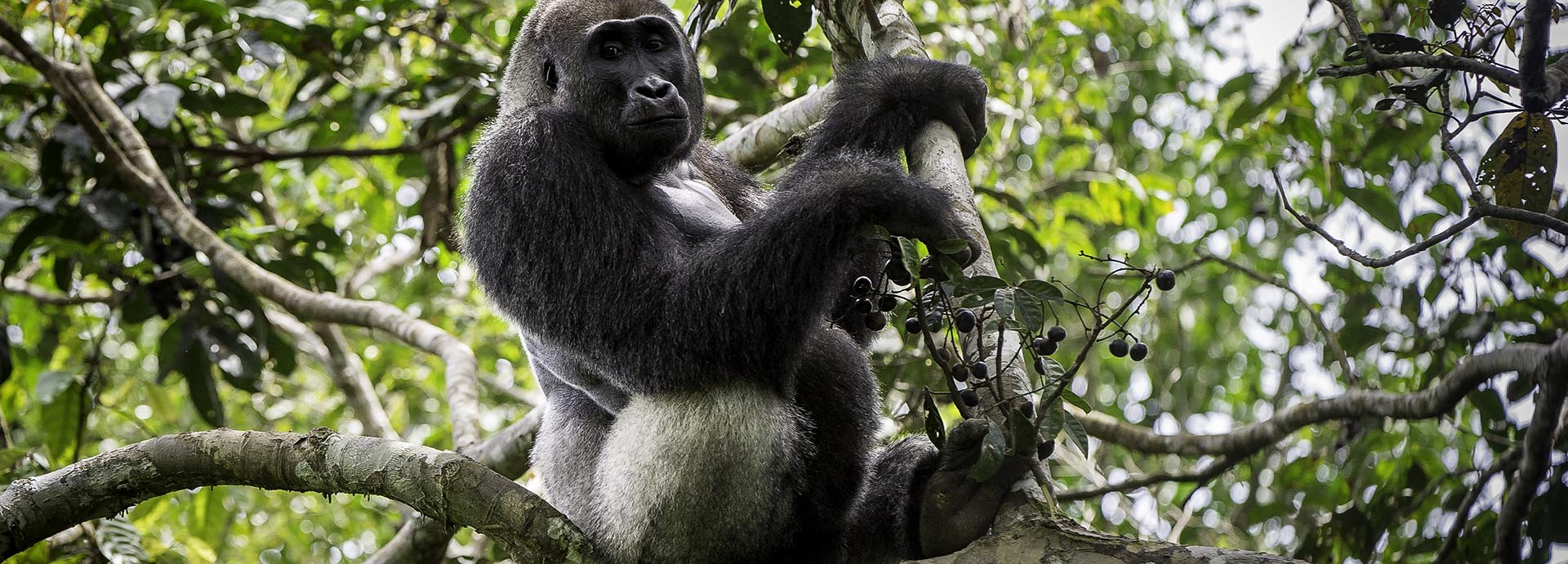
Trekking to see western lowland gorillas is a major highlight of any trip to the Congo. Gorilla trekking was introduced in the Congo as a form of sustainable wildlife tourism to support the conservation of these critically endange...
Kayak in the wild Congo Basin
Kayak in the wild Congo Basin
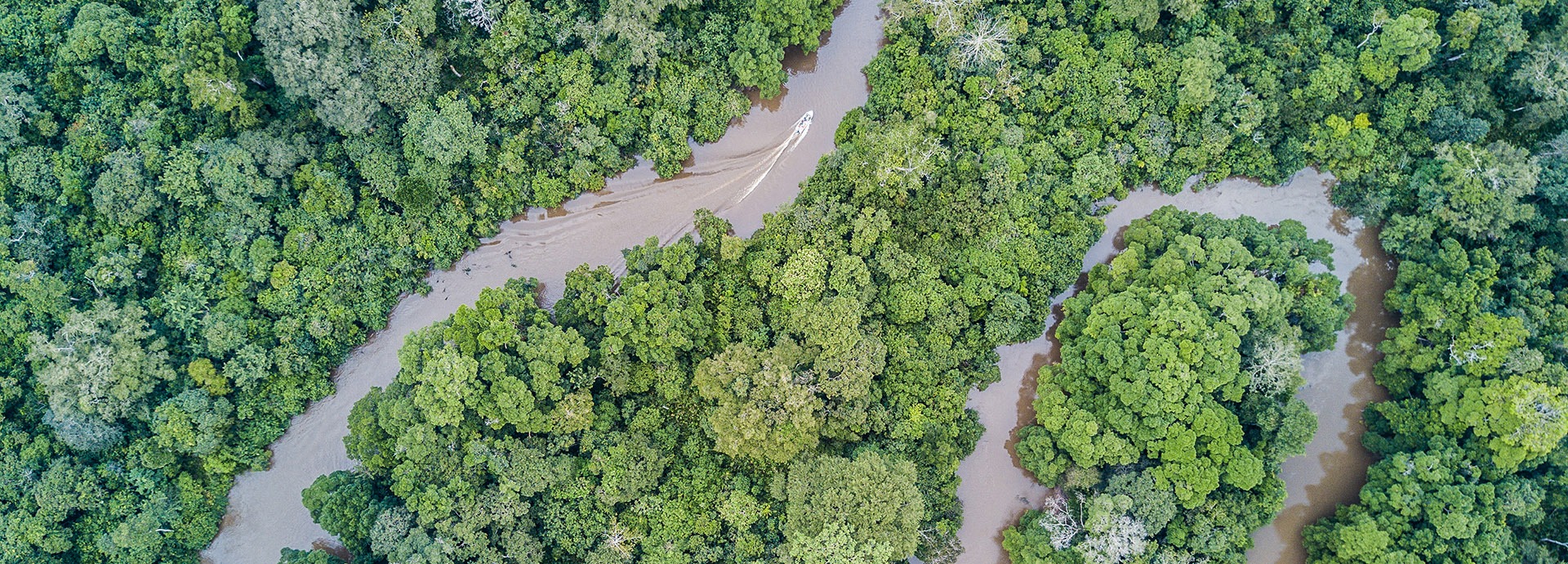
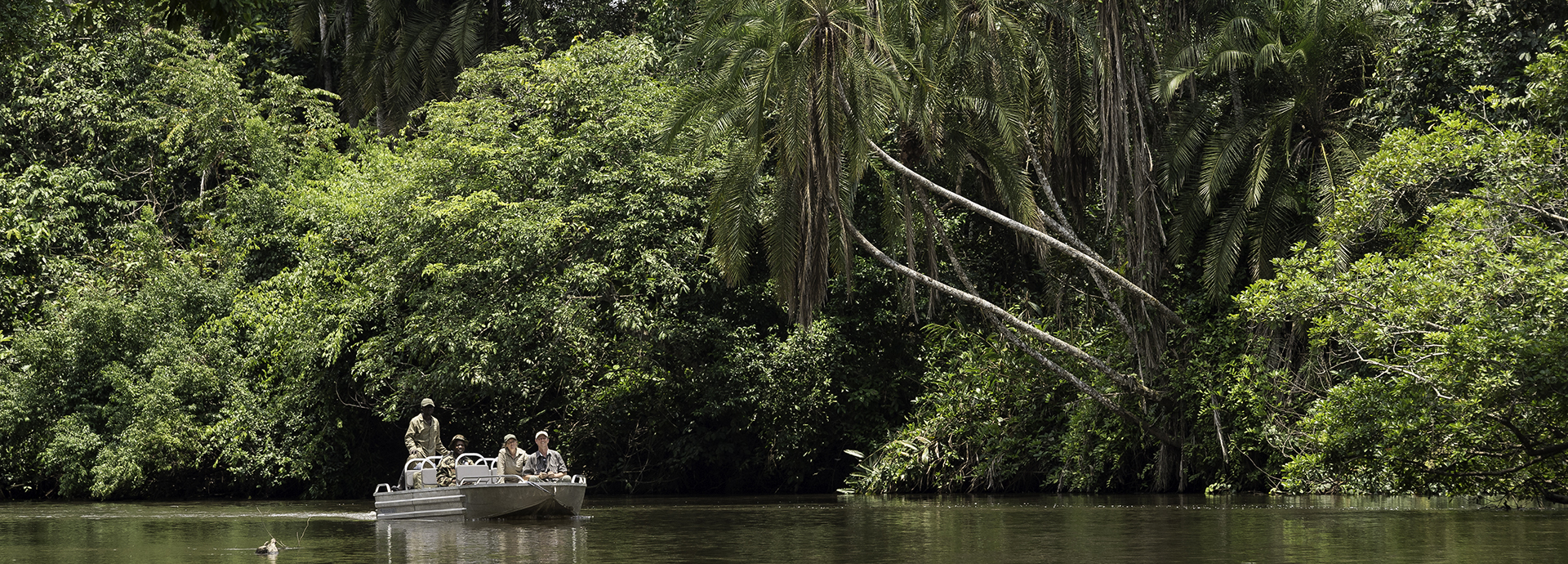
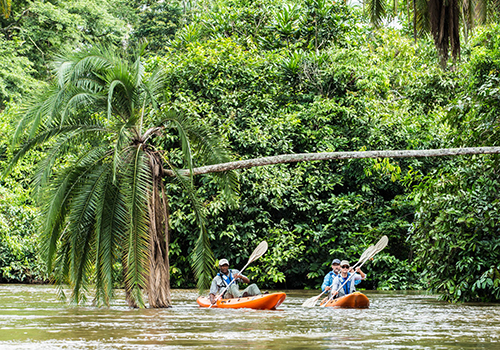
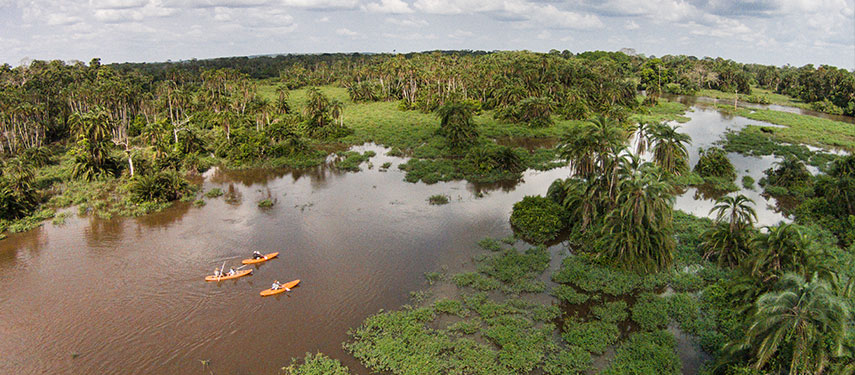
The Lekoli River offers some of the best opportunities to view wildlife in the forest and there is no better way to explore it than by kayak. Paddling quietly through the languid waters allows you to approach squawking parrots, sc...
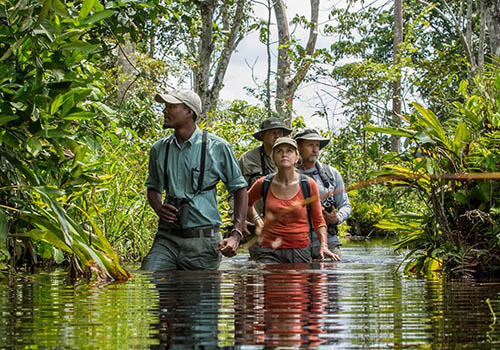
Wade through the waters
Wade through the waters
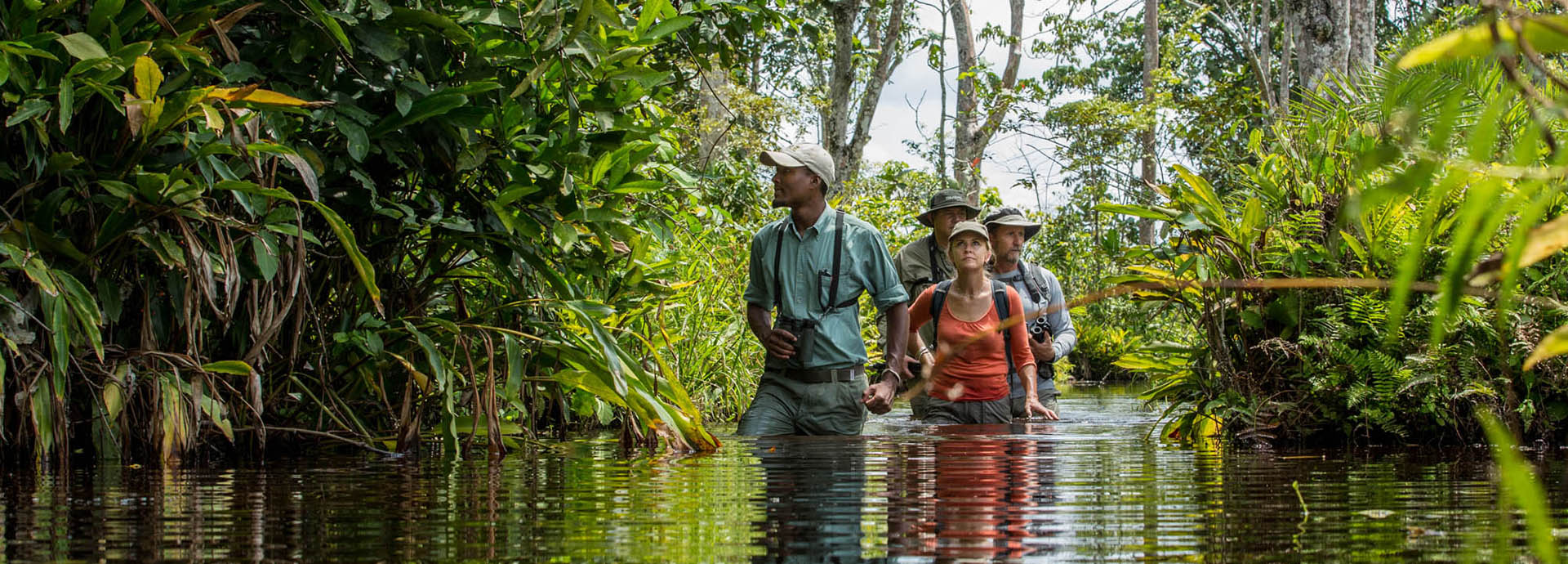
The bais (clearings) of Lango are among the few places in Africa where you can safely explore streams and marshes on foot – this is quite literally an immersive experience! Getting out and exploring the rainforest on foot allows...
A selection of our favourite places to stay in the Republic of the Congo
Ngaga Lodge – Odzala National Park
Gorilla central
Ngaga Lodge overlooks a beautiful open glade within primary forest that is home to several groups of western lowland gorillas. Ngaga is truly gorilla central and a focal point for world-class research as well as unforgettable primate encounters. From the six elevated guest rooms, wraparound walkways allow you to peer directly into the forest canopy.... Read More
Mboko Lodge – Odzala National Park
Comfort in the clearing
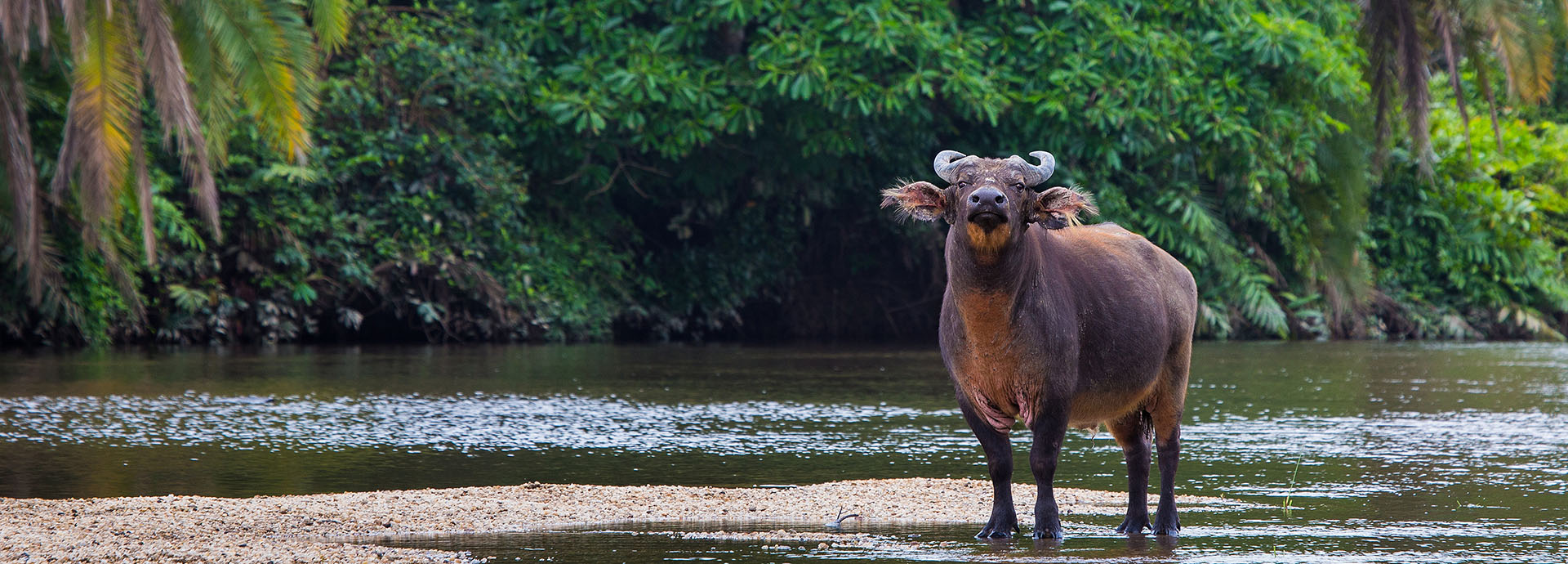
Situated on the banks of the Lekoli River in an area of lush savannah frequented by forest buffalo, forest elephant and spotted hyena, Mboko Lodge offers visitors breathtaking views of the interface between the tropical rainforest and grassland savannah where hundreds of towering termite mounds create an otherworldly environment.... Read More
Lango Lodge – Odzala National Park
Jungle treehouse
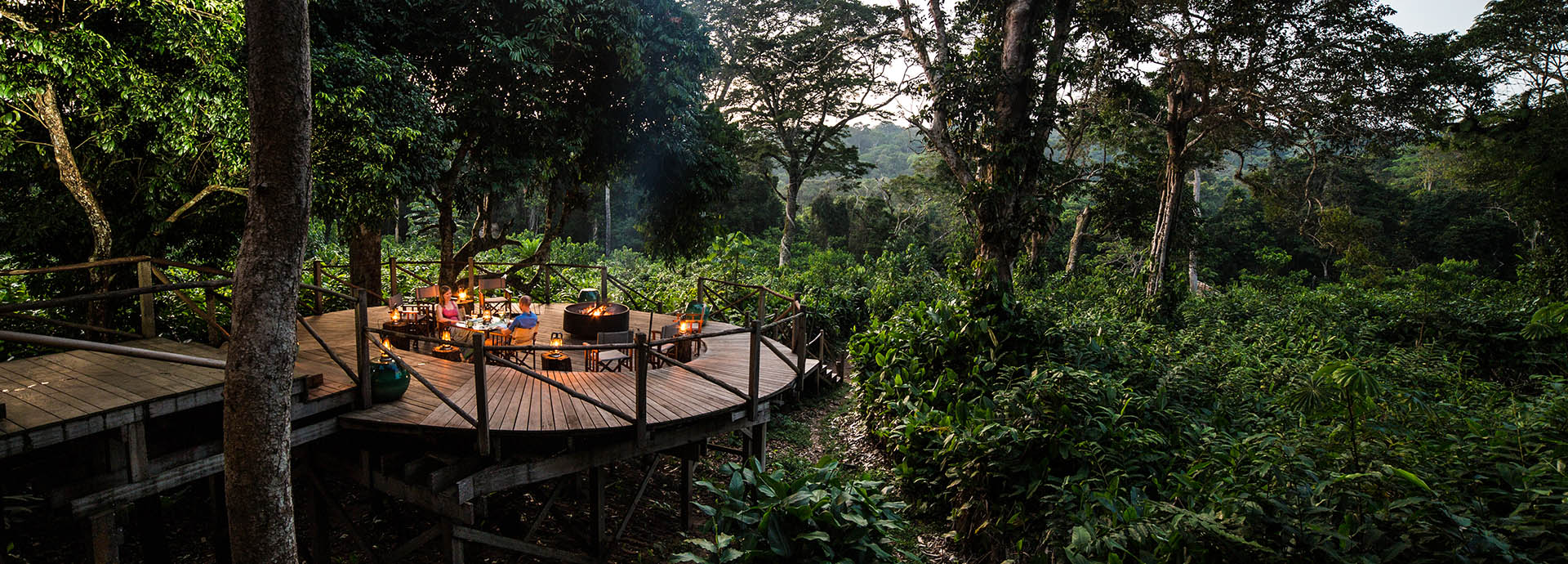
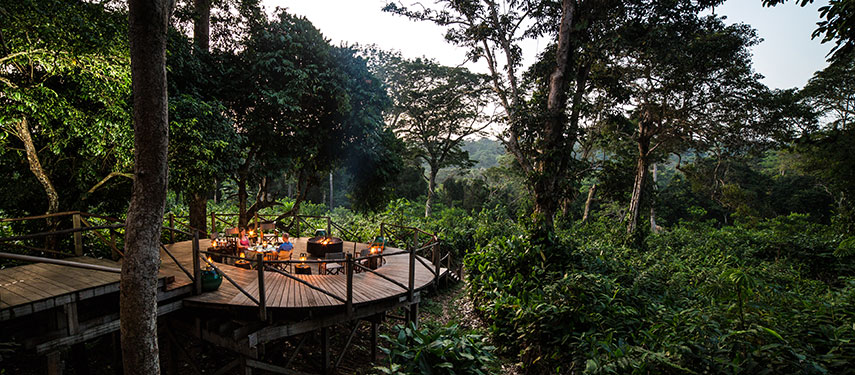
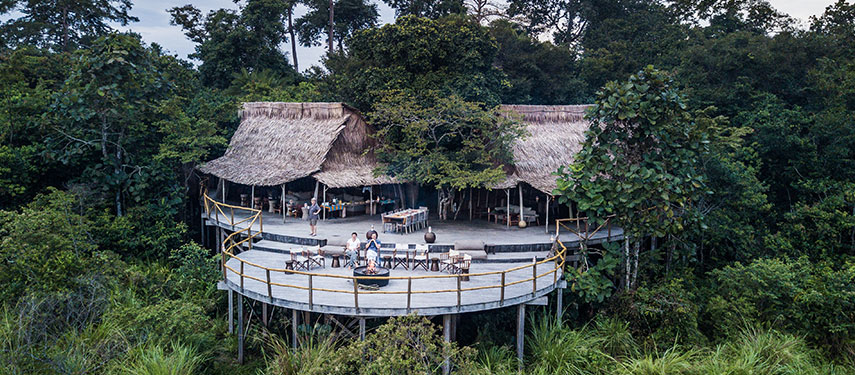
Lango’s six guest rooms are raised to the level of the gallery forest and boast incredible views out onto the open marshy bai in front of camp – one of the most arresting views of any camp in Africa. A real highlight of your stay is the chance to explore the Lekoli and Mambili Rivers by motorboat or kayak, which is an opportunity not to be missed.
...
Read More
Sangha Lodge – Dzanga-Sangha, Central African Republic
Sublime rainforest escape
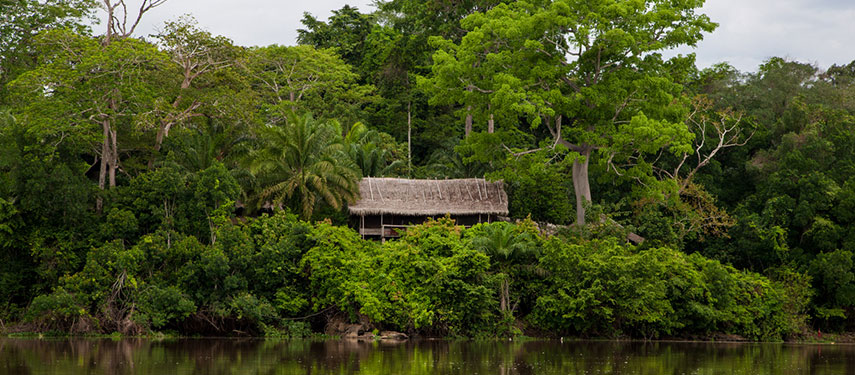
With an innovative approach to pioneering eco-tourism at its core, Sangha Lodge affords its visitors an incredibly rare opportunity to discover exotic wildlife as never having seen it before. From Sangha explore the surrounding ancient forests and riverbeds, enjoy gorilla trekking and iconic game viewing at the Dzanga Bai.... Read More
A collection of safaris in Republic of Congo
Congo: Odzala Odyssey
Itinerary Inspiration | Deepest Darkest Africa
Our preferred Odzala outfitters, are pioneers in the eco-tourism industry of Congo and their three camps combine beautifully to present a diverse journey covering three separate habitats, including gorilla forests....Read More
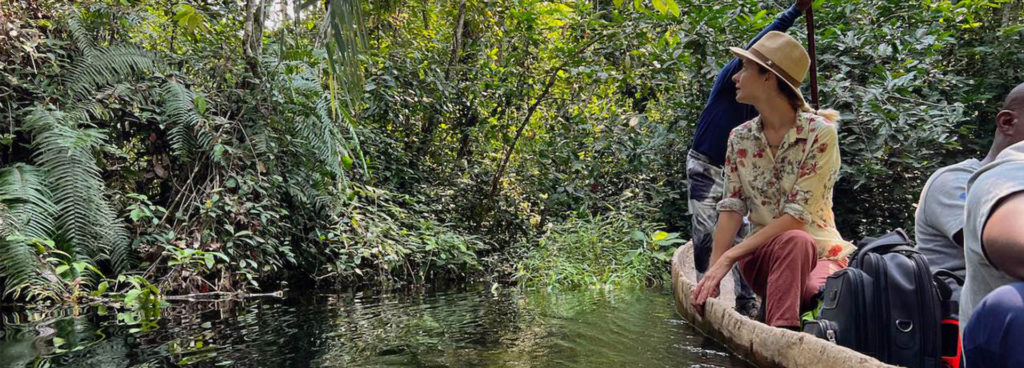
Congo Immersion
Congo Basin Safari Cruise
Until now, the Congo basin has remained off limits due to inaccessibility and a lack of infrastructure, but this brand new four-star boat changes everything! A cruise through the Congo is an exploration into a fragile world, where nature can be observed in all its immense glory, and these respectful and small group journeys are a key factor in preserving the region’s fauna, flora and indigenous cultures....Read More
Republic of Congo: Frequently Asked Questions
Yes. The Republic of Congo — also known as Congo-Brazzaville — is considered a safe destination for travellers, with low levels of violent crime and a stable political environment. It should not be confused with the Democratic Republic of Congo (DRC), which is a separate country with an entirely different security profile. CSC’s carefully vetted operators and logistics teams ensure all travel within the country is well managed and closely supported from arrival to departure.
The Republic of Congo has two dry seasons — December to March and June to September — both of which offer the most rewarding safari conditions. Forest trails are more passable, the bais are most active with wildlife, and the equatorial heat is slightly more bearable. CSC recommends consulting with one of our specialists to match your travel dates to current conditions, as micro-seasons vary by region and habitat.
A Congo safari centres on the critically endangered western lowland gorilla, with habituated groups accessible through guided treks in Odzala-Kokoua National Park. Beyond gorillas, the forests and bais support African forest elephants, forest buffaloes, bongos, chimpanzees and more than 400 species of bird. Specialist sightings include pangolin, water chevrotain and palm civet — species largely absent from more mainstream safari circuits.
They are two entirely separate countries, divided by the Congo River — the world’s deepest. The Republic of Congo (Congo-Brazzaville) is a former French colony: relatively compact, politically stable and increasingly established as a premier eco-tourism destination. The Democratic Republic of Congo (Congo-Kinshasa) is a former Belgian colony — a vastly different country in geography, culture and current circumstances. CSC operates in the Republic of Congo only.
CSC partners exclusively with Kamba African Rainforest Experiences (formerly Congo Conservation Company), whose three camps — Lango, Mboko and Ngaga — are positioned within Odzala-Kokoua National Park across three distinct ecosystems. Lango sits on the savannah edge with bai views; Mboko overlooks a tributary of the Lekoli River; and Ngaga is set deep in the rainforest, closest to the habituated gorilla groups. A multi-camp itinerary is the recommended approach for the fullest possible experience.
A bai is a natural forest clearing — typically a swampy glade rich in mineral salts — where wildlife gathers to feed. In the Congo, bais function as extraordinary wildlife theatres: forest elephants, buffalo, gorillas and abundant birdlife converge in the open, providing sightings of a quality and intimacy impossible to replicate elsewhere. Lango Camp overlooks one of the finest bais in Odzala-Kokoua, where extended wildlife-watching from the camp’s elevated vantage point is a highlight of any visit.
Republic of Congo: A Glossary of Terms
- Bai — a natural forest clearing or swampy glade where wildlife congregates to access mineral-rich salts; Congo’s bais are among the finest wildlife-viewing sites in Africa, drawing forest elephants, buffalo, gorillas and abundant birdlife into open terrain
- Western Lowland Gorilla — the world’s most numerous gorilla subspecies, yet critically endangered; slightly smaller than mountain gorillas, with a distinctive reddish-brown crown; Odzala-Kokoua National Park is home to an estimated 25,000 individuals — one of the largest concentrations on earth
- Odzala-Kokoua National Park — the Republic of Congo’s premier safari destination, covering 13,600 km² of equatorial rainforest, bais, rivers and savannah in the country’s remote north; a stronghold for western lowland gorillas, forest elephants and a vast array of Central African wildlife
- TRIDOM Transfrontier Park — a vast transboundary conservation corridor linking protected areas across the Republic of Congo, Gabon and Cameroon; one of the largest contiguous forest conservation zones in Africa
- Congo Basin — the world’s second-largest tropical rainforest after the Amazon, spanning six Central African nations; a critical global carbon sink and biodiversity hotspot sustaining thousands of plant, bird and mammal species found nowhere else on earth
- Habituation — the gradual process by which wild gorillas are acclimatised to the presence of human researchers and guides over months or years; only fully habituated groups can be safely and responsibly tracked by safari guests
- Silverback — an adult male gorilla, identifiable by the distinctive silver saddle of hair that develops across the back with maturity; the dominant leader and protector of his family group, and the most compelling subject of any gorilla encounter
- Kamba African Rainforest Experiences — formerly known as the Congo Conservation Company; the pioneering eco-tourism operator running Lango, Mboko and Ngaga camps within Odzala-Kokoua National Park, and committed to low-impact tourism, community development and long-term rainforest conservation
- B’Aka Pygmy — the indigenous forest-dwelling communities of the Congo Basin, whose ancestral ecological knowledge informs guiding and conservation practices at CSC’s partner camps in Odzala-Kokoua
- Congo-Brazzaville — the informal name for the Republic of Congo, derived from its capital city; used widely to distinguish it from the Democratic Republic of Congo (also called Congo-Kinshasa) — an entirely different and separate nation on the opposite bank of the Congo River
Thank you for my awesome Congo adventure. I left Odzala covered in tsetse and sand fly bites but a very happy girl. Odzala is a great National Park, with its different habitats, wonderful wildlife and unspoiled by hordes of people.
Kim Ketelbey
Everything was perfect! Advice and information on destinations and activities hit everything I had hoped to experience. I contacted the Classic Safari Company upon recommendation and have now, in turn, recommended to others.
Tim Bradley
The trip of a lifetime, couldn't have dreamt of a better adventure if I tried.
Emma Jeffcoat
Very knowledgeable and patient. Our trip was all that we hoped for. Wonderful!
Jane & Robert Happell
Absolutely everything was first class & so well organised.
Simon & Jackie Adams
Classic Safari Company has done it again! A unique experience that ticked all the boxes - wildlife, culture and dining experience. A dream come true!
Ros Wheeler
We wanted the opportunity to see as many wildlife parks as possible and the Classic Safari Company provided an action-packed itinerary that included six, with 11 tiger sightings and nine leopard. This was overlaid with an introduction to Jaisalmer, Jaipur and the 'real' India. Pench and Panna were the hidden gems of a really great trip, very well organised, seamless and enjoyable. As a solo traveller I felt incredibly safe at all times. I want to go back!
Mark Taylor
If you want the most sensational experience in Africa let Julia and the staff at Classic Safari Co plan it for you! Their knowledge, expertise and enthusiasm for their job means your every wish will be fulfilled.
Miriam & Joseph Harrison
Their experience and knowledge of Africa is evident and we couldn't have been happier with the total package. This has given us a taste for Africa - now we are ready for more.
Andrew & Pip Stevens
It certainly was the best trip we have EVER had. The experiences were mind blowing. We want everyone we know to experience Africa - the animals, the people - magical.
Jo-anne & Dean Mifsud
Julia you did a fantastic job - everything was first class. Well organised, efficient and stress free. We all agreed it was the best holiday we've ever had. Cant wait to travel with CSC again.
Milford family