

Madagascar
Wild, Weird & Wonderful
Discovering Madagascar | In Summary
- Often called the eighth continent, Madagascar has been isolated from the rest of the world for roughly 165 million years — long enough for evolution to take its own remarkable course and produce life forms found absolutely nowhere else.
- Despite its scale as the world’s fourth-largest island, Madagascar receives a fraction of the visitors of comparable African destinations, meaning genuine wilderness access, uncrowded national parks and a sense of discovery that is increasingly rare.
- A Madagascar itinerary with CSC typically combines two or three distinct ecosystems — rainforest, spiny desert and tropical coast — each harbouring entirely different species, making it one of the few destinations where a single trip can feel like visiting multiple worlds.
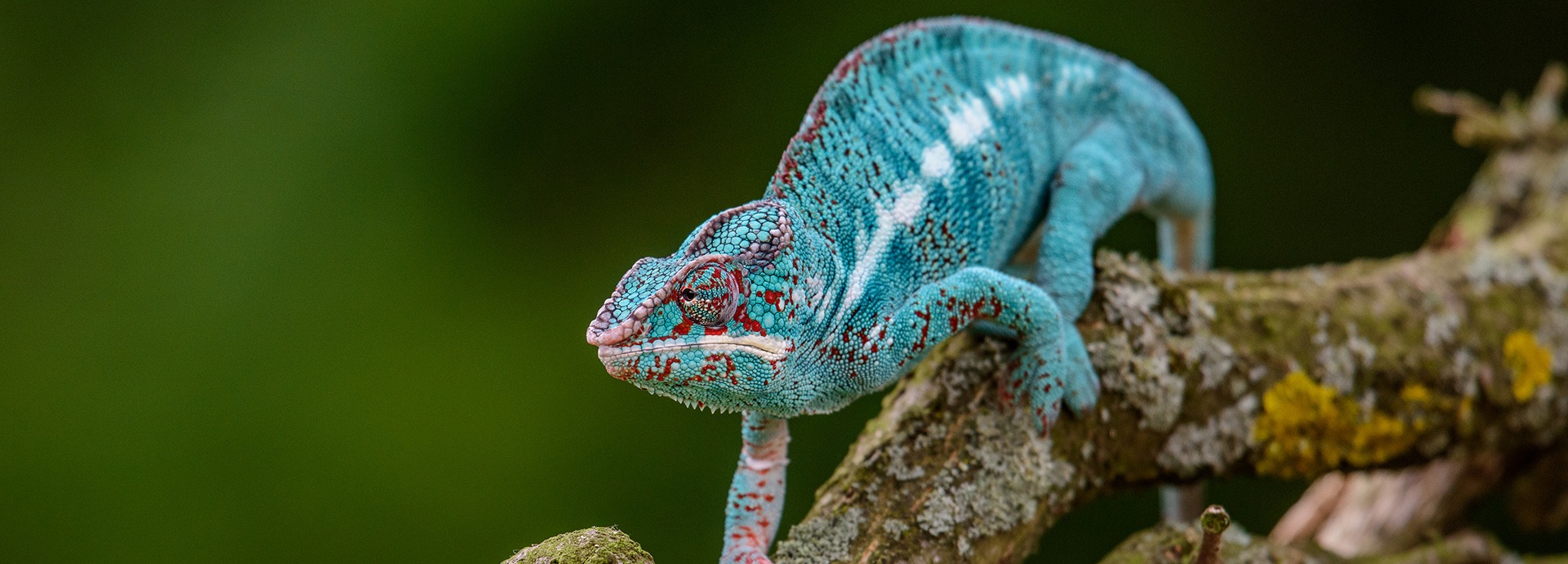
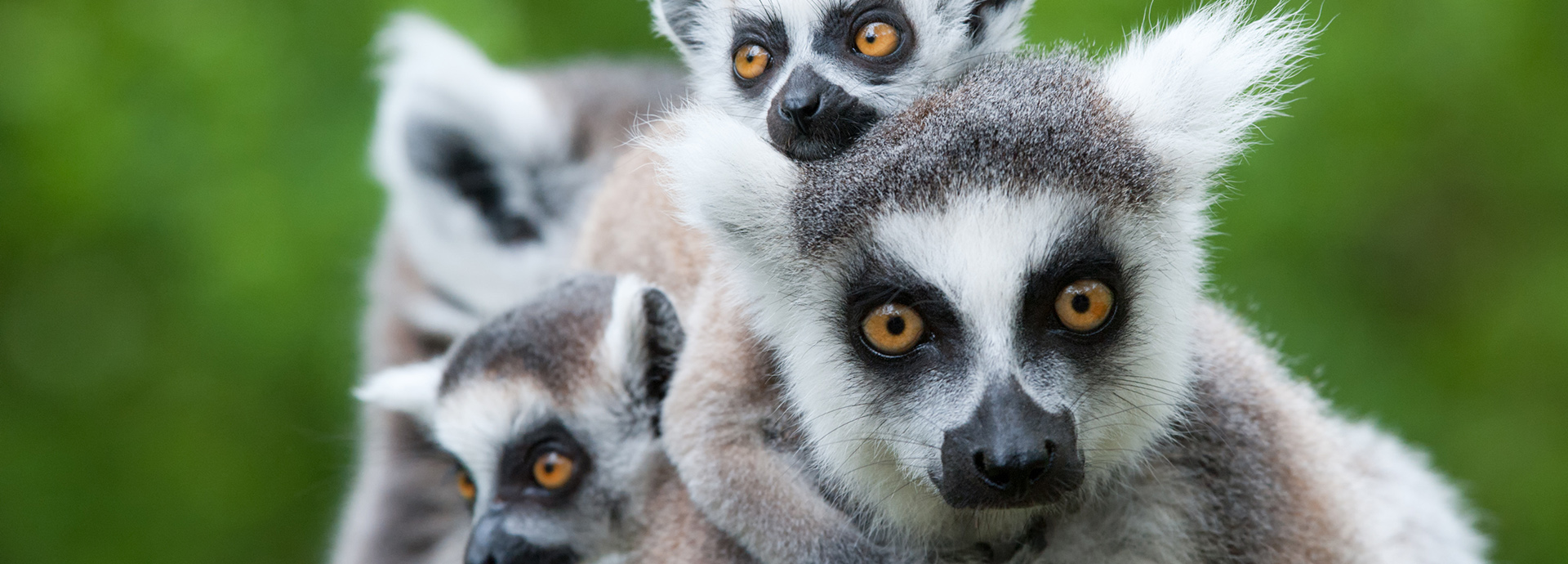
Separated from the African continent by hundreds of kilometres of sea, and 165 million years of evolution, Madagascar’s plants and animals include some of the most peculiar life forms on the planet. The national parks see only a handful of visitors a year and are teeming with dancing lemurs, aye-ayes, fossas (a cat-like predator), rare birds, colourful chameleons, frogs, lizards, butterflies and a host of weird and wonderful insects and plants – a staggering four fifths of which are only found on this island.
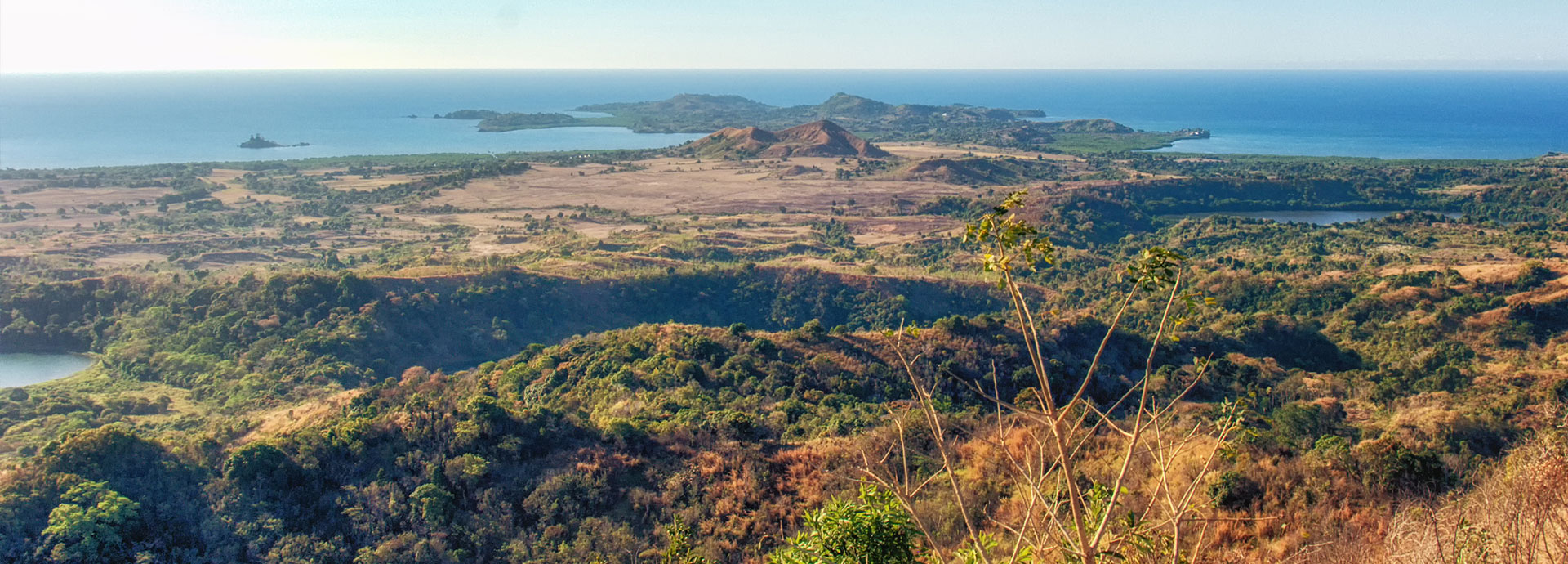
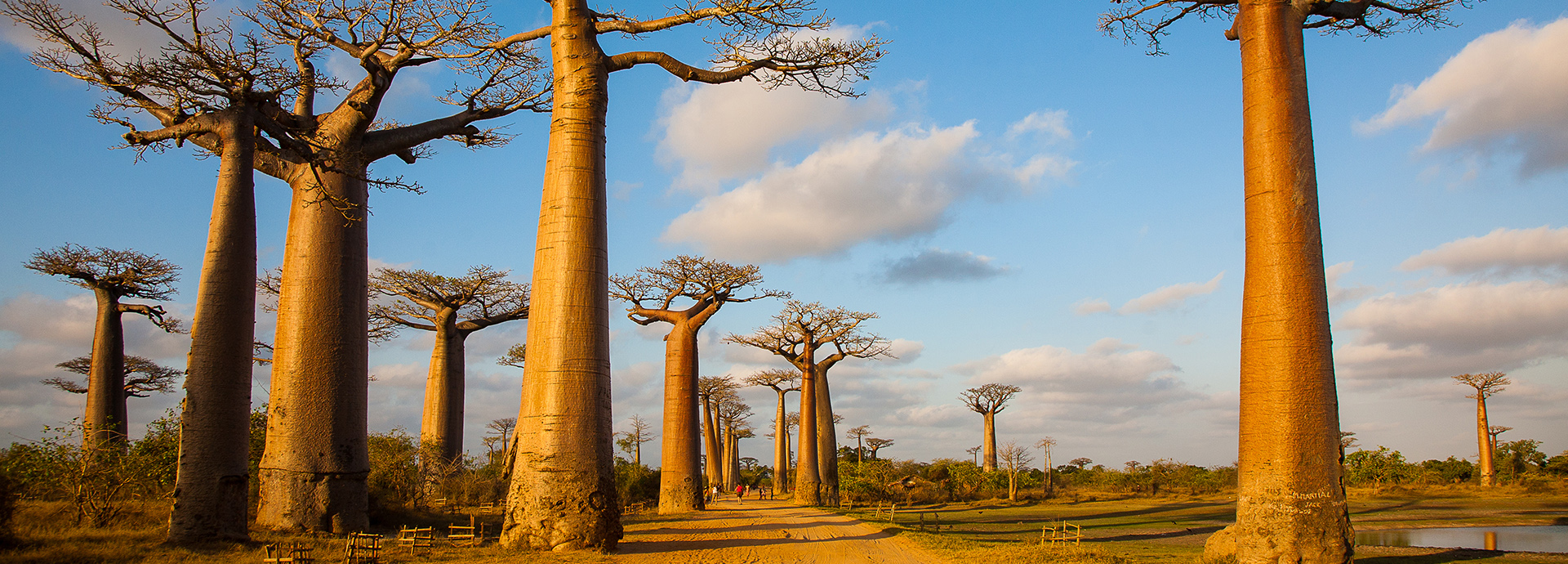
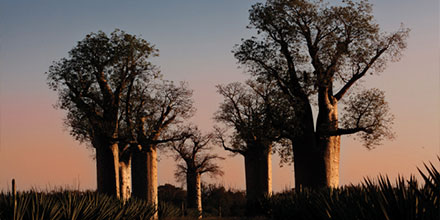
As the fourth largest island in the world, Madagascar has distinct climatic zones including mountains, semi-deserts, rainforests, sandy beaches and archipelagos of coral. The landscapes are extraordinarily diverse, and you’ll find limestone karsts, dramatic canyons, rolling hills of lush rice paddies, steamy jungles and spiny forests all hosting their own unique ecosystems. The famous ‘Avenue of Baobabs’ is a real emblem of Malagasy flora since six of eight existing baobab species are found only on the island. The Malagasy people are unfailingly polite and friendly, and the varied ethnicities are as fascinating and unique as the country itself.
Madagascar is an absolute haven for nature lovers, adventurists and keen zoologists.
You Will Love
- Lemurs, aye-ayes and fossas
- Impressive rare orchids & endemic bottle shaped baobabs
- Mountains, forests, beaches and reefs.
- Virtually no tourists
- Untrodden territory – an adventure!
- Kaleidoscope of chameleons
Let us design your perfect itinerary.
Unforgettable experiences in Madagascar
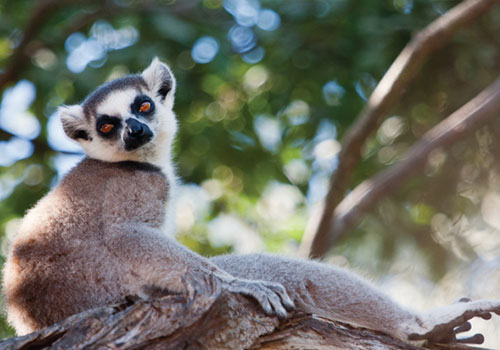
Stalk lemurs in the jungle
Stalk lemurs in the jungle
Every one of the 100 or so species of Lemur are found in Madagascar alone. These captivating but, sadly, critically endangered primates live in different pockets of forest throughout the island. Listen to the incredible calls of t...
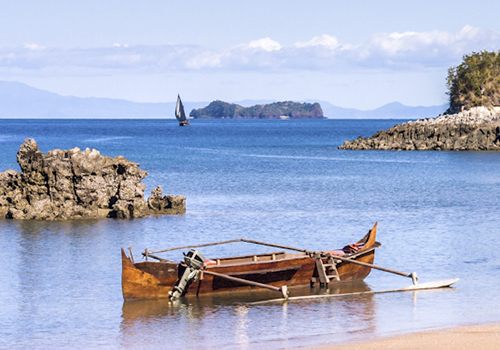
Kick back on the paradise island of Nosy Be
Kick back on the paradise island of Nosy Be
Madagascar’s premier beach destination - Nosy Be (which means “big island” in Malagasy) has a year-round tropical climate. Its white sandy beaches and turquoise seas are the perfect place to unwind after a busy adventure thr...
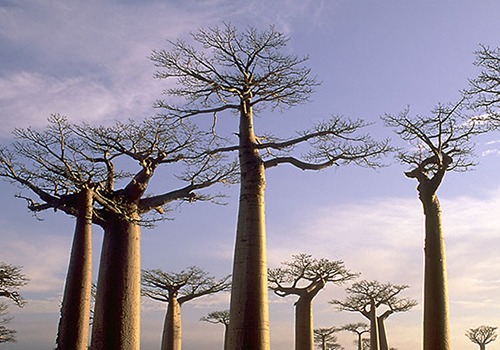
Walk the ‘Avenue of baobabs’
Walk the ‘Avenue of baobabs’
The 6-endemic species of baobabs in Madagascar are among the most striking trees found anywhere on the planet. Perhaps the best place to admire these towering giants is in the Spiny Forest in western Madagascar. Here, around 30 im...
A selection of our favourite places to stay in Madagascar
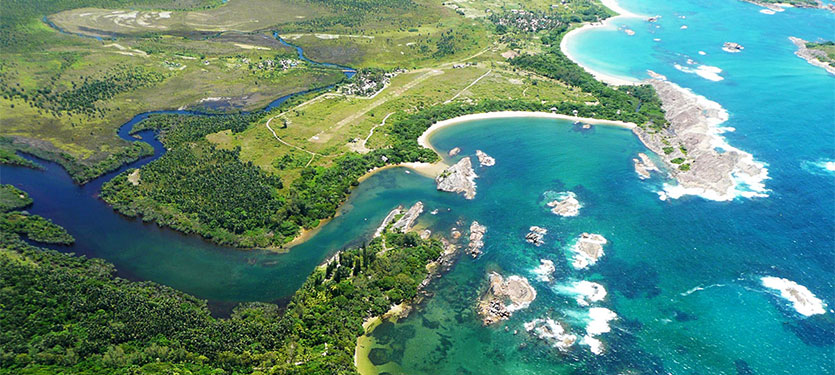
Manafiafy Beach & Rainforest Lodge – South East Coast Madagascar
Bucket list destination
With sparkling blue seas, verdant rainforests, abundant wildlife and distant mountains this small and intimate lodge offers you the choice of serenity or adventure. Straddling land and sea you can enjoy a rich variety of water and land-based activities including walks in the rainforest to spot lemurs, or motorboat forays into the mangroves.
...
Read More
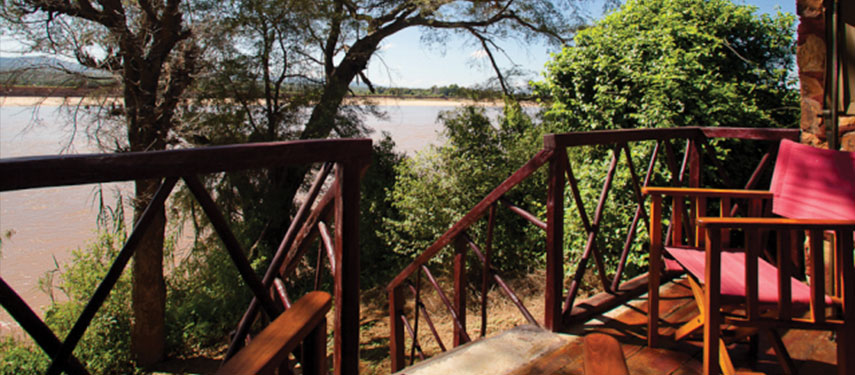
Mandrare River Camp – South East Coast Madagascar
Spiny Forest lunar landscape
Mandrare River Camp is set in the grounds of an old colonial plantation house opposite the sacred ancestral forests of the Antandroy Tribe and provides excellent access to the ‘Spiny Forest’. In an area so richly diverse and far removed from the western world, enjoy the opportunity to combine exotic wildlife and traditional culture in a unique setting.... Read More
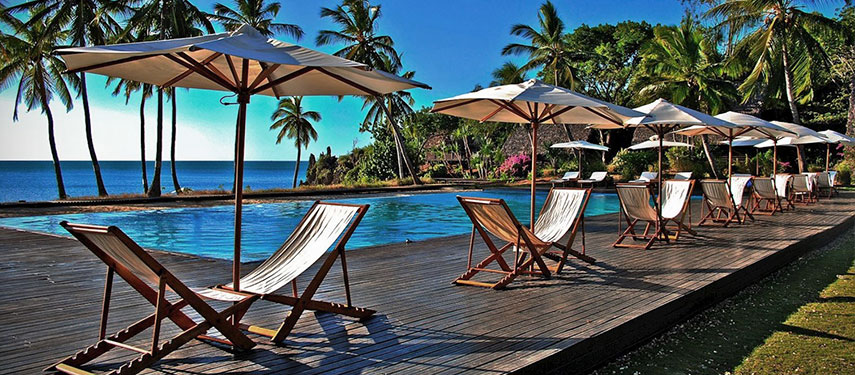
Anjajavy le Lodge – Anjajavy Peninsula
Idyllically remote
Anjajavy l’Hotel is a Relais & Chateaux member located on an idyllic stretch of coastline overlooking the Mozambique Channel. Set in extensive tropical gardens leading to a sandy beach, Anjajavy is perfect for relaxation. The wildlife is also prolific and walks through the forest reveal camouflaged chameleons, vivid frogs and the elusive fossa.... Read More
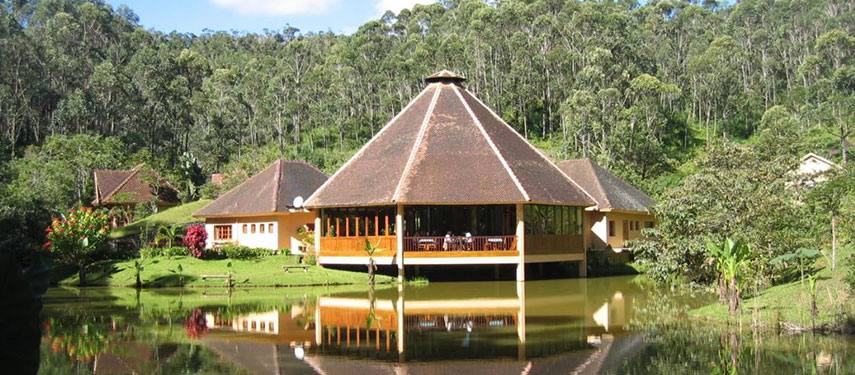
Vakona Forest Lodge – Andasibe
Lemur Island
Vakona Forest Lodge offers simple accommodation in 28 rooms that are built traditional Madagascan style. Spend your days exploring the primary rainforest of Reserve Special de l’Analamozaotra and Parc National d’Andasibe-Mantadia. Both feature excellent lemur and bird watching. The highlight is witnessing the magical ‘Song of the Indri’: a 'concert' of jungle calls courtesy of Madagascar's largest lemur. This is a naturalist’s goldmine with many seldom seen species of mammals, reptiles and birds. vakona-lodge... Read More
Madagascar: Frequently Asked Questions
Madagascar is one of the most biodiverse places on Earth. Every one of its 100-plus lemur species is found nowhere else, alongside the aye-aye, the fossa (Madagascar’s cat-like apex predator), countless chameleon species, vivid day geckos, rare birds, colourful frogs and extraordinary insects. Around 80% of all species here exist only on this island — a fact that makes every wildlife encounter feel genuinely singular.
The optimal travel window runs from April to November, well clear of the hot, wet cyclone season from December to March. The dry season between April and October is ideal for national park wildlife viewing, while September and October are particularly rewarding for spotting newborn lemurs and juvenile chameleons in forest habitats across the island.
The Avenue of Baobabs is a celebrated stretch of dirt road in western Madagascar, flanked by around 30 towering specimens — some estimated to be up to 2,800 years old. Six of the world’s eight baobab species are endemic to Madagascar, and this iconic corridor in the Spiny Forest near Morondava is one of the country’s most photographed landscapes. Sunset visits, when the giants glow amber against the sky, are especially memorable.
Madagascar can be an outstanding choice for adventure-minded families. Encounters with habituated ring-tailed lemurs at Anja Community Reserve and the playful lemur populations at Vakona Forest Lodge are excellent for children, while the remote, exploratory nature of travel here suits families seeking something genuinely beyond the conventional game-drive safari circuit.
Most Australian travellers reach Antananarivo (Tana), Madagascar’s capital, via Johannesburg, Nairobi or Réunion Island. Given Madagascar’s considerable size, internal domestic flights are essential for moving between regions, and CSC coordinates all connections as part of a fully tailored itinerary.
Nosy Be — meaning “big island” in Malagasy — is Madagascar’s premier beach destination and a natural complement to a wildlife-focused trip. Warm turquoise seas deliver outstanding diving and snorkelling over pristine coral reefs, whale watching during the Southern Hemisphere winter, and lush jungle reserves inland. Ylang-ylang, vanilla and cocoa plantations give it a sensory richness unlike any conventional beach escape.
Madagascar: A Glossary of Terms
- Lemur — A primate found exclusively in Madagascar; with over 100 known species ranging from the 30-gram mouse lemur to the large, wailing Indri, lemurs are among the world’s most endangered mammals and the island’s signature wildlife encounter.
- Fossa — Madagascar’s largest carnivore and apex predator; a lithe, cat-like mammal related to the mongoose family, found only on the island and most frequently sighted in the Kirindy Forest of the west.
- Aye-Aye — A nocturnal lemur equipped with an elongated middle finger used to extract grubs from bark; one of the world’s most unusual primates and a prize sighting on any Madagascar itinerary.
- Baobab — An ancient, barrel-trunked tree of which six of the world’s eight species are endemic to Madagascar; the most famous stand, the Avenue of Baobabs near Morondava, includes specimens estimated to be up to 2,800 years old.
Indri — The largest living lemur species, renowned for its haunting, far-reaching calls that carry through the forest canopy; found in the rainforests of Andasibe-Mantadia National Park and a centrepiece of eastern Madagascar itineraries.
- Sifaka — A genus of lemur famed for its distinctive sideways bounding gait on the ground, earning it the affectionate nickname “the dancing lemur”; encountered across several habitat types including the Spiny Forest of the south.
- Tsingy — Dramatic limestone karst formations found primarily in Tsingy de Bemaraha National Park in western Madagascar; the razor-sharp stone pinnacles form one of the world’s most extraordinary landscapes and a UNESCO World Heritage Site.
- Spiny Forest — A unique dry deciduous ecosystem in southern and western Madagascar, characterised by endemic succulent plants, Didierea cactus-like trees, bottle-shaped baobabs and an eerie, lunar-landscape quality unlike anywhere else on Earth.
- Nosy Be — Translating as “big island” in Malagasy, this is Madagascar’s principal beach island in the northwest, offering coral reefs, whale watching, ylang-ylang plantations and the lush Lokobe Nature Reserve.
- Malagasy — The language, people and cultural identity of Madagascar; used as an adjective to describe all things of or relating to the island, from Malagasy cuisine and customs to the country’s 18 distinct ethnic groups.
Thank you so much for putting together the most memorable holiday for us. The experiences we have had in the last couple of weeks have gone beyond all expectations.
Jane & Col Loveday
It certainly was the best trip we have EVER had. The experiences were mind blowing. We want everyone we know to experience Africa - the animals, the people - magical.
Jo-anne & Dean Mifsud
The Classic Safari Company is the best I have dealt with. Extremely knowledgeable & professional, friendly, patient & understanding of first timers to Africa.
Annette Whiley
Classic Safari Company were brilliant - 10/10
Di & Kingsley Yates
Would do it all again and not change a moment. Best holiday ever!
The McGowan Tribe
Classic Safari is the place to go to for "top end" adventure travel.
Ron & Alison Guthrie
If you want the most sensational experience in Africa let Julia and the staff at Classic Safari Co plan it for you! Their knowledge, expertise and enthusiasm for their job means your every wish will be fulfilled.
Miriam & Joseph Harrison
An absolutely fantastic travel company - every one of the many trips they have organised for us over 22 years have been faultless and fabulous.
Judith & Roger Williams
Their experience and knowledge of Africa is evident and we couldn't have been happier with the total package. This has given us a taste for Africa - now we are ready for more.
Andrew & Pip Stevens
Classic Safari Company has done it again! A unique experience that ticked all the boxes - wildlife, culture and dining experience. A dream come true!
Ros Wheeler
Absolutely everything was first class & so well organised.
Simon & Jackie Adams
The trip of a lifetime, couldn't have dreamt of a better adventure if I tried.
Emma Jeffcoat
You can't improve on perfection. I had my best birthday and holiday with my family celebrating my 80th birthday in Africa. Everything that Julia organised was perfect and the whole trip was a highlight!
Buckingham Family
Everything was perfect! Advice and information on destinations and activities hit everything I had hoped to experience. I contacted the Classic Safari Company upon recommendation and have now, in turn, recommended to others.
Tim Bradley
Very knowledgeable and patient. Our trip was all that we hoped for. Wonderful!
Jane & Robert Happell
Thank you for making our trip to Africa so spectacular. The attention to detail really made it special. It really was the trip of a lifetime.
Paul Cozzi
An amazing experience - the best family holiday we have ever had. We were extremely impressed by the meticulous attention to our itinerary. I can't speak highly enough of all the elements of this exciting journey!
Sheryl & Robert Taylor
We loved it all. Our son wants to go back tomorrow. We would ALL go back again!
Laurence & Remi Cunningham
Classic Safari are the people who genuinely know other culture and offer incredible insight to perfectly meet your expectations.
Melanie McMillan & Iain Jones
The trip exceeded my expectations and was the best family holiday I have ever had. Our children simply loved it and now I know more about African wildlife than they do about our own farm animals.
Rowntree family
We are so happy we put our trust in CSC, we had an amazing adventure and would recommend them to anyone.
Kim & Brad Balance
Julia you did a fantastic job - everything was first class. Well organised, efficient and stress free. We all agreed it was the best holiday we've ever had. Cant wait to travel with CSC again.
Milford family
We wanted the opportunity to see as many wildlife parks as possible and the Classic Safari Company provided an action-packed itinerary that included six, with 11 tiger sightings and nine leopard. This was overlaid with an introduction to Jaisalmer, Jaipur and the 'real' India. Pench and Panna were the hidden gems of a really great trip, very well organised, seamless and enjoyable. As a solo traveller I felt incredibly safe at all times. I want to go back!
Mark Taylor
Exellent and wonderful, reaching way above expectations.
Elizabeth Mackintosh
Thank you for putting together the ancestral adventure of a lifetime. I cannot speak highly enough of the trip.
Jenny Kidd