Morocco
Exotic Colours, History & Culture
Discovering Morocco | In Summary
- Morocco is the only country in Africa with coastlines on both the Atlantic Ocean and the Mediterranean Sea — a geographic duality that shapes everything from the seafood on your plate to the architecture and atmosphere of its port cities.
- Morocco has four Imperial Cities — Marrakech, Fez, Meknes and Rabat — each a former capital, each shaped by a different ruling dynasty, and each with its own unmistakable character; no two feel remotely alike.
- The indigenous Amazigh (Berber) people have shaped Morocco’s cultural fabric for millennia, from the mountain villages of the High Atlas to the nomadic traditions of the deep south — a civilisation that predates Arab conquest by thousands of years and remains vividly alive today.
A brief overview describing Morocco’s highlights would outweigh War and Peace and still only skim the surface. The exotic colours, history and culture that have attracted travellers from time immemorial are still vibrantly visible and unlike anything else Africa has to offer.
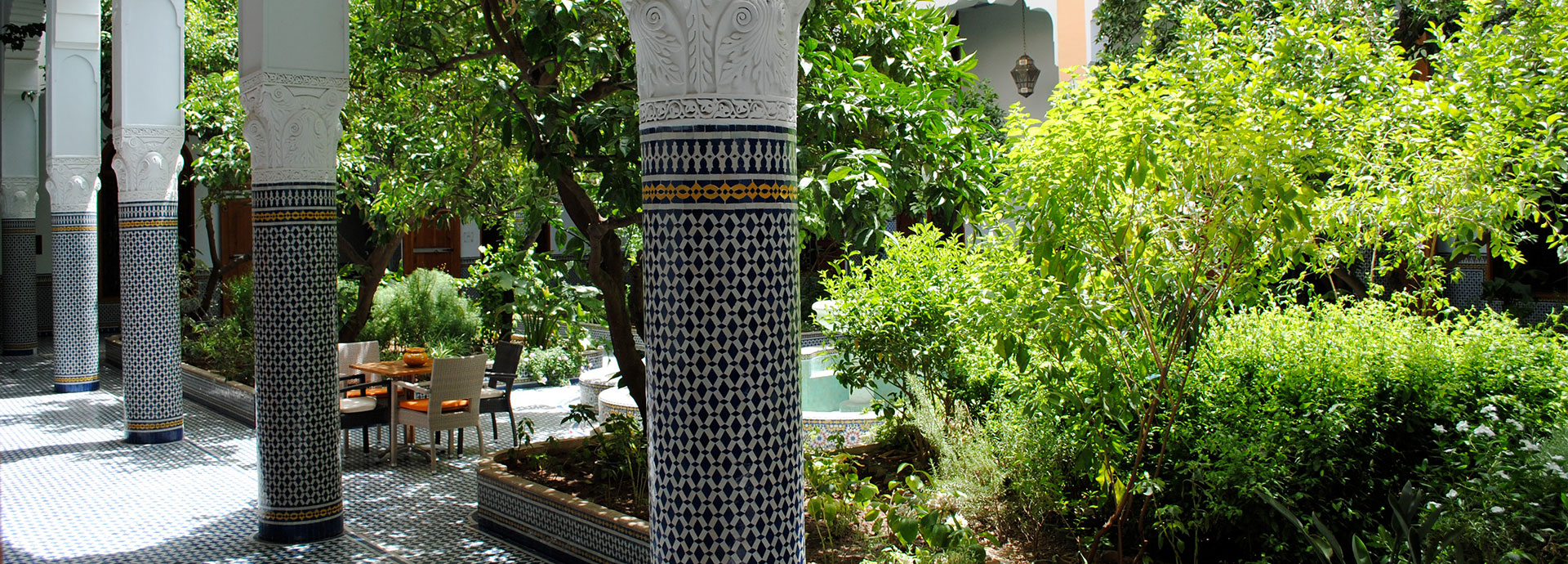
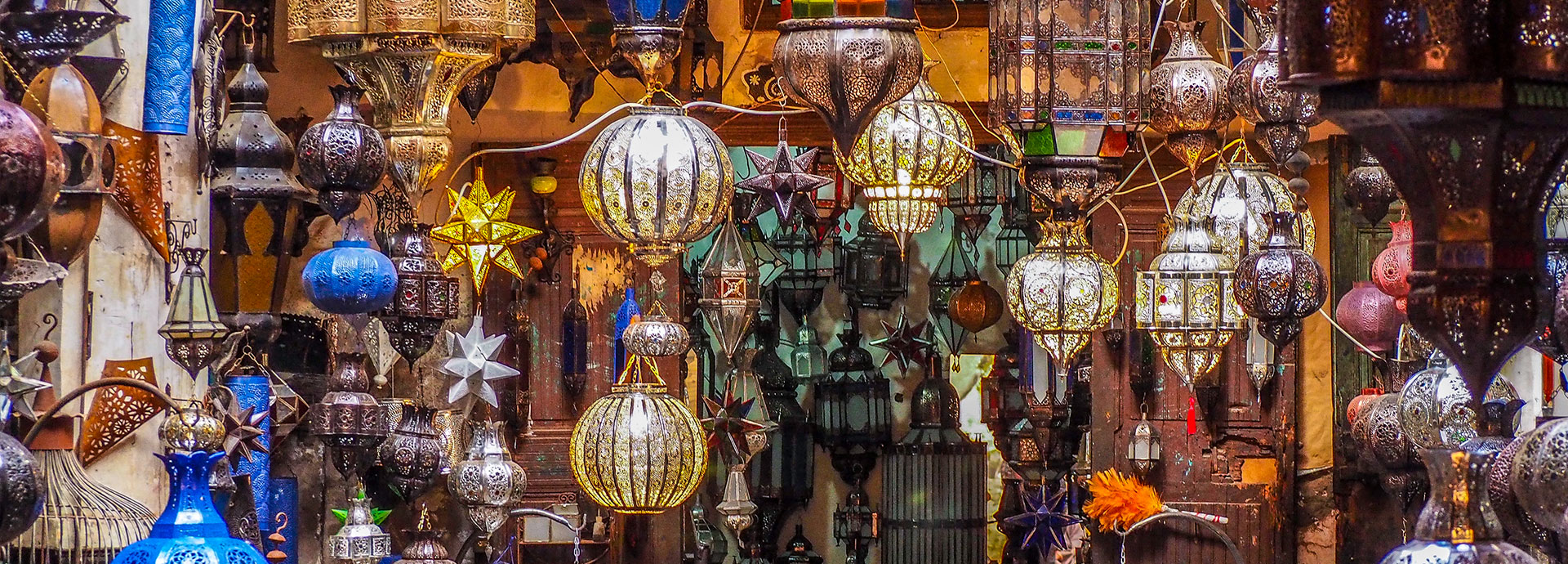
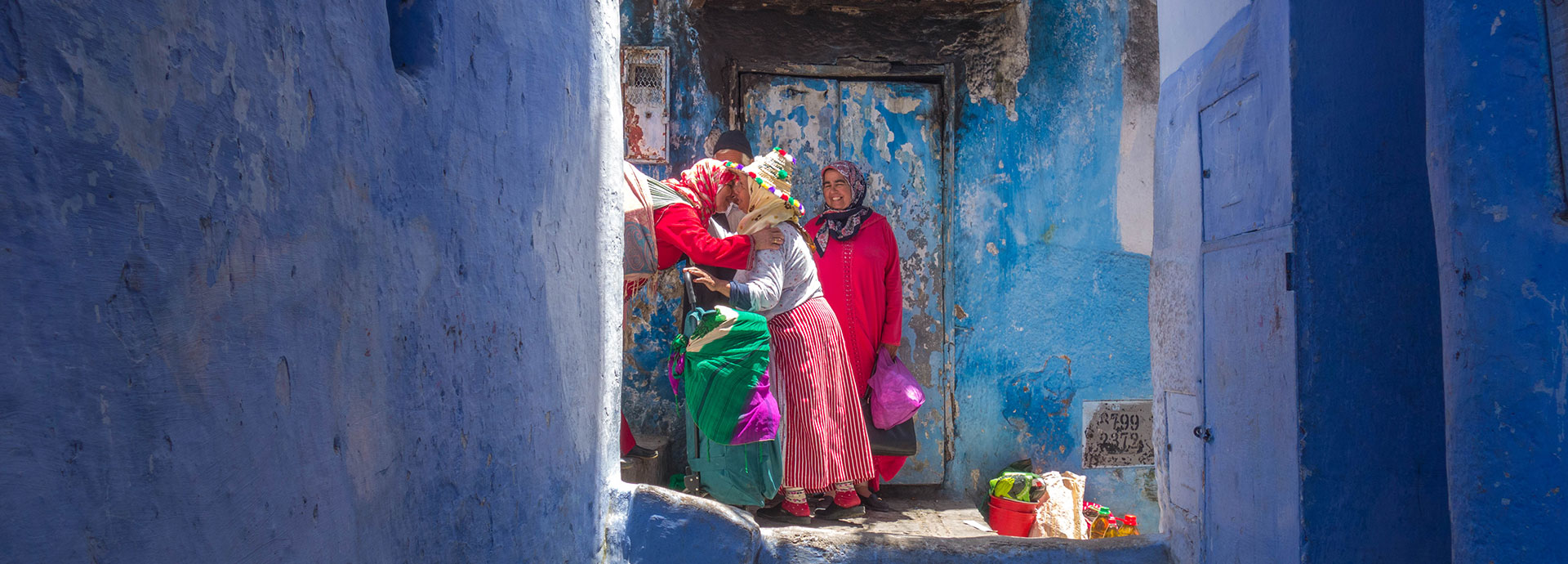
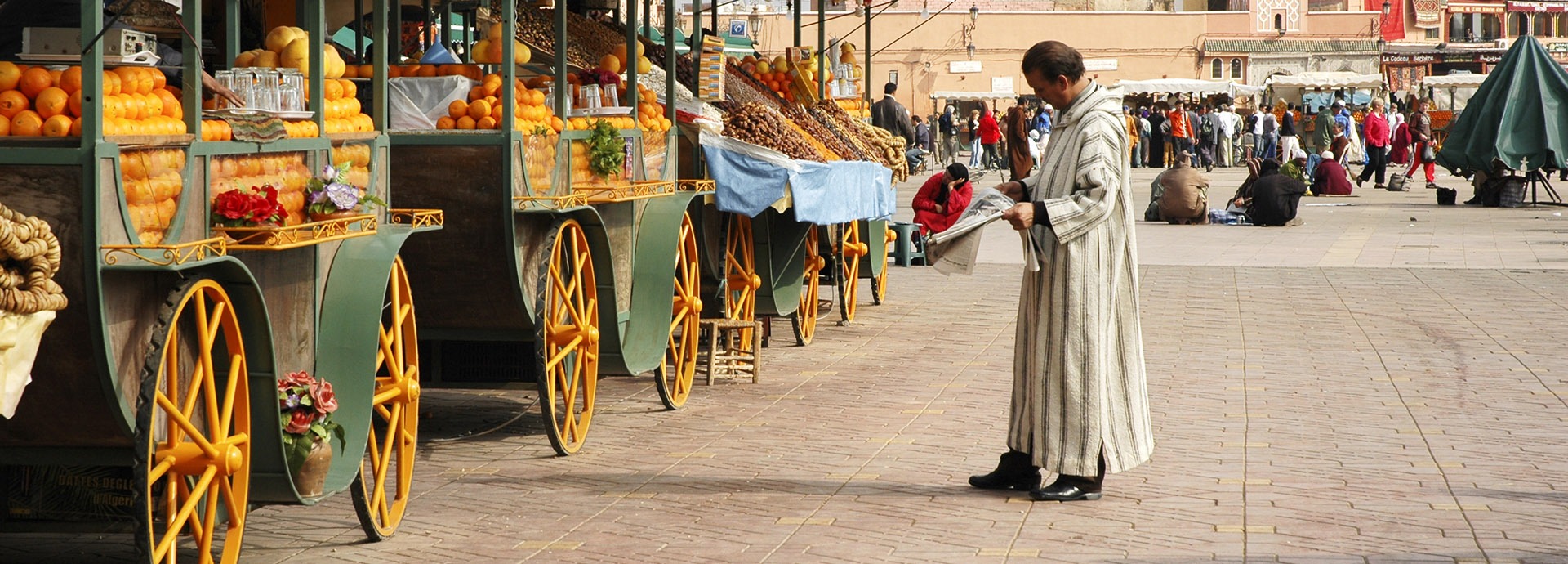
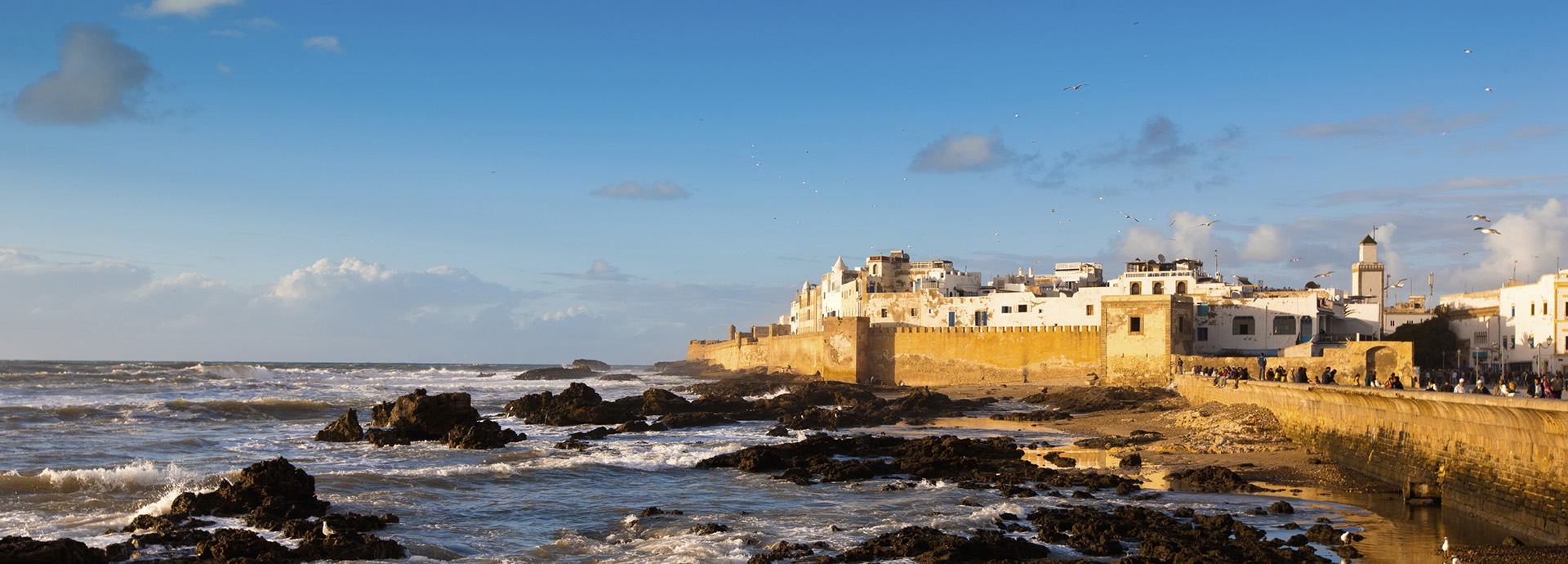
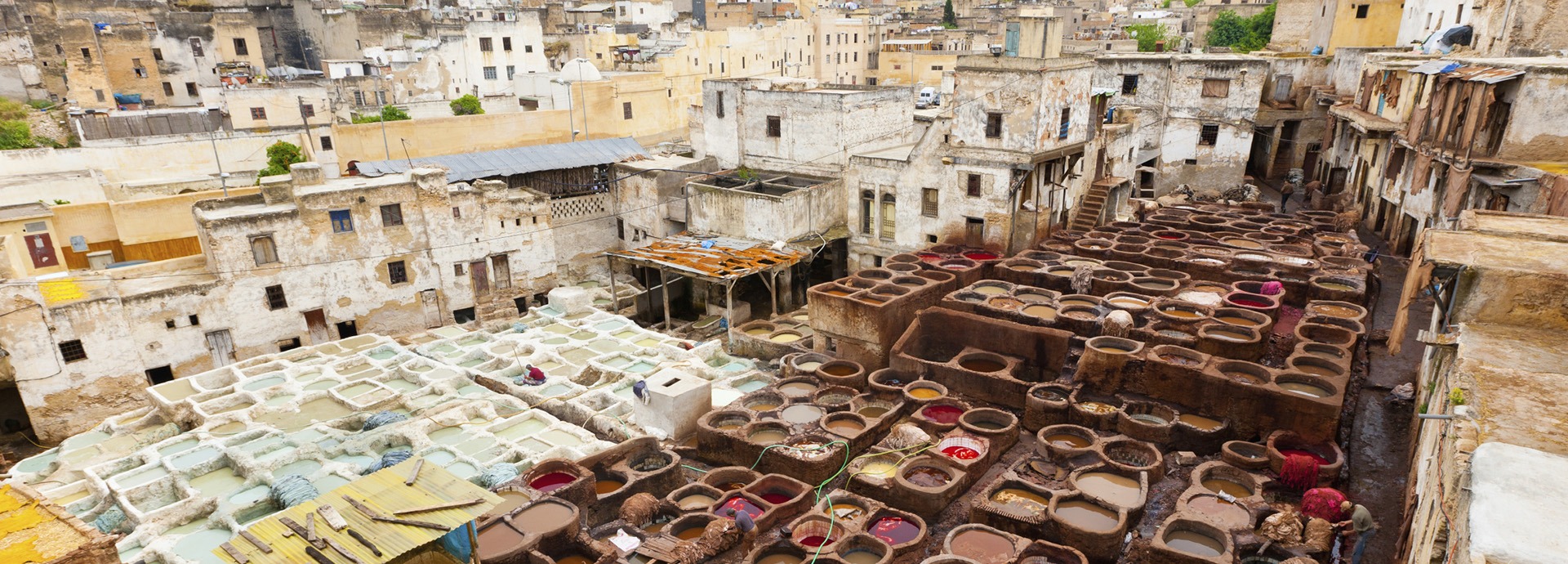
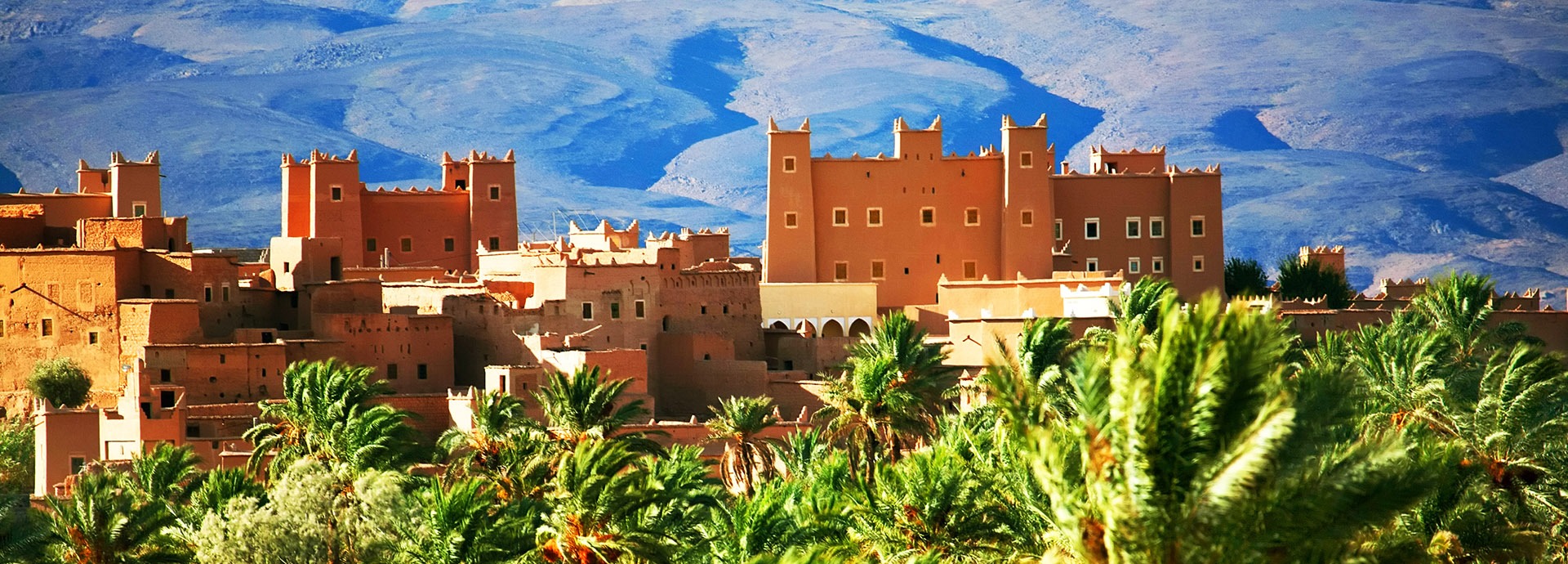
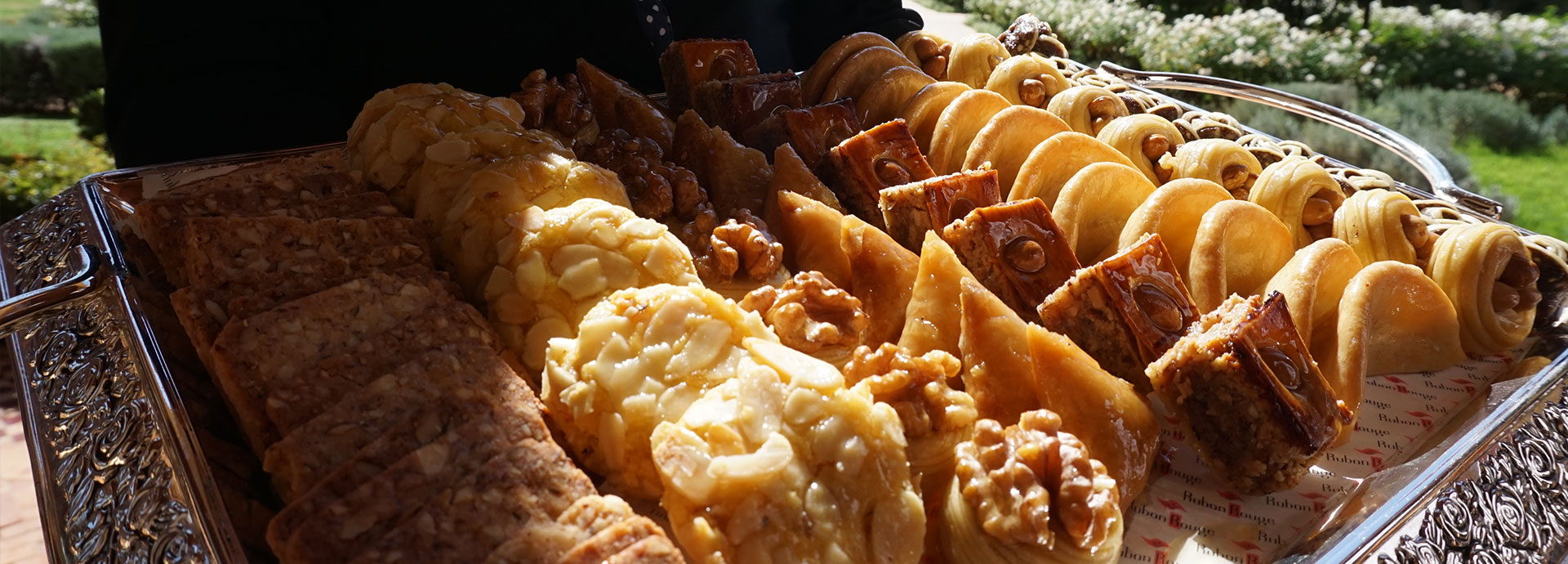
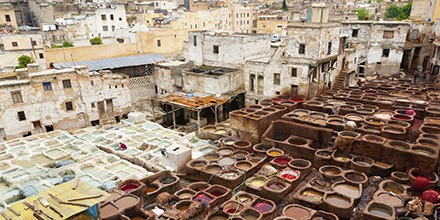
In Morocco it is possible to travel from the snows of the Atlas Mountains to the sands of the Sahara Desert in a day. The enchanting cities of Fez and Marrakech captivate travellers with their spice-laden souks, tanneries, ancient medinas and secret gardens while the blue streets of Chefchaouen draw photographers from across the world. As temperatures rise the coastal breezes of Essaouria beckon and the laid back cool of the Hendrix era lives on. The scent of rosewater and sandalwood lingers across the country, fresh mint tea is served with a flourish, traditional hammams offer luxurious pampering and an exquisite collection of boutique hotels, historic riads and elegant tented camps await your arrival.
You Will Love
- Spice souks and bustling medinas
- Exquisite Kasbahs and Riads
- Hiking in the Atlas Mountains
- Elegant tented desert camps
- The Jimi Hendrix cool of Essaouira
- Rosewater, mint tea and tagines
Let us design your perfect itinerary.
Unforgettable experiences in Morocco
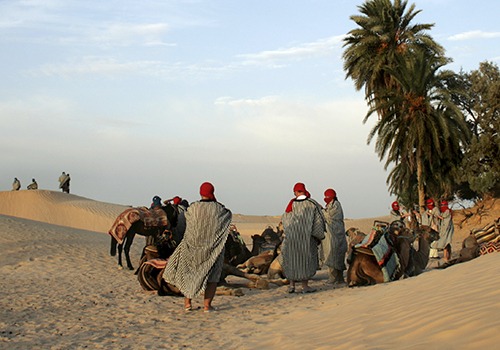
Ride a camel and camp in style in the Sahara
Ride a camel and camp in style in the Sahara
Ride through the shifting sands of the Sahara on a camel before reaching your luxury camp in the desert. You’ll enjoy dinner by candlelight under the stars, followed by traditional storytelling round an open fire. Before retirin...
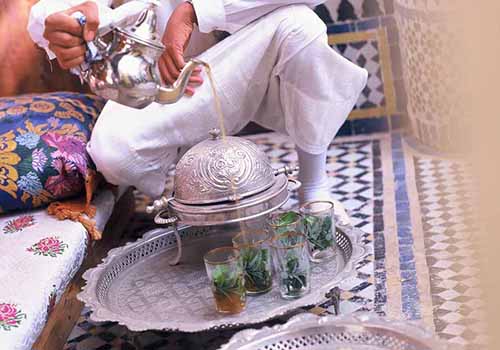
Sip mint tea with the Berbers in the Atlas Mountains
Sip mint tea with the Berbers in the Atlas Mountains
Spend time in the Atlas Mountains, summit Mount Toubkal and experience the true spirit of the Berber way of life. Kasbah du Toubkal, originally the Kasbah of a local tribal ruler, has been carefully restored and converted into a b...
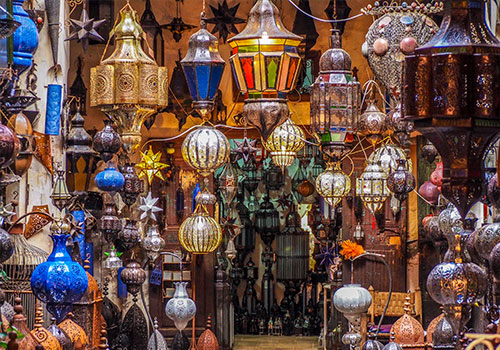
Shop ’til you drop in Marrakech’s souks
Shop 'til you drop in Marrakech’s souks
The souks of Marrakech are world famous and offer the greatest variety of products imaginable. Having evolved and grown organically through the centuries there is absolutely no structure or order to them but getting lost is half t...
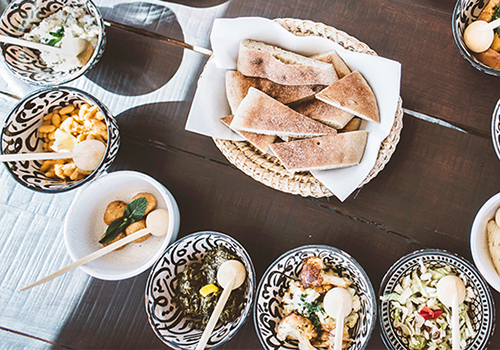
Learn to cook – Moroccan style
Learn to cook - Moroccan style
Fragrantly spiced, tactile and scented with rosewater, Moroccan cuisine is a sensory delight. Start with a trip to the souk to purchase locally‐grown produce, learn how to find the best ingredients by looking, feeling smelling a...
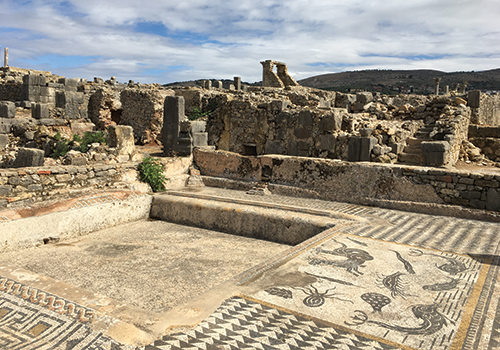
Discover the ancient ruins of Meknes and Volubilis
Discover the ancient ruins of Meknes and Volubilis
Travel through rolling vineyards and olive groves as you cross the Saiss plains to visit Morocco’s third Imperial City, Meknes, which boasts imposing monuments, grand mosaic tiled gateways and mausoleums. Explore the holy town o...

Marvel at the Majorelle Garden
Marvel at the Majorelle Garden
Located on the north side of Marakech, the Jardin Majorelle is just a short walk from the bustling souks of the city but feels a world away. Famously the work of Jacques Majorelle and Yves Saint-Laurent, it is the perfect spot to ...
A selection of our favourite places to stay in Morocco
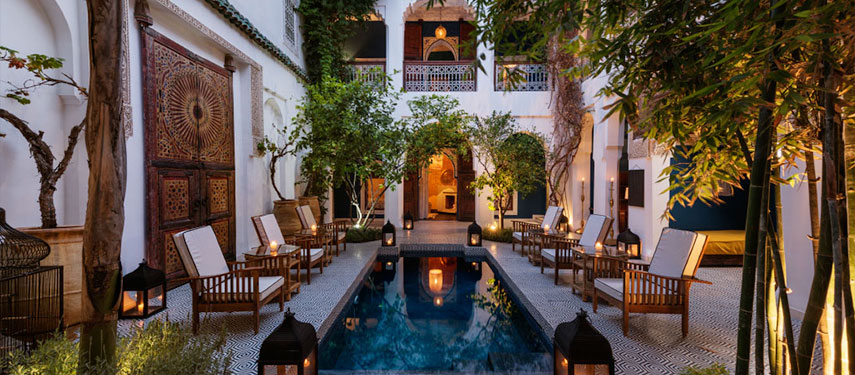
Riad Les Yeux Bleus – Marrakech
Stylish Oasis in Marrakech
Riad Les Yeux Bleus is located in the old Medina of Marrakech. An excellent choice of trendy bars, art galleries, and restaurants are all within easy walking distance, coexisting in friendly symbiosis with the ancient ways of the city. This stylish city hangout is the perfect introduction to the wonders of Marrakech.... Read More
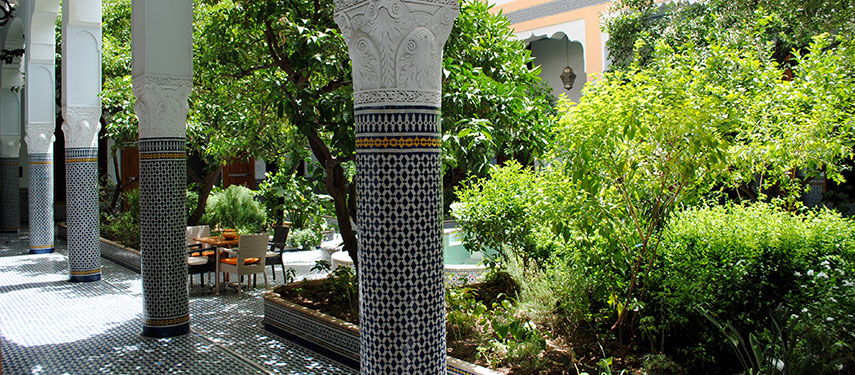
Palais Amani – Fes
Boutique Fez
As a former 17th century palace which has been lovingly restored to its former glory, Palais Amani is a masterpiece of local craftsmanship. Every tile has been hand cut and the internal courtyard garden is a sanctuary of chirruping birds and trickling fountains. Just moments from Fez’ ancient medina, this is the ultimate hidden urban retreat.
...
Read More
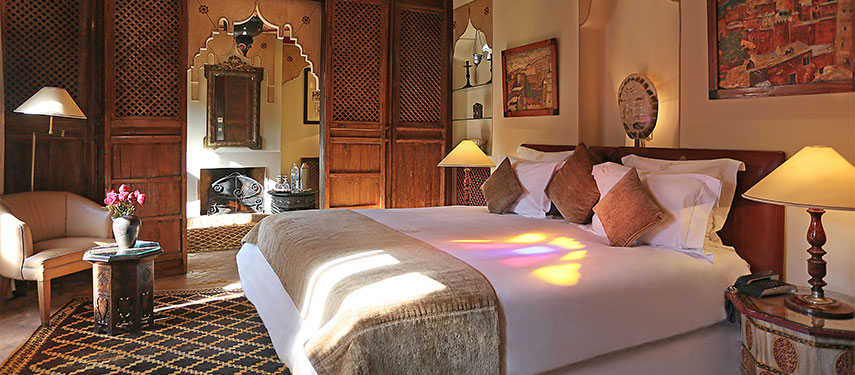
La Maison Arabe – Marrakech
Souk Classic
La Maison Arabe is a traditional riad in Marrakech, centrally located in the Medina. Housing just 26 rooms and suites, plus multiple courtyards, a large subterranean hammam and an eclectic mix of Middle Eastern antiques, it exudes intimate, old fashioned elegance and provides an oasis of calm within easy reach of the bustling souks.... Read More
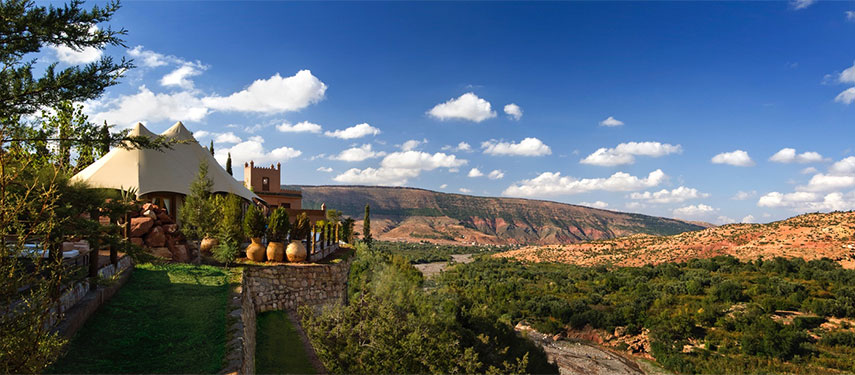
Kasbah Tamadot – Asni Village, Atlas Mountains
Atlas Luxury
Richard Branson’s Kasbah Tamadot is a sprawling complex of gardens, terraces and courtyards. The resort is packed to its 18th-century wood ceilings with treasures from around the world - stepping inside is like exploring Ali Baba's cave. When night falls, lanterns are lit and Kasbah Tamadot glows under a sky thick with stars.... Read More
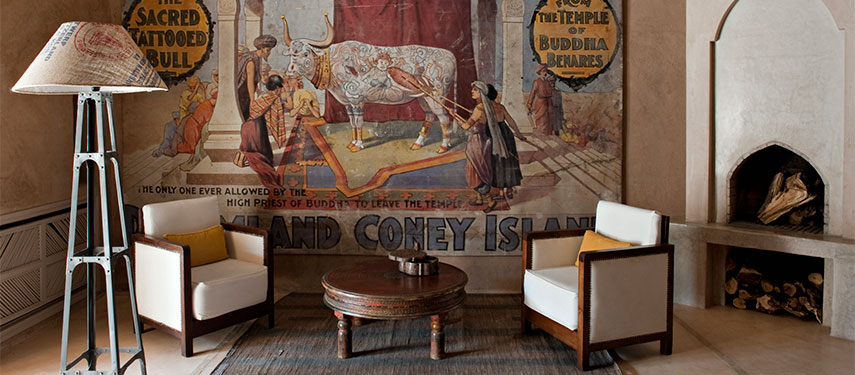
Dar Ahlam – Ouarzazate
Luxury Kasbah
At the edge of the Sahara, a 19th century Kasbah has been converted into one of the most luxurious residences the desert has ever seen. Dar Ahlam literally means “House of Dreams” in Arabic - a fitting name for a stunning tour de force that elegantly mixes traditional Moroccan values with French chic.... Read More
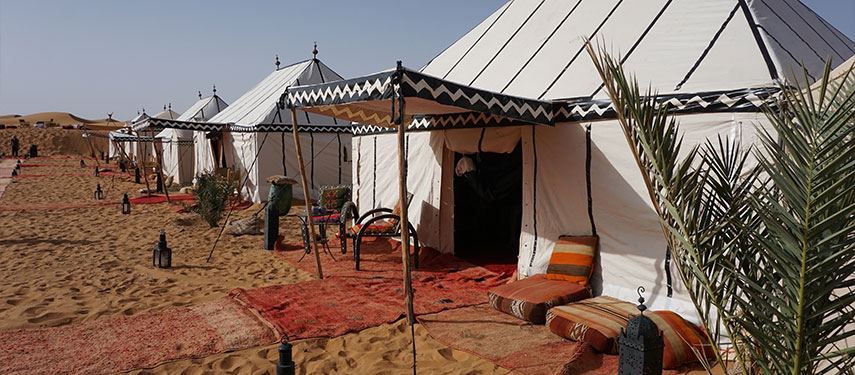
Merzouga Luxury Desert Camp – Sahara Desert
Saharan Classic
The elegant white tents of Merzouga Luxury Desert Camp stand silently amidst the shifting sands of the Sahara offering tranquility, luxury and friendly Berber hospitality at its most beautifully remote. Located strategically amongst the dunes of Erg Chebi Desert, it is dwarfed by the immense landscape in which it sits.... Read More
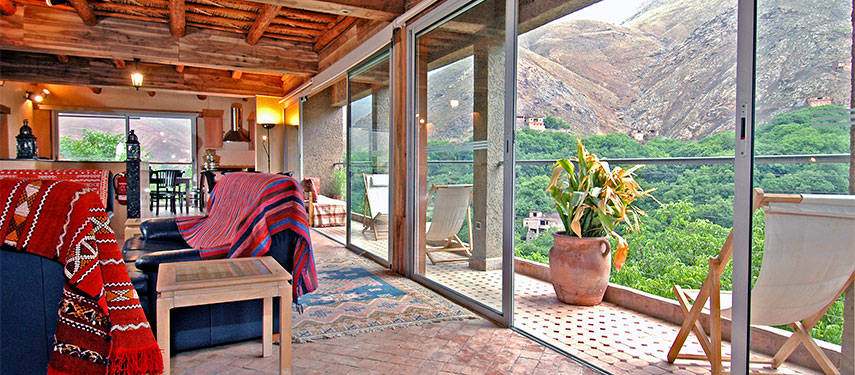
Kasbah du Toubkal – Imlil Village, Atlas Mountains
Authentic Atlas living
Just 80 kilometres from Marrakech, at the base of the highest peak in north Africa, Kasbah du Toubkal feels a world away from the busy city. Throughout the kasbah everything from the intricately carved doors to vibrant rugs is handmade by local craftsmen from local materials, providing a sense of genuine warmth and authenticity.... Read More
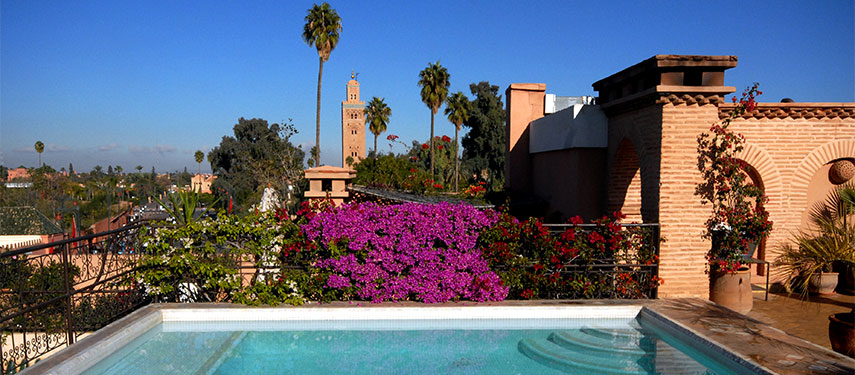
Villa des Orangers – Marrakech
Relais & Chateaux Riad
The Villa des Orangers is a former 1930s palace located just outside of the medina of Marrakech, close to many of Marrakech’s many historic sites. All 27 deluxe bedrooms open onto the inner courtyards and are decorated with sumptuous furnishings. Unwind in this small and luxurious hotel on the doorstep of Marrakech’s historic quarter.... Read More
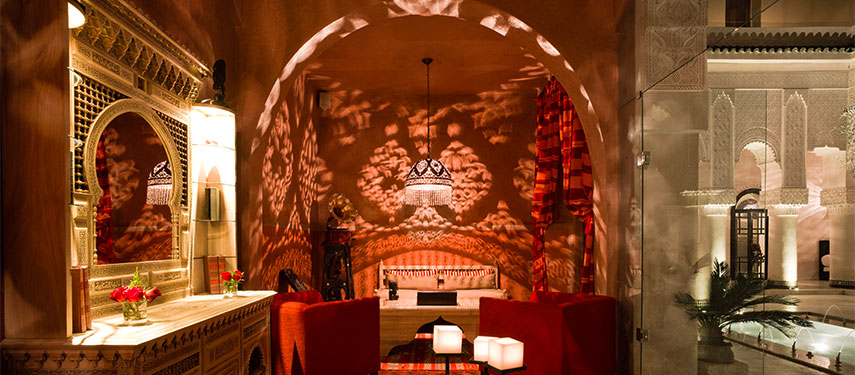
Riad Fes – Fes
Luxury Fes
Riad Fes is ideally situated in the heart of this ancient, scholarly city. As a Relais & Chateaux property it is luxurious and exclusive with décor reminiscent of Arabian Nights. Inside, a labyrinth of stairways and corridors keep rooms intimate and private with staff on hand to provide top notch hospitality at all times.... Read More
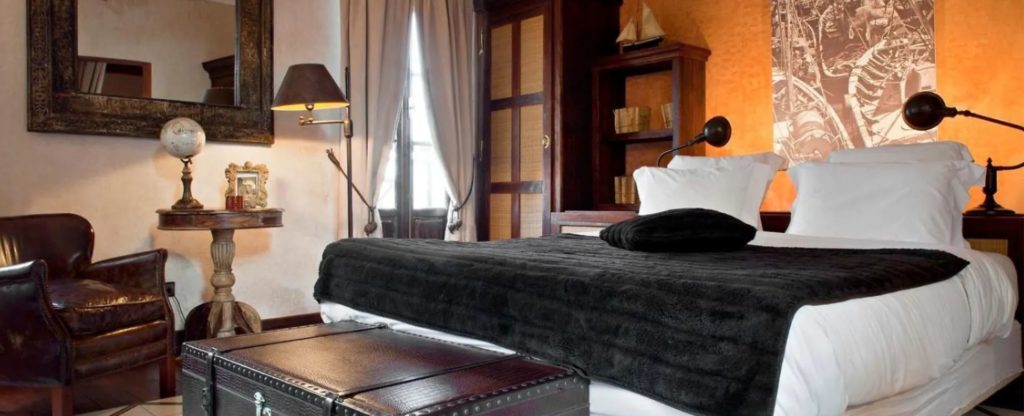
Villa de L’O – Essaouira
Elegant riad in Essaouira
An elegantly furnished 18th-century colonnaded patio welcomes you to Villa de L’O and inside, the 12 unique guestrooms are exquisitely designed to reflect Morocco's rich heritage. While in town be sure to wander down to the bustling fishing harbour to feast on freshly-grilled seafood at one of its many covered stalls.... Read More
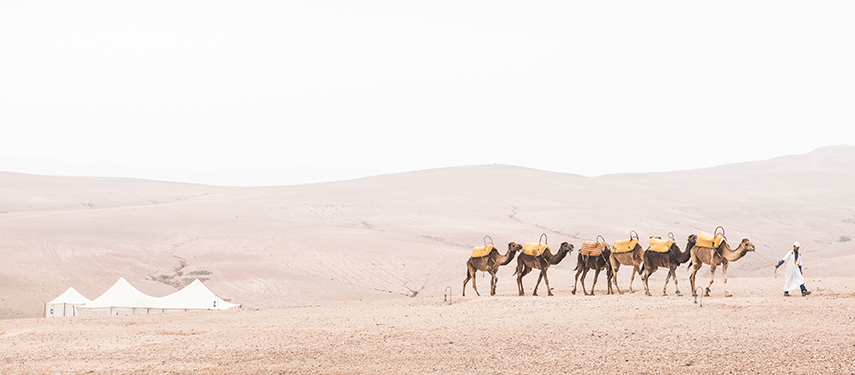
Scarabeo Desert Camp – Agafay Desert
Tented desert chic
In the small rocky desert of Agafay, Scarabeo Camp affords stunning 360° views of the desert’s barren beauty and beyond to the snow‐capped Atlas Mountains. Scarabeo offers just 15 tented rooms sitting elegantly amidst the grandeur of unending landscape. Venture into the desert at Scarabeo for an experience of pure escapism!... Read More
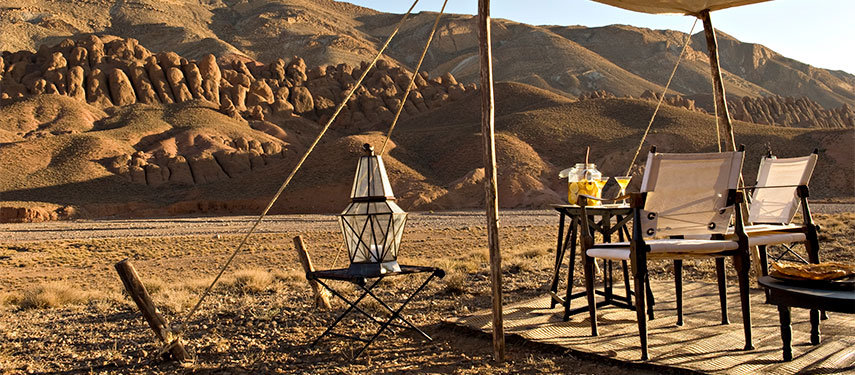
Dar Ahlam Dune Camp – Ouarzazate surrounds
Elegance in the Sahara
Dune Camp is an elegant desert camp set in the pristine dunes of Iriki approximately five hours from the city of Ouarzazate. Here an ancient salt lake is transformed into a seemingly endless sandbox and your tent is an inviting retreat filled with African reed mats, Berber cushions and vintage camp decor.... Read More
A collection of journeys in Morocco
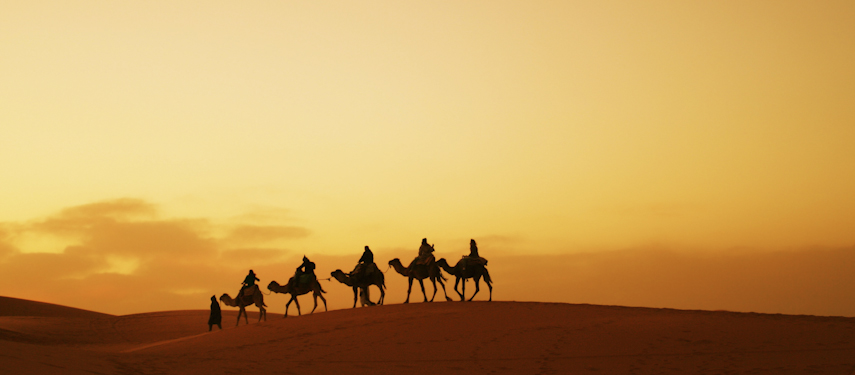
Souks, Sahara & High Atlas
Itinerary Inspiration | Morocco's Souks, Sahara & High Atlas Mountains
Journey through Morocco's Imperial Cities, cross the Atlas Mountans to experience the vast sea of sand that is the Sahara Desert, shop til you drop in fascinating souks and savour the seabreeze along the picturesque Atlantic coastline. This journey ticks all the boxes - ancient history, striking architecture, sunset camel rides in the Sahara, sensational shopping and exceptional cuisine. You may not want to return home... ...Read More
Morocco: Frequently Asked Questions
Spring (March to May) and autumn (September to November) offer the most comfortable temperatures across Morocco’s diverse landscapes. Summer in Marrakech and the Sahara can be intensely hot, while the Atlas Mountains carry snow from December through February — ideal for trekkers but less so for desert travellers. For those combining cities, mountains and desert in a single journey, April and October are the sweet spots.
Australian passport holders can enter Morocco visa-free for stays of up to 90 days, making it one of the more straightforward African destinations to access. No advance application is required — simply ensure your passport holds at least six months’ validity beyond your intended departure date.
Morocco’s linguistic landscape is richly layered. Darija (Moroccan Arabic) is the everyday spoken language, while Modern Standard Arabic and Amazigh (Berber) are both recognised official languages. French is widely used in business, tourism and urban centres, and a working knowledge of French phrases will serve travellers well across the country’s cities and riads.
Morocco is generally considered a safe and welcoming destination for international visitors, including solo women travellers. The main cities are well-policed and the country’s tourism infrastructure is mature and well-established. Standard precautions apply — keep valuables secure in the souks and stay alert in busy medinas — but on the whole Morocco is an accessible and hospitable destination.
The classic overland route from Marrakech to the Sahara takes approximately seven to nine hours by road, crossing the High Atlas via the dramatic Tizi n’Tichka pass and descending through the palm-fringed Draa Valley. Most travellers break the journey at the UNESCO-listed ruins of Aït Benhaddou and the Kasbah town of Ouarzazate, turning what is simply a transfer into one of the most scenic drives in Africa.
Morocco rewards considered packing. Light, breathable layers handle the heat of the cities and desert days; warmer layers are essential for cool Atlas nights and chilly desert dawns. Modest clothing — covered shoulders and knees — is respectful and practical in medinas and near mosques. Comfortable walking shoes are non-negotiable for navigating the beautiful but uneven cobblestones of ancient city quarters.
Morocco: A Glossary of Terms
- Medina — the historic walled quarter of a Moroccan city, typically an organic maze of narrow alleyways, souks, mosques, hammams and residential neighbourhoods largely unchanged since medieval times
- Riad — a traditional Moroccan townhouse or palace built inward around a central courtyard or garden, typically featuring a fountain, geometric zellige tilework and ornate carved plasterwork; many have been converted into intimate boutique guesthouses
- Souk — an open-air marketplace or bazaar, traditionally organised by trade or craft, where artisans and merchants sell everything from spices, leather goods and carpets to hand-beaten metalwork and argan oil
- Kasbah — a fortress, citadel or fortified earthen palace, often found at the heart of Moroccan towns and along the old caravan routes; the term also describes the towering mud-brick fortified villages of the southern desert regions
- Hammam — a traditional Moroccan steam bath and bathing ritual involving a sequence of heated rooms, exfoliation with a kessa mitt, and a cleansing black soap scrub known as ghassoul; as central to Moroccan social life as the café
- Amazigh — the indigenous people of North Africa, known historically as Berbers, whose distinct language, culture and traditions predate the Arab conquest by millennia and remain vibrantly alive across the Atlas Mountains and Saharan south of Morocco
- Tagine — both the conical clay cooking vessel and the slow-cooked stew prepared within it; a cornerstone of Moroccan cuisine that typically combines meat or fish with vegetables, preserved lemons, olives and a warm palette of aromatic spices
- Erg — a vast sea of wind-sculpted sand dunes; Morocco’s most celebrated erg is Erg Chebbi near Merzouga, where dunes rise to heights of 150 metres and turn a luminous amber at dawn and dusk
- Tizi — the Amazigh word for a mountain pass, used in the names of the High Atlas crossings that connect Marrakech with the desert south, most famously the Tizi n’Tichka at 2,260 metres
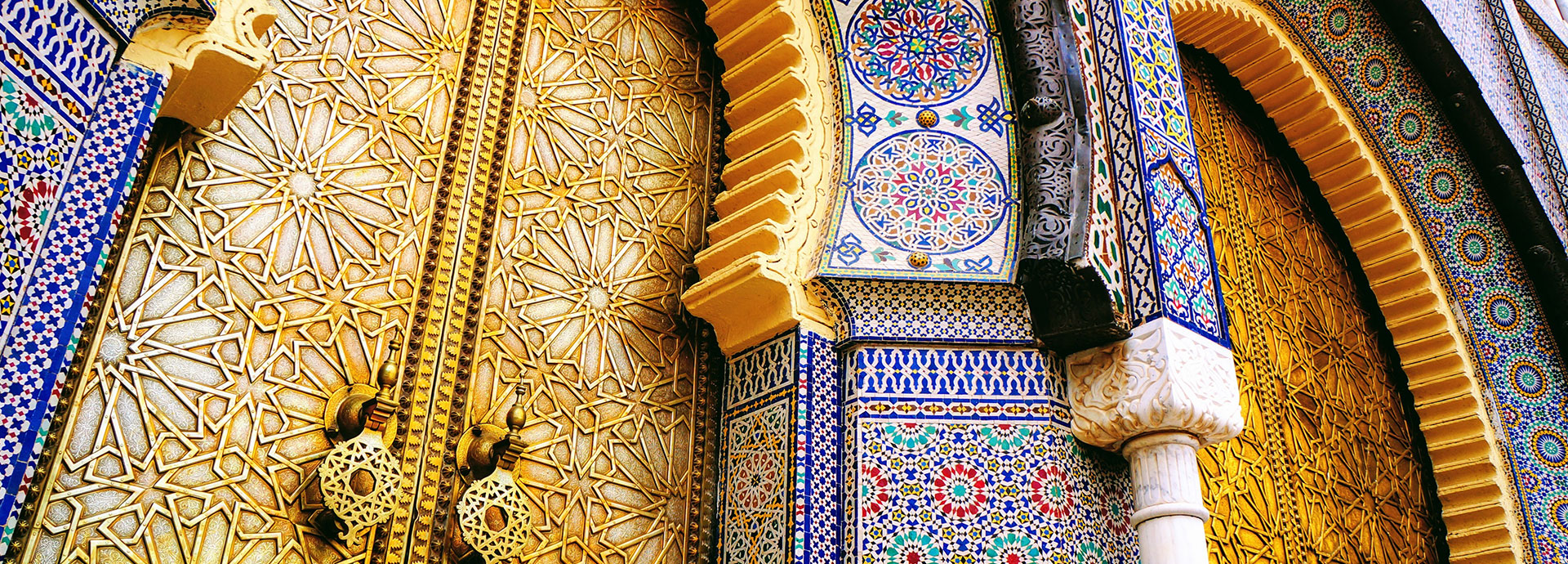
- Zellige — the ancient art of hand-cut geometric mosaic tilework, a defining hallmark of Moroccan palaces, riads and mosques, in which individual ceramic pieces are chipped to precise shapes by hand and assembled into intricate geometric or floral compositions
Despite being booked at very short notice CSC came up with a very well organised and enjoyable tour. The tour, service and Morocco exceeded our expectations.
Ms Barry
Classic Safari Company has done it again! A unique experience that ticked all the boxes - wildlife, culture and dining experience. A dream come true!
Ros Wheeler
Classic Safari Company were brilliant - 10/10
Di & Kingsley Yates
Absolutely everything was first class & so well organised.
Simon & Jackie Adams
Everything was perfect! Advice and information on destinations and activities hit everything I had hoped to experience. I contacted the Classic Safari Company upon recommendation and have now, in turn, recommended to others.
Tim Bradley
Very knowledgeable and patient. Our trip was all that we hoped for. Wonderful!
Jane & Robert Happell
Thank you for putting together the ancestral adventure of a lifetime. I cannot speak highly enough of the trip.
Jenny Kidd
Julia you did a fantastic job - everything was first class. Well organised, efficient and stress free. We all agreed it was the best holiday we've ever had. Cant wait to travel with CSC again.
Milford family
An absolutely fantastic travel company - every one of the many trips they have organised for us over 22 years have been faultless and fabulous.
Judith & Roger Williams
We are so happy we put our trust in CSC, we had an amazing adventure and would recommend them to anyone.
Kim & Brad Balance
It certainly was the best trip we have EVER had. The experiences were mind blowing. We want everyone we know to experience Africa - the animals, the people - magical.
Jo-anne & Dean Mifsud