Kenya
The Original Safari Destination
Discovering Kenya | In Summary
- Kenya is the birthplace of the safari — the word itself derives from the KiSwahili for ‘journey’ — with one-tenth of its land area protected as national parks and reserves, making it the continent’s most iconic wildlife destination
- From the Maasai Mara, stage for the world’s greatest wildebeest migration, to the rhino strongholds of Laikipia and the rare northern species of Samburu, Kenya offers remarkable diversity across its safari regions
- Classic Safari Company’s Kenya programme spans private conservancies, campaign-style tented camps and family-friendly lodges, combining exceptional wildlife encounters with pioneering conservation and rich Maasai and Samburu cultural immersion.
Kenya is the home of the original safari and is still, quite deservedly, Africa’s most iconic wildlife destination. One-tenth of all land in Kenya is designated as national parks and reserves, the most famous being the Maasai Mara playing host to the annual migration of thousands of wildebeest and zebra. North of the equator, the Laikipia Plateau stretches from the slopes of snow-capped Mt. Kenya to the rim of the Great Rift Valley. Here you can combine game viewing to view Kenya’s endangered black rhino with activities such as mountain biking, river rafting and camel safaris. Amboseli and Samburu Game Reserves lie off the beaten track and are famous for vast herds of elephant. For relaxation, the magnificent Indian Ocean boasts beautiful white sandy beaches and marine reserves where the pace slows to that of the Swahili fishermen.
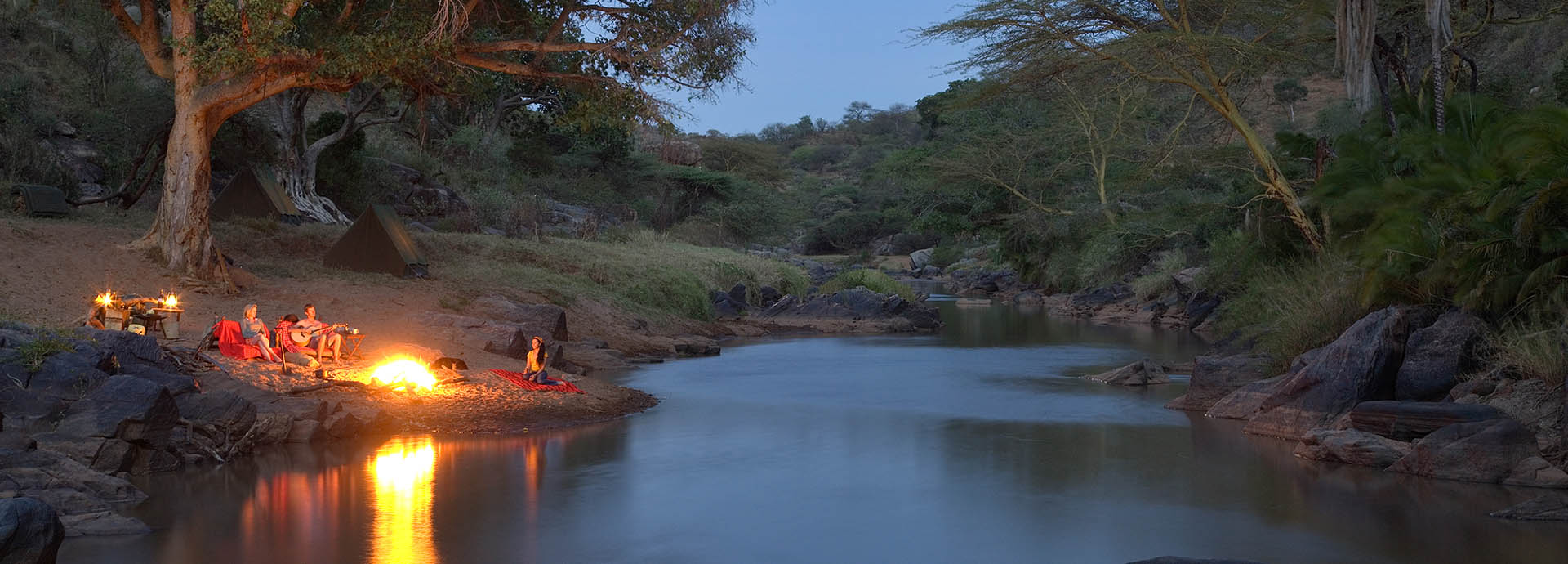
Campaign style luxury tented camps and private bush homes invoke an ‘Out of Africa’ romanticism and many of the privately owned conservancies are at the heart of pioneering wildlife conservation and community programmes. All combine to conjure up a collage of images that have become synonymous with an African safari.
You Will Love
- The Great Migration in the Maasai Mara
- Pioneering conservation programmes
- It is classic ‘Out of Africa’
- Tribal diversity
- Savannah plains, cool forests, mountains and beaches
Let us design your perfect itinerary.
Kenya’s diverse regions
from the Mara to Samburu
Amboseli, Tsavo & Chyulu Hills
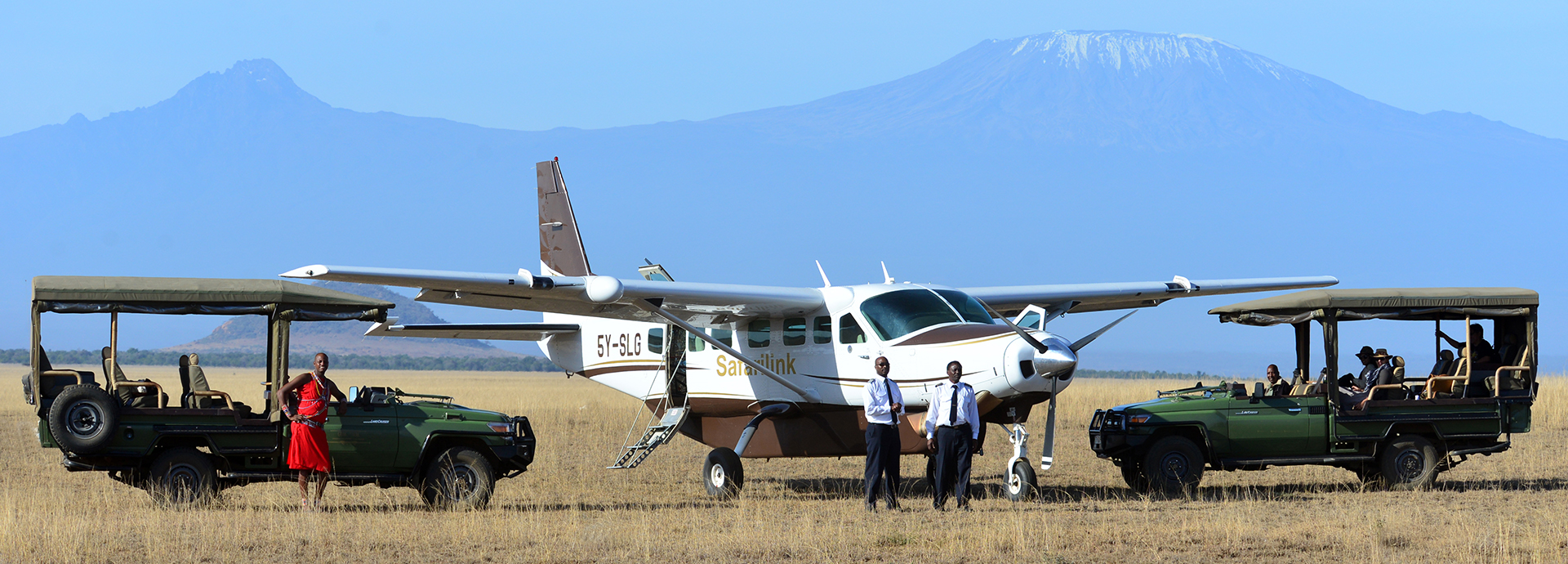
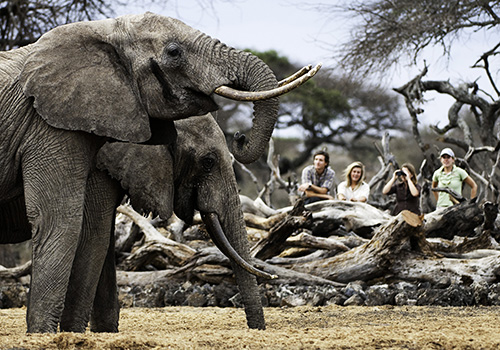
Amboseli is a photographer’s dream, with snow-capped Kilimanjaro forming the backdrop to wide open spaces where large herds of elephant roam. Tsavo East & West have their own distinct ecosystems with Tsavo East home to open, undulating plains whilst Tsavo West is hillier, and dotted with volcanic ridges. Between these two huge areas lie the stunning Chyulu Hills where open plains and rolling hills are scattered with rocky outcrops. You are unlikely to see another soul whilst game driving or hiking here – we love it!
Laikipia Plateau & Lewa Conservancy
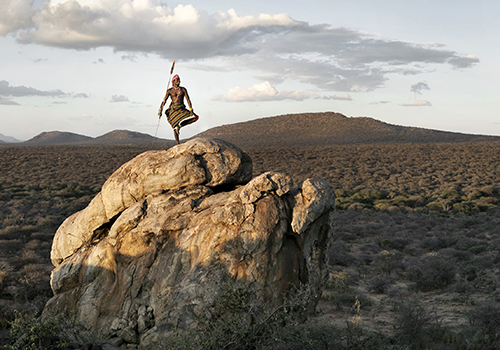
Many of these privately managed wildlife areas are at the forefront of modern-day conservation. Having created plenty of success stories they have become a stronghold for rare species, notably black and white rhino. Not being subject to national park rules also means there is a vast variety of activities on offer such as horse and camel riding, patrols with anti-poaching units and more. Lewa and Laikpia receive a fraction of the number of visitors that other parts of Kenya do, making for a unique, exclusive and truly rewarding safari experience.
Maasai Mara & Mara Conservancies
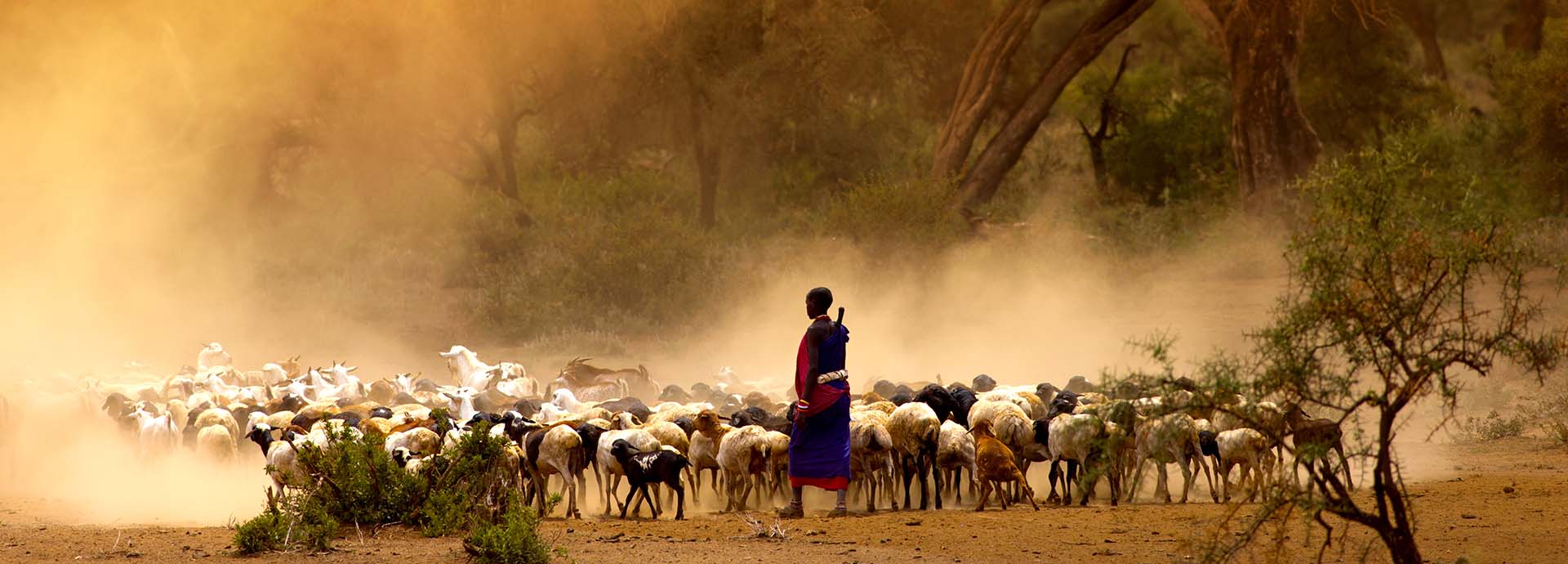
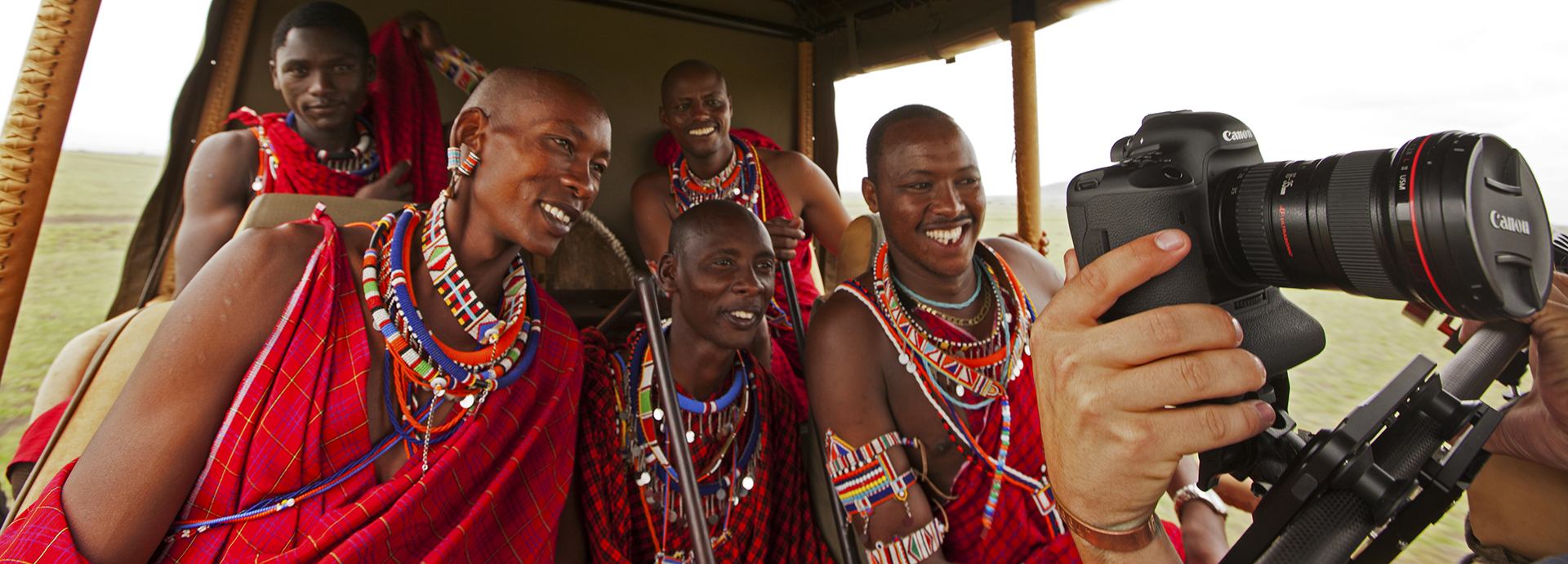
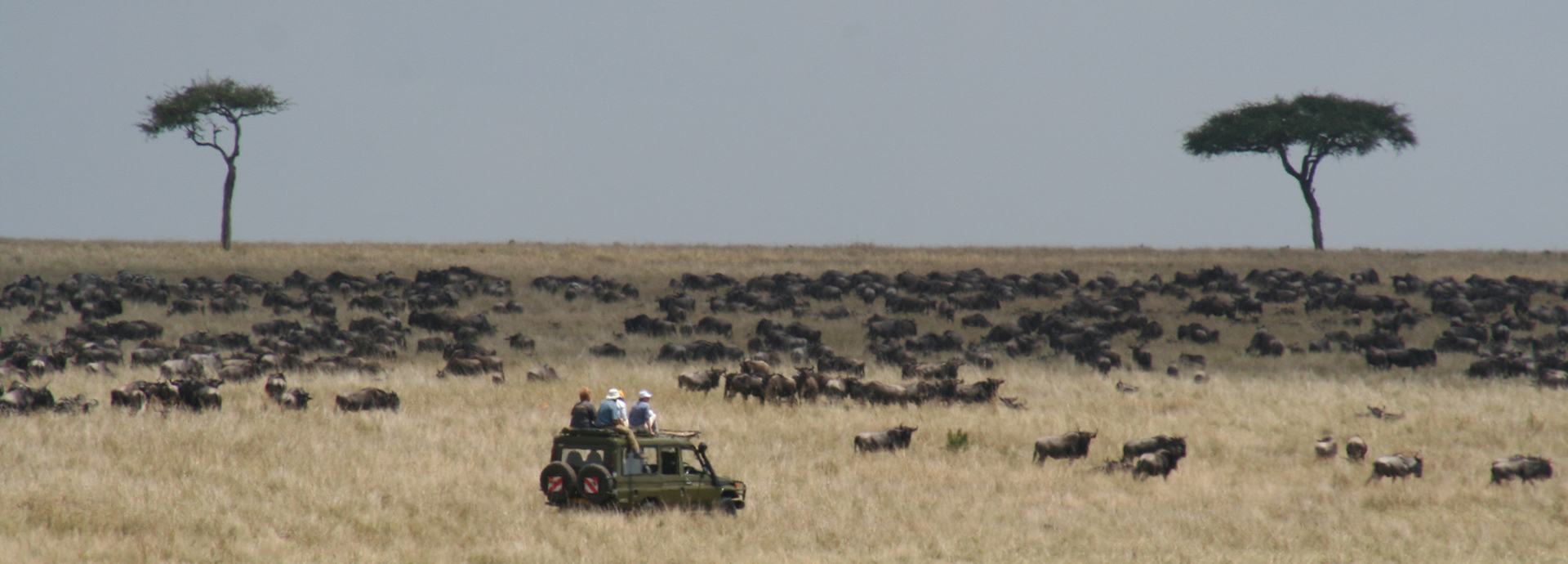
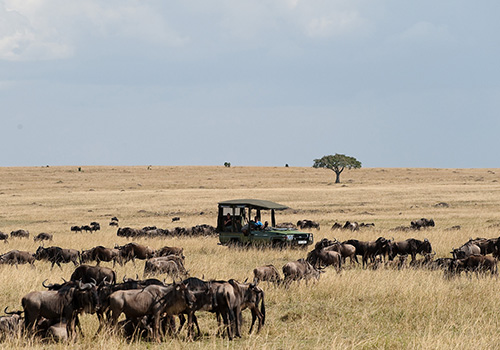
The Maasai Mara is world famous for its rolling savanna landscape and the annual spectacle of the wildebeest migration, when millions of plains game and the predators that follow, wend their way to greener pastures. Outside this phenomenon there are many resident wildlife species that make the Mara their home year-round so the game experience here is always phenomenal. Of course, the Mara is also home to the handsome Maasai people, resplendent in their striking red and synonymous with Kenya's landscape.
Samburu & beyond
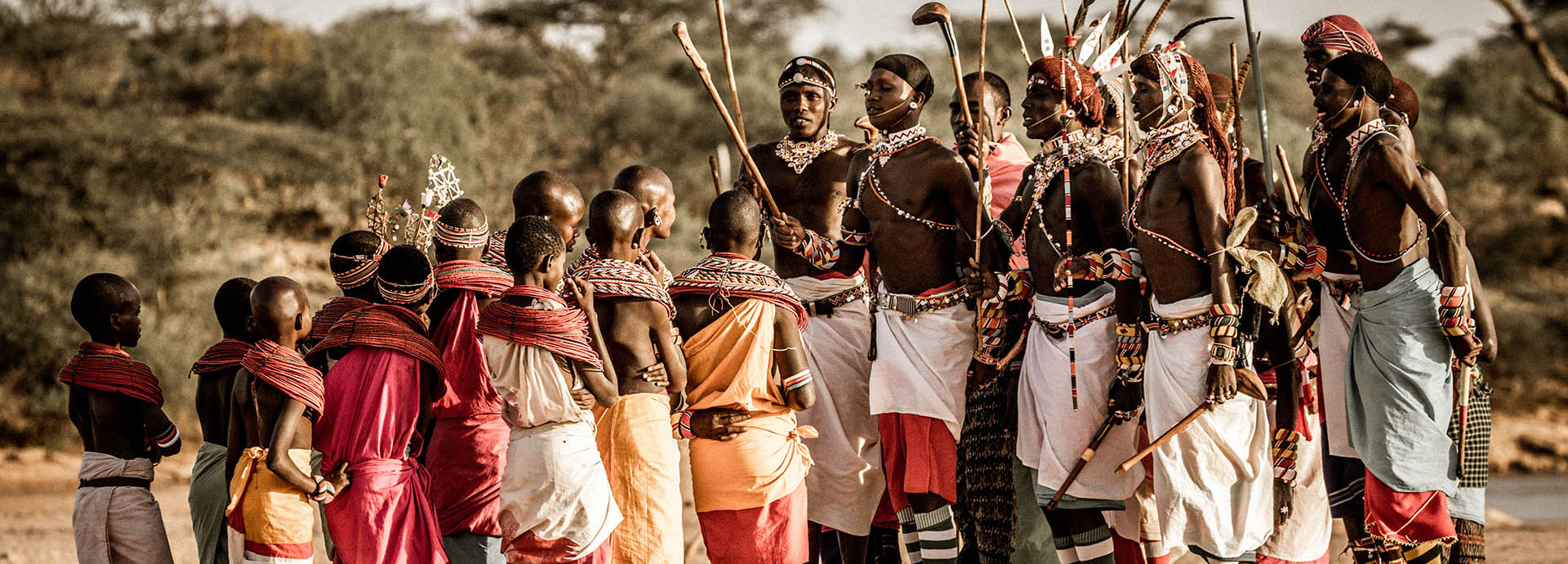
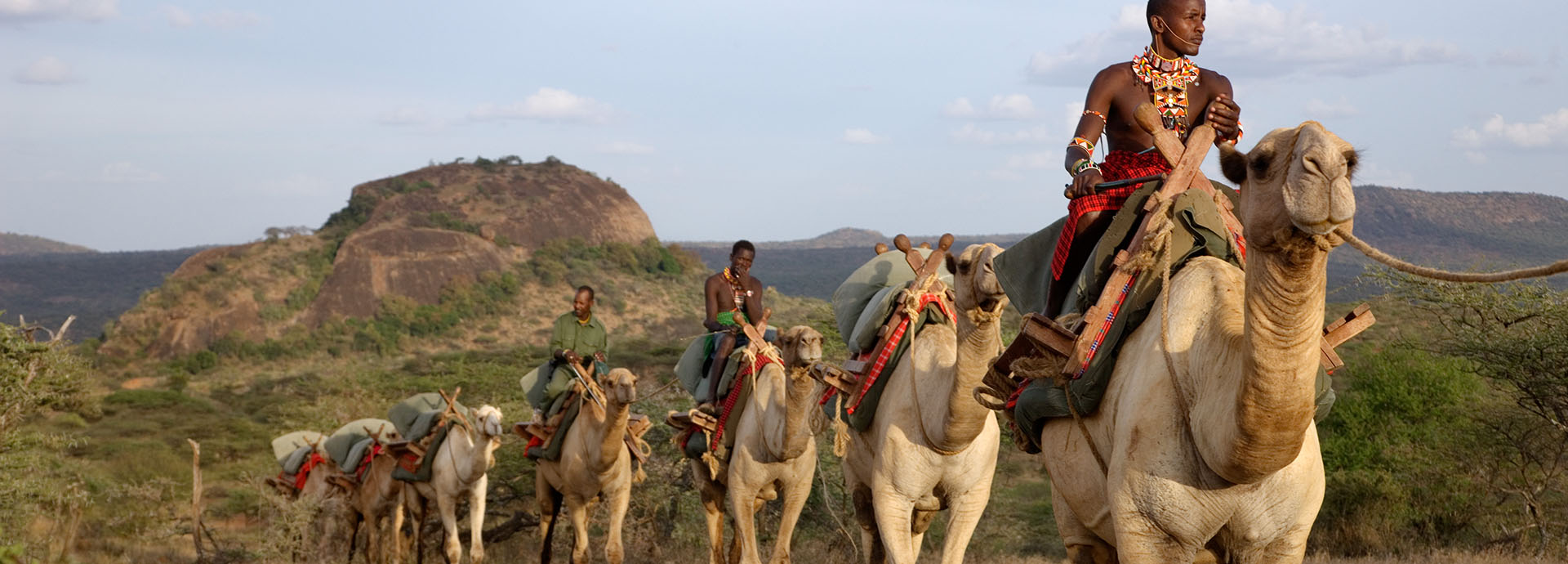
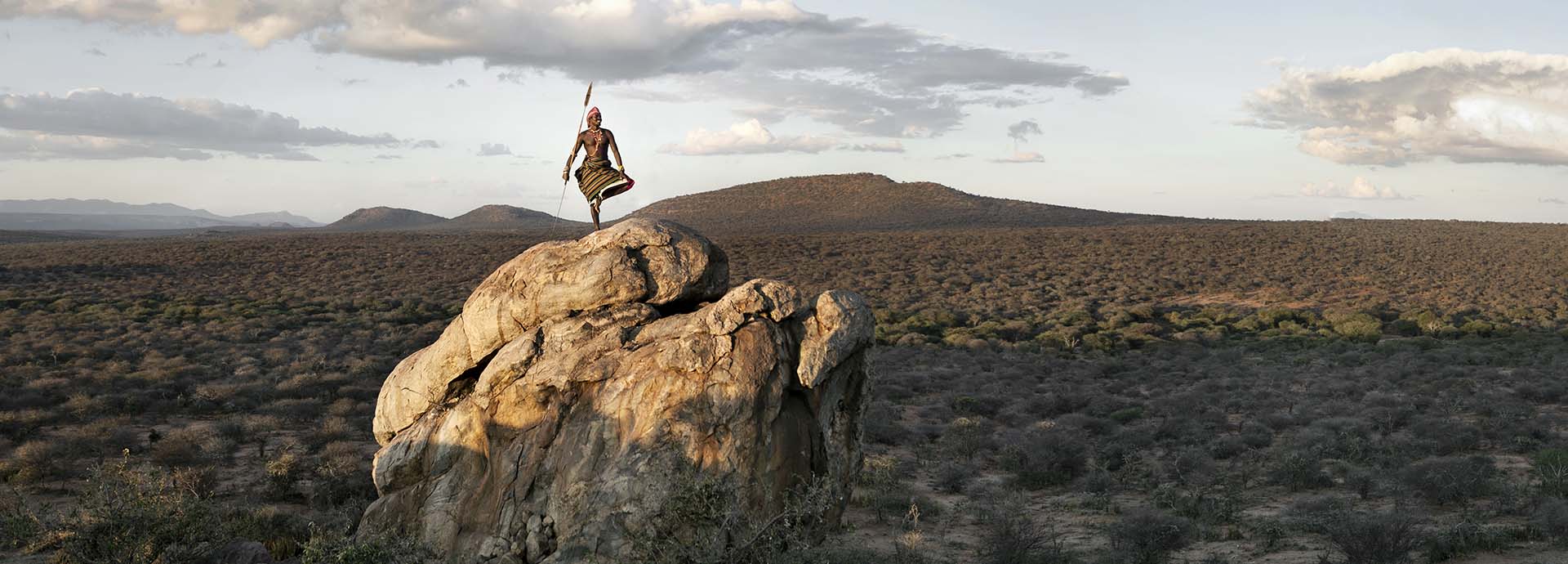
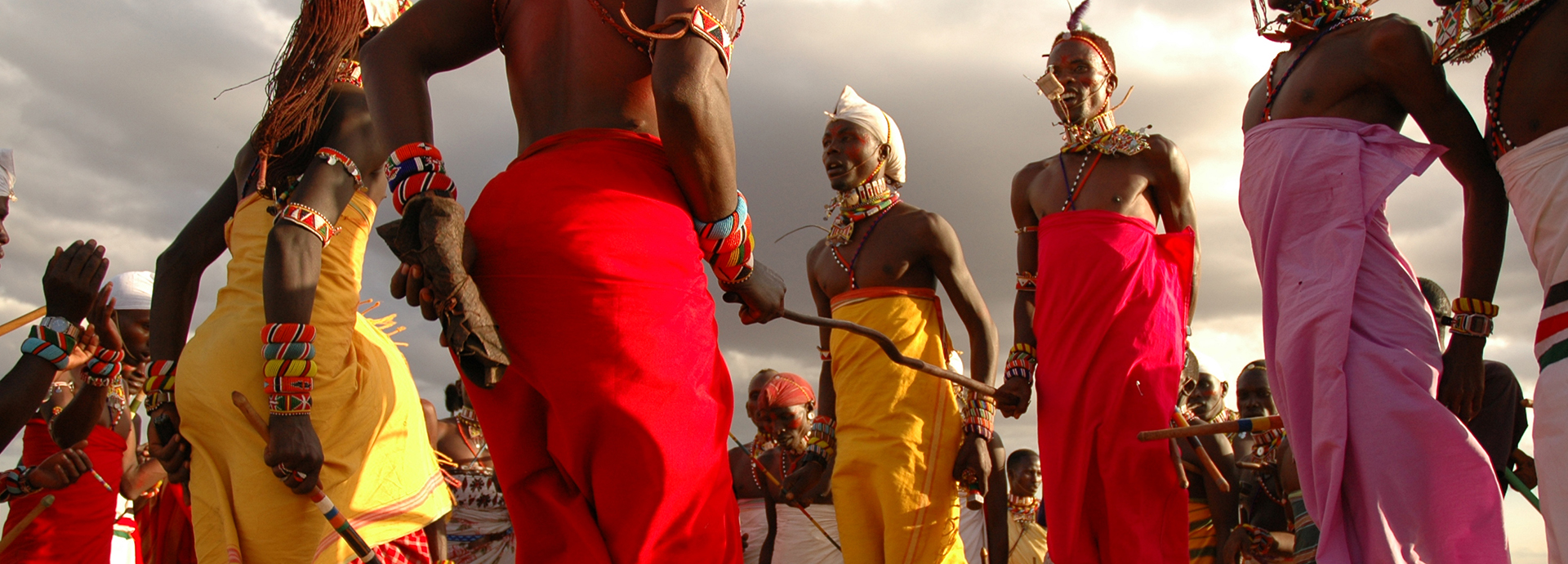
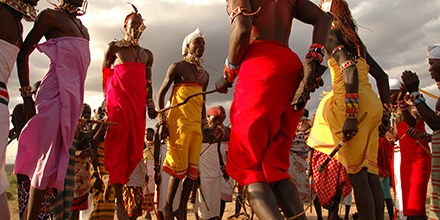
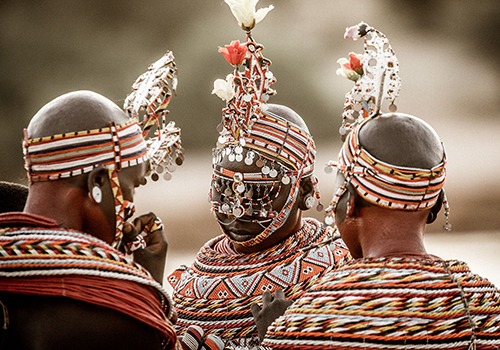
A place of baked orange earth and parched vegetation, Samburu is a harsh, arid environment - yet wildlife and colourful cultures still flourish here. It’s best known for the Samburu people, especially their colourful dances, clothing and the singing wells, but another huge draw is Samburu’s wildlife. Samburu is home to some unusual and specially adapted species such as Grevy’s zebra, Beisa oryx, Somali ostrich, reticulated giraffe and gerenuk. The big cats are never far away, while swirling above, martial eagles, bateleurs and pygmy falcons patrol the skies.
Unforgettable experiences in Kenya
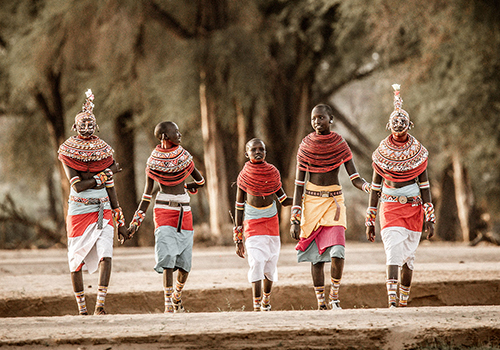
Observe the extraordinary singing wells of Samburu
Observe the extraordinary singing wells of Samburu
The people of Samburu are semi-nomadic pastoralists who eke out a living in the driest of climates. One of their most significant traditions is the singing wells. Each day Samburu warriors, dressed in tribal red cloth and colourfu...
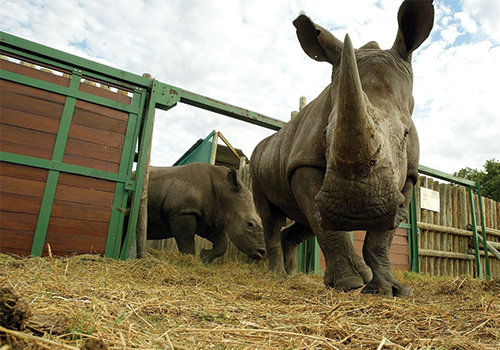
Experience hands on conservation in Lewa
Experience hands on conservation in Lewa
The Lewa Wildlife Conservancy is a leading light in Kenyan conservation, and you can go behind the scenes to see the amazing work they do in wildlife preservation, education and community health. Witness a tracker dog demonstratio...
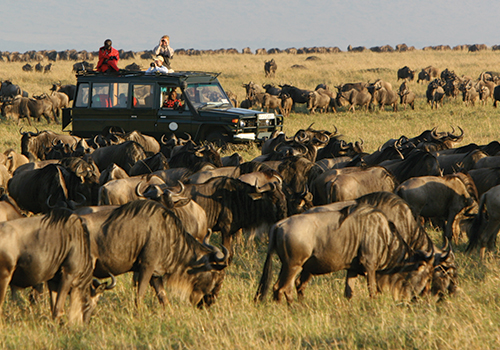
Witness the great wildebeest migration
Witness the great wildebeest migration
One of the main draws to Kenya is the spectacular wildebeest migration. From July to October almost 2 million wildebeest and zebra descend on the lush, grassy plains of the Maasai Mara and the sheer abundance of animals, plus the ...
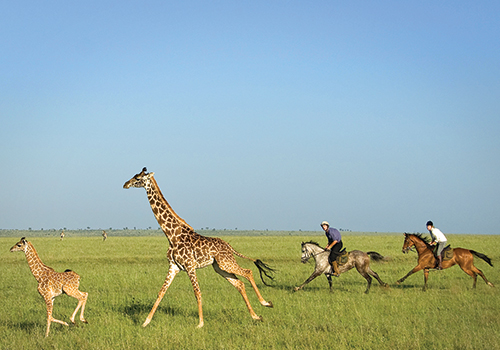
Gallop through the African bush
Gallop through the African bush
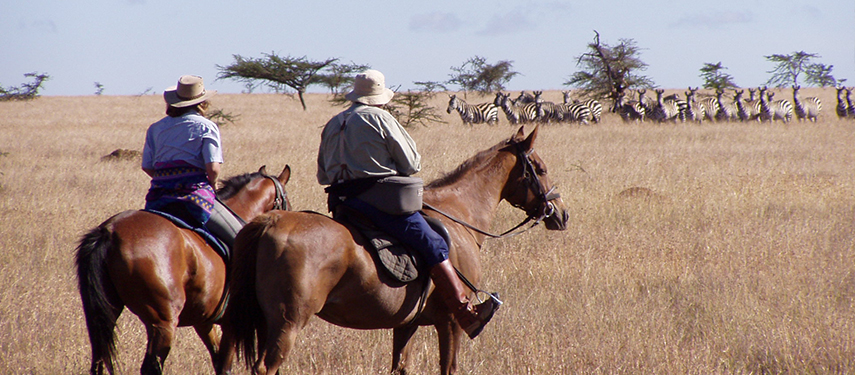
Kenya’s finest operators pioneered riding safaris in the 70s, and today it remains one of the best horse-riding destinations in Africa. On horseback you can approach elephants noiselessly, amble among herds of unperturbed zebra,...
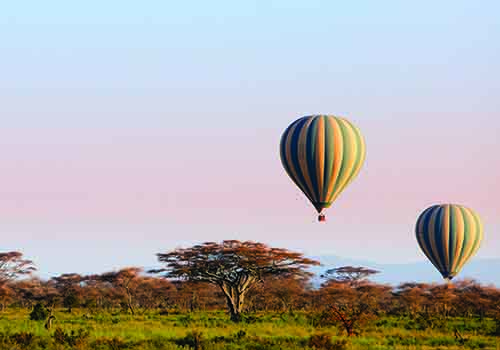
Float in a hot air balloon over the Mara at sunset
Float in a hot air balloon over the Mara at sunset
It’s hard to think of a better way to start the day than gliding over the Maasai Mara as the sun rises. Not only is the natural beauty of the landscape jaw-dropping but you will see a surprising amount of wildlife too: vultures ...
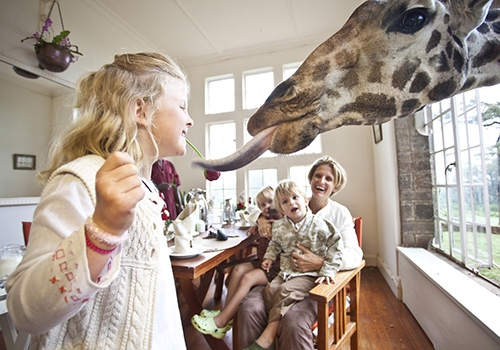
Have breakfast with Giraffes
Have breakfast with Giraffes
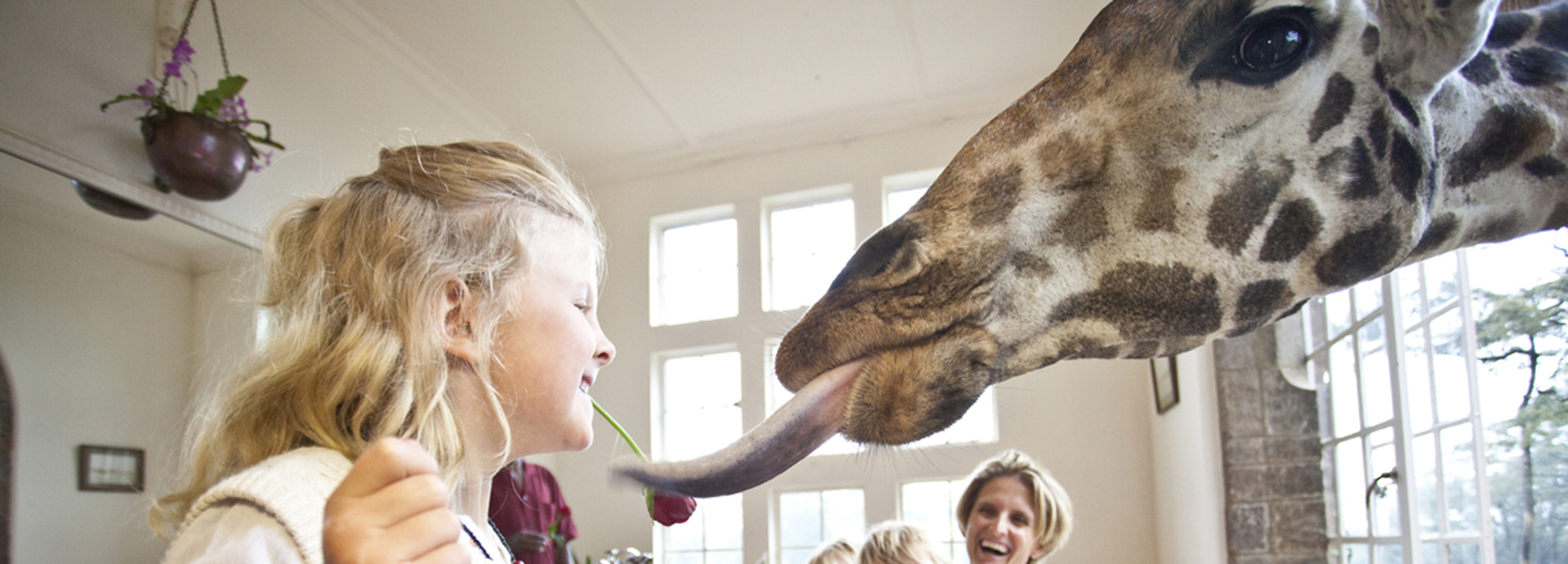
At Giraffe Manor, a heritage house and boutique hotel in the leafy suburbs of Nairobi, you have the opportunity to share your breakfast with a journey of friendly giraffes. At 06:30 every morning the resident Rothschild giraffes a...
A selection of our favourite places to stay in Kenya
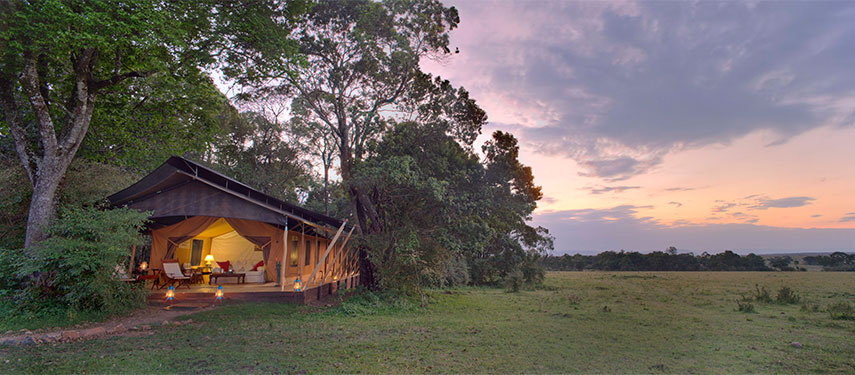
Elephant Pepper Camp – Maasai Mara
Cheetah Country
Elephant Pepper is a small and remote seasonal boutique camp situated in the Mara North Conservancy on the edge of the Maasai Mara Game Reserve in an area teeming with game, making it the perfect base to explore the magic of the Mara.... Read More
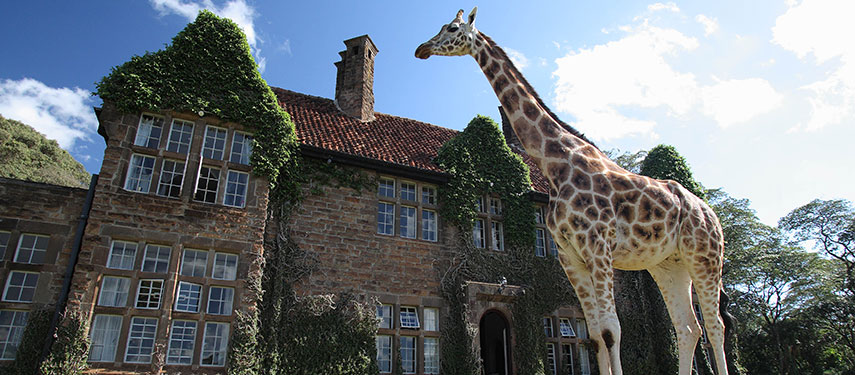
Giraffe Manor – Nairobi
Breakfast with the famous residents
Not many places in Africa can claim true international celebrity. Giraffe Manor can. Set in 120 acres of forest 20kms from Nairobi, the manor is a world away from the bustle of the city. It offers an unparalleled wildlife experience as giraffes vie for attention at the breakfast table, the front door and even your bedroom window.... Read More
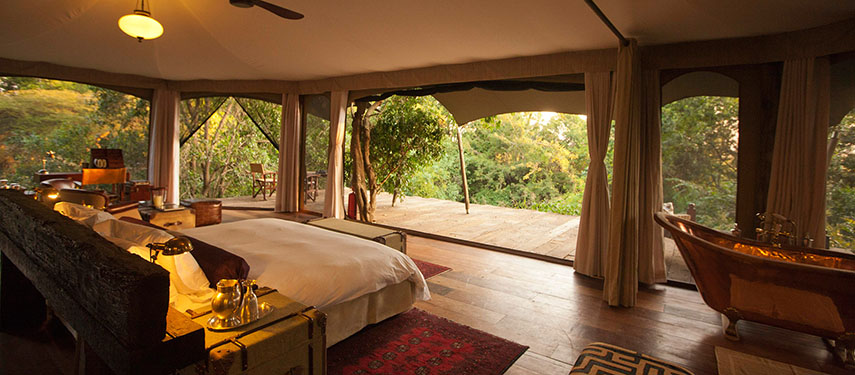
Mara Plains Camp – Maasai Mara
Luxury in the Mara
This exclusive tented camp boasts sweeping views and with just seven rooms, is among the smallest and most personal camps in the Mara. Being placed in one the richest wildlife ecosystems in the world also means that rarely a night passes without lion roaring nearby or seeing leopards regularly wandering through camp.... Read More
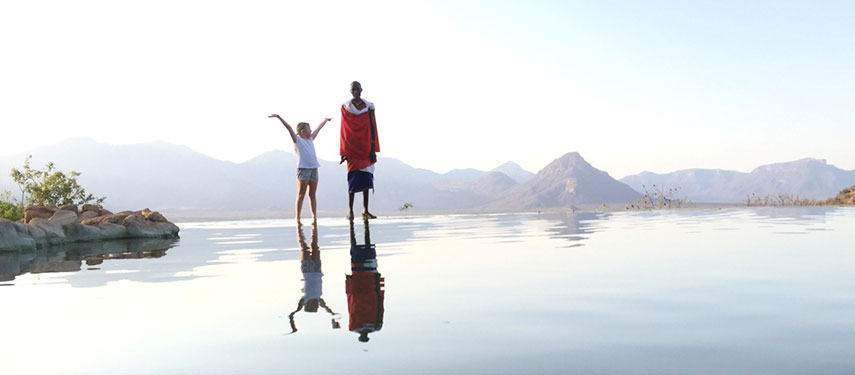
Sarara Camp – Namunyak Conservancy
Untamed elegance in Kenya’s remote northern frontier
Sarara is situated in the remote Namunyak Wildlife Conservancy in northern Kenya where the savannah plains and lush mountain slopes are home to rare wildlife and the proud Samburu people. It offers a wild safari in this lesser known and dramatically beautiful ‘northern frontier’ of Kenya.... Read More
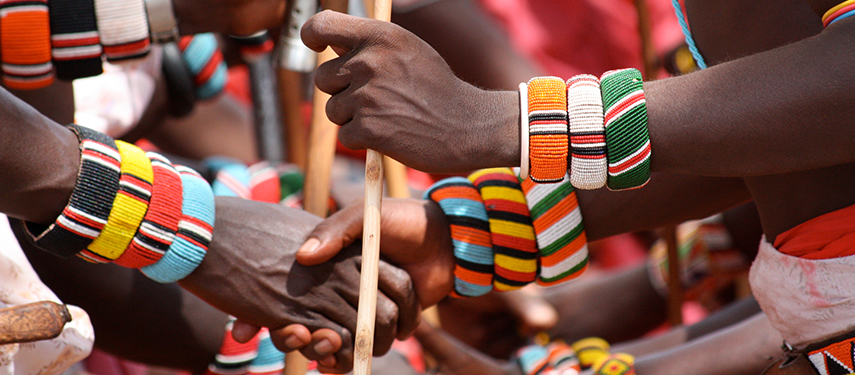
Sirikoi – Lewa Conservancy
Secluded eco-luxury
Sirikoi is a spectacular lodge situated on private land in the Lewa Wildlife Conservancy with a gold rating for eco-tourism and conservation. With only four luxury guest tents, Sirikoi offers unparalleled hospitality, fabulous game and top environmental credentials making it one of Kenya’s leading lodges.... Read More
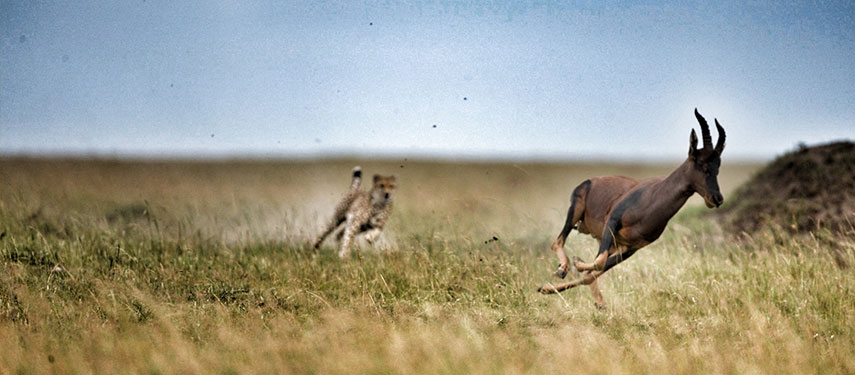
Alex Walker’s Ngare Serian – Maasai Mara
Safaris of character and substance
If you ever dreamed of having your own slice of Africa, look no further than Ngare Serian, a snug little camp that hugs the banks of the northern section of the Mara River in Kenya. It can only be reached on foot over a narrow rope bridge and is a cosy, intimate place to detach yourself from the modern world.... Read More
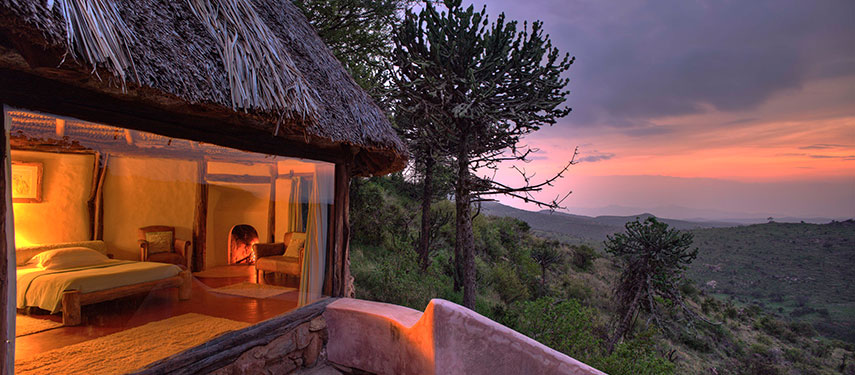
Borana – Laikipia
Game ranch & safari lodge
Borana Ranch is a supremely comfortable and luxurious lodge that lies at the foot of Mount Kenya, adjacent to Lewa Wildlife Conservancy. In a pioneering conservation effort, part of the 35,000-acre ranch is dedicated to regenerative agriculture and the farming of Boran cattle, while the rest is a haven for wildlife.... Read More
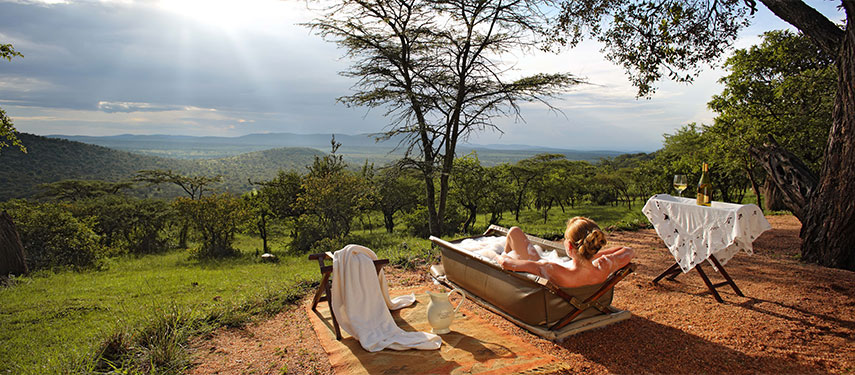
Cottar’s 1920s Safari Camp – Maasai Mara
Classic & colonial luxury tented camp
Recalling a bygone era of opulent luxury, Cottar's 1920s Safari Camp returns guests to the original safari era. Reminiscent of the golden age of romance, it combines professional guiding, adventure and elegance in a timelessly unspoiled setting with boundless game.... Read More
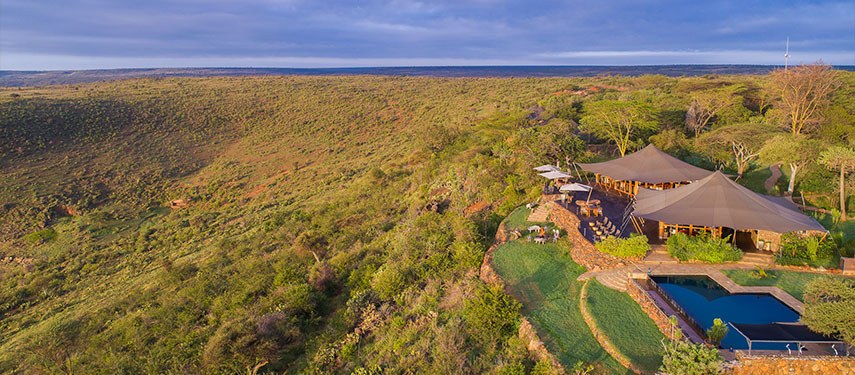
Loisaba Tented Camp and Star beds – Laikipia
Unforgettable sleepout
Loisaba’s Star Beds were the first of their kind in Kenya and the experience of sleeping under the stars is truly special. Throughout your stay you will be guided and hosted by a team of Samburu warriors who look after your every need and will ensure your stay is engaging, informative and unforgettable.... Read More
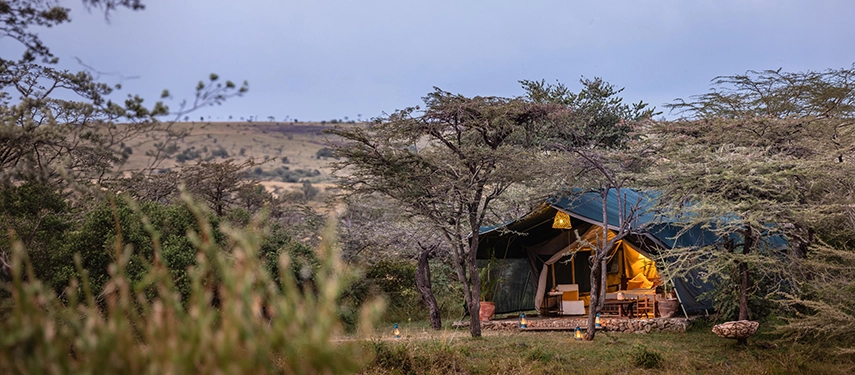
Hemingways River Camp Mara – Maasai Mara
Where the Wild Mara Runs Free
Pitched along the banks of the Njageteck River in the exclusive Mara North Conservancy, Hemingways River Camp Mara is an intimate under-canvas retreat where lions call through the night, elephants gather at the springs, and game drives venture deep into some of East Africa's richest wildlife territory. Sundowners in the bush, guided walks at dawn, and hot air balloon safaris over the endless plains — this is the Maasai Mara at its most unfiltered.... Read More
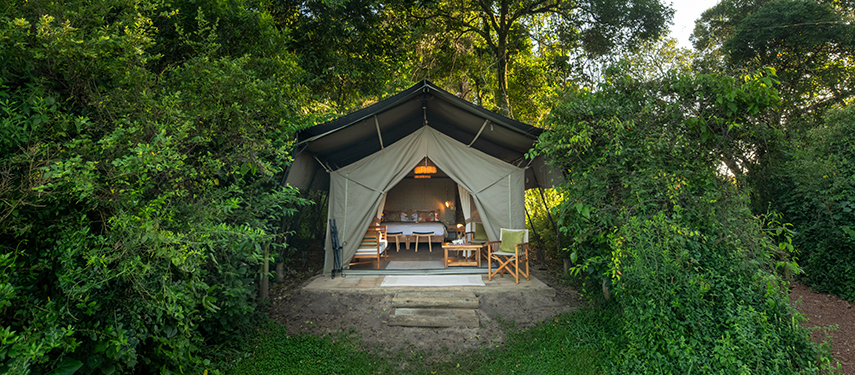
Rekero Camp – Maasai Mara
An intimate riverside retreat in the heart of the Maasai Mara
Perfectly positioned on the banks of the Talek River in Kenya’s iconic Maasai Mara, Rekero Camp offers a front-row seat to one of Africa’s most thrilling wildlife theatres. With just nine tented suites, this classic safari camp delivers an exclusive, personalised experience rich in wildlife encounters and cultural heritage.... Read More
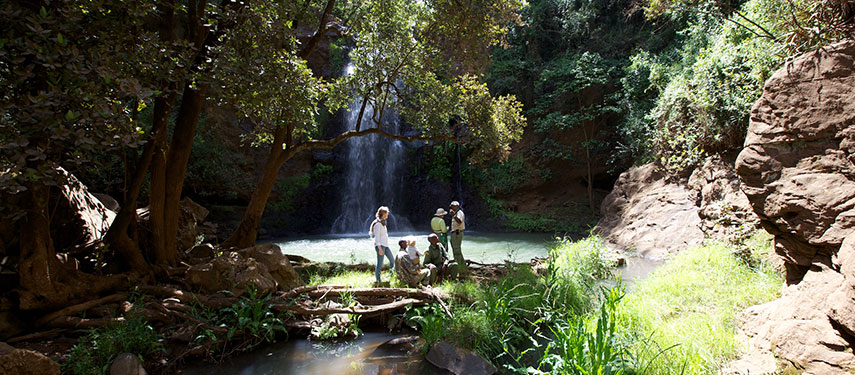
Lewa Safari Camp – Lewa Conservancy
Conservation minded luxury camp
Lewa Safari Camp has a stunning location within the private Lewa Wildlife Conservancy. Heralded worldwide for its rhino conservation efforts, Lewa has served as a catalyst for conservation across the region, stimulating the creation of numerous conservancies across Kenya.... Read More
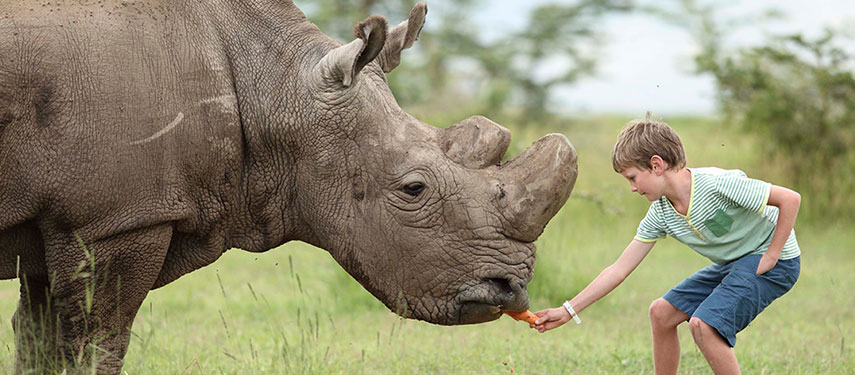
Ol Pejeta Bush Camp – Laikipia
Rhino central
Ol Pejeta Bush Camp is situated on the banks of the Ewaso Nyiro river on the Ol Pejeta Conservancy. The camp embodies the authentic traditional-yet-comfortable safari experience and guests often describe their stay here as ‘the real Africa’. This small camp emphasises fantastic guiding and tireless conservation initiatives.... Read More
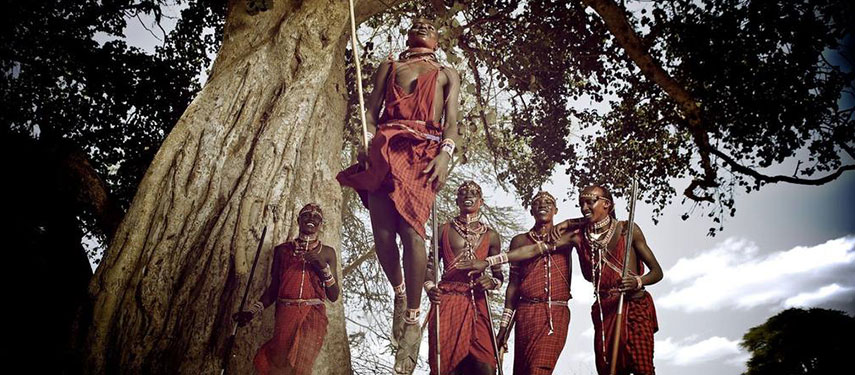
Campi Ya Kanzi – Chyulu Hills
Conservation & community without compromise
Established in partnership with the local Maasai community, Campi Ya Kanzi promotes environmental conservation and sustainable community development through ecotourism. The camp sits at the foot of the Chyulu Hills in Kenya and offers an incomparable combination of amazing wildlife and authentic immersion in Maasai culture.... Read More
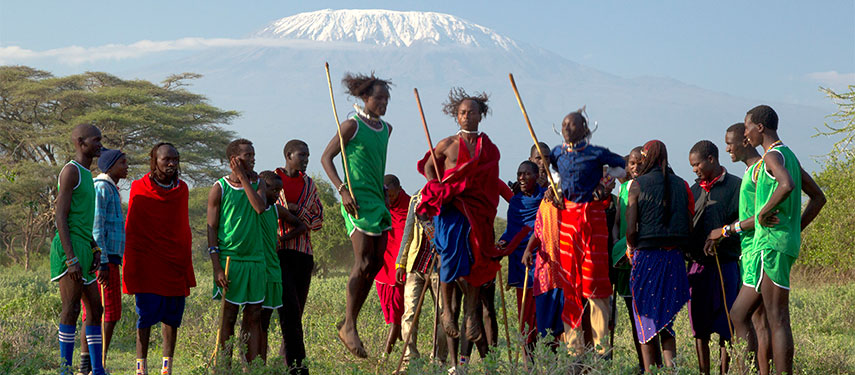
ol Donyo Lodge – Chyulu Hills
Kilimanjaro majesty and Maasai culture
ol Donyo is a stylish Relais & Chateaux lodge located in the Chyulu Hills with majestic veiws of Kilimanjaro. Maasai culture, impressive wildlife, horse riding, walking and nights spent in outdoor star beds combine for an outstanding safari experience.... Read More
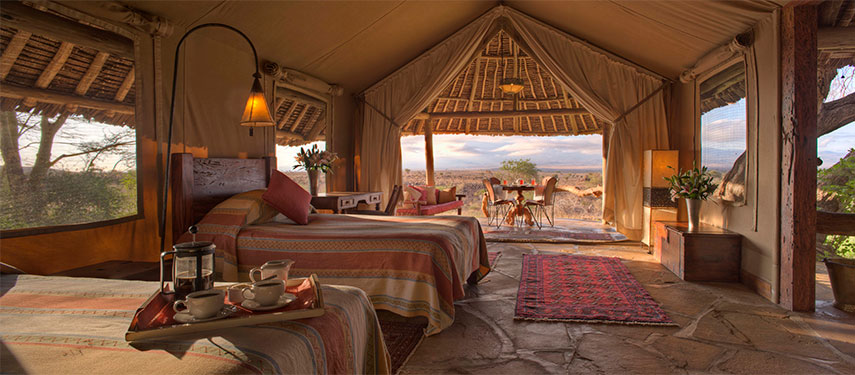
Tortilis Camp – Amboseli
Elephants of Kilimanjaro
Sitting in the shadow of Africa's highest mountain, Kilimanjaro, Tortilis Camp is located in Amboseli, which boasts a population of over 1000 elephants. A walking safari will place you amongst the region's wildlife and game drives will provide close encounters!... Read More
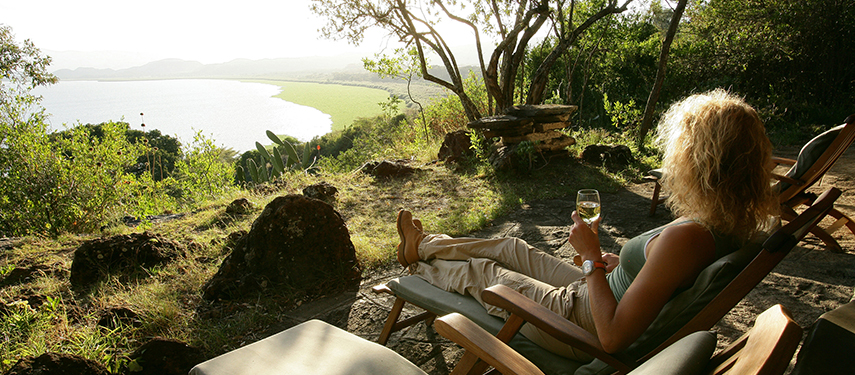
Loldia House – Lake Naivasha
Lush Lakeside historic House
Featuring magnificent views over the dormant Mount Longonot volcano and the expansive landscape of the Great Rift Valley, Loldia House is placed in stunning surroundings. Enjoy a host of activities such as cultural experiences, game drives and boating safaris on Lake Naivasha.... Read More
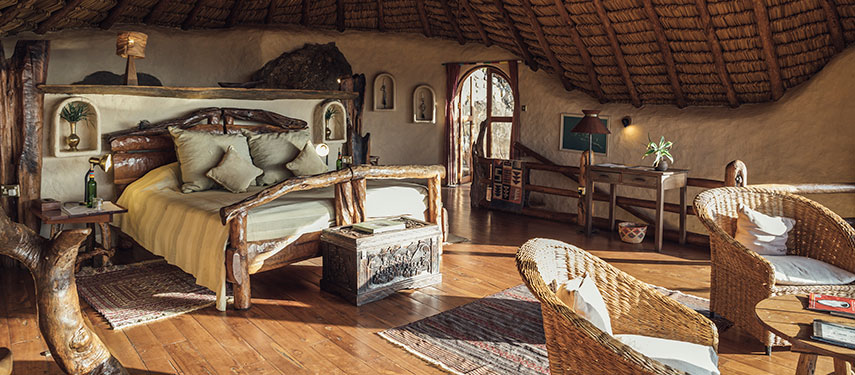
Ol Malo Lodge – Laikipia
A stunning family run lodge on the Laikipia Plateau
Sitting on the last frontier of Northern Kenya, Ol Malo offers an untamed adventure in the heartland of the Samburu tribe. Enjoy a range of activities from helicopter expeditions into the Great Rift Valley to horseriding and refreshment in the infinity pools.... Read More
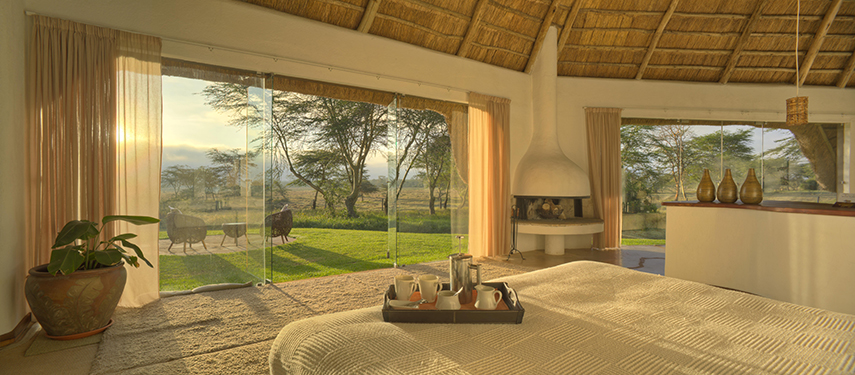
Solio Lodge – Laikipia
Quiet exclusivity at altitude
Solio Lodge sits on a private wildlife sanctuary, nestled in the valley among the towering slopes of Mount Kenya and the heights of the Aberdare Mountains. It remains the only guest accommodation on the Solio Game Reserve where one may be able to spot up to 40 rhino sightings at once.... Read More
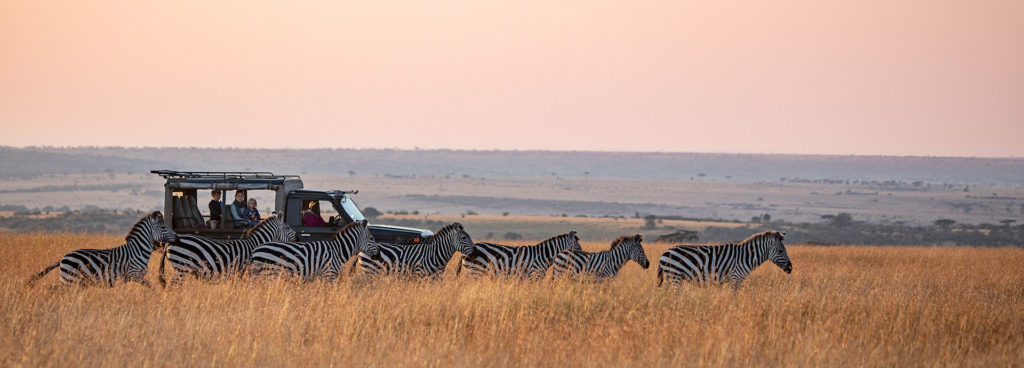
Offbeat Mara – Maasai Mara
Traditional Maasai Mara
Offbeat Mara Camp is traditional safari at its very best - private and small, the camp offers excellent game viewing in one of the most famous safari destinations in the world. Within the Mara North Conservancy, guests can enjoy sightings of lion, leopard, giraffe, elephant and more.... Read More
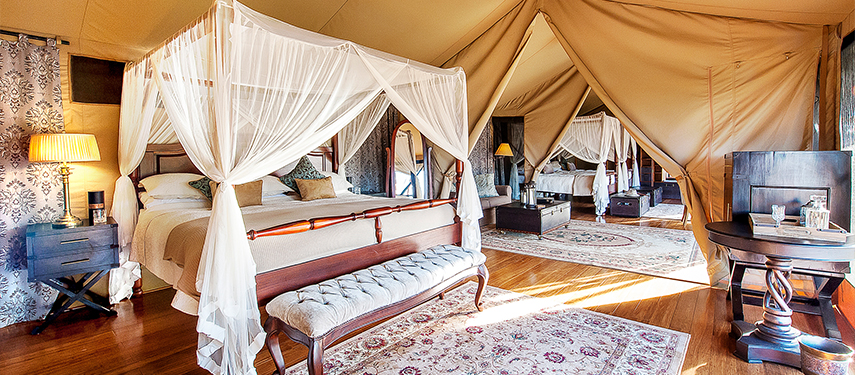
Sand River Mara – Maasai Mara
Old world glamour harking back to the '20s
Sand River Mara is an elegant safari camp carefully positioned within the Maasai Mara National Reserve in Kenya for exceptional wildlife sightings at any time of year. Accommodation replicates the exclusive tented camps of the 1920's heyday.... Read More
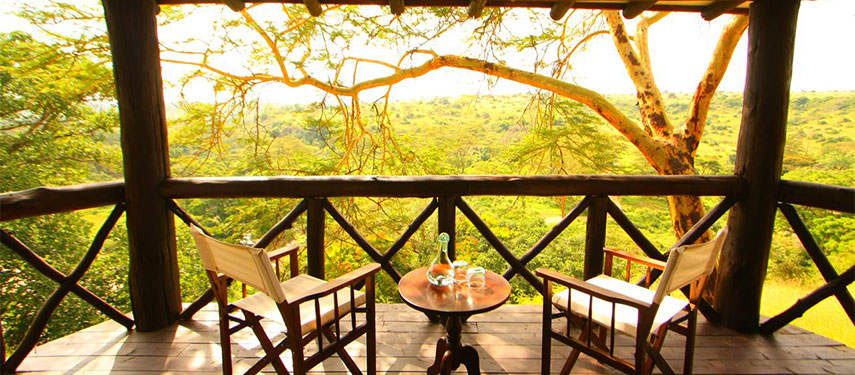
The Emakoko Hotel – Nairobi National Park
A stylish sanctuary where city meets the wild
Set on 15 acres of land bordering the Nairobi National Park and on the Emakoko River, is the Emakoko safari lodge. As a family-owned and run property offering unexpected and unique game viewing in Nairobi, it is a great alternative to a city stay.... Read More
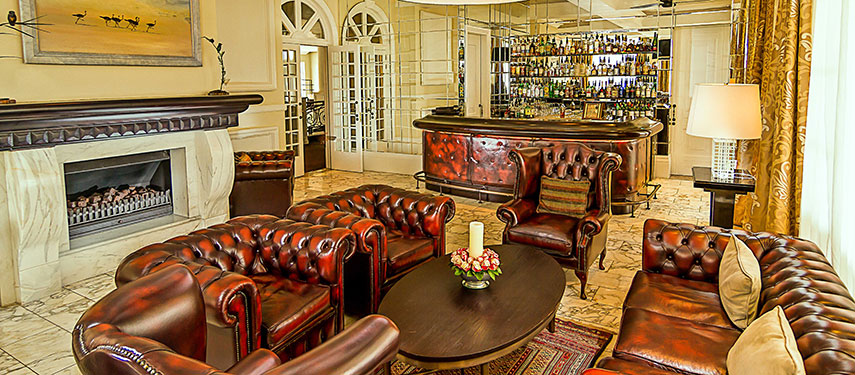
Hemingways – Nairobi
At the foot of the Ngong Hills
Hemingways sits in the leafy and secluded suburbs of Karen, Nairobi, overlooking Karen Blixen's beloved Ngong Hills. As a colonial-style boutique hotel with a large garden and accommodation the exudes style and character, it is ideal for any pre- or post-safari arrangements.... Read More
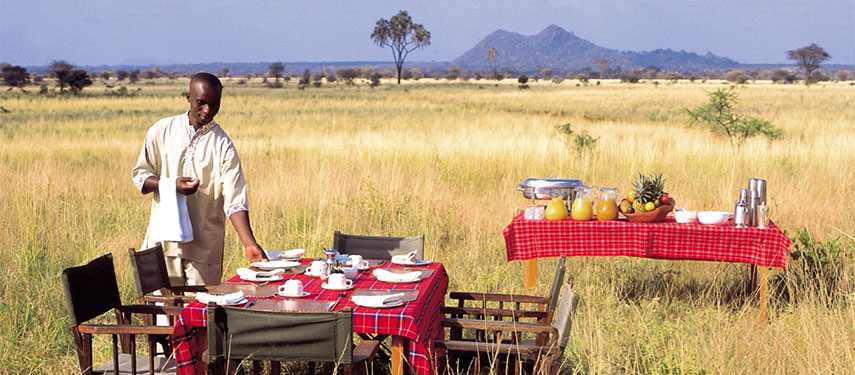
Elsa’s Kopje – Meru National Park
Famous Lion Country
Sitting high on Mughwango Hill of Meru National Park, Elsa's Kopje offers a luxurious stay with exceptional views over the plains. Stay in a cottage or the private house, see the resident rhinos and visit Elsa's grave - the lioness made famous by the story 'Born Free'.... Read More
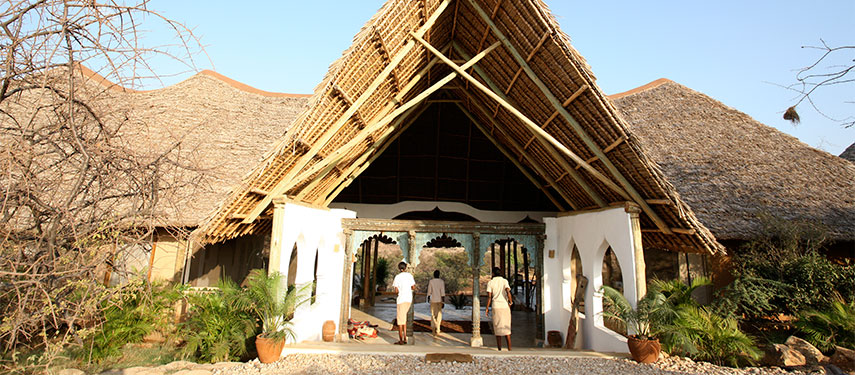
Sasaab Camp – Samburu
In the heart of Samburu land
Sasaab Camp looks out over the Laikipia Plateau and the distinguishing peak of Mount Kenya. It features Moroccan style design and the chance to interact with the local Samburu tribes. During your stay look out for elephants, Grevy's zebra and leopard.... Read More
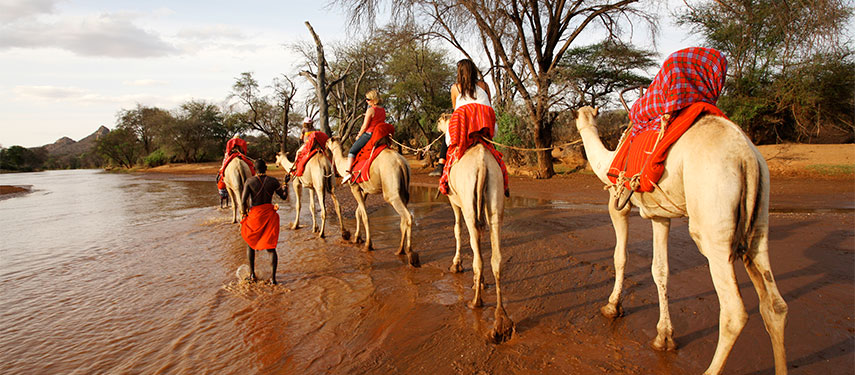
Karisia Walking Safari – Samburu
Samburu culture & camels
A Karisia Walking Safari offers a unique perspective and the chance for privately guided walking in an area north of Mount Kenya that is well known for its pristine wilderness and abundance of wildlife. Expect sightings of African wild dog and Grevy's zebra.... Read More
Sosian Lodge – Laikipia
Kenyan Ranch House
Sosian Game Ranch is a 24,000-acre private, working ranch that sits on the Laikipia Plateau - an area historically known for its wildlife and ranching traditions. It offers pure wilderness with more than 250 species of bird and an abundance of game species.... Read More
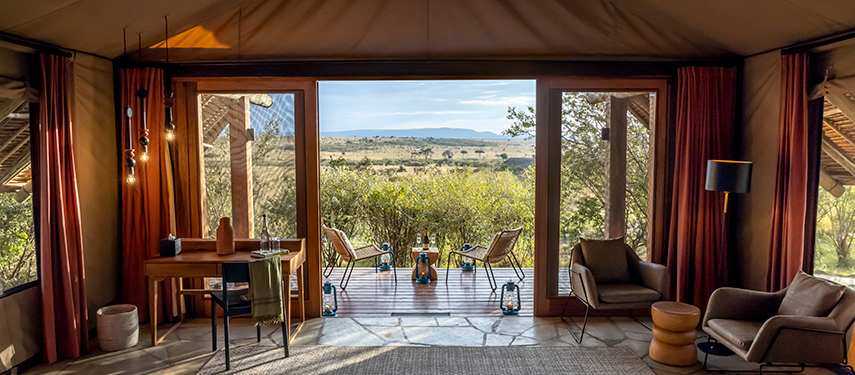
Naboisho Camp – Maasai Mara
Style that touches the Earth lightly
Naboisho Camp is situated in a 50,000 acre concession that lies to the east of the Mara-Serengeti ecosystem. The camp's unique relationship with the surrounding Maasai community guarantees a safari experience far beyond the ordinary.... Read More
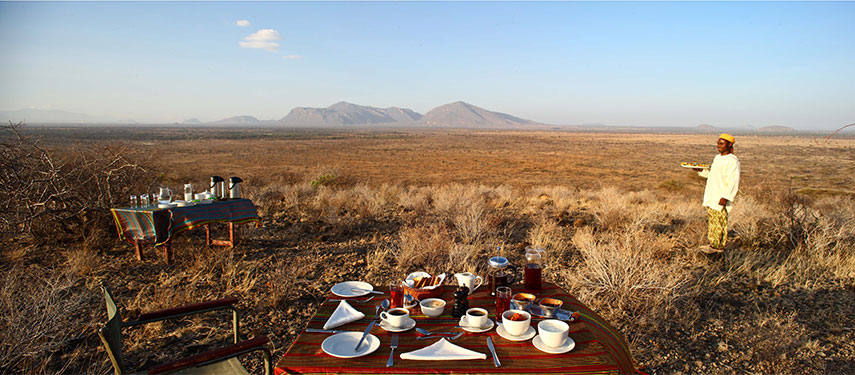
Joy’s Camp – Shaba Reserve
The home of 'Born Free'
Joy’s Camp is built on the site of world conservationist Joy Adamson's tented home. As an elegant wilderness oasis it is the perfect choice for discerning guests interested in a glimpse of Kenyan history, incredible wildlife and luxurious style.... Read More
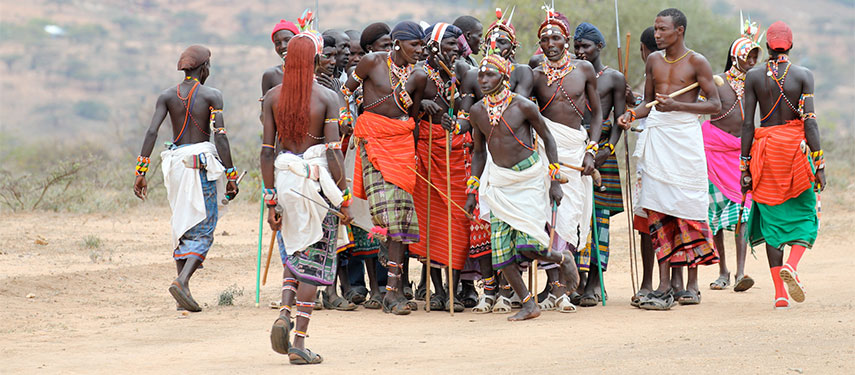
Kitich Tented Camp – Matthew’s Ranges
Tented camp in the Matthew's Ranges
With just 6 tents and 220,000 acres of untouched montane forest to explore, discover a huge diversity of rare monkeys, melanistic (black-coated) leopard, 350 species of birds, 150 species of butterfly, wild forest orchids, and the endemic giant cycad.... Read More
A collection of safaris in Kenya
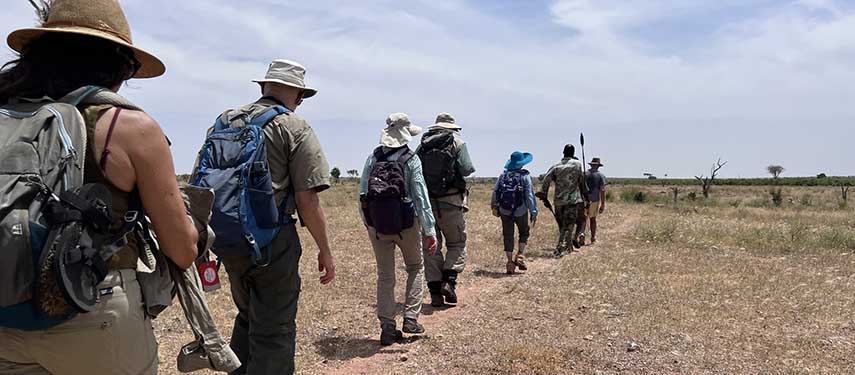
Kenya: Great Walk of Africa
Set Departure | Kenya Mobile Hiking Safari
This is Africa’s definitive walking safari. Hiking for multiple days along two of the most beautiful rivers on the continent, which are the home to the biggest elephant herds in Africa, it’s no wonder this trip has been described as ‘the greatest African bush experience on the continent’....Read More
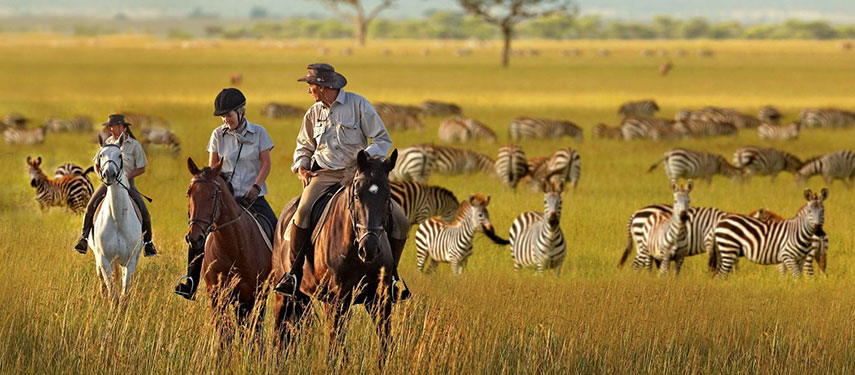
Kenya: Maasai Mara on Horseback – 6 & 8-Night Options
Set Departure | Horseriding safari Kenya
A horseriding safari amongst Africa’s animals is an active, exhilarating and adrenalin-fuelled safari. The six or eight night riding safari with Gordie and Felicia Church of Safaris Unlimited traverses the greater Mara Conservancies (adjacent to the Maasai Mara), on a mobile safari that is full of punch and all class. Experiencing this spectacular unfenced and expansive wilderness eco-system on the back of a horse is a journey like no other....Read More
Kenya: Classic fly-in safari
Inspiration Itinerary | Amboseli, Laikipia & Maasai Mara
Home to the original safari, this classic Kenya itinerary combines time in Nairobi to see the highlights, then a light aircraft charter flights carries you across the country to Amboseli, which sits in the shadow of Mount Kilimanjaro; Laikipia offers dramatic views of Mount Kenya and finally, the famed Maasai Mara, with its vast plains full of game and the annual wildebeest migration is the perfect end to this safari....Read More
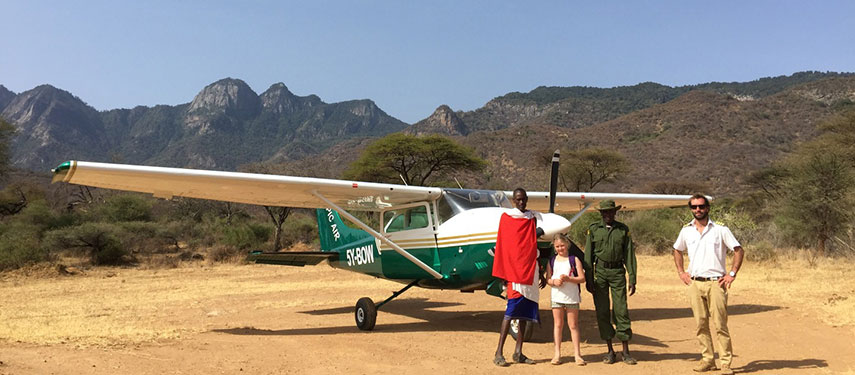
Kenyan Air Safari
Inspiration Itinerary | North to South by plane
Kenya is famed for the Maasai Mara, with its prolific game sprawled across vast open plains. It is also the location of one of Mother Nature's greatest spectacles; the annual wildebeest migration, with millions of wildebeest followed by zebra, plains game and predators. Flying over these landscapes is a highlight of any Kenyan air safari, however, you will also visit Lewa and the Namunyak Wildlife Conservancy in northern Kenya for further diversity....Read More
Kids on Safari
Inspiration Itinerary | Kenya's playground
Kenya offers a sensational family holiday, imagine feeding a giraffe over breakfast, watching hippos wallow in the mud, seeing lion in their natural habitat. Kenyans love kids and families and many safari camps offer 2-bedroom family tents so you are safe under one roof. The camps cater for kids of all ages with kid packs, guided walks around camp looking for dung beetles, cooking classes and other thrilling and educational adventures to. ...Read More
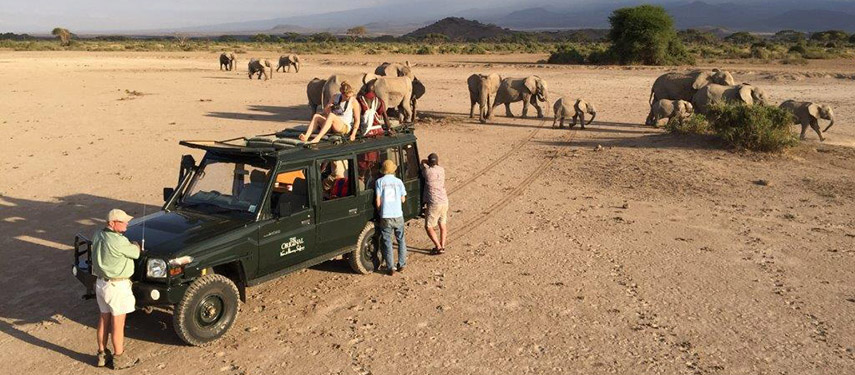
Ker & Downey Kenya Mobile Safari
Mobile Camping Safari | The Original Outfitters
Ker & Downey Safaris was founded over sixty years ago, based on the concept of using the finest equipment with the most experienced professional guides. In addition, these safaris would be creatively tailored to suit you and your interests. Using private mobile camps you will visit remote areas, move on or stay put as ones mood dictates and be free of timetables, all factors which contribute towards making a Ker & Downey safari exceptional in every way....Read More
Kenya: Frequently Asked Questions
Kenya can be visited year-round, but the dry seasons — January to March and July to October — deliver the finest game viewing as animals concentrate around permanent water sources. July to October coincides with the Great Wildebeest Migration in the Maasai Mara, one of the world’s most extraordinary wildlife spectacles. The short rains in November and the long rains from April to June bring lush green landscapes and far fewer visitors, making them excellent value for the discerning traveller.
Kenya’s safari regions are remarkably varied. The Maasai Mara is the most celebrated, renowned for year-round big cat sightings and the annual migration. Amboseli offers the unforgettable backdrop of Kilimanjaro above vast elephant herds. The Laikipia Plateau and Lewa Conservancy are strongholds for both black and white rhino and offer activities unavailable inside national parks — from camel riding to anti-poaching patrols. Samburu appeals to those seeking rare northern species and vivid tribal culture, while the Chyulu Hills reward travellers willing to venture well off the beaten track.
Kenya is arguably the ideal introduction to African safari. Its infrastructure is well established, its wildlife abundant and accessible, and the diversity of experiences — from the iconic Mara to family-friendly camps with dedicated children’s programmes — means there is something genuinely rewarding for every kind of traveller. Classic Safari Company’s specialists can design a first-time Kenya safari that balances the classic highlights with discoveries that feel entirely personal.
Kenya supports extraordinary wildlife diversity. The Big Five — lion, leopard, elephant, buffalo and rhino — are all present, alongside cheetah, wild dog and, in the north, Grevy’s zebra, reticulated giraffe, Beisa oryx and gerenuk. During migration season, the Maasai Mara hosts close to two million wildebeest and zebra. Birders will find Kenya equally rewarding, with more than 1,000 recorded species including martial eagles, bateleurs, Somali ostrich and the pygmy falcon.
Kenya’s private conservancies — among them Lewa, Laikipia, Mara North and Naboisho — offer a fundamentally different experience to the national parks. Visitor numbers are tightly controlled, keeping the wilderness genuinely exclusive. Guides can conduct night drives, walking safaris and specialist activities that park regulations prohibit. Most conservancies are also directly tied to community development and wildlife conservation programmes, meaning a stay here carries real and lasting positive impact.
Kenya pairs beautifully with Tanzania for a classic East Africa safari, capturing both the Maasai Mara migration and the Serengeti ecosystem in a single journey. The Indian Ocean coastline — particularly Zanzibar or the Kenyan coast near Malindi — makes a natural beach extension. For an added cultural dimension, Rwanda’s mountain gorilla trekking combines seamlessly with a Kenya safari. Classic Safari Company regularly designs multi-country East Africa itineraries for clients seeking to experience the full breadth of the region.
Kenya: A Glossary of Terms
- Big Five — The five most prized large mammals on an African safari: lion, leopard, elephant, Cape buffalo and rhinoceros. Originally coined by big-game hunters to describe the most dangerous animals to pursue on foot, the term is now universally synonymous with wildlife viewing.
- Great Wildebeest Migration — One of the world’s greatest wildlife events, in which nearly two million wildebeest, zebra and gazelle move cyclically between Tanzania’s Serengeti and Kenya’s Maasai Mara in search of fresh grazing. The dramatic Mara River crossings — when wildebeest hurl themselves into crocodile-filled water — are among the most breathtaking spectacles in nature.
- KiSwahili — The Bantu language spoken across East Africa, including Kenya and Tanzania. The word ‘safari’ is itself KiSwahili, meaning simply ‘journey’ — a fitting origin for Africa’s most iconic travel pursuit.
- Conservancy — A privately or community-managed wildlife area established to protect biodiversity and support local communities. Kenya’s conservancies — including Lewa, Naboisho and Mara North — operate alongside national parks and often permit activities unavailable within park boundaries.
- Laikipia Plateau — A vast highland plateau stretching north of the equator between Mount Kenya and the Great Rift Valley. Home to some of Kenya’s most important private conservancies, it is a stronghold for endangered black and white rhino and offers some of the most diverse activity-based safari experiences in the country.
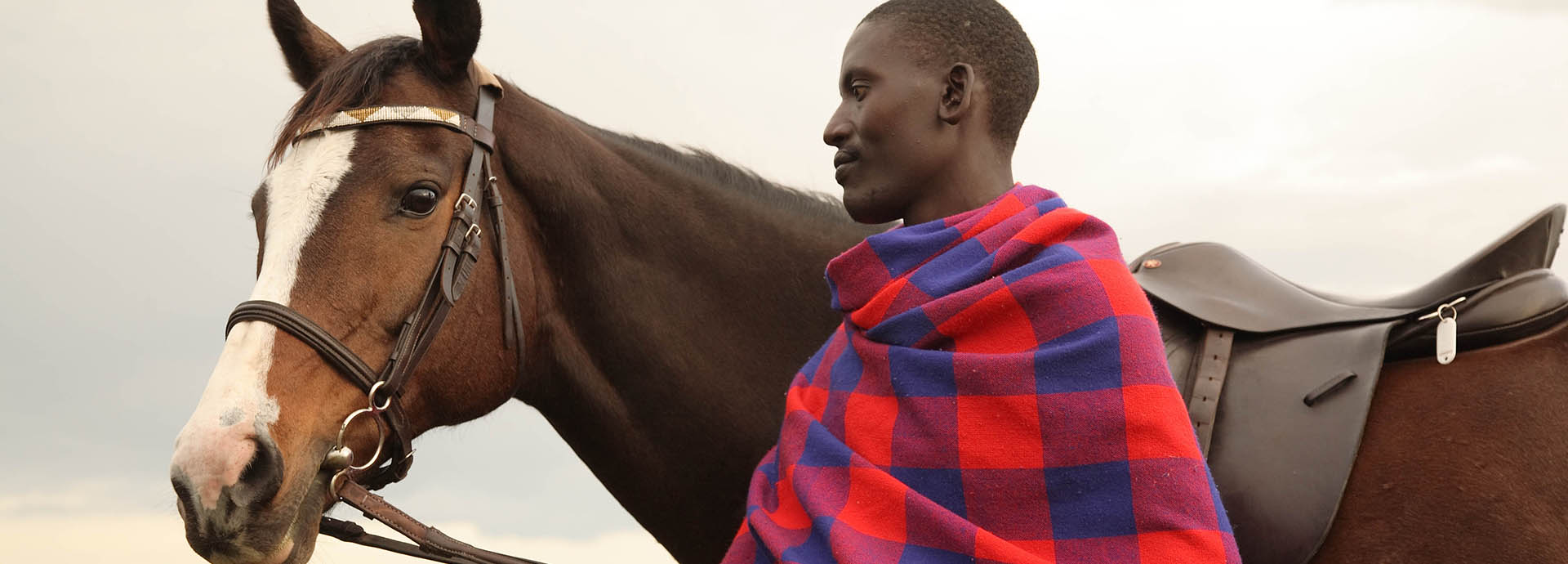
- Maasai — The semi-nomadic pastoralist people indigenous to Kenya and northern Tanzania, renowned for their striking red shúkà cloth, elaborate beadwork and proud warrior traditions. The Maasai have coexisted with the wildlife of the Mara for generations and remain central to the cultural identity of the region.
- Samburu — Both a semi-nomadic pastoralist people of northern Kenya and the name of the game reserve their territory encompasses. The region is famous for its ‘northern specials’ — rare, specially adapted wildlife including Grevy’s zebra, reticulated giraffe and Beisa oryx — as well as the ancient and moving singing wells tradition.
- Campaign-Style Tented Camp — A classic form of luxury bush accommodation evoking the golden age of exploration, featuring spacious canvas tents furnished with proper beds, en suite facilities and elegant fittings set directly in the wilderness. The campaign style celebrates the romance of early Africa while meeting the highest standards of contemporary comfort.
- Great Rift Valley — A vast geological fault system running from the Middle East through East Africa, responsible for much of Kenya’s dramatic landscape including the escarpments of Laikipia, the Rift Valley lakes and the volcanic formations of the Chyulu Hills.
- Rothschild Giraffe — One of Africa’s most endangered giraffe subspecies, found at Giraffe Manor in Nairobi and protected across several Kenyan conservancies. Identifiable by its pale, unmarked lower legs — resembling white stockings — it is the subject of dedicated conservation and breeding programmes in Kenya.
Kath from The Classic Safari Company did an amazing job in putting together our wonderful trip to Kenya and Zanzibar.
Mr & Mrs Adams
A wonderful trip to Kenya that went without a hitch.
Mr & Mrs Langley
The Classic Safari Company offers so much experience and passion! Every aspect of our experience in Kenya and Tanzania was planned to perfection!
Jo-anne & Dean Mifsud
Kenya truly awakened me. Maasai, Pokot, Turkana and Samburu are the tribes I had the utmost honour of spending time with. My experience solidified the meaning of tribe. That we’re all connected, we’re all one.
Ms Franks