Malawi
Bush & Beach Adventure
Discovering Malawi | In Summary
- Lake Malawi National Park was inscribed as a UNESCO World Heritage Site in 1984 — one of only a handful of freshwater ecosystems to receive this status — recognising the lake’s extraordinary cichlid biodiversity and making it one of the most scientifically significant diving destinations on Earth.
- Stretching for 580 kilometres and covering roughly 20% of Malawi’s total surface area, Lake Malawi is longer than England is wide — a staggering inland sea offering hundreds of kilometres of largely deserted shoreline.
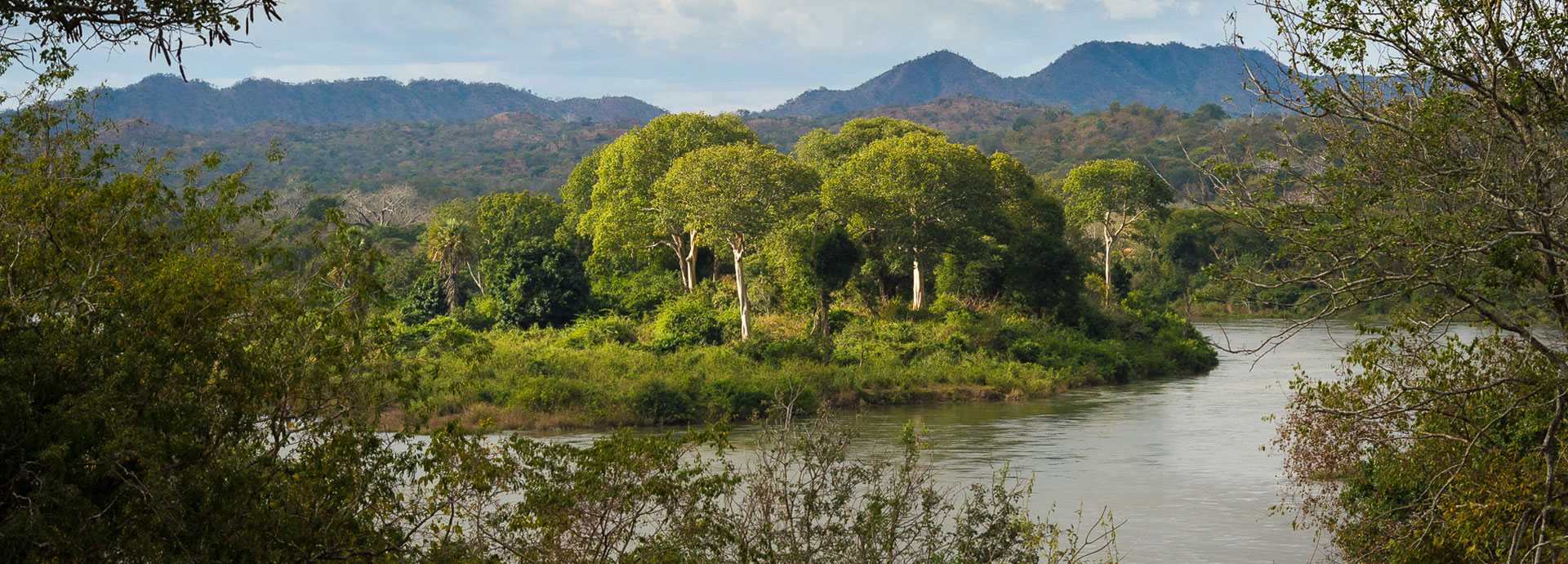
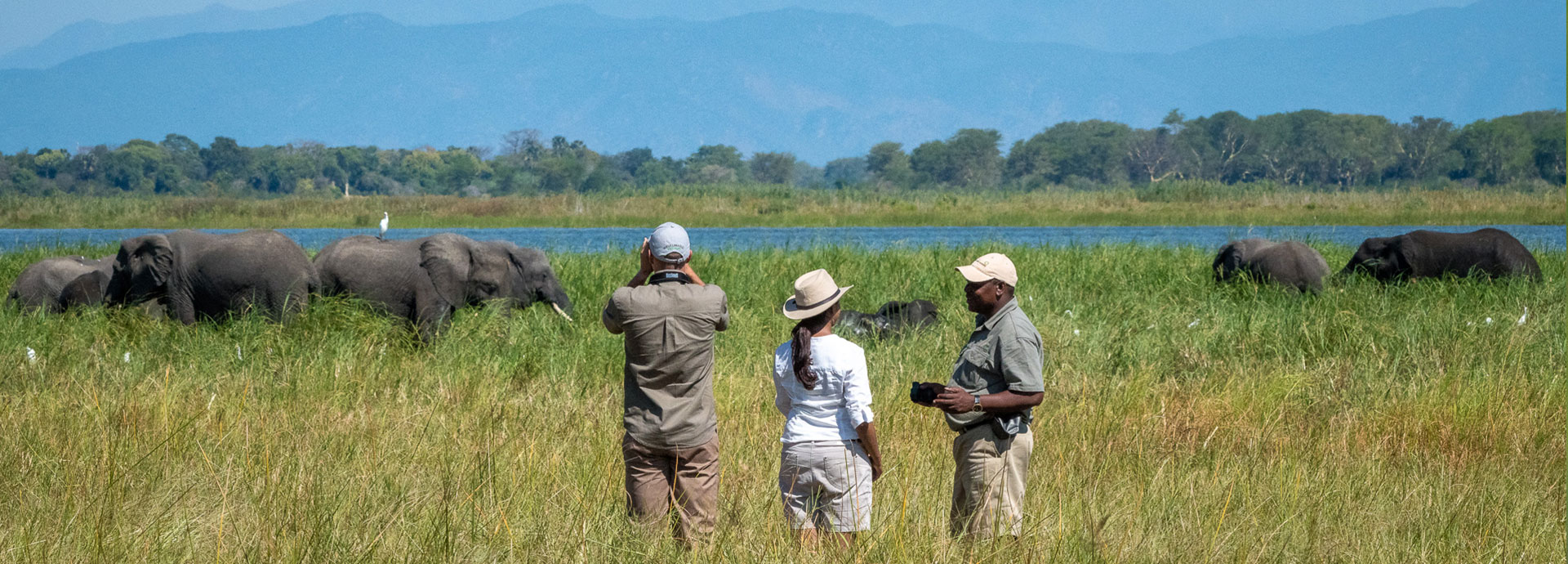
- The Shire River, flowing south from Lake Malawi through Liwonde National Park, supports one of the highest densities of hippopotamus in East and Central Africa — making boat safaris on the river among the most visceral wildlife encounters Malawi has to offer.
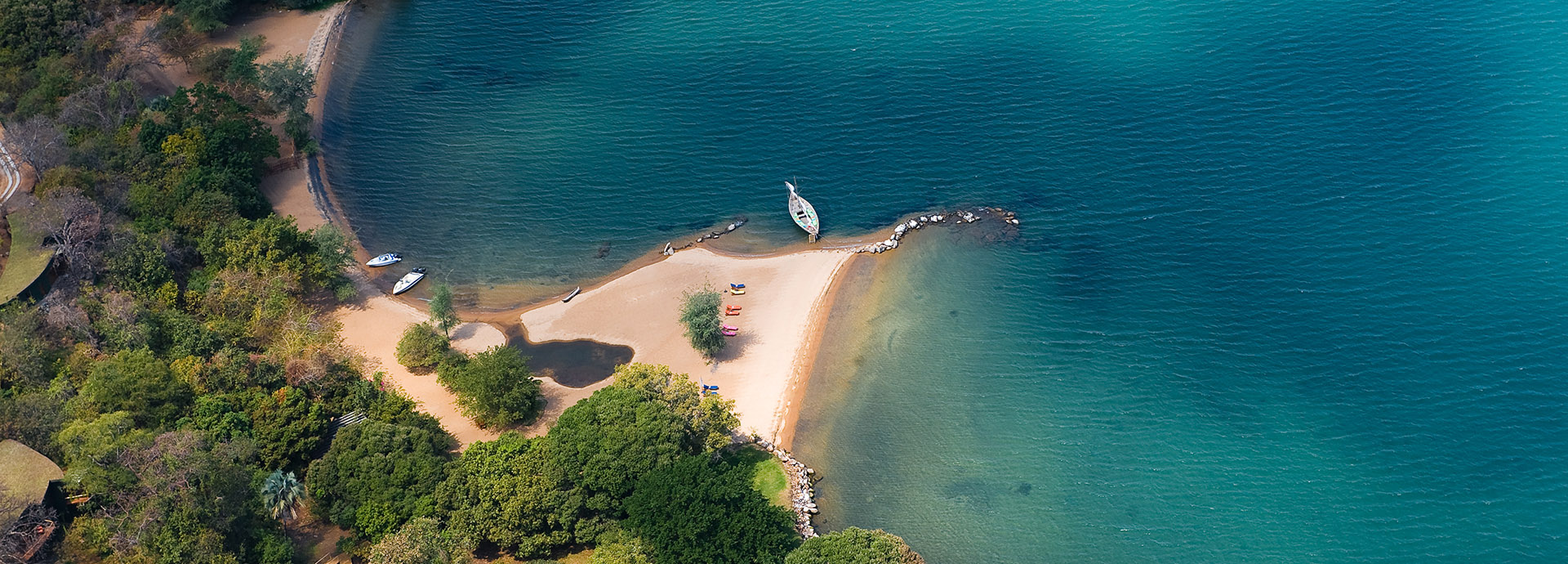
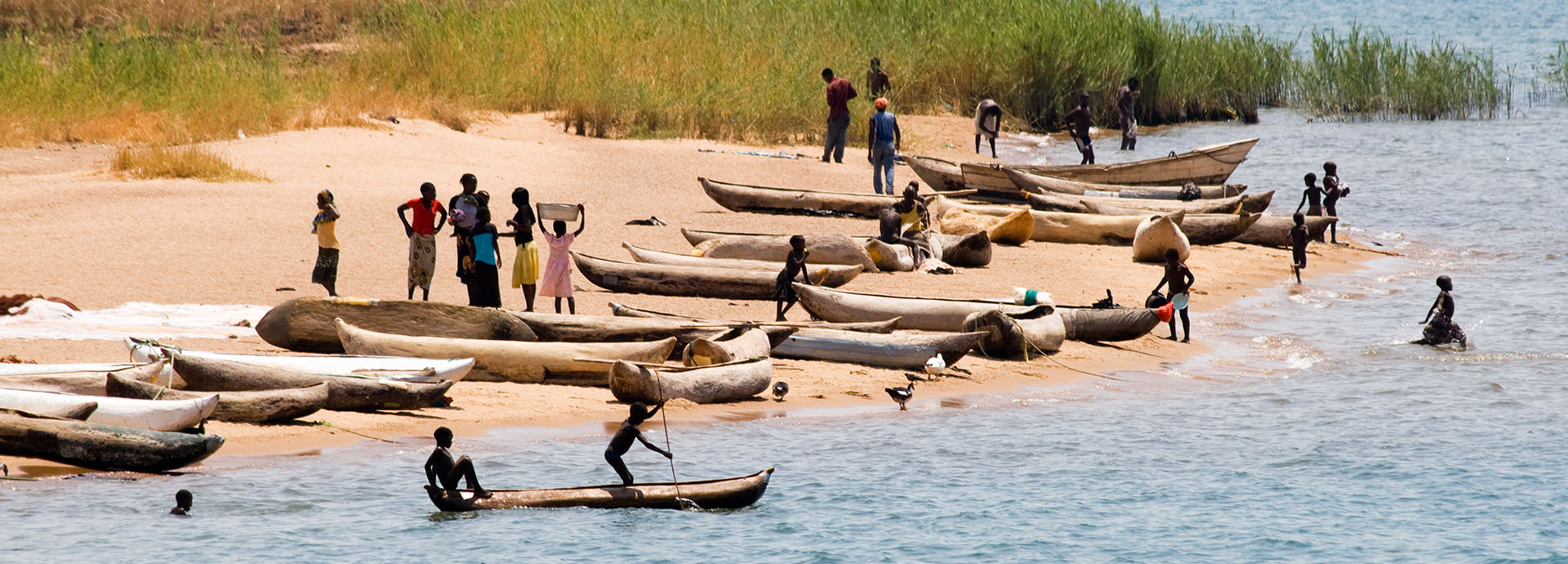
Malawi boasts undiscovered scenery, wildlife strongholds and adventurous activities to rival any of those of her better known neighbours. The Great Rift Valley has gauged an immense chasm down her eastern flank which now, brimming with crystal clear water, forms Africa’s third-largest lake: Lake Malawi.
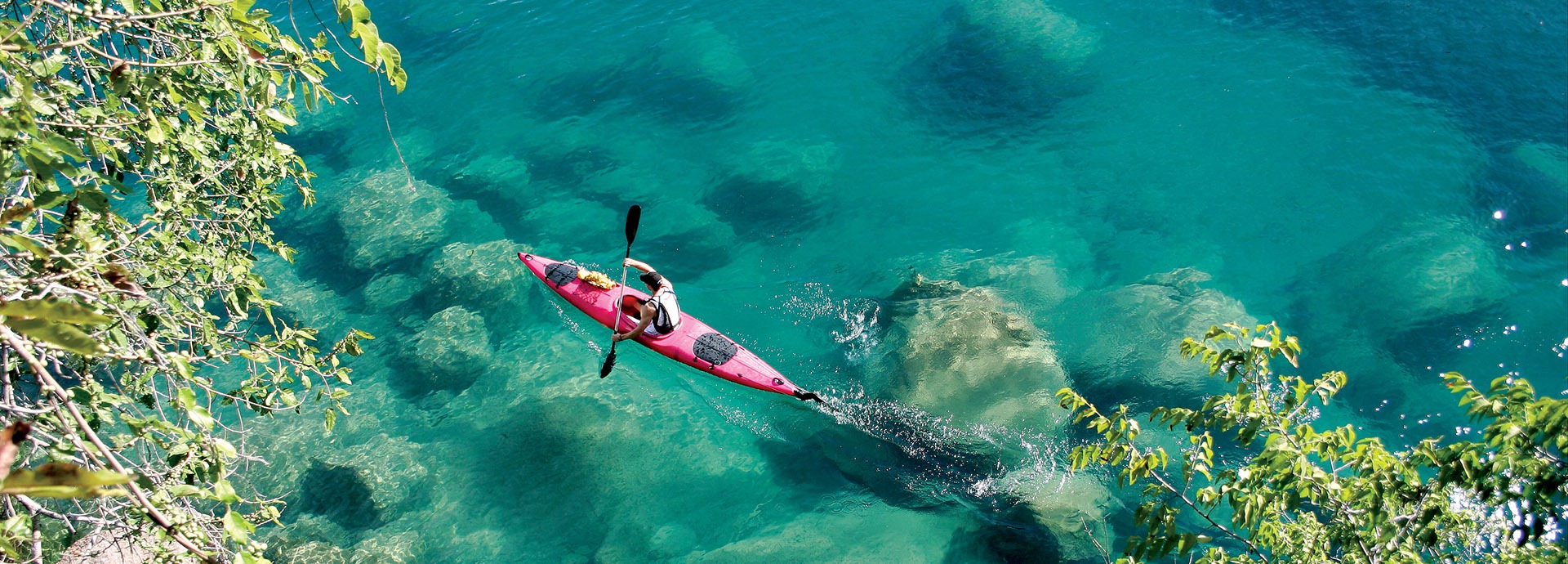
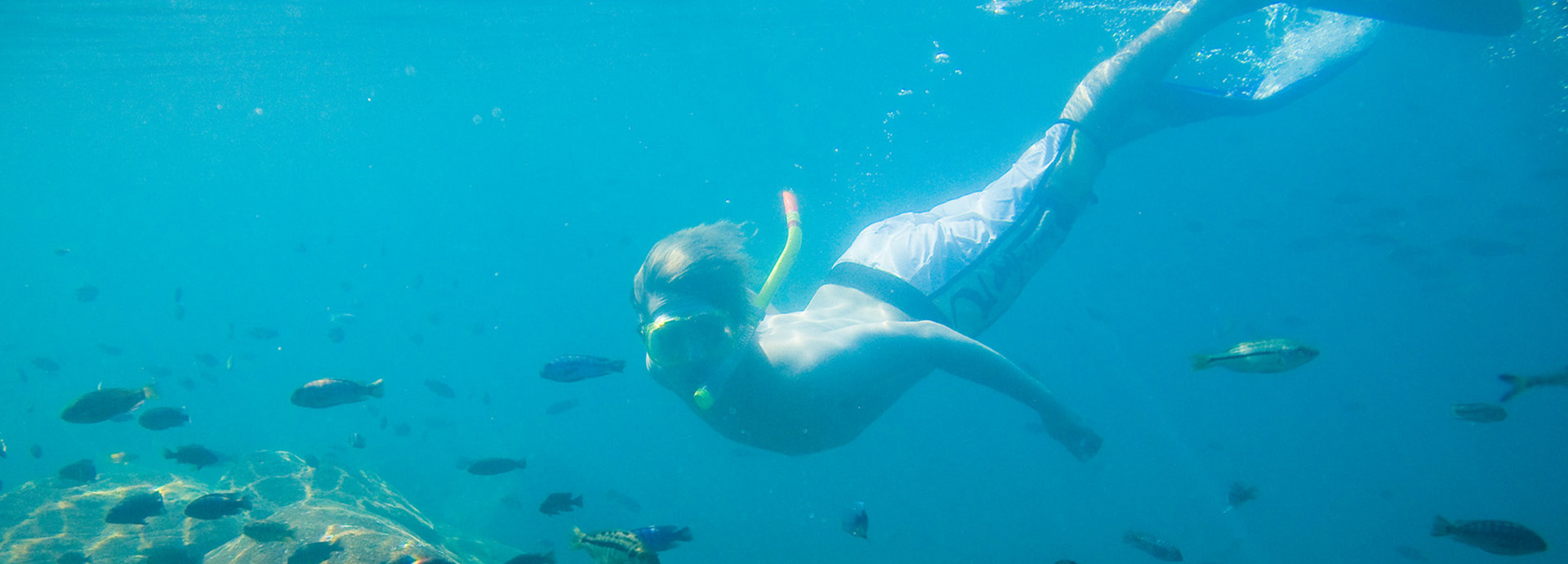
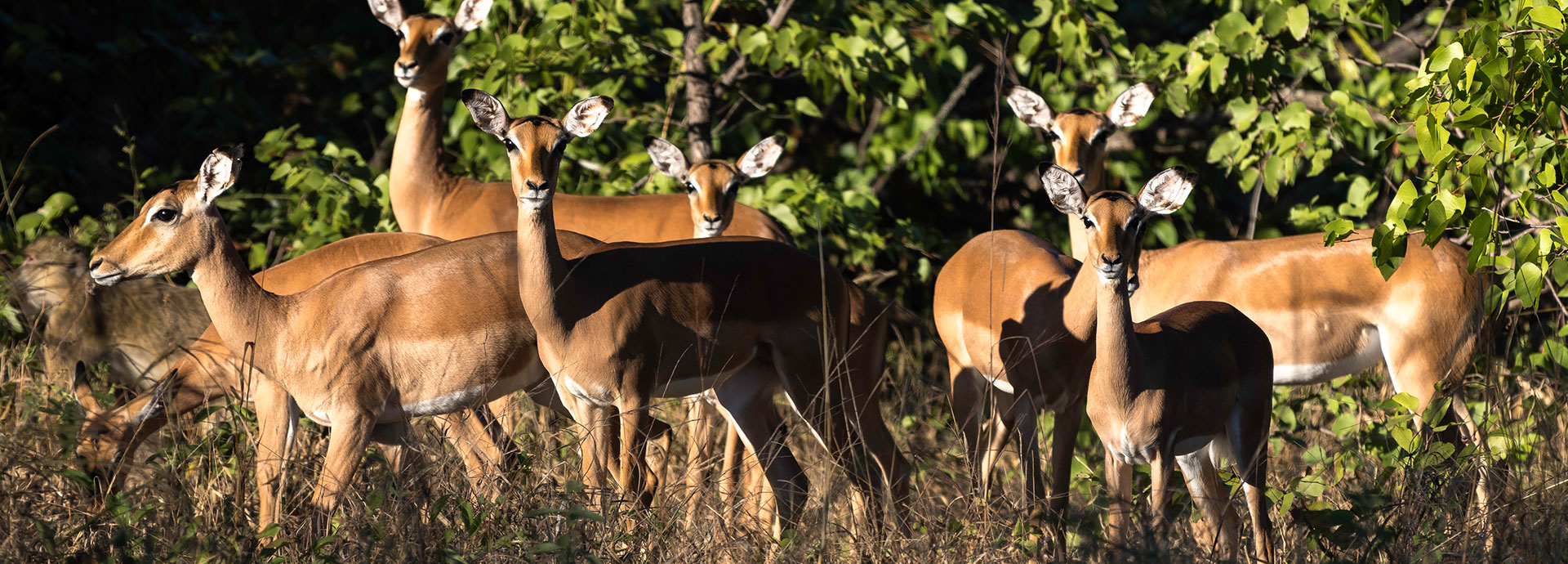
Lake Malawi holds a greater array of freshwater fish species than any other lake on Earth and the clear blue waters swarm with colourful cichlids. The warm salt-free water and beautiful beaches make it a magnet for those seeking year-round scuba diving, snorkelling, water-skiing, sailing, kayaking or swimming. Malawi’s National Parks are home to large herds of elephant, hippo, big cats and plenty of plains game, and sit at the heart of some of Africa’s most successful conservation stories. Majete Wildlife Reserve has seen reintroduced populations black rhino flourish while the relocation of lions into Liwonde National Park, funded through Leonardo DiCaprio’s charity foundation, was heralded by the international press.
With a relaxed pace of life, friendly locals, plenty of wildlife, idyllic lakeshore beaches and wonderfully low visitor numbers, Malawi offers an exquisite ideal ‘Bush & Beach’ safari for those in the know.
You Will Love
- Exceptional freshwater diving and snorkelling
- Colourful fish in crystal clear waters
- Wildlife conservation triumphs
- Low visitor numbers
- The ‘Warm Heart of Africa’
Let us design your perfect itinerary.
Unforgettable experiences in Malawi
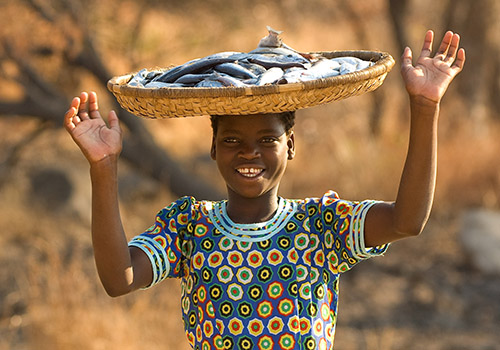
Immerse yourself in local culture
Immerse yourself in local culture
Known as ‘The Warm Heart of Africa’, Malawi is often regarded as having the friendliest people on the continent. It is one of the safest countries to visit and a surprising highlight for many is engaging in the Malawian cultur...
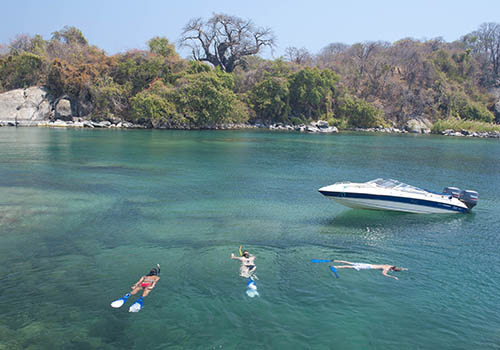
Dive into Lake Malawi
Dive into Lake Malawi
You might not associate white sandy beaches and turquoise blue water with a landlocked country in Africa, but you’ll find all this and more at Lake Malawi. The crystal-clear waters are home to over 700 species of brightly colour...
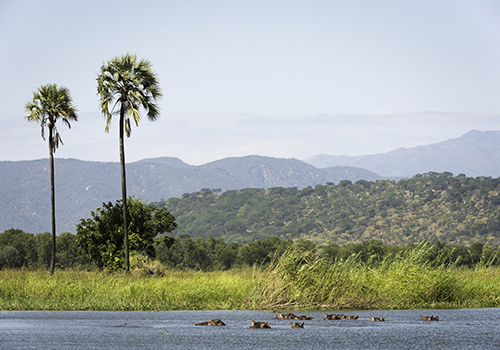
See the big 5 on a wild safari
See the big 5 on a wild safari
Malawi is fast becoming a notable safari destination. Set along the Shire River, Liwonde’s beautiful flood plains host big herd of elephants and bufflo, reintroduced lion populations are flourishing, and black rhinos are now fre...
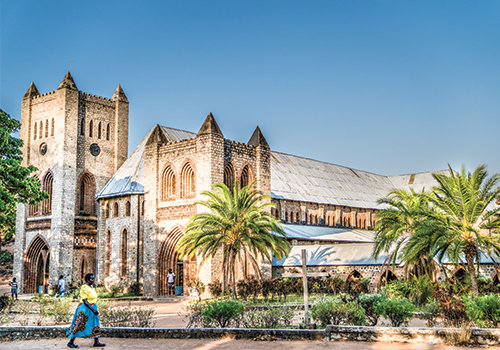
Unwind on historic Likoma Island
Unwind on historic Likoma Island
Likoma is a small paradise in the far east of Lake Malawi, near the coast of Mozambique. The beautiful island is surrounded by rocky bluffs and golden beaches, while magnificent baobab trees line the interior. This sleepy island i...
A selection of our favourite places to stay in Malawi
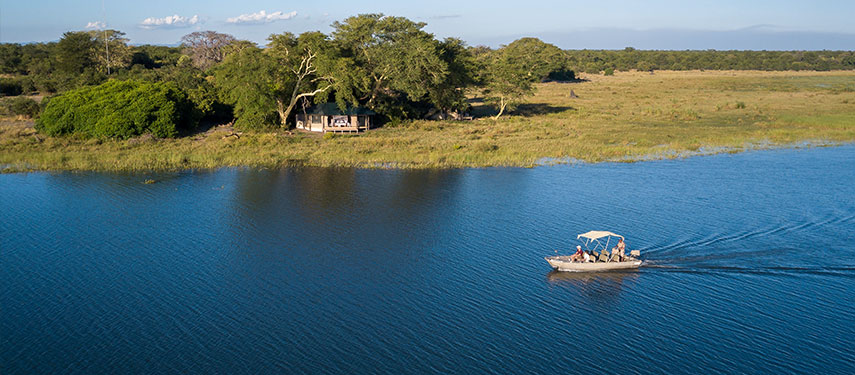
Kuthengo Camp – Liwonde National Park
Intimate and unexpected
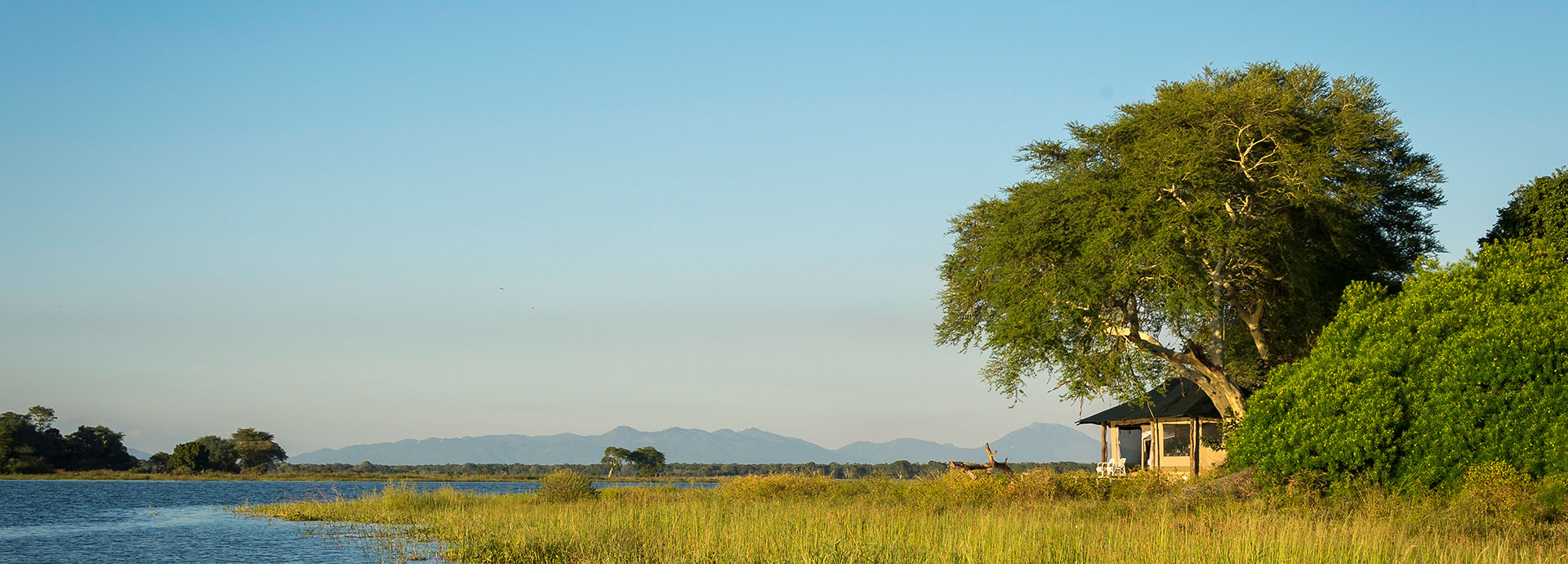
Kuthengo Camp overlooks a floodplain of the Shire River, in a remote area of the unspoiled Liwonde National Park frequented by large herds of elephants. With just four widely spaced tents it so private and quiet that it’s likely you won’t see another soul and it will feel as though you have the whole park to yourself.... Read More
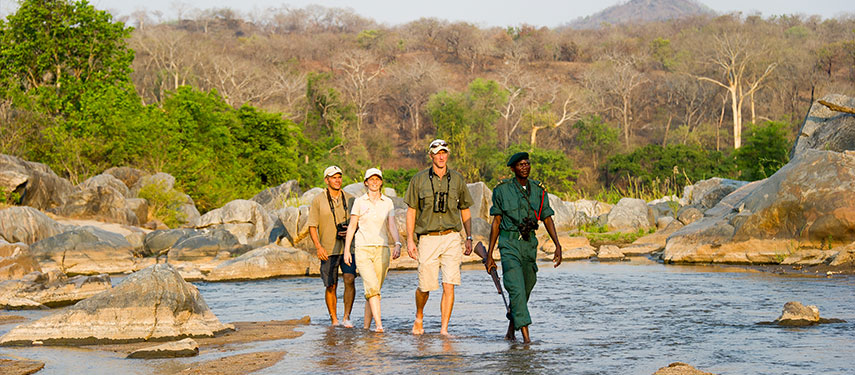
Mkulumadzi – Majete Wildlife Reserve
Big Five Bush Luxe
Accessed by a swinging rope bridge, Mkulumadzi boasts a wild location on the banks of the Shire River in Majete Wildlife reserve. Game drives regularly produce sightings of black rhino, leopard, lion and elephant. Largely undiscovered by tourists, every trip into the bush feels like an adventure.... Read More
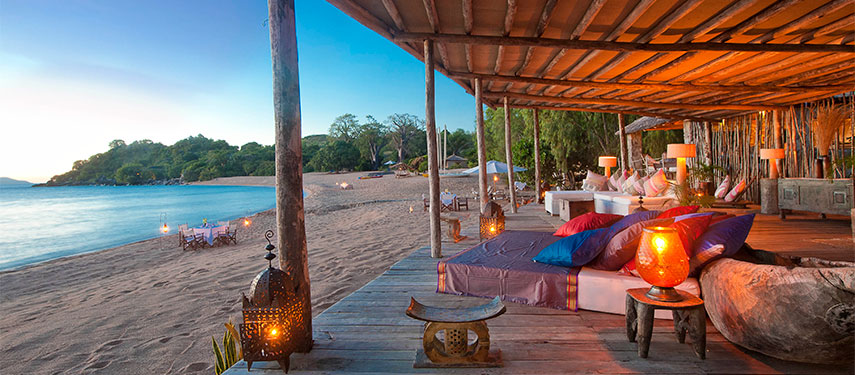
Kaya Mawa – Likoma Island, Lake Malawi
Romantic Island Escape
Sitting on Lake Malawi’s historic Likoma Island, Kaya Mawa was built entirely by hand in partnership with the local community. It consists of seven stone and teak framed cottages and each has a private terrace with direct access to the crystal clear waters. We love the easy simplicity and exclusivity of this beautiful barefoot escape.... Read More
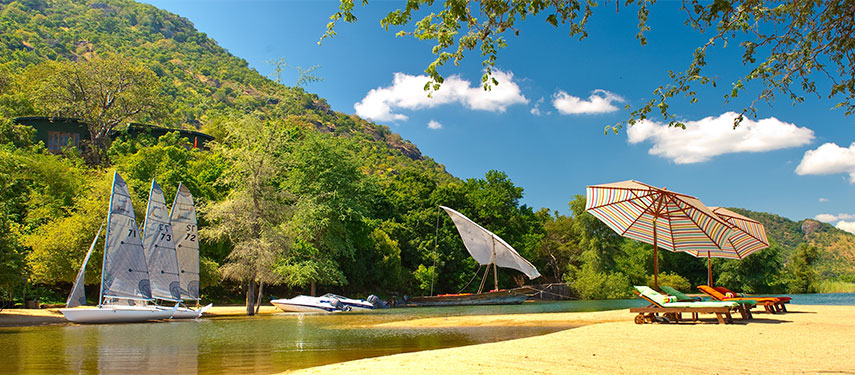
Pumulani – southern shores of Lake Malawi
Lakeside diamond
Pumulani is situated at the south end of Lake Malawi, set high above the lake with magnificent views. The beauty of this lake is indescribable. The sparkling turquoise and deep blue colours shimmering over the water, the clear blue skies and the panoramic vistas truly make you feel like you are in paradise.... Read More
Malawi: Frequently Asked Questions
Malawi can be visited year-round, but the dry season from May to October is generally best for wildlife safaris. Vegetation thins, animals concentrate around water sources, and game viewing in Liwonde and Majete reaches its peak. The lake is beautiful throughout the year, though June to August offers the clearest conditions for diving and snorkelling. The wet season (November to April) brings lush green landscapes and exceptional birdwatching — a genuine draw for those who prefer solitude and don’t mind the occasional afternoon shower.
Absolutely — the classic Malawi itinerary is built around exactly this pairing. Most travellers spend two to three nights in one of the game reserves (Liwonde National Park or Majete Wildlife Reserve) before transferring to the lakeshore or an island retreat. Properties such as Pumulani on the southern shores or Kaya Mawa on Likoma Island provide the perfect counterpoint to game-drive activity. Few destinations in Africa offer such a natural and satisfying transition from bush to beach within a single itinerary.
Malawi is widely regarded as one of the safest countries in Africa for travellers. It maintains a stable government, a low crime rate relative to its neighbours, and a longstanding reputation for exceptional warmth and hospitality — which is precisely how it earned the epithet ‘The Warm Heart of Africa’. The country carries a green Smart Traveller rating for most regions, and Classic Safari Company works exclusively with camps and lodges that uphold high standards of guest safety and responsible tourism.
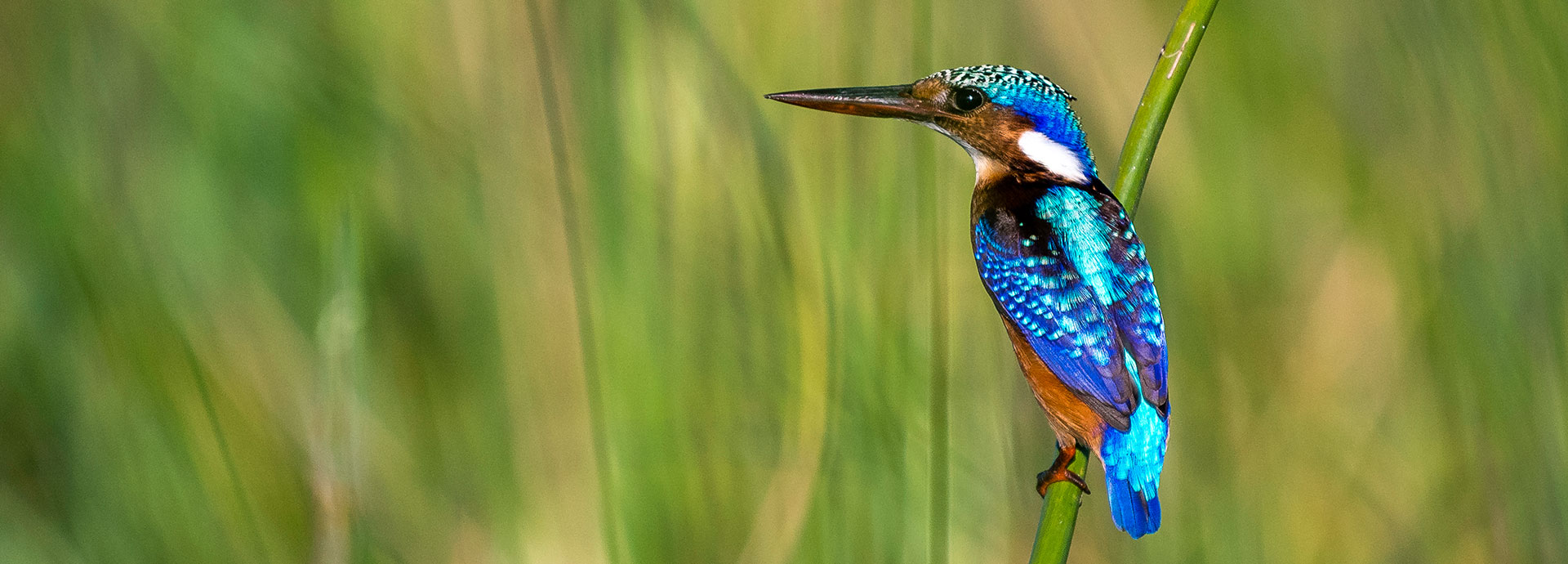
Malawi’s reserves punch well above their weight. Liwonde National Park supports large elephant herds, hippo, crocodile, sable antelope and a thriving reintroduced lion population. Majete Wildlife Reserve — managed by African Parks — is home to the full Big Five: lion, leopard, elephant, buffalo and black rhino. Birdlife across both parks is exceptional, with over 400 recorded species. In Lake Malawi itself, more than 700 endemic cichlid species create a snorkelling and diving experience wholly unlike anything else on the continent.
Most international travellers fly into Lilongwe International Airport or Blantyre’s Chileka Airport, with connections routed via Johannesburg, Nairobi or Addis Ababa. Smaller charter flights connect onward to airstrips near the major game reserves and lakeshore properties. Classic Safari Company coordinates all logistics — transfers, internal flights and visa requirements — ensuring a seamless arrival regardless of itinerary complexity.
Likoma Island is one of Malawi’s most beguiling and overlooked destinations. Despite sitting within Mozambican waters, it remains Malawian territory — a quirk of history tracing back to David Livingstone’s missionary activity in the 1880s. The island is home to the Cathedral of St Peter, completed in 1903 and comparable in scale to Winchester Cathedral, yet standing improbably among baobab trees on a remote lake island. Excellent diving, secluded coves and the handcrafted intimacy of Kaya Mawa lodge — built entirely in partnership with the local community — make Likoma Island a deeply rewarding detour for the curious traveller.
Malawi: A Glossary of Terms
- Cichlid — a family of freshwater fish of which Lake Malawi hosts over 700 endemic species; the sheer density and colour diversity of cichlids is the primary draw for divers and snorkellers on the lake, rivalling any coral reef destination for visual spectacle.
- Shire River — the only river to flow out of Lake Malawi, running south through Liwonde National Park before entering Mozambique; its flood plains sustain some of the highest concentrations of hippo and crocodile in East and Central Africa.
- African Parks — a non-profit conservation organisation that manages national parks and reserves across Africa in partnership with governments; responsible for the wildlife recovery programmes at both Majete Wildlife Reserve and Liwonde National Park in Malawi.
- Big Five — the collective term for lion, leopard, elephant, buffalo and black rhino; Majete Wildlife Reserve is the only place in Malawi where all five can be encountered within a single reserve.
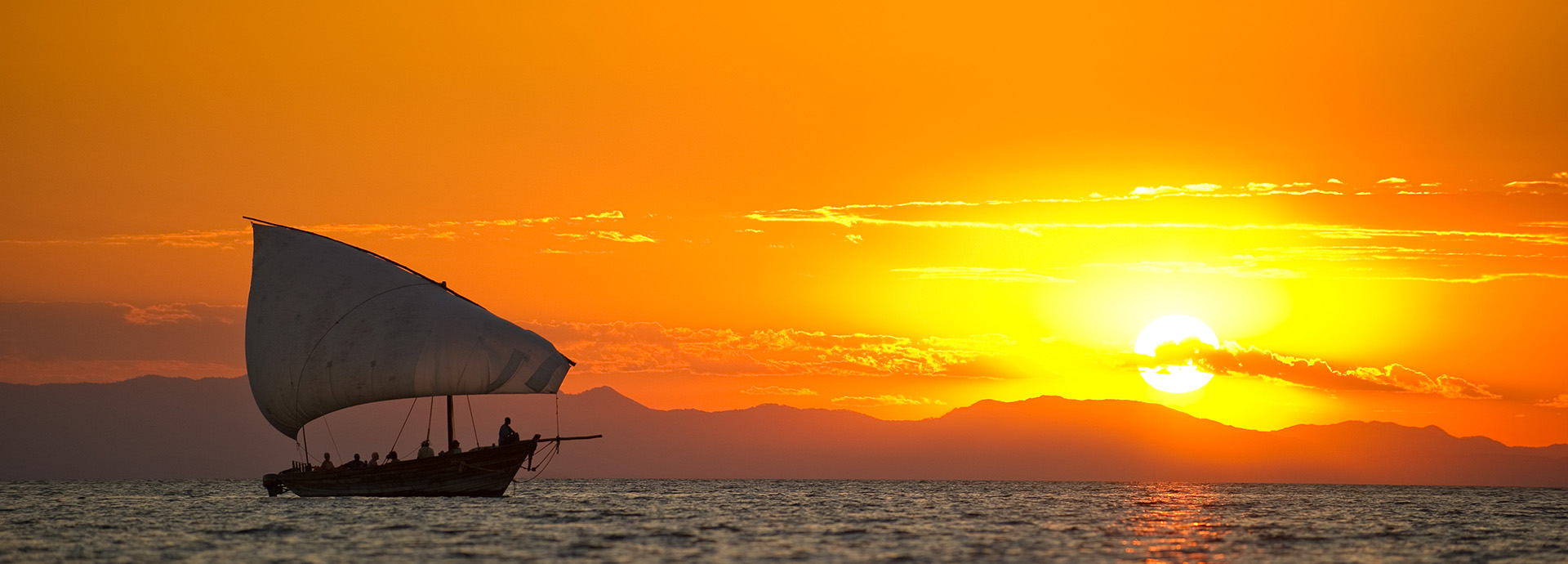
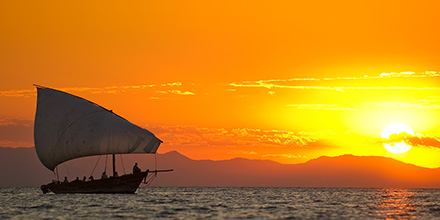
- Dhow — a traditional wooden sailing vessel with a lateen sail, historically used for trade across the Indian Ocean and East African lakes; sunset dhow cruises on Lake Malawi are a signature experience, offering views of hippo pods and African fish eagles against the fading light.
- Lake Malawi National Park — a UNESCO World Heritage Site inscribed in 1984 at the southern end of the lake; designated for its outstanding universal value as the habitat of the world’s greatest freshwater fish diversity, it is one of the few aquatic parks in Africa to hold this status.
- Likoma Island — a small Malawian island in the far eastern reaches of Lake Malawi, enclosed within Mozambican territorial waters; historically significant as a 19th-century missionary hub and home to the Cathedral of St Peter, an extraordinary structure completed in 1903.
- Miombo Woodland — also known as Brachystegia woodland, the dominant vegetation type across much of Malawi’s game reserves; this open-canopy habitat sustains a rich understorey of grasses and shrubs that supports diverse populations of antelope, elephant and ground-nesting birds.
- Warm Heart of Africa — the widely recognised epithet for Malawi, derived from the country’s enduring reputation for the exceptional warmth and openness of its people; frequently cited by first-time visitors as among the most unexpectedly memorable aspects of any Malawi trip.
- Wildlife Reserve vs. National Park — in Malawi, a national park such as Liwonde is state-owned and administered by the Department of National Parks and Wildlife, while a wildlife reserve such as Majete may operate under a public-private management partnership; African Parks currently holds management authority for both, and the visitor experience across the two designations is broadly comparable.
Malawi is so up and coming. Amazing wildlife and beautiful scenery but virtually no tourists. Thanks for recommending we go now, before everyone else does!
Mr & Mrs Collins
Thank you to you all at the Classic Safari Company for organising our Malawian honeymoon. What an adventure! Pumulani was paradise at the end of a long journey.
Ms Kiddell
Absolutely everything was first class & so well organised.
Simon & Jackie Adams
If you want the most sensational experience in Africa let Julia and the staff at Classic Safari Co plan it for you! Their knowledge, expertise and enthusiasm for their job means your every wish will be fulfilled.
Miriam & Joseph Harrison
Classic Safari Company has done it again! A unique experience that ticked all the boxes - wildlife, culture and dining experience. A dream come true!
Ros Wheeler
Exellent and wonderful, reaching way above expectations.
Elizabeth Mackintosh
Classic Safari Company were brilliant - 10/10
Di & Kingsley Yates
Very knowledgeable and patient. Our trip was all that we hoped for. Wonderful!
Jane & Robert Happell
We loved it all. Our son wants to go back tomorrow. We would ALL go back again!
Laurence & Remi Cunningham
The Classic Safari Company is the best I have dealt with. Extremely knowledgeable & professional, friendly, patient & understanding of first timers to Africa.
Annette Whiley
Would do it all again and not change a moment. Best holiday ever!
The McGowan Tribe
We wanted the opportunity to see as many wildlife parks as possible and the Classic Safari Company provided an action-packed itinerary that included six, with 11 tiger sightings and nine leopard. This was overlaid with an introduction to Jaisalmer, Jaipur and the 'real' India. Pench and Panna were the hidden gems of a really great trip, very well organised, seamless and enjoyable. As a solo traveller I felt incredibly safe at all times. I want to go back!
Mark Taylor