Antarctica
Antarctica Holidays to the Ends of the Earth
Antarctica | In Summary
- Antarctica is governed by the Antarctic Treaty System — signed by 56 nations — which designates the continent as a natural reserve devoted to peace and science; no government owns it and no permanent civilian population resides there, making it the only continent without an indigenous human culture.
- IAATO (the International Association of Antarctica Tour Operators) limits ship-based landings to vessels carrying no more than 200 passengers, with no more than 100 passengers ashore at any one site at one time — a regulatory framework that inherently favours the small-ship, high-quality expedition model championed by The Classic Safari Company.
- The Drake Passage, the roughly 800-kilometre stretch of open ocean between Cape Horn and the South Shetland Islands, is the world’s most notorious sea crossing; fly-cruise itineraries that bridge this section by air not only save two to three days each way but allow more of the expedition budget to be spent in Antarctic waters.
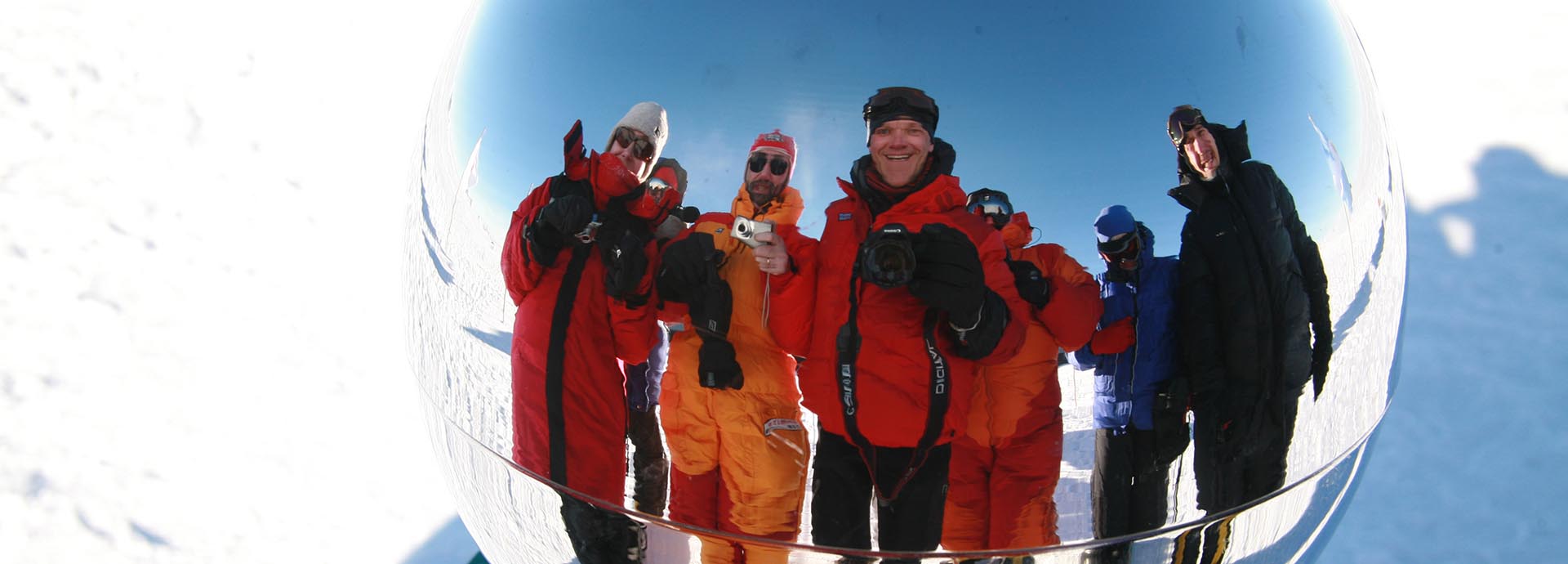
Owned by no one, visited by a few, Antarctica is the world’s coldest, windiest and wildest continent and truly the world’s ultimate travel frontier. Visiting the frozen south is by no means a usual trip, but with the right group organising the expedition, Antarctica holidays are an opportunity for eye-opening, transformative experiences that linger with every explorer who makes the trip.
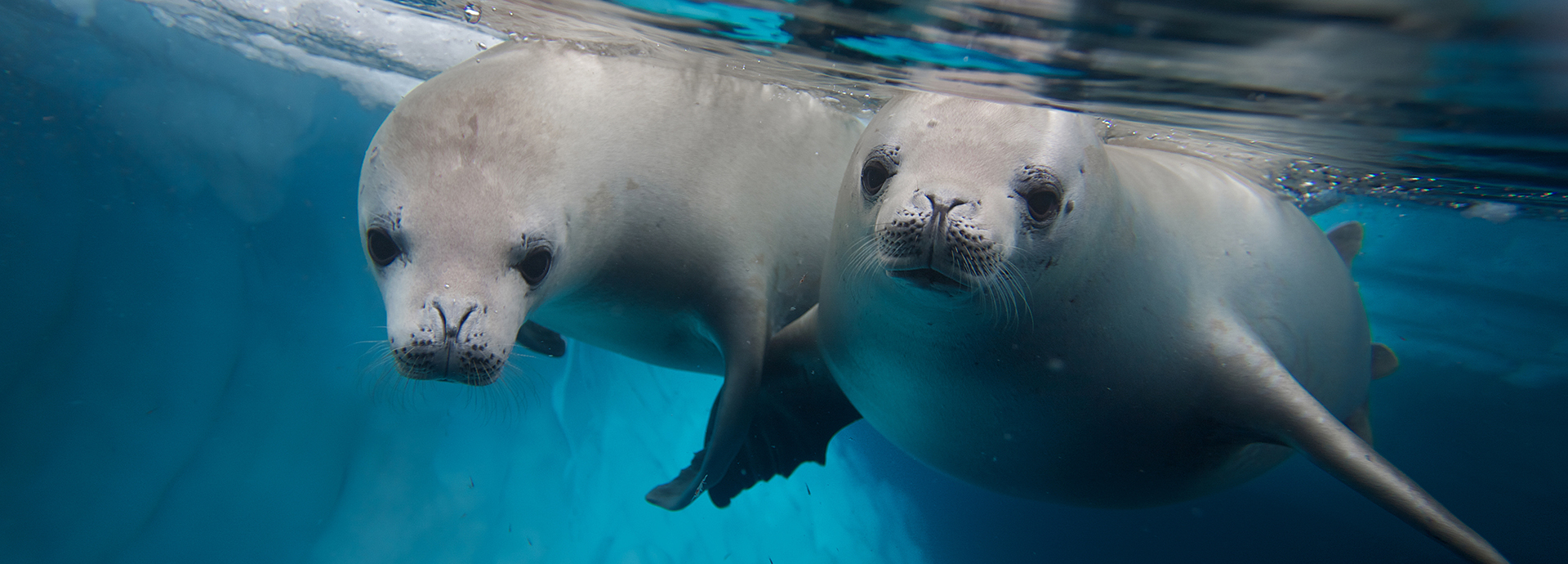
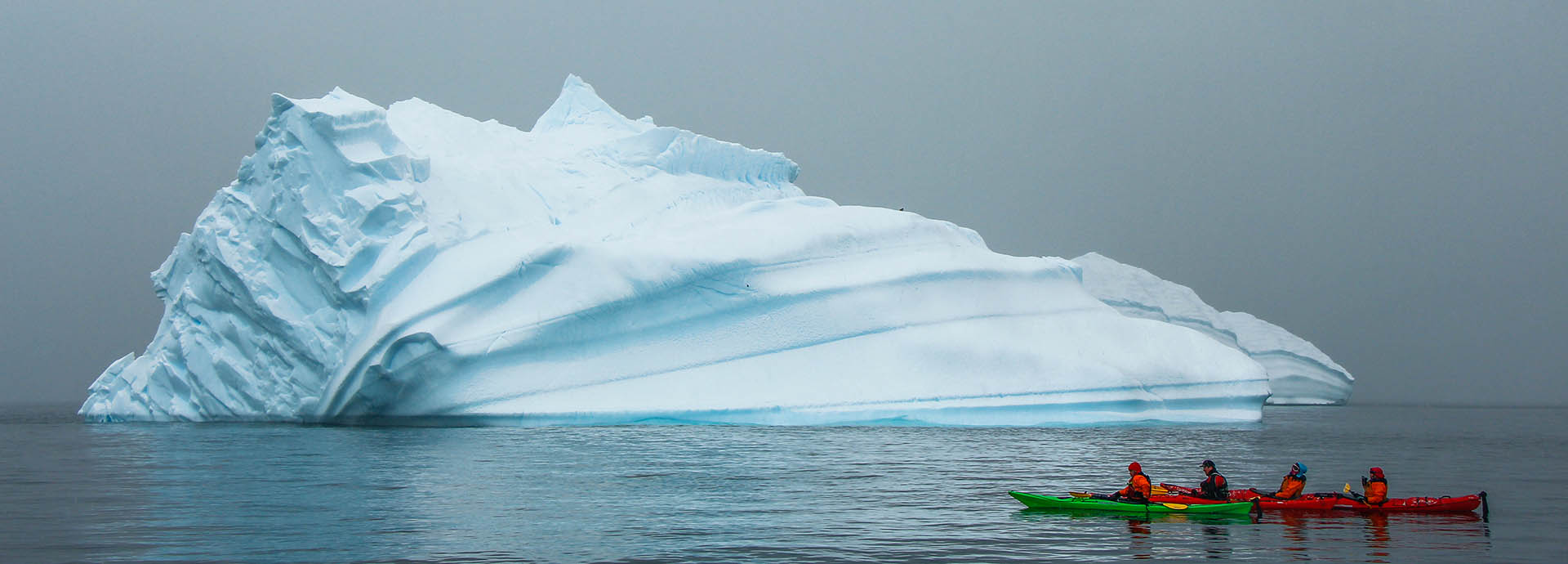
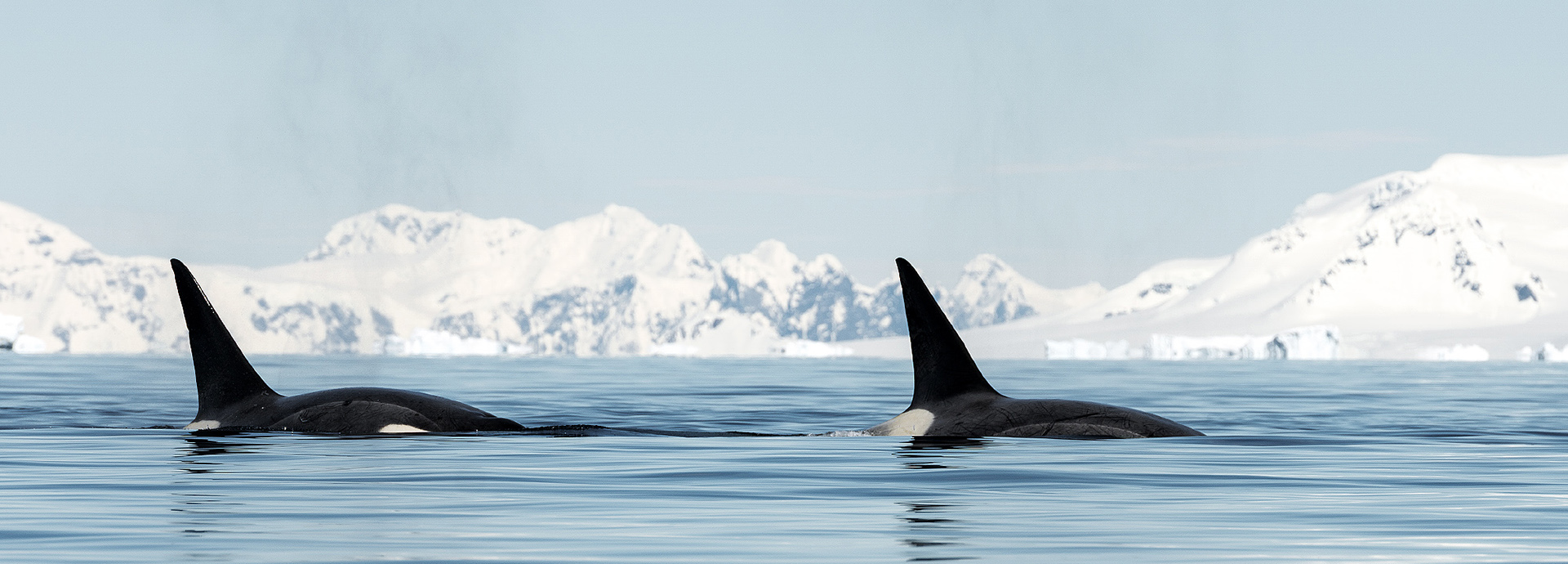
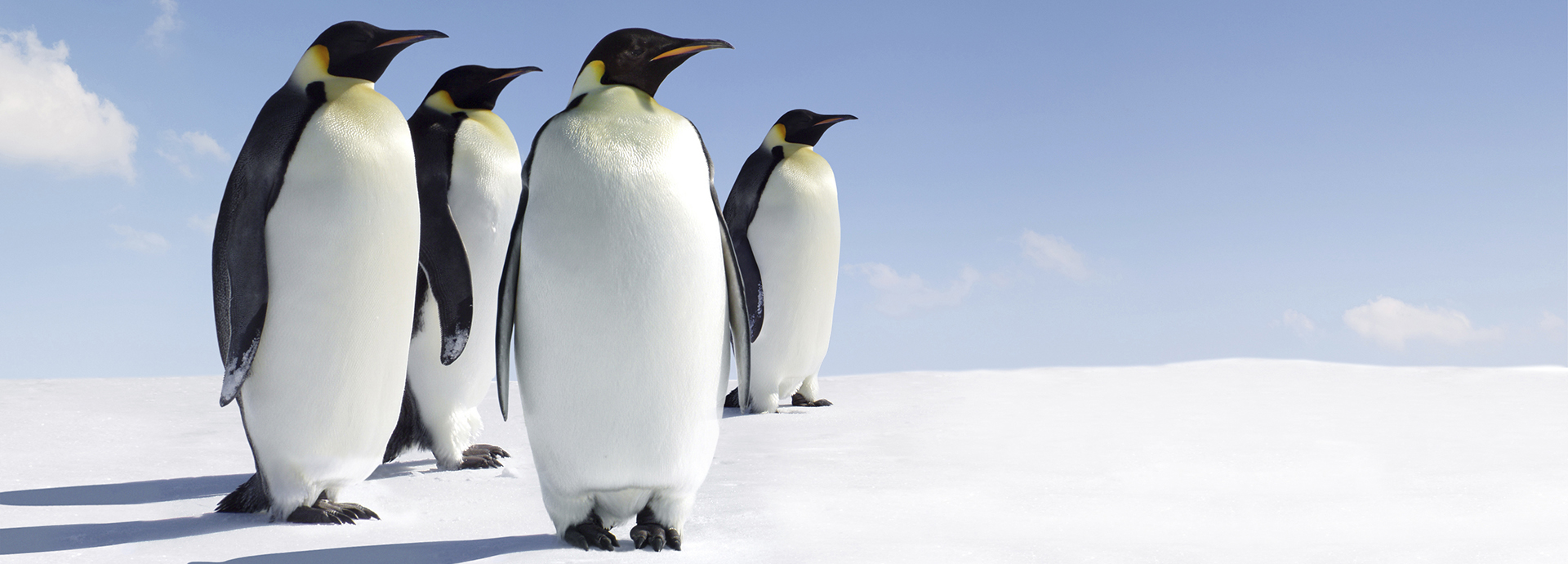
Magnificent icebergs, carved from the elements into natural sculptures float serenely whilst seals bask on their icy shelves. Humpback whales with barnacled heads breach the glassy surface of the ocean and busybody penguins chatter in their thousands. Abandoned shelters of polar explorers, rusting whaling outposts and scientific research stations are the only ghosts of man’s presence, and these are few and far between.
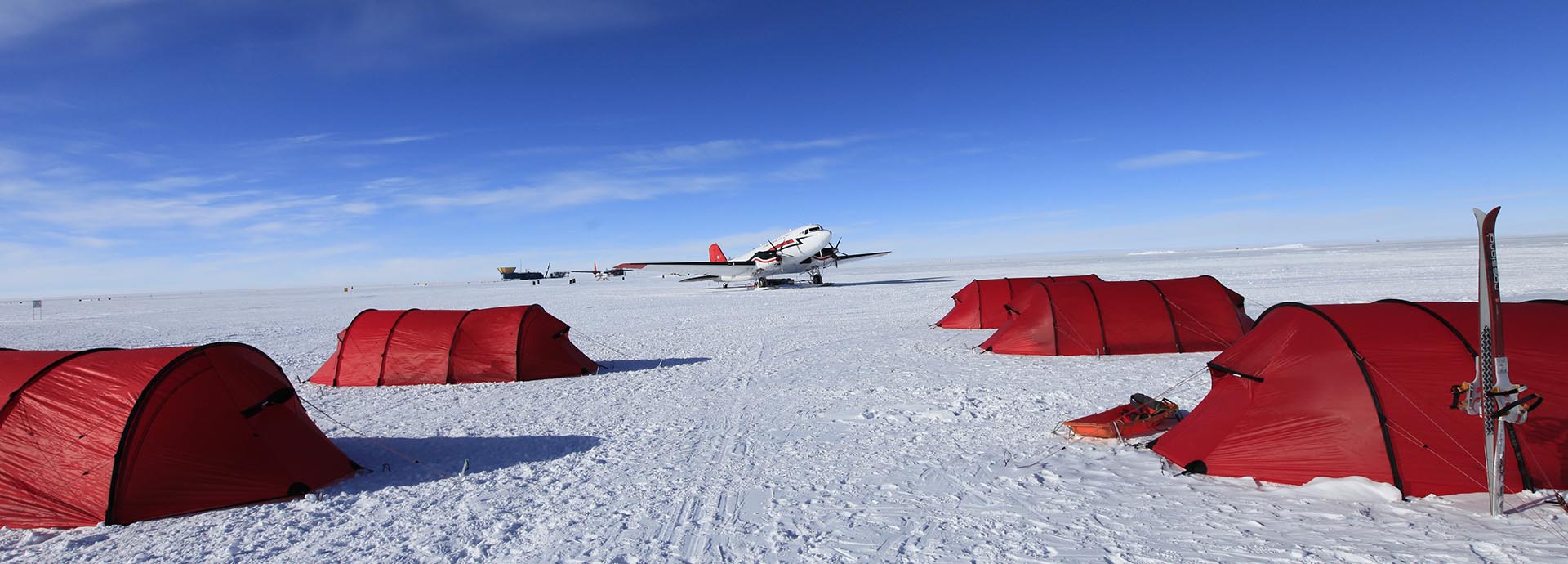
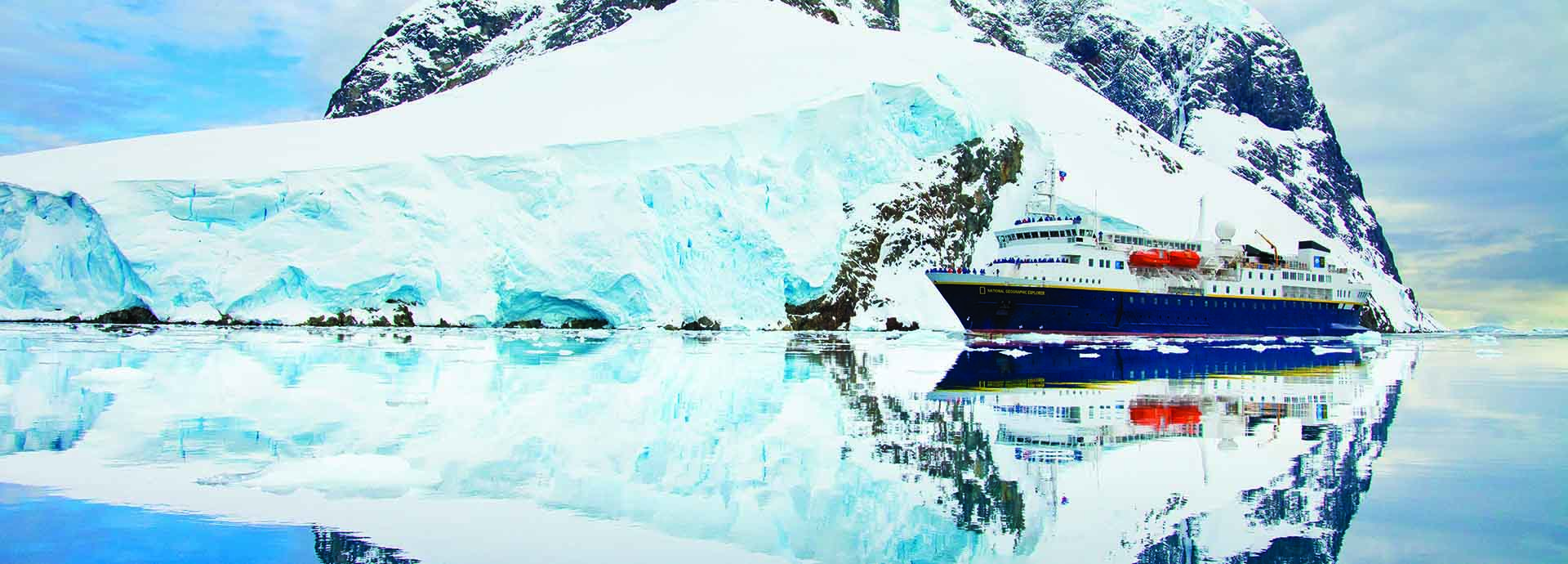
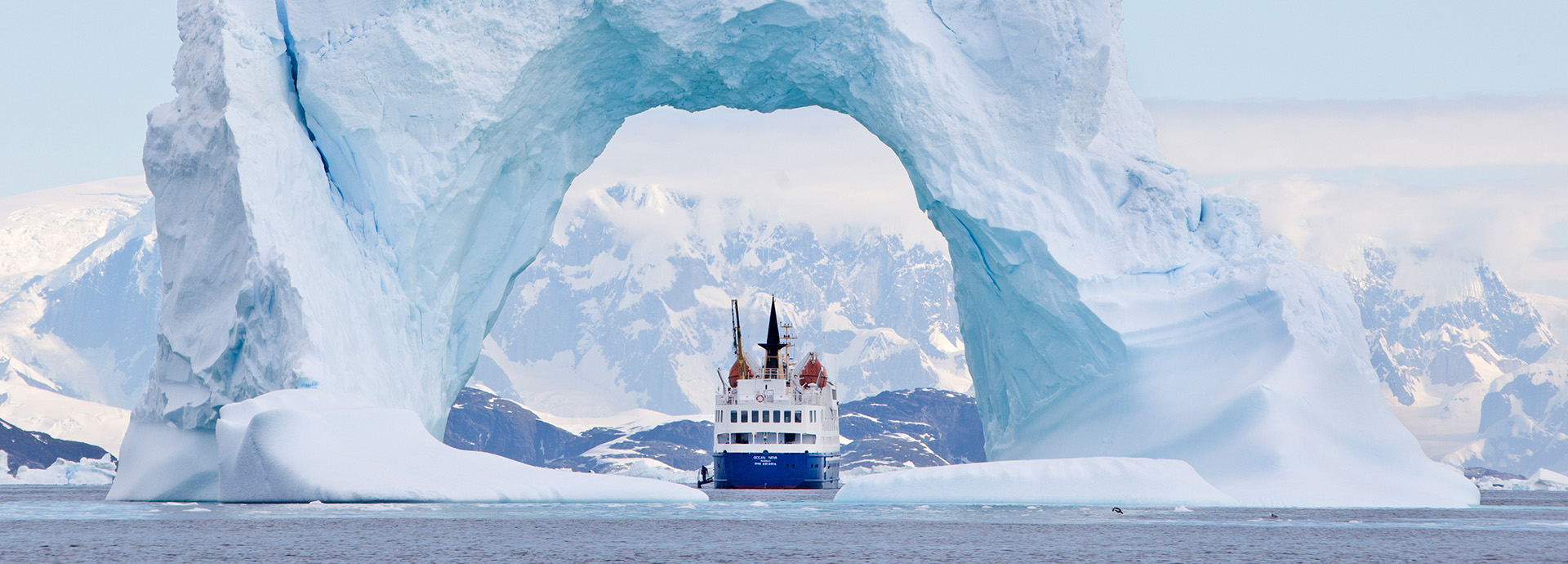
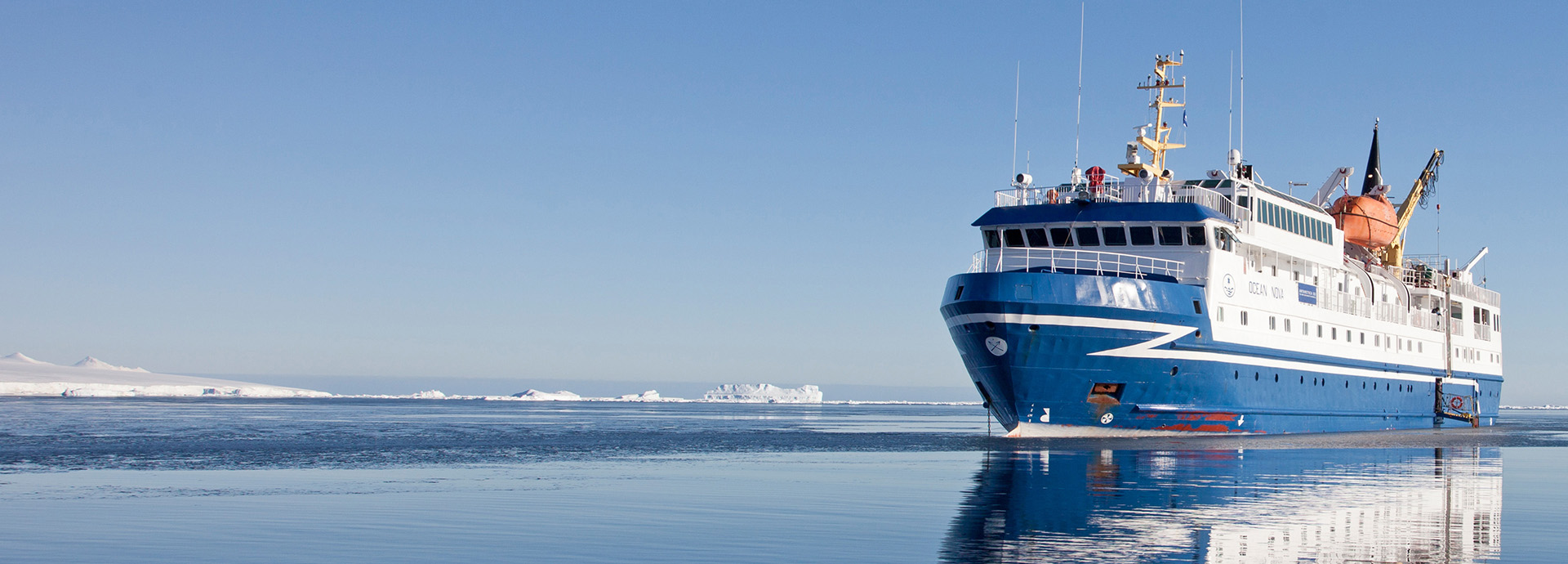
A small selection of expedition vessels navigate the waters of Antarctica. There are subtle differences between the cruise ships and the itineraries on offer – from standard 10-day forays to more in-depth expeditions that incorporate the islands of South Georgia and the Falklands. For those who dare the Drake Crossing, there is even the opportunity to fly to bookend your Antarctica holidays with explorations of Argentina or Chile. While people might rarely step foot on the continent, there are still a plethora of experiences available, including kayaking, overnight camping on the ice and swimming in the thermal pools of Deception Island.
You Will Love
• The last truly wild frontier
• Incredible solitude & silence
• Epic wildlife
• Ice camping with penguins
• The ghostly relics of bygone explorations
• An outstanding & enriching experience
Let us design your perfect itinerary.
A collection of expeditions to Antarctica
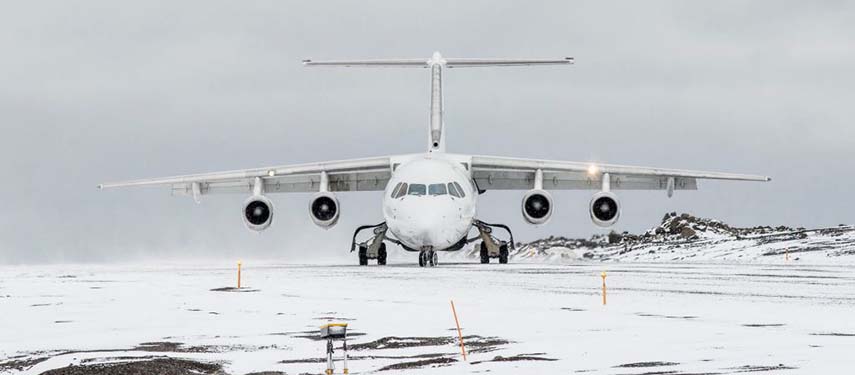
Antarctica: Fly Cruise
Set Departure | Arrive by plane, explore by boat
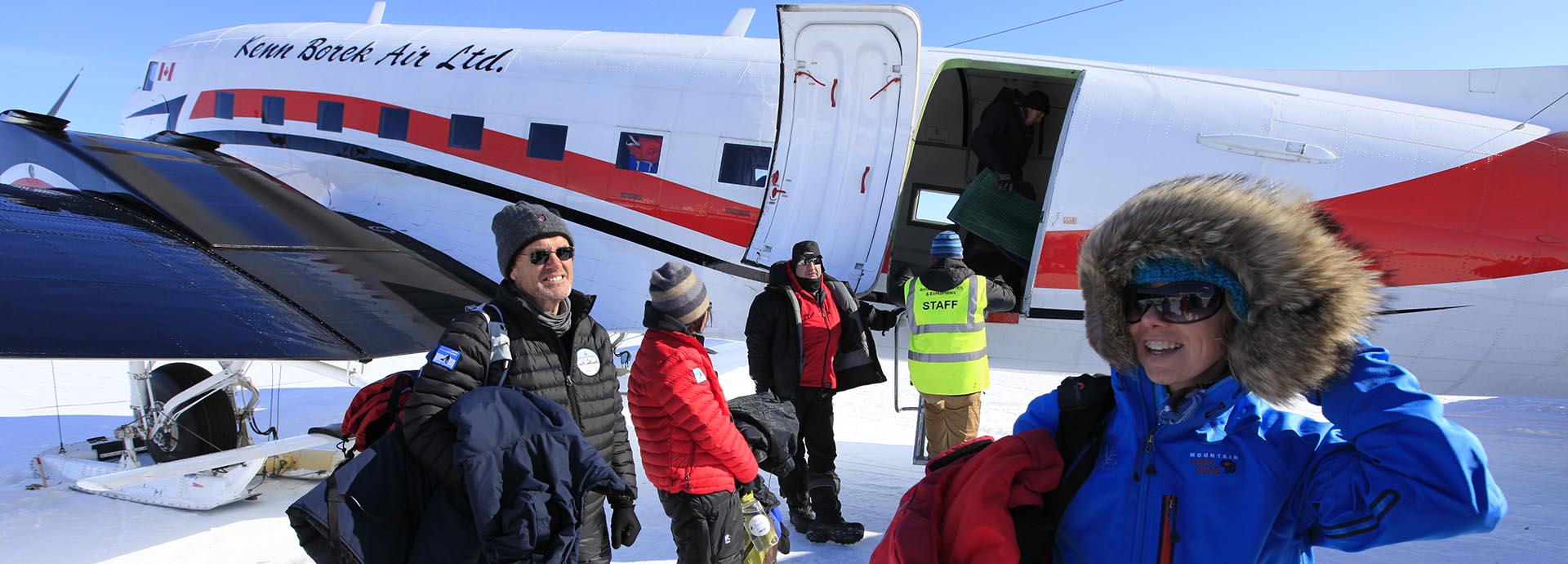
Skip the infamous Drake Passage and FLY to Antarctica to make the most of your Antarctica holidays! Once onboard your ice-strengthened vessel explore the scenically unrivalled, hypnotically beautiful and remotest continent on Earth, in the company of naturalists, historians and scientists....Read More
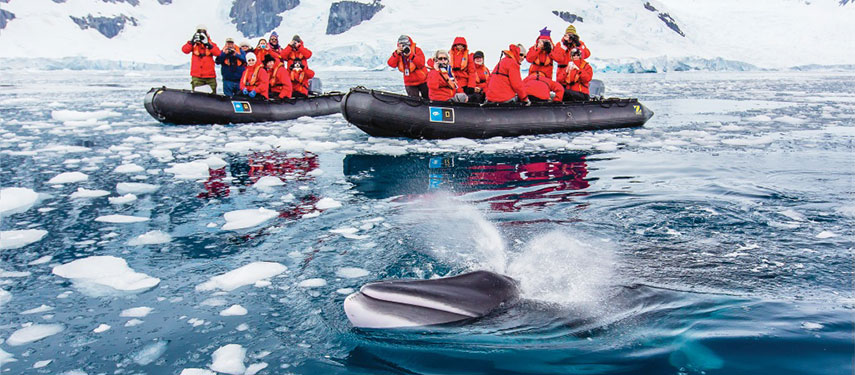
Antarctica: The White Continent with National Geographic
Set Departure | A National Geographic voyage
A voyage through Antarctica is one of the most exhilarating adventures on Earth. Remote, unpopulated, and spectacular, it is a wildlife paradise that lures adventurers to its vast wilderness of ice and snow – Antarctica holidays are a unique opportunity for the discerning traveller who appreciates a different experience. Lindblad Expeditions brought the first citizen explorers to Antarctica in 1966, and they remain one of the most highly respected polar outfitters best Antarctica tours that you can experience....Read More
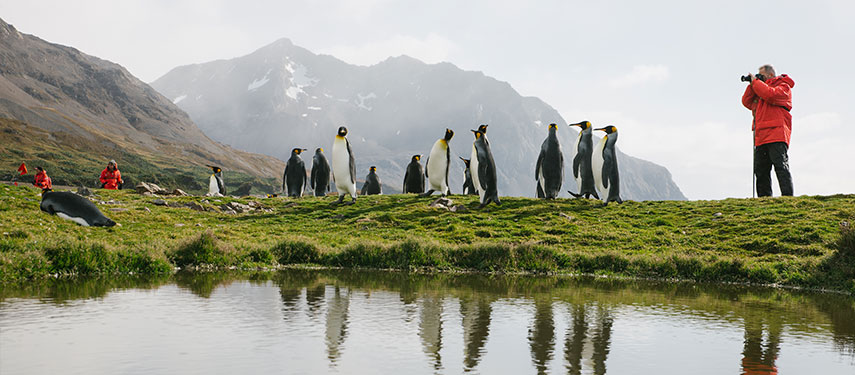
Antarctica: Awakening Expedition Cruise
Set Departure | The Falklands, South Georgia and Antarctica
‘Antarctic Awakening’ includes the Falklands, South Georgia and Antarctica itself, to provide real diversity as you explore the southernmost region on Earth. Encounter immense wildlife, explore the feats of astonishing human endeavour and camp on the ice - this is expedition cruising at its most authentic!...Read More
Antarctica: Climate Expedition
With Dr Sylvia Earle - Hero of the Planet
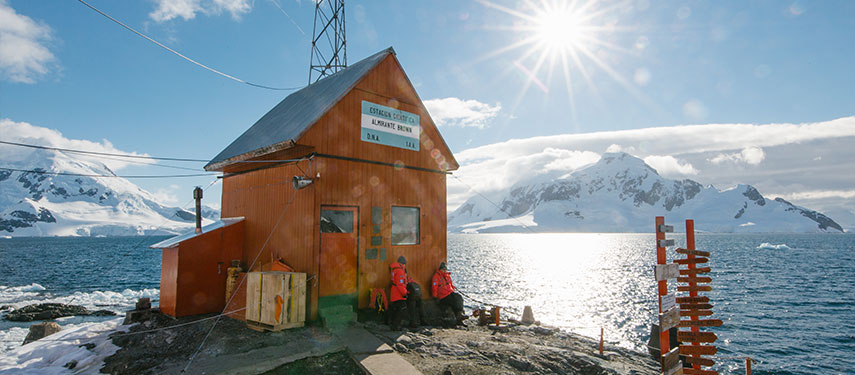
Limited to 100 expedition guests from around the world, this ‘by-invitation’ Climate Summit comprises conservationists, high-profile personalities and ocean luminaries to raise public and government awareness of the splendour and importance of the Antarctic. Although this particular itinerary has now travelled, these highly unconventional tours are truly something memorable that few will ever have the chance to experience....Read More
Antarctica: Across the Antarctic Circle
Expeditionary Cruising - Antarctic Circle & Peninsula
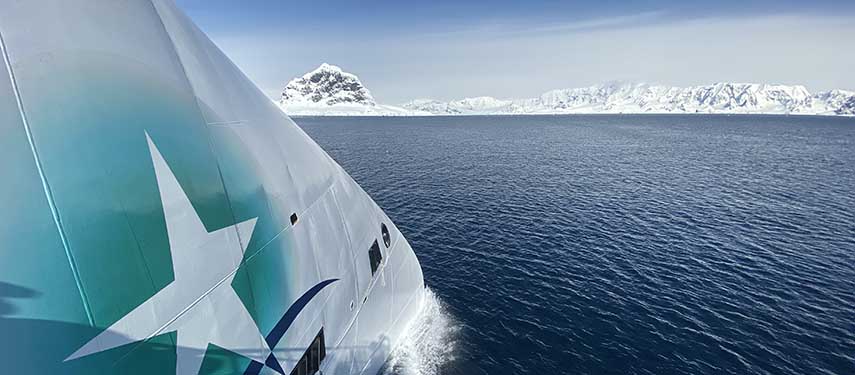
Early Antarctic explorers returned from their voyages to the deep south with tales of a magnificent, ice-covered land teeming with life. While on your bespoke Antarctica holidays you will experience the awe-inspiring immensity of Antarctica, reducing your time on the high seas by flying across the Drake Passage to Antarctica. Venturing below the Antarctic Circle is about more than just earning bragging rights. These are some of the best Antarctica tours as they offer a rare, precious chance to enter a unique and rarely seen world, one more isolated and colder than further north, with great swathes of pack-ice and surreal icebergs. Thread through narrow channels where scenes of ice-clad mountains, feeding whales and lively penguin colonies become lasting memories....Read More
Falklands, South Georgia & Antarctic Peninsula
Antarctic Peninsula & Circle, South Georgia & Falklands
21 Days
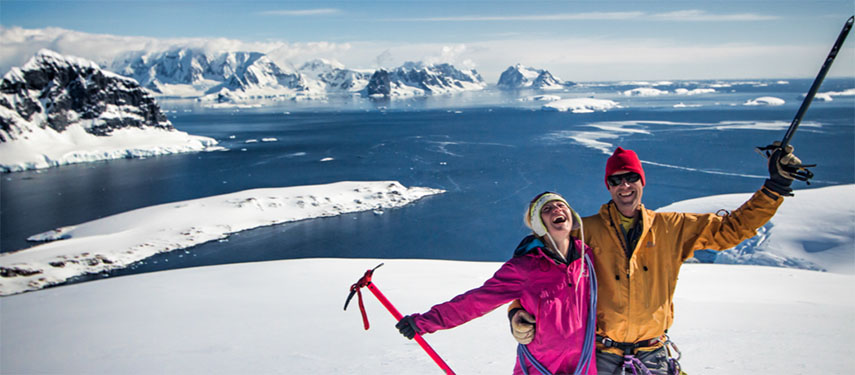
This epic voyage is one of the most iconic and popular Antarctica holidays, taking you on an incomparable journey, visiting enigmatic Sub Antarctic islands and the Antarctic Peninsula. Similar to our South Georgia and Antarctic Odyssey, this journey offers additional time offered in the Falklands~Malvinas to discover the fascinating history of the islands and to encounter the spectacular birdlife found there. Feel awed in the presence of South Georgia's king penguin colonies, some of the largest on earth. Immerse yourself in the serene grandeur of the Antarctic Peninsula as you embrace the true spirit of exploration and adventure....Read More
Antarctica: Complete
Expeditionary Cruising - Antarctic Peninsula & Circle, South Georgia & Falklands
23 Days
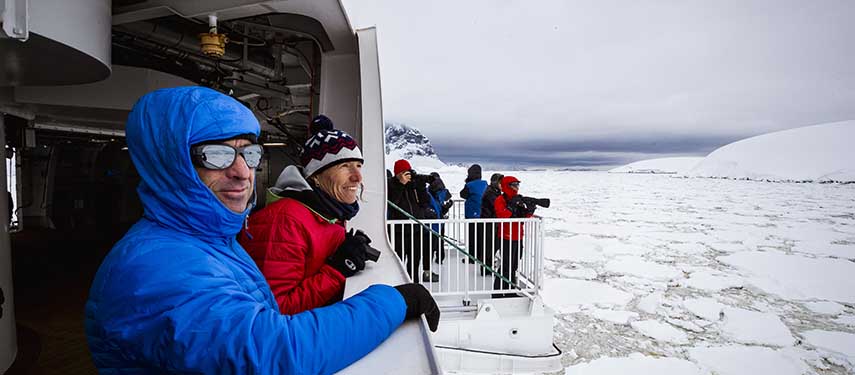
Experience unparalleled adventure and discovery on your ultimate Antarctic voyage. If you want to see it all, this is the trip for you. Be transported to enthralling subantarctic islands rich with human history and unique wildlife. Then venture into the deep south of the Antarctic Peninsula, crossing the coveted Antarctic Circle on these rare Antarctica tours from Australia. Cruise by Zodiac through vast ice-covered landscapes, visit lively penguin colonies, watch for whales and discover the rich history of this fascinating region....Read More
Spirit of Antarctica
Expeditionary Cruising - Antarctic Peninsula
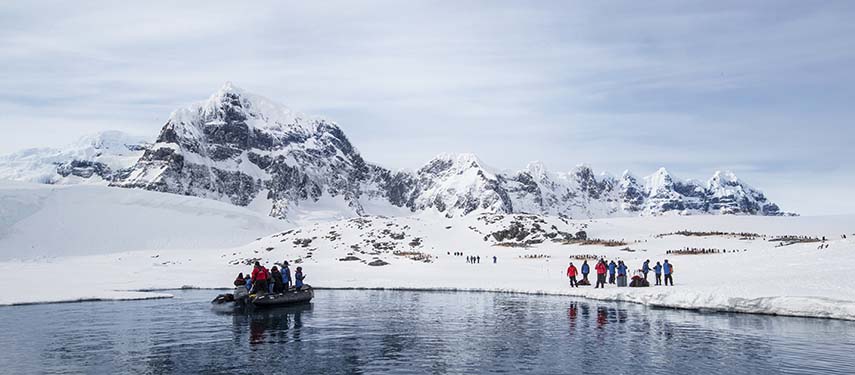
Embrace the spirit of expeditionary cruising on this classic polar exploration to the coveted white continent. Sail across the famed Drake Passage, admiring spectacular seabirds and approaching the ice as the explorers of old did: by sea. With a chance to Zodiac cruise through pack ice, set foot on the continent, choose from a range of adventure options and even perhaps camp under pastel polar skies, this is the quintessential Antarctic voyage for adventure lovers looking to undertake Antarctica tours from Australia....Read More
Antarctica: Wild Antarctica
Expeditionary Cruising - Antarctic Peninsula & Weddell Sea
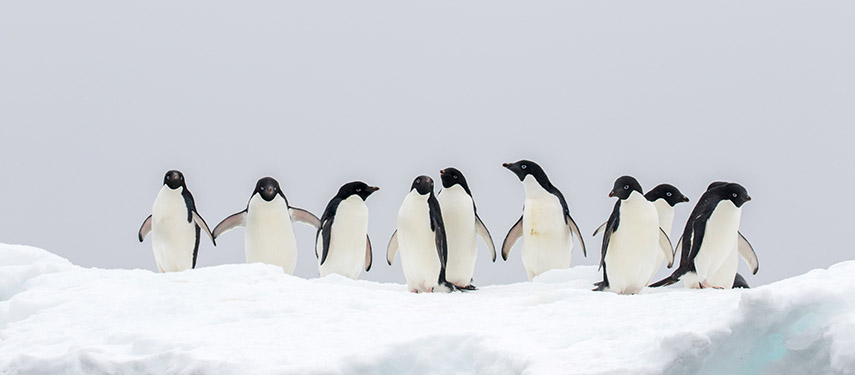
Famed for its tremendous tabular icebergs, year-round sea ice, fascinating fossils and the pivotal role in Shackleton’s Endurance expedition, the Weddell Sea offers unsurpassed opportunities for exploration. Embark on a true Antarctic expedition with these incredible Antarctica tours from Australia as we not only explore the west Antarctic Peninsula, but also attempt to venture east towards the icy perimeter of the Weddell Sea, often guarded by impenetrable pack ice and home to awe-inspiring tabular icebergs. While on your Antarctica holidays you will experience the awe-inspiring immensity of Antarctica, reducing your time on the high seas by flying across the Drake to Antarctica....Read More
South Georgia & Antarctic Odyssey
Expeditionary Cruising - Antarctic Peninsula, South Georgia & Falklands
19 Days
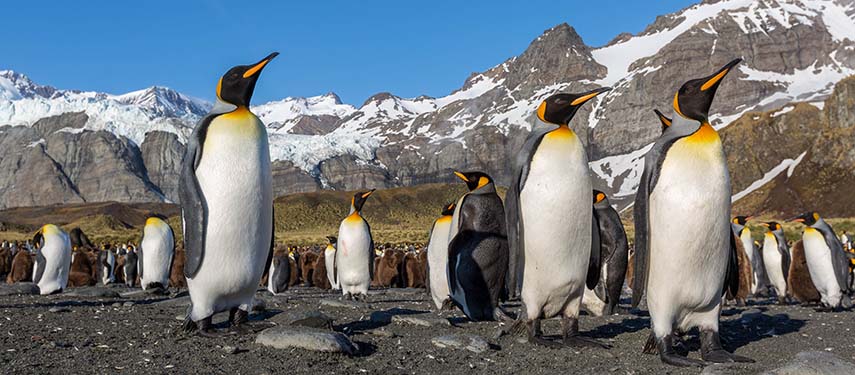
This Antarctic odyssey encompasses the best of the continental peninsula and South Georgia. Discover historic Stanley in the Falklands~Malvinas and stand in awe before the world’s largest king penguin colonies in South Georgia. In Antarctica, experience the serenity and grandeur of the most remote place on Earth, where penguins are moulting, whales fatten up before winter and playful seals frolic along the shoreline. These are the best Antarctica tours, commencing in South America first, and offering the opportunity for additional bespoke cultural experiences while on the journey....Read More
Antarctic Explorer
Expeditionary Cruising - Antarctic Peninsula
12 Days | Various Departures
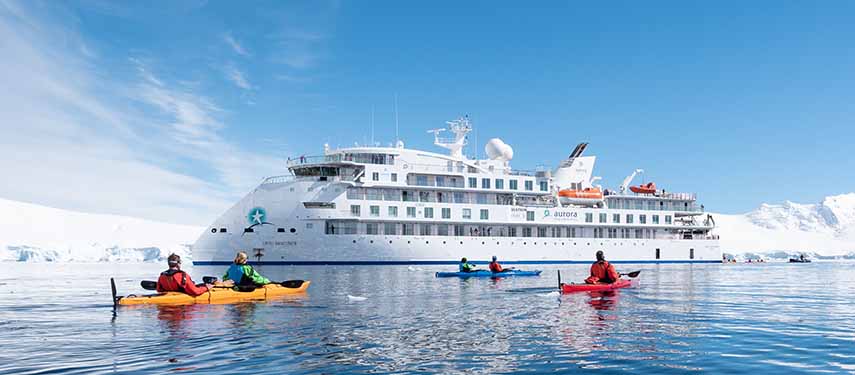
Follow in the footsteps of the early Antarctic explorers. Antarctica holidays allow you to experience the awe-inspiring immensity of Antarctica, reducing your time on the high seas by flying at least one way across the Drake Passage. By undertaking of the best Antarctica tours that we offer you will have the opportunity to immerse yourself in the unimaginable beauty of the Antarctic Peninsula, where vast glaciers tumble into the sea, penguins are dwarfed by soaring peaks and humpback and minke whales feast on abundant krill....Read More
Antarctica: Frequently Asked Questions
The Antarctic expedition season runs from November through to March, aligned with the austral summer. November brings pristine sea ice and the first penguin arrivals; December and January offer peak wildlife activity and near-continuous daylight; February and March see the largest concentrations of humpback and minke whales as they feed on abundant krill. The right timing depends on your wildlife priorities, and The Classic Safari Company will help you match the season to your expectations.
The Drake Passage is the body of open ocean separating Cape Horn from the Antarctic Peninsula — roughly 800 kilometres of some of the world’s most powerful seas. Crossing it by ship takes approximately two days each way and is considered a rite of passage by many expedition travellers. For those who prefer to maximise time in Antarctic waters, fly-cruise itineraries are available that bridge the Drake by air, arriving directly at the Peninsula and allowing more expedition days on or near the continent itself.
Vessel size varies significantly and directly shapes the quality of the experience. IAATO regulations permit a maximum of 100 passengers ashore at any one landing site at one time, and landings are restricted to vessels carrying no more than 200 passengers. The Classic Safari Company works with small-ship operators whose vessels typically carry between 100 and 200 guests, ensuring intimate landings, expert guiding ratios and meaningful wildlife encounters rather than crowd management.
Antarctica has no sovereign government and therefore no entry visa requirement. However, all expedition vessels depart from South American ports — most commonly Ushuaia in Argentina or Punta Arenas in Chile. Australian passport holders do not require a visa to enter either Argentina or Chile for short stays, making the logistics of departure straightforward. Your travel consultant at The Classic Safari Company will advise on any pre- or post-expedition South American arrangements.
Antarctica holidays extend well beyond passive wildlife observation from the deck. Depending on the vessel and itinerary, activities can include Zodiac cruising through pack ice and iceberg-studded channels, sea kayaking, overnight camping on the ice, polar plunges and, on certain itineraries, thermal pool bathing at the geothermally active Deception Island. Some specialist expeditions also offer flights to the geographic South Pole itself. The Classic Safari Company will match you with the itinerary whose activity programme best suits your appetite for adventure.
Your expedition operator will provide a detailed kit list, and most vessels supply insulated outer layers, waterproof over-trousers and rubber boots for landings — meaning packing lists are more manageable than travellers expect. Personal essentials include quality thermal base layers, polarised sunglasses (essential given ice glare and the extended daylight of the austral summer) and a dry bag for cameras and electronics on Zodiac excursions. The Classic Safari Company’s specialists will brief you on exactly what to bring and what your vessel provides.
Antarctica: A Glossary of Terms
Antarctic Treaty System — The international framework governing Antarctica, originally signed in 1959 and now ratified by 56 nations, designating the continent as a natural reserve devoted to peace and science; no military activity, mining or sovereign territorial claims are permitted.
IAATO — The International Association of Antarctica Tour Operators; the industry body that self-regulates expedition tourism to the continent, enforcing the 100-passenger-per-landing rule and establishing environmental conduct standards for all member operators.
Drake Passage — The approximately 800-kilometre body of open ocean between Cape Horn at the southern tip of South America and the South Shetland Islands; the world’s most notorious sea crossing, traversed by ship in roughly two days each way or bypassed entirely on fly-cruise itineraries.
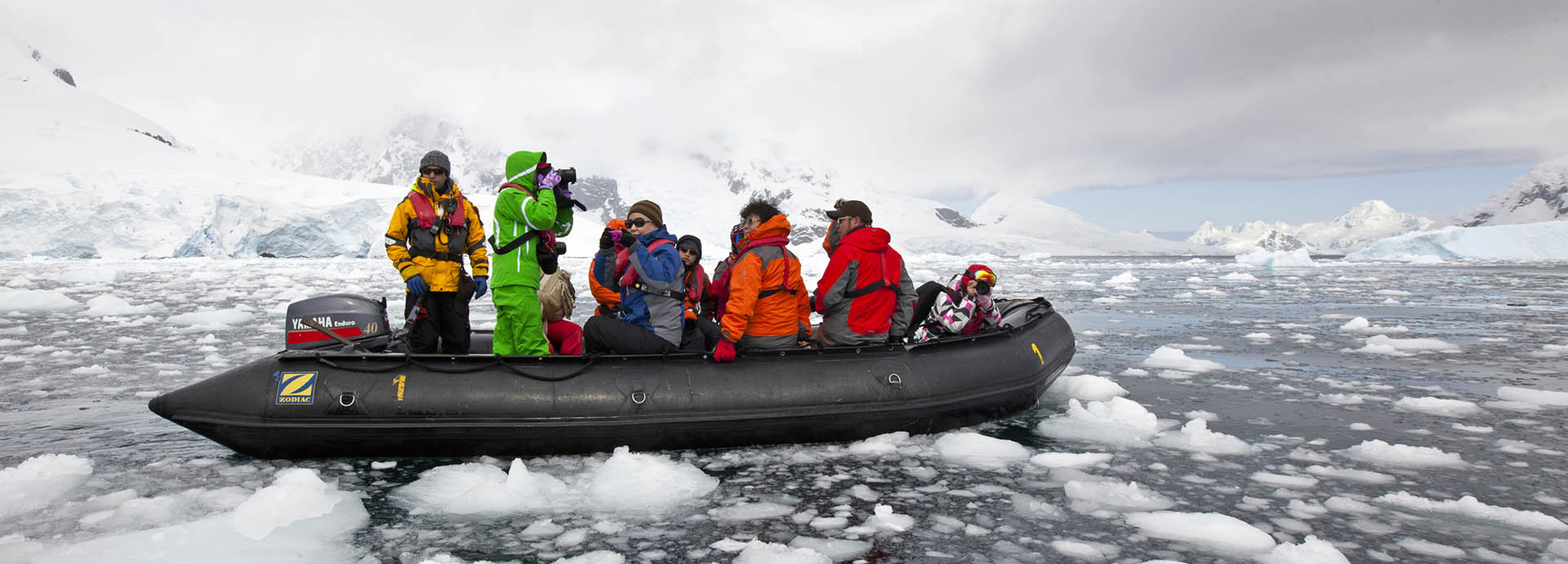
Zodiac — The inflatable, motorised rubber landing craft used by expedition vessels to ferry passengers between ship and shore; the primary means of exploring coastlines, ice floes and wildlife colonies in areas where the ship cannot anchor directly.
Antarctic Peninsula — The northernmost extension of the Antarctic continent, stretching towards South America; the most accessible and most frequently visited region, characterised by dramatic fjords, glaciated peaks and high concentrations of penguins, seals and whales.
Antarctic Circle — The line of latitude at approximately 66°33′S; crossing it during an expedition is considered a milestone, as it marks entry into a region of more extreme polar conditions, year-round sea ice and, in summer, the phenomenon of the midnight sun.
Pack Ice — Floating sea ice formed from frozen seawater rather than from glaciers or ice sheets; it shifts with wind and current, making navigation unpredictable and adding an element of genuine expedition uncertainty to any Antarctic voyage.
South Georgia — A remote sub-Antarctic island in the South Atlantic, administered by the United Kingdom, and home to the world’s largest king penguin colonies, enormous populations of fur and elephant seals, and the grave of Sir Ernest Shackleton.
Tabular Iceberg — A large, flat-topped iceberg calved from an ice shelf rather than a glacier; tabular icebergs can extend for many kilometres and are characteristic of the Weddell Sea, where they drift in extraordinary concentrations.
Krill — Tiny, shrimp-like crustaceans that form the foundational prey species of the Antarctic food web, sustaining baleen whales, penguins, seals and seabirds; their seasonal abundance in austral summer waters drives the timing of the entire expedition season.
Antarctica - the White Continent! I was awed by the unsurpassed wildlife viewing, kayaking with seals, Zodiak cruises and the icy aqua of ice-bergs.
Julia Salnicki - Polar specialist and zoologist
If you want the most sensational experience in Africa let Julia and the staff at Classic Safari Co plan it for you! Their knowledge, expertise and enthusiasm for their job means your every wish will be fulfilled.
Miriam & Joseph Harrison
It certainly was the best trip we have EVER had. The experiences were mind blowing. We want everyone we know to experience Africa - the animals, the people - magical.
Jo-anne & Dean Mifsud
Their experience and knowledge of Africa is evident and we couldn't have been happier with the total package. This has given us a taste for Africa - now we are ready for more.
Andrew & Pip Stevens
An amazing experience - the best family holiday we have ever had. We were extremely impressed by the meticulous attention to our itinerary. I can't speak highly enough of all the elements of this exciting journey!
Sheryl & Robert Taylor
We wanted the opportunity to see as many wildlife parks as possible and the Classic Safari Company provided an action-packed itinerary that included six, with 11 tiger sightings and nine leopard. This was overlaid with an introduction to Jaisalmer, Jaipur and the 'real' India. Pench and Panna were the hidden gems of a really great trip, very well organised, seamless and enjoyable. As a solo traveller I felt incredibly safe at all times. I want to go back!
Mark Taylor
Absolutely everything was first class & so well organised.
Simon & Jackie Adams
Thank you so much for putting together the most memorable holiday for us. The experiences we have had in the last couple of weeks have gone beyond all expectations.
Jane & Col Loveday
The trip of a lifetime, couldn't have dreamt of a better adventure if I tried.
Emma Jeffcoat
Very knowledgeable and patient. Our trip was all that we hoped for. Wonderful!
Jane & Robert Happell
Thank you for making our trip to Africa so spectacular. The attention to detail really made it special. It really was the trip of a lifetime.
Paul Cozzi