Mozambique
The Pearl of the Indian Ocean
Discovering Mozambique | In Summary
- The Bazaruto Archipelago is home to one of the last viable populations of dugong in the Indian Ocean — a critically endangered marine mammal that grazes on the seagrass meadows of this protected marine national park off Mozambique’s central coast.
- Humpback whales migrate through Mozambican waters between June and November, making this one of the only destinations in Africa where whale watching, world-class reef diving and big game viewing can all be woven into a single itinerary.
- Mozambique’s capital, Maputo, is one of Africa’s most architecturally distinctive cities — its broad boulevards lined with jacaranda trees and Modernist buildings designed by some of the 20th century’s most celebrated Portuguese architects, including a train station attributed to Gustave Eiffel’s office.
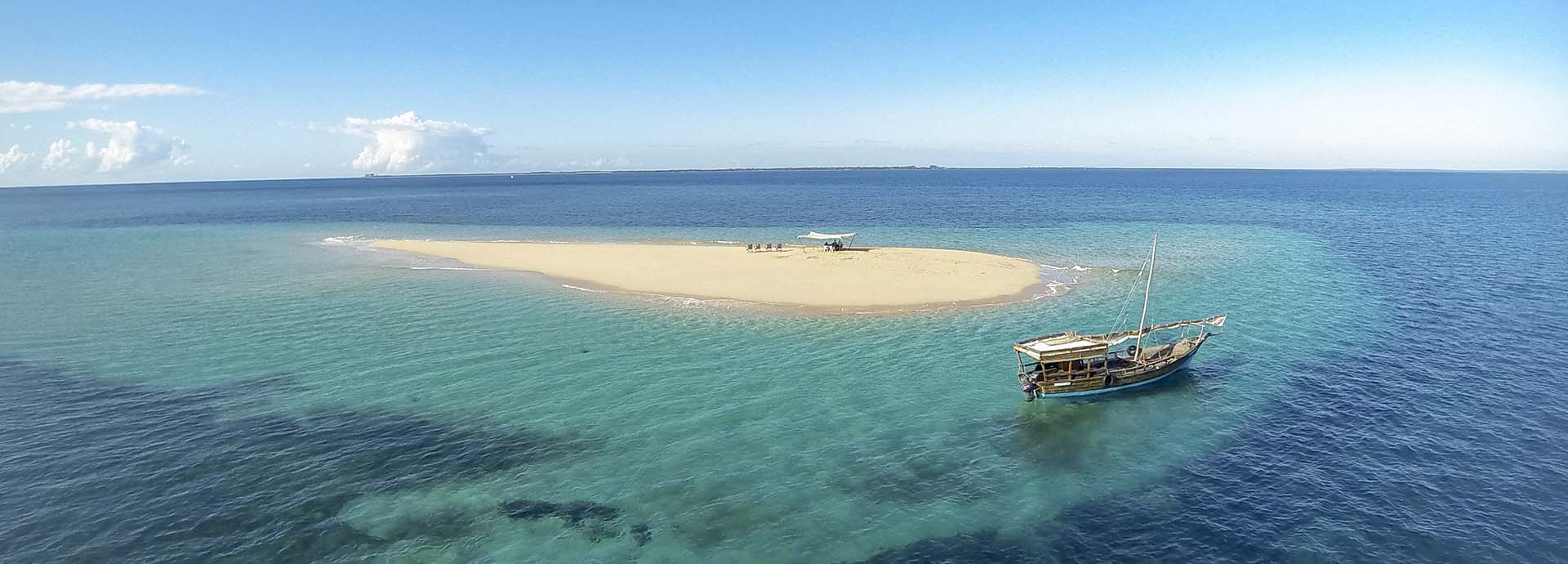
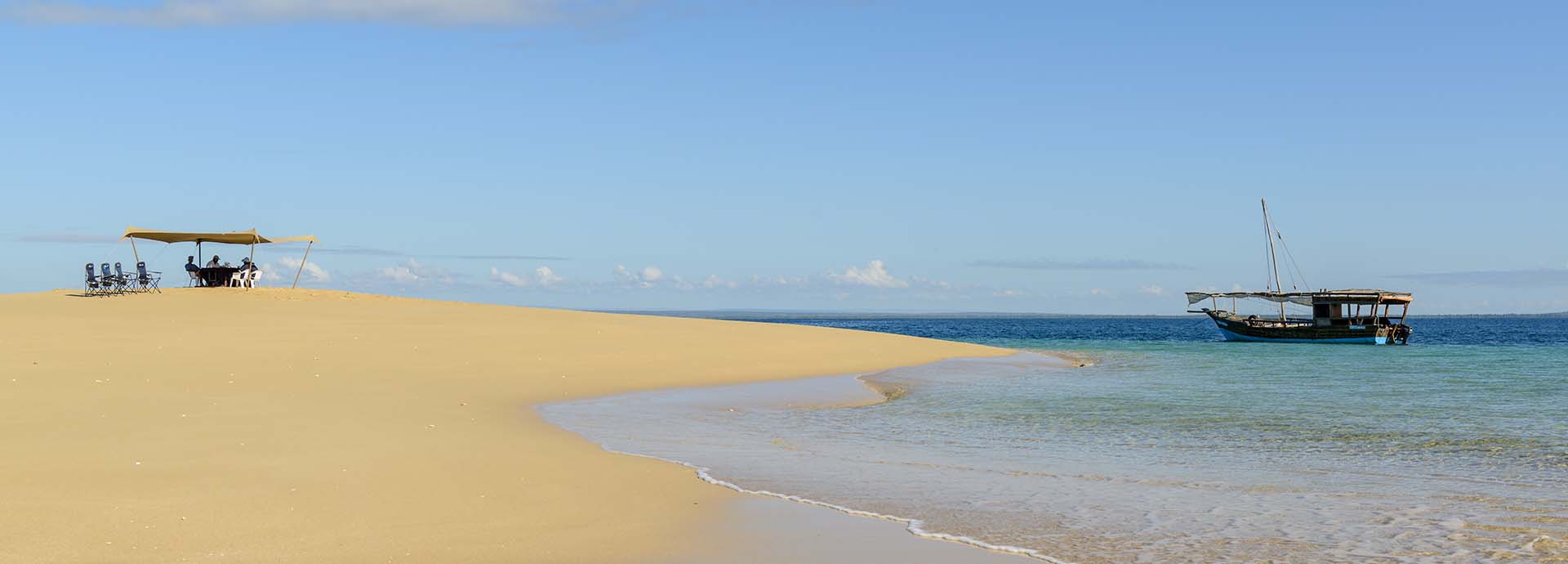
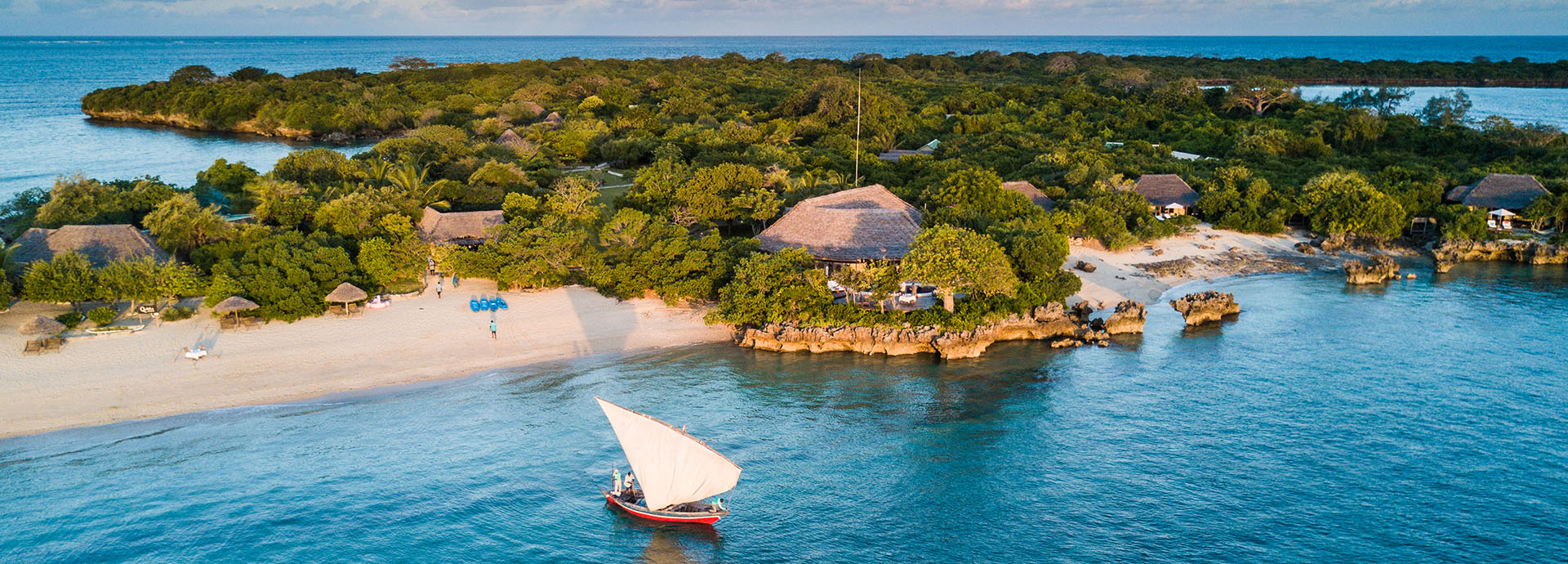
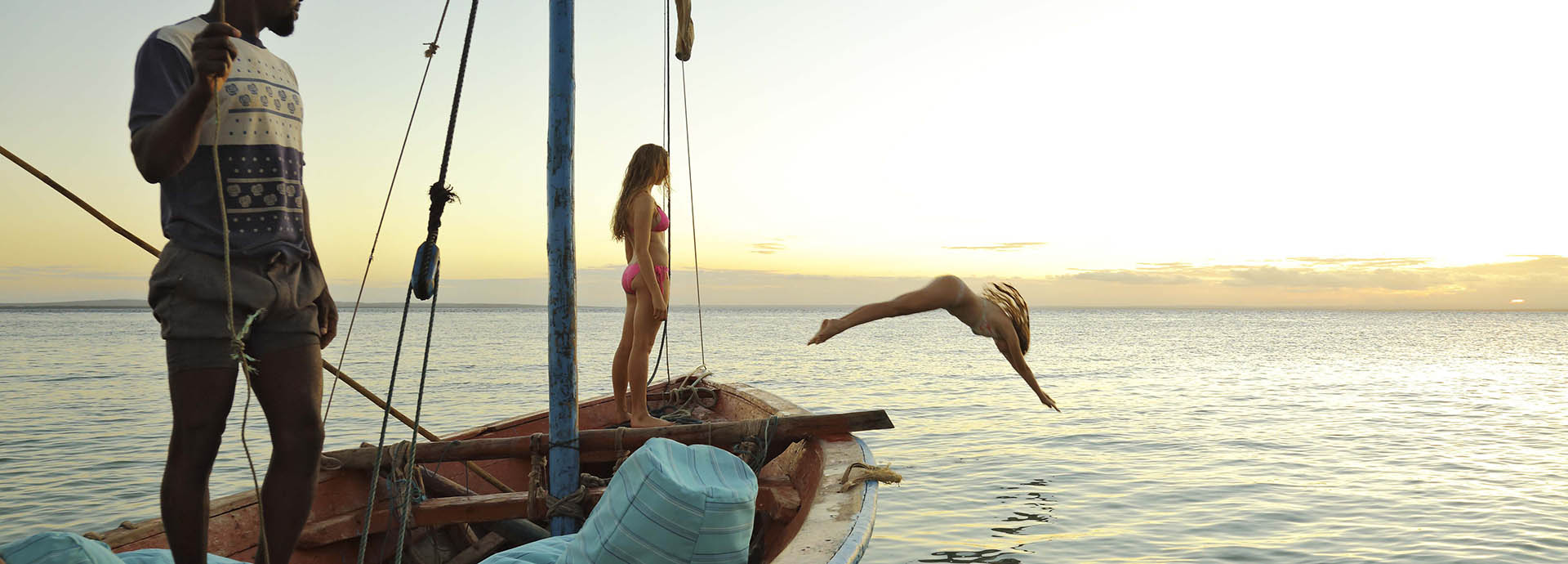
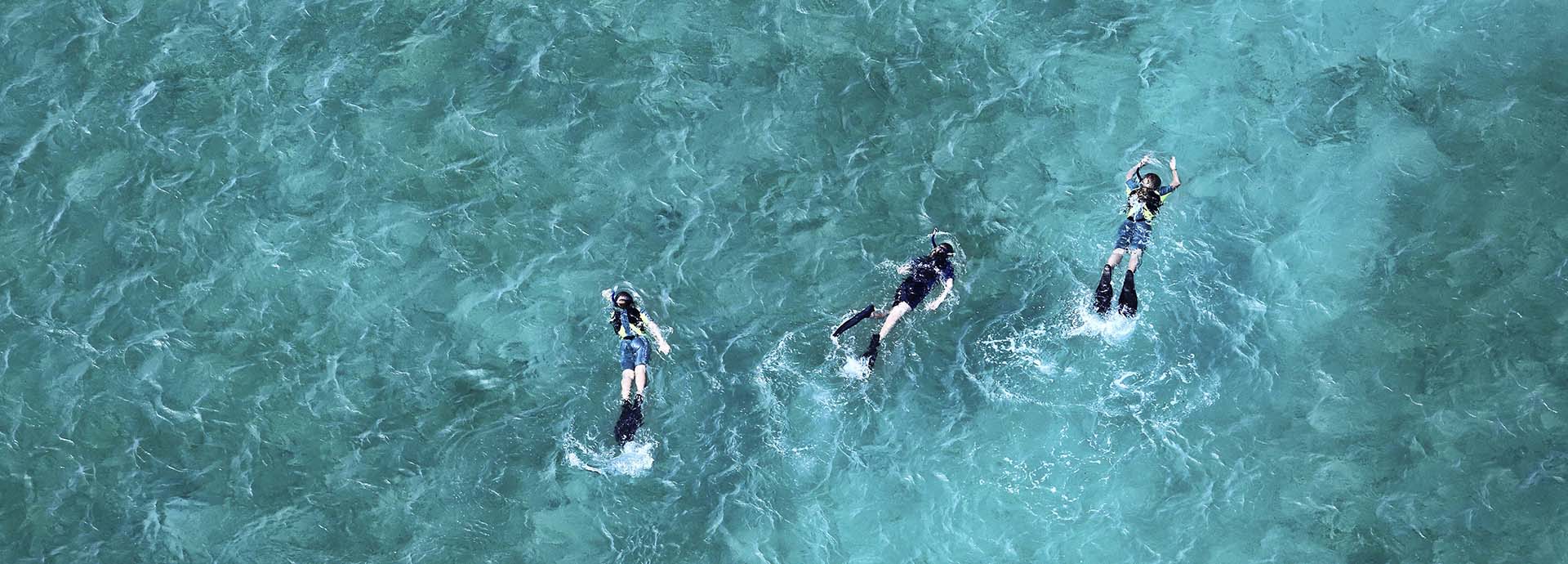
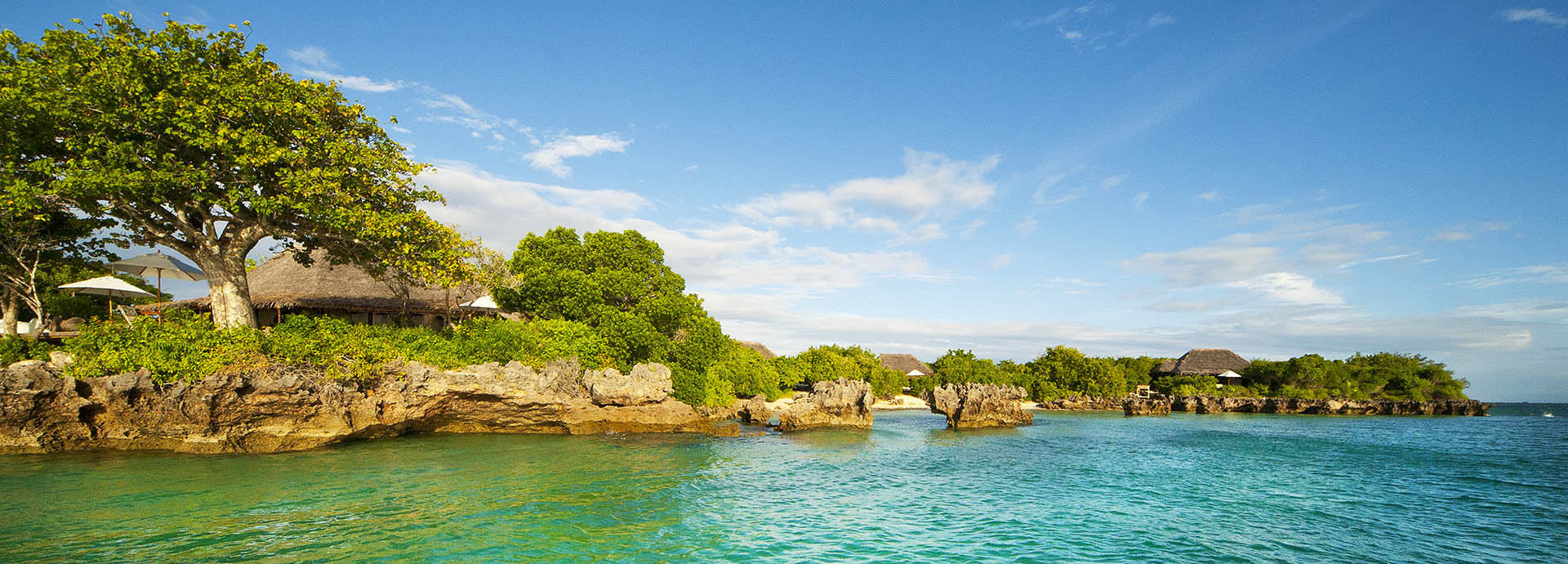
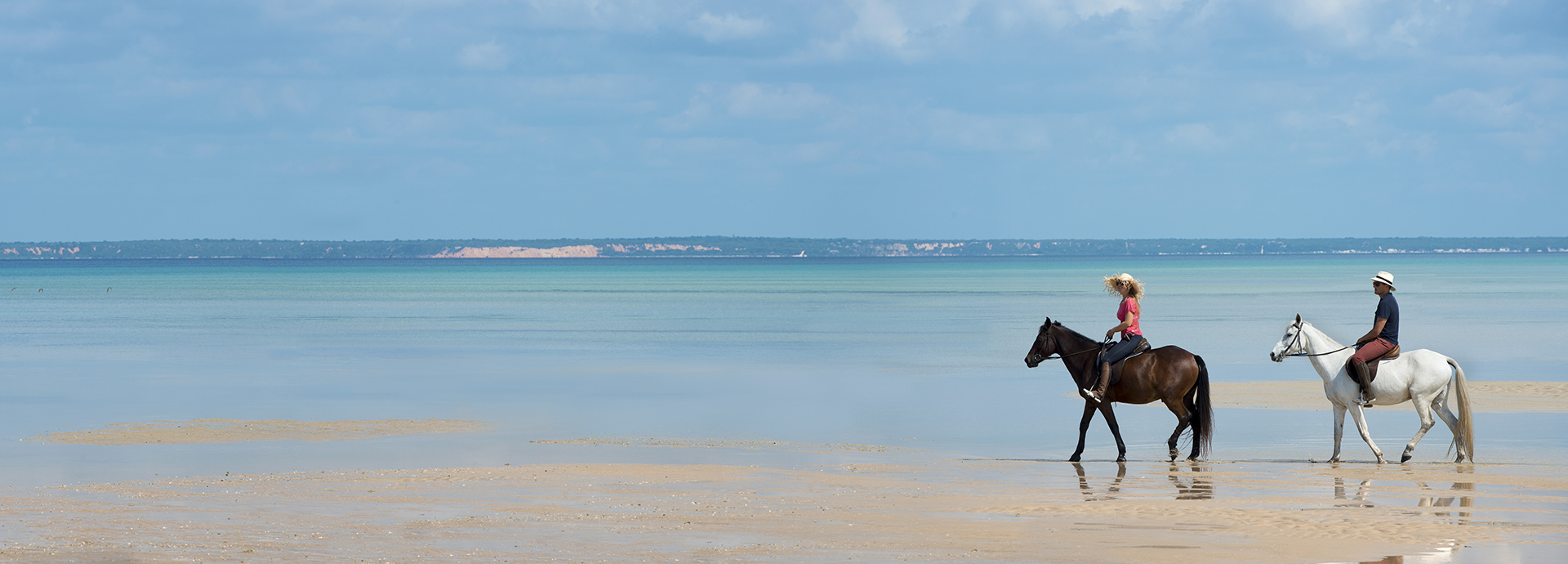
Mozambique’s beaches are the main pull for most travellers. Endless swathes of white sand sweep dreamily along the coastline, palm-fringed freshwater beaches hug Lake Malawi and the Quirimbas Archipelago is a remote paradise of azure waters, mangrove forests and community-based conservation projects. The waters teem with colourful fish, whale sharks, manta rays, dolphins and turtles, and miles of unspoilt coral gardens offer some of the best snorkelling and diving on the planet. Further afield Mozambique offers great surfing, big game fishing, catamaran charters and traditional dhow safaris.
Safari lovers will enjoy the now fully rehabilitated Gorongosa National Park which is home to elephant, lion, zebra, buffalo, wildebeest and more than 300 species of bird – a veritable garden of Eden! Meanwhile the Chimanimani Mountains provide scenic landscapes for walking, and Ibo Island, with its faded colonial charm, offers an unmissable dose of history warmed by community spirit.
A paradise of white sand, azure waters, wildlife success stories, rich heritage and exquisite boutique boltholes, Mozambique has earned its reputation as the ‘Pearl of the Indian Ocean’.
You Will Love
- Turquoise water and white sandy beaches
- Island havens and colonial towns
- Fascinating marine life
- Pristine coral reefs
- Luxurious beach hotels
Let us design your perfect itinerary.
Unforgettable experiences in Mozambique
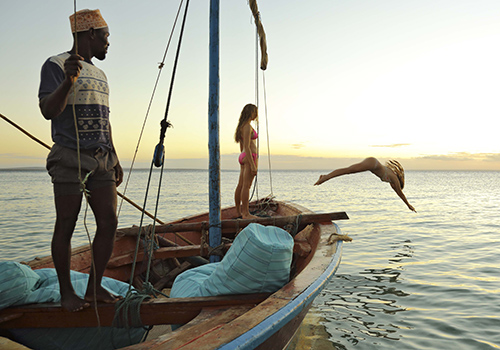
Sail on a traditional Dhow boat
Sail on a traditional Dhow boat
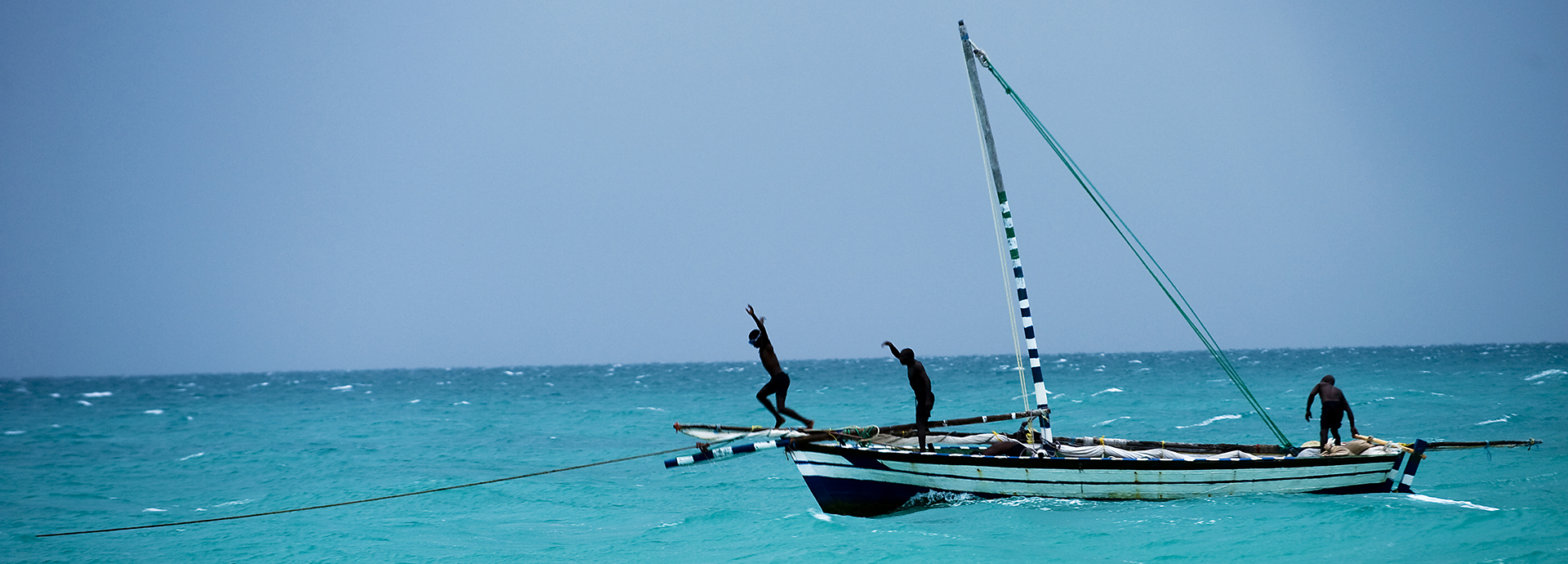
The ultimate Mozambique adventure. The pristine islands of the Quirimbas archipelago stretch along the far north coast of Mozambique and are one of the last undeveloped places in Africa. Under the expert leadership of a pro guide ...
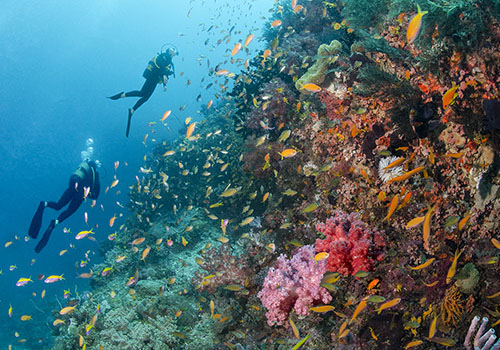
Scuba dive on the bountiful coral reefs
Scuba dive on the bountiful coral reefs
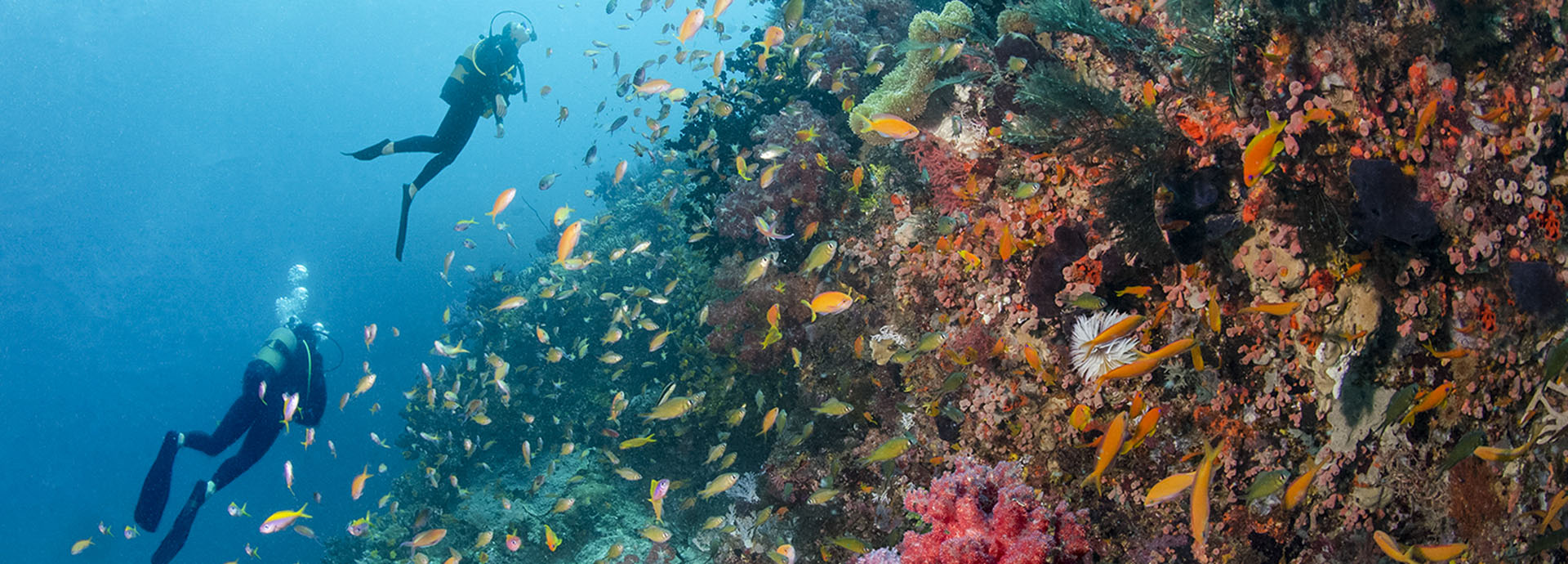
Mozambique is considered one of the finest diving destinations in the world thanks to its highly protected crystal clear water and pristine reefs. Along with a kaleidoscope of brightly coloured fish, there is an abundance of mari...
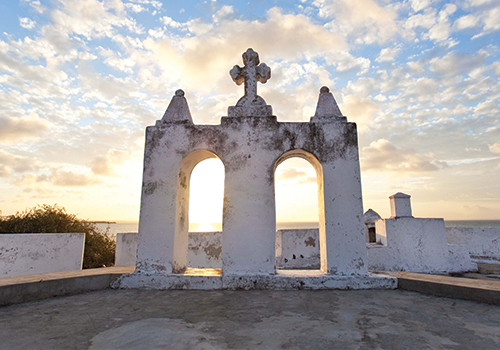
Explore Ibo’s ancient cultures
Explore Ibo’s ancient cultures
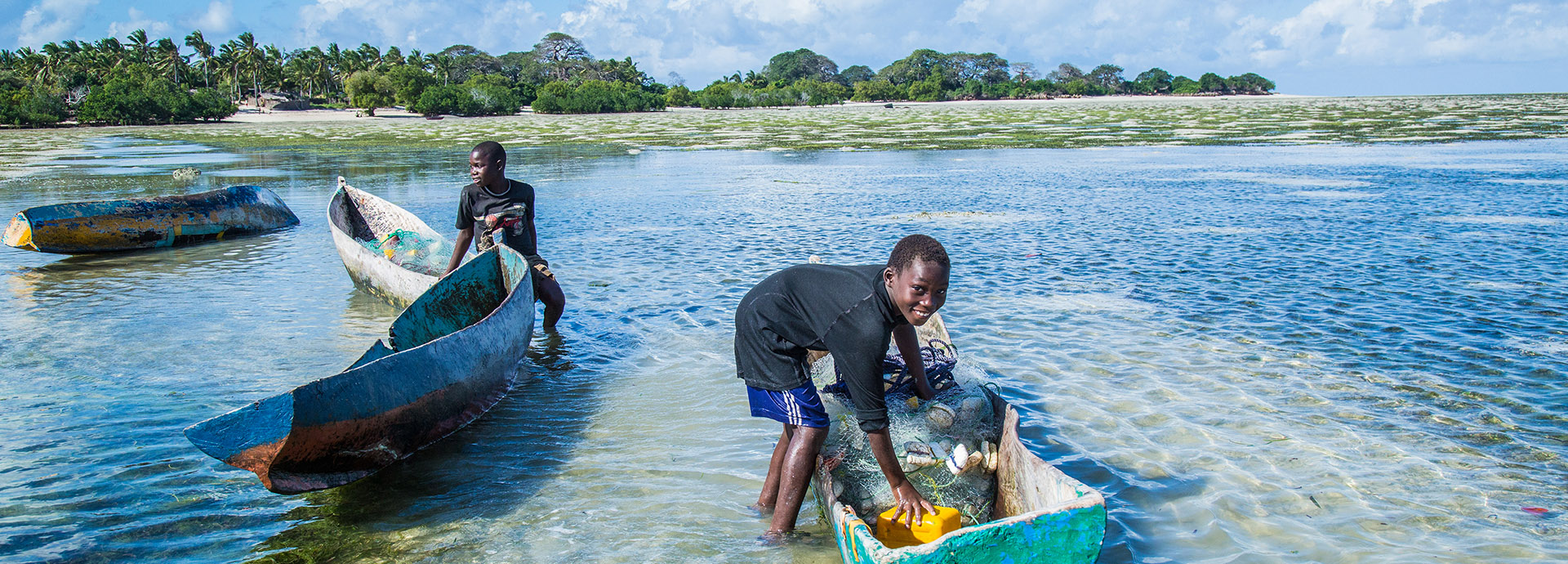
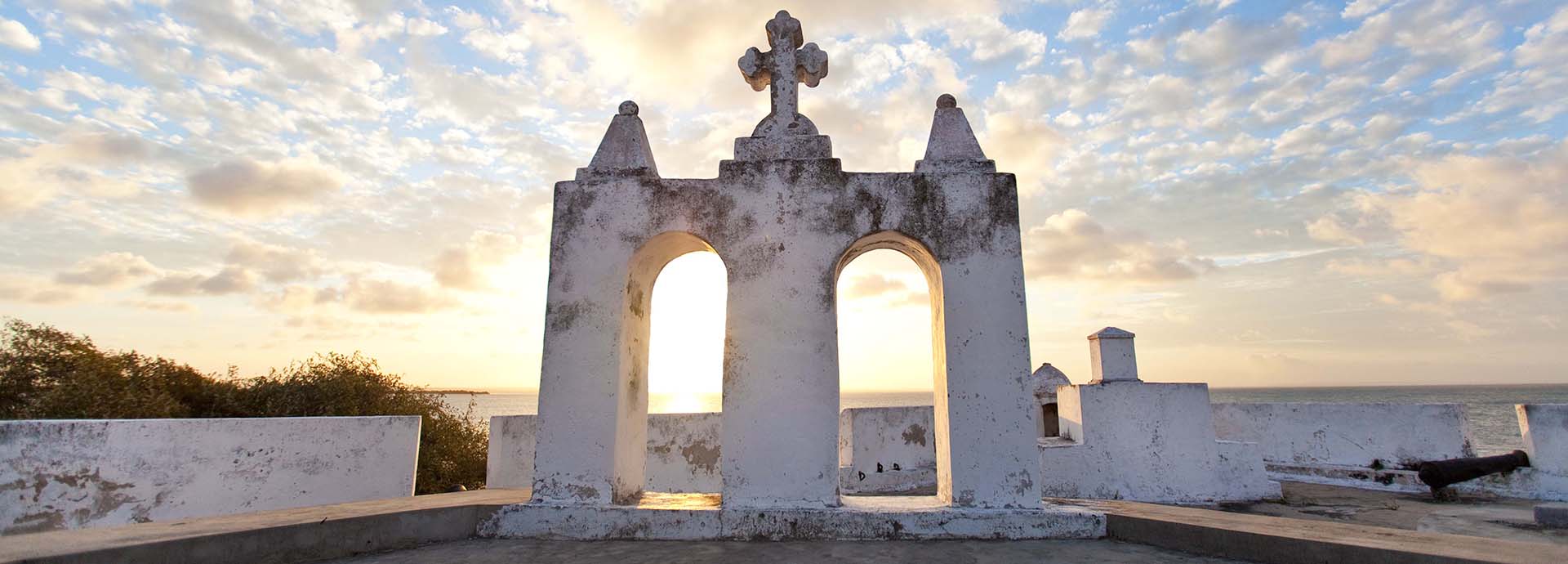
Ibo Island is a fascinating outpost with a chequered history. It bears evidence of Portuguese, Indian, African and Arabic influence, as well as several storied war wounds, but today it is once again a peaceful fishing community wh...
Stroll the streets of Maputo
Stroll the streets of Maputo
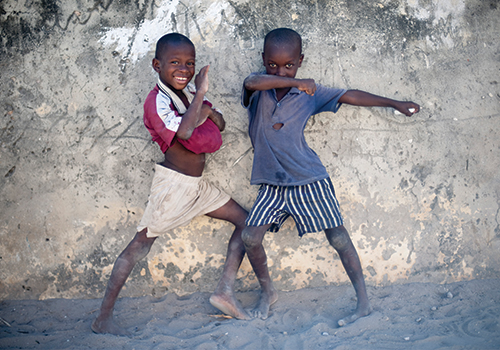
Maputo’s iconic Mafalala area is the equivalent of South Africa’s Soweto, where disadvantaged communities come together in a show of cultural pride. A group of young entrepreneurial locals run walking tours with the objective ...
A selection of our favourite places to stay in Mozambique
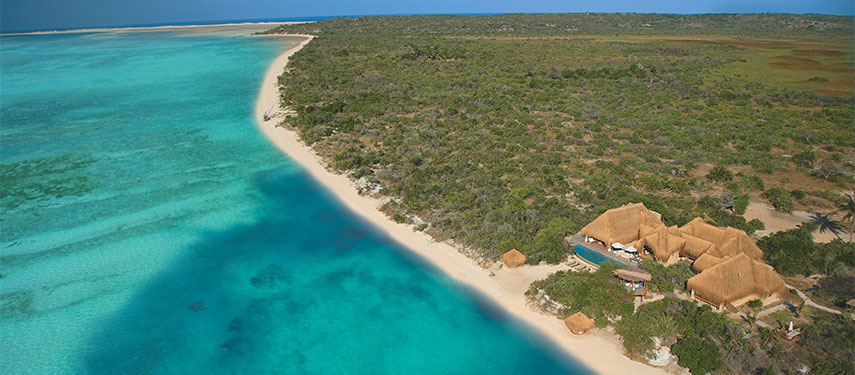
Azura Benguerra – Bazaruto Archipelago
Bazaruto Barefoot luxury
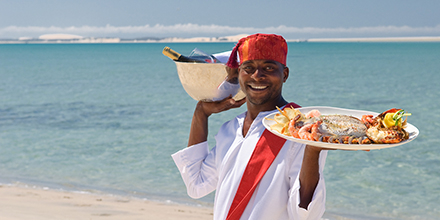
At Azura Benguerra deserted beaches of pure white sand extend for miles and sparkling turquoise seas are criss-crossed by local dhow boats. The villas are nestled along a stunning stretch of beach complete with private pools and butler-hosts. Offering sublime seafood and a fantastic range of activities - Azura is paradise found.... Read More
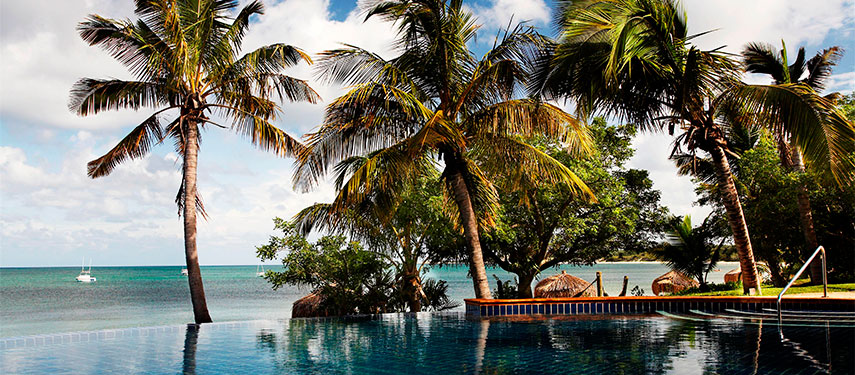
Anantara Bazaruto Island – Bazaruto Archipelago
Turquoise Bliss
Offering a quintessential Indian Ocean island getaway, this resort offers world-class understated luxury, designed in natural harmony with its unspoilt surrounds. Discover some of the world’s best scuba diving, master water skiing or wake boarding, set out in search of dolphins or catch the wind in your sails at sunset aboard a traditional dhow boat.... Read More
A collection of safaris in Mozambique
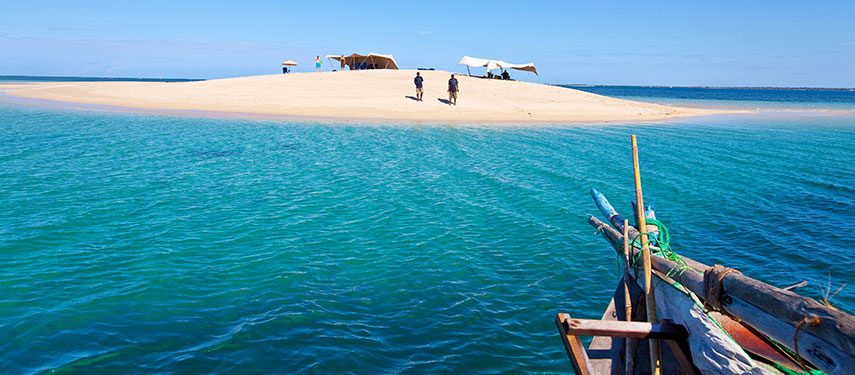
Ibo Island Dhow Safari
Set or Private Departure | Island Hopping
Explore the pristine islands of Mozambique's Quirimbas archipelago aboard a traditional Arab dhow in the slow, ancient way of ocean traders. You have the option of joining a scheduled departure or tailor making an adventure to suit....Read More
Mozambique: Frequently Asked Questions
Mozambique is a year-round destination, but the dry season from April to November is generally considered the most comfortable time to visit. The sea is at its calmest and clearest for diving and snorkelling between May and October. Humpback whales pass through from June to November, while Gorongosa National Park is best visited during the dry season when wildlife congregates around water sources. The wet season (December to March) brings lush scenery, fewer crowds and lower rates, though some roads and camps in the north may be inaccessible.
Mozambique offers two distinct island groups, each with its own character. The Quirimbas Archipelago in the far north is remote, culturally rich and largely undeveloped — ideal for dhow safaris, diving and exploring historic Ibo Island. The Bazaruto Archipelago in the south is more accessible from Vilanculos and is renowned for barefoot luxury resorts, superb fishing and the chance to encounter dugong. Both reward travellers with exceptional marine life, white sand and a pace of life that is entirely their own.
Mozambique is an excellent family destination, particularly for families with older children who have an interest in marine life and watersports. The calm, sheltered waters of the Bazaruto Archipelago are safe for snorkelling and kayaking, and many of the island resorts cater well to families. Combining Mozambique with a wildlife safari in neighbouring South Africa or Zimbabwe makes for a compelling bush-and-beach family itinerary. Classic Safari Company can tailor an experience to suit ages and interests.
There are no direct flights between Australia and Mozambique. Most travellers connect via Johannesburg (O.R. Tambo International Airport), which has good onward connections to Maputo, Vilanculos and Pemba. Flight time from Sydney to Johannesburg is approximately 14 hours, with onward regional flights adding two to three hours depending on your destination. Classic Safari Company handles all flight logistics as part of a fully tailored itinerary.
Mozambique is the ideal complement to a traditional African safari and is one of the continent’s premier bush-and-beach destinations. Its proximity to South Africa, Zimbabwe and Zambia makes it easy to pair a wildlife safari on the Zimbabwean parks or the Kruger with a wind-down on the Mozambican coast. The contrast — from the raw drama of the African bush to the languor of a private island — is precisely what makes this combination so compelling.
Mozambique’s waters are among the richest in the Indian Ocean. Divers regularly encounter whale sharks, manta rays, humpback whales, dolphins, turtles, dugong and dense shoals of reef fish. The coral reefs of the Quirimbas and Bazaruto archipelagos are in outstanding condition thanks to their marine national park status. Drift dives, wreck dives and shallow coral garden dives cater to every level, and visibility in the dry season is exceptional.
Mozambique: A Glossary of Terms
- Quirimbas Archipelago — A remote chain of 32 coral islands and islets stretching along Mozambique’s far northern coastline, protected within a national park encompassing pristine reefs, mangrove forests and traditional Swahili island communities.
- Bazaruto Archipelago — A group of six islands off Mozambique’s central coast, gazetted as a marine national park and one of the last significant refuges of the endangered dugong in the Indian Ocean.
- Dhow — A traditional lateen-sailed Arab vessel used for centuries by Indian Ocean traders; today the iconic way to navigate Mozambique’s island coastline on a slow, immersive sailing safari.
- Gorongosa National Park — One of Africa’s most celebrated wildlife recovery stories, this vast park in central Mozambique was devastated by civil war and has since been dramatically restored through long-term conservation partnerships, now supporting elephant, lion, hippo, zebra and over 400 bird species.
- Dugong — A large, slow-moving marine mammal related to the manatee that grazes on seagrass meadows; Mozambique’s Bazaruto Archipelago holds one of the last viable populations in the Indian Ocean.
- Ibo Island — A small coral island in the Quirimbas Archipelago layered with centuries of Portuguese, Arab, Indian and African influence; its star-shaped fort, crumbling colonial mansions and traditional silversmiths make it one of Mozambique’s most atmospheric destinations.
- Mafalala — A historic neighbourhood in central Maputo celebrated for its vibrant community culture, vernacular architecture and community-led walking tours that bring its remarkable social and political history to life.
- Vilanculos — The main coastal gateway town to the Bazaruto Archipelago, a relaxed base for day trips, dhow excursions and flights to the islands, with its own lively market and strong fishing culture.
- Pemba — Mozambique’s northernmost coastal city and the primary gateway to the Quirimbas Archipelago, known for its deep natural harbour, Swahili-influenced culture and warm-water diving close to shore.
- Chimanimani Mountains — A rugged highland range straddling the Mozambique–Zimbabwe border, offering wild walking trails through montane forest, dramatic sandstone escarpments and some of the region’s finest birding.
Service was first class! Thank you, thank you, thank you Jeffrey for your recommendations. Mozambique was so beautiful & relaxing. A perfect way to end the holiday.
The Hood family
Their experience and knowledge of Africa is evident and we couldn't have been happier with the total package. This has given us a taste for Africa - now we are ready for more.
Andrew & Pip Stevens
You can't improve on perfection. I had my best birthday and holiday with my family celebrating my 80th birthday in Africa. Everything that Julia organised was perfect and the whole trip was a highlight!
Buckingham Family
The trip exceeded my expectations and was the best family holiday I have ever had. Our children simply loved it and now I know more about African wildlife than they do about our own farm animals.
Rowntree family
Classic Safari is the place to go to for "top end" adventure travel.
Ron & Alison Guthrie
The Classic Safari Company is the best I have dealt with. Extremely knowledgeable & professional, friendly, patient & understanding of first timers to Africa.
Annette Whiley
Thank you for making our trip to Africa so spectacular. The attention to detail really made it special. It really was the trip of a lifetime.
Paul Cozzi
Julia you did a fantastic job - everything was first class. Well organised, efficient and stress free. We all agreed it was the best holiday we've ever had. Cant wait to travel with CSC again.
Milford family
We wanted the opportunity to see as many wildlife parks as possible and the Classic Safari Company provided an action-packed itinerary that included six, with 11 tiger sightings and nine leopard. This was overlaid with an introduction to Jaisalmer, Jaipur and the 'real' India. Pench and Panna were the hidden gems of a really great trip, very well organised, seamless and enjoyable. As a solo traveller I felt incredibly safe at all times. I want to go back!
Mark Taylor
Would do it all again and not change a moment. Best holiday ever!
The McGowan Tribe
The trip of a lifetime, couldn't have dreamt of a better adventure if I tried.
Emma Jeffcoat