India

A selection of our favourite journeys in India
Safaris Forts & Palaces in Style
Inspiration Itinerary | India at its finest
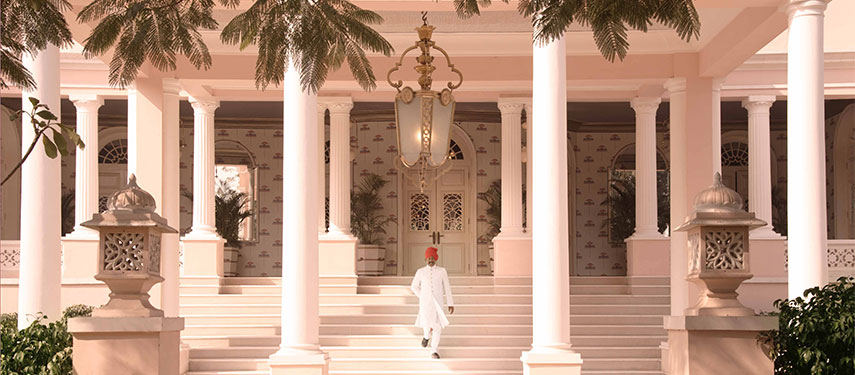
Explore the highlights of the Golden Triangle and the home of Bollywood, Mumbai, while staying in some of the very best accommodation India has to offer. From iconic palaces and forts to small boutique hotels and luxury camps you will enjoy time at leisure to appreciate your accommodation whilst also indulging in a wealth of exceptional experiences....Read More
Wild India!
Set Departure | Mobile Hiking Safari, India
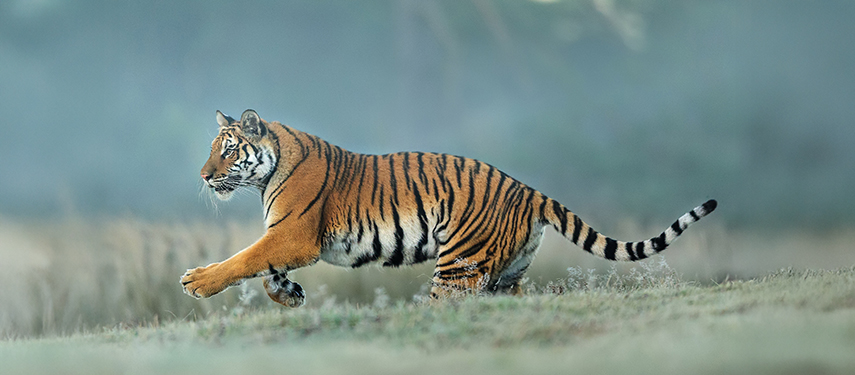
Tropical Ice’s ‘Wild India!’, is the sister expedition to ‘The Great Walk of Africa’. Bearing all the same hallmarks of challenging but beautiful walking, heritage hotels, luxurious tented accommodation and the unique opportunity to explore areas on foot that tourists simply do not visit. These are India’s definitive walking safaris - bespoke luxury India tours for the intrepid!...Read More
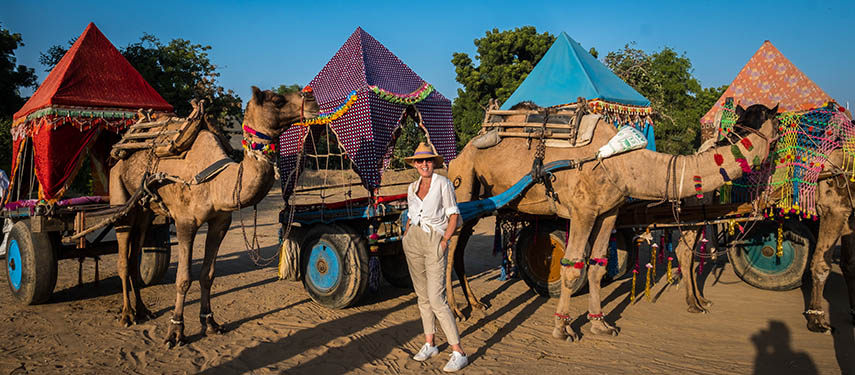
Classic India & Pushkar Camel Fair
Inspiration Itinerary | Camels, Culture & Iconic Cities
The Pushkar Camel Fair is an Indian spectacle on an epic scale! Thar camel drivers converge on the holy town of Pushkar for just two weeks every November. It is a once in your lifetime opportunity to witness the colour and carnival of one of India's last great traditional fairs and, combined with a journey through some of India's most iconic cities, you have the makings of a perfect recce of Rajasthan – what better way to bring a touch of eccentricity to our bespoke luxury India tours?...Read More
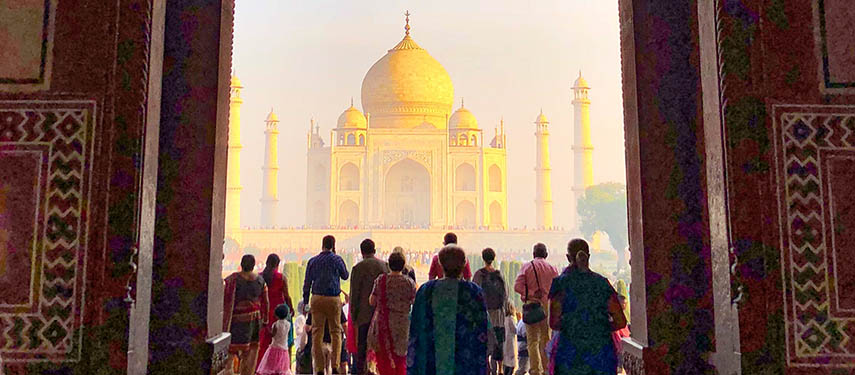
Icons of India
Inspiration Itinerary | Quintessential Indian Icons
A journey that focuses on four iconic destinations including two of India's most awe inspiring achitectural endeavours - Agra's Taj Mahal and Amritsar's Golden Temple whilst exploring the highlights of the Lake City of Udaipur and the Pink City of Jaipur. Explore four iconic monuments - one the ultimate monument to love, Amber Fort - the most impressive edifice in the Golden Triangle, the picturesque lake in Udaipur and the pre-eminent spiritual site of Sikhism; all whilst staying in accommodation that has absolute flair and finesse....Read More
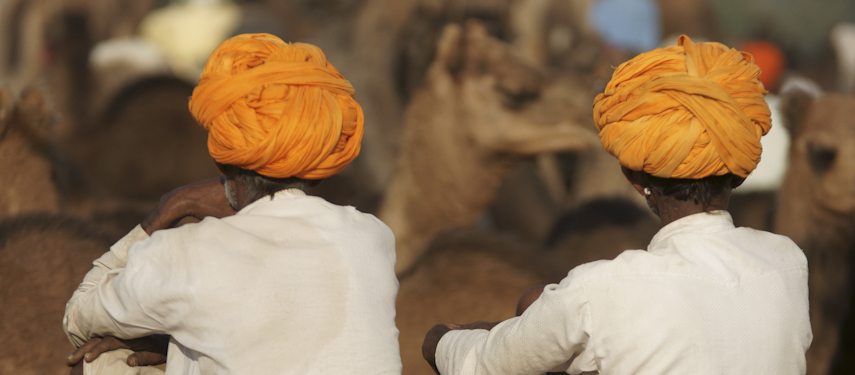
Sensational India
Inspiration Itinerary | India from north to south
From Amritsar's Golden Temple in the north to the sleepy backwaters of Kerala in the south you willl discover India's geography and scenery is as colourful and diverse as her history and culture. Encompassing a multitude of icons, mouth watering cuisines and a delightful array of palaces, forts and havelis, on this trip you will experience the best of India - from top to bottom!...Read More
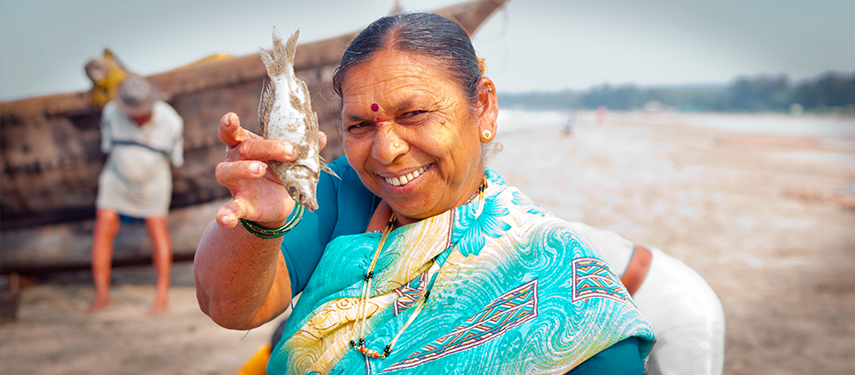
India: Southern Sojourn OLD
Inspiration Itinerary | Explore the best of Southern India
From the Arabian sea to the Indian ocean explore ornate temples, sample culinary delicacies and marvel at the spectacular landscapes of Southern India. Travel from the Tamil Nadu capital of Chennai visit French influenced Pondicherry, the anomaly that is Auroville, delightful Chettinad, the towering temples of Madurai, the spice plantations of Thekaddy, the unique backwaters of Kerala all before ending in the fascinating port town of Cochin.
These luxury India tours offer a very different experience to the north - Southern India will impress!...Read More
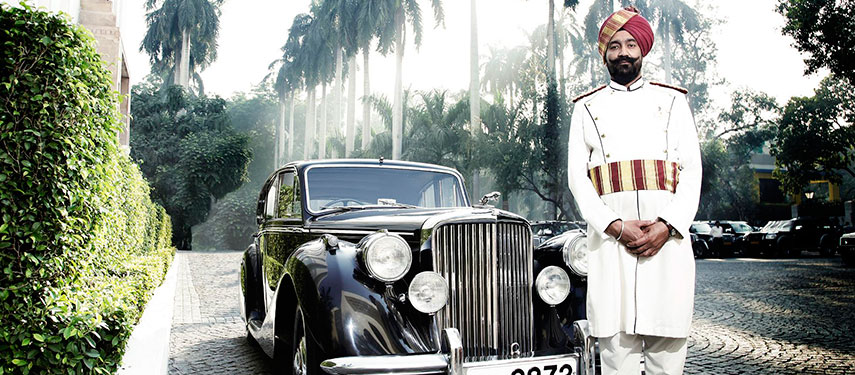
India: Amongst the Maharajas
Inspiration Itinerary | India in Style
This luxurious journey carries you through the iconic cities of Delhi, Agra, Jaipur and Udaipur, viewing imperial monuments, royal palaces and the beautiful ode to love, the Taj Mahal. Along with the opportunity to track Royal Bengal tigers in Ranthambore you will stay in luxurious hotels, known for their exceptional service and world-class facilities, combining all the right ingredients for an unforgettable holiday. Luxury bespoke India wildlife tours do not get more compelling than this....Read More
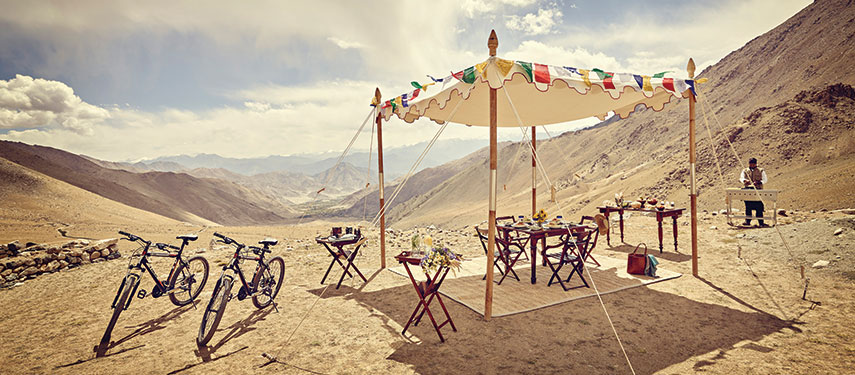
Exploring Ladakh
Inspiration Itinerary | In the Land of the Lamas
Ladakh is a land of contrasts. From its barren mountains and snowy Himalayan peaks to its lush valleys bursting with green terraced fields and homes adorned with colourful fluttering prayer flags you will never cease to be amazed at its beauty. On this journey spend time with red robed monks, explore elaborate monasteries full of priceless art & antiques and marvel at the landscape extremes. ...Read More
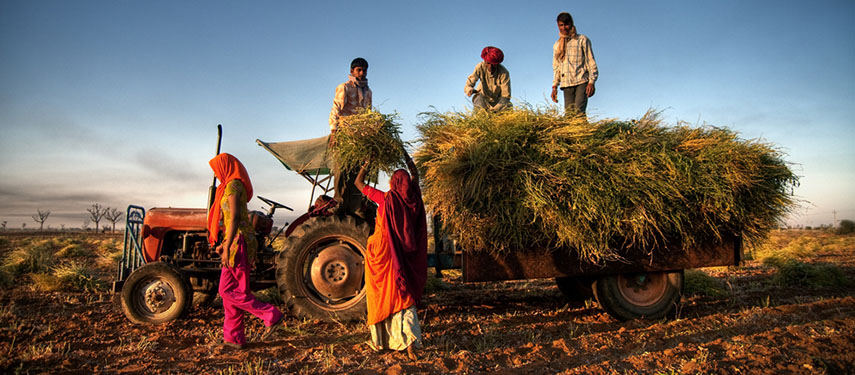
India: A Luxury Tour of Rajasthan for Active Families
Inspiration Itinerary | A Fun-Filled Active Family Adventure
This luxury tour of Rajasthan travels through diverse and colourful landscapes, showcasing a perfect balance of India's culture, wildlife, landscapes and architecture. Culminating in a two day trekking and wildlife walk in Kumbhalgarh Sanctuary, and a visit to the iconic Kumbhalgarh Fort & Jain Temple in Ranakpur, this ticks all the boxes for families who love to explore!...Read More
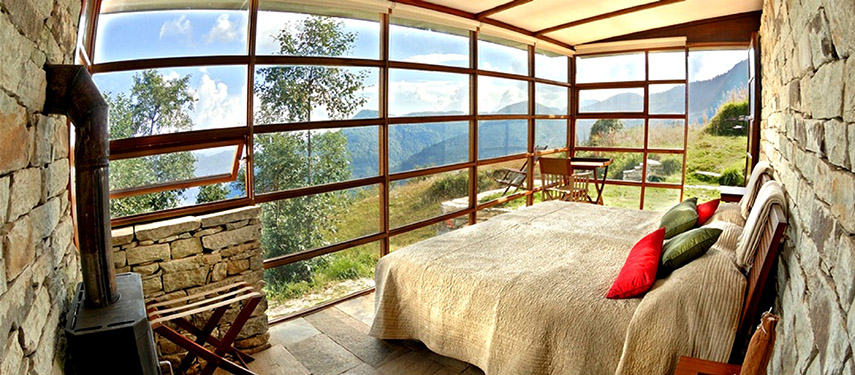
Himalayan Village Walk to Leti 360
Inspiration Itinerary | Walking in the Himalaya
Journey through the stunning and lesser known Indian state of Uttarkhand on a Shakti Village Walk. Revel in this authentic experience that provides a window into rural life in the compellingly beautiful and remote Kumaon region. Combining a stay in the truly fabulous and world renowned, 360º Leti Himalayan Retreat with 3 overnight village homestays’, where the genuine warmth of your hosts are highlight of this incredible experience, make this a superb snapshot of Himalayan living.
...Read More
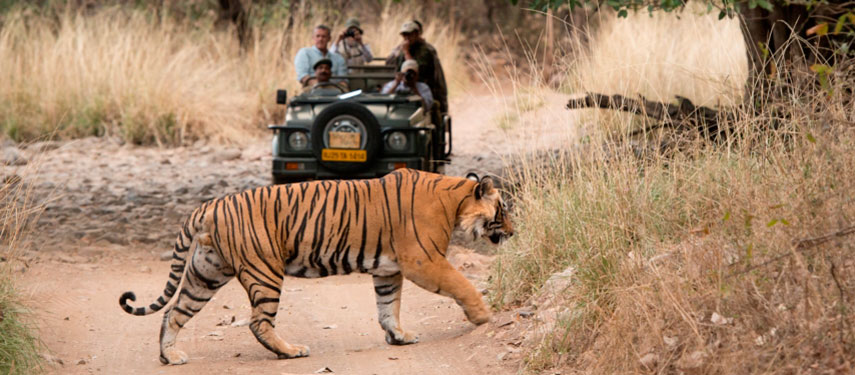
Wild India Adventure
Inspiration Itinerary | Big Cats in India
An incredible wildlife safari combining the best of central India's National Parks and Wildlife Reserves. Go in search of the impressive Bengal Tiger, elusive Asiatic Leopard and India's array of Jungle Cats. You are likely to also encounter Indian Wild Dog, Barasinga (deer), Indian Bison & Sloth Bears. Then throw in a visit to the iconic Taj Mahal and this itinerary ticks off some big bucket list Indian icons! ...Read More
What Makes India the Most Rewarding Destination for Luxury India Tours?
A Summary
- India is home to roughly 75 per cent of the world’s remaining wild tigers. The most recent national estimate put the population at 3,682, more than double the 1,411 counted in 2006, spread across more than 50 designated tiger reserves.
- Ranthambore in Rajasthan is the most accessible tiger safari in India for first-time visitors. It sits about three and a half hours by road from Jaipur and slots neatly into a Golden Triangle or north India tour.
- No single season suits the whole country. October to March is ideal for Rajasthan and the Golden Triangle, June to September opens Ladakh and the high Himalaya, and tiger sightings peak in the hot months from March to June.
- India’s luxury accommodation runs to former maharaja palaces, Mughal-era havelis and Raj-style tented camps, which gives bespoke travel here a theatrical quality found almost nowhere else.
- The existing In Summary bullets have been shortened and the tiger figures corrected. The previous version said “approximately 3,600” and anchored the doubling to 1973; 3,682 is the published estimate and 2006 is the defensible baseline for a doubling claim.
Why Choose The Classic Safari Company for Luxury India Tours?
India rewards travellers who plan properly, because the country is too large, too varied and too seasonal to approach casually. Our luxury India tours are built around your interests, your pace and the windows in which each region is at its best.
As one of the most diverse countries in the world, India offers incomparable variety. Walk the streets of any Indian city and find a dizzying array of religions, languages, food and culture that few countries can boast. Explore secretive jungles, spice-laden markets, places of pilgrimage and fairy-tale castles lost in time.
The Himalayas in the north are the world’s mightiest mountains, and a north India tour is often the right choice for an intrepid traveller who wants to get out and explore. Their lofty summits have drawn explorers and devout spiritualists alike for millennia. In complete contrast, Rajasthan parades its princely splendour with opulent palaces and imposing forts, while photogenic pink and blue cities spring from the desert and Kipling’s jungles harbour a thriving population of wild tigers.
Further north again, Ladakh and Kashmir are renowned for cold deserts and Buddhist ritual, while in the east you can recharge in the colonial cool of Darjeeling’s tea plantations, take puja on the holy Ganges at Varanasi and explore the Kingdom of Sikkim. The pace slows in the tropical backwaters of southern India, the perfect antidote to the chaos of the north and the ideal place to unwind after an action-packed trip. Our bespoke itineraries let you explore one, or all, of these distinctive corners in a way that is tailored to you.
You Will Love
- Vibrant cities
- Rich cultural landmarks
- Fantastic festivals
- Majestic wildlife
- Colourful, chaotic and life changing
Where Should You Go for a Tiger Safari in India?
India is the only country where seeing a wild tiger is a realistic expectation rather than a long shot. It holds around three quarters of the world’s remaining wild tigers across more than 50 tiger reserves, and the best of those reserves are genuinely comfortable to visit, with excellent guiding and accommodation on their fringes.
The choice of reserve matters more than most travellers realise. Density, terrain, season and how easily a park fits into the rest of your itinerary all pull in different directions, and the right answer depends on whether tigers are the whole point of the trip or one part of a broader journey.
What Makes Ranthambore the Best-Known Tiger Safari in India?
Ranthambore is the most accessible serious tiger reserve in the country, which is why a tiger safari in India so often means Ranthambore. It sits at Sawai Madhopur in eastern Rajasthan, roughly three and a half hours by road from Jaipur, so it drops into a Golden Triangle or Rajasthan itinerary without forcing a separate expedition.
The park was the private hunting ground of the Maharajas of Jaipur before becoming a sanctuary in 1955 and joining Project Tiger in 1973. Its dry deciduous forest, open lakes and crumbling ruins make for unusually photogenic sightings, and the tenth-century Ranthambore Fort rising above the trees gives the park a setting no other reserve can match.
Ranthambore is divided into ten safari zones. Vehicles are allocated by the Rajasthan Forest Department rather than chosen freely, and there are two drives a day, each around three hours, one at dawn and one in the afternoon. You can travel by Gypsy, a six-seat open jeep, or by canter, a larger open vehicle seating around twenty. Gypsies are more manoeuvrable and considerably more pleasant, and they sell out months ahead.
Two practical points matter. Book early, because permits for the best zones and the Gypsy vehicles are released on a fixed schedule and go quickly in peak season. And accept that sightings are never guaranteed, which is why we generally recommend at least three drives rather than one.
Which Other Tiger Reserves Are Worth Considering?
If tigers are the primary reason for the trip, Madhya Pradesh is the stronger choice. The state holds more tigers than any other in India, and its reserves are less pressured than Ranthambore.
Bandhavgarh has among the highest tiger densities anywhere in India, set in sal forest beneath an ancient hill fort. It is the classic choice for travellers who want the best possible odds.
Kanha is the landscape that shaped Kipling’s Jungle Book, with vast meadows, excellent tiger numbers and the last stronghold of the hard-ground barasingha swamp deer.
Pench is quieter than its neighbours and pairs naturally with Kanha on a longer wildlife itinerary.
Satpura is the outlier and the connoisseur’s choice. It is one of the very few Indian parks permitting walking safaris and canoe safaris, so the experience is closer to an African walking safari than a conventional jeep drive.
What Else Can You See on India Wildlife Tours?
India wildlife tours extend well beyond tigers, and the supporting cast is often what travellers remember. Jawai in rural Rajasthan has become one of the most reliable places in the world to see wild leopards, living among granite kopjes alongside the Rabari herdsmen. Kaziranga in Assam holds the bulk of the world’s greater one-horned rhino. Periyar in Kerala is first and foremost an elephant destination. Keoladeo at Bharatpur is one of Asia’s great birding wetlands, and the Sundarbans mangroves hold a tiger population found nowhere else on earth.
When Is the Best Time for a Tiger Safari in India?
The counter-intuitive answer is the hot months. Most core zones close during the monsoon, roughly July to September, and reopen in October. From October to March the weather is comfortable and the parks look their best, but the forest is green and water is everywhere, so tigers have no reason to show themselves.
From March to June the temperature climbs steeply and the waterholes shrink, which concentrates wildlife and pushes sighting rates up sharply. May and June can be genuinely punishing in Rajasthan and central India, so the usual compromise is late March and April, when the odds have improved but the heat is still manageable.
Which of India’s Regions Should Your Itinerary Cover?
India spans five climate zones and several distinct cultural worlds, so almost no itinerary covers all of it. These are the four regions our clients build around, and most journeys combine two.
What Should You See in Delhi, Agra, Varanasi & Mumbai?
Delhi is sprinkled with captivating ancient monuments and magnificent museums, and is steeped in a glorious but turbulent history. It provides an intoxicating mix of the ancient and the modern, and makes an ideal base at either end of your journey. The city comes in two parts: Old Delhi, the Muslim capital of India, a walled city of narrow alleys, mosques, temples and bazaars dating to the twelfth century; and New Delhi, created in 1911 as the British capital, with its grand Lutyens-designed government buildings, the majestic India Gate memorial and the thriving hub of Connaught Circus. Agra holds the Taj Mahal, Varanasi the rituals of the Ganges, and Mumbai the country’s commercial and cultural energy.
Why Include Kerala & Southern India in Your Itinerary?
From the peaceful palm-fringed backwaters of Kerala to the stunning temples of Tamil Nadu, southern India is serenely beautiful and suits a slower pace. Beaches and backwaters, temples and tigers, spice plantations and sleepy fishing villages await in this tropical corner, so different from the mayhem of the north. Delicate, fragrant and idyllic, the south tends to work best as the final leg of a journey, once the intensity of Rajasthan and Delhi is behind you.
What Makes a North India Tour Different From the Rest of the Country?
The Himalayas are the world’s highest and mightiest mountains. Many of the subcontinent’s great rivers, among them the Ganges, the Brahmaputra and the Indus, flow from these summits and have brought life to the lowlands since time immemorial. The geographic diversity here encompasses high-altitude pastures, verdant forested valleys, turquoise lakes and a kaleidoscope of flora and fauna. These isolated snow-capped peaks are a world away from the madding crowds for which India is famed, which is why a north India tour suits the intrepid traveller in particular. Note that the seasons invert here: Ladakh and the high passes are open in the summer months when the plains are at their most oppressive.
Why Is Rajasthan the Heart of Luxury India Tours?
Rajasthan captivates with its imposing forts, striking temples, vibrant colours and rich cultural heritage. Despite being a desert state, it holds a wealth of rural towns and villages alongside some of India’s most iconic cities: Udaipur, known as the Venice of the East and long practised in the art of hosting travellers well; Jaipur the Pink City; Jodhpur the Blue City; and the desert outposts of Jaisalmer and Bikaner. Rajasthan is also where the palace hotels are concentrated, and where Ranthambore brings tigers within reach of a cultural itinerary.
What Are the Unforgettable Experiences on Luxury India Tours?
Why Is the Taj Mahal the Centrepiece of Most Luxury India Tours?
The magnificent white marble mausoleum was built by the Mughal emperor Shah Jahan in memory of his favourite wife, Mumtaz Mahal, and stands as a monument to undying love and devotion. The shimmering, picture-perfect building is one of the Seven Wonders of the World and is widely recognised as the jewel of Muslim art in India. Few words do it justice. It is simply one of the most universally admired masterpieces on earth, and it is worth timing your visit for sunrise, when the marble shifts colour and the crowds are thinnest.
What Is It Like to Ride a Rickshaw Through Chandni Chowk?
Chandni Chowk, or Silver Street, is the colourful main thoroughfare and principal bazaar of Old Delhi. It runs through the middle of the walled city, from the Lahore Gate of the Red Fort to Fatehpuri Masjid, and is one of the oldest and busiest markets in the capital. It is remarkably varied, offering authentic Indian delicacies, saris, books, leather goods and silver. The best way to take in the exhilarating frenzy is by rickshaw, at street level and at the pace of the crowd.
What Happens on a Kerala Backwaters Houseboat Journey?
Cruising the tranquil channels of Kerala’s backwaters immerses you in the rustic village life of the region’s countryside. Traditional houseboats called kettuvallams are built from jackfruit wood and hand-stitched with coconut fibre, which suits the simple beauty of the journey perfectly. You pass local boats and small villages, stopping to visit temples, watch martial dance displays, wander bustling markets, or simply relax on the sunny deck with a book and the birdsong.
What Wildlife Can You See in Periyar Tiger Reserve?
Periyar is southern India’s most popular wildlife area, a large reserve of verdant rolling hills, dense jungle, marshland and open lakes that can be explored by vehicle or by boat. It is above all an elephant destination, and herds gathering at the lake edge are the reserve’s signature sight. Tigers are present but genuinely elusive here, so travellers for whom a tiger sighting is the priority should head to Ranthambore or the Madhya Pradesh reserves instead. Periyar rewards the broader naturalist: leopard, bison, deer, otter, wild boar and more than 320 bird species. Despite its popularity, its sheer size means it rarely feels crowded.
Where Can You Ride Bactrian Camels in the Indian Himalaya?
In the Hunder Desert in Ladakh, the famous sand dunes of Deskit feel more reminiscent of the Sahara than the Tibetan plateau, and they come complete with a resident population of double-humped Bactrian camels. These shaggy creatures have plodded this ground for thousands of years, since the days of the silk road to central Asia. The scenery in this high-altitude desert is extraordinary: golden dunes, trickling rivers, snow-capped mountains and bright blue skies. You will be far off the beaten track, and you will come back with stories.
Is White Water Rafting on the Zanskar River Worth Adding to a North India Tour?
Ladakh is an untamed wilderness crying out to be explored. This starkly beautiful and remote corner of the Himalaya holds sky-piercing mountains, gushing rivers, deep canyons and vibrant landscapes. Keen adventurers can take to the Zanskar in a raft and run its canyons and gorges, passing the monasteries of Leh and their fluttering prayer flags while negotiating the rapids. For anyone building an active north India tour, it is the standout half-day.
What Is It Like to Experience Holi in India?
The colour, mess and madness of Holi is a once in a lifetime spectacle. Celebrated all over India, Holi marks rebirth and the arrival of spring, symbolically banishing winter and rejoicing in the joy of life. Coloured water and powdered paint are thrown at friends and family with joyful abandon, and cities, towns and tiny rural villages alike explode with music and dancing as locals and visitors join in together. It falls in February or March depending on the lunar calendar, so itineraries need to be built around the date rather than the reverse.
Why Is Jodhpur Called the Blue City?
Jodhpur stands at the entrance to the Thar Desert as a vibrant spread of blue, contrasting starkly with the surrounding dusty ochre and red sandstone. The vivid colour, traditionally associated with the city’s Brahmin households and still maintained across the old town, provides a photogenic backdrop to everyday Rajasthani life, best appreciated on foot in the lanes below the Mehrangarh Fort.
When Is the Pushkar Camel Fair & What Happens There?
Rajasthan’s most famous festival is held each year in the Hindu lunar month of Kartika, falling in October or November, and it ranks among India’s great travel experiences. The five-day fair is a spectacle on an epic scale, drawing thousands of people along with tens of thousands of camels, horses and cattle for one of the last great traditional melas. A camel race opens the festival, followed by music, a longest-moustache competition and an exhibition cricket match.
Frequently Asked Questions About India Journeys
Two weeks is the practical minimum for a first visit. A classic north India tour taking in Delhi, Agra, Jaipur and one or two further Rajasthan cities works comfortably in ten to fourteen days. Adding a tiger safari in India needs another three nights at minimum, and extending to Kerala or Ladakh pushes the trip towards three weeks. India rewards depth over coverage, and the most common mistake we see is trying to fit too much in.
It depends entirely on where you are going, because the country spans five climate zones. October to March is the prime window for Rajasthan, the Golden Triangle and the south, with clear skies and manageable temperatures. June to September opens Ladakh and the high Himalaya, exactly when the plains are at their hottest and the monsoon is at its heaviest elsewhere. Kerala is at its lushest after the monsoon. For tiger sightings specifically, March to June is the strongest period.
Yes. Australian passport holders require a visa for India, and the e-Visa system is the usual route for tourism. Requirements and processing times change, so we confirm the current position for your travel dates as part of the booking process and advise on the passport validity and blank-page requirements at the same time.
Direct services operate from Sydney and Melbourne to Delhi, and there are numerous one-stop options through Singapore, Kuala Lumpur, Bangkok and the Gulf hubs, several of which connect conveniently to Mumbai, Bengaluru and Chennai. Delhi is the natural entry point for a north India tour and for Ranthambore. Internally, we generally use a combination of domestic flights for the long hops and private car with driver for the shorter legs, since road travel in India takes considerably longer than the distances suggest.
No, and any operator promising otherwise should be treated with caution. Tigers are wild, territorial and move across large ranges. What you can do is improve the odds: choose a high-density reserve, travel in the hot months when animals concentrate around water, book Gypsy vehicles rather than canters, and take multiple drives across several days. Travellers who do three or more drives at Ranthambore or Bandhavgarh in the right season have a strong chance.
As early as you can. Permits are released by the Rajasthan Forest Department on a fixed schedule and the Gypsy allocations for the most productive zones go quickly, particularly across the Australian summer holidays and around Indian public holidays. For peak-season travel we recommend confirming your dates several months ahead so permits can be secured alongside your accommodation.
Yes, with the right itinerary. India can be overwhelming if the pace is wrong, so we build in recovery days, use private guides and drivers throughout, and choose properties that give you somewhere calm to return to at the end of the day. Tiger safaris tend to captivate children, and Rajasthan’s forts and palaces work well for families. Ages and mobility shape which properties and parks we recommend, so tell us early.
The range is wide, because India offers everything from characterful boutique havelis to palace hotels among the most expensive rooms in Asia. The total depends on the properties chosen, the length of the itinerary, how much internal flying is involved, the number of safari permits and vehicles, and whether you travel privately throughout. Our consultants quote the complete cost of the journey rather than a headline per-night rate.