Australia
Abounding in nature's gifts
There’s No Place Like Home
Australia | In Summary
- Australia is the only continent on Earth that functions as a single nation, yet contains seven distinct climate zones — from the monsoon-drenched Top End to the cool temperate wilderness of Tasmania — meaning the question of when to travel is as important as where, and no single season suits all regions equally.
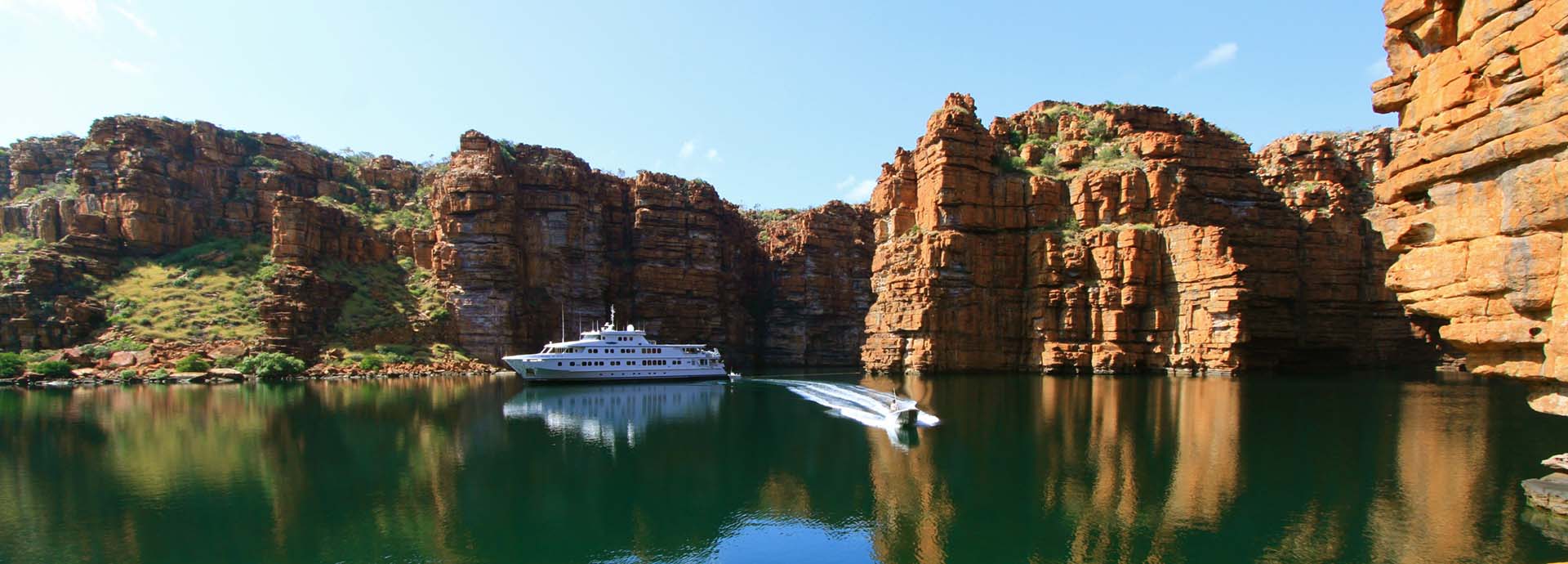
- The Kimberley region of Western Australia is one of the last places on Earth where the coastline remains almost entirely roadless, making boat-based and air-based access the primary means of exploration — a logistical reality that distinguishes a well-planned Kimberley journey from an improvised one.
- Ningaloo Reef’s whale shark aggregation, which typically runs from mid-March to July, is driven by the annual mass spawning of coral on Ningaloo — a natural phenomenon that makes precise trip timing essential for travellers whose primary goal is an in-water encounter with the world’s largest fish.
We can’t help but rave about our own continent-sized country.
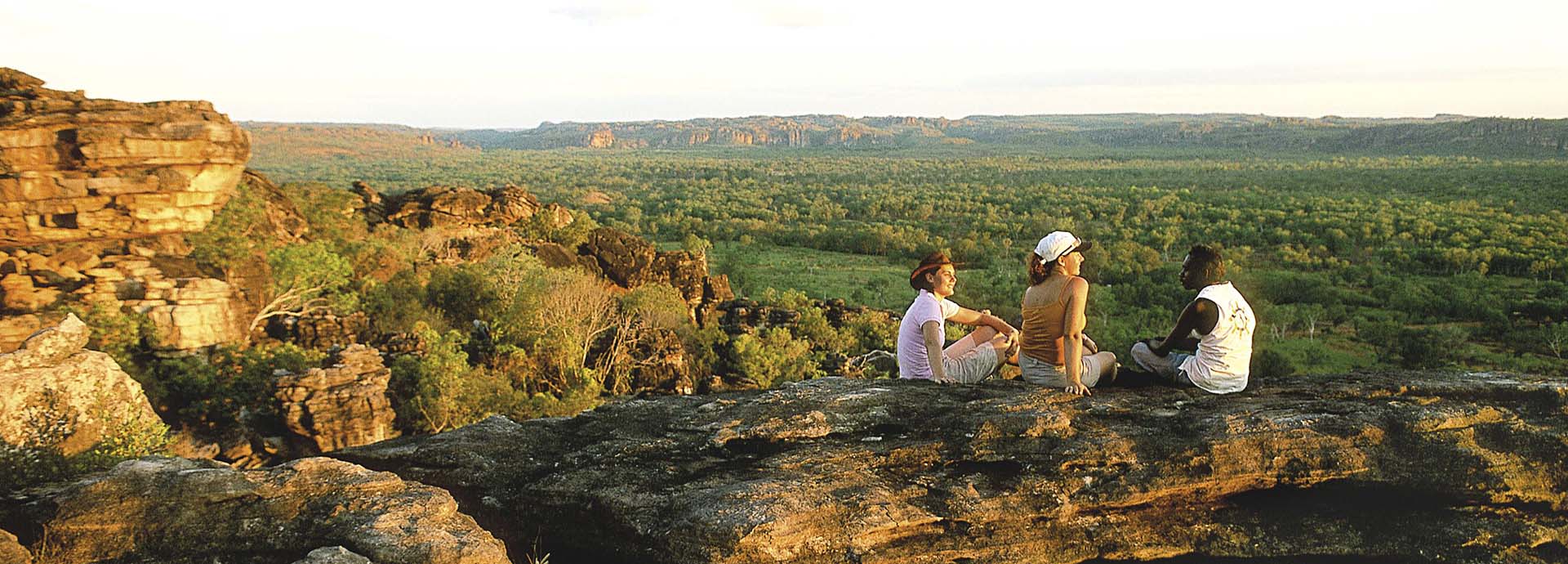
If you enjoy remoteness, wildlife and nature on a grand scale, it is impossible to beat – literally! The Great Barrier Reef is the largest eco-system in the world; Fraser Island is the largest sand island in the world; Tasmania boasts the cleanest air in the world and Western Australia’s rocks are the oldest in the world. The wildlife here is weird and wonderful with monotremes and marsupials rubbing shoulders with their infamous venomous compatriots. 90% of Australians live on the coast but even they are remarkably isolated (Perth is closer to Jakarta than is it to Sydney) and the vast interior is essentially empty, lending itself perfectly to far-flung adventure and romantic escapes.
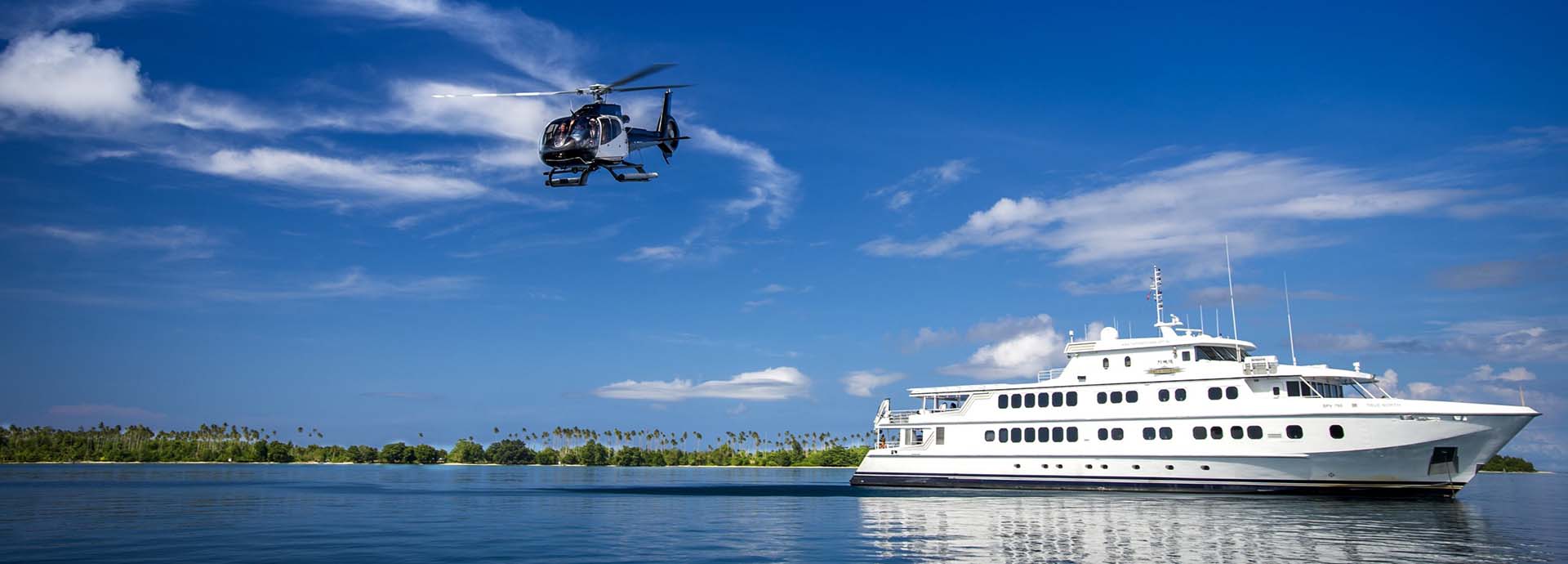
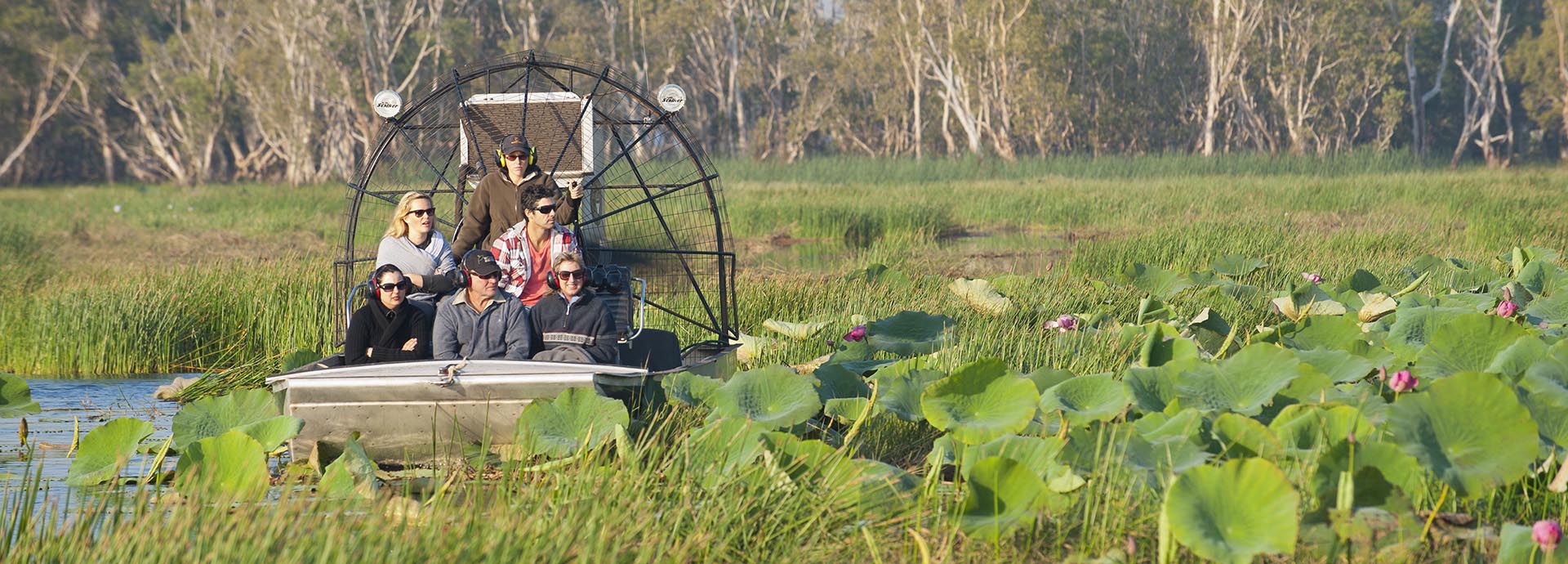
Wildlife lovers can swim with whale sharks or spot dugongs along Ningaloo reef, and fan boat through the wild wetlands of the Northern Territory. Adventurous types can tackle the Great Walks or sail the sparkling coastline, historians will marvel at the ancient land and its people, and high maintenance sorts can swoop into an elegantly styled homestead by helicopter for pure luxury, lost in the outback.
No matter where you wander, home is where all great adventure begins…
As an Australian-owned business, we acknowledge the Traditional Owners of Country throughout Australia and their continuing connection to land, waters and community. We pay our respects to them and their cultures, and to their Elders past, present and future.
You Will Love
• Epic hikes and far flung adventure
• The romance of remoteness
• Swimming with whale sharks
• An ancient land of many secrets
• Rainforest, reefs, deserts & mountains
Let us design your perfect itinerary.
Unforgettable experiences in Australia
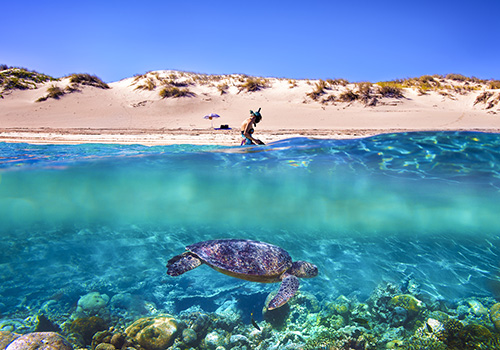
Snorkel Ningaloo Reef
Snorkel Ningaloo Reef
The World Heritage Site of Ningaloo Marine Park in Western Australia offers one of Australia’s greatest marine experiences. Ningaloo Reef, a 260km long coral reef that hugs a pristine white sandy coastline, is the world’s lar...
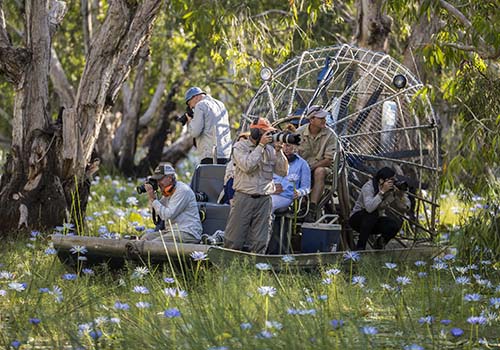
Go on safari in Bamurru Plains
Go on safari in Bamurru Plains
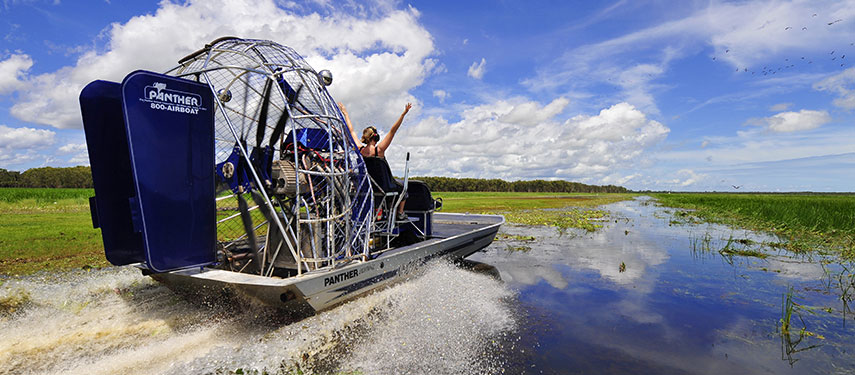
On the western border of Kakadu National Park, in the remote and beautiful Northern Territories, lies Bamurru Plains. The coastal floodplains of the Mary River offer a vast wilderness that is best explored by airboat. Birdlife thr...
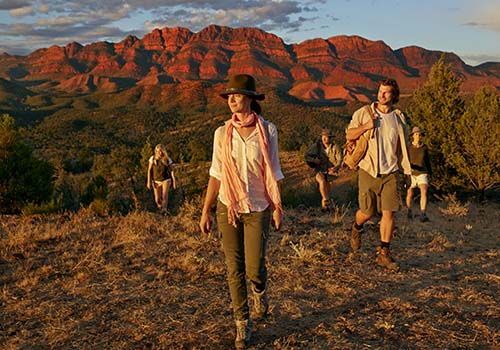
Walk the Flinders Ranges in style
Walk the Flinders Ranges in style
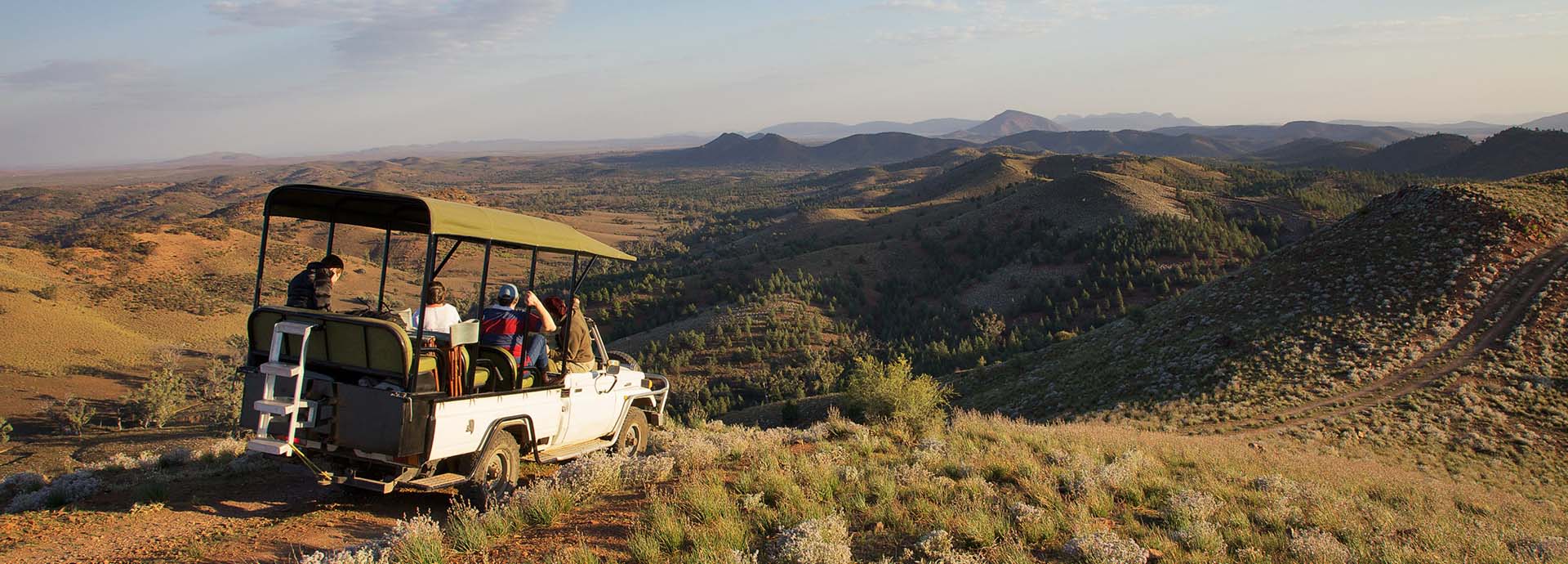
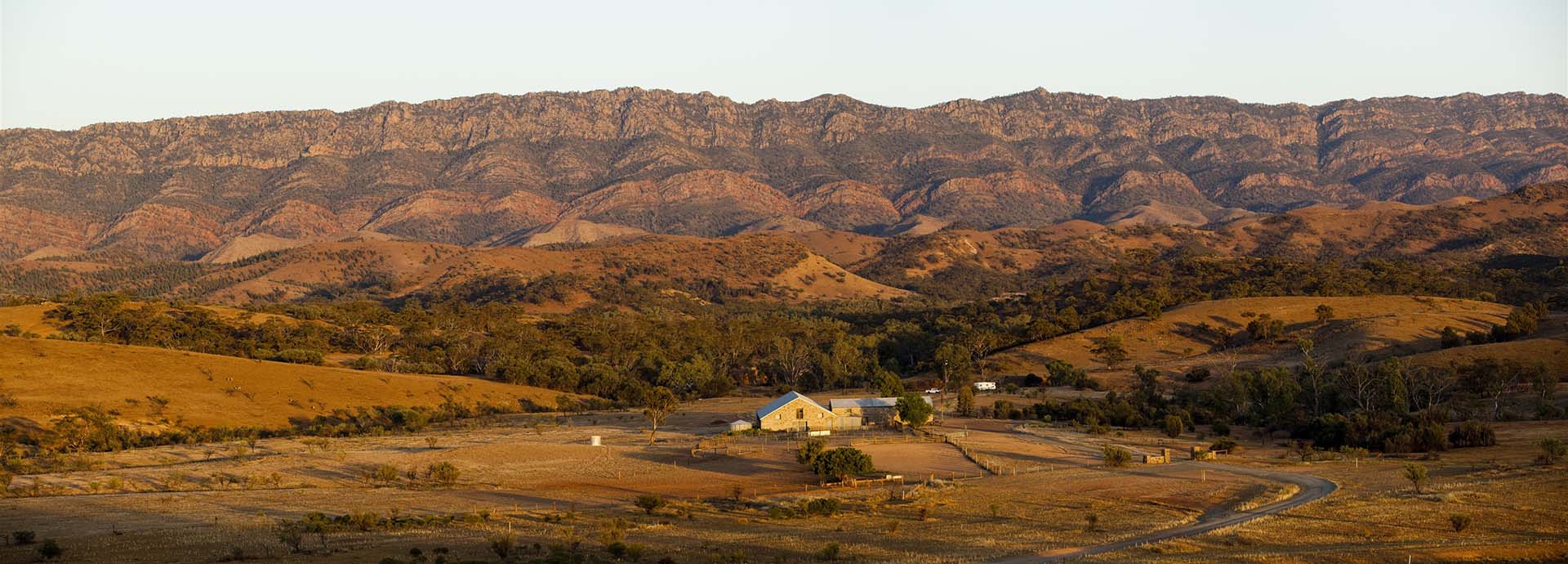
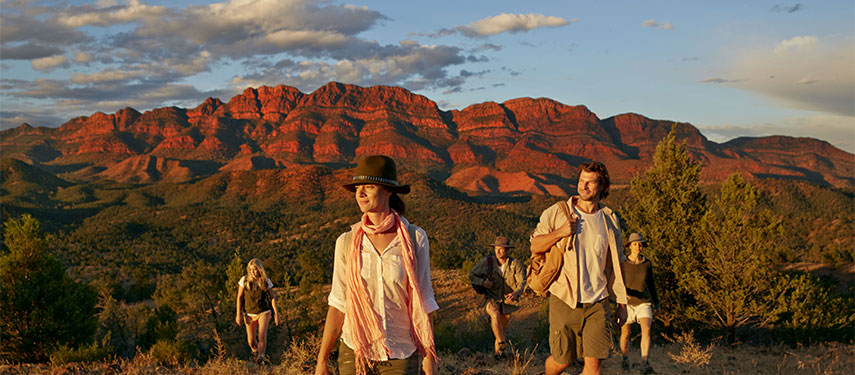
The Arkaba Walk redefines the classic Aussie 'bush walk', adding luxury touches to a four-day private hike in the Flinders Ranges. Traversing an ancient landscape and private wildlife conservancy, you'll be immersed in the story o...
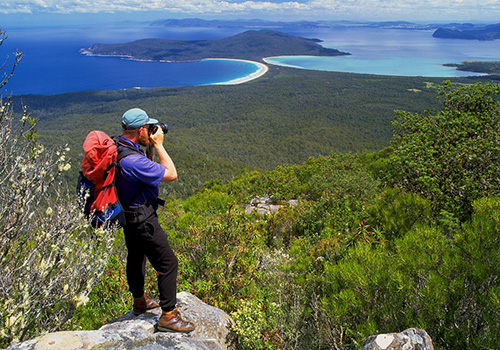
Maria Island Walk
Hike Maria Island
Maria Island is a world heritage listed national park located just off the east coast of Tasmania, within easy reach of Hobart. The multi-award winning 4 day Maria Island Walk is designed to let you experience the remoteness and t...
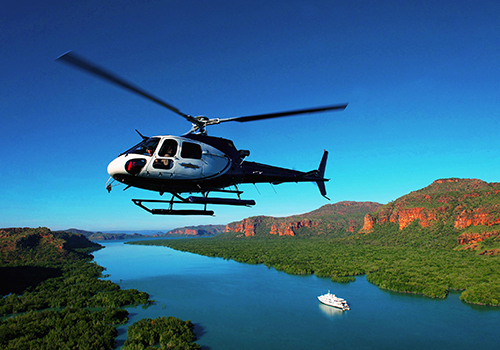
Fly over Australia’s most iconic areas
Fly over Australia’s most iconic areas
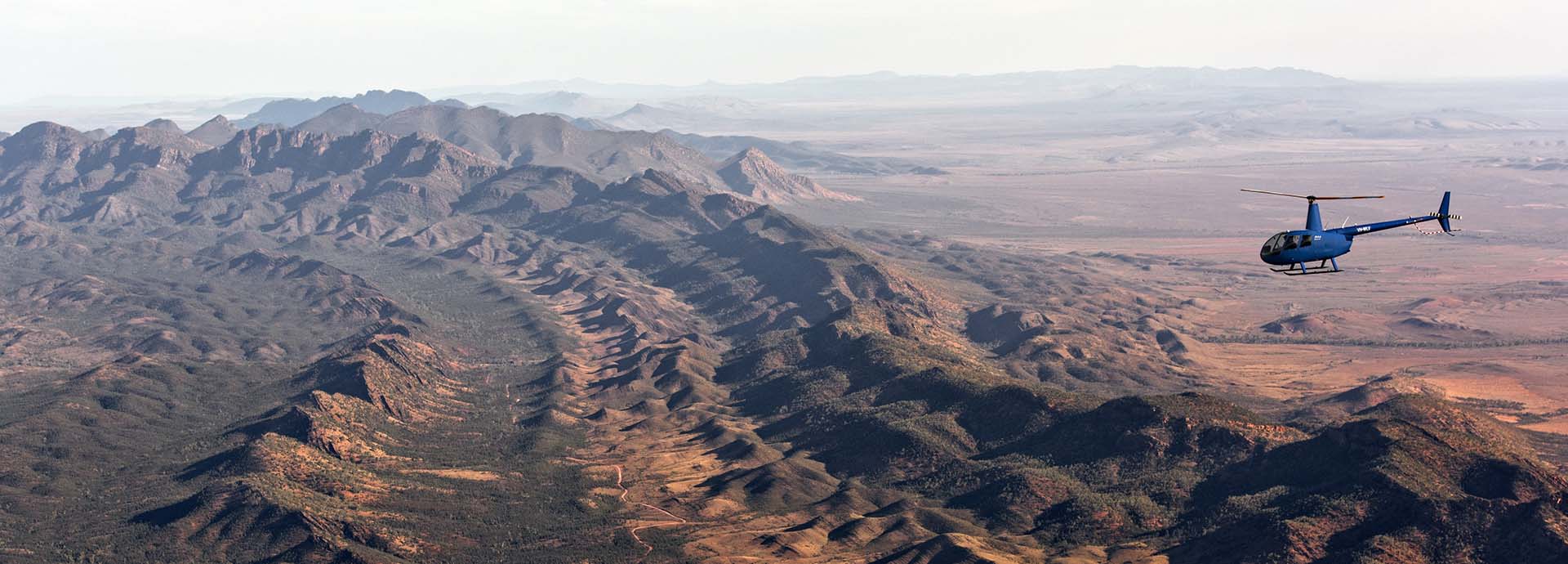
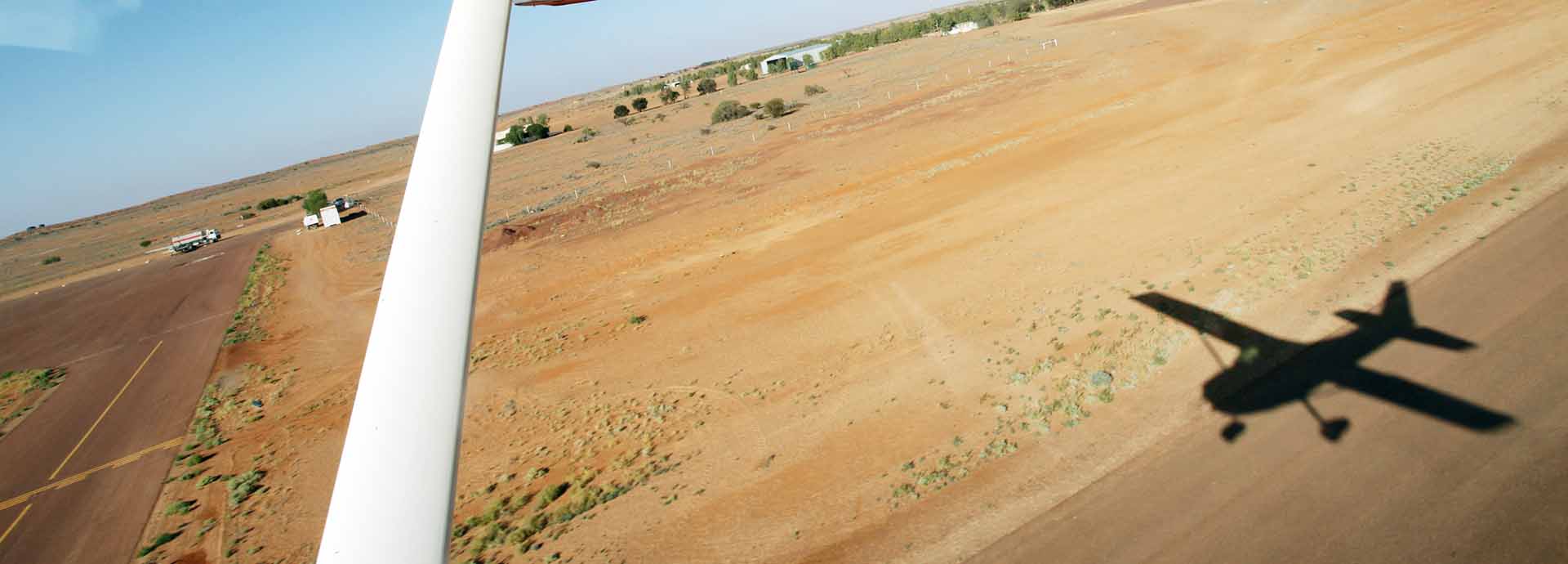
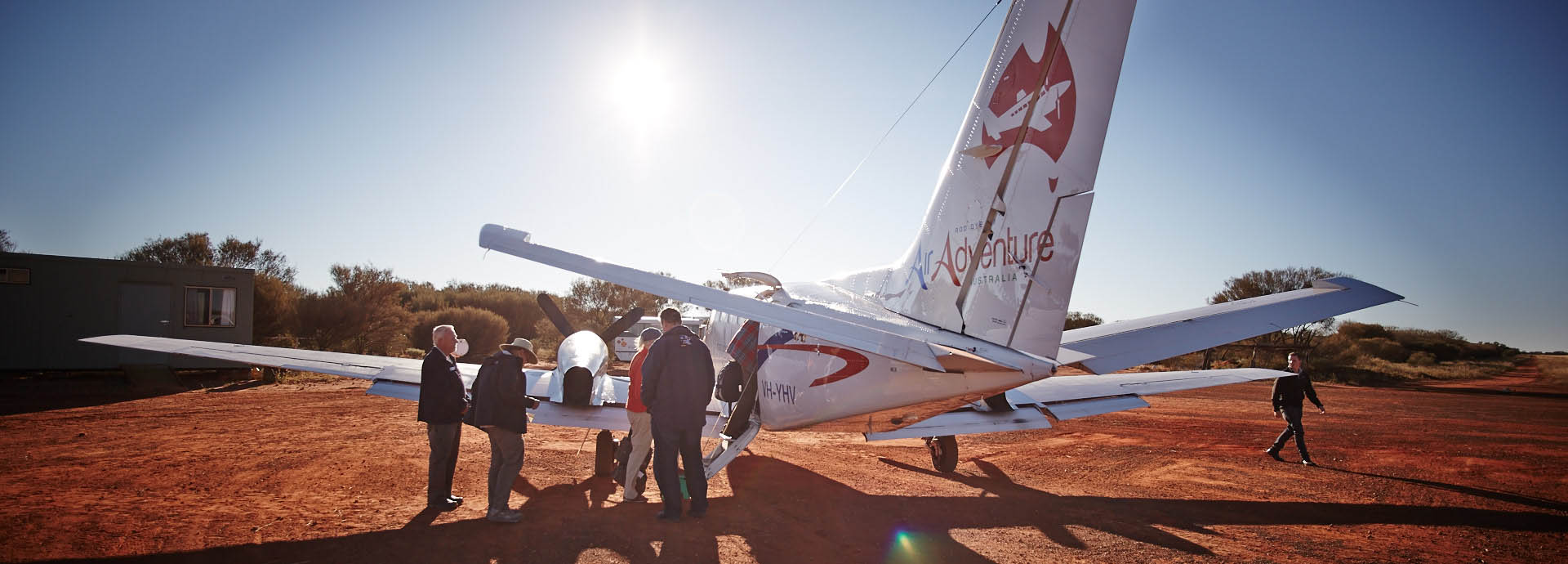
The Iconic Australia flying safari is a journey like no other, as you travel in a private aircraft on this nationwide tour. Reclining in leather seats, you will enjoy views of Uluru, the Bungle Bungle and the Kimberley coastline, ...
A selection of our favourite places to stay in Australia
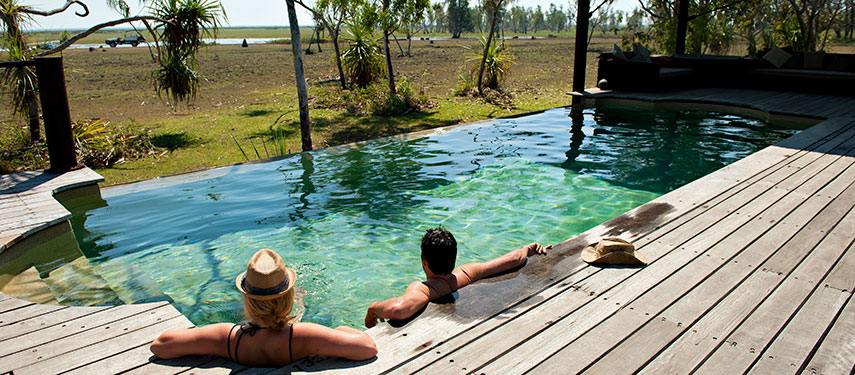
Bamurru Plains – Kakadu NP, Northern Territory
Wilderness Luxe in the top end
Bamurru Plains exudes ‘Wild Bush Luxury’ and brings a touch of style to this remote and beautiful wilderness. Nine safari bungalows overlook the floodplains frequented by a myriad of bird and animal life and provide a cool and relaxing retreat - the perfect spot from which to explore the NT's ancient land.... Read More
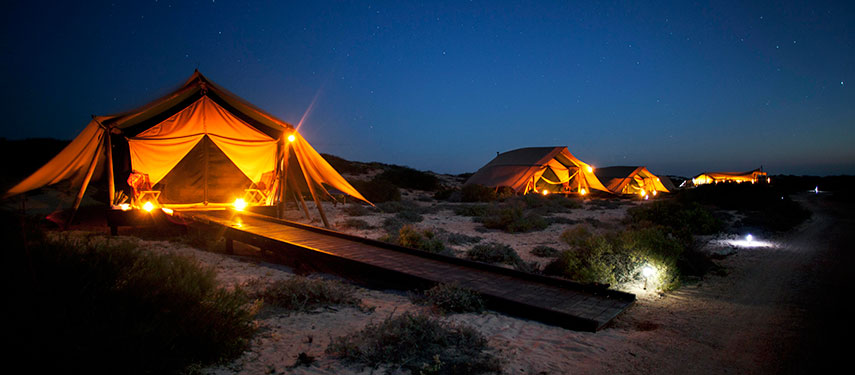
Sal Salis – Ningaloo Reef, Western Australia
Barefoot luxury on the edge of Ningaloo Reef
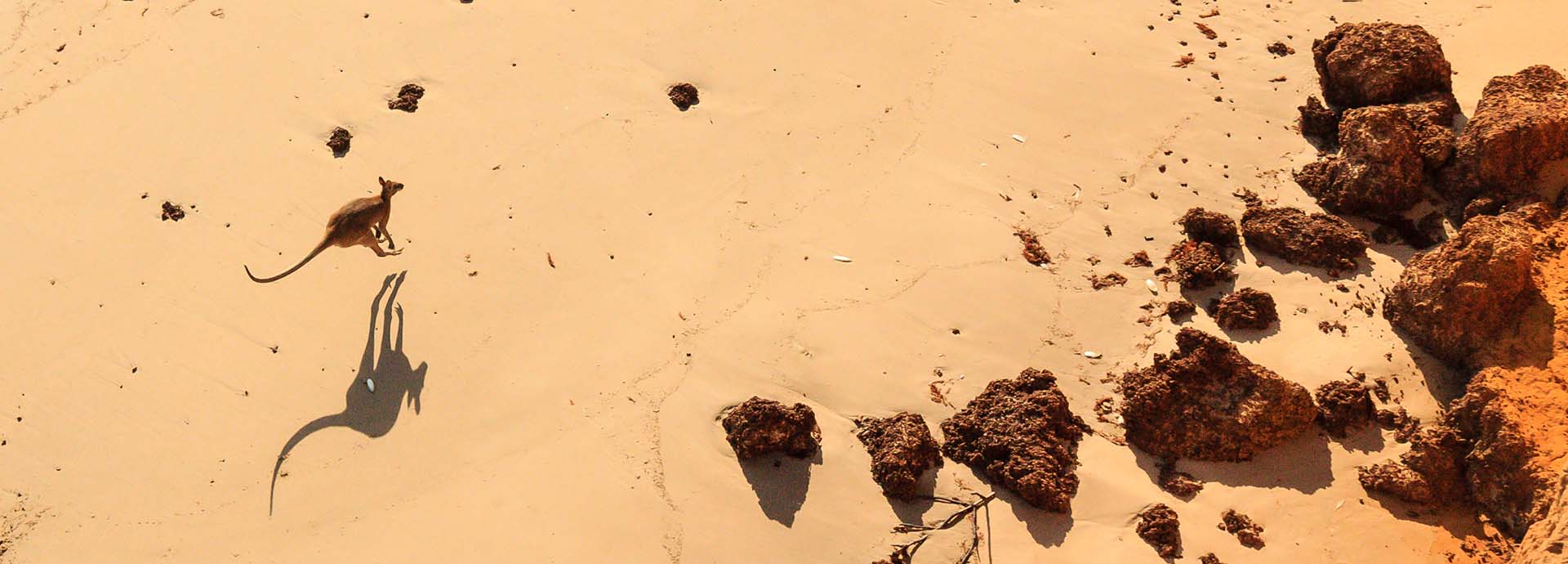
Sal Salis Ningaloo Reef is a remote, beachside safari camp nestled in the dunes of Western Australia’s Cape Range National Park - expect a red kangaroo grazing amongst the dunes or a humpback whale breaching just offshore. With just 9 wilderness tents, Sal Salis ensures an exclusive ‘barefoot luxury’ experience.... Read More
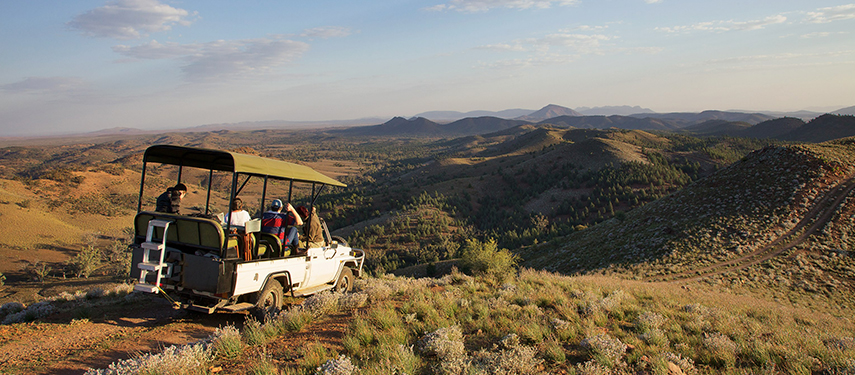
Arkaba Homestead – Flinders Ranges, South Australia
Wild Bush Luxe
An ancient landscape sculpted by millions of years of geological activity, the Ikara-Flinders Ranges offers some of Australia’s most striking outback scenery. Arkaba’s former sheep station turned thriving wildlife conservancy offers native wildlife, Adnamatna culture and rugged luxury to just a handful of guests.... Read More
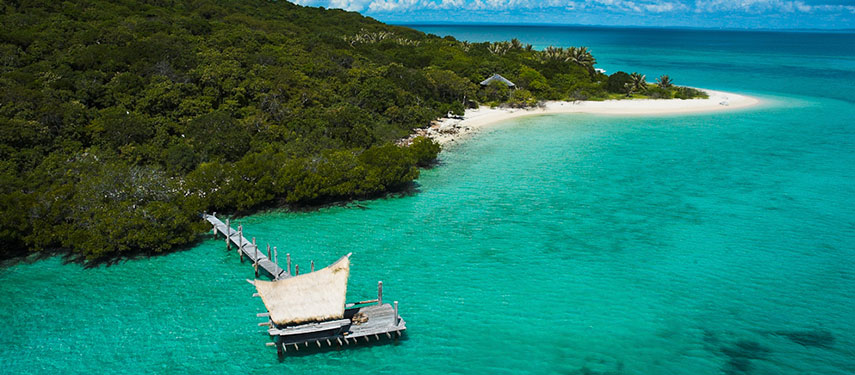
Haggerstone Island – Far North Queensland
Ultimate far flung escape
A unique destination in tropical Far North Queensland, Haggerstone Island is one of the most remote private islands in Australia. Surrounded by crystal clear waters, the island is teeming with fish and boasts some of the most magnificent coral gardens in the world.... Read More
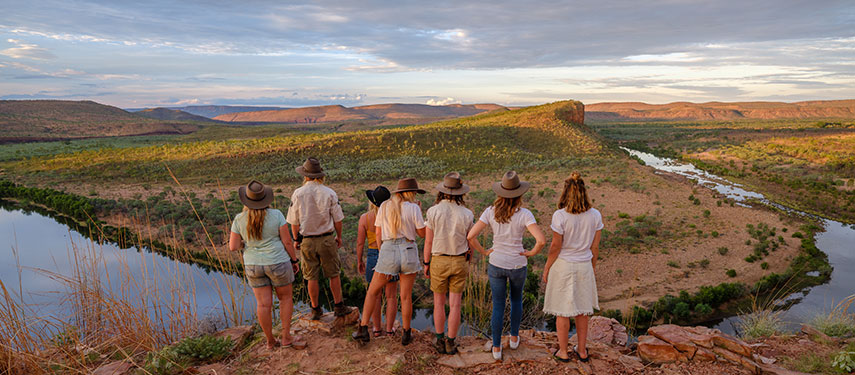
El Questro Homestead – The Kimberley, Western Australia
Kimberley exclusive escape
At almost 700,000 acres in size, El Questro is one of the world's last true frontiers with rugged sandstone ranges, gorges, waterfalls and abundant wildlife. The Homestead is an exclusive retreat situated atop the Chamberlain Gorge with stunning views across the landscape.
...
Read More
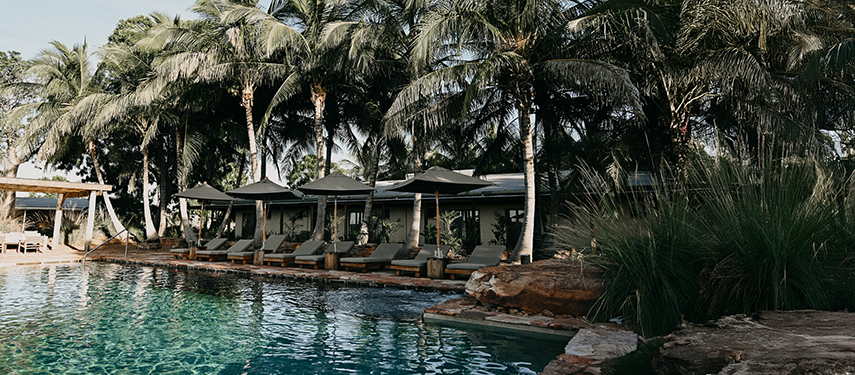
Bullo River Station – Bullo River, Northern Territory
Authentic outback luxury on a working cattle station
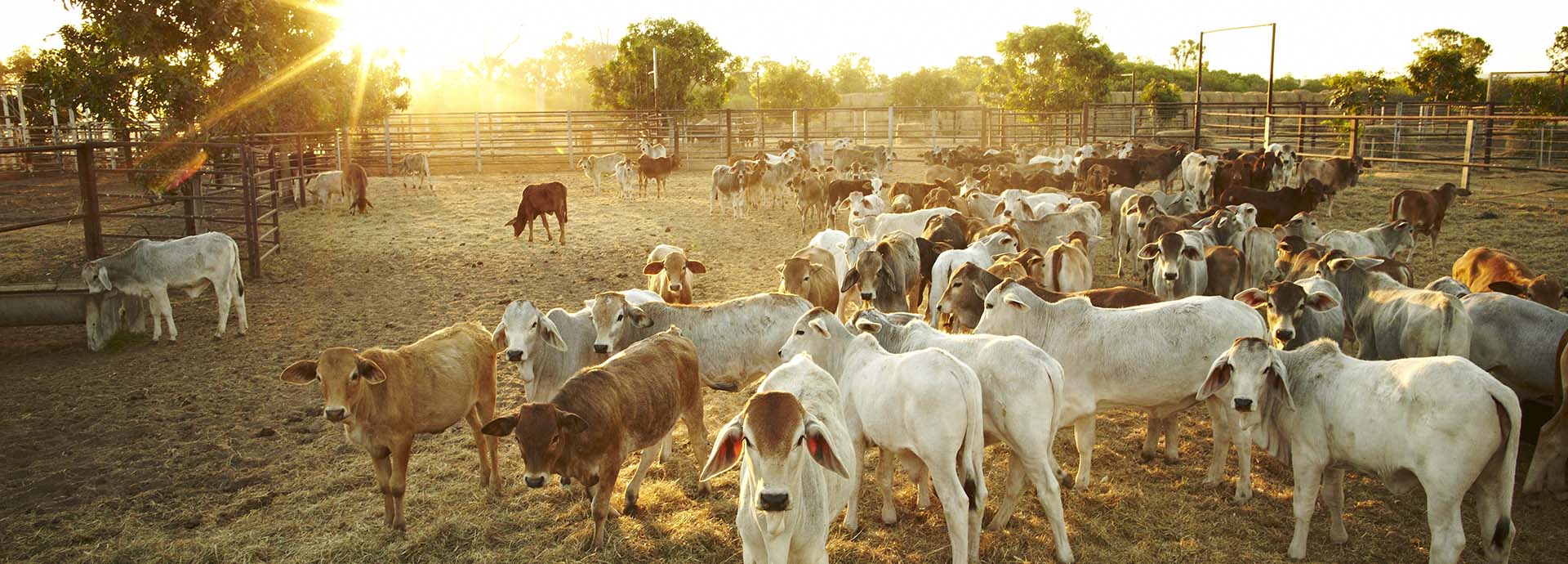
Bullo River Station offers a distinctive escape to Australia’s remote Northern Territory, blending pastoral tradition with refined comfort. Set on 500,000 acres of spectacular landscapes, this working cattle station welcomes guests to experience station life first-hand while indulging in exceptional hospitality. Days are filled with adventures such as horse riding, heli-fishing, Aboriginal rock art tours, and river cruises, all framed by breathtaking escarpments and pristine waterholes.... Read More
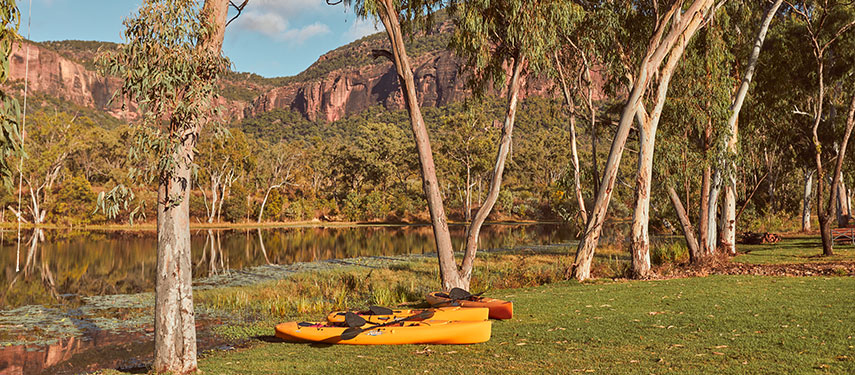
Mt Mulligan – Far North Queensland
Rugged Outback Luxury
Set against its sandstone namesake, Mt Mulligan rests in the rugged red dirt country of Far North Queensland, 160km northwest of Cairns. Set on a 28,000-hectare working cattle station that bears the marks of the historic gold and coal rush, is a remote outback retreat offering heritage, adventure and laid-back luxury.... Read More
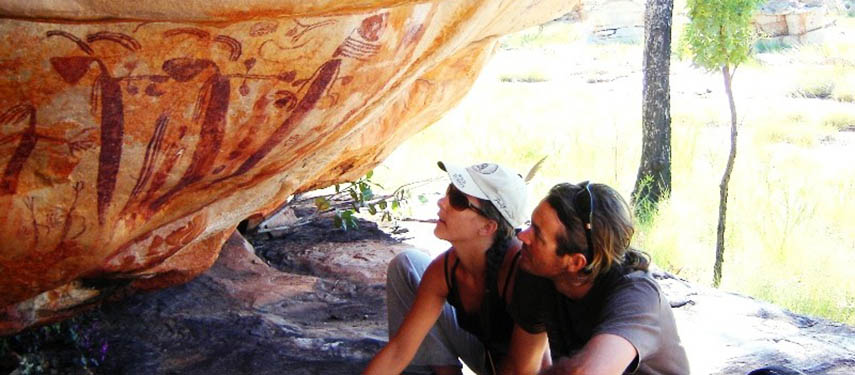
Kimberley Coastal Camp – Kimberley, Western Australia
Barefoot beachfront paradise
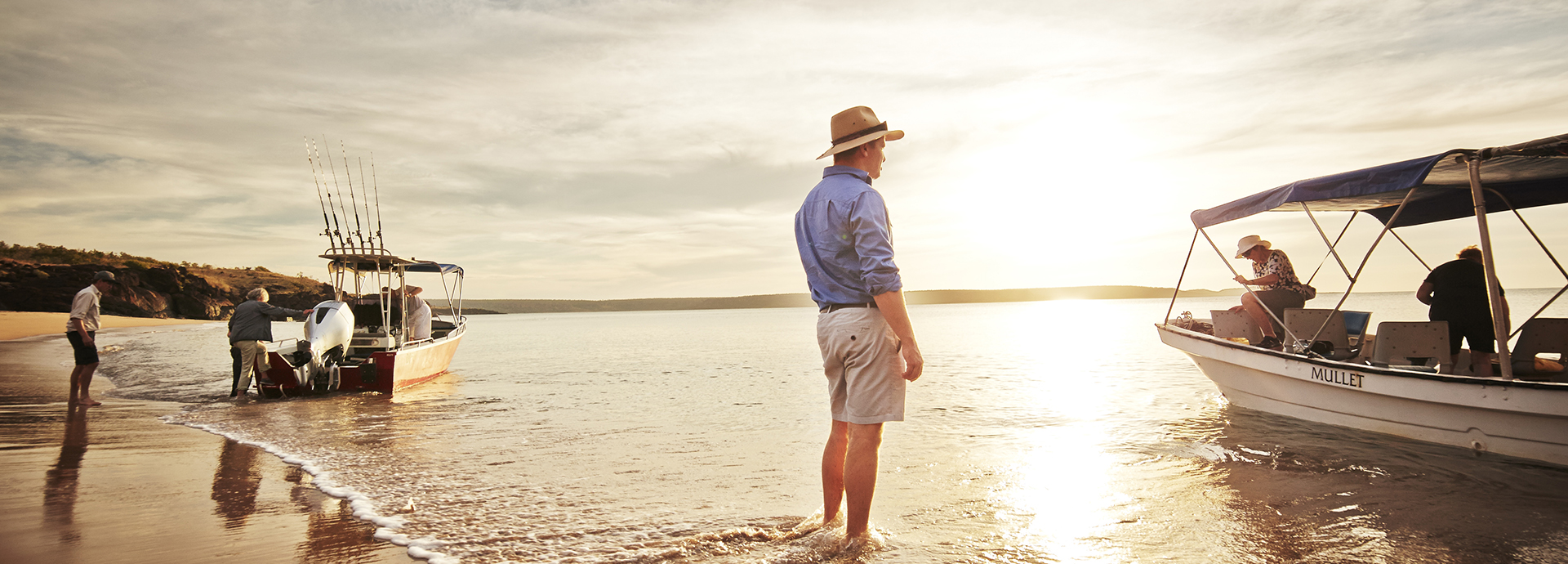
Kimberley Coastal Camp is nestled on the pristine shores of the Admiralty Gulf in the heart of the great Kimberley wilderness. With no set itineraries, days are spent fishing, discovering rock art and exploring deserted islands at your leisure, miles and miles from civilisation. Barefoot, beachfront luxe!... Read More
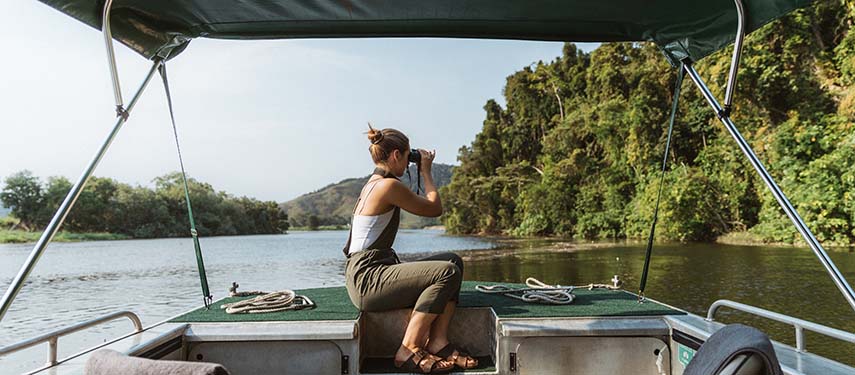
Daintree Ecolodge – Daintree Rainforest, Queensland
Queensland Rainforest retreat
Daintree Ecolodge is the only boutique accommodation in the World-Heritage listed Daintree Rainforest. Wake up to the sound of the birds, discover the lodge's private waterfall and walk through the enchanting rainforest for the perfect eco-escape from the hustle and bustle of daily life.... Read More
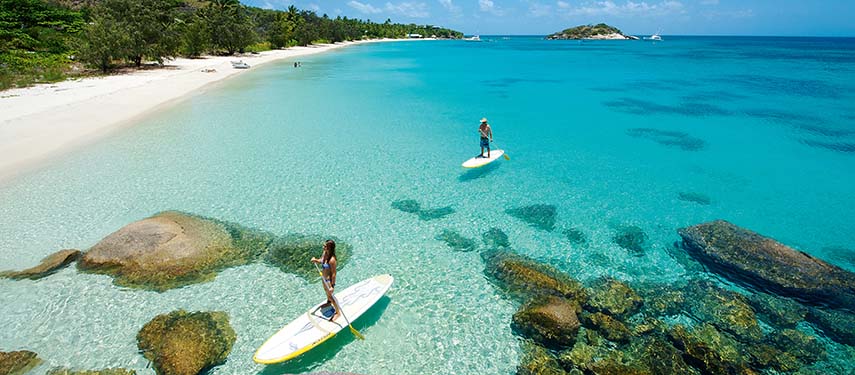
Lizard Island Resort
Tropical Island Retreat | Far North Queensland Australia
As the northern-most resort on the Great Barrier Reef and the only one located on a 1,013-hectare National Park, Lizard Island feels truly secluded from the rest of the world, despite being just a one hour flight from Cairns.... Read More
A collection of journeys in Australia
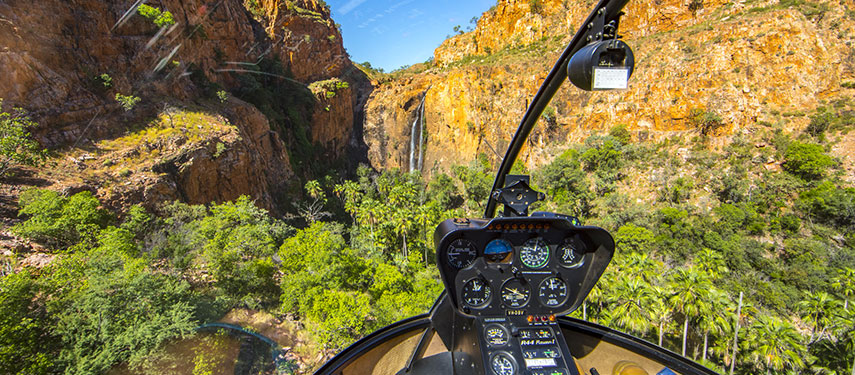
Australia: Remote Coast, Cattle & Kimberley Outback Adventure
Itinerary Inspiration | Australia's wild & remote west
This itinerary is for anyone looking for an outback adventure exploring the remote reaches of North West Australia. Start by immersing yourself in the stunning Kimberley coastline, then head inland to experience the region’s dramatic landscape, before indulging in the traditional outback hospitality of an historic outback station. For those seeking more adventure, board your expeditionary cruise boat and venture along the stunning coastline and rugged landscapes of the remote Kimberley region....Read More
Australia: Rainforest & Remoteness
Daintree, Cattle Station & Far North Queensland, Australia
This is the itinerary for anyone looking to leave modernity behind and escape to a far flung hideout. Start by soaking up the soothing sounds of mother nature in the Daintree Rainforest, then head inland to experience the wellness of pastoral life on a secluded 28,000-hectare heritage property, before finally heading to a private island for the ultimate castaway experience....Read More
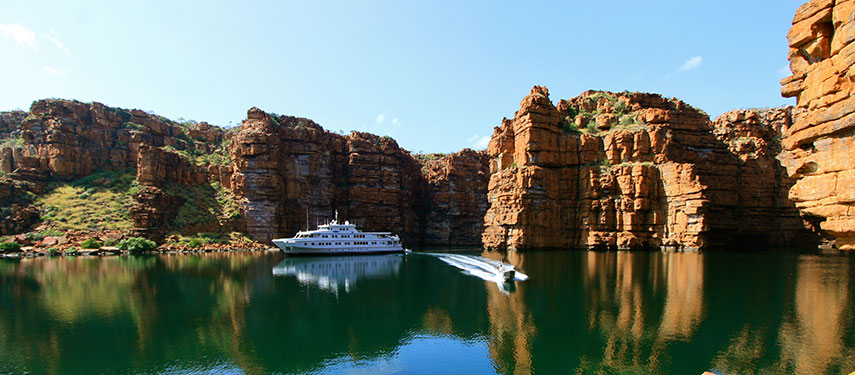
True North Kimberley Ultimate
Set Departure | Cruising Australia's Kimberley Coastline
A True North cruise blends adventure, exquisite luxury and expert guiding covering thousands of nautical miles aboard one of the world’s finest expedition vessels. This is not cruising in the traditional sense but rather a curated activity-based itinerary, with non-sea days planned in, offering unparalleled access to the stunning coastal environment....Read More
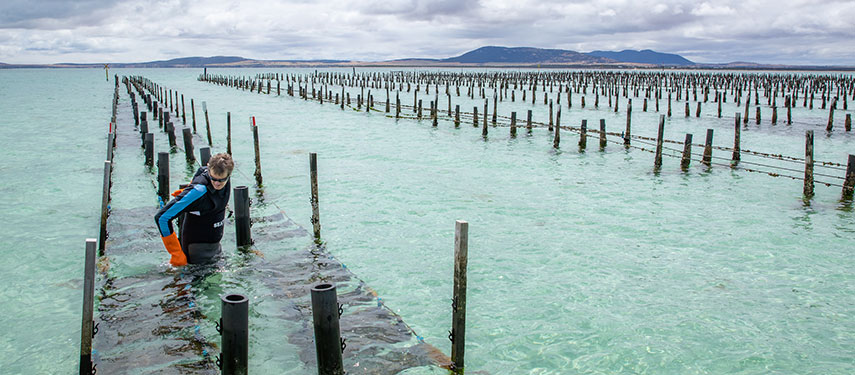
Wine, Wildlife & Walking
Itinerary Inspiration | South Australia
This itinerary is for the food and wine buffs who love a spot of adventure. Start in Port Lincoln and immerse yourself in this incredible diversity of environments home to some of Australia's rare, endangered and vulnerable wildlife, then head to the Barossa Valley to sample some of Australia's finest wines before tackling the stunning Flinders Ranges on foot as you hike this 540-million year old landscape....Read More
Top End Immersion
Itinerary Inspiration | Kakadu & Arnhem Land, Northern Territory, Australia
If you are an adventure seeker looking for a a complete immersion into Australia's 'Top End' then this journey is for you! Commence your adventure 'out bush' in a private tented safari camp and explore Kakadu & Arnhem Land with one of Australia's top guides who will weave magic into the stories of the land & share traditional Aboriginal life with you. Transfer to Bamurru Plains, the outstanding, luxurious wilderness lodge where you will explore Kakadu's remarkable Mary River floodplains by 4x4, on foot and by air boat.
...Read More
Bay of Fires Lodge Walk
Set Departure | Tasmanian Coastal Trek
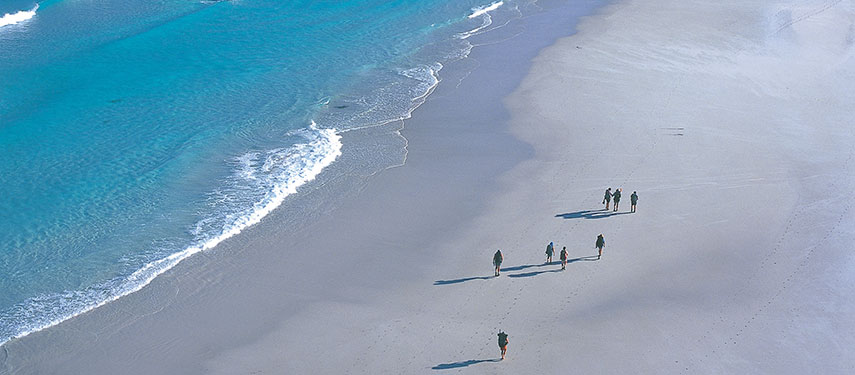
Discover the breathtaking beaches along the east coast of Tasmania as you explore the Bay of Fires. Join a small group, led by well-informed guides, and traverse this wonderfully remote landscape. The Bay of Fires offers an awe-inspiring escape, teeming with unique flora and fauna...not to be missed!...Read More
Australia: Kakadu Under Canvas
Itinerary Inspiration | Kakadu & Arnhem Land, Australia
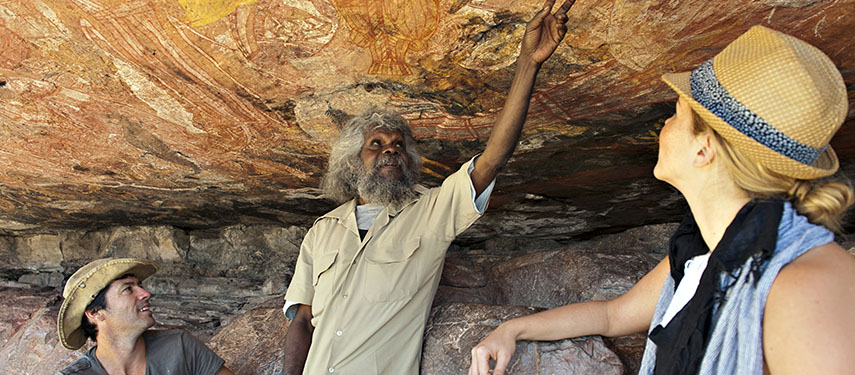
This incredible journey allows you to spend three magical days amidst the natural beauty, incredible wildlife and rich cultural traditions of the Northern Territory, whilst being hosted by one of Australia's best guides who has lived and breathed this region for a lifetime.
...Read More
The Arkaba Walk
Set Departure | The Flinders Ranges on foot
Traversing the ancient Flinders Ranges and the private Arkaba Conservancy in outback South Australia, The Arkaba Walk is an experience that immerses you in the story of the land....Read More
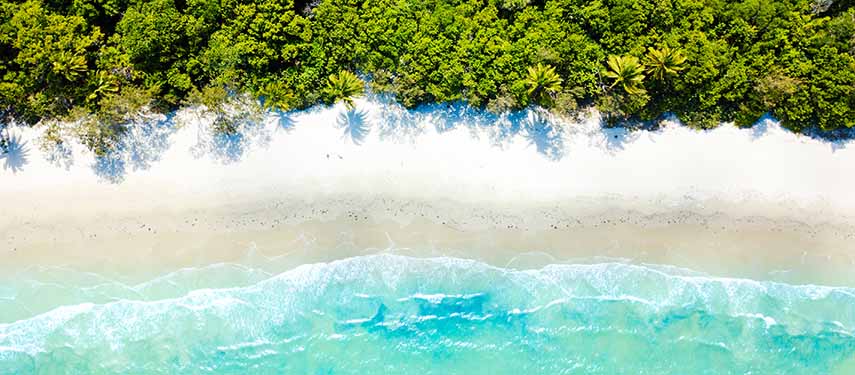
Australia: Cape York & The Gulf Air Safari
Air Safari | Outback & Far North Queensland
14 days
See the true Queensland outback, exploring iconic towns, remote islands and cattle stations. A spectacular Air Safari along the isolated Cape York coastline, the exotic isles of Torres Strait, the rich Daintree Rainforest and sand-stone chasms of Canarvon Gorge. Conquer the Cape, explore the rainforest and meet some incredible locals.
...Read More
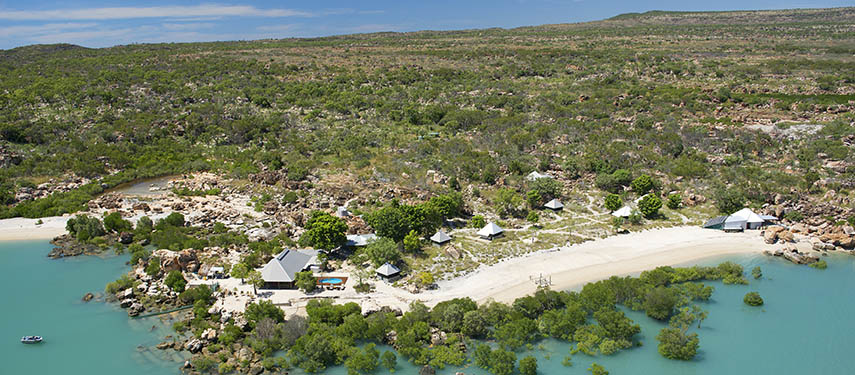
Australia: Flyaway Faraway
Air Safari | Iconic & vast Australia
14 Days
Take flight in a private aircraft to link the best of the Red Centre, Top End and Kimberley into a single journey of a lifetime. Indigenous custodians, rock art experts, cattle station owners and long-time locals bring the Australia's special attributes to life as you experience the true colours of this incredibly vast and diverse country....Read More
Australia: Frequently Asked Questions
Australia’s enormous size means timing depends entirely on the region. The Kimberley and Top End are best visited during the dry season, from May to October, when roads are passable, wildlife concentrates around waterholes, and airboat access to the floodplains is at its most dramatic. Ningaloo Reef’s famous whale shark season runs from mid-March to late July, coinciding with the mass coral spawning that draws these gentle giants inshore. The Flinders Ranges are best visited in the cooler months between April and October, when daytime temperatures are manageable for walking. Tasmania is largely a year-round destination, though summer (December to February) offers the longest daylight hours for coastal trekking.
Australian citizens and permanent residents obviously require no visa for domestic travel, but several regions require forward planning of a different kind. Arnhem Land, for example, is Aboriginal land and requires a permit to enter — organised through a tour operator or the Northern Land Council. Some sections of Kakadu National Park also have access considerations. The Classic Safari Company handles all necessary permits and access arrangements as part of a tailored itinerary, ensuring guests are not inadvertently excluded from the most culturally significant and remote areas.
Genuinely remote. Kimberley Coastal Camp in the Admiralty Gulf is accessible only by light aircraft or boat. Bullo River Station in the Northern Territory requires a light plane from Darwin or Kununurra. Haggerstone Island in Far North Queensland is similarly fly-in only. Even the more accessible properties, such as Sal Salis at Ningaloo, require a flight to Exmouth followed by a transfer. The Classic Safari Company factors all logistics — internal flights, transfers, and connections — into every itinerary, which is particularly important given Australia’s vast distances.
Australia’s wildlife is found nowhere else on Earth in its combination of species. Monotremes such as the platypus and echidna, marsupials including kangaroos, wallabies, wombats, and quolls, and marine life ranging from dugongs and whale sharks to humpback whales and manta rays are all possible encounters depending on region and season. Bamurru Plains alone hosts saltwater crocodiles, brumbies, dingoes, wallabies, and one of the continent’s great bird spectacles, including the annual migration of up to 100,000 magpie geese across the Mary River floodplains. While many are fairly common sights to most of us, the opportunity to see platypus, dugongs, large marine life and crocs in the wild remains a remarkable and breathtaking experience.
Yes, with the right itinerary. The Maria Island Walk in Tasmania is a soft adventure with light packs and comfortable nightly accommodation, well suited to older children and teenagers with an interest in wildlife and history. The Daintree Ecolodge offers an immersive rainforest environment that captivates younger travellers. Kakadu and Arnhem Land, with their ancient rock art, airboat rides, and abundant wildlife, tend to make a lasting impression on children of all ages. The Classic Safari Company designs family itineraries with age, fitness, and pace in mind.
The experiences are complementary rather than competing. Africa’s defining quality is the density and drama of large mammal sightings in open savannah. Australia’s wilderness offers a different register entirely: an ancient geological canvas, endemic species found nowhere else, Indigenous cultural depth dating back more than 60,000 years, and a profound sense of solitude across some of the least-populated landscapes on Earth. For travellers who have explored Africa extensively, Australia — particularly the Kimberley, Top End, and remote outback — offers a wilderness encounter that is no less extraordinary, simply on its own singular terms.
Australia: A Glossary of Terms
The Top End — The colloquial name for the northernmost region of the Northern Territory, encompassing Darwin, Kakadu National Park, and Arnhem Land. Characterised by dramatic monsoon seasons, ancient rock art, and exceptional birdlife, it represents some of Australia’s most culturally and ecologically significant country.
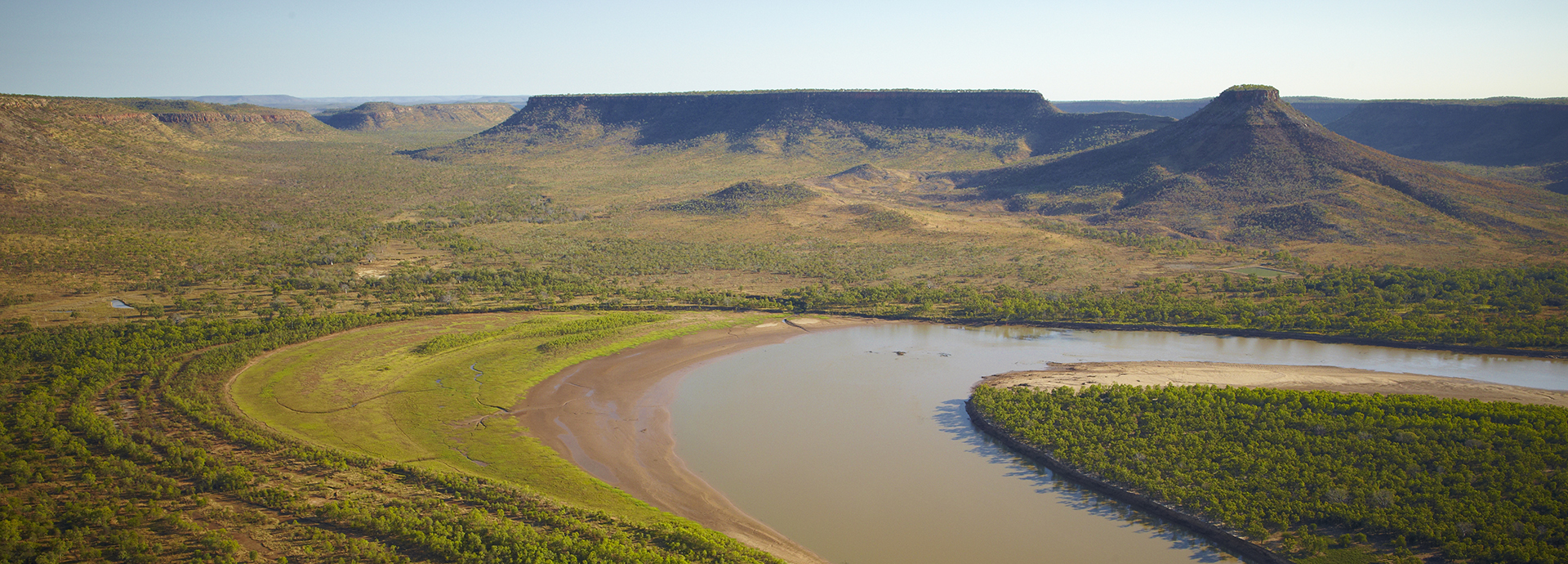
The Kimberley — A vast and largely roadless region in the far north of Western Australia, covering approximately 420,000 square kilometres. It is defined by ancient sandstone gorges, tidal coastlines, boab trees, and Indigenous rock art traditions including the celebrated Wandjina and Gwion Gwion figures. Access is primarily by light aircraft or expedition vessel.
Fringing Reef — A type of coral reef that develops in close proximity to a coastline, with little or no lagoon separating it from the shore. Ningaloo Reef is one of the world’s largest fringing reefs, notable for the rarity of being able to swim directly from the beach onto living coral.
Whale Shark — The largest fish species on Earth (Rhincodon typus), growing to twelve metres or more in length and feeding exclusively on plankton, small fish, and fish eggs. Ningaloo Reef hosts one of the world’s most accessible whale shark aggregations each year between March and July, triggered by the annual mass coral spawning event.
Airboat — A flat-bottomed vessel propelled by an aircraft-type propeller mounted above the hull, enabling travel through extremely shallow water and tall grass. Airboats are the primary means of exploring the Mary River floodplains at Bamurru Plains, allowing guests to skim across wetlands inaccessible by conventional craft.
Adnyamathanha — The traditional custodians of the Flinders Ranges in South Australia, known as the “Hill People.” Their culture, language, and songlines are deeply embedded in the landscape of the Ikara-Flinders Ranges, and cultural interpretation by Adnyamathanha guides adds significant depth to any visit to the region.
Monotreme — One of only five living species of mammal that lay eggs rather than giving birth to live young. The platypus and four species of echidna — all found in Australia or New Guinea — are the world’s only monotremes, making them among the most ancient and evolutionarily distinctive animals on Earth.
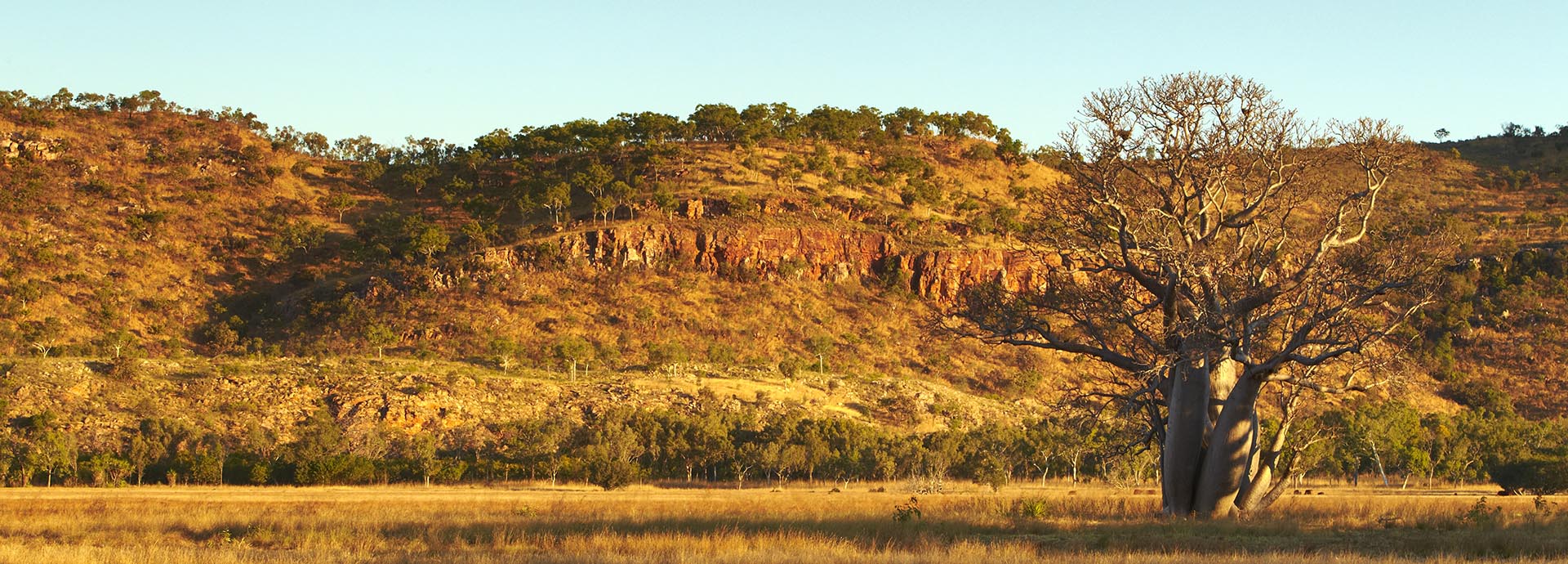
Boab — A distinctive tree (Adansonia gregorii) found only in the Kimberley region of Western Australia and the Northern Territory, notable for its swollen, bottle-shaped trunk capable of storing water. Boabs are among the longest-lived trees in Australia, with some specimens estimated to be several thousand years old.
K’gari — The official and traditional name of Fraser Island, located off the coast of Queensland. K’gari (pronounced ‘garr-ee’, with a silent K) is the world’s largest sand island at approximately 122 kilometres in length and is listed as a UNESCO World Heritage Site, home to dingoes, freshwater lakes perched above sea level, and ancient rainforest growing on sand.
Arnhem Land — An Aboriginal land reserve in the Northern Territory covering approximately 97,000 square kilometres, home to some of the world’s oldest and most significant rock art galleries, some dating back more than 20,000 years. Entry requires a permit, and most visits are arranged through specialist operators with deep community relationships.
Having, in my early days, travelled widely around Australia, the trip with Outback by Air & Classic Safari Company opened my eyes to so many wonderful places that are unique to this fabulous country. Thank you for such a marvellous adventure.
Hugh Lander
You can't improve on perfection. I had my best birthday and holiday with my family celebrating my 80th birthday in Africa. Everything that Julia organised was perfect and the whole trip was a highlight!
Buckingham Family
Classic Safari is the place to go to for "top end" adventure travel.
Ron & Alison Guthrie
An absolutely fantastic travel company - every one of the many trips they have organised for us over 22 years have been faultless and fabulous.
Judith & Roger Williams
An amazing experience - the best family holiday we have ever had. We were extremely impressed by the meticulous attention to our itinerary. I can't speak highly enough of all the elements of this exciting journey!
Sheryl & Robert Taylor
We wanted the opportunity to see as many wildlife parks as possible and the Classic Safari Company provided an action-packed itinerary that included six, with 11 tiger sightings and nine leopard. This was overlaid with an introduction to Jaisalmer, Jaipur and the 'real' India. Pench and Panna were the hidden gems of a really great trip, very well organised, seamless and enjoyable. As a solo traveller I felt incredibly safe at all times. I want to go back!
Mark Taylor
Classic Safari Company has done it again! A unique experience that ticked all the boxes - wildlife, culture and dining experience. A dream come true!
Ros Wheeler
It certainly was the best trip we have EVER had. The experiences were mind blowing. We want everyone we know to experience Africa - the animals, the people - magical.
Jo-anne & Dean Mifsud
Julia you did a fantastic job - everything was first class. Well organised, efficient and stress free. We all agreed it was the best holiday we've ever had. Cant wait to travel with CSC again.
Milford family
If you want the most sensational experience in Africa let Julia and the staff at Classic Safari Co plan it for you! Their knowledge, expertise and enthusiasm for their job means your every wish will be fulfilled.
Miriam & Joseph Harrison
Thank you for making our trip to Africa so spectacular. The attention to detail really made it special. It really was the trip of a lifetime.
Paul Cozzi