Ecuador
& The Galápagos
Andes, Amazon & Archipelagos
Ecuador & the Galápagos | In Summary
- Ecuador is one of only 17 megadiverse countries on Earth, harbouring around 10 percent of all plant species and more bird species per square kilometre than almost anywhere else on the planet — a biological density made possible by the collision of Pacific, Amazonian and Andean ecosystems within a country smaller than the state of Victoria.
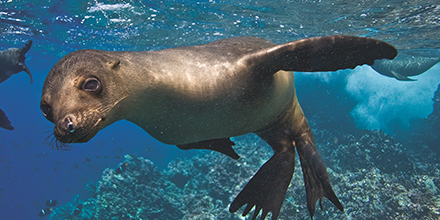
- The Galápagos archipelago sits at the intersection of three ocean currents — the Humboldt, the Cromwell and the Panama — and this rare convergence is the engine behind its extraordinary marine biodiversity, supporting one of the few places on Earth where penguins, flamingos, fur seals and hammerhead sharks share the same waters.
- Ecuador operates a strict visitor management system in the Galápagos: all travellers must pay a National Park entrance fee (currently USD $200 per adult), obtain an Ingala transit control card, and be accompanied by a licensed naturalist guide at all times on the islands — regulations that have been instrumental in keeping the archipelago a functional, living ecosystem rather than a spectacle diminished by mass tourism.
Amazonian rainforests, Andean peaks, foggy cloud forests, the Galápagos Islands and a rich indigenous heritage – all can be found in Ecuador. Split down the middle by a chain of snow-capped volcanoes, the mighty Amazon lies to the east while cloud forests, an untouched coastline and, of course, the awe-inspiring Galápagos Islands lie to the west. One day you will pick through hand-woven wool sweaters at a chilly indigenous mountain market, the next you will be spying howler monkeys through your binoculars in the steamy Amazon jungle.
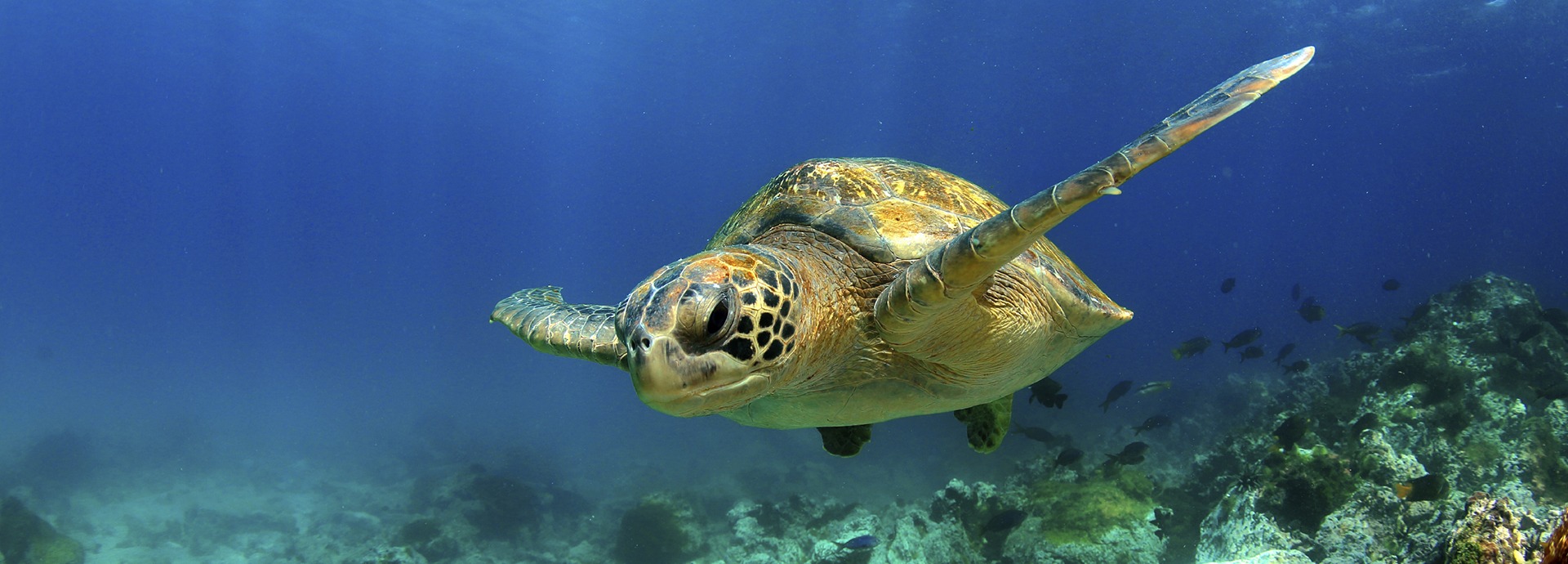
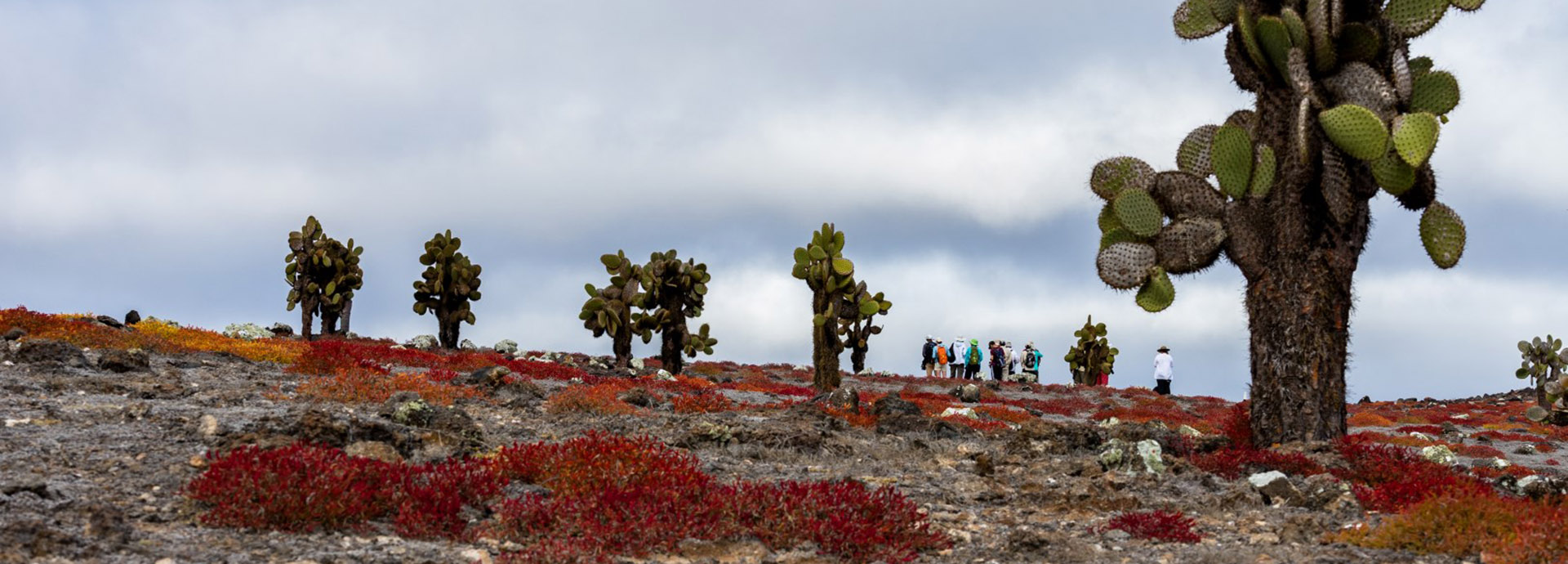
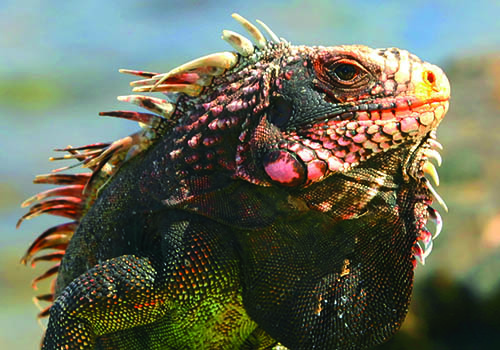
Having famously inspired Charles Darwin’s theory of evolution, the Galápagos Islands are an astonishing living museum of endemic species including marine iguanas, flightless cormorants, giant tortoises and huge cacti. The archipelago draws visitors from around the world, yet careful management ensures that this delicate ecosystem is preserved and protected. Inland, secretive Andean cloud forests harbour all manner of weird and wonderful creatures, waiting to be discovered. Culture vultures will enjoy Ecuador’s rich indigenous heritage, textile markets and pre-Incan sites, and adventure junkies will revel in the unending and largely untapped mountaineering, trekking and horse riding opportunities.
You Will Love
- The Galapagos Islands, the Amazon & the Andean cloud forests
- UNESCO world heritage city of Quito
- Weird and wonderful creatures
- Artisan craft markets and textiles galore
- Active research stations and inspirational conservation projects
- Indigenous, Inca and colonial history
Let us design your perfect itinerary.

Ecuador’s diverse regions
from the Galapagos to the Amazon

Ecuadorian Amazon
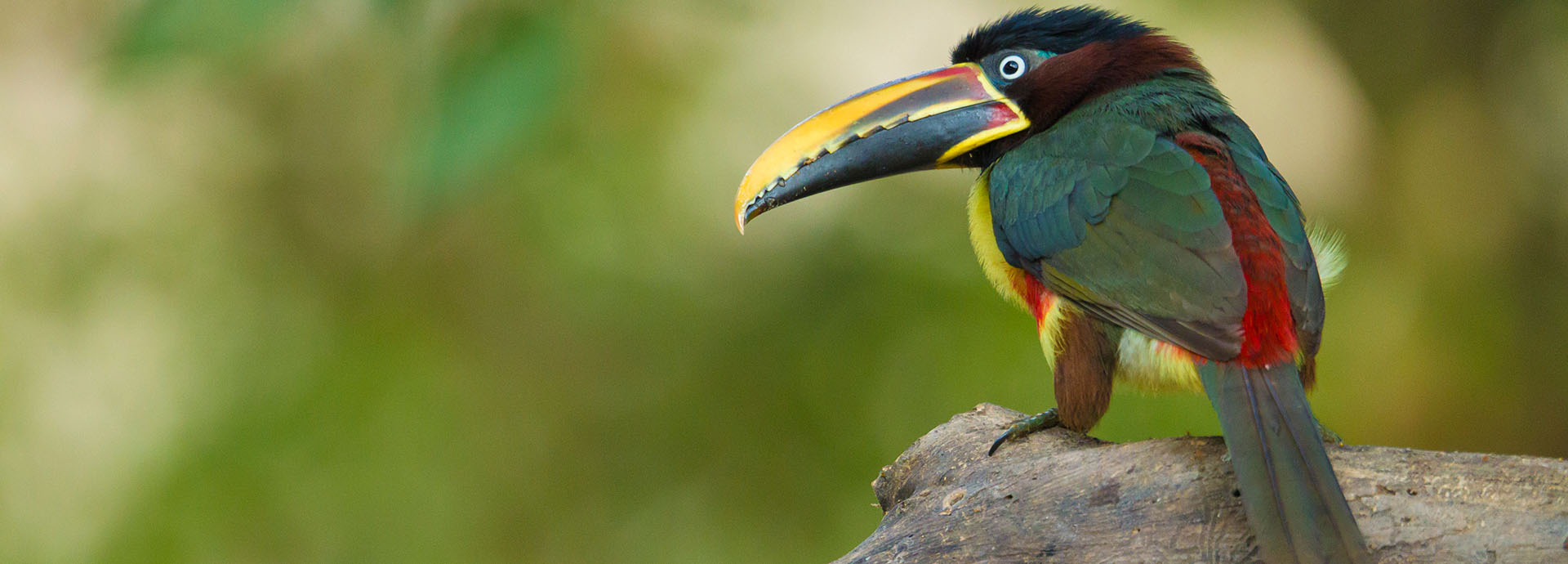
The Ecuadorian Amazon is one of the richest biological environments on Earth. Caimans, tapirs, sloths, jaguars, manatees and dolphins are all found here as well as more than 600 species of tropical birds including macaws and toucans. Rain forest walks and kayaking produce exciting encounters and night walks reveal the secretive nocturnal creatures of the forest. Head deep into ancestral lands to interact with the indigenous Kitchwa Añangu community who are integral to maintaining the biodiversity of this unique region.
Galápagos Islands
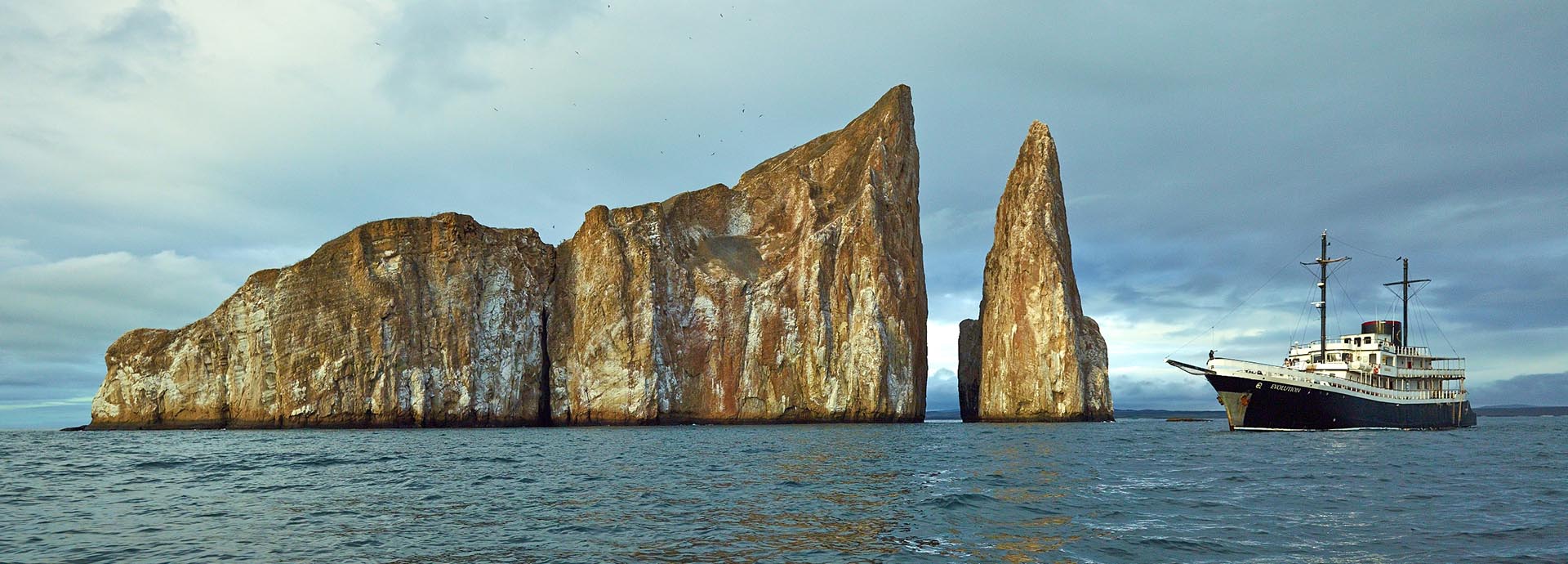
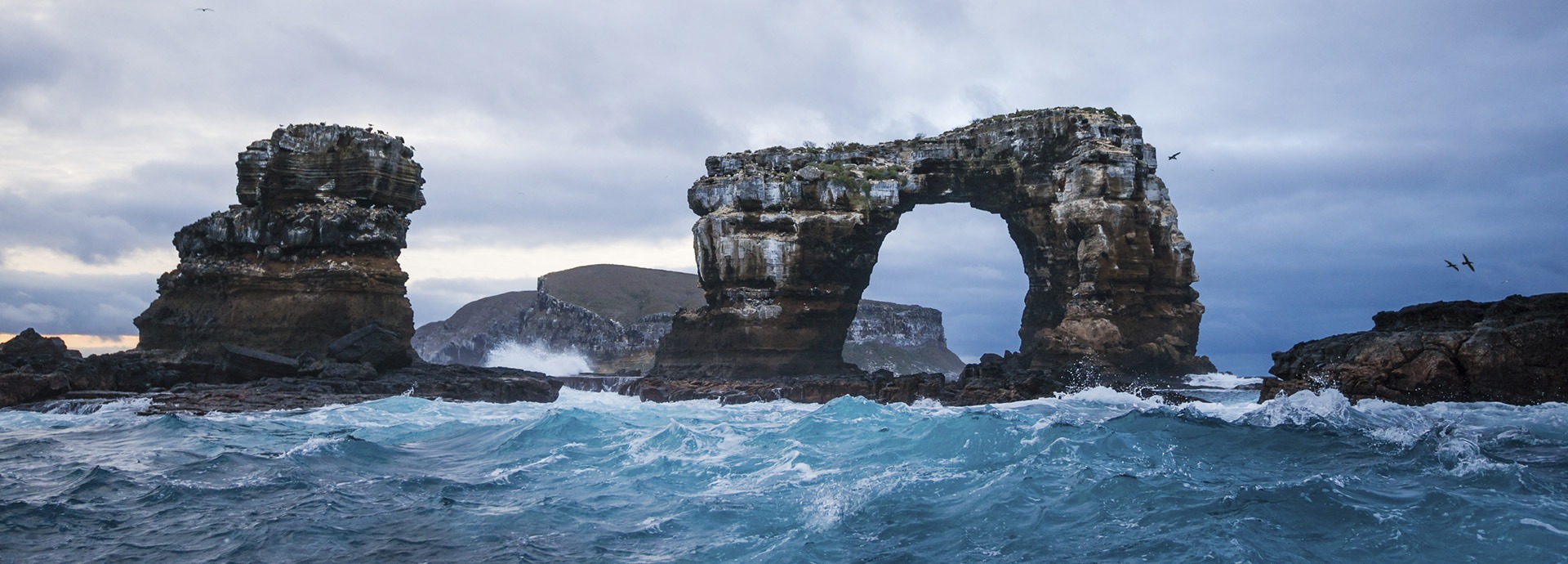
The Galápagos Islands require little introduction. Located 1,000km off Ecuador’s coast at the confluence of three ocean currents, the marine ecosystem here is one of the richest in the world. On land, endemic species roam volcanic landscapes and clouds of Darwin’s famous finches fly overhead. Having famously inspired the Theory of Evolution through Natural Selection, the Galápagos Islands are a living museum, showcasing natural history before your eyes.
Quito & beyond
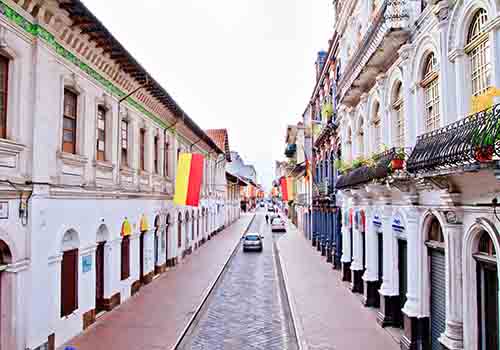
Cradled in a ring of snow-capped volcanoes, Quito is Ecuador’s UNESCO listed high-altitude capital. Following a multi-million dollar restoration project its copious colonial churches and monasteries have been polished to perfection while picturesque plazas and artisan markets buzz with local life. Pretty haciendas, nearby pre-Incan sites and authentic traditional culture mixes with a sophisticated culinary scene, and vibrant nightlife to create city which exists in several centuries at once.

Unforgettable experiences in Ecuador
Explore the Galápagos by boat
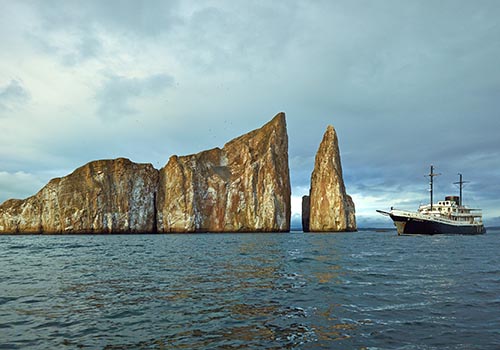
Explore the Galápagos by boat
Follow in the footsteps of Charles Darwin as you explore the magnificent Galápagos Archipelago by boat - the only way to truly appreciate the scale and diversity of the 19 main islands. You’ll encounter an unparalleled variety ...
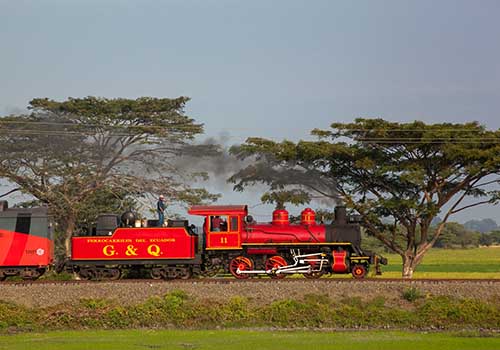
Chug through Ecuador in a steam train
Chug through Ecuador in a steam train
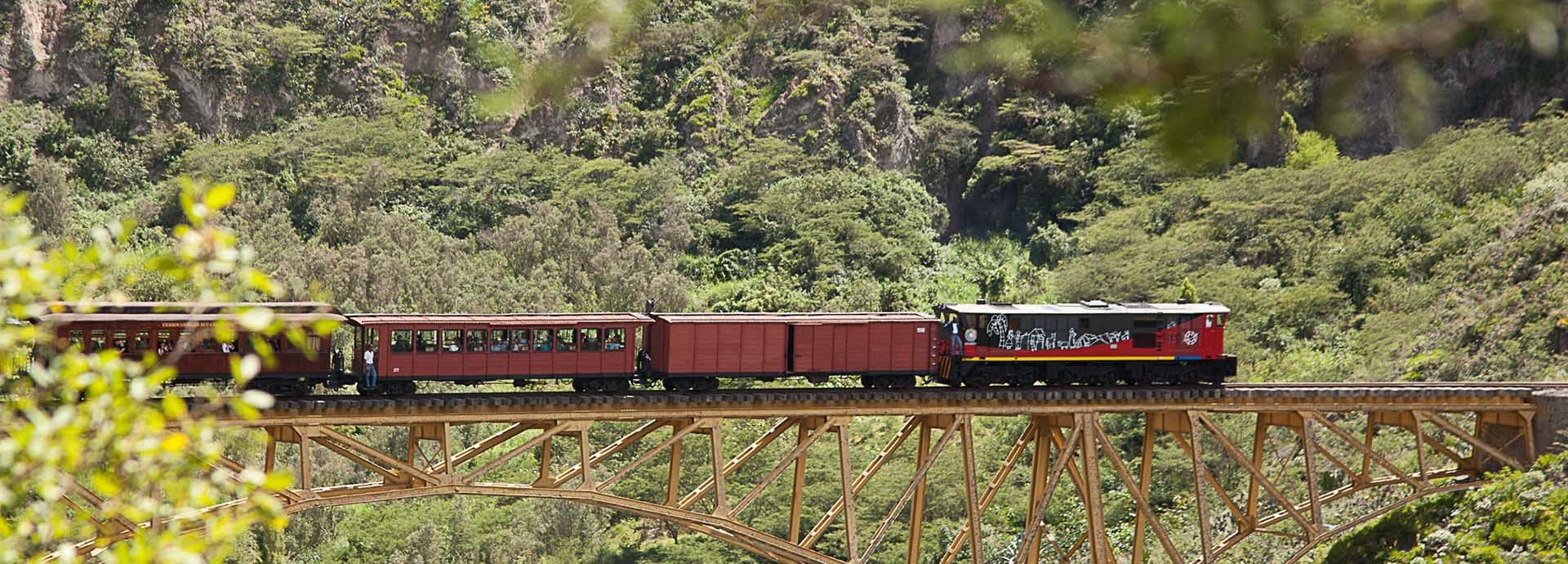
Board a steam locomotive to travel from Quito in the Andes to Guayaquil on the Pacific Coast – your launch point for the Galapagos Islands. Take a journey through Ecuadorian culture and drink in some of Latin America’s most sp...
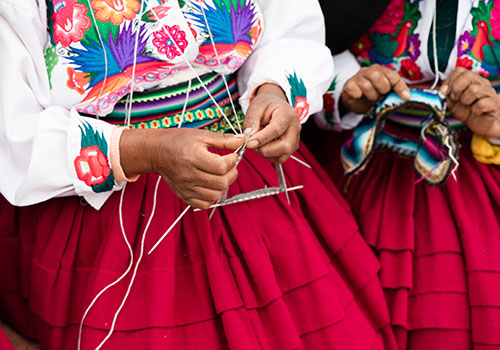
Visit the colourful Otavalo markets
Visit the colourful Otavalo markets
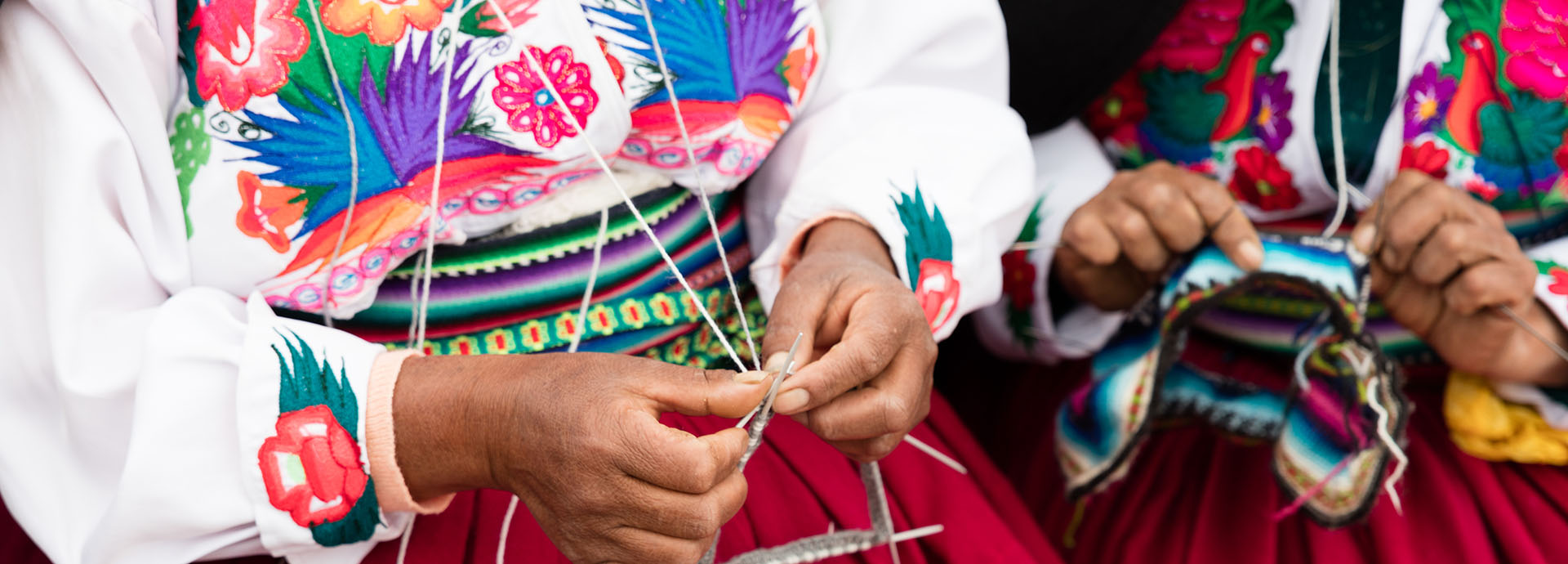
Experience the Otavalo way of life, learn about the people’s history, customs and music, and immerse yourself in their traditional culture. Visit the local market to sample seasonal produce and chat to vendors as you browse hand...
Delve into Ecuador’s Amazon
Delve into Ecuador’s Amazon
Ecuador’s Amazon is a biodiversity hotspot teeming with fascinating flora and fauna. Explore the dense jungle in the company of a specialist guide as you creep through the forest on guided walks, canoe remote river tributaries ...
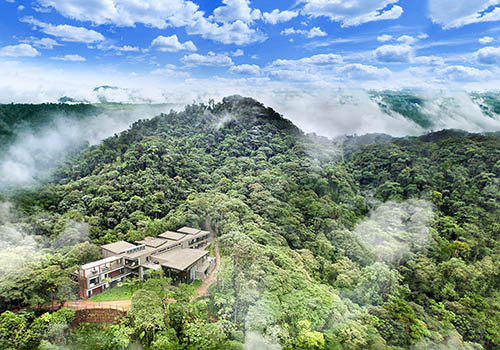
A selection of our favourite places to stay in
Ecuador & the Galapagos
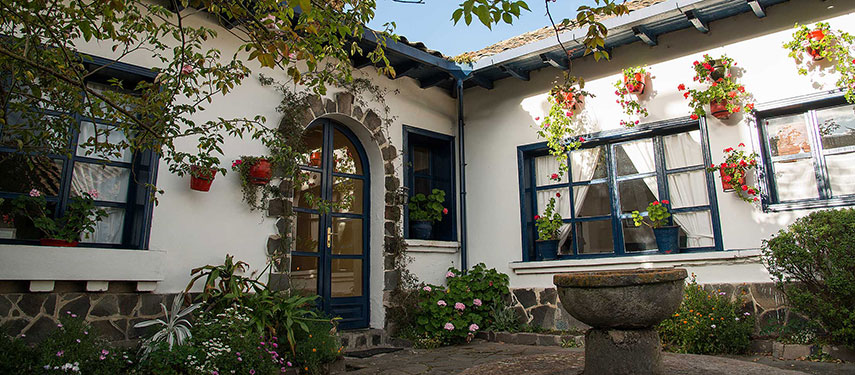
Hacienda Zuleta – Ecuadorian Highlands
Century old hacienda in the highlands
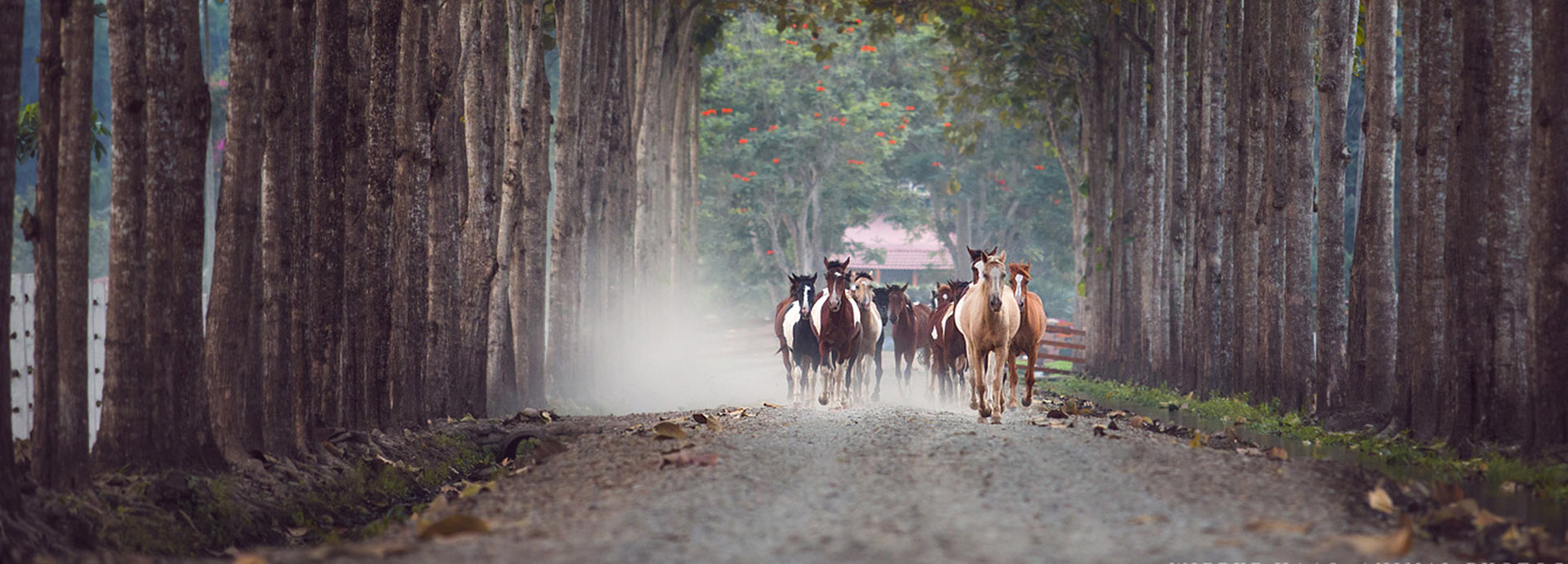
Located in the Andean highlands of Ecuador, Hacienda Zuleta is a colonial working farm of 4,000 acres with a distinctly homely feel. Paddock-to-plate style dining presents delicious homegrown produce while horseback riding, mountain biking and horse drawn carriage trips showcase the farm, mountain views idyllic rural life.... Read More
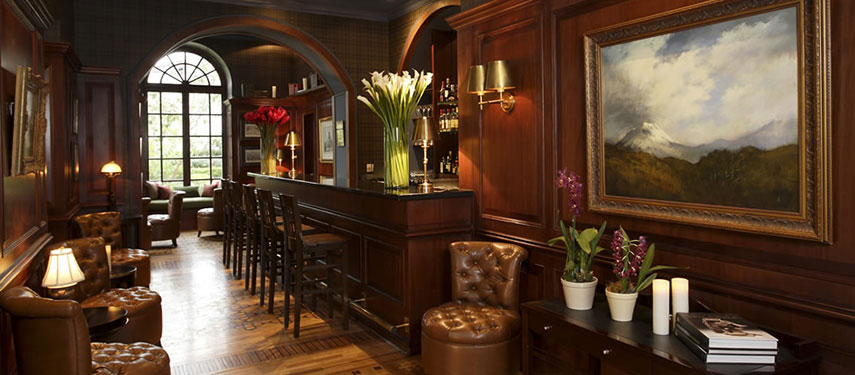
Casa Gangotena – Quito
Sophisticated and eclectic casa
Casa Gangotena Boutique Hotel sits within a carefully restored historic mansion overlooking the historic Plaza San Francisco. It offers 31 rooms decorated with eye-catching style and contemporary design. Sophisticated and eclectic Casa Gangotena retains all its historic charm with a sense of contemporary chic.... Read More
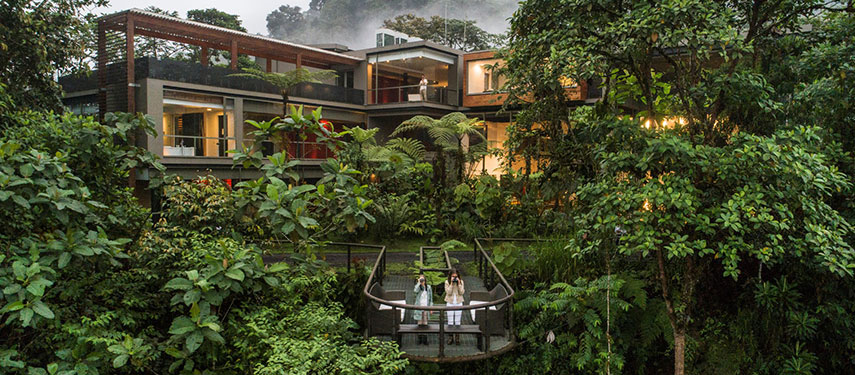
Mashpi Lodge, Ecuadorian Cloud Forest
National Geographic Unique Lodges of the World
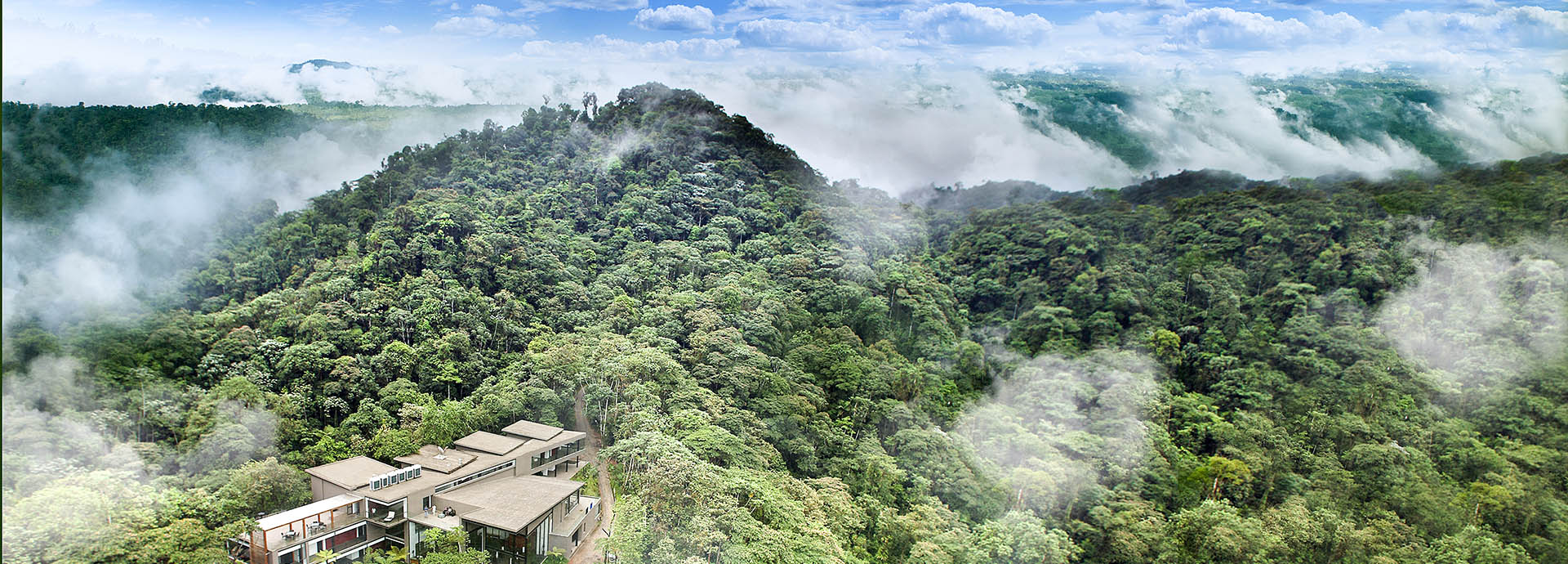
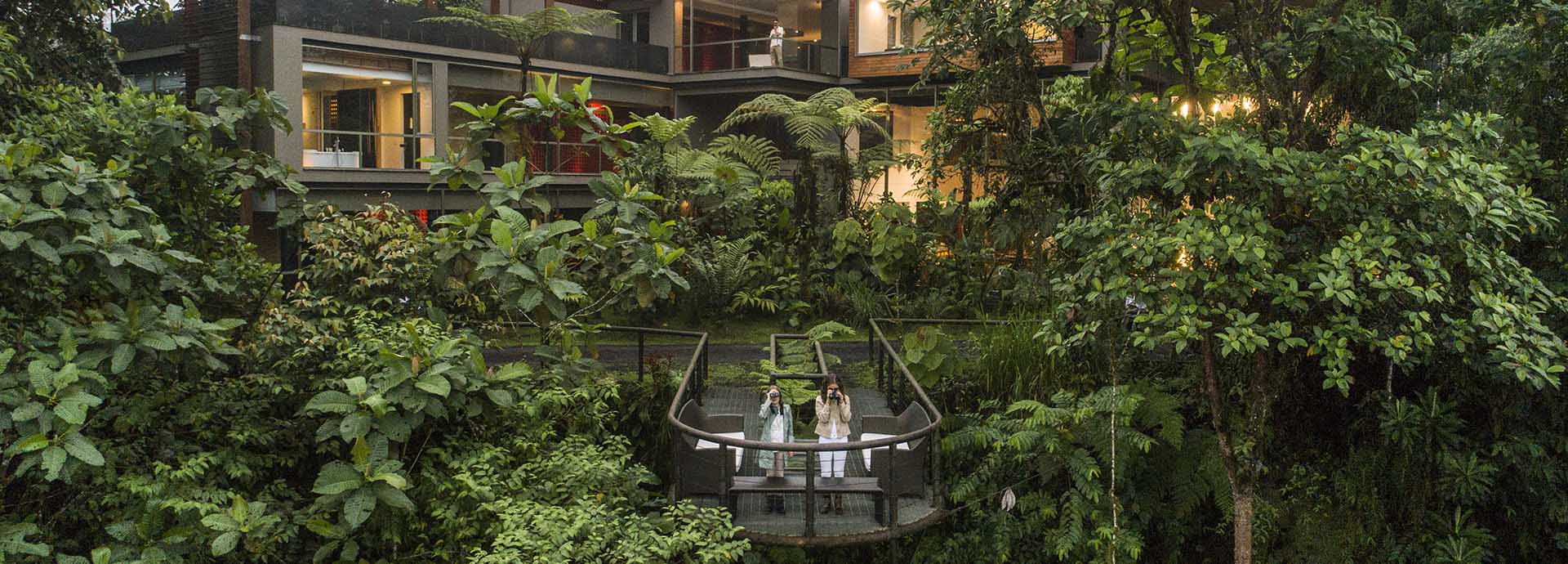
Mashpi lodge is a ‘National Geographic Unique Lodge of the World’ in the heart of the Equatorial cloud forest. With countless forest explorations on offer, it is the ideal springboard for discovering the rare species that thrive here, not only those within the realms of our understanding, but also those still being discovered.... Read More
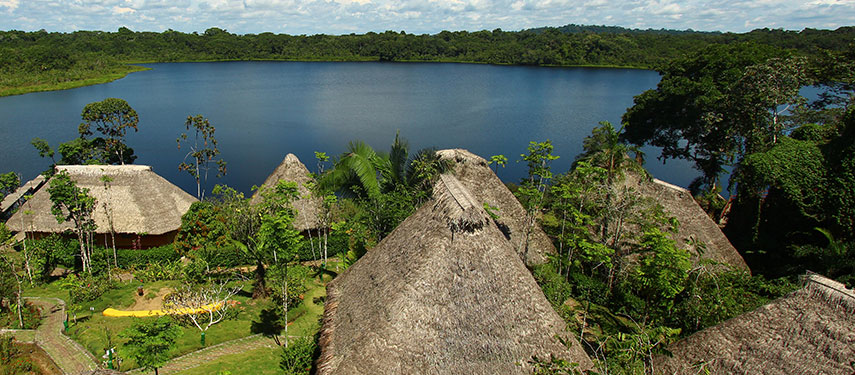
Napo Wildlife Centre – Yasuni, Amazon
Explore one of the world's wildest places
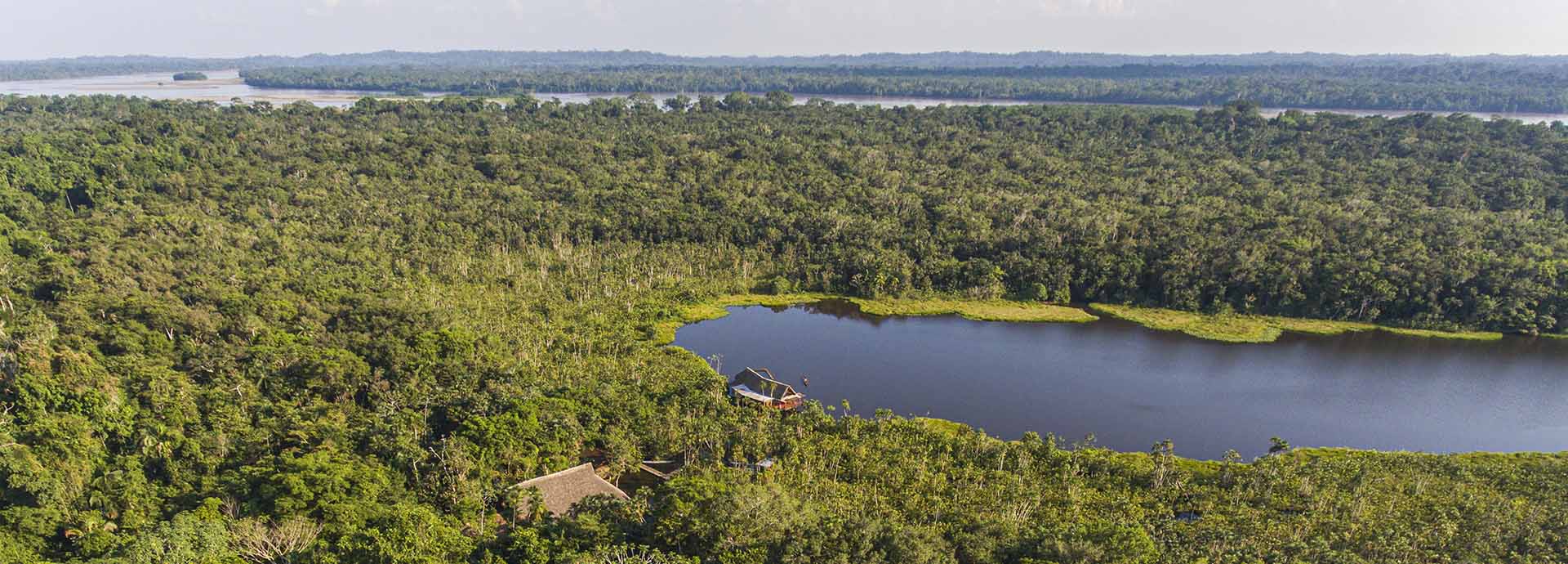
The Napo Wildlife Centre is located on the banks of the Anangucocha Lake, within the unique and ancestral territory of the Kitchwa Anangu Community, in the heart of Yasuni. Napo Wildlife Centre is a real paradise for nature lovers, eco-travellers and adventure seekers looking for an authentic jungle experience.... Read More
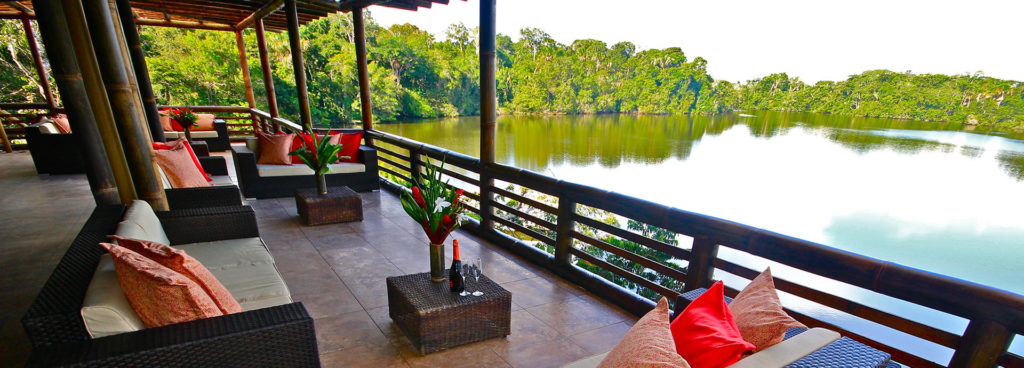
La Selva Jungle Lodge – Yasuni, Amazon
Premier Amazonian eco-lodge
La Selva Jungle Lodge is located in the heart of the Ecuadorian Amazon rainforest - one of the most biodiverse places on Earth. There is a variety of walking trails, canoe excursions, parrot clay licks, a butterfly farm and an observation tower to explore. Stay in style in the heart of the rainforest and immerse yourself in nature.... Read More
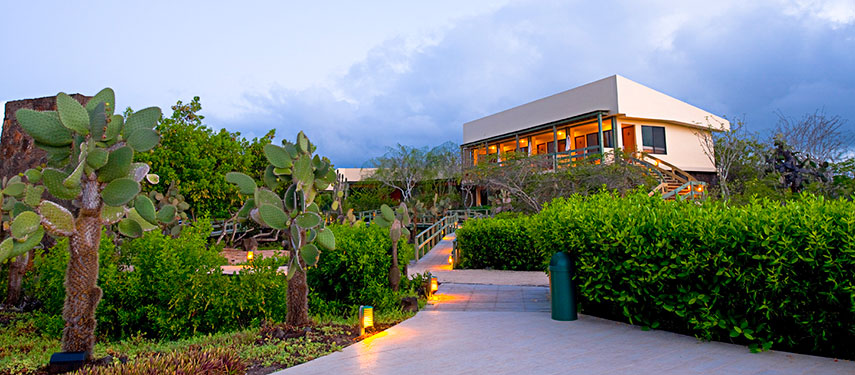
Finch Bay – Santa Cruz, Galápagos Islands
South America's leading green hotel
Finch Bay is just steps from a secluded beach on Santa Cruz, the main tourism hub of the Galapagos Islands. Trips to Tortuga Bay, the Santa Cruz Highlands, the Charles Darwin Research Station and Garrapatero Beach are all highly recommended during your stay. Mix exploration with some down-time for relaxation at Finch Bay.... Read More
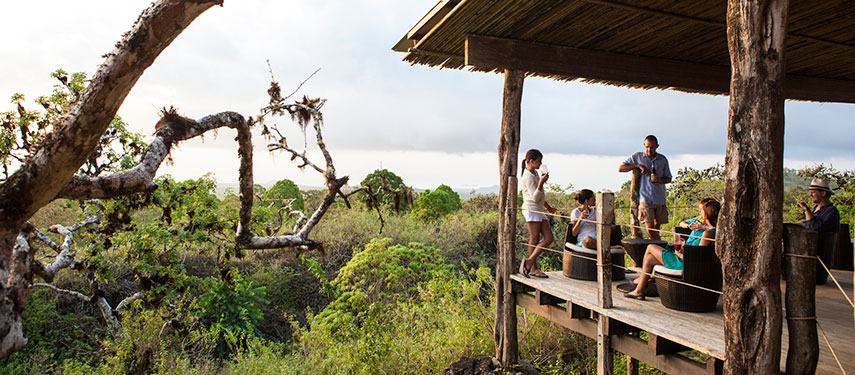
Galápagos Safari Camp – Santa Cruz
Little Africa in Galápagos
Set on a ridge in the highlands, Galápagos Safari Camp offers a unique wildlife experience inspired by the magic of African safari camps. Guests are accommodated in large canvas tents with beautiful Pacific views from a private balcony. Be on the lookout in camp for giant tortoises which amble through freely!... Read More

Hotel Del Parque – Guayaquil
A tropical garden oasis
Housed in a in a lovingly restored 19th century property, Hotel del Parque is characterful yet elegant, nestled in a tropical garden oasis where you will wake each morning to the sounds of parrots and spider monkeys. Enjoy the garden of orchids, tram lines through the grounds and an insight into the area's history.... Read More
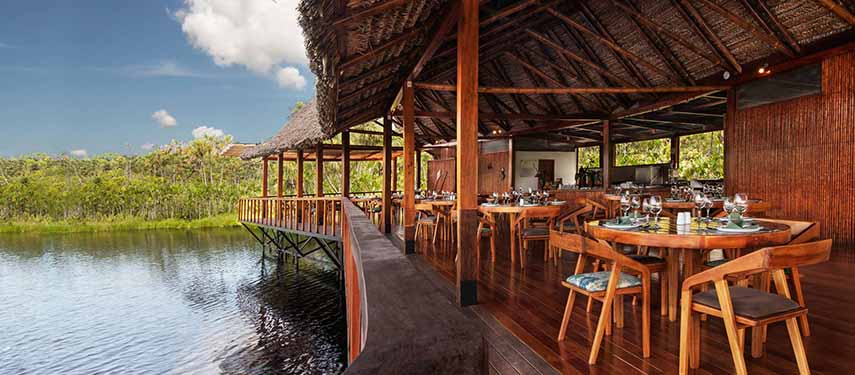
Sacha Lodge – Napo River, Amazon
A pristine rainforest sanctuary
At Sacha Lodge the Amazon is at your feet. Unforgettable experiences include climbing the observation tower, visiting one of Ecuador's largest butterfly farms and a canoe ride downriver to the Yasuni Clay Lick to witness dozens of parrots. Sacha Lodge offers an accessible yet pristine jungle adventure in the heart of the Ecuadorian Amazon.... Read More
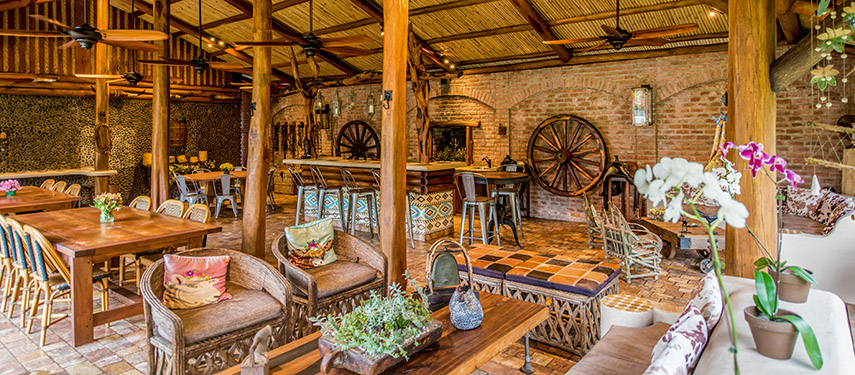
Hacienda La Danesa – near Guayaquil
A country delight
An hours' drive from Guayaquil, Hacienda la Danesa is a traditional dairy and cacao farm with over 145 years of rich heritage and history. Experience authentic rural life in beautiful surroundings, with activities on offer such as horse riding, river tubing, having a go at milking a cow or attending a chocolate and cacao workshop.... Read More

A collection of itineraries in Ecuador & Galapagos
Ecuador: Nature’s Paradise – Galápagos & Amazon
Itinerary Inspiration | In Darwin's footsteps
Centre your journey around visiting both the Galápagos Islands and the Amazon rainforest, with a short stay either side in Quito with its cobbled streets and in Guayaquil with its heritage and colonialism. A wildlife and nature lover's dream of an itinerary, get off-the-beaten track and up and close to nature, its flora and fauna while taking part in a range of activities with guides along the way to cater for your personal tastes....Read More
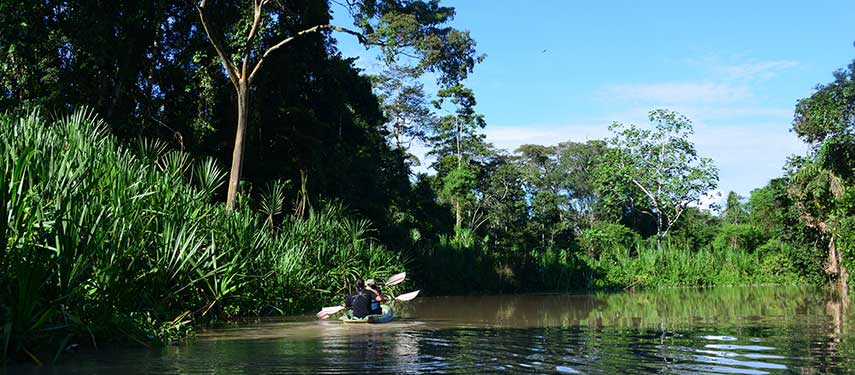
Ecuador: Amazon Cruise
Set Departure | Amazon Cruises - Ecuador
The Amazon comprises half of the planet’s remaining rainforest and the Amazon River is the life force of this amazing ecosystem. Amazon Cruises aboard a luxury Anakonda Amazon vessel allow you to experience it in comfort and style. The five-day itinerary gives you the opportunity to get up and close to pink dolphins, giant otters, manatees, anacondas, river turtles, birds and various primate species.
...Read More
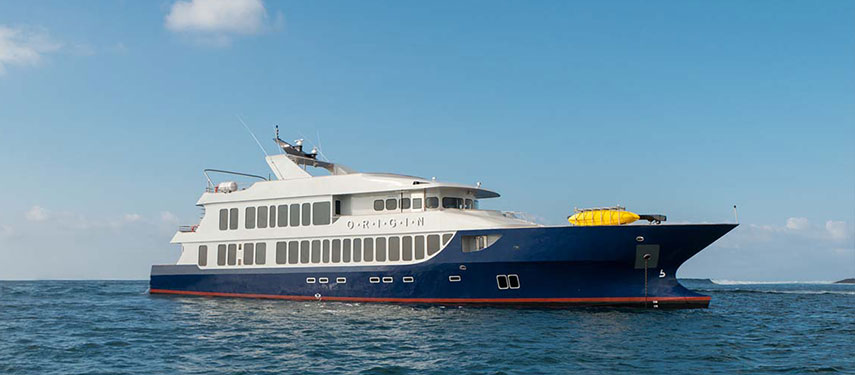
Galápagos: Expedition Cruise
Expeditionary Cruising | Luxury Galápagos Cruise
An Ecoventura Galápagos cruise alternates two different 7-night itineraries in the archipelago, exploring this UNESCO World Heritage Site embarking on guided land excursions while observing local wildlife such as giant tortoises, land iguanas, sea lions, blue-footed boobies and more, while travelling on a state of the art luxury vessel in comfort and in style....Read More
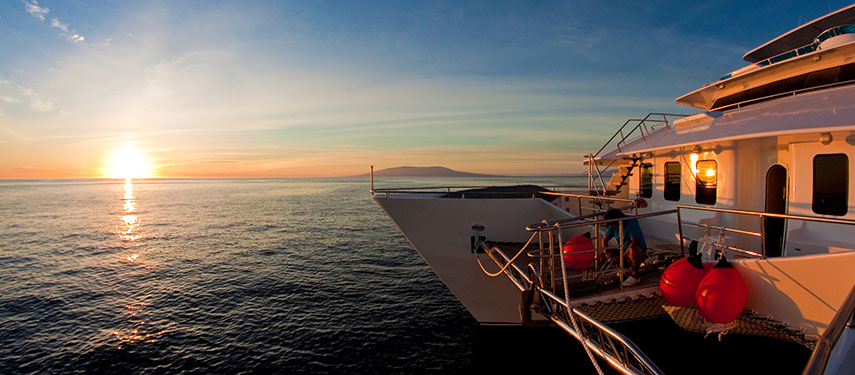
Ecuador: Explore the Galápagos
Expeditionary Cruising | Galápagos Exploration
The M/C Cormorant catamaran is a marvellous choice to explore the Galápagos Islands and archipelago - the boat a member of the renowned Haugan fleet operating within the Galápagos National Park. A range of itineraries are featured with a duration of 4-15 days will plenty of chances to spot wildlife and to get up and close with the island's resident creatures....Read More
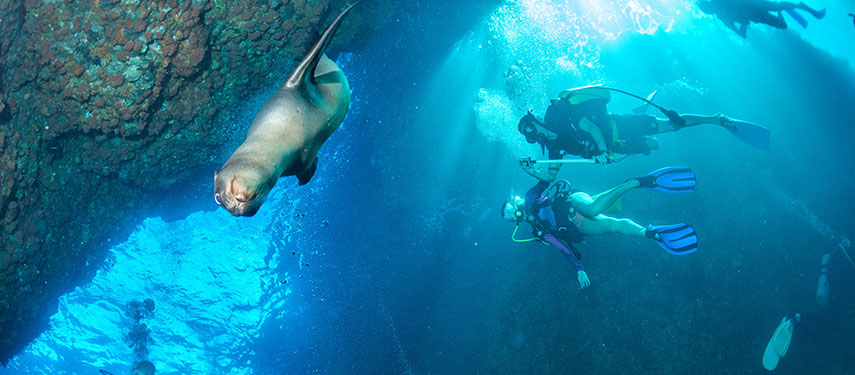
Galápagos Sky
Expeditionary Cruising | Scuba Diving Live Aboard
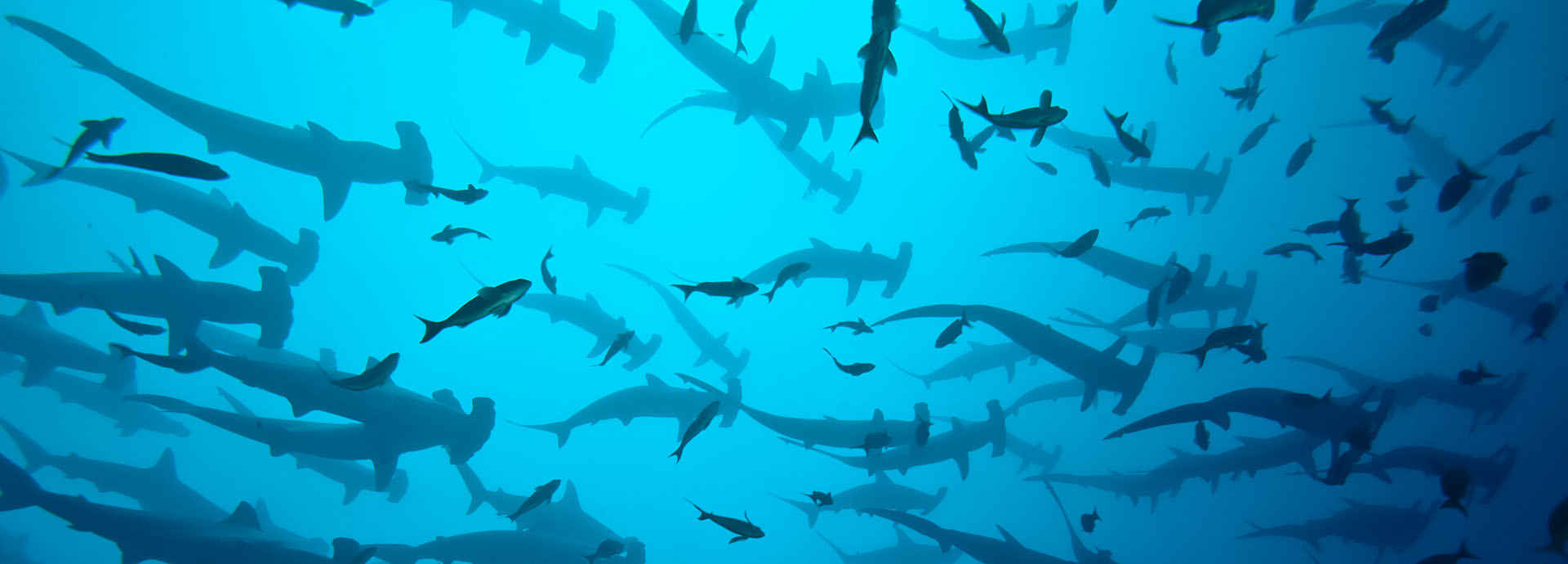
Galápagos Sky is a fantastic option for divers. An 8-day itinerary offers a total of 16-18 dives and two land excursions on every trip. Visit Wolf and Darwin Islands on every trip - the diving here is arguably the best in the world! Depending on the season, you have the opportunity to see manta rays, schools of hammerheads, and maybe even whale sharks! ...Read More
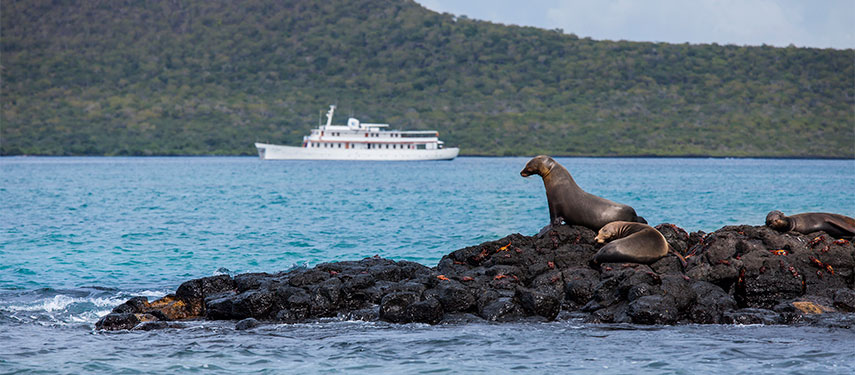
Quasar M/Y Grace
Expeditionary Cruising | Galapagos Colonial Classic
The M/Y Grace is an authentic classic adventure yacht for those seeking to explore the Galapagos in true style. M/Y Grace’s stellar past includes ownership by millionaire tycoons, royalty and stint in the British Navy. Set aboard the yacht to explore the Galapagos Islands on 7 night journeys with a maximum of 16 guests onboard....Read More
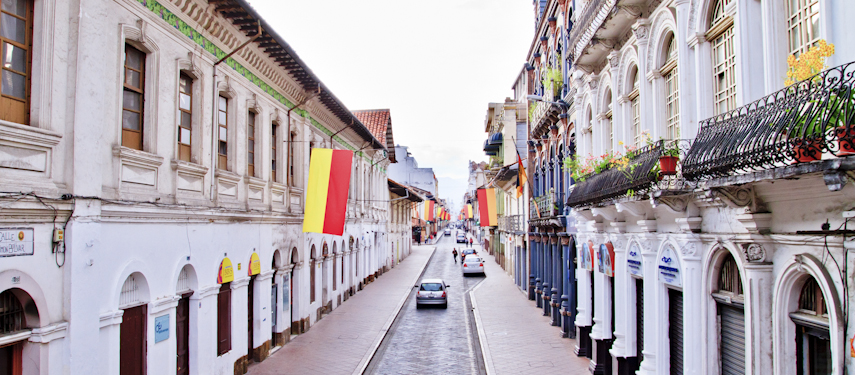
Ecuador Todos!
Itinerary Inspiration | The best of...
Spend just over three weeks traversing through the best of Ecuador visiting the Amazon, Cloud Forest, Galápagos and heading into regional areas to get an insight into the nation's culture. Head far off the beaten track where you must travel by canoe, senses are heightened with the sounds of the rainforest, where caiman's are locals and macaws are regular visitors, and where tortoises can create a traffic jam!...Read More
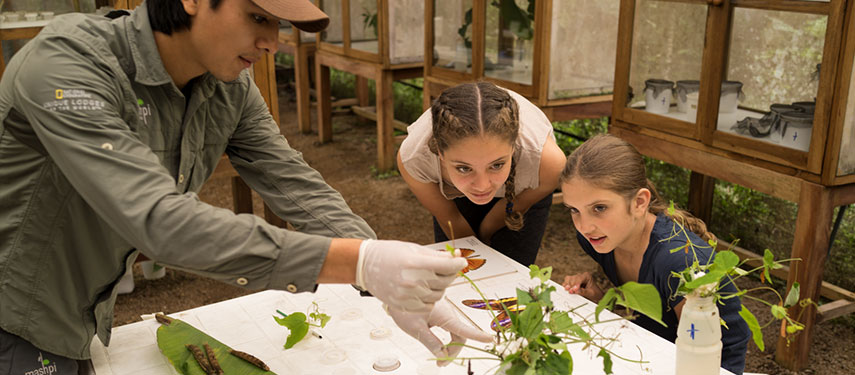
Ecuador: Galápagos & Jungle Paradise
Itinerary Inspiration | Ecuador's Highlands & Wilderness
Embark on a journey that inspires natural curiosity - perfect for adults, children, nature and wildlife lovers. Enjoy the opportunity to get up and close to seals, to listen to the mating calls of frigate birds, to snorkel past reef sharks and to admire the giant tortoises. Explore nature's surroundings in the water and on hikes, get into the depths of the forest, hear monkey and learn about the flora and fauna of such biodiverse regions.
...Read More
Ecuador & the Galápagos: Frequently Asked Questions
Ecuador’s highland and Amazon regions are generally enjoyable year-round, though June to September tends to bring drier, clearer conditions in the Andes. For the Galápagos, there are two distinct seasons: June to December brings cooler, drier air, calmer seas and excellent wildlife viewing — particularly for snorkelling and diving — while January to May offers warmer water temperatures, spectacular marine life activity and the chance to observe newborn sea lion pups and hatching giant tortoise eggs.
To do justice to Ecuador’s three headline ecosystems, allow a minimum of 12 to 14 days. A well-structured itinerary might open in Quito, extend into either the Amazon or the Andean cloud forests, and conclude with a seven-night Galápagos cruise. Travellers wishing to include an Andean hacienda stay, the Otavalo markets or the Tren Crucero rail journey would benefit from allowing three weeks in total.
Australian passport holders do not require a visa to enter Ecuador for stays of up to 90 days. All visitors to the Galápagos Islands must, however, complete an Ingala transit control card, pay the Galápagos National Park entrance fee — currently USD $200 per adult — and hold confirmed accommodation or cruise reservations. These requirements apply regardless of nationality and are enforced at the point of entry to the archipelago.
A live-aboard expedition cruise remains the definitive way to explore the Galápagos, allowing access to the full spread of the archipelago’s 19 principal islands — many of which are inaccessible from land-based hotels. Seven-night itineraries offer the most rewarding combination of island variety, wildlife encounters and at-sea immersion. Vessels range from intimate yachts carrying 16 guests to purpose-built expedition ships; all must carry licensed naturalist guides, as required by the Galápagos National Park Authority.
Absolutely, and for many travellers this three-ecosystem combination represents the journey of a lifetime. Ecuador’s compact geography — remarkable for a country of such biological diversity — makes it entirely practical to move between the Andean highlands, the Amazon basin and the Galápagos within a single itinerary of two to three weeks. The Classic Safari Company specialises in designing seamless journeys that weave all three together, with carefully selected accommodation at each stage.
Ecuador’s portion of the Amazon — centred on Yasuni National Park and the Napo River basin — is widely regarded as one of the most biodiverse terrestrial environments ever documented, with some study plots recording more tree species per hectare than exist across all of North America. The Ecuadorian Amazon is also notably accessible relative to the broader basin, with high-quality eco-lodges and community-based experiences available within a short flight of Quito, making it possible to be deep in primary rainforest with comparatively little travel time.
Ecuador & the Galápagos: A Glossary of Terms
Archipelago — A group of islands formed by volcanic or tectonic activity and considered collectively as a geographical and ecological unit; the Galápagos is an archipelago of 19 principal islands and more than 100 smaller islets.
Endemic Species — A plant or animal found naturally only in a specific geographic location and nowhere else on Earth; the Galápagos Islands host more than 80 percent endemism across many taxonomic groups, including marine iguanas, flightless cormorants and Galápagos penguins.
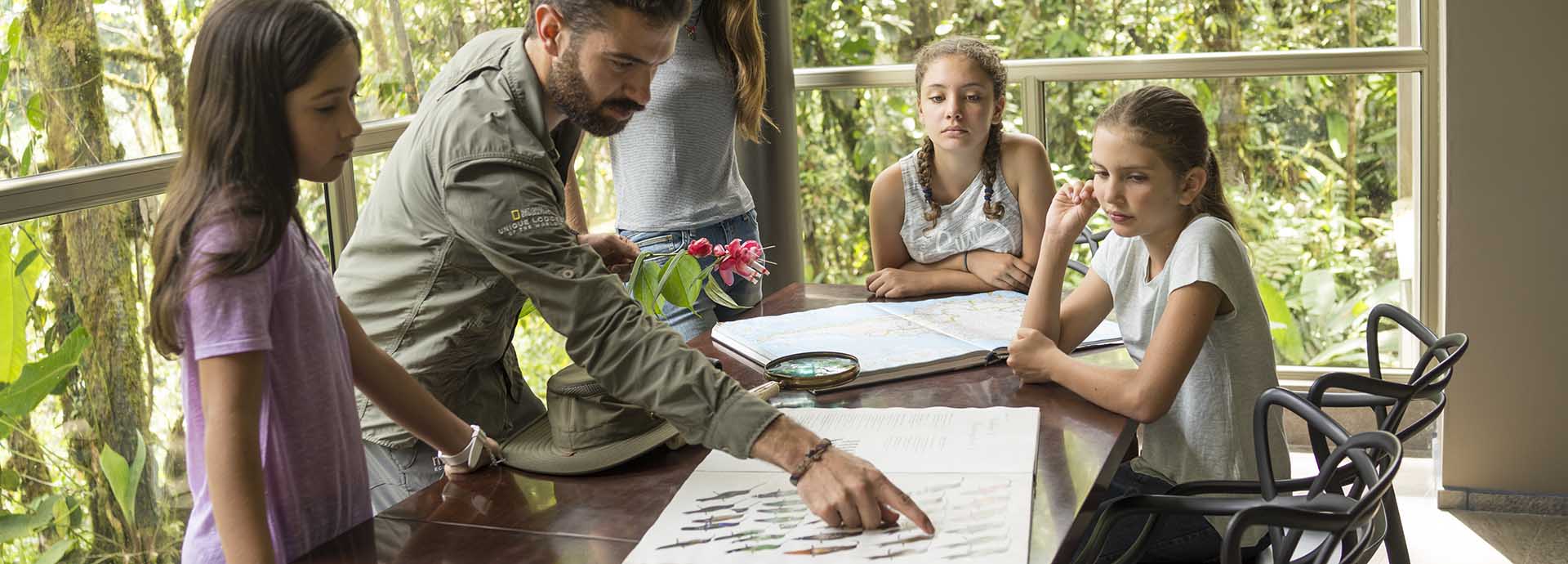
Naturalist Guide — A trained and licensed wildlife interpreter required by Galápagos National Park regulations to accompany all visitors during island excursions; naturalist guides are graded by the park authority and play a critical role in conservation education.
Yasuni National Park — A UNESCO Biosphere Reserve in Ecuador’s Amazon basin, widely considered one of the most biodiverse places on the planet, encompassing rainforest, wetlands and river systems within the ancestral territory of the Kitchwa Añangu community.
Cloud Forest — A high-altitude tropical or subtropical forest characterised by persistent low-level cloud cover at the canopy level, which sustains an extraordinary density of mosses, orchids, ferns and epiphytes; Ecuador’s equatorial cloud forests are among the richest in the world.
Ingala Transit Control Card — A mandatory document issued by Ecuador’s Galápagos Government Council (INGALA) to all visitors entering the archipelago, designed to regulate tourist numbers, monitor residency and protect the islands’ delicate ecosystems.
Ocean Current Convergence — The meeting of distinct oceanic water masses of differing temperatures and nutrient profiles; in the Galápagos, the convergence of the cold Humboldt Current, the deep Cromwell Current and the warm Panama Current creates an unusually rich marine food web that underpins the archipelago’s biodiversity.
Megadiverse Country — A designation applied to nations that together account for the vast majority of Earth’s species; Ecuador is one of 17 recognised megadiverse countries, hosting exceptional biological richness within a relatively small landmass.
Tren Crucero — Ecuador’s luxury heritage train service, which travels between Quito in the Andes and Guayaquil on the Pacific coast, offering first-class carriages, cultural performances and access to some of the country’s most dramatic highland and coastal scenery.
Parrot Clay Lick — A natural riverbank or exposed soil deposit rich in minerals and sodium, visited daily by flocks of parrots and macaws to supplement their nutrient intake; clay lick visits are a signature wildlife spectacle of the Ecuadorian Amazon.
Yet again my holiday with Classic Safari Company has surpassed all expectations. The pairing of the Galapagos and the Amazon was a trip of a lifetime.
Lynne Williams
The Classic Safari Company did a first class job with great attention to detail in organising an excellent trip for a group of people to the Galapagos Islands, Machu Picchu and elsewhere in South America. I'm sure I'll be using CSC again.
Tony, Laura & Elizabeth Frost
Their experience and knowledge of Africa is evident and we couldn't have been happier with the total package. This has given us a taste for Africa - now we are ready for more.
Andrew & Pip Stevens
We wanted the opportunity to see as many wildlife parks as possible and the Classic Safari Company provided an action-packed itinerary that included six, with 11 tiger sightings and nine leopard. This was overlaid with an introduction to Jaisalmer, Jaipur and the 'real' India. Pench and Panna were the hidden gems of a really great trip, very well organised, seamless and enjoyable. As a solo traveller I felt incredibly safe at all times. I want to go back!
Mark Taylor
Exellent and wonderful, reaching way above expectations.
Elizabeth Mackintosh
Classic Safari are the people who genuinely know other culture and offer incredible insight to perfectly meet your expectations.
Melanie McMillan & Iain Jones
Classic Safari Company has done it again! A unique experience that ticked all the boxes - wildlife, culture and dining experience. A dream come true!
Ros Wheeler
An amazing experience - the best family holiday we have ever had. We were extremely impressed by the meticulous attention to our itinerary. I can't speak highly enough of all the elements of this exciting journey!
Sheryl & Robert Taylor
We loved it all. Our son wants to go back tomorrow. We would ALL go back again!
Laurence & Remi Cunningham
The trip of a lifetime, couldn't have dreamt of a better adventure if I tried.
Emma Jeffcoat
Would do it all again and not change a moment. Best holiday ever!
The McGowan Tribe
Very knowledgeable and patient. Our trip was all that we hoped for. Wonderful!
Jane & Robert Happell