Peru
Trek For the View of a Lifetime
Peru | In Summary
- Lima is home to Central, awarded the title of World’s Best Restaurant in 2023, and consistently claims multiple places in Latin America’s 50 Best — making it one of the most decorated culinary cities on the planet, not merely a destination “gaining a reputation.”
- The Inca Trail requires advance permits that sell out months ahead, with the route closing entirely each February; the less-trafficked Salkantay and Lares alternatives offer equally spectacular high-altitude scenery with greater flexibility and fewer crowds.
- Peru harbours the greatest bird species diversity of any country on earth — more than 1,800 recorded species — a statistic that positions the Peruvian Amazon and cloud forests as a world-class destination for serious wildlife travellers, independent of the Machu Picchu draw.
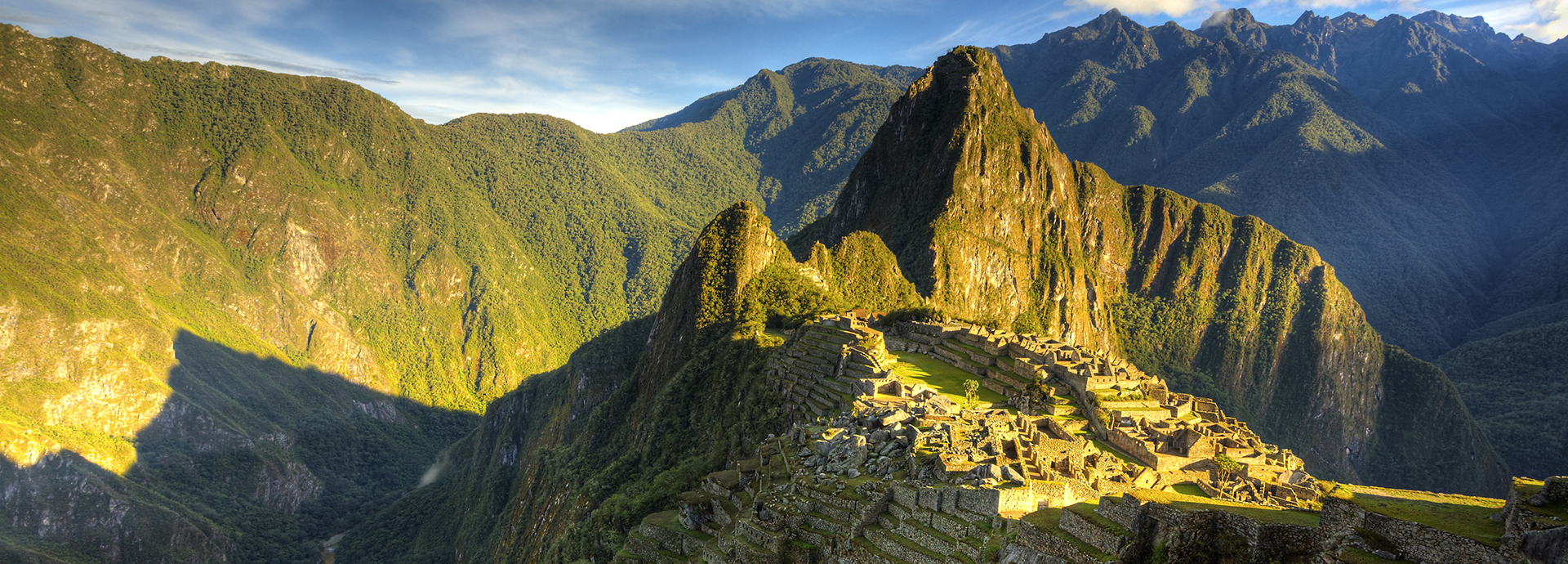
Once you see the mystically enchanting Andean highlands of Peru, you will understand why the Incas considered this place the centre of their empire. Cradled by cloud-shrouded peaks they cultivated slopes of quinoa, built stone temples that stand without mortar, laid roads the length of the country and melted gold into every form imaginable. Over eight centuries later, we are still thrilled by the sun rising behind the ruins of Machu Picchu and the winding wonder of the Inca Trail.
This spellbinding country also has beaches where the desert meets the ocean, lush Amazonian jungle, magnificent volcanoes and cities both ancient and modern. Wander the vast adobe settlements that once enjoyed great wealth, feel the presence of colonial ghosts in the glorious Cusco cathedrals, fly over the mysterious Nazca desert drawings, visit the Uros people on floating islands in Lake Titicaca and feast on alpaca steak and ceviche in the avant-garde eateries of Lima. Looking for adventure? Hike a gorge twice as deep as the Grand Canyon spotting condors as you go, sandboard the dunes of Paracas and sail to the Ballestas, Peru’s own version of the Galapagos Islands.
You Will Love
• The Sacred Valley & Machu Picchu
• The floating Uros islands of Lake Titicaca
• The Peruvian Amazon
• Ancient empires and civilisations
• Fine dining in Lima’s avant-garde restaurants
• Deserts, dunes and the ‘mini Galapagos’
Let us design your perfect itinerary.
Peru's diverse regions
from the Andes to the Amazon
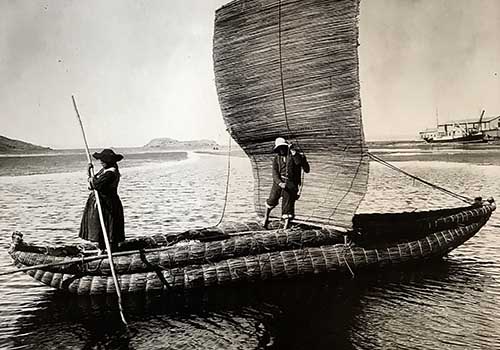
Lake Titicaca
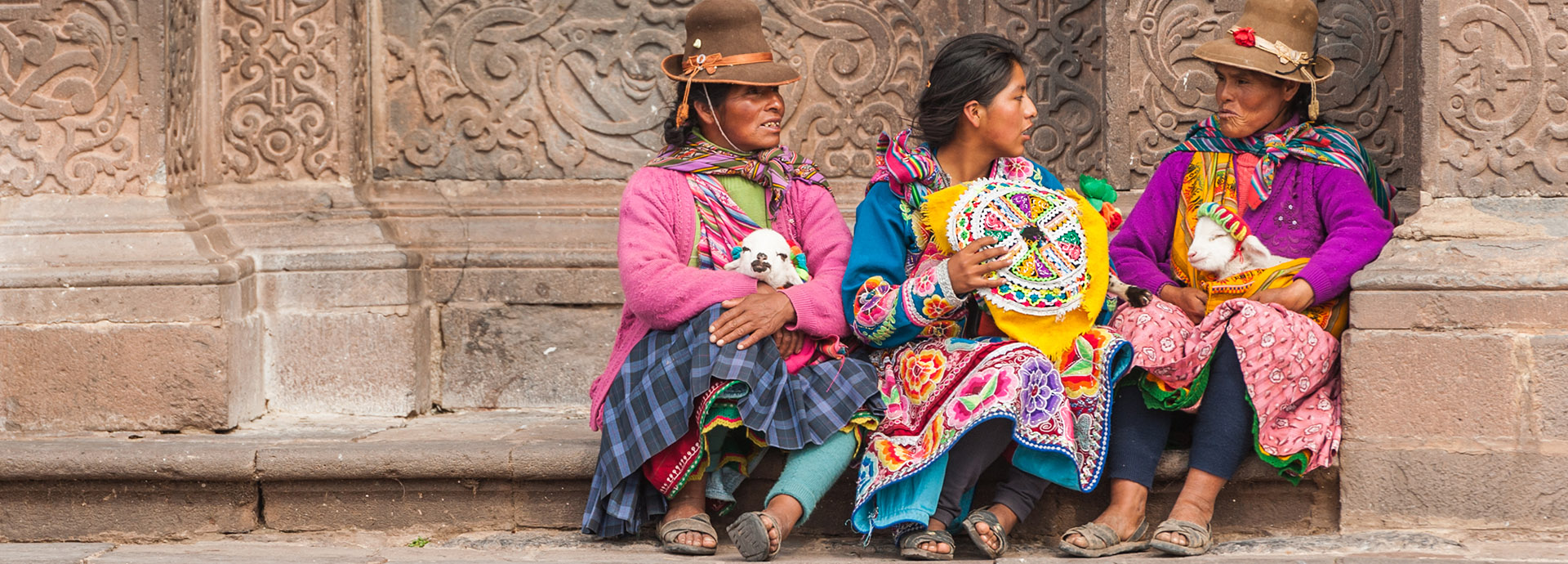
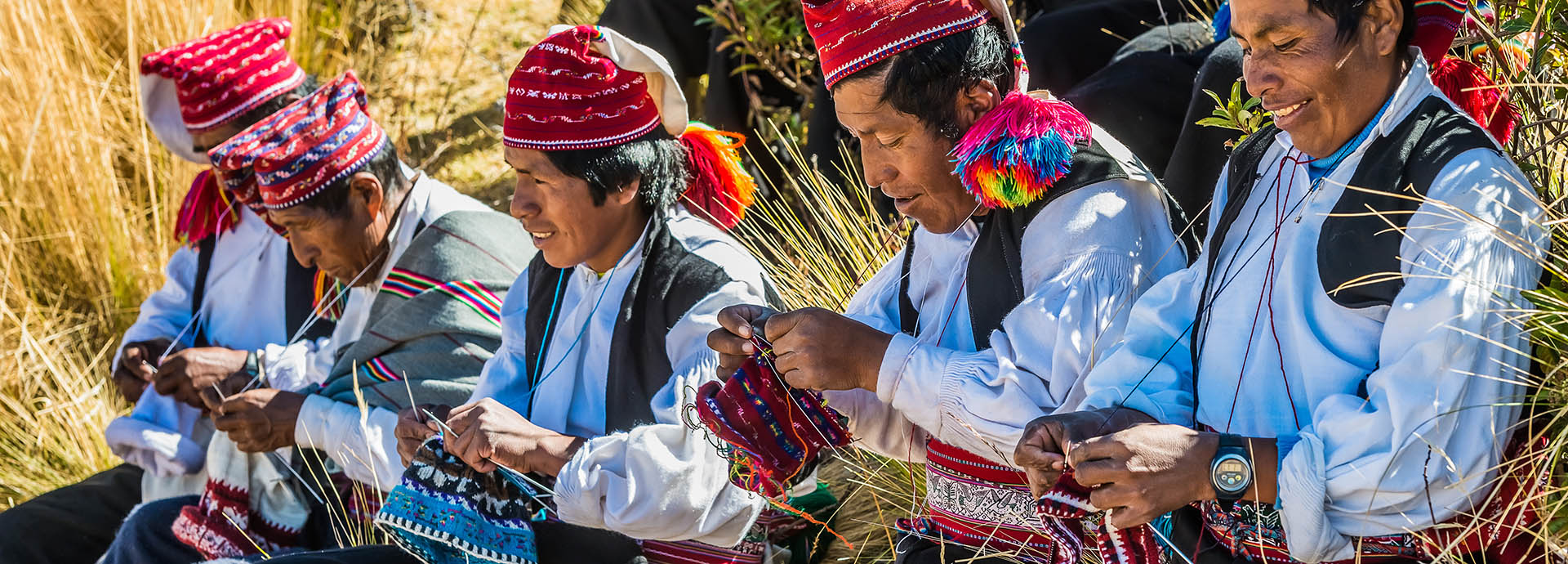
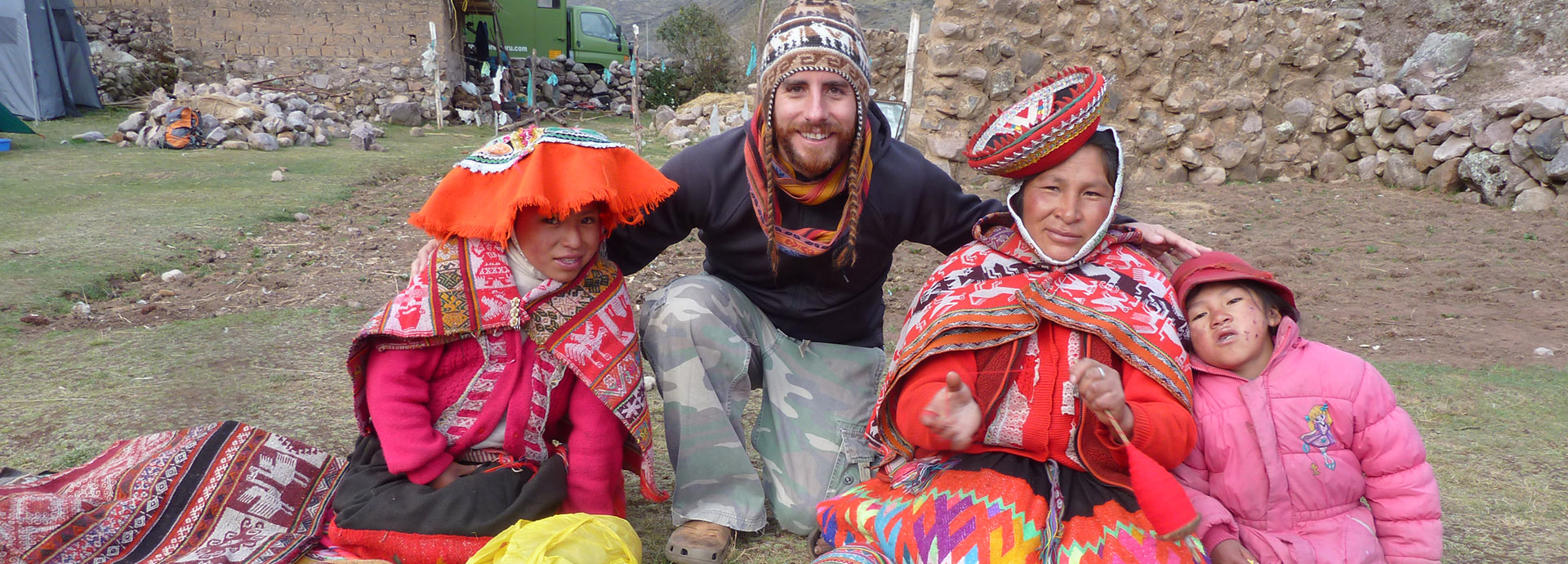
Surrounded by dramatic views of the Andes, Lake Titicaca is the largest lake in South America and the highest navigable lake in the world. According to Incan mythology Lake Titicaca is where the god Viracocha commanded the sun, the moon and stars and created mankind. The unique floating reed islands of the Uros people are Lake Titicaca's top attraction. Descendants of the ancient Incas live a now-commercialised, but overall, simple and traditional life on these man-made islands of reeds.
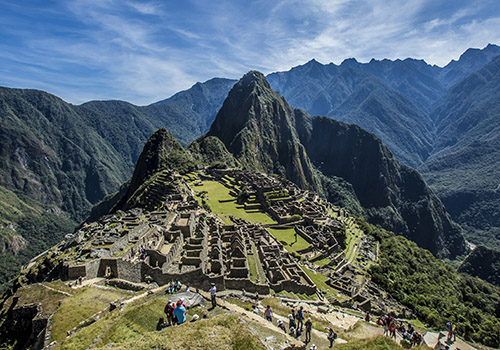
Machu Picchu & Cusco
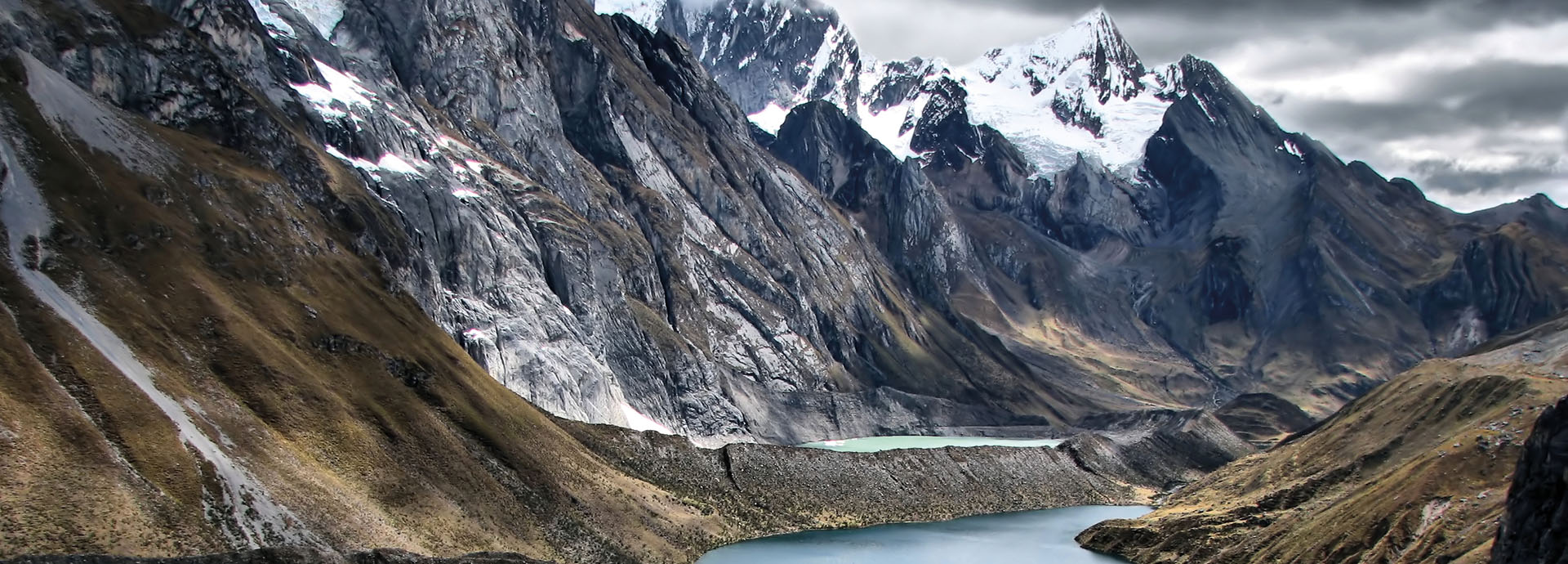
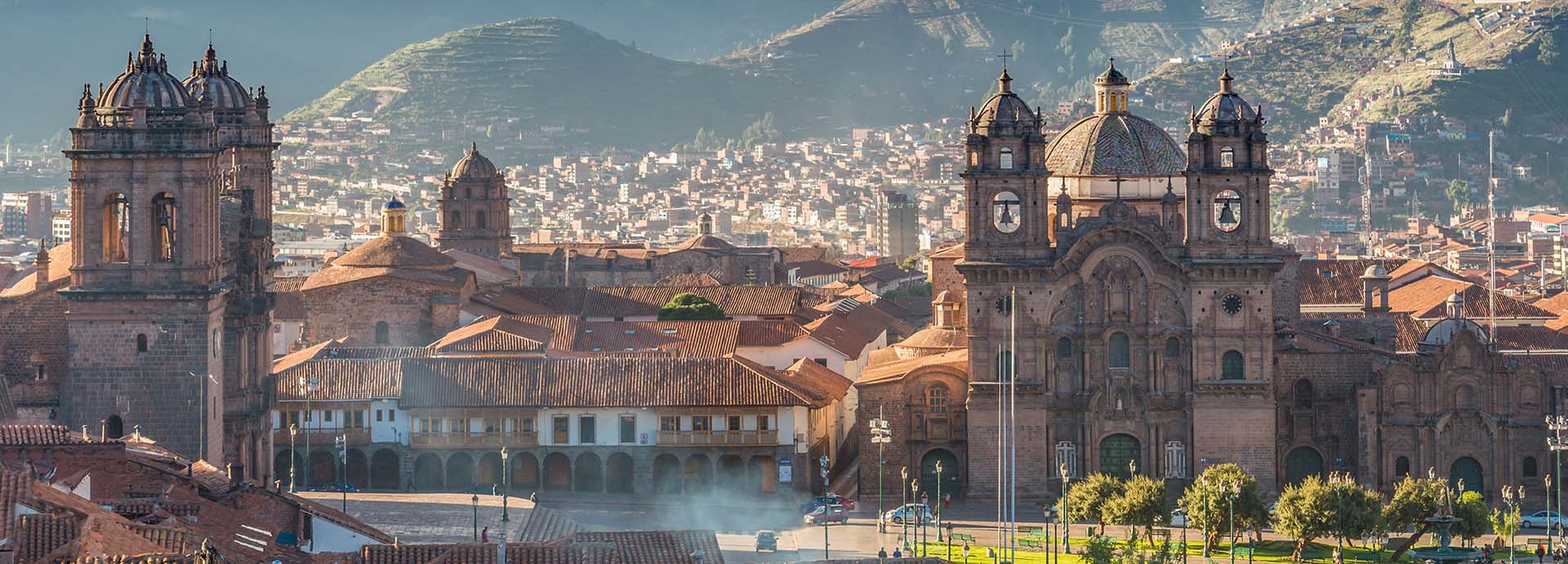
Visiting enchanting Cusco, the ancient Inca capital, is like walking through a museum of Peruvian history. Colonial churches and mansions sit atop granite Inca walls and streets still bear indigenous Quechuan names. Cusco is the gateway to the Sacred Valley, a basin that cradles scenic highland villages and the Inca Trail that leads to Machu Picchu. Amongst green-coated mountain peaks perpetually swathed in ribbons of cloud, the phenomenal 'Lost City of the Incas' is not to be missed.
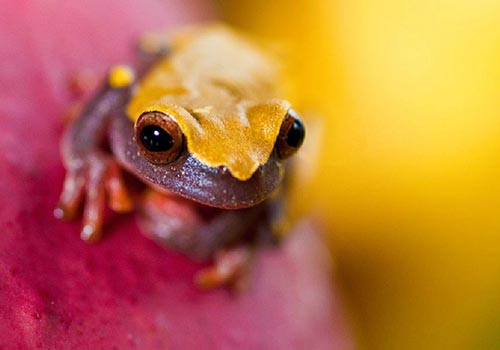
Peruvian Amazon
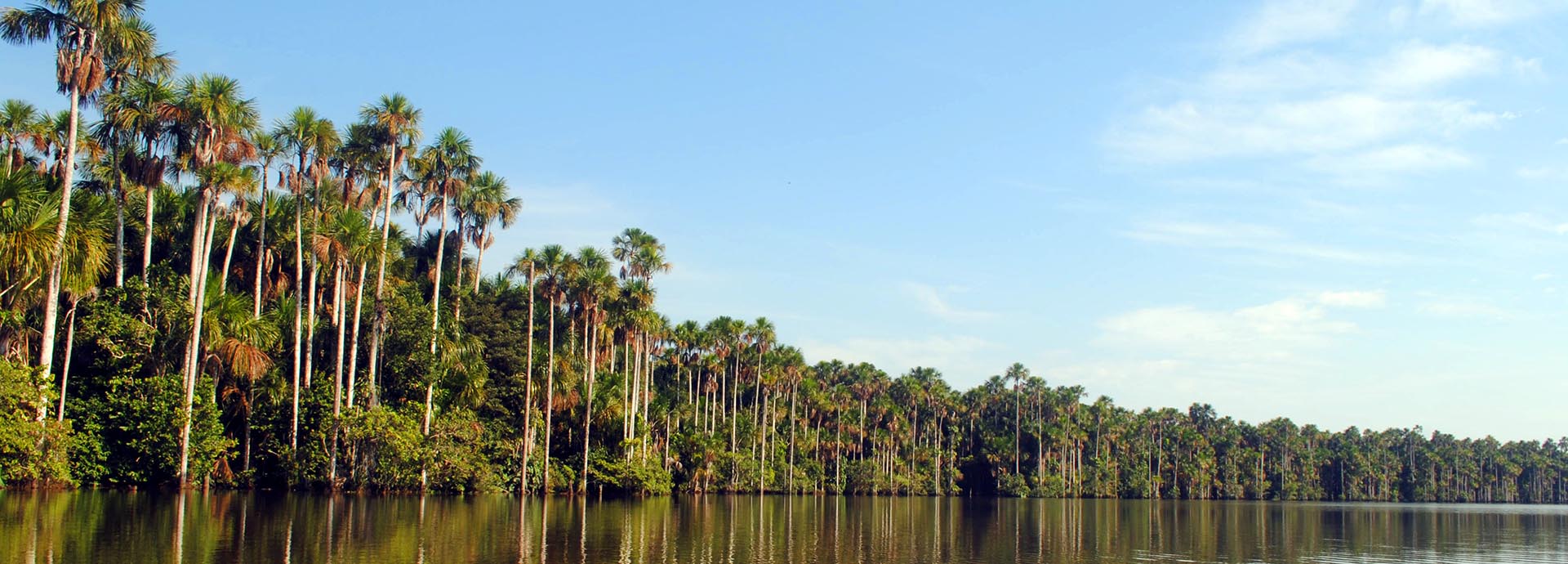
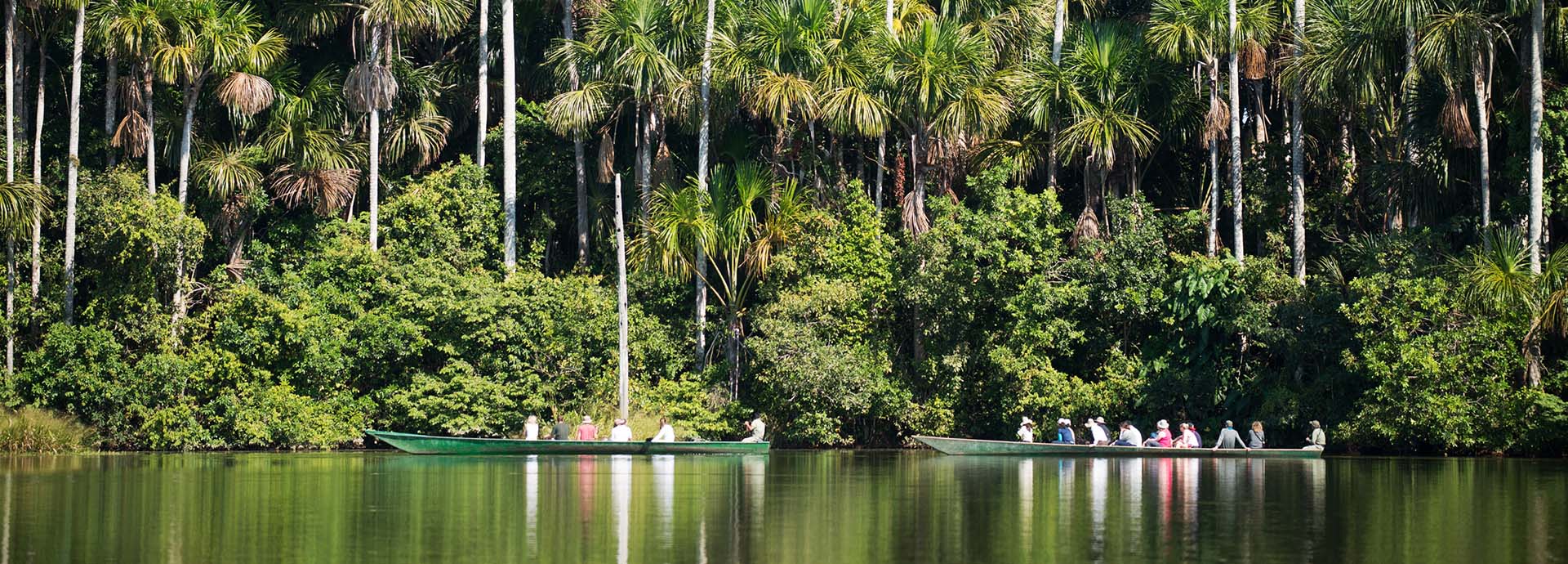
Peru has the second largest portion of the Amazon rain forest in Latin America and the forest covers 60% of the country’s area. Thanks largely to the jungle’s staggering biodiversity, Peru boasts the highest number of bird species in the world and the third highest number of mammals. The Peruvian Amazon is also home to around 5% of the country’s population and many Indigenous communities inhabit the jungle, some in relative isolation from the rest of the world.

Unforgettable experiences in Peru
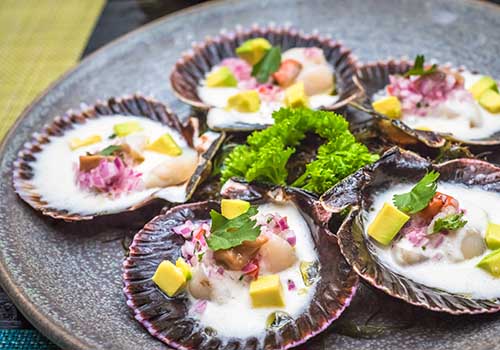
Taste Lima’s finest cuisine
Taste Lima’s finest cuisine
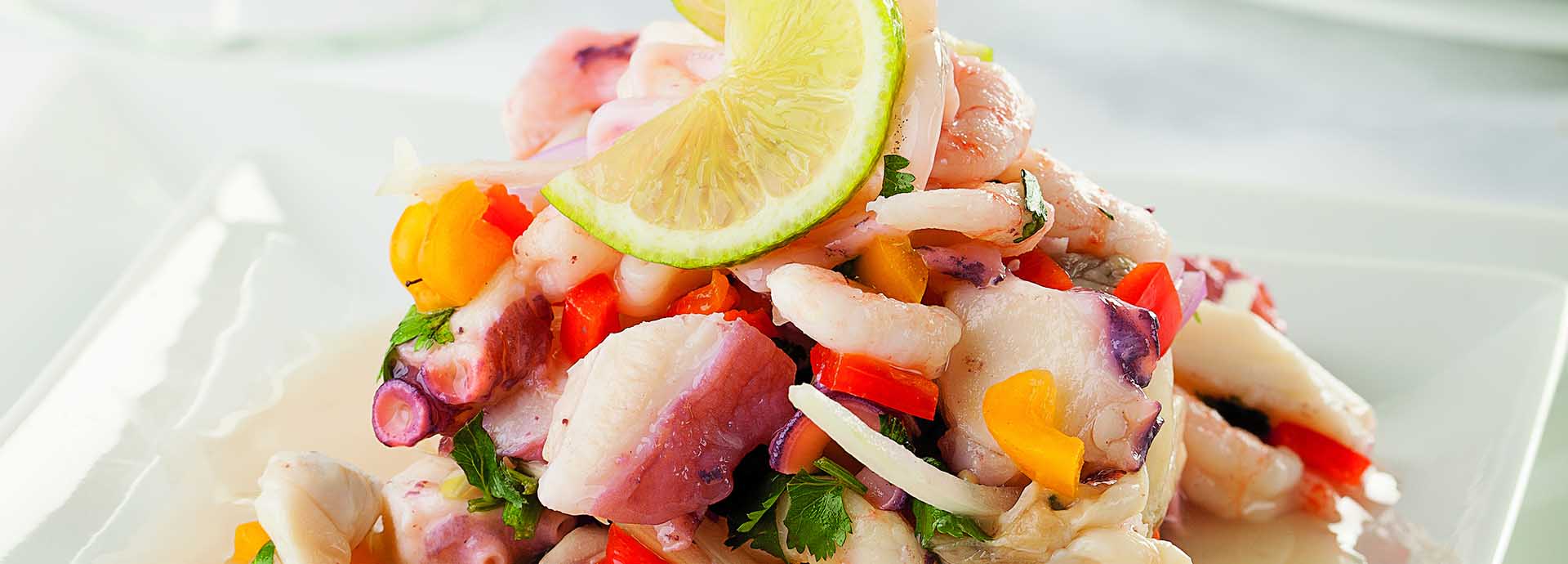
Lima is fast gaining a reputation as the culinary capital of South America. Discover a range of fascinating and often unfamiliar ingredients at the Surquillo Mercado, then join a chef for a practical masterclass to learn how to cr...
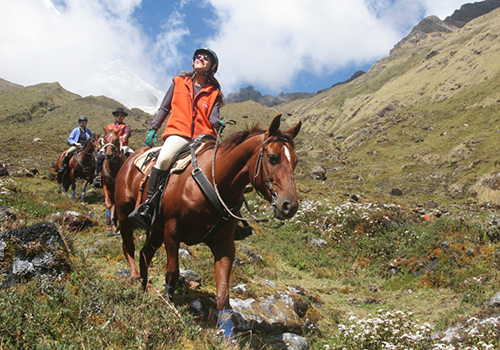
Horse ride through Peru’s Sacred Valley
Horse ride through Peru’s Sacred Valley
Follow ancient trails as you wind your way through the Andes on horseback. Visit remote Andean communities, witness everyday mountain life and enjoy the beautiful views that surround the Sacred Valley. Finally, you will arrive at ...
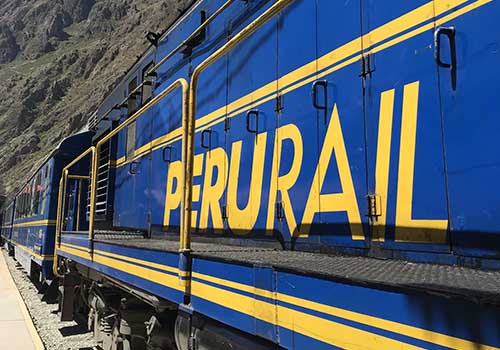
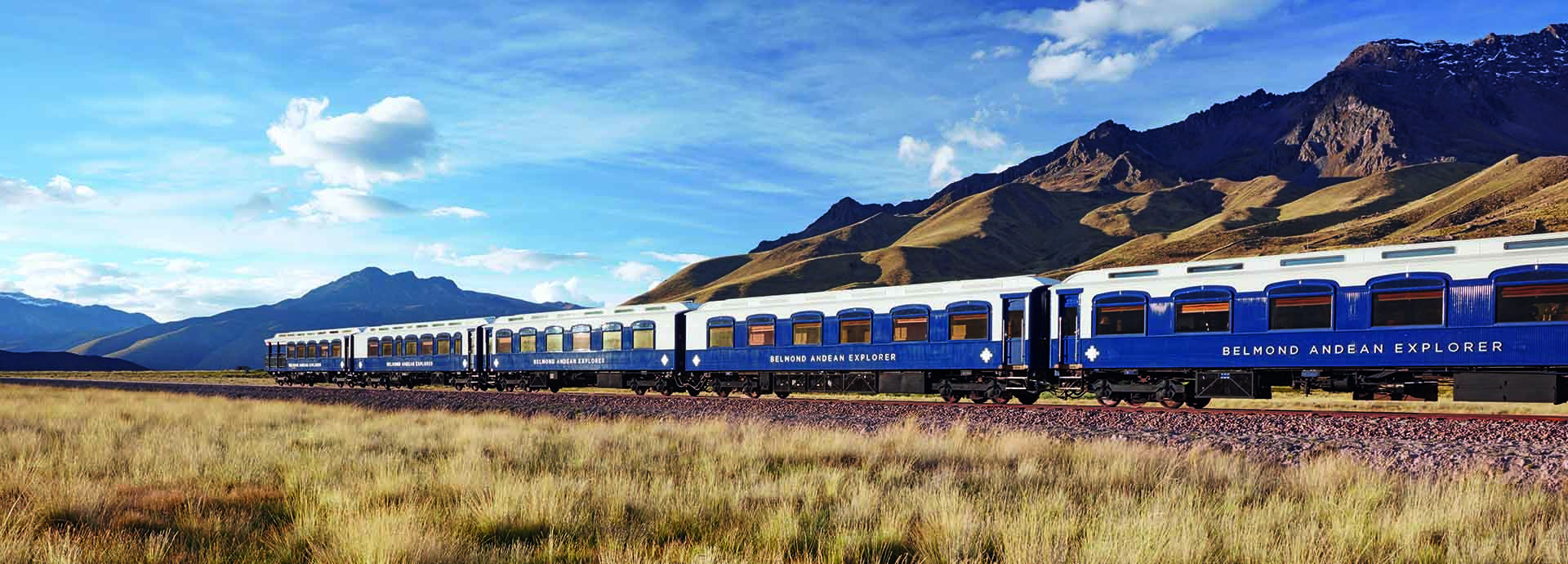
Traverse Peru in a luxury train
Traverse Peru in a luxury train
Enjoy the mysticism of the beautiful Peruvian Andean landscape aboard a luxury train with the pleasure of fine dining and the comfort of your own private en-suite cabin. Trundling peacefully through the Peruvian countryside you’...
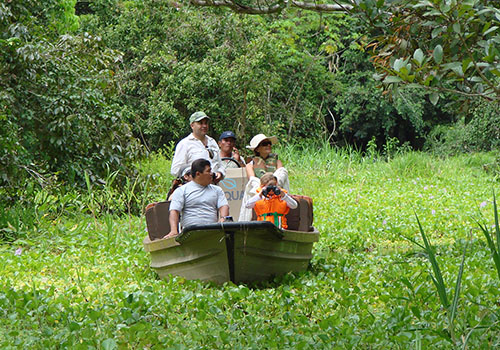
Immerse yourself in the Amazonian jungle
Immerse yourself in the Amazonian jungle
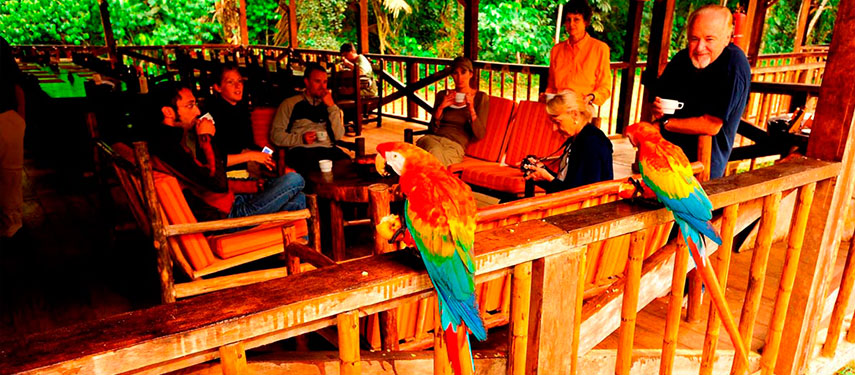
Plunge into the pristine wilderness of Peru’s mighty Amazon. Hike through the pre-dawn clamour to see hundreds of macaws and parrots feasting on the world's largest clay lick, raft exciting rapids to the jungle’s remotes reach...
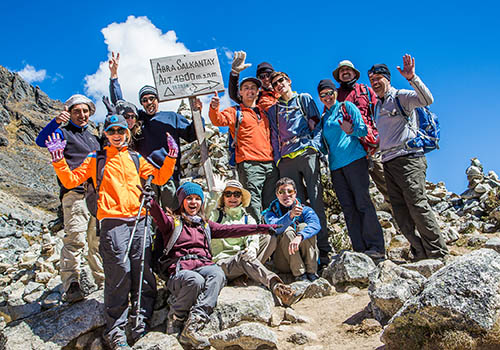
Trek to the magnificent Machu Picchu
Trek to the magnificent Machu Picchu
For many, a visit to the sprawling Inca citadel of Machu Picchu is the long‐anticipated highlight of their trip. This World Heritage Site is arguably the most important archaeological site in South America and has earnt a place ...

A selection of our favourite places to stay & journeys in Peru
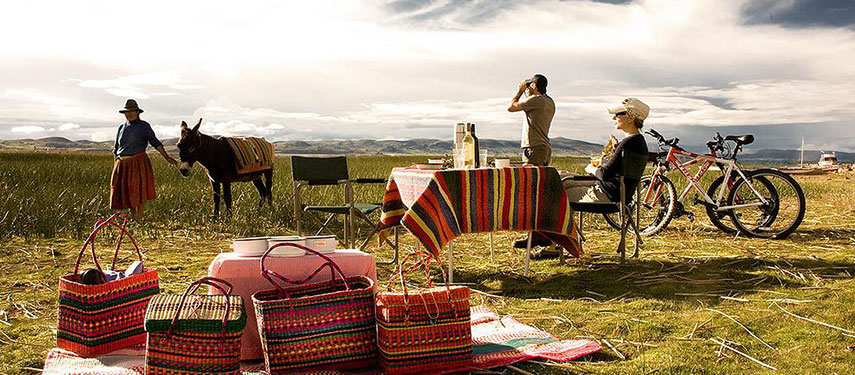
Titilaka – Lake Titicaca, Puno
Lake Titcaca's finest lodge
Titilaka is an experiential lodge located on a private peninsula on the shores of Lake Titicaca, providing sophisticated travellers a luxurious refuge to explore the treasured natural, cultural and historical resources of this mystical region. Maintaining the best standards of facilities and service, Titilaka distinguishes itself in comfort and in style.... Read More
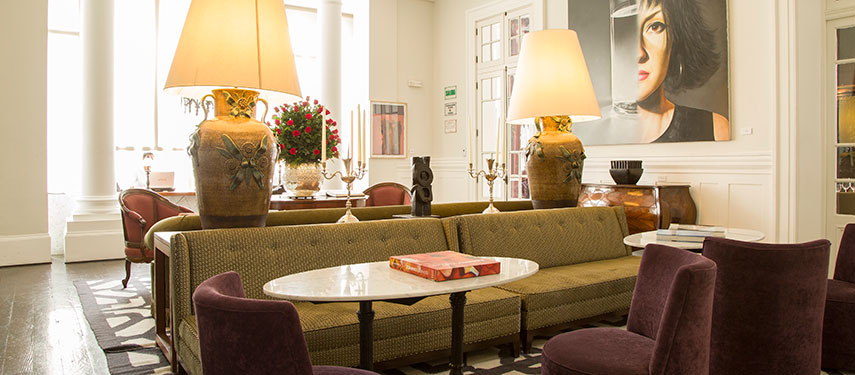
Hotel B – Lima
A Grand Dame with a cheeky twist
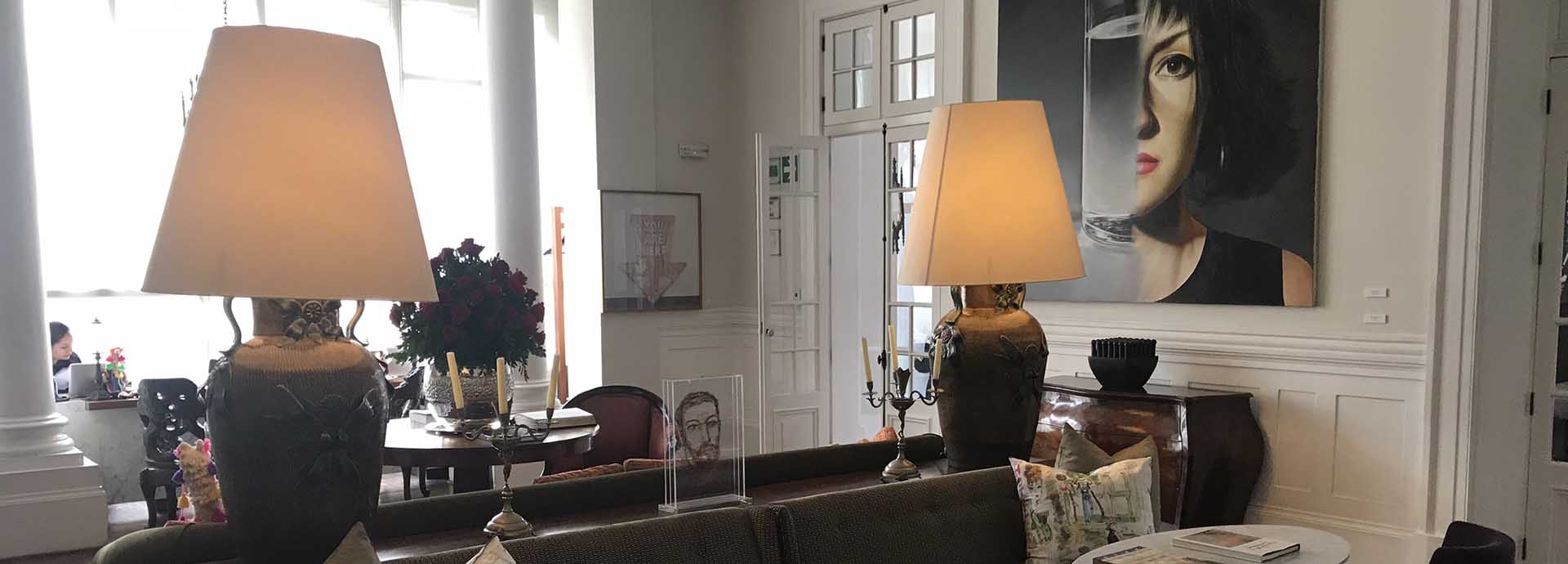
Hotel B has the feeling of a restored Grand Dame with a cheeky twist, integrating vintage and designer furniture with a unique art collection. This exquisite hotel caters for those looking for a luxurious Lima experience along with artistically-keen explorers interested in immersing themselves in Barranco’s art and culture scenes.... Read More
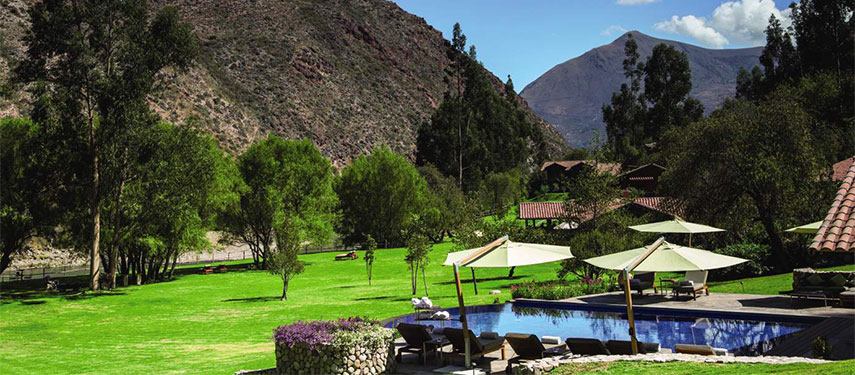
Belmond Hotel Rio Sagrado – Sacred Valley
Chic river retreat
On the banks of the mighty Urubamba River, in the Sacred Valley of the Incas, this charming hotel is a tranquil retreat situated between Cuzco and Machu Picchu, and the perfect base from which to discover the magic of the valley. Enjoy the beautiful and relaxed surroundings of Rio Sagrado as you explore the historic Sacred Valley.... Read More
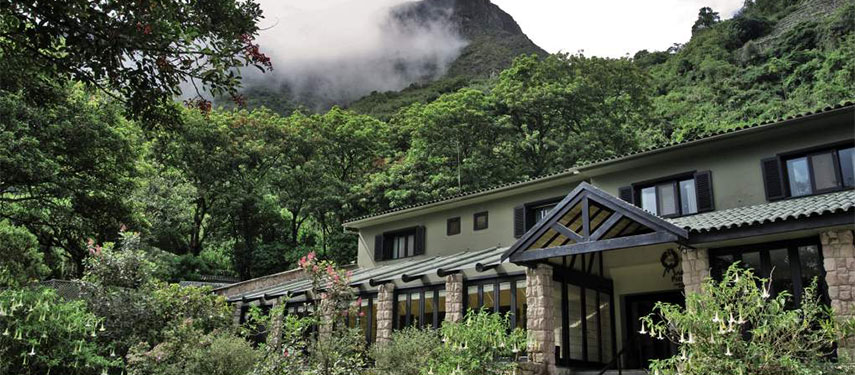
Belmond Sanctuary Lodge – Machu Picchu
On the doorstep of Machu Picchu
Sanctuary Lodge is the only hotel located adjacent to the ancient Inca citadel of Machu Picchu. The lodge has two suites and twenty-nine rooms, twelve of them with an amazing view of the mountains. Sit out on the terrace, savour Peruvian cuisine based on produce grown on the lodge’s own plot, and unwind in the shadow of the Lost City.... Read More
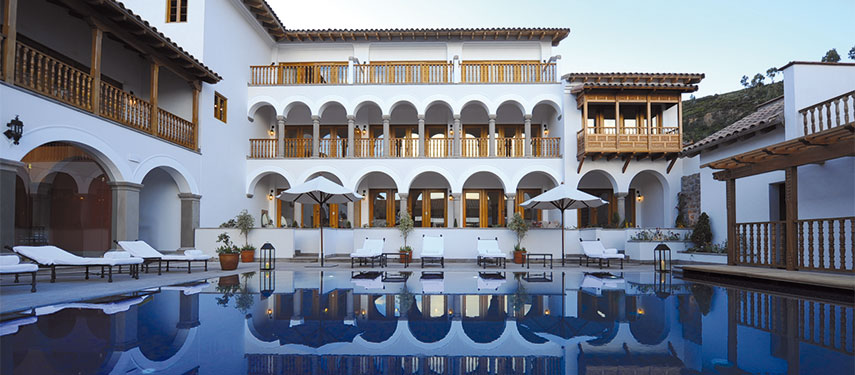
Belmond Palacio Nazarenas Boutique Hotel – Cusco
A former Palace & 16th Century Convent
Belmond Palacio Nazarenas is located in an exclusive area of downtown Cusco. Step past walls of Inca stones and into a cloistered courtyard with an ancient fountain at its heart. Every corner of the hotel holds a piece of historical significance but Palacio Nazarenas is also awash in New World exuberance.... Read More
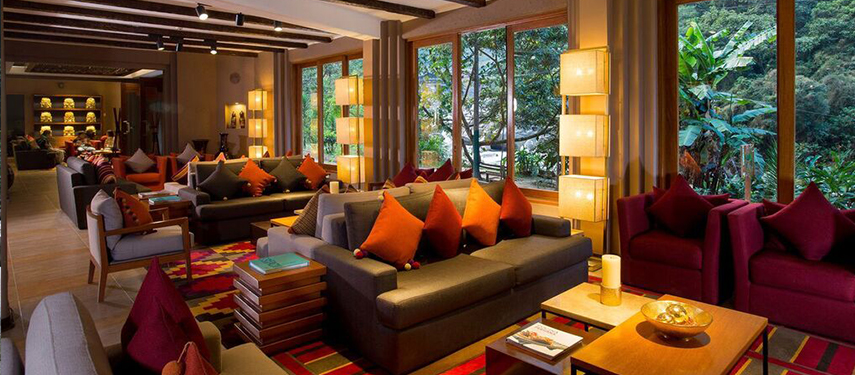
Machu Picchu Pueblo – Aguas Calientes
Cloud Forest Setting
Located at 2,450 metres above sea level the Inkaterra Machu Picchu hotel sits on 12 serene acres of natural paradise, just across from the train station of Machu Picchu Pueblo. Machu Picchu Pueblo Hotel offers luxury within in a tranquil setting and is the perfect base for exploring the ancient Inca ruins of Machu Picchu.... Read More
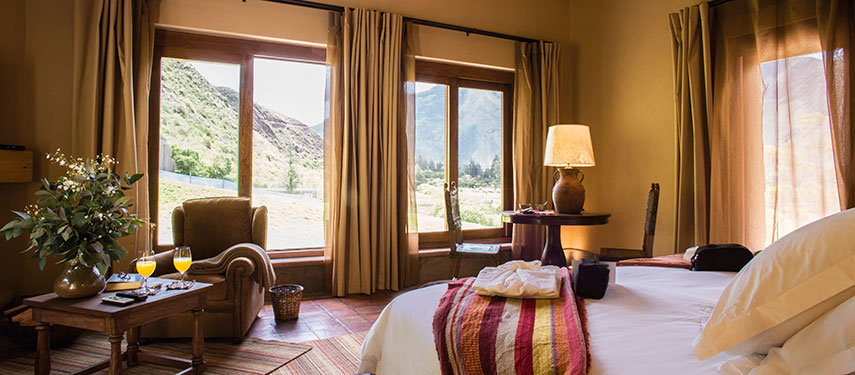
Hacienda Urubamba – Sacred Valley
In the heart of the Urubamba Valley
Conveniently located between Ollantaytambo and the historical city of Cusco, Hacienda Urubamba draws architectural inspiration from local farmhouse designs in the region, combined with traditional, authentic, colonial flair. Hacienda Urubamba is an intimate lodge experience in the heart of the Sacred Valley.... Read More
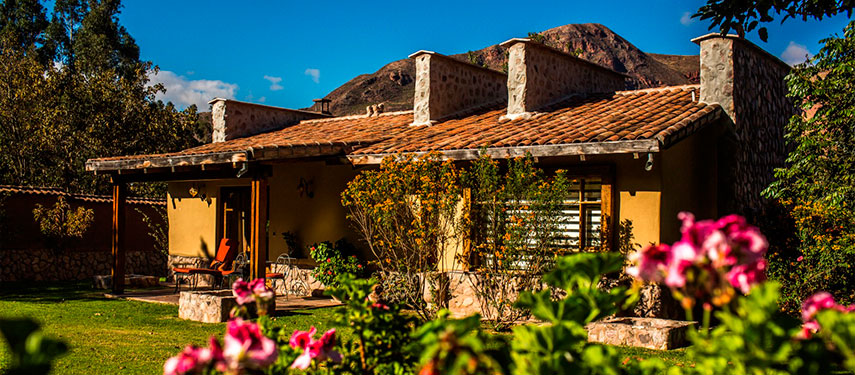
Sol Y Luna – Sacred Valley
A harmonious blend of luxury and authenticity
Hotel Sol y Luna is located in the heart of the Sacred Valley of the Incas, moments from the important archaeological sites of Moray, Ollantaytambo and Pisac. A Relais & Chateaux property, it offers exceptional service, style and exquisite dining, but retains its rustic charm with a harmonious blend of luxury and authenticity.... Read More
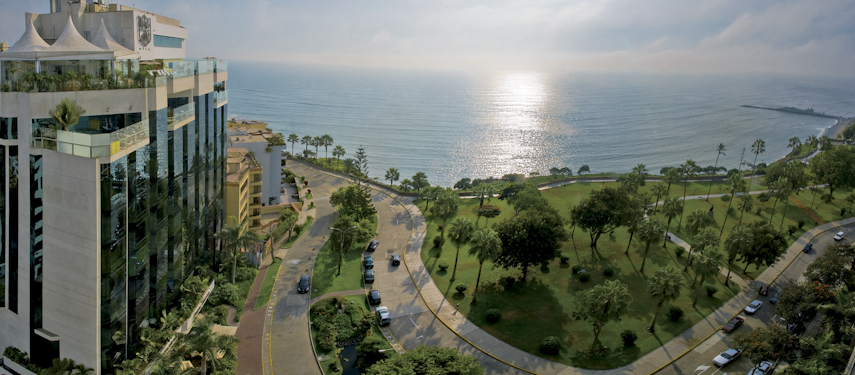
Belmond Hotel Miraflores Park – Lima
Understated elegance, impeccable service and style
Belmond Miraflores Park enjoys a privileged location in the heart of the Miraflores district in Lima. The hotel is surrounded by a park with incredible ocean views and is just 35 minutes from the international airport. In one of Lima’s most fashionable areas, the property immerses you in all that is best about this great capital city.... Read More
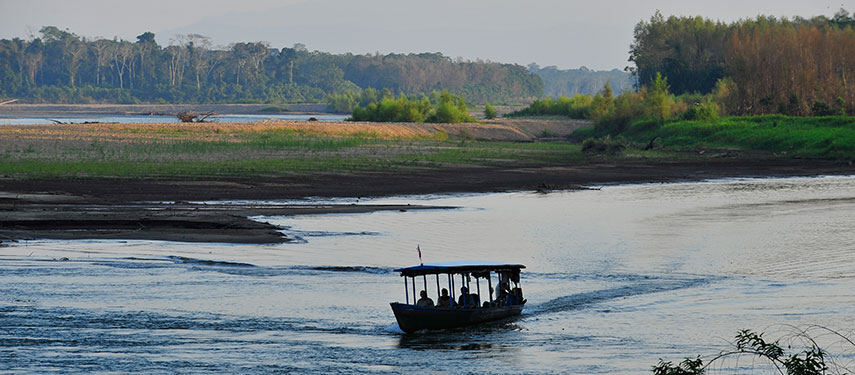
Tambopata Research Centre – Amazon
An educational experience in the Amazon
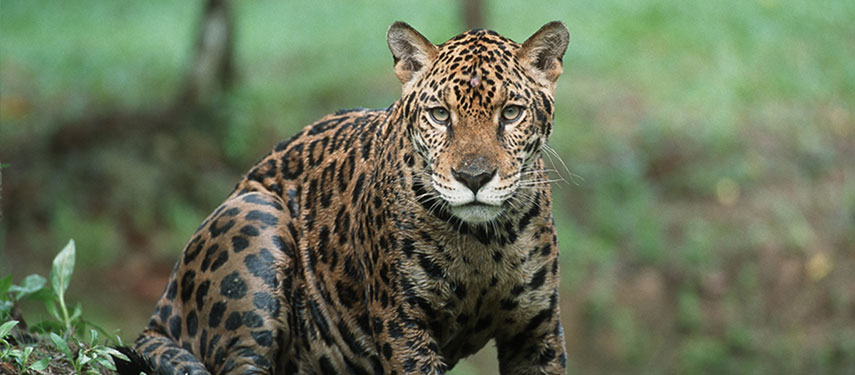
Tambopata Research Centre is one of the most remote rainforest lodges in South America. Sightings of monkeys, macaws and other large species are frequent, and jaguars are also sometimes seen. Whilst accommodation is fairly basic, the Tambopata Research Centre is an excellent place for in depth explorations into the Amazon.... Read More
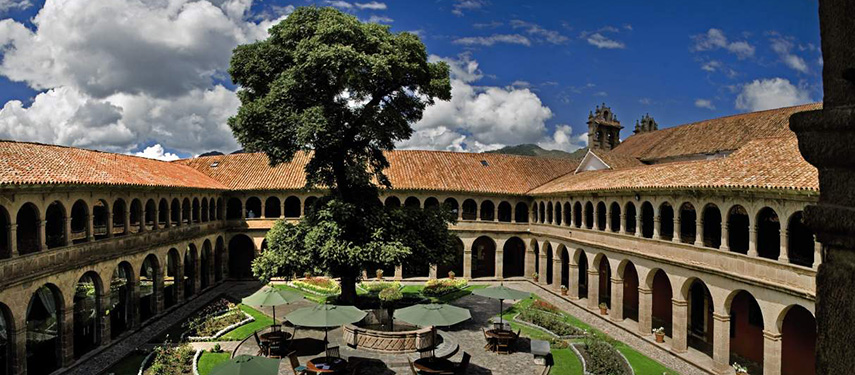
Belmond Monasterio – Cusco
Majesty of a colonial monastery
Belmond Hotel Monasterio is a unique hotel located two blocks from Cusco’s central square and cathedral, a short walk to the artist district of San Blas. This delightful retreat blends centuries-old charm with modern and traditional Spanish colonial style. Steeped in history, it is the ideal hotel from which to discover the delights of Cusco.... Read More
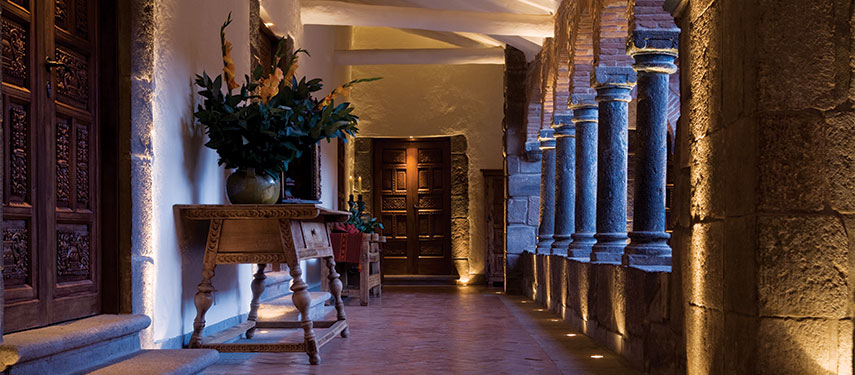
La Casona – Cusco
In the heart of Cusco
La Casona is located at the Plaza las Nazarenas, Cusco. The city's first boutique hotel, surrounded by cobblestone streets, reflects the city's mélange of cultures and traditions. Stay in the heart of Cusco and experience the tranquility and repose La Casona once offered to illustrious travellers who visited in earlier times.... Read More
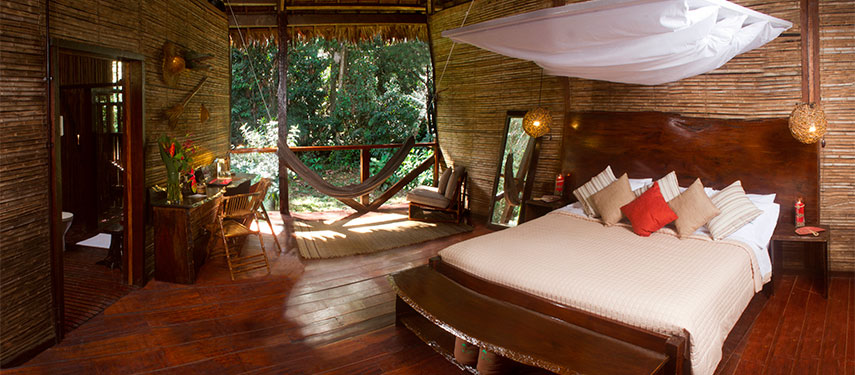
Refugio Amazonas – Tambopata
Where the wild things are...
Refugio Amazonas was built on a 200-hectare private reserve on the buffer zone of the Tambopata National Reserve. Enjoy the remoteness and look out for wildlife such as hoatzin, caiman or horned screamers. Climb the 30-metre high canopy tower to enjoy spectacular views of the forest, spot toucans, parrots, macaws and more.... Read More
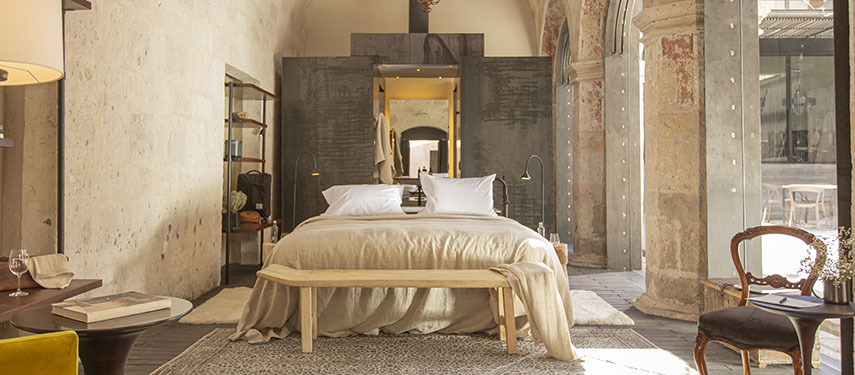
Cirqa – Arequipa
Age-old bond with elegance
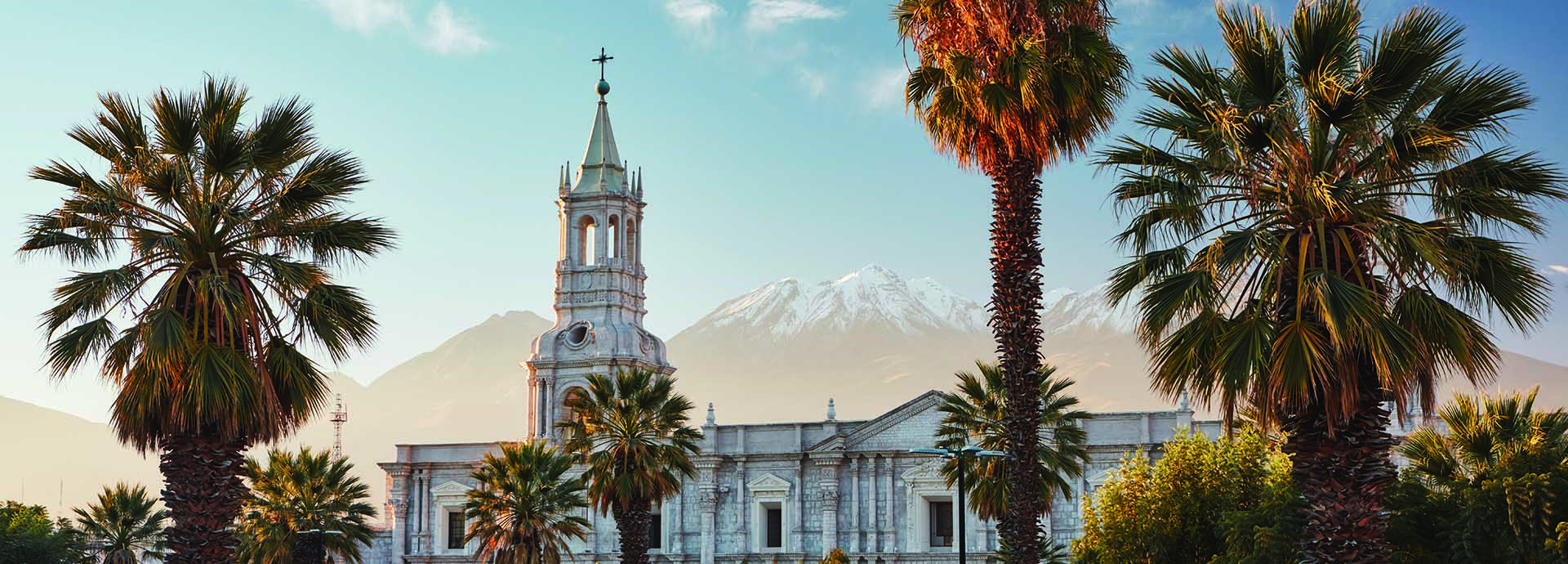
Cirqa is located in the old city of Arequipa. Part of the Relais and Chateaux group, guests can expect high-quality service, fine cuisine, and a myriad of excursions on offer for those who wish to head out to explore Arequipa itself, in the heart of Peru's Southern circuit. Cirqa - a heritage seeker's delight.... Read More
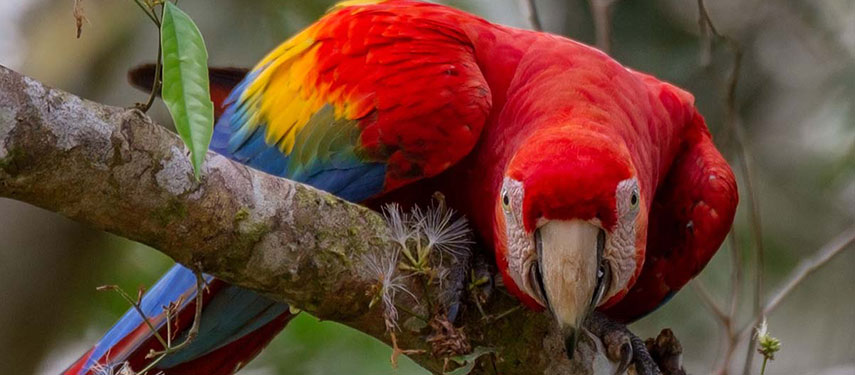
Posada Amazonas – Tambopata
Amazon jungle at its best
Posada Amazonas is located within the pristine Amazon Rainforest. The lodge offers ample opportunities to view local wildlife and to discover ancient indigenous heritage with its unique set of activities where each person can embark on their own program depending on their interests and physical capabilities.... Read More

A collection of journeys in Peru
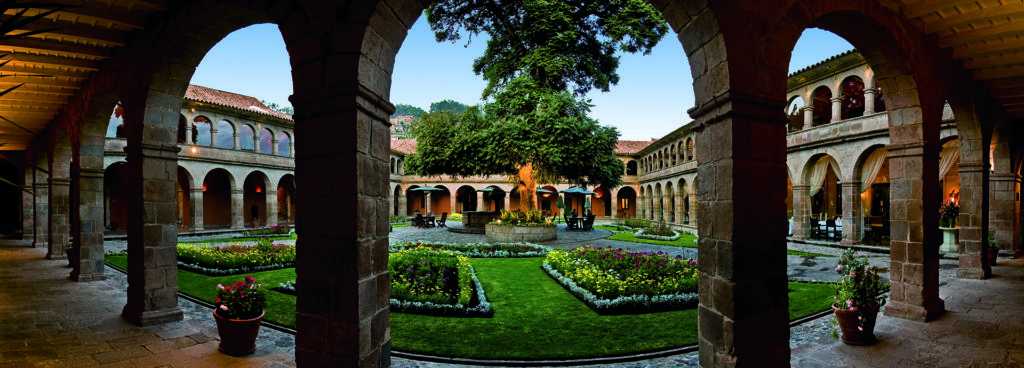
Peru to Perfection
Peru Itinerary Inspiration | Authentic luxury all the way...
This supremely diverse Peru itinerary is a journey through spectacular landscapes, verdant ecosystems, fascinating cultures, ancient history and thriving cosmopolitan cities.
...Read More
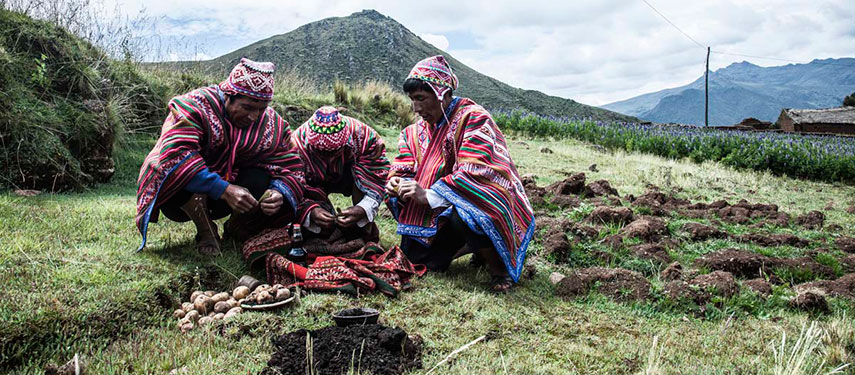
Peru: Lares Adventure
Set Departure | Mountain Lodges Village Hike
This 5 or 7-day lodge-to-lodge Lares adventure explores of the astounding natural scenery of the Sacred Valley of the Incas and provides an intimate look at Andean culture, both in busy towns and in the most-remote of mountain hamlets....Read More
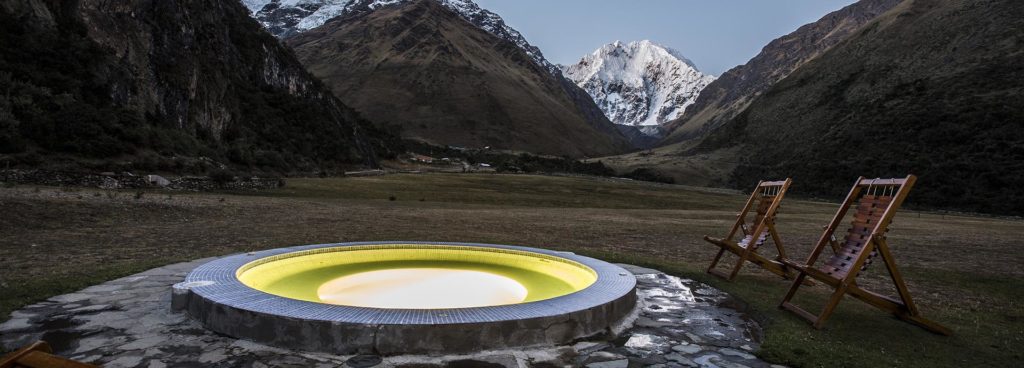
Peru: Salkantay Trek to Machu Picchu
Set Departure | Hiking Lodge to Lodge
This 7 day lodge-to-lodge trek to Machu Picchu gives the opportunity to experience the essence of adventure with creature comforts and culminating with a visit to the magnificent ruins of Machu Picchu, one of the Seven Wonders of the modern world....Read More
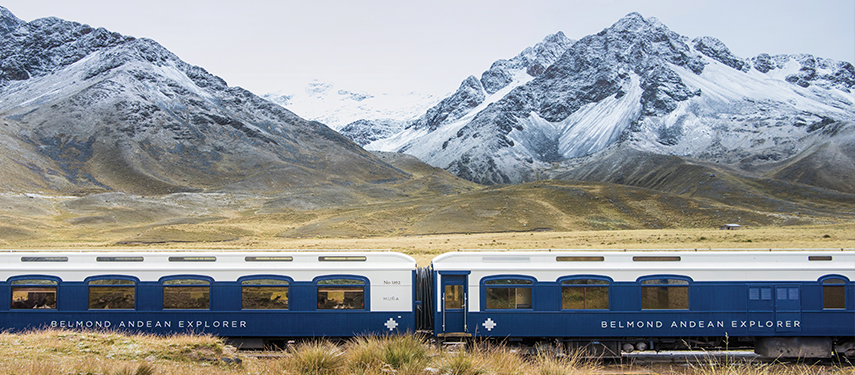
Peru: Belmond Andean Explorer Luxury Train
Set Departure | Lake Titicaca Luxury train journey
Enjoy the mysticism offered by the beautiful Peruvian Andean landscape aboard the Belmond Andean Explorer luxury train. This spectacular 3-day rail journey traverses the highest plains of the Andes, travelling from Cusco to Arequipa....Read More
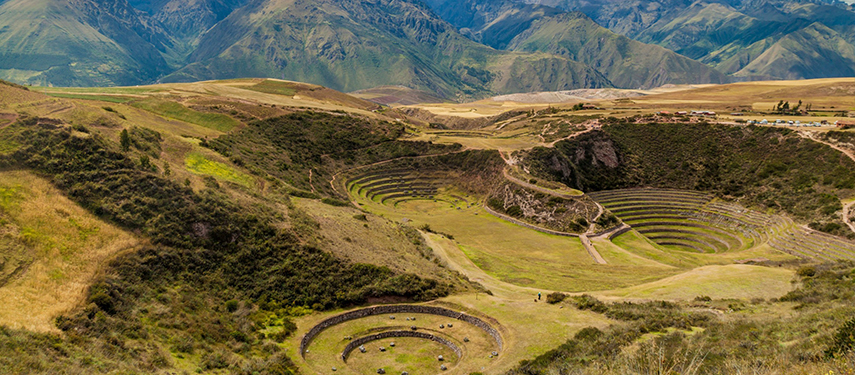
Peru’s Incan Empire
Itinerary Inspiration | Sacred Valley & Cusco
Peru is full of culture and landmarks to be explored. On this journey start off in the metropolis of Lima before heading to the Sacred Valley, visiting the Moray and Maras along with an adventure to bucket list Machu Picchu. Walk about the Pisco markets, people watch, admire the colours, traditions and cuisine of this part of Peru - perfect to combine with exploration elsewhere in Peru or in South America....Read More
Peru’s Amazon & Incas
Itinerary Inspiration | Jungle wilderness & heritage
Peru is a nation with a multitude of areas to explore. On this itinerary, explore colonial Lima and its world-class cuisine, the Amazon and its wildlife, flora and fauna, the Sacred Valley and its culture, people, traditions and landmarks including the iconic Machu Picchu. Finish up in Cusco, a place of cobble-stoned streets to people watch, meander about, explore its shops, markets and to get lost in its beauty....Read More
Peru & Ecuador: Amazon, Machu Picchu & Galápagos
Itinerary Inspiration | Peru & Ecuador
Embark on an unforgettable journey through Peru's Amazon jungle, an adventure amongst the Sacred Valley with the Lares journey, and viewing stunning wildlife and marine life in Ecuador's Galápagos. This three week journey is suitable for couples, friends and families with a range of activities to suit the style, pace, duration and length that you see fit....Read More
Peru: Frequently Asked Questions
Peru’s dry season runs from May to October, making this the optimal window for trekking, highland exploration, and the Sacred Valley. Skies are clearer, trails are drier, and wildlife is more easily spotted in the Amazon. November to April brings the wet season; while the highlands receive regular rainfall, the Amazon is lush and boat access to remote lodges is often easier. Note that the Inca Trail closes for the entire month of February for annual maintenance.
Australian passport holders do not require a visa to enter Peru for tourism purposes. You may stay for up to 183 days without a visa, provided you hold a valid return ticket and sufficient funds. Entry requirements can change, so it is always advisable to check with the Peruvian consulate or Smart Traveller before departure.
Cusco sits at approximately 3,400 metres above sea level, and Lake Titicaca at around 3,810 metres. Altitude sickness — known locally as soroche — is a genuine consideration. The Classic Safari Company recommends spending your first day or two resting, staying well hydrated, and avoiding alcohol. Many travellers take prescribed medication such as acetazolamide as a preventative measure. Flying into Lima first and spending a night acclimatising before ascending to altitude is standard practice.
The Classic Inca Trail is strictly permit-controlled, with a daily limit of 500 people (including guides and porters). Permits sell out months in advance — often by January for the following peak season. The Classic Safari Company handles all permitting as part of your itinerary, and advises beginning the planning process at least six months ahead. For those who miss the permit window, the Salkantay and Lares alternatives offer equally stunning high-altitude routes with no permit requirement.
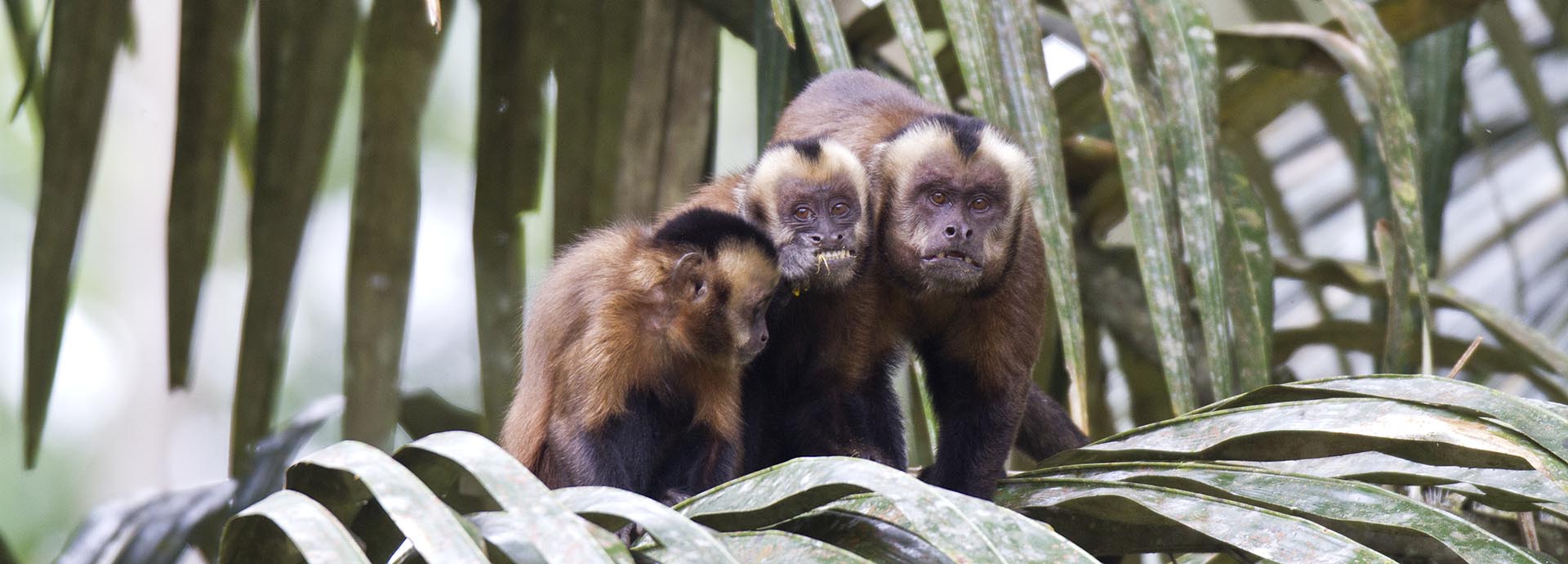
Peru holds the world record for bird species diversity, with more than 1,800 recorded species, and hosts extraordinary mammal diversity including pink river dolphins, giant river otters, tapirs, jaguars, and multiple species of monkey. The Tambopata region is particularly renowned for its macaw clay lick — one of the largest in the world — where hundreds of parrots and macaws gather each morning. The Amazon also offers the chance to encounter indigenous communities and participate in guided conservation projects.
The Nazca Lines are a series of enormous geoglyphs etched into the coastal desert of southern Peru, some spanning hundreds of metres. Created by the Nazca civilisation between 500 BCE and 500 CE, they depict animals, plants, and geometric forms whose full purpose remains debated by archaeologists. The lines are best appreciated from the air; small aircraft flights depart from the town of Ica or Nazca and typically last around 30 minutes. They are most commonly visited as part of a southern Peru circuit combining Arequipa, the Colca Canyon, and Lake Titicaca.
Peru: A Glossary of Terms
Inca Trail — The most celebrated of Peru’s ancient trekking routes, a 43-kilometre high-altitude path from the Sacred Valley through cloud forest and Inca ruins to the Sun Gate above Machu Picchu; daily access is permit-controlled and capped at 500 persons.
Sacred Valley — The fertile highland basin carved by the Urubamba River between Cusco and Machu Picchu, dotted with Inca terraces, market towns, and archaeological sites including Pisac, Ollantaytambo, and Moray; the primary staging ground for Machu Picchu visits.
Soroche — The Quechua and Spanish term for altitude sickness, a common condition affecting travellers arriving at elevations above 2,500 metres; symptoms include headache, fatigue, and nausea, and are best managed through gradual acclimatisation, hydration, and rest.
Quechua — The language of the Inca Empire and the most widely spoken indigenous language family in the Americas today, still used by millions of people across the Andean highlands of Peru, Bolivia, and Ecuador.
Pachamama — Meaning “Mother Earth” or “World Mother” in Quechua, Pachamama is the central deity of Andean cosmology, venerated across Peru in traditional ceremonies that honour the land’s fertility and spiritual abundance; the concept remains deeply embedded in community life throughout the highlands.
Ceviche — Peru’s national dish: raw fish cured in fresh citrus juice (typically lime), seasoned with chilli, red onion, and coriander; Lima’s version is considered the definitive expression, and the city’s chefs have elevated it into an art form recognised on the world stage.
Pisco Sour — Peru’s signature cocktail, made from pisco (a grape-based spirit distilled in coastal Peru), fresh lime juice, egg white, simple syrup, and Angostura bitters; the subject of genuine national pride and an ongoing, friendly dispute with Chile over the drink’s origins.
Viracocha — The supreme creator deity of Inca mythology, believed to have risen from Lake Titicaca to bring the sun, moon, stars, and humanity into existence; Inca emperors claimed divine descent from Viracocha and the sun god Inti.
Colca Canyon — A river canyon in the Arequipa region of southern Peru, reaching depths of approximately 3,270 metres — more than twice the depth of the Grand Canyon — and one of the best locations in the world to observe the Andean condor riding thermals from the Cruz del Condor viewpoint.
Tambopata National Reserve — A protected area of approximately 275,000 hectares in the Madre de Dios region of the southern Peruvian Amazon, widely regarded as one of the most biodiverse areas on the planet and home to the world’s largest recorded macaw clay lick.
The Classic Safari Company did a first class job with great attention to detail in organising an excellent trip for a group of people to the Galapagos Islands, Machu Picchu and elsewhere in South America. I'm sure I'll be using CSC again.
Tony, Laura & Elizabeth Frost
Classic Safari are the people who genuinely know other culture and offer incredible insight to perfectly meet your expectations.
Melanie McMillan & Iain Jones
The trip of a lifetime, couldn't have dreamt of a better adventure if I tried.
Emma Jeffcoat
You can't improve on perfection. I had my best birthday and holiday with my family celebrating my 80th birthday in Africa. Everything that Julia organised was perfect and the whole trip was a highlight!
Buckingham Family
Thank you for making our trip to Africa so spectacular. The attention to detail really made it special. It really was the trip of a lifetime.
Paul Cozzi
Their experience and knowledge of Africa is evident and we couldn't have been happier with the total package. This has given us a taste for Africa - now we are ready for more.
Andrew & Pip Stevens
It certainly was the best trip we have EVER had. The experiences were mind blowing. We want everyone we know to experience Africa - the animals, the people - magical.
Jo-anne & Dean Mifsud
If you want the most sensational experience in Africa let Julia and the staff at Classic Safari Co plan it for you! Their knowledge, expertise and enthusiasm for their job means your every wish will be fulfilled.
Miriam & Joseph Harrison
An absolutely fantastic travel company - every one of the many trips they have organised for us over 22 years have been faultless and fabulous.
Judith & Roger Williams
Absolutely everything was first class & so well organised.
Simon & Jackie Adams
Thank you so much for putting together the most memorable holiday for us. The experiences we have had in the last couple of weeks have gone beyond all expectations.
Jane & Col Loveday