Costa Rica

Costa Rica
KEY INFORMATION TO PREPARE FOR YOUR JOURNEY
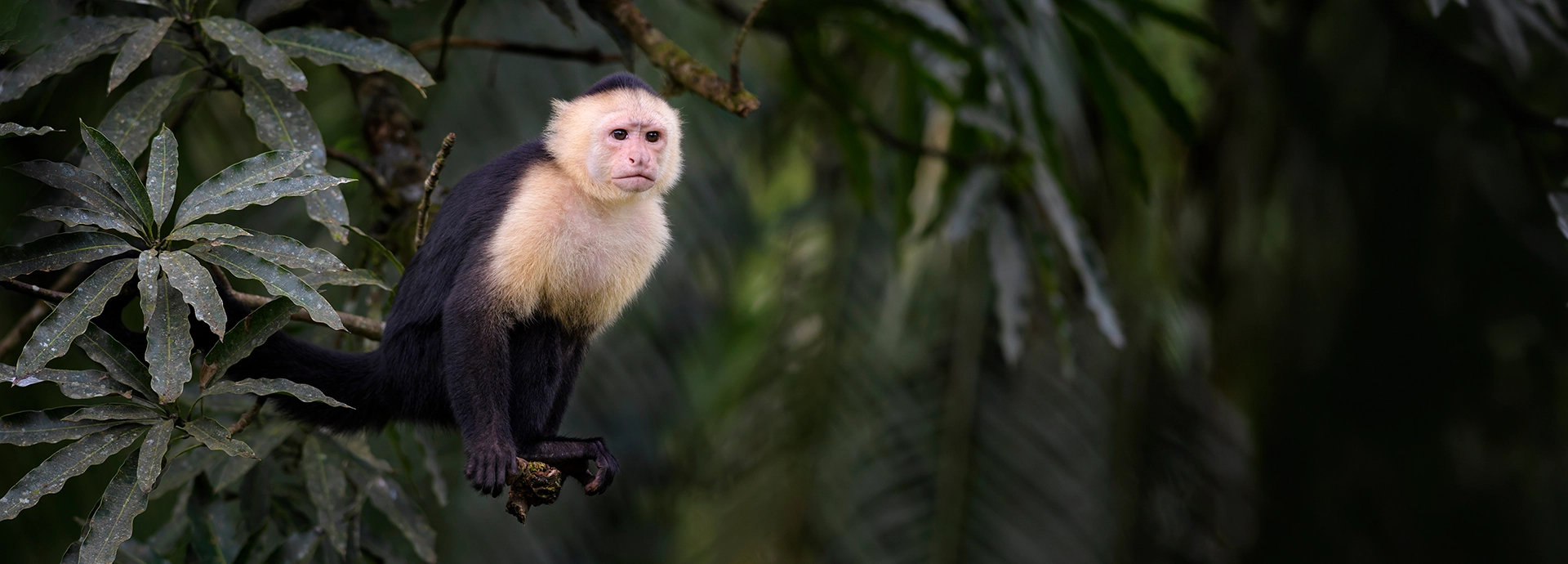
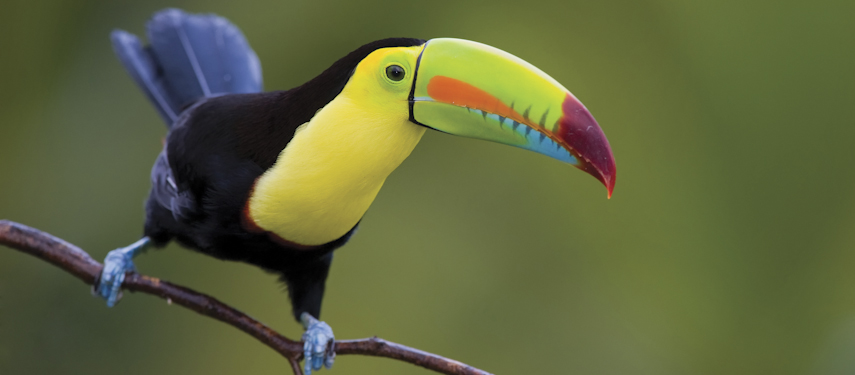
Costa Rica is one of Central America’s most celebrated eco-tourism destinations, renowned for its extraordinary biodiversity, lush rainforests, volcanoes, cloud forests and idyllic Pacific and Caribbean coastlines. Despite its relatively small size, the country protects more than a quarter of its land through national parks and reserves, making it a haven for wildlife including sloths, monkeys, toucans, macaws and sea turtles.
The capital city of San José provides a gateway to the country’s diverse regions, from the volcanic landscapes of Arenal and Rinón de la Vieja to the canals of Tortuguero, the Monteverde Cloud Forest and the surf beaches of Guanacaste and the Nicoya Peninsula. Costa Rica’s friendly people, known locally as “Ticos”, together with the country’s strong environmental focus and relaxed “Pura Vida” lifestyle, make it one of Latin America’s most rewarding destinations.
PLEASE NOTE: All pre-departure information was correct at the time of writing, but should be used as a guide only since requirements can change at short notice and without warning. Consult Smart Traveller or contact the Embassy of Costa Rica or the appropriate authority prior to departure to confirm all details.
AT A GLANCE
COSTA RICA KEY FACTS
Time: GMT – 6 hours | AEST – 16 hours
Capital: San Jose
International Airport(s): Juan Santamaría International Airport in San José (SJO)
Official language: Spanish is the official language
Religion: Christianity, predominantly Roman Catholic
Electrical Current: 110 volts | Plug types A & B
Currency: Costa Rican Colón | CRC
Australian Consulate in San Jose: Avenida 5, General Cañas San José, Costa Rica | T +506 4081 8008 | E: assistant.aushonconsul.cr@gmail.com
Visa: Australian and New Zealand passport holders generally do not require a visa for tourist visits of up to 90 days, however entry requirements can change without notice.
USEFUL WEBSITES
Smart Traveller – https://www.smartraveller.gov.au/destinations/americas/costa-rica
Travel Doctor-TMVC – https://www.traveldoctor.com.au/destinations/costa-rica
Embassy of the Republic of Cuba in Canberra – https://protocol.dfat.gov.au/Public/Missions/49
PUBLIC HOLIDAYS
January 1: New Year’s Day
April 11: Juan Santamaria Day
Thursday & Friday before Easter: Holy Week
May 1: Labour Day
July 25: Annexation of Guanacaste
August 2: Our Lady of the Angels Day
August 15: Mother’s Day
September 15: Independence Day
December 25: Christmas Day
PASSPORT & VISA REQUIREMENTS
PASSPORTS
Your passport must be valid for at least six months after your return to Australia and have at least two blank pages for every entry and country you intend to visit on your journey. If your passport does not meet these requirements you must obtain a new one. The Australian Passport Office website is www.passports.gov.au.
It is a wise precaution to carry a photocopy of your passport separately and leave a copy at home. This will aid authorities in processing a new passport should yours get stolen or lost.
If you have dual citizenship and more than one passport, we strongly recommend that you use only one of these during your travels, as in some countries it is considered illegal to have two or more passports. Be sure to use the same passport on entry and exit from a country, and never surrender your passport.
If your passport name is different to your commonly used name, advise us of this and ensure your airline reservations match those of your passport name.
VISAS
Australian and New Zealand passport holders travelling for tourism purposes generally do not require a visa for stays of up to 90 days.
You may be asked to provide:
- Proof of onward or return travel
- Evidence of sufficient funds for your stay
- Details of your accommodation arrangements
Visa and entry requirements can change without notice and it is your responsibility to ensure you meet current immigration regulations prior to departure.
CLIMATE, WEATHER & SEASONS
CLIMATE
Costa Rica enjoys a tropical climate with regional variations depending on altitude and coastlines.
The dry season generally runs from December to April and is considered the best time to travel for sunshine and beach conditions, particularly along the Pacific Coast.
The green or rainy season typically runs from May to November. During this time rainfall is usually heaviest in the afternoons, landscapes are lush and vibrant, and visitor numbers are lower.
Temperatures vary according to elevation:
- Coastal regions are warm and humid year-round
- San José and the Central Valley enjoy milder spring-like temperatures
- Cloud forest and mountainous regions can be cool, especially in the evenings
Lightweight clothing is recommended throughout the year, with a light jacket or fleece useful for cooler highland areas.
| SAN JOSE | JAN | FEB | MAR | APR | MAY | JUN | JUL | AUG | SEP | OCT | NOV | DEC |
|---|---|---|---|---|---|---|---|---|---|---|---|---|
| Temperature (°C) | 18-26 | 18-26 | 19-27 | 19-28 | 19-28 | 19-27 | 20-27 | 19-27 | 19-27 | 18-27 | 19-26 | 19-27 |
| Rainfall (mm) | 15 | 5 | 20 | 45 | 230 | 240 | 210 | 240 | 310 | 305 | 145 | 40 |
LUGGAGE & PACKING
CLOTHING
When packing for a trip to Costa Rica, it’s important to consider its tropical climate. Here’s some clothing advice to help you prepare:
- Lightweight breathable clothing
- Comfortable walking shoes or hiking boots
- Sandals or water shoes
- Lightweight rain jacket or poncho
- Sun hat and sunglasses
- Swimwear
- Insect repellent
- Sunscreen and lip balm
- Small daypack
- Binoculars and camera
- Reusable water bottle
- Neutral-coloured clothing is recommended for wildlife viewing.
HEALTH & VACCINATIONS
HEALTH & VACCINATIONS
It may be necessary to take medical precaution prior to, and whilst travelling. As we are not qualified to offer advice, we recommend you contact your GP or the Travel Doctor-TMVC who have the most up‐to-date information available and can tailor their advice to your specific needs. Requirements are highly personal depending on your health profile and the activities in your itinerary.
Some vaccinations must be given well in advance of travel, so we suggest seeking medical advice as soon as you start to plan your trip. Be sure to ask what vaccinations or medications may be required to enter Costa Rica and to re-enter Australia.
You can also refer to SmartTraveller for a guide as to what may be required, however you should always seek professional medical advice before travelling.
Tap water is generally safe to drink in most major tourist areas, although bottled or filtered water is recommended in remote regions.
Costa Rica has excellent private medical facilities in major cities, though facilities may be more limited in rural areas.
MONEY MATTERS
CURRENCY AND EXCHANGE
The local currency is the Costa Rican Colón (CRC), although US Dollars are widely accepted throughout the country.
Credit cards are commonly accepted in hotels, restaurants and larger shops, however smaller establishments and rural areas may prefer cash.
ATMs are readily available in cities and tourist centres.
It is advisable to carry a combination of:
- Credit/debit cards
- Small amounts of local currency
- Some clean, undamaged US Dollar notes in small denominations
TELL YOUR BANK
We highly recommend you advise your bank of your destinations and travel dates. This should prevent any of your transactions being deemed as ‘out of the ordinary’ (and possibly stopped) due to their unexpected location.
TIPPING
While tipping is not mandatory, it is a good way to show appreciation for good service and is warmly received. Given that many workers in the tourism industry earn relatively low wages, tips can make a significant difference to them. Here’s a general guide to tipping in Costa Rica:
Private Naturalist Guides: Average tip is US$15-20 per person per day for a naturalist guide who is accompanying you every day of your journey. It’s better to give a little more if the group size is less than 10.
Local Guides: For local guides, $10-15 USD per person, per day, or $5-8 USD per person for a half day is appropriate.
River Guides: Average tip is US$5 per person per day. It’s better to give a little more if there are less than 4 persons in the raft.
Transfer Guides: Average tip is US$3 per person. It’s better to give a little more if the group size is less than 4 persons.
Drivers: Average tip: US $5-$10 per person per day. It’s better to give a little more if the group size is less than 4 persons.
Taxis: Cab drivers are not usually tipped unless extra service is provided.
Bellboys: Often tipped a minimum of US$1-$2 per bag, at check-in and check-out.
Housekeepers: Often overlooked. You may want to consider around US$2-5 per night, left at the end.
Restaurants: A 10% service charge is usually included in the bill. However, if you receive exceptional service, it is customary to leave an additional 5-10%. In smaller, informal dining establishments, leaving some change is a kind gesture of gratitude.
POWER & TECH
POWER
There are basically two main voltage systems used around the world: 110 Volt ‐ USA, Canada, Spain & Japan 220 Volt ‐ the rest of the world. In simple terms, the power supply available at the socket is roughly twice as powerful in 240V countries as in 110V countries.
Costa Rica operates on a 110 supply voltage. Australia operates a 220V currency and therefore you’ll need a voltage converter AND a plug adapter for Australian appliances.
The adaptor you will need for Costa Rica is a TYPE A or B, the same as used in the United States.
Alternatively you may prefer to invest in an International Travel Adaptor that provides you with more than one option.
Many adaptors also have a USB port so you can plug your smart phone, or I‐product directly into the adaptor.
For the latest & most up to date information about voltage and what adaptors to travel with refer to: www.korjo.com
ADAPTORS
Costa Rica uses 110V electrical current and type A or B sockets