Safari Stargazing
Renowned for its ‘big skies’, Africa’s endless turquoise canopies have captivated travellers ...
Read More
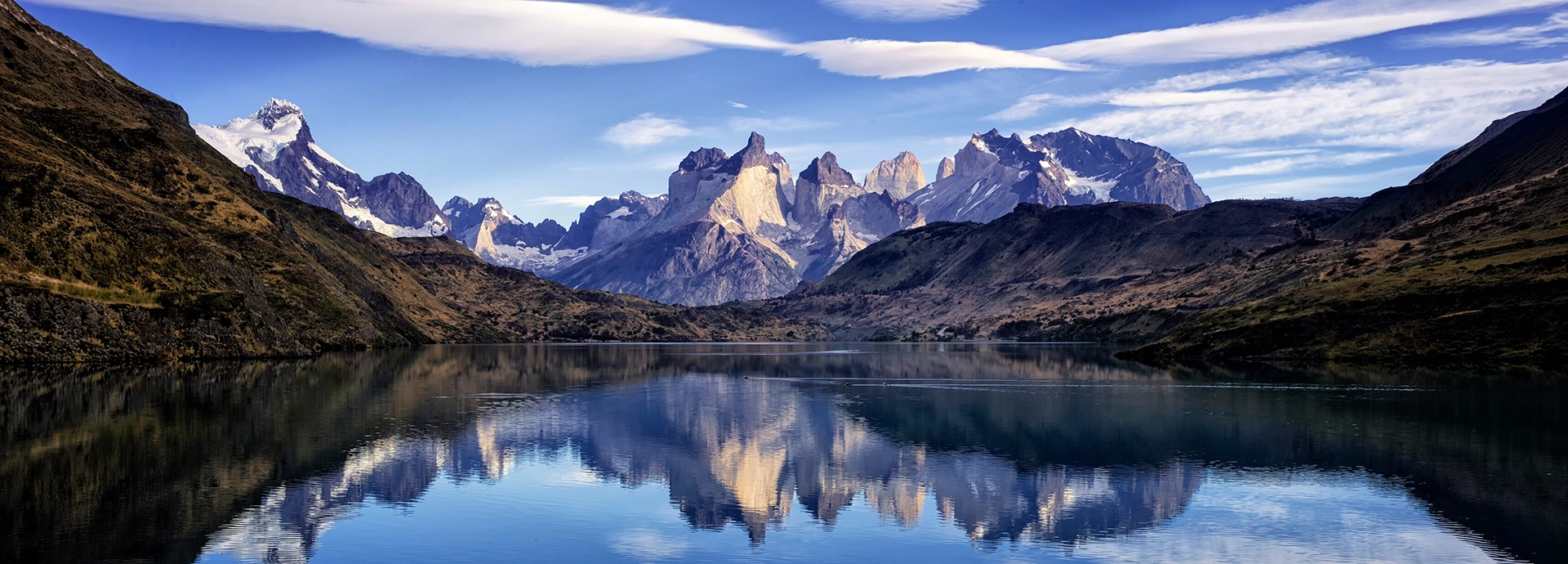
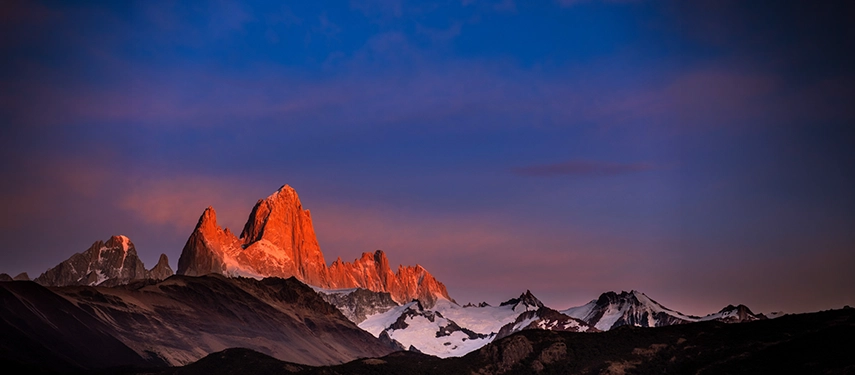
Patagonia sits at the end of the world in a sweep of wind-carved mountains, shimmering ice fields and endless steppe. It is a place where silence carries its own grandeur, where wildlife moves across vast horizons, and where travellers encounter landscapes that feel almost untouched by time. From the granite spires of Torres del Paine to the blue walls of Perito Moreno Glacier, this is a region that rewards curiosity, patience and a sense of wonder.
Patagonia invites immersion rather than haste. It spans southern Chile and Argentina, where Andean peaks plunge into turquoise lakes and lenga forests glow amber and gold in autumn. The light changes by the minute, casting glaciers in shifting hues of silver and sapphire. The remoteness is not a barrier here; it is the point.
For nature lovers, three elements stand out:
It is a destination for those who appreciate raw scenery and the quiet privilege of sharing the environment with only a few others.
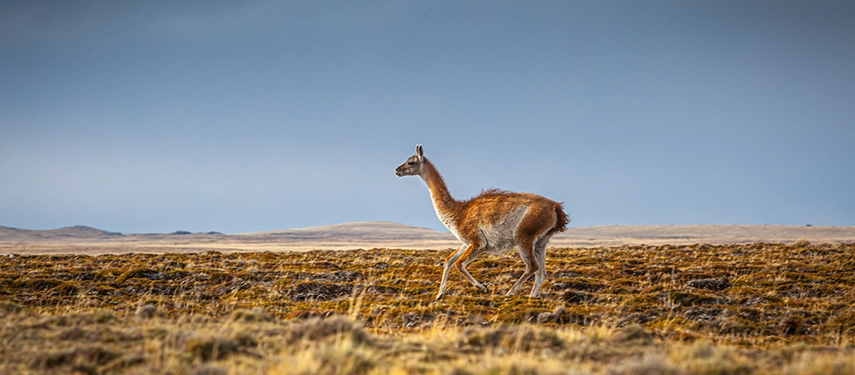
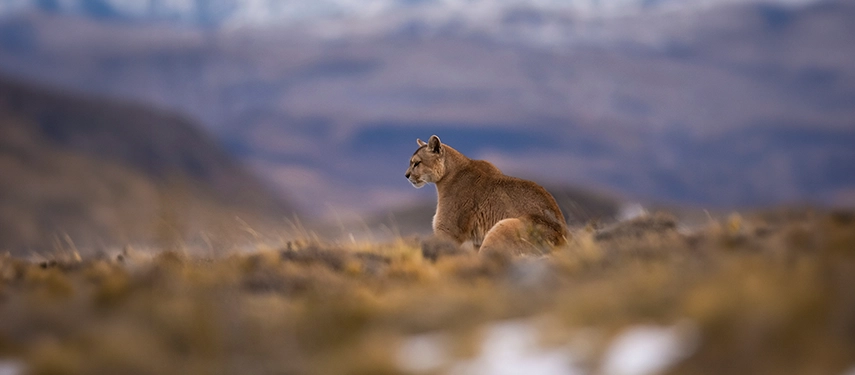
Patagonia is alive with iconic species, each adapted to its rugged terrain.
Expert-led safaris help travellers understand behaviour, habitats and conservation efforts. Encounters are unforced and respectful, favouring observation over intrusion, and often enriched by guides who are biologists, trackers or naturalists.
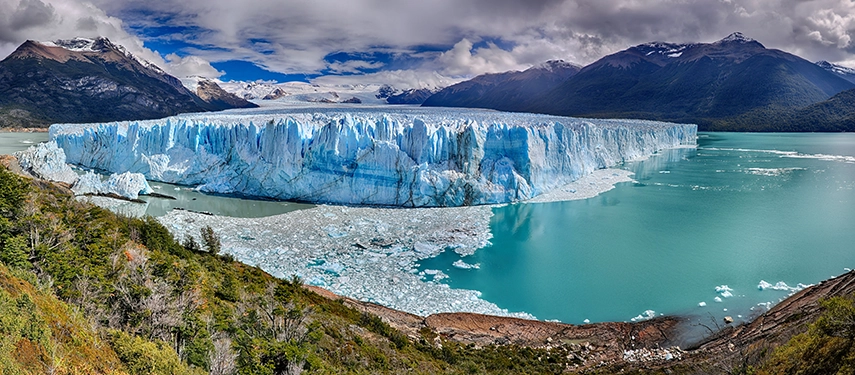
Glaciers are among Patagonia’s most moving experiences. These vast rivers of ice creak, shift and calve into iridescent waters, reminding visitors that they are witnessing landscapes still in the making.
Popular ways to explore include:
The experience is not only visual. You hear the sound of ice breaking, feel the cool air radiating from the glacier and sense the scale of geological time.
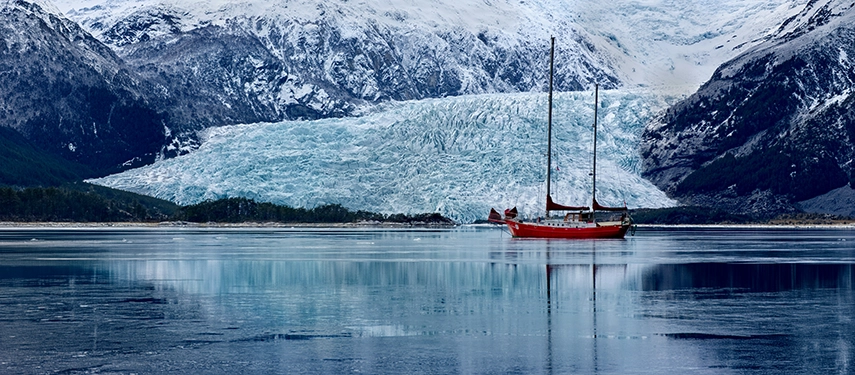
Patagonian fjords feel otherworldly. Narrow channels cut by glaciers thread between towering cliffs draped with waterfalls and hanging forests. Cruising through them reveals remote inlets, sea lion colonies and ice flows drifting silently by.
Travellers often ask:
The combination of isolation, water, ice and mountain scenery makes fjord cruising one of Patagonia’s most contemplative experiences.
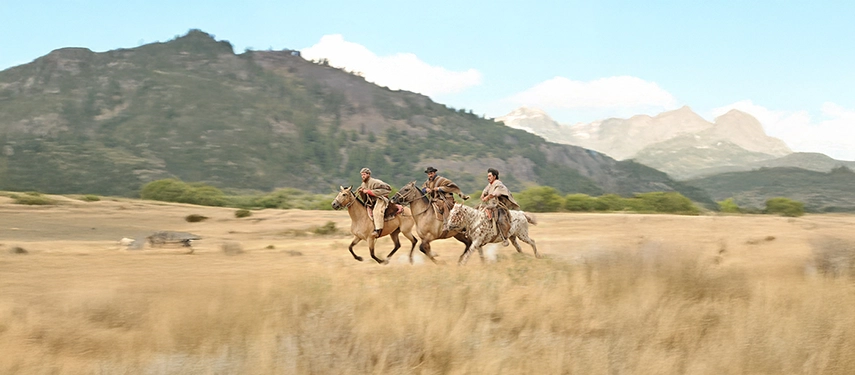
Historic estancias—working sheep or cattle stations—offer an intimate window into Patagonian life. Many are set within sweeping private reserves, accessed by scenic road or light aircraft.
Expect:
It is a way to slow the pace and experience the landscape not as a passing observer, but as a temporary resident.
Use the following checklist to refine your journey:
Clarity on these questions allows your itinerary to be crafted around your personal sense of wonder.
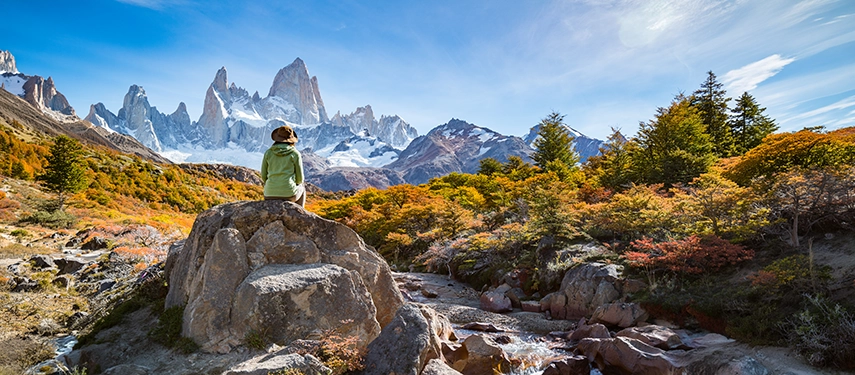
Patagonia’s light and scale attract photographers from around the world. Specialist photography guides understand:
Whether using a phone camera or professional equipment, the emphasis is on slowing down enough to truly see.
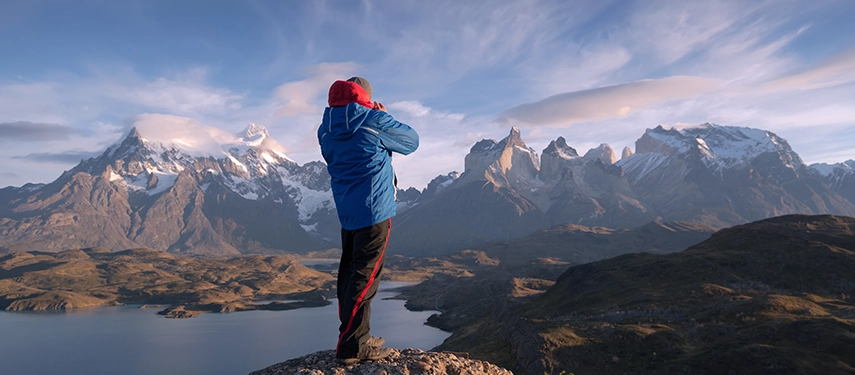
Each season has its own character; there is no single “perfect” time, only the right time for your priorities.
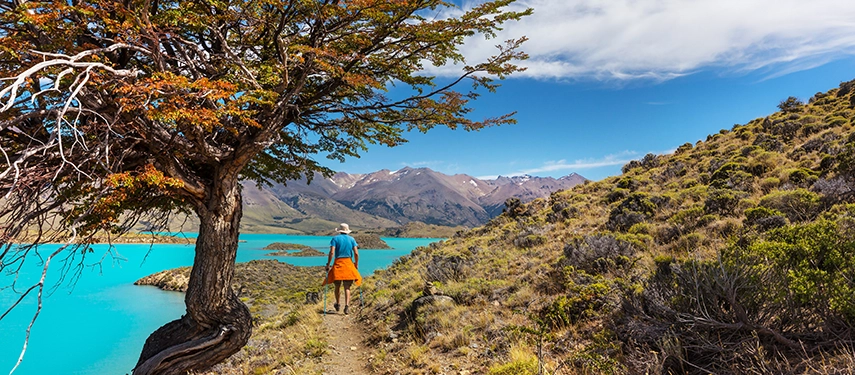
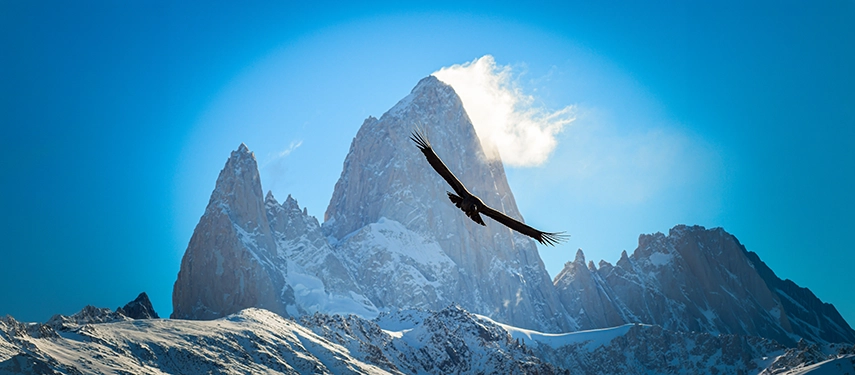
Patagonia offers something increasingly rare: space, silence and authenticity. Luxury trips to Patagonia are not about ticking boxes but about standing in front of landscapes that remind you how powerful and beautiful the natural world can be. Whether watching condors trace the sky, walking across ancient ice or sharing stories beside a fire on an estancia, Patagonia lingers long after you leave.
It is not just a destination. It is an encounter with the earth at its most elemental.