Zambia
Wild & Remote
Discovering Zambia | In Summary
- Zambia was a pioneer of the low-volume, high-value model of wildlife tourism — strict limits on visitor numbers and a licensing system that channels revenue directly into conservation give the country some of the lowest game-viewing vehicle densities in sub-Saharan Africa.
- Kafue National Park, at roughly 22,400 square kilometres, is one of the largest protected areas on the continent and a stronghold for cheetah, wild dog, roan antelope, and sitatunga — species rarely encountered in Zambia’s better-known eastern parks.
- Each November, the remote Liuwa Plains National Park hosts the second-largest wildebeest migration in Africa, witnessed on any given day by just a handful of travellers, making it one of the most exclusive wildlife spectacles on earth.
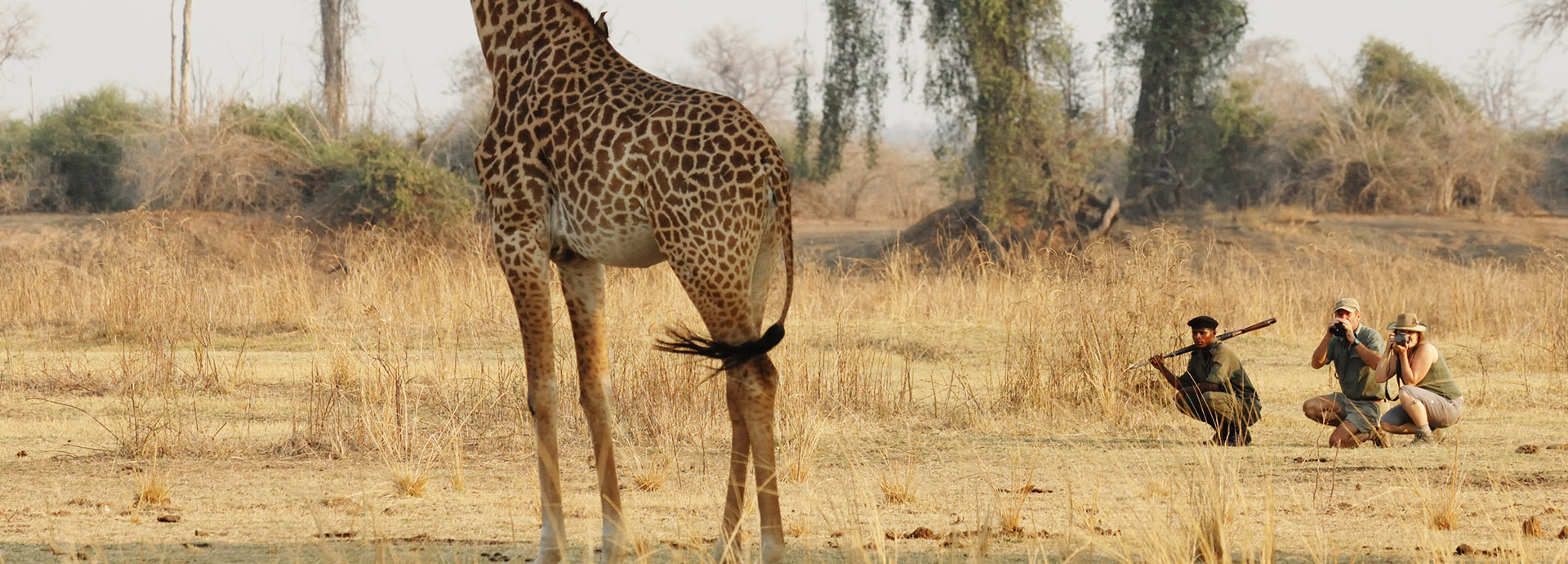
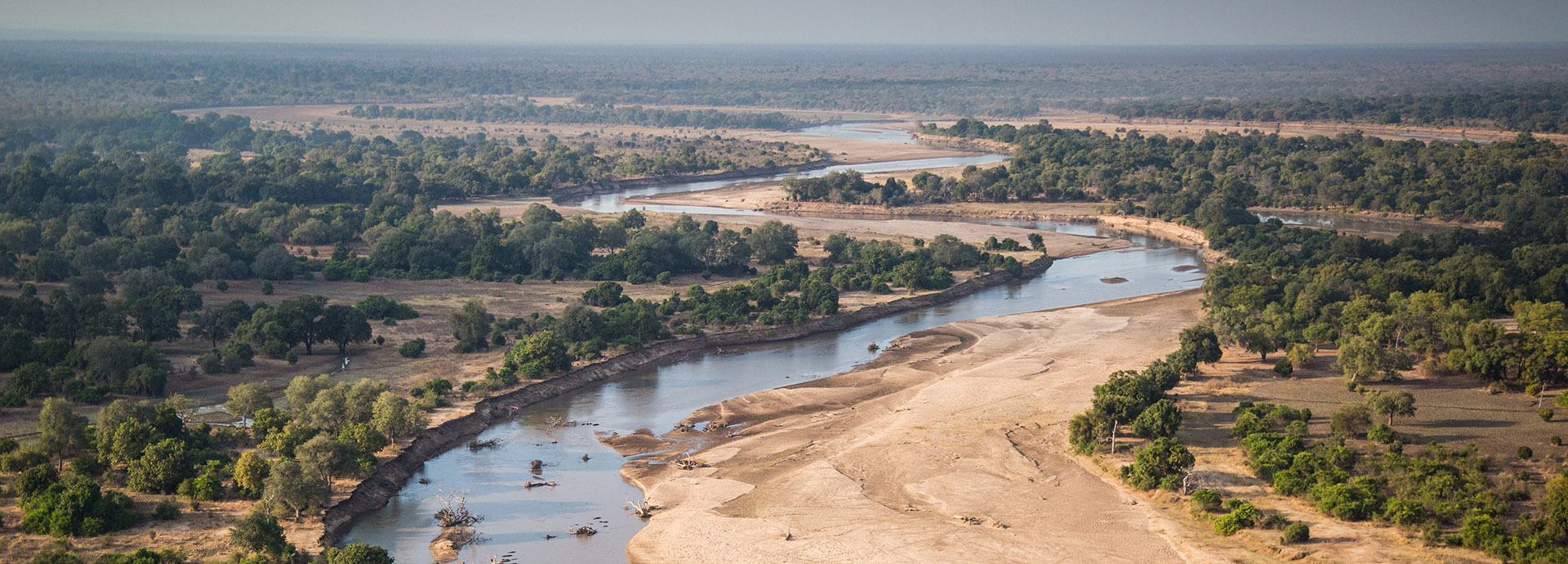
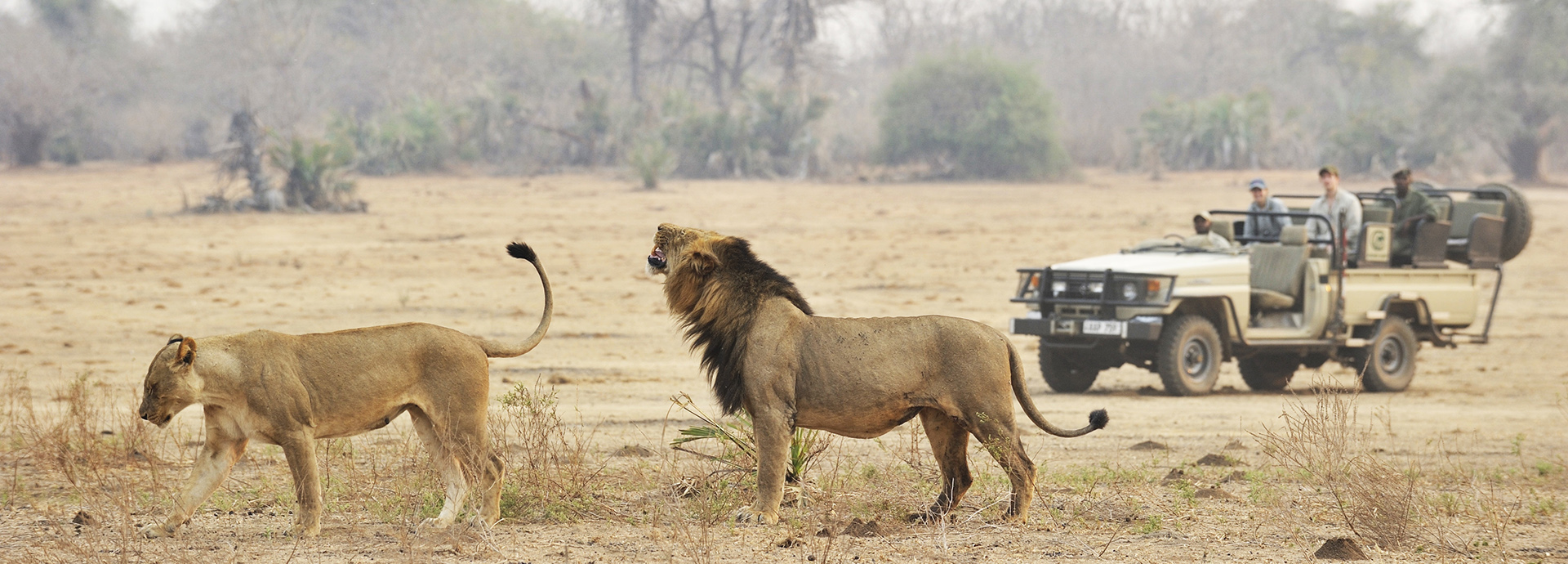
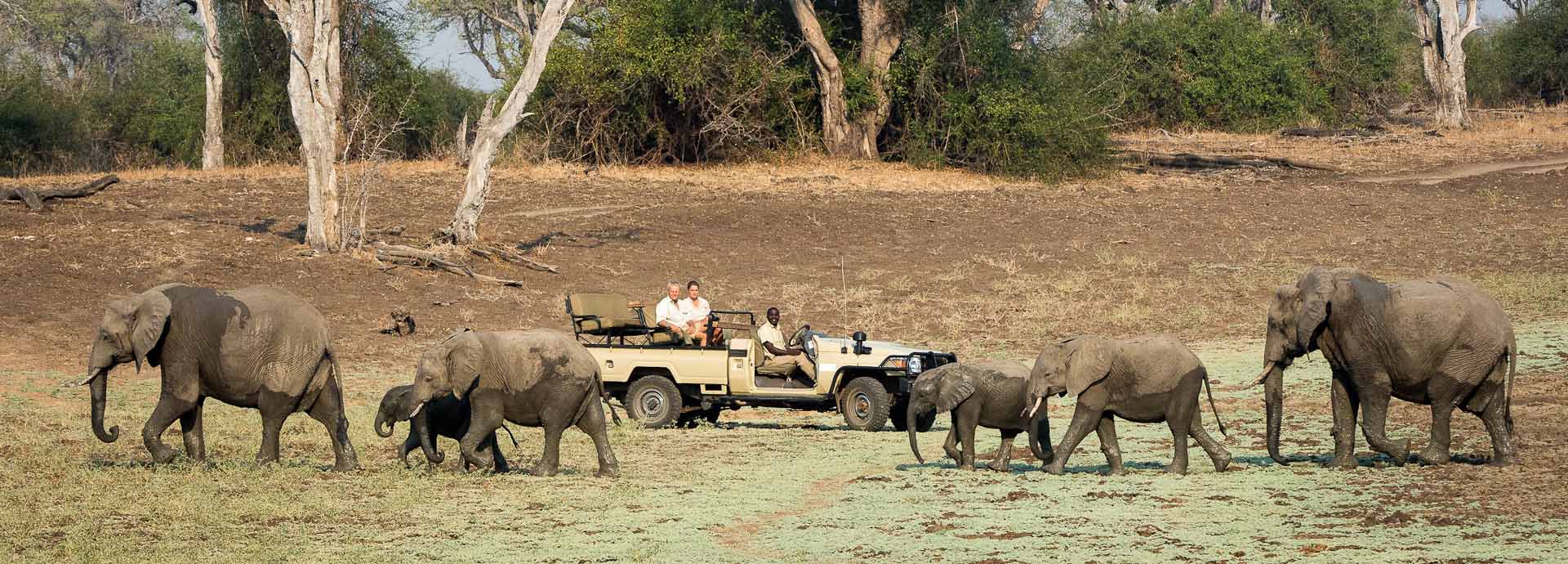
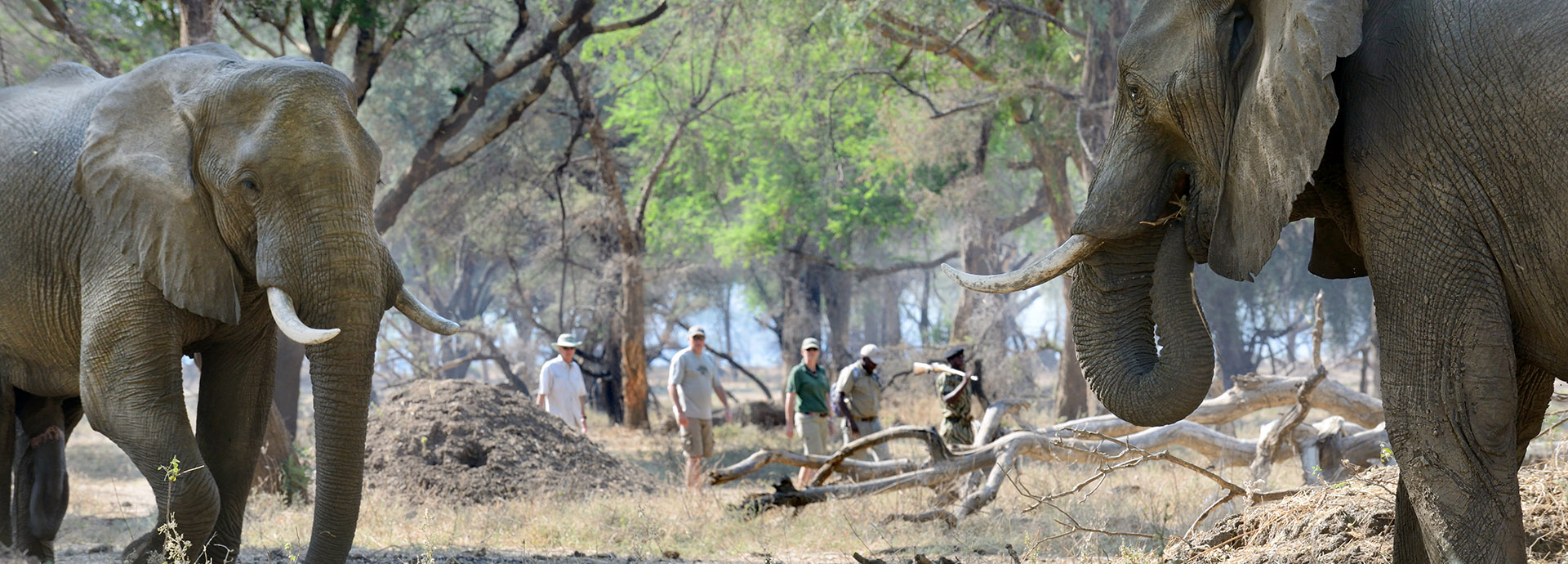
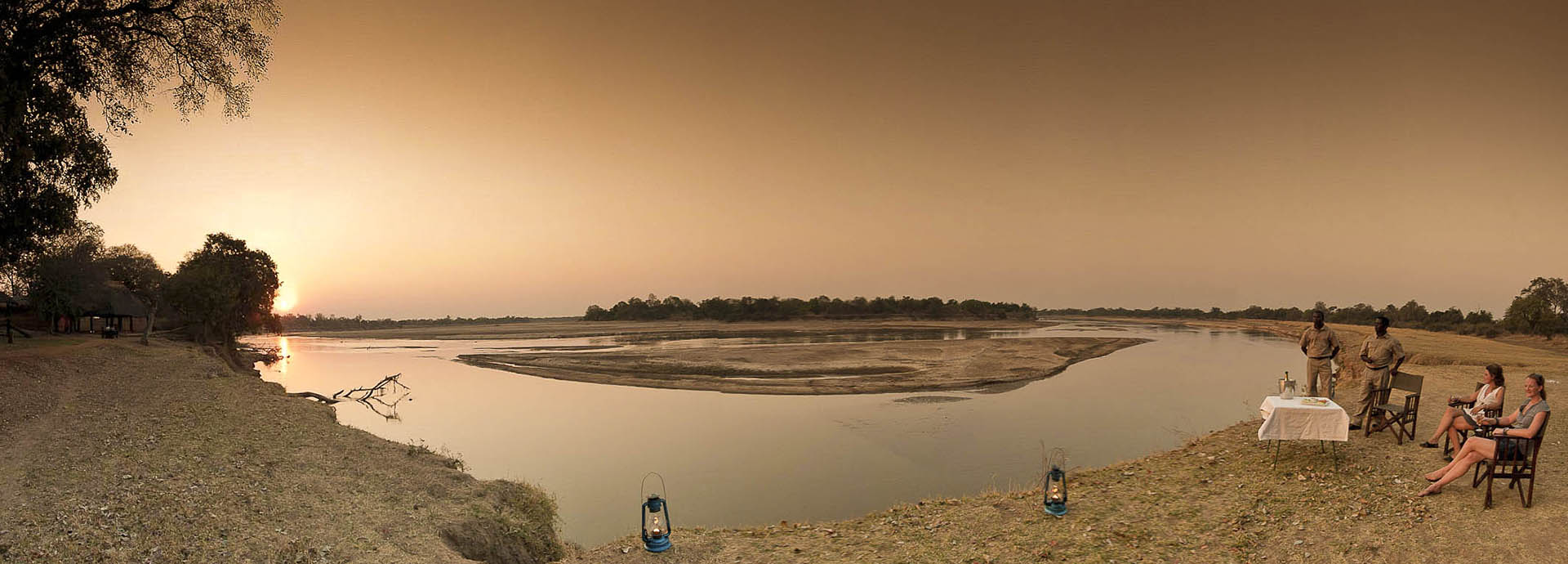
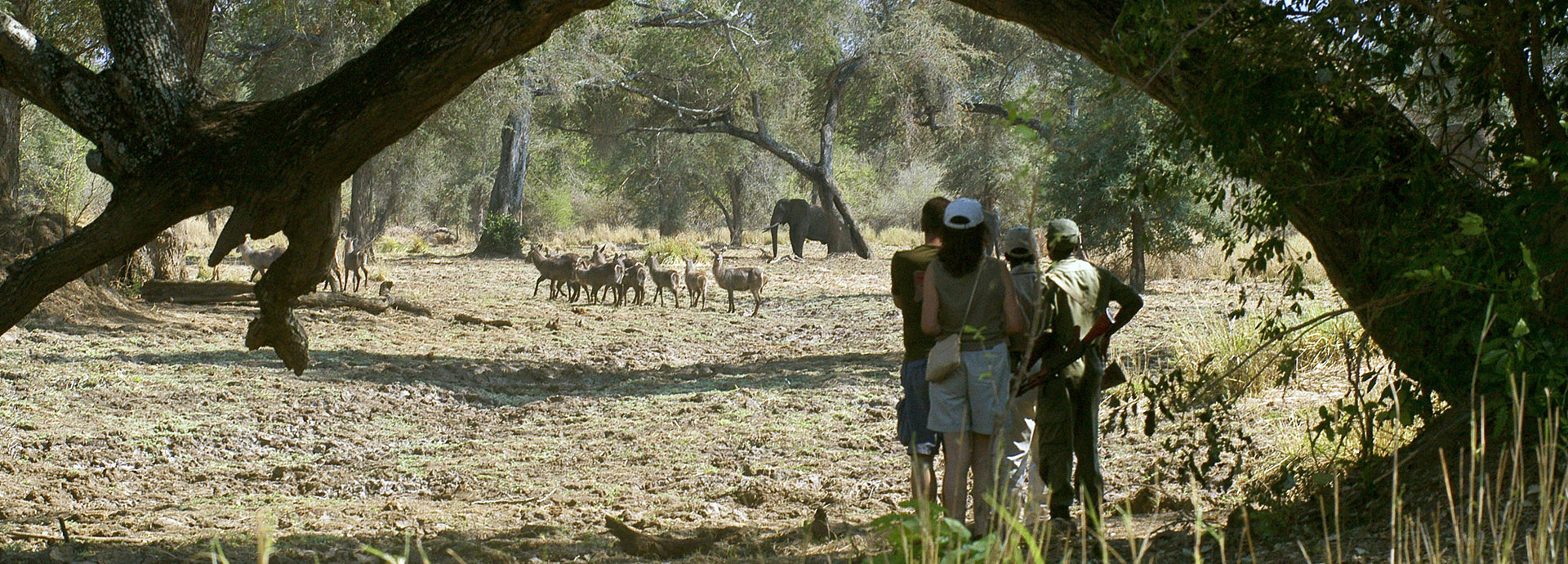
Zambia’s big game and abundant birdlife revolves mostly around three great rivers – the Zambezi, Luangwa & Kafue. It offers impressive wildlife diversity as well as some of the wildest and most remote game areas on the continent. It is also the land of the legendary African walking safari and the concept of exploring the bush on foot over multiple days was first pioneered in the South Luangwa by one of the continent’s finest operators. There remains no greater sense of excitement than creeping past a herd of elephant, glimpsing an elusive leopard or a pride of lions when on foot.
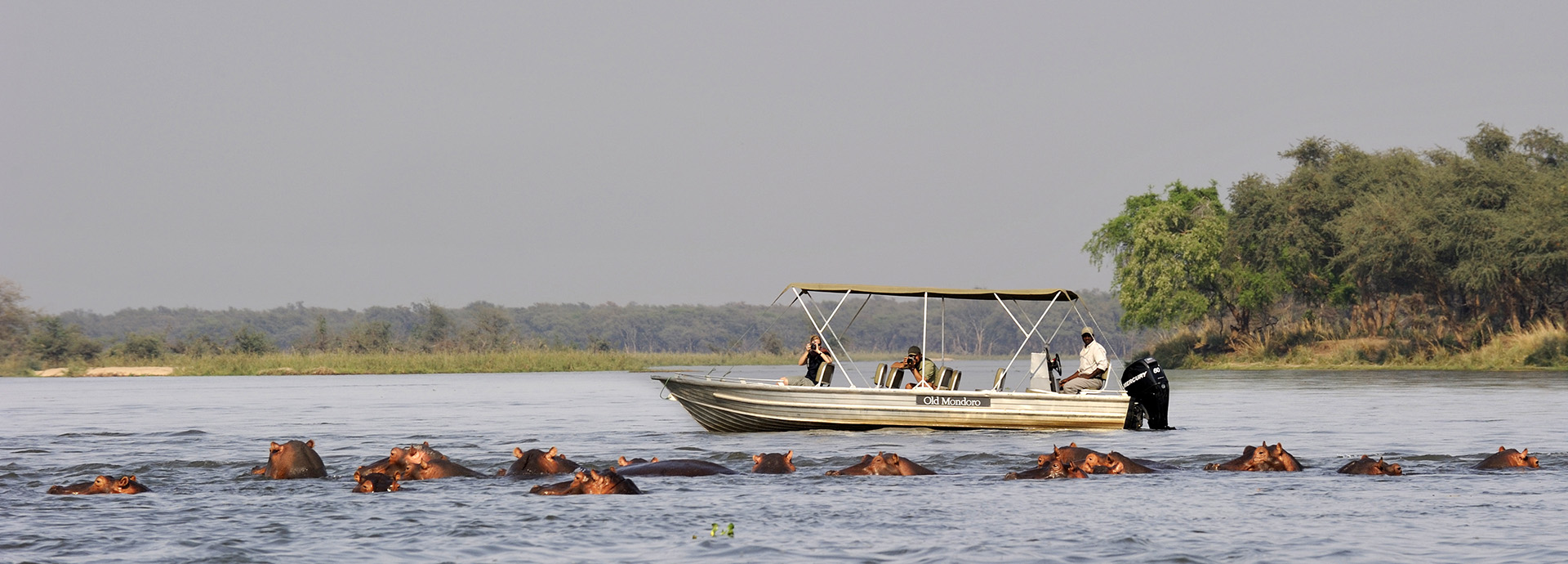
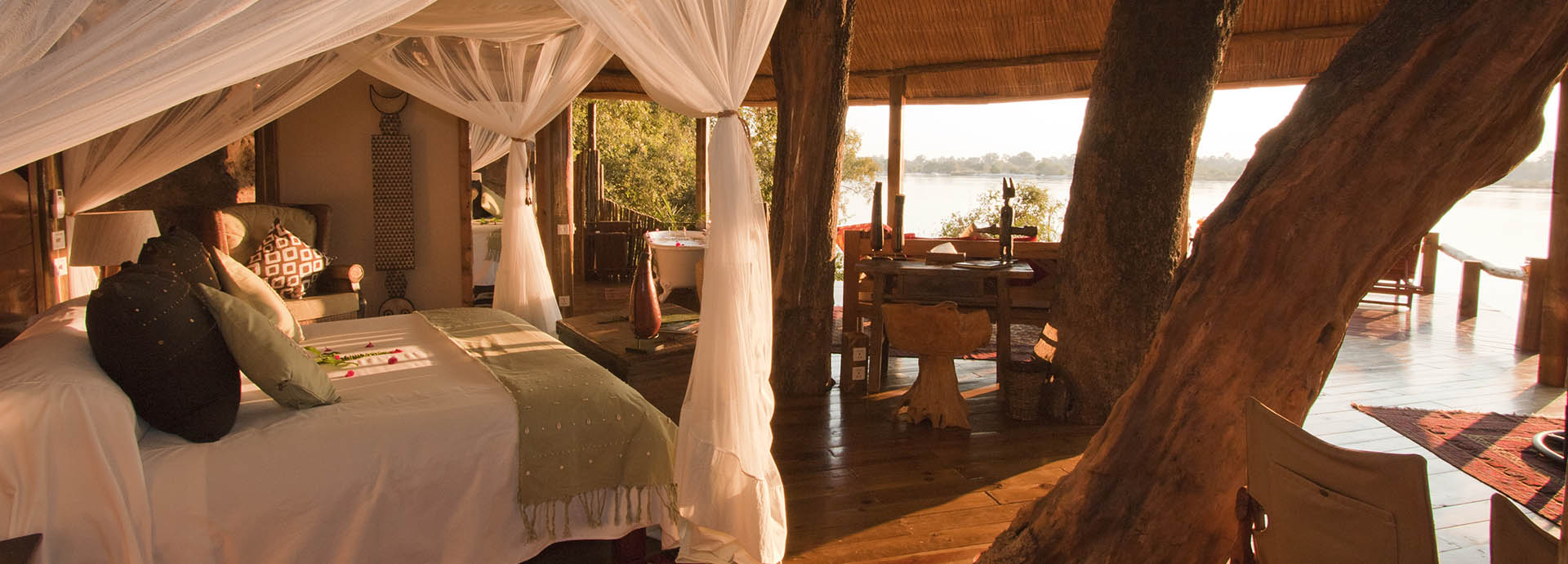
However, there is much more to Zambia than just walking safaris. On the Zambezi River you can slip silently into a canoe to glide past elephants & wallowing hippos or stand in awe as the river falls away into the Zambezi Gorge creating the thundering Victoria Falls. A unique proliferation of family operated outfits has given rise to a number of seriously stylish private houses and luxury bush lodges – the perfect intimate spaces to go off-grid with your friends and family.
You Will Love
• The great rivers of Zambia
• The original and the best for walking safaris
• Flocks of beautiful bird life
• Private homes for hire
• Wonderful wilderness areas
Let us design your perfect itinerary.
Zambia’s diverse regions
from the Luangwa to Livingstone
Livingstone
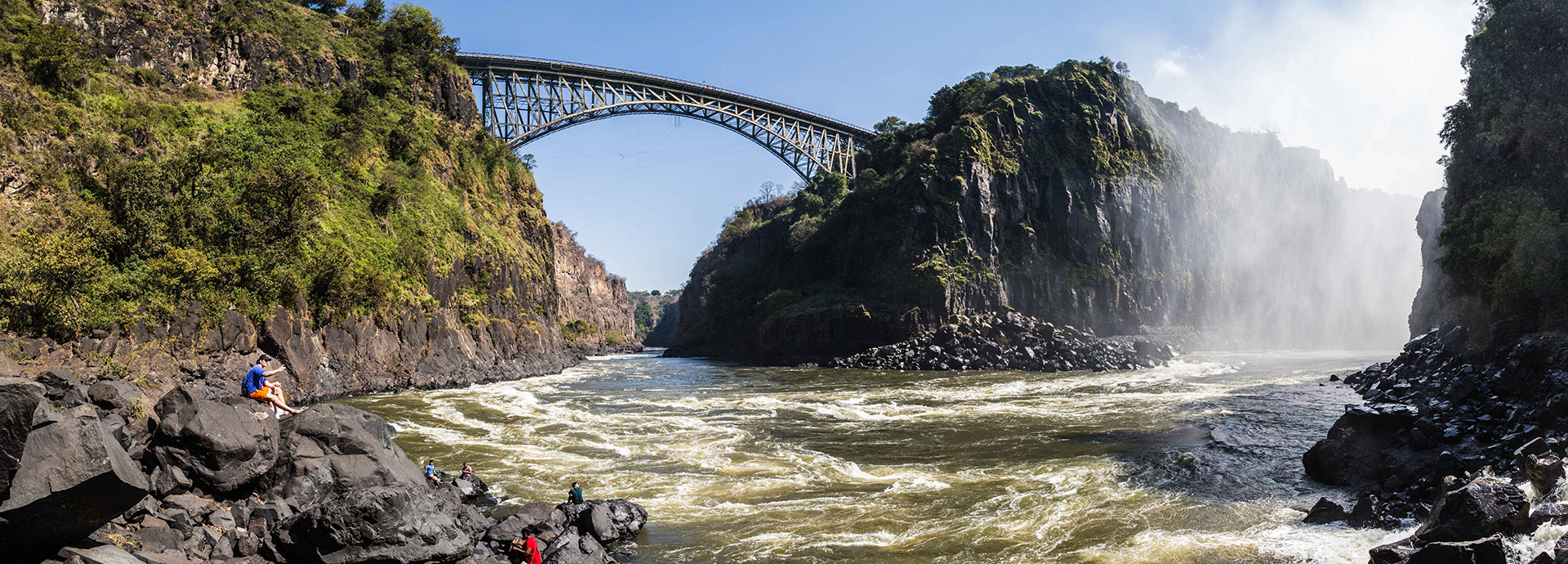
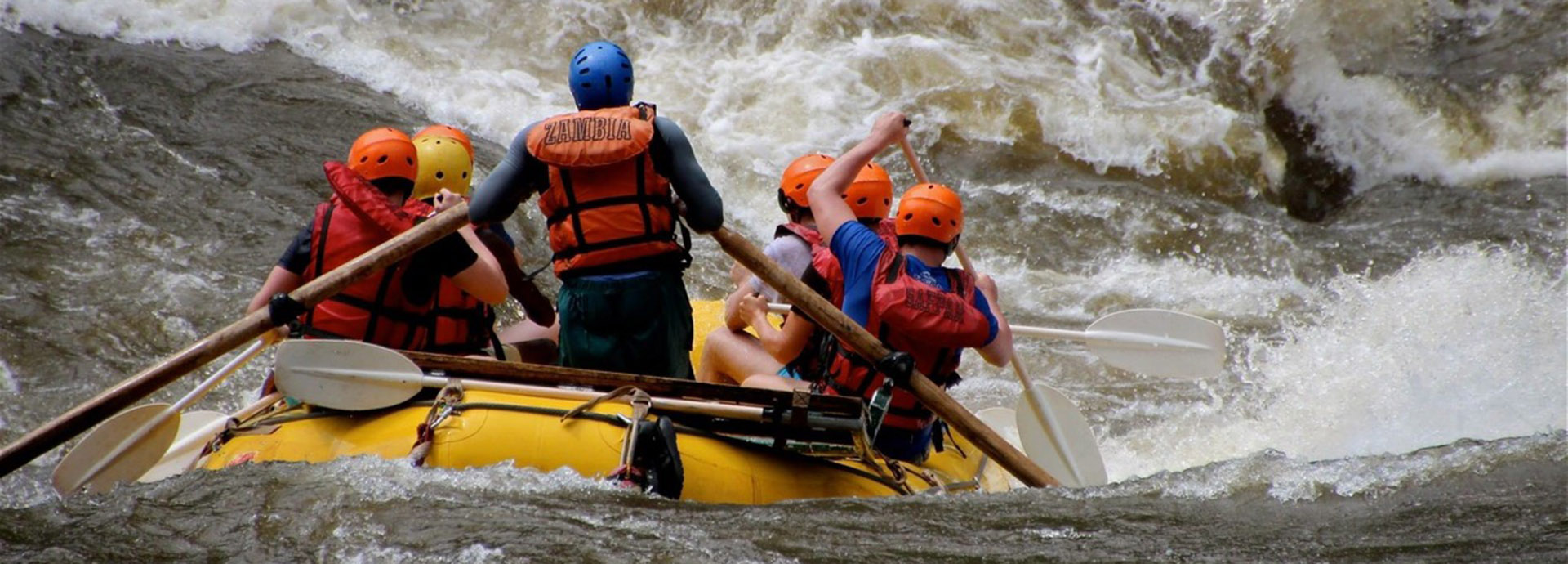
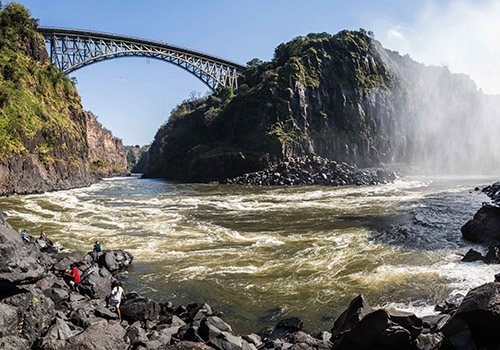
Livingstone was named after the famous Victorian missionary explorer, Dr David Livingstone and is home to one of the world’s most famous waterfalls. Mosi-oa-Tunya or ‘the smoke that thunders’, is the original, Kololo name for the Victoria Falls and the place where the Zambezi River drops some 100 metres into a narrow gorge. From Livingstone you can access the adrenalin-fuelled activities on the Zimbabwean side of the falls, such as bungee jumping and white water rafting, or you can bathe in Devil’s Pool on Livingstone Island. Devil’s pool sits directly on the edge of the falls making it the ultimate infinity pool.
Lower Zambezi National Park
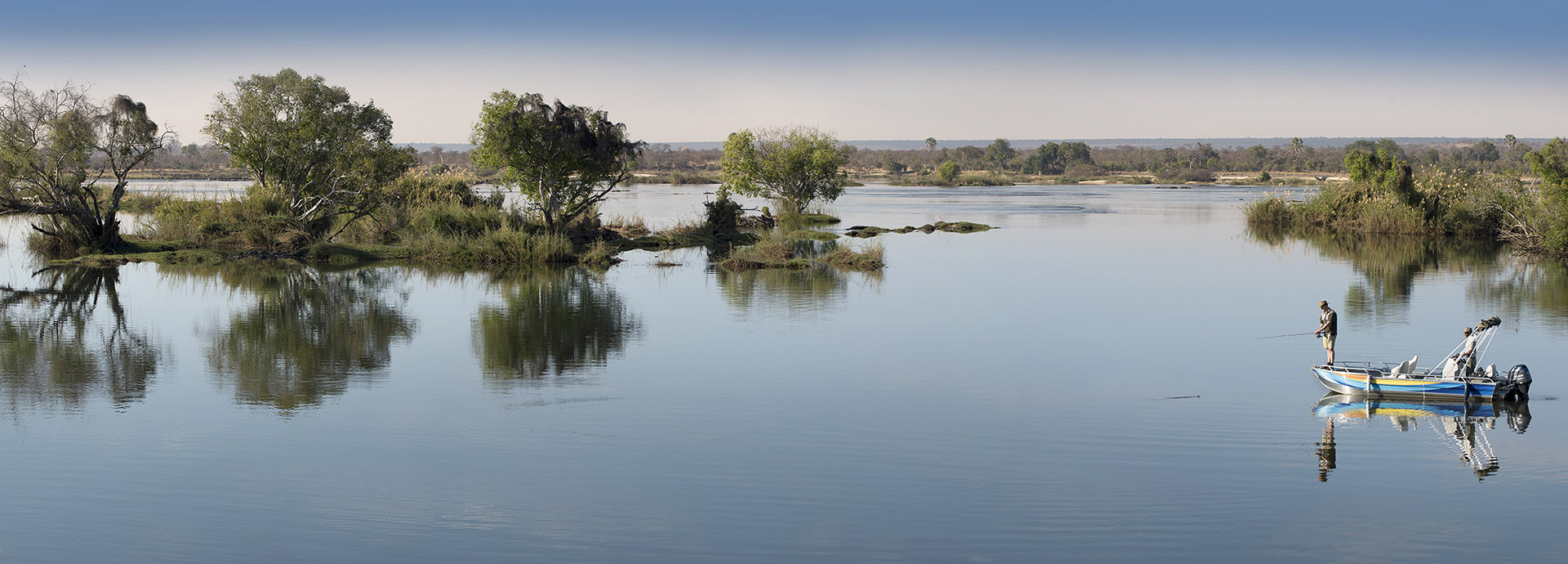
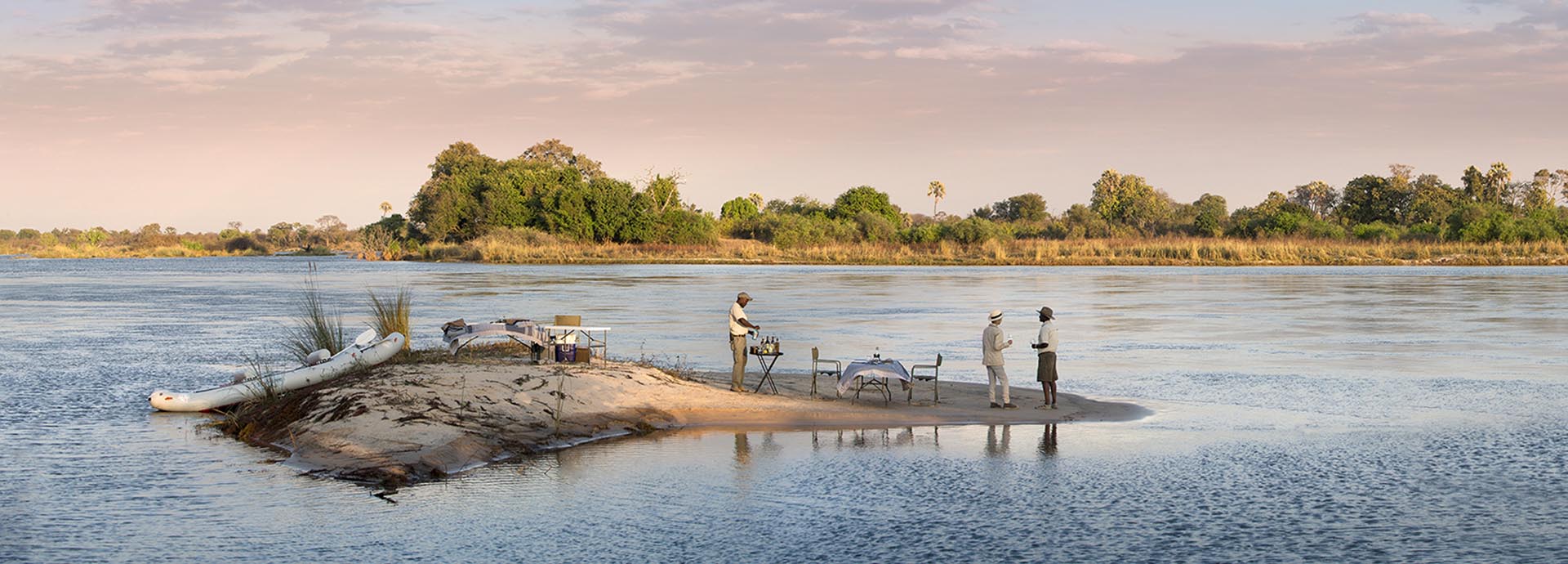
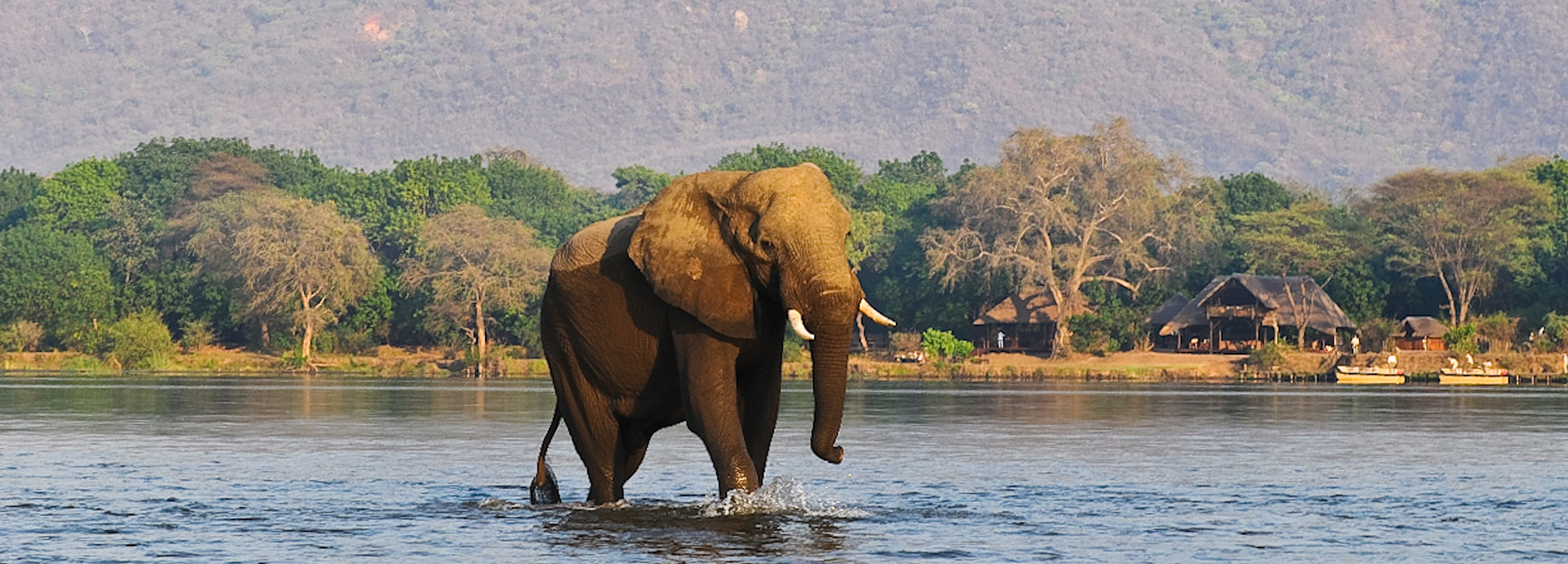
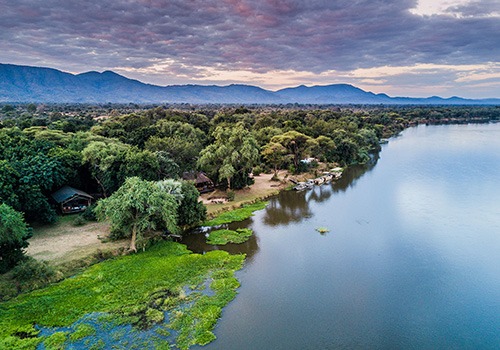
The Zambezi River runs for 120km through the park and, with the protection of the Mana Pools National Park in Zimbabwe on the opposite side, this is a haven for wildlife. Here the river forms many channels, lagoons, sandbanks and islands for wallowing hippos and elephants. Beyond the riverine strip, open plains, woodland and bush areas teem with grazers and the inevitable predators that follow. The river is a huge attraction and offers boating and canoeing in an idyllic setting, whilst Tiger fishing (on a catch and release basis) attracts fisherman from the world over.
South Luangwa National Park
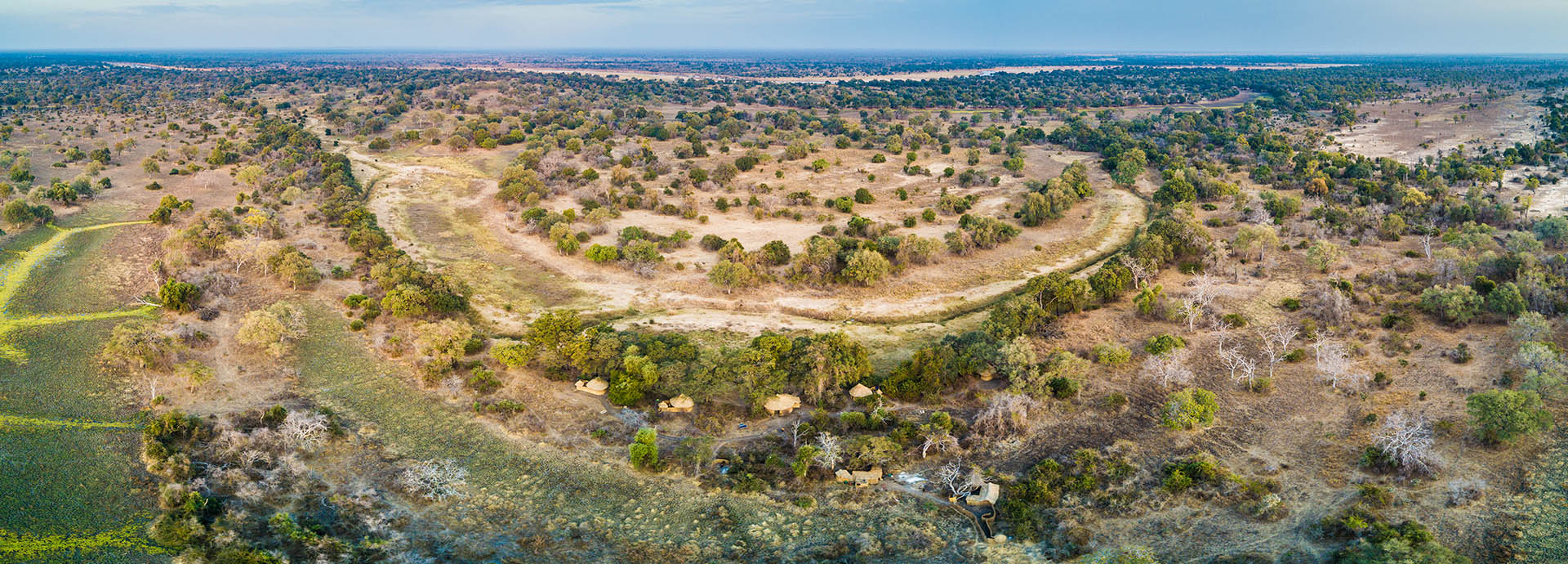
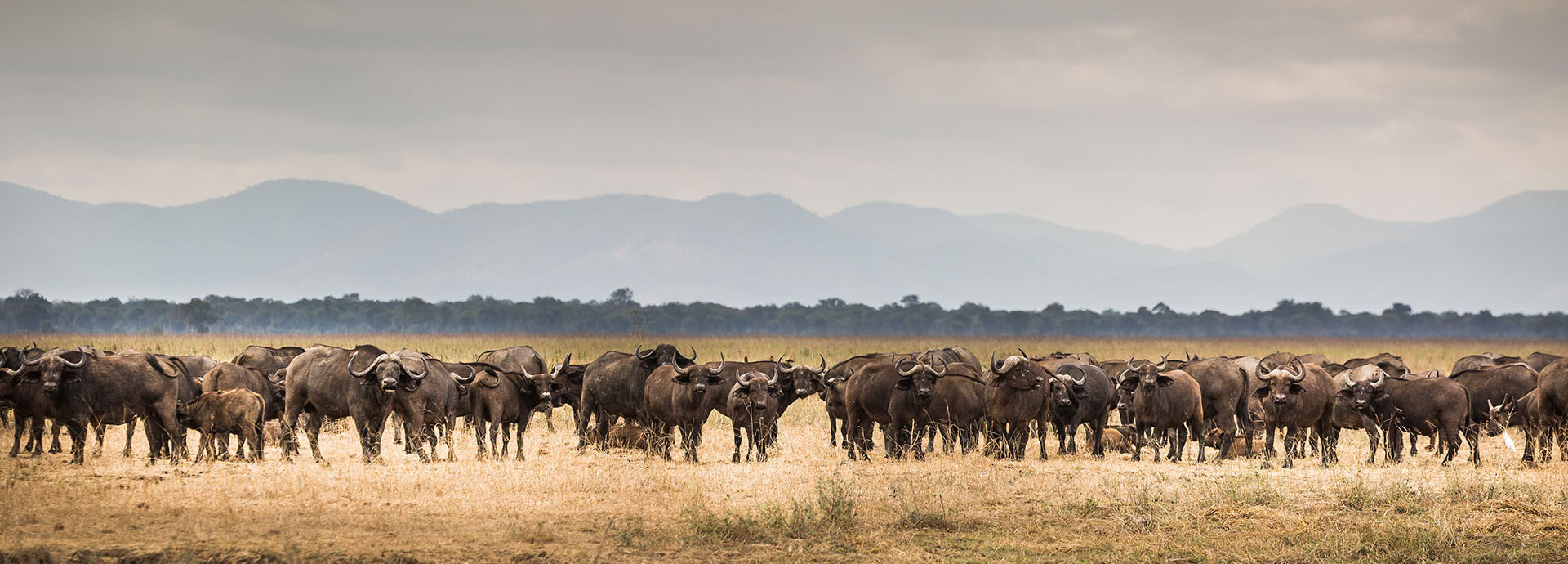
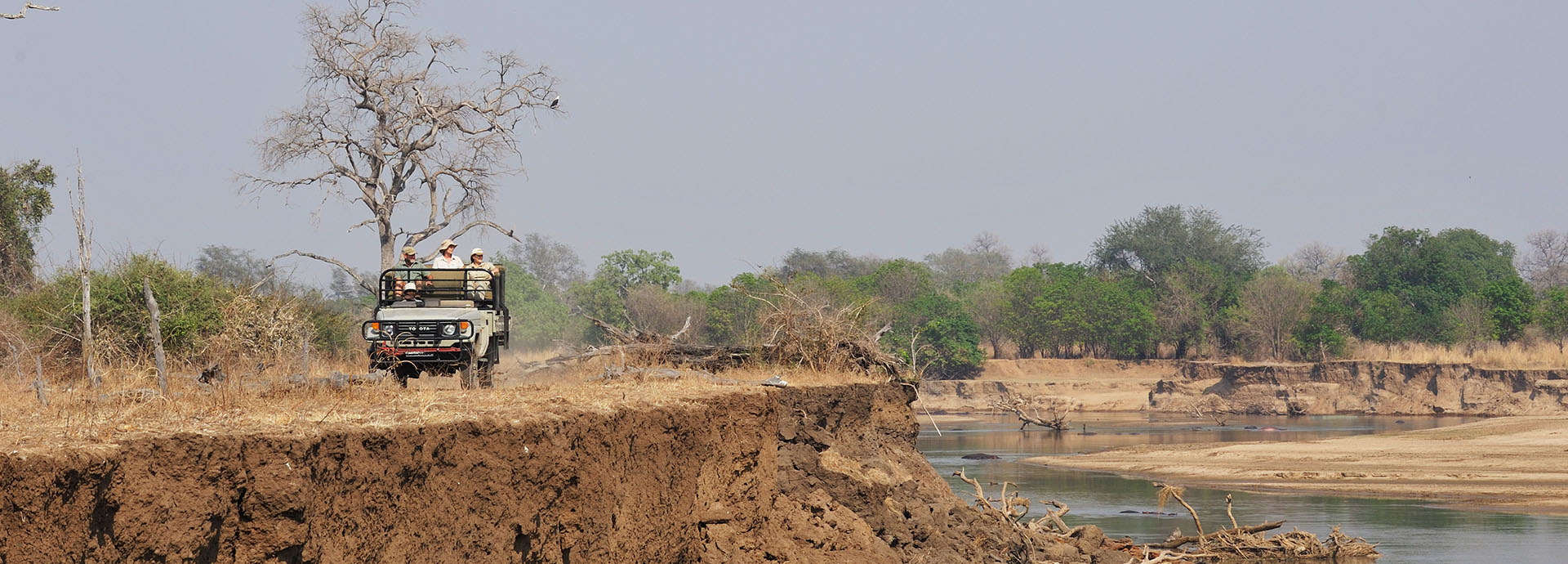
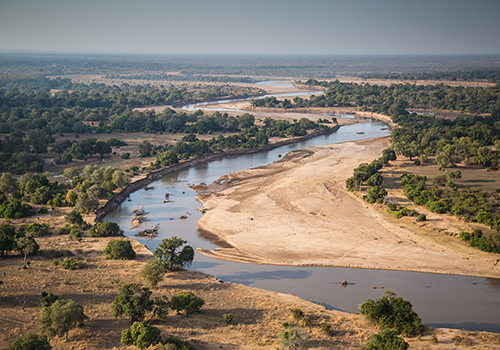
Although it is half the size of Kruger in South Africa or Etosha in Namibia, the density of South Luangwa’s wildlife is unbeatable. Huge buffalo herds congregate, vast flocks of carmine bee- eaters nest in mud banks and crocodiles thrive and grow to immense proportions. It renowned for exceptional leopard sightings and is one of the top places in Africa to view this magnificent cat. The park is centred around the Luangwa River - the most intact major river system in Africa and the life-blood of the park. This unspoilt wilderness is the birthplace of the original walking safari and possibly the finest wildlife sanctuary in Africa.
Unforgettable experiences in Zambia
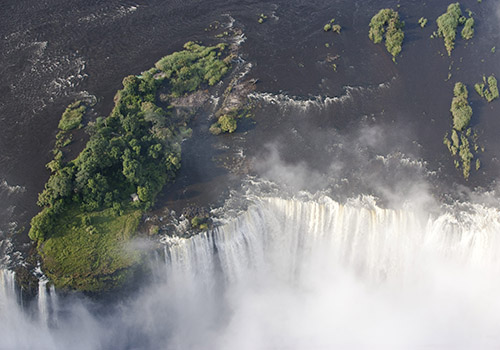
Fly by helicopter over Victoria Falls
Fly by helicopter over Victoria Falls
The best way to view the magnificence of Victoria Falls is from above. We arrange helicopter flights over the awe-inspiring Victoria Falls on the aptly named ‘Flight of the Angels’. This originates from David Livingstone’s d...
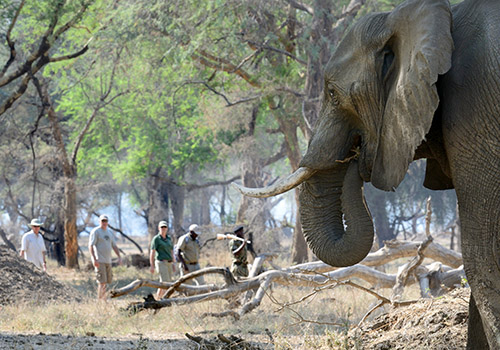
Experience world-class walking safaris
Experience world-class walking safaris
Superb guiding, interesting open terrain and an abundance of big game gives Zambia the widest selection of reliably productive walking safaris anywhere in Africa. South Luangwa was the original birthplace of the walking safari and...
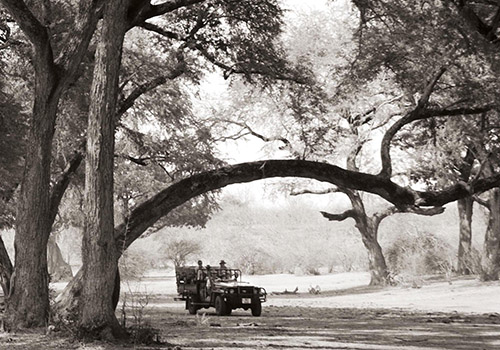
Explore Zambia’s nocturnal world on a night drive
Explore Zambia’s nocturnal world on a night drive
Unusually for Africa, it is permitted to drive at night in all of Zambia’s National Parks. This means that night game drives can form a major part of any safari here. Since nocturnal creatures are notoriously elusive, sightings ...
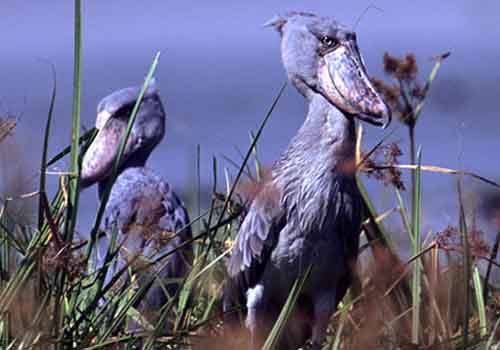
Search for rare wildlife in the Bangweulu Wetlands
Search for rare wildlife in the Bangweulu Wetlands
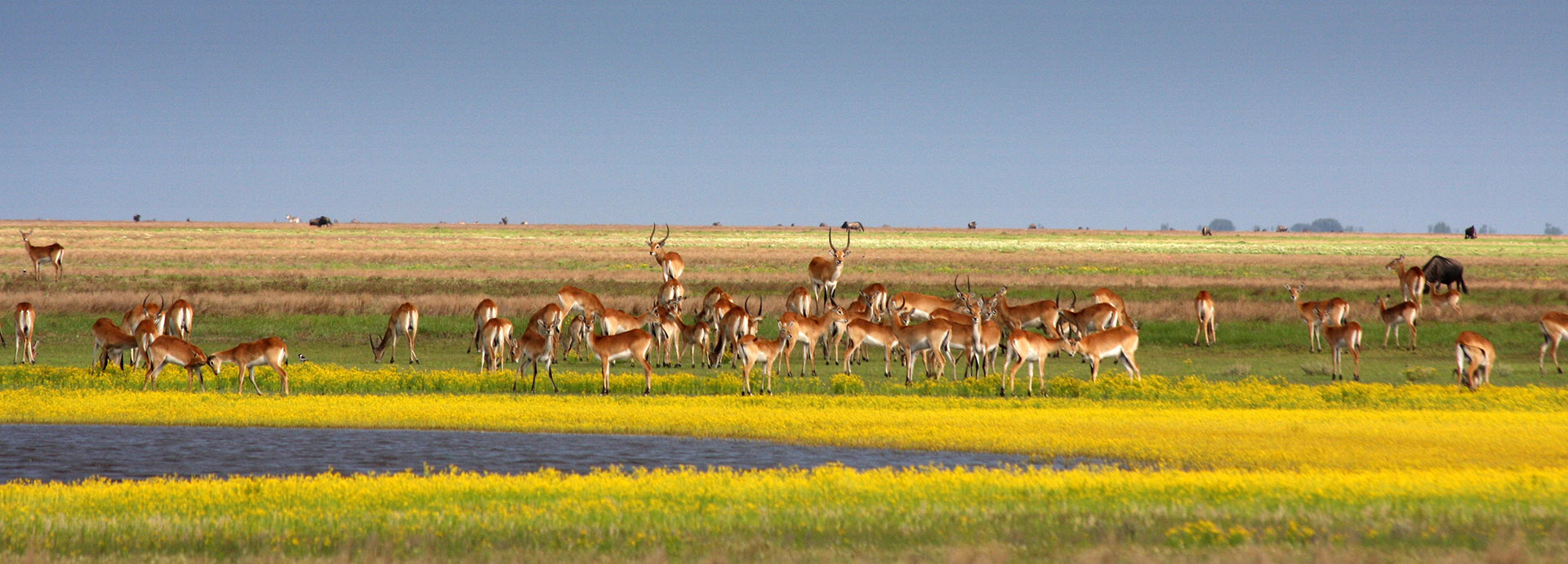
Bangweulu, (which means ‘where the water meets the sky’), is located in the seldom travelled north-east of Zambia. It is a vast, remote wetland where unique and rare species can be found, including the primordial looking shoeb...
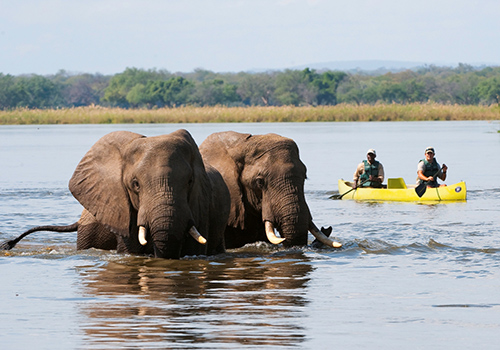
Canoe down the Lower Zambezi River
Canoe down the Lower Zambezi River
A canoe adventure will be major highlight on any safari holiday to Zambia. You will be amazed at the closeness of your encounters as you drift in near silence past some of Africa’s most revered game. You’ll observe insects, te...
A selection of our favourite places to stay in Zambia
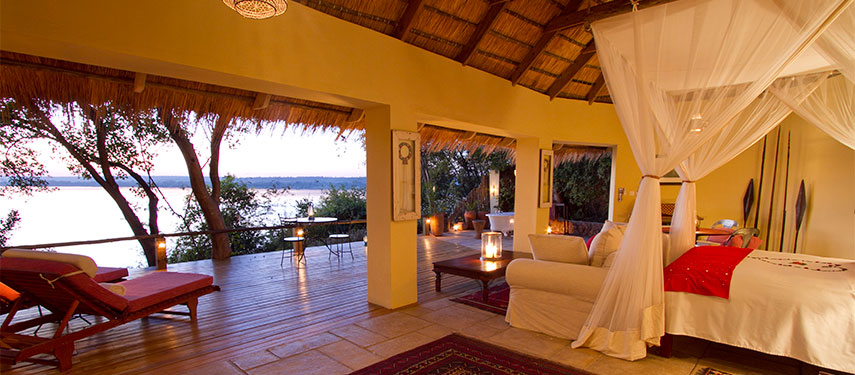
Tongabezi – Victoria Falls
Stylish & quirky safari lodge
Tongabezi Lodge is a quiet hideaway on the banks of the Zambezi River just upstream from Victoria Falls. Game drives, bush walks and boating trips are all on offer just a few kilometres from the tourist hub of Victoria Falls.... Read More
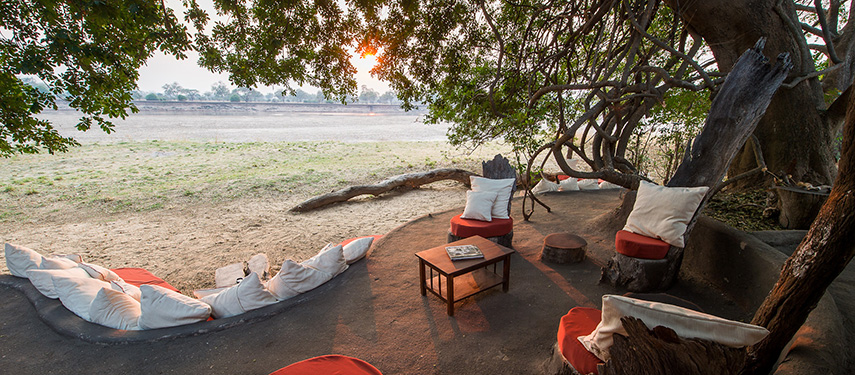
Tena Tena – South Luangwa National Park
Zambian tented classic
Tena Tena - meaning 'temporary home', enjoys a stunning location on the banks of the Luangwa River. Open to the wild and lit by lanterns, Tena Tena offers earthy bush luxury at its best, synonymous with the very essence of safari.... Read More
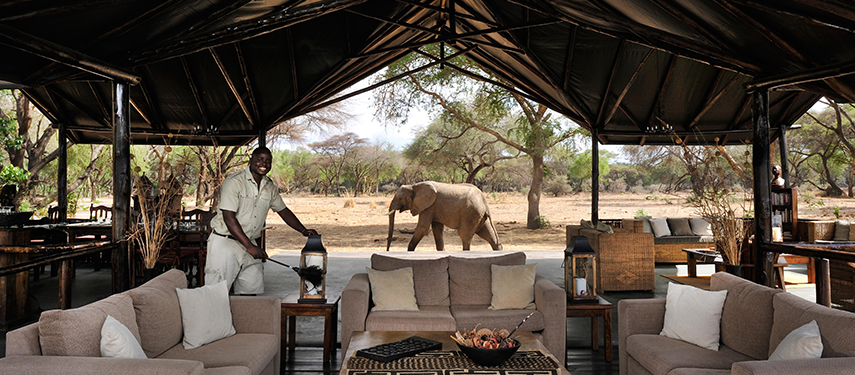
Old Mondoro – Lower Zambezi National Park
Adventurous riverside camp
The objective of Old Mondoro is simple – to provide guests with an authentic safari that concentrates on the bush and wildlife. Here, hyena calls replace the hum of a generator, and Africa’s best guides give guests a closer look at the natural world.... Read More
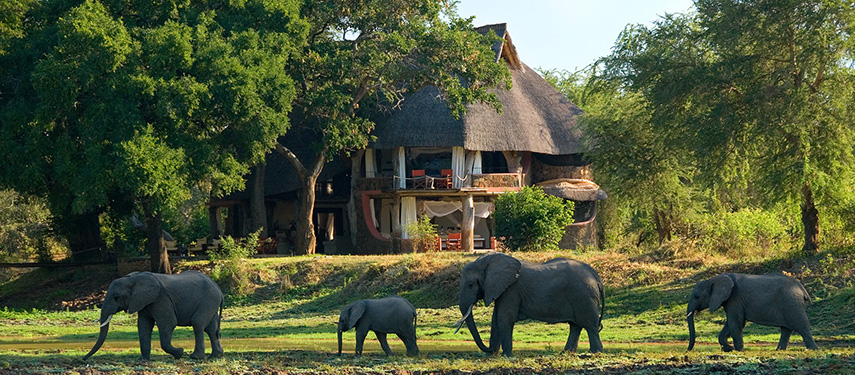
Luangwa Safari House – South Luangwa National Park
Private house in the wilds
Luangwa Safari House is a stunning private house on the edge of a seasonal lagoon close to the Luangwa River. Lion viewing is excellent, and the area is renowned for leopard sightings. The exclusive use basis villa is ideal for groups of friends and families.... Read More
The Royal Livingstone – Victoria Falls
Five star Victoria Falls hotel
The Royal Livingstone Hotel is situated within the Mosi-oa-Tunya National Park on the Zambian side of the Zambezi River. Named after the intrepid explorer Dr David Livingstone, the hotel harks back to the bygone safari era and is fittingly serene and gracious.... Read More
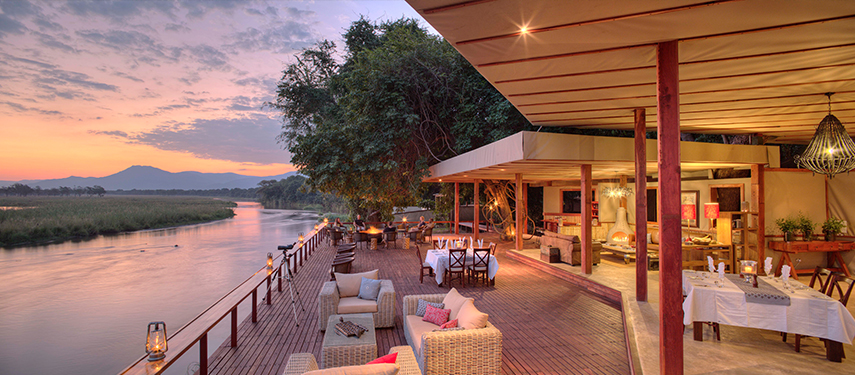
Sausage Tree Camp – Lower Zambezi National Park
Luxury Safari Adventure
Sausage Tree Camp is nestled amongst massive winter thorns and mahogany trees on the banks of the Zambezi River in the pretty Lower Zambezi National Park. Sausage Tree Camp offers both river and land safari activities in an eclectic combination of luxury and wilderness.... Read More
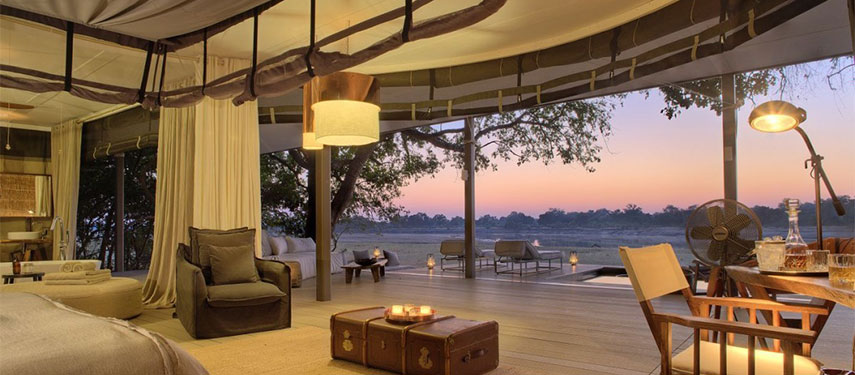
Chinzombo – South Luangwa National Park
Riverside luxury
Chinzombo Camp is situated in a beautiful position on a sweeping bend of the Luangwa River. Wildly luxurious and designed by award winning architects, Chinzombo brings levels of comfort and elegance previously unseen in the Luangwa Valley.... Read More
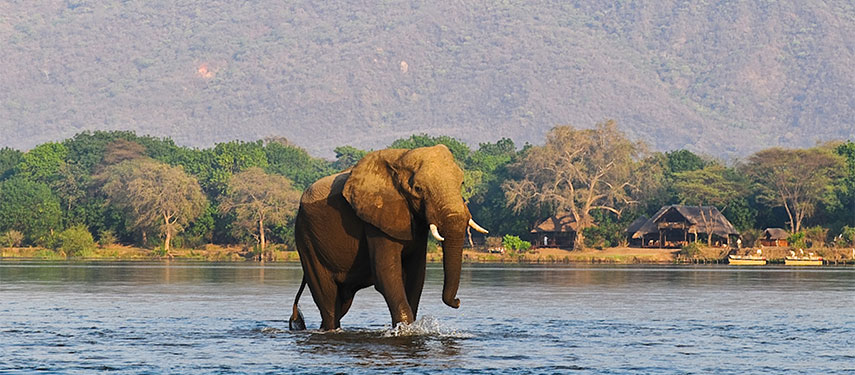
Chiawa – Lower Zambezi National Park
River-View Tented Camp
Chiawa Camp rests peacefully on the banks of the Zambezi River, in a grove of mahogany and acacia trees. The camp’s construction of natural materials ensures it sits unobtrusively in the landscape and that the idyllic setting can be fully appreciated.... Read More
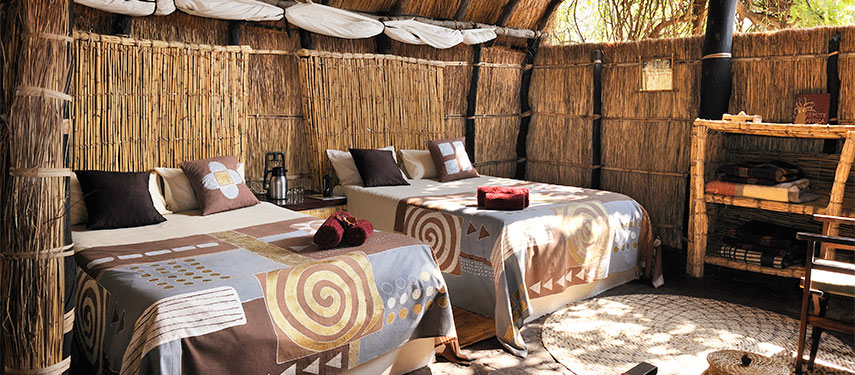
Tafika Camp – South Luangwa National Park
True wild adventure
Tafika Camp is situated on the Luangwa River just outside the Nsefu Sector of the South Luangwa National Park, dwarfed beneath giant leadwood trees. It offers genuine warmth and hospitality and some of the finest leopard-sighting opportunities in Africa.... Read More
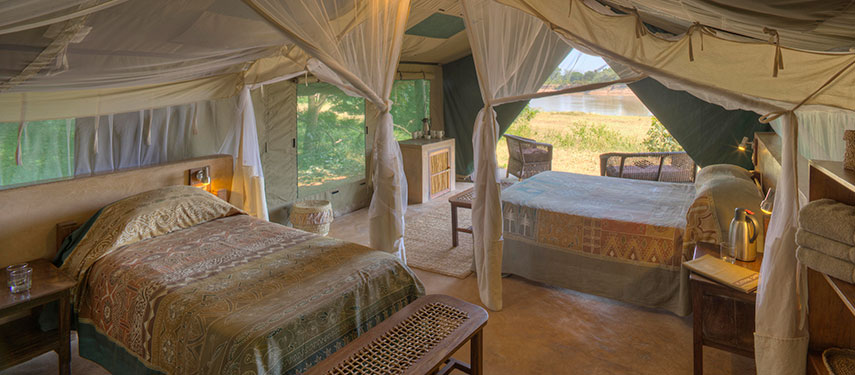
Flatdogs Camp – South Luangwa
Value for money in South Luangwa
Flatdogs Camp is the closest camp to the main gate of South Luangwa National Park which reduces the logistical difficulties and costs associated with extreme remoteness. It therefore offers a fabulous but affordable safari experience in one of the richest wildlife areas in Africa.... Read More
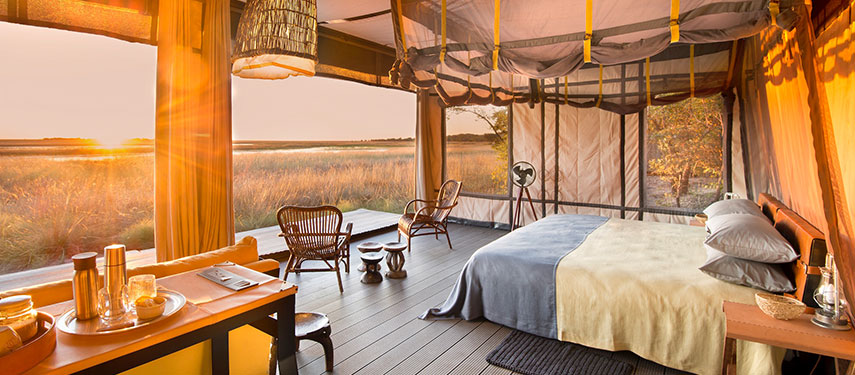
King Lewanika – Liuwa Plains National Park
Little known Liuwa Plains
Situated in the little known and seldom visited Liuwa Plains National Park, King Lewanika is a hidden gem in Zambia, providing its visitors with spectacular views of the surrounding floodplains and incredibly intimate game viewing opportunities.... Read More
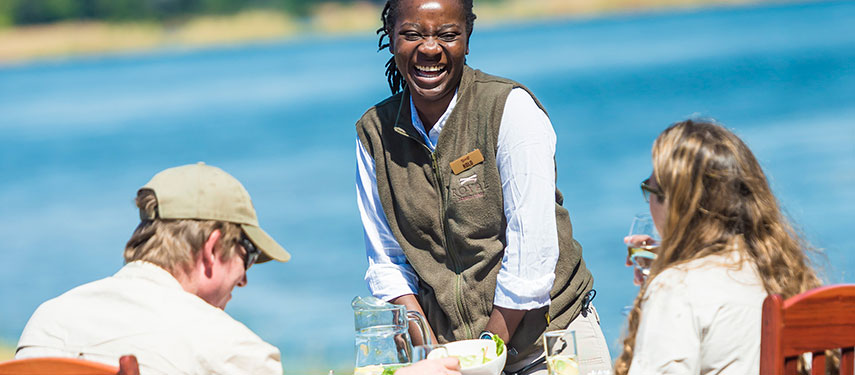
Royal Zambezi Lodge – Zambezi River
Lower Zambezi luxury
Royal Zambezi Lodge is a spacious but intimate privately owned lodge, situated in Zambia on the banks of the mighty Zambezi River just minutes from the Lower Zambezi National Park and directly opposite Zimbabwe’s famous Mana Pools World Heritage Site.... Read More
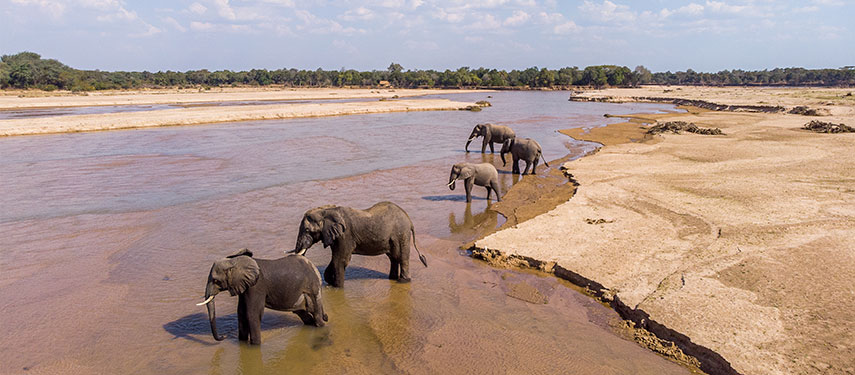
Takwela – North Luangwa National Park
Intimate wilderness experience
Takwela camp is situated on private land at the confluence of the Luangwa and Mwaleshi rivers in the remote North Luangwa. Prime wildlife country where guests can expect to partake in day and night game drives and more in 4636 kilometres of Africa's best.... Read More
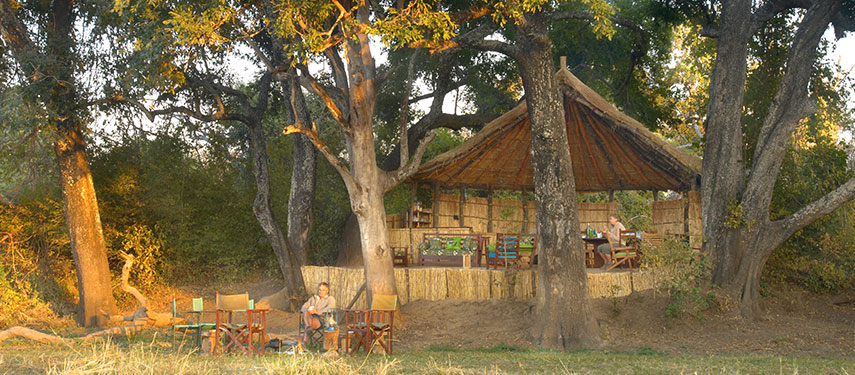
Chikoko Trails – Crocodile River Camp – South Luangwa
Wilderness walking
A stay at Crocodile River Camp allows you to undertake a wild walking safari in arguably the best safari destination in Zambia, the South Luangwa. Accommodating just a handful of guests, the camp rests quietly in the landscape, barely leaving a footprint.... Read More
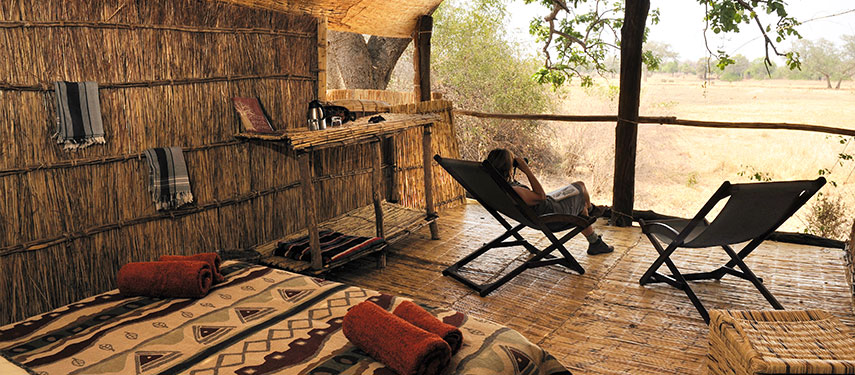
Chikoko Trails – Chikoko Tree Camp – South Luangwa
Walk-in bush camp
Located near David Livingstone’s river crossing, Chikoko Tree Camp sits in a privileged spot in the South Luangwa, Zambia. As a walk-in camp with no roads or vehicles, a stay here is like a journey back in time. This is the Africa that the first explorers saw.... Read More
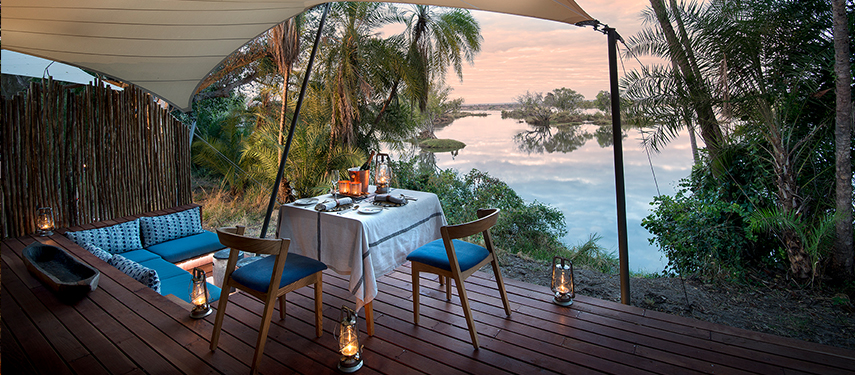
Thorntree River Lodge – Mosi Oa Tunya National Park
Peaceful Victoria Falls
Thorntree River Lodge is set in Zambia’s Mosi-Oa-Tunya National Park, just a short distance from the famous Victoria Falls. Perfectly peaceful with plenty to do, it's also a great stopover spot between safaris in Zimbabwe, Zambia and Botswana.... Read More
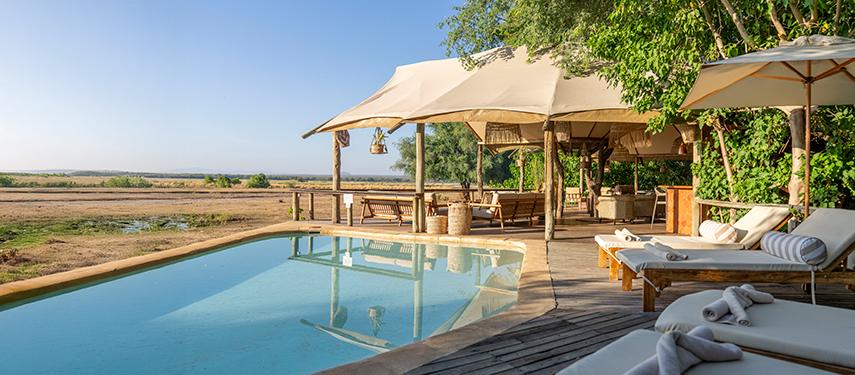
Dulini Anabezi – Lower Zambezi
Remote elegance on the banks of the Zambezi
Set in the wild heart of the Lower Zambezi National Park, Dulini Anabezi Camp is a luxury tented retreat offering front-row access to Zambia’s untamed wilderness. Elevated timber walkways link the camp’s spacious canvas suites, each with plunge pools and sweeping views of the Zambezi River or Mushika floodplain. From thrilling game drives to serene canoe safaris, every experience is deeply immersive and entirely unforgettable.... Read More
A collection of safaris in Zambia
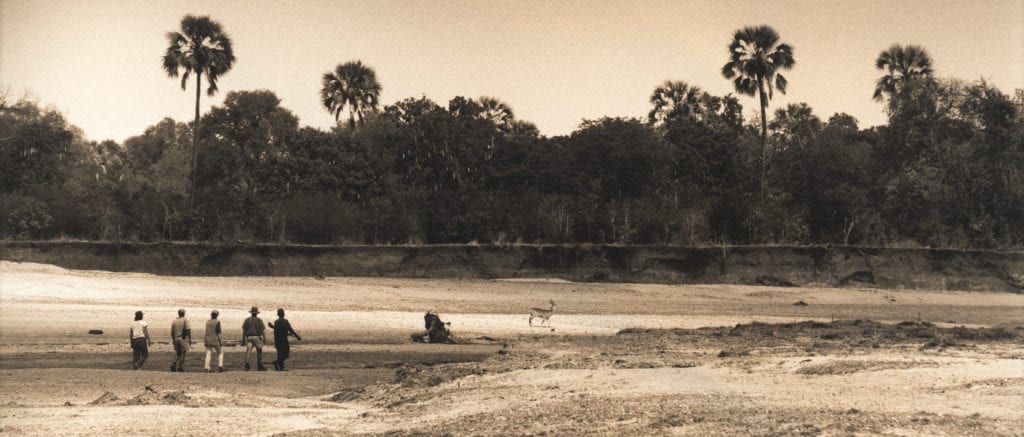
Dr Livingstone’s Zambezi
Inspiration Itinerary | Zambia's wildest reaches
Inspired by Dr Livingstone’s intrepid explorations in 1852, when he began a four year expedition to find a route from the upper Zambezi to the Indian Ocean coastline, this itinerary begins in the Upper Zambezi and follows the course of the river to the Lower Zambezi, then finishes in the South Luangwa National Park - arguably the finest wildlife sanctuary in Africa and the birthplace of the walking safari.
...Read More
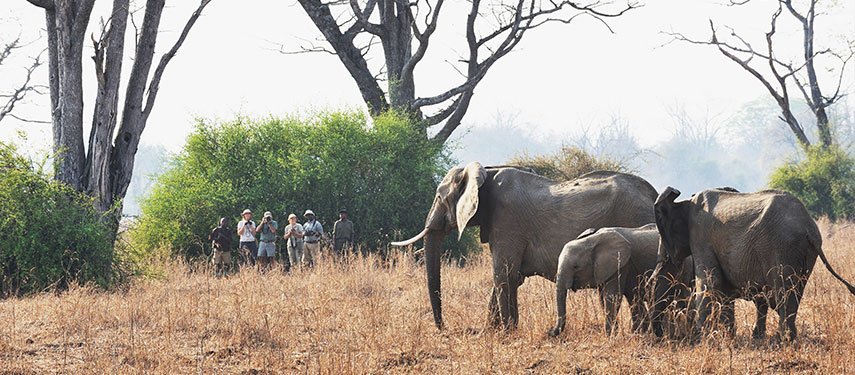
South Luangwa Zambia Walking Safari
Walking Safari | On foot in Zambia
Unfolding in Zambia's South Luangwa National Park, a walking safari is a unique walking experience in one of the richest wildlife areas in the world. Hiking expeditions take you between two camps, accessible only by foot, following well-worn elephant and hippo trails. With pulses racing you’ll discover the inner workings of the African bush in a way you could never imagine from a vehicle....Read More
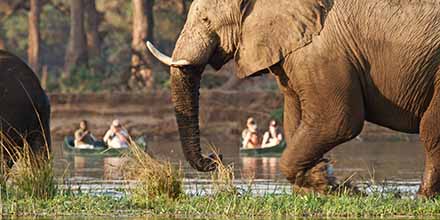
Zambia: Ultimate Safari Camp Out
Inspiration Itinerary | Zambia's Ultimate Camp Out
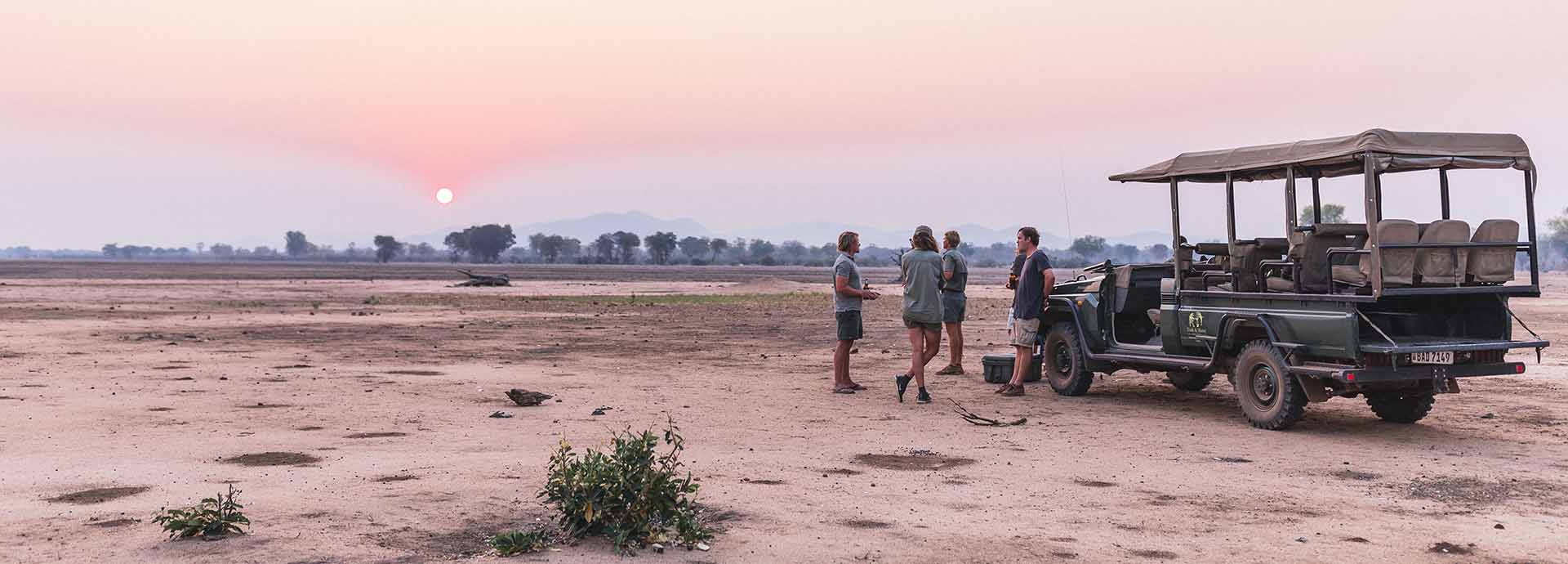
This is an experience that takes you back in time to those legendary “Hemingway” escapades in a part of Africa that will reconnect you with nature and replenish your senses. The primary focus of a Tusk & Mane safari is the wilderness itself as it unfolds around you, unscripted and in full glory....Read More
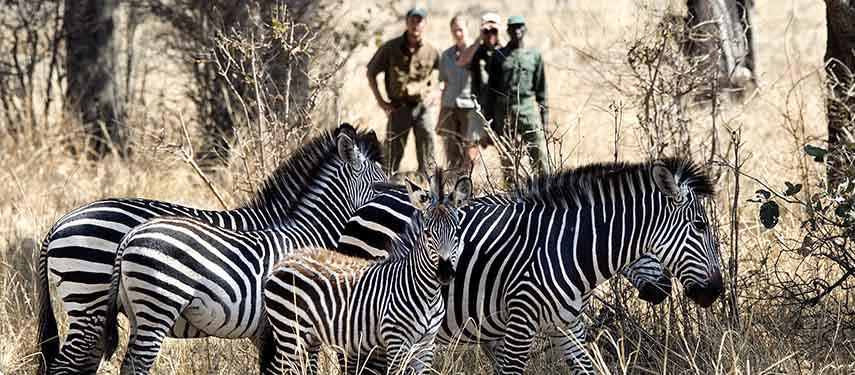
Zambia: Luangwa Walking Safari
Set Departure | Zambia's Luangwa on Foot
The Robin Pope Safaris' Mobile Walking Safari has long been known as the best wilderness experience of Zambia, if not the entire African continent. The area is remote and wild, the terrain and habitats varied and the game unused to people offering a real connection with the bush through the soles of your feet....Read More
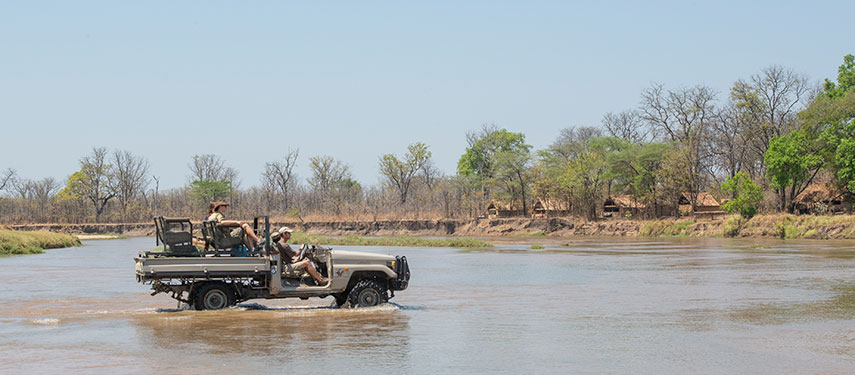
Remote Zambia
Inspiration Itinerary | Luangwa Valley Wilderness
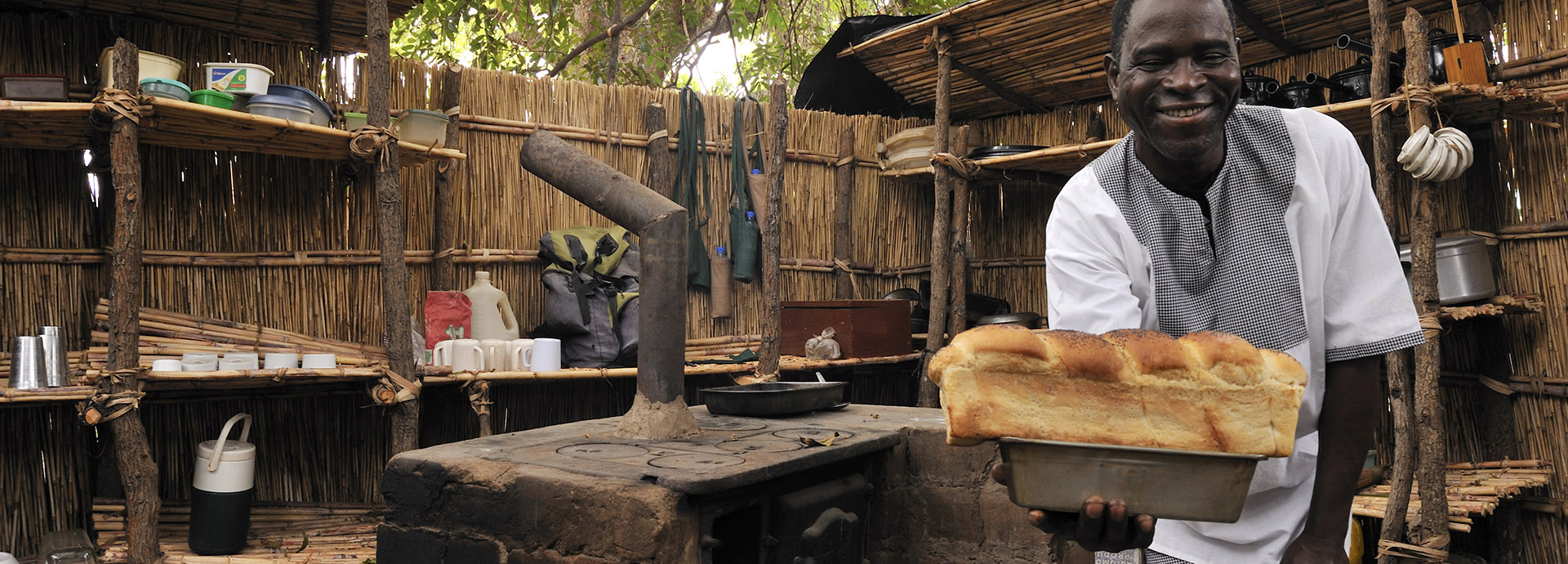
Remove yourself completely from the fast pace of modern life over seven nights combining the north and southern wilderness parks of the Luangwa Valley. Adjust your pace to the Luangwa River’s natural rhythm and enjoy a wide array of experiences ranging from walking safaris along natural hippo trails to indulging on freshly baked goods produced using local skills and techniques....Read More
Zambia: Frequently Asked Questions
The dry season from May to October is the prime time for safari, when receding water concentrates wildlife along the great rivers and vegetation thins to improve sightings. June through August brings cooler temperatures and the best all-round game viewing. The green season from November to April offers a rewarding alternative: lush landscapes, newborn animals, exceptional birdlife — including vast carmine bee-eater colonies along the Luangwa — and significantly reduced rates across most camps.
The South Luangwa is the birthplace of the guided walking safari and remains Africa’s definitive destination for experiencing the bush on foot. It is also one of very few parks on the continent where night drives are permitted, a distinction that applies across all of Zambia’s national parks. Its leopard sightings are among the most reliable in Africa, and the Luangwa River’s annual cycle of flood and recession creates dynamic ox-bow lagoons that serve as dry-season refuges for extraordinary concentrations of game.
Zambia is an excellent choice for families, particularly those with children aged eight and above. Private houses such as Luangwa Safari House offer exclusive-use flexibility, allowing families to set their own pace and tailor activities around their children’s interests. The Lower Zambezi is especially family-friendly, with multi-activity itineraries combining game drives, canoeing, and catch-and-release tiger fishing. Note that most walking safaris carry a minimum age of 16; a Zambia specialist can help structure an itinerary that balances adventure activities with camp-based experiences appropriate for younger travellers.
Inter-park travel in Zambia relies almost entirely on small light aircraft, with scheduled and charter flights connecting Livingstone, the South Luangwa, the Lower Zambezi, the Kafue, and the more remote parks. Road transfers are possible between some destinations but are lengthy given the vast distances involved. Flying between parks is a practical necessity and a highlight in its own right — aerial views of the Luangwa Valley, the Kafue floodplains, and the Zambezi are spectacular.
Zambia is ideally positioned for multi-country itineraries. It shares Victoria Falls with Zimbabwe, and the two countries are easily linked via the KAZA Univisa, which simplifies border crossings for most nationalities. Botswana’s Chobe and the Okavango Delta sit within comfortable reach as part of the KAZA Transfrontier Conservation Area. Malawi is a natural complement, offering a beach-and-bush contrast on the shores of Lake Malawi, while the remote parks of North Zambia connect logically with Uganda or Rwanda for those combining walking safaris with gorilla trekking.
Zambia’s wildlife is notably diverse across its different regions. The South Luangwa is celebrated for its extraordinary leopard sightings, enormous Nile crocodiles, and buffalo herds that can number in the thousands. The Lower Zambezi is defined by its elephant and hippo populations along the river, with the opposite bank — Zimbabwe’s Mana Pools — creating a seamless cross-border wildlife corridor. Kafue is Zambia’s stronghold for wild dog, cheetah, and roan antelope. Liuwa Plains offers lion and wildebeest. With more than 750 bird species recorded nationally, Zambia is also one of Africa’s great birding destinations, with the shoebill stork in the Bangweulu Wetlands a bucket-list target for serious ornithologists.
Zambia: A Glossary of Terms
- Walking Safari — A guided safari conducted on foot through open wilderness, pioneered in Zambia’s South Luangwa Valley by conservationist Norman Carr in the 1950s; participants track animals, read spoor, and experience the bush at ground level, often walking between remote camps over several days.
- Mosi-oa-Tunya — Meaning “the smoke that thunders” in the Kololo language, this is the original name for Victoria Falls, where the Zambezi River plunges approximately 100 metres into a narrow basalt gorge; the site is a UNESCO World Heritage Area shared between Zambia and Zimbabwe.
- KAZA Transfrontier Conservation Area — The Kavango–Zambezi Transfrontier Conservation Area encompasses more than 520,000 square kilometres across Zambia, Zimbabwe, Botswana, Namibia, and Angola; one of the world’s largest conservation areas, it enables wildlife to move freely across international borders.
- Luangwa River — Considered the most intact major river system remaining in Africa, the Luangwa flows approximately 770 kilometres before joining the Zambezi; its annual flood-and-recession cycle creates ox-bow lagoons that concentrate extraordinary volumes of game during the dry season.
- Night Drive — A game drive conducted after dark using mounted spotlights; night drives are uniquely permitted in all of Zambia’s national parks — an unusual distinction in Africa — enabling sightings of nocturnal species such as porcupine, aardvark, genet, civet, and honey badger.
- Shoebill — A large, prehistoric-looking waterbird (Balaeniceps rex) named for its massive, shoe-shaped bill, found primarily in the papyrus swamps of Zambia’s Bangweulu Wetlands; among the world’s most sought-after bird species and a defining draw for serious ornithological travellers.
- Carmine Bee-eater — A brilliantly coloured bird (Merops nubicoides) with vivid crimson plumage that nests in enormous colonies along the sandy riverbanks of the Luangwa from August to November; colonies numbering in the thousands are considered one of Zambia’s greatest annual wildlife spectacles.
- Kafue National Park — At approximately 22,400 square kilometres, Kafue is Zambia’s largest national park and one of the biggest on the continent; its diverse habitats — including the Busanga Plains, miombo woodland, and Kafue River floodplain — support over 500 bird species and significant populations of cheetah, wild dog, and roan antelope.
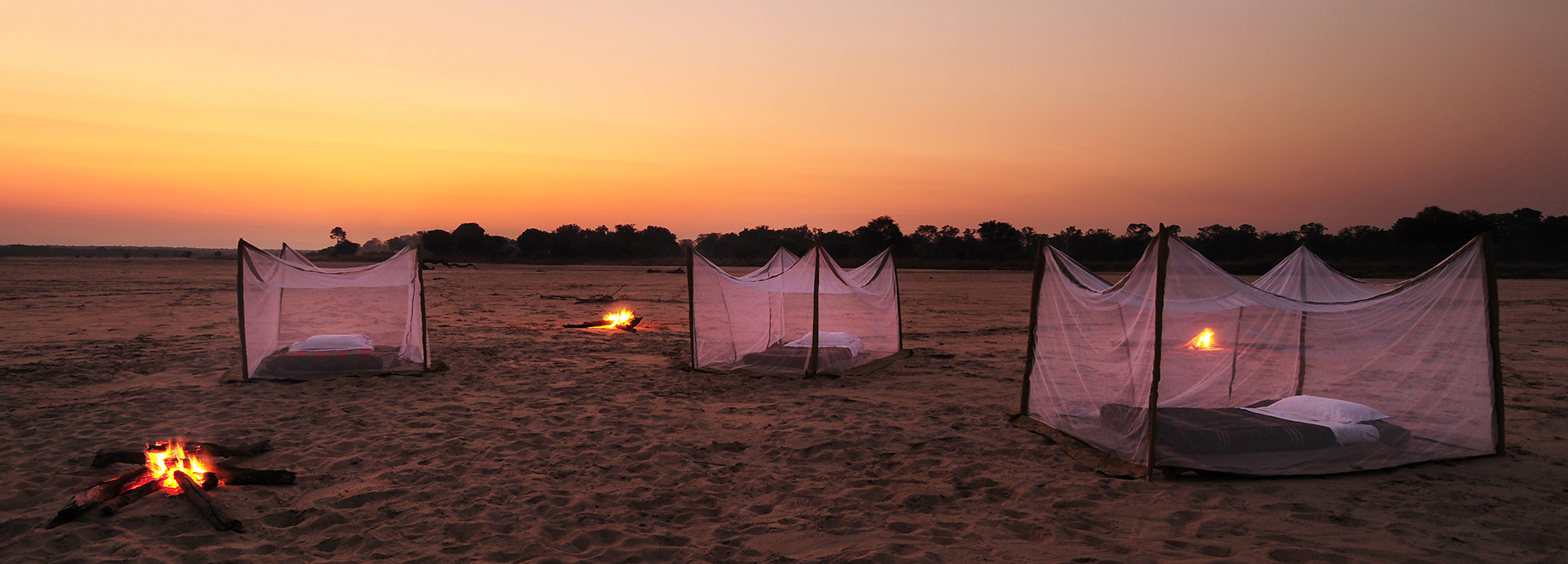
- Fly Camp — A lightweight, ultra-remote overnight camp established during a walking safari, typically consisting of a simple bedroll, fly sheet, campfire, and minimal provisions; the most immersive form of wilderness accommodation available in Africa and a signature feature of South Luangwa walking itineraries.
- KAZA Univisa — A single-entry visa valid for both Zambia and Zimbabwe, available to eligible nationalities on arrival at major border crossings and airports; it simplifies logistics for travellers combining Victoria Falls on both sides of the border and is an important planning consideration for Australian visitors.
This trip to Zambia was truly wonderful and we enjoyed every aspect and every minute of it. Thank you!
Jan & Vicki Van den Driesen
Zambia is Africa in its raw form - big rivers - the Luangwa & Lower Zambezi are magical places to enjoy the birds and wildlife.
Jeffrey Shewell - Zambian specialist
Thank you for putting together the ancestral adventure of a lifetime. I cannot speak highly enough of the trip.
Jenny Kidd
Their experience and knowledge of Africa is evident and we couldn't have been happier with the total package. This has given us a taste for Africa - now we are ready for more.
Andrew & Pip Stevens
You can't improve on perfection. I had my best birthday and holiday with my family celebrating my 80th birthday in Africa. Everything that Julia organised was perfect and the whole trip was a highlight!
Buckingham Family
Classic Safari Company has done it again! A unique experience that ticked all the boxes - wildlife, culture and dining experience. A dream come true!
Ros Wheeler
Everything was perfect! Advice and information on destinations and activities hit everything I had hoped to experience. I contacted the Classic Safari Company upon recommendation and have now, in turn, recommended to others.
Tim Bradley
Absolutely everything was first class & so well organised.
Simon & Jackie Adams
Would do it all again and not change a moment. Best holiday ever!
The McGowan Tribe
Julia you did a fantastic job - everything was first class. Well organised, efficient and stress free. We all agreed it was the best holiday we've ever had. Cant wait to travel with CSC again.
Milford family
We loved it all. Our son wants to go back tomorrow. We would ALL go back again!
Laurence & Remi Cunningham
If you want the most sensational experience in Africa let Julia and the staff at Classic Safari Co plan it for you! Their knowledge, expertise and enthusiasm for their job means your every wish will be fulfilled.
Miriam & Joseph Harrison