Best Time to Visit Patagonia: Luxury Travel Guide to Seasonal Perfection
Beyond the Crowds: Discovering Patagonia’s Most Exclusive Travel Window The secret to ...
Read More
“The wildlife was staging a lunchtime show when I arrived at this revered bush lodge in Zimbabwe.
I could hardly fathom what happened next.”
– Excerpt from The Australian, September 14 2026 – by Catherine Marshall
It’s not only foreigners who dream of going on safari. When Bekezela “Beks” Ndlovu was a boy, he’d watch longingly as LandCruisers rolled by Lupane, his hometown on the outskirts of Hwange National Park. “I always wondered why there would be people driving past our little village in the back of an open vehicle on cold winter mornings,” he says, laughing. “They were going somewhere, and obviously they were doing something fun.”
Those shivering visitors were on their way to the sprawling collage of savannah, woodland and sandveld that comprises Zimbabwe’s largest national park, Hwange. In it they would find big cats, innumerable bird species, endangered African wild dogs and elephants that in the dry season burgeon to around 60,000. Though Ndlovu lived nearby, it was only during an excursion in his final year of junior school that he was able to experience Hwange’s majesty.
“That was the first time the lights went on,” he says. “I started doing volunteer work in safari camps, so by the time I left school I had multiple job offers. And I moved from school into the bush when I was 18.”
• • •
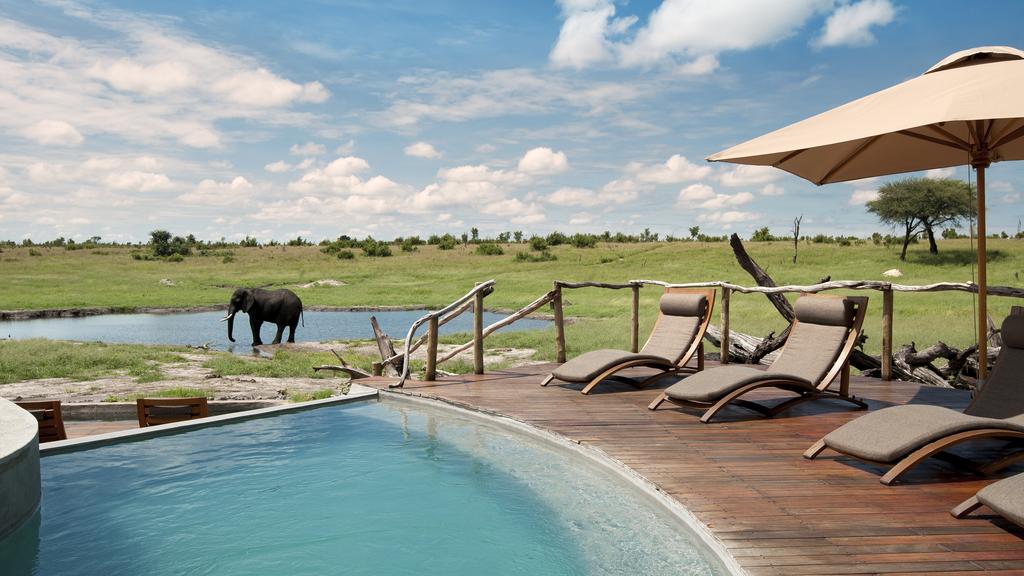
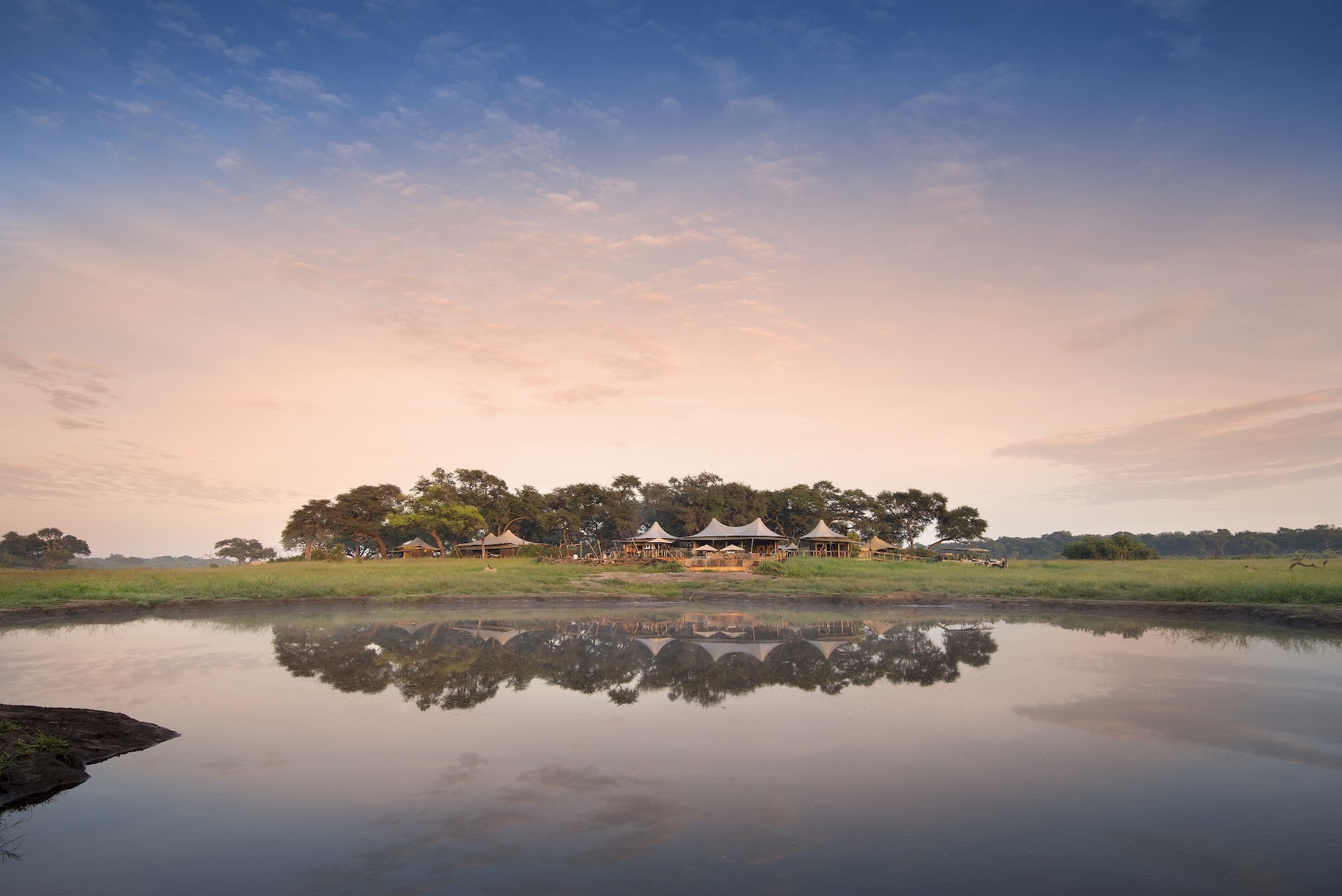
It’s midday when I alight at Somalisa, and the wildlife is staging a lunchtime show. From my table overlooking the waterhole I watch zebras flicking their lustrous manes and giraffes flaring their spindly legs as they stoop to drink. Spearing a forkful of sirloin, I miss the entrance of the headline act: 30 elephants stepping noiselessly into the scene.
I freeze. Run-ins with churlish elephants over the years have left me nervous in their presence. Their tread is ghostly, but the air rumbles with complaints as they jostle for space, and purrs with pleasure as they siphon refreshments. Their act lasts minutes; the herd exits stage left, aloof bulls, proud mothers and timid calves drifting over the hill and vanishing out of sight. If I’d blinked long enough they might not have existed. But my muscle memory is as good as an elephant’s, and it’s hours before my legs stop trembling.
• • •
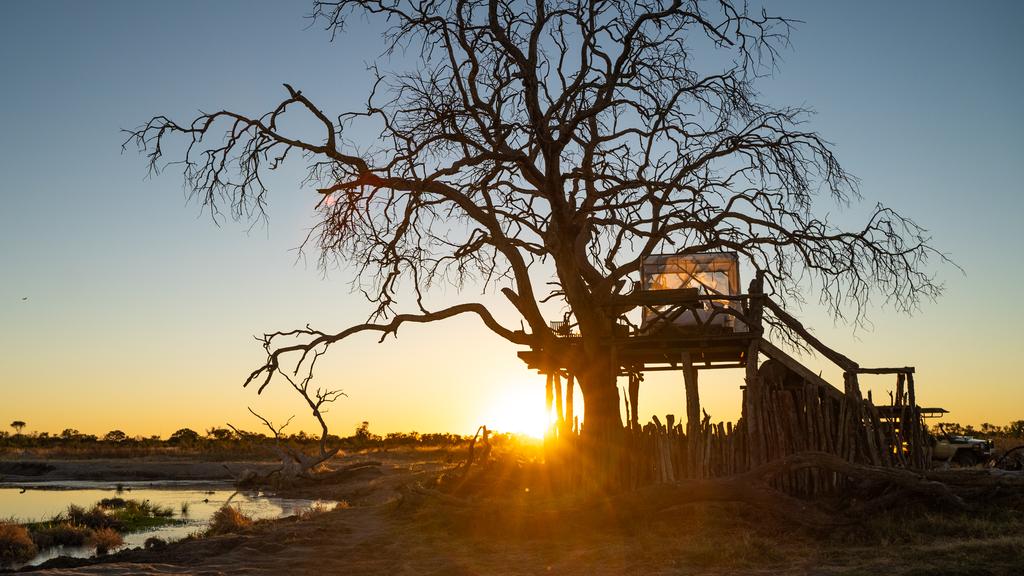
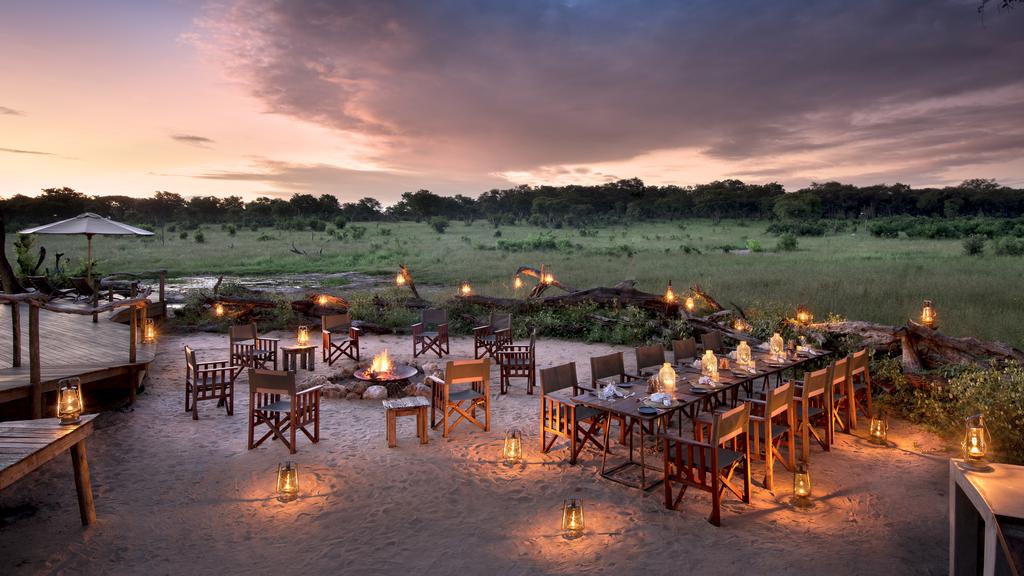
When Somalisa was rebuilt in 2016, the old swimming pool, routinely drained by thirsty elephants, was left in place. Those barflies now have two choices for sundowners: the waterhole or the remnant “elephant pool”…
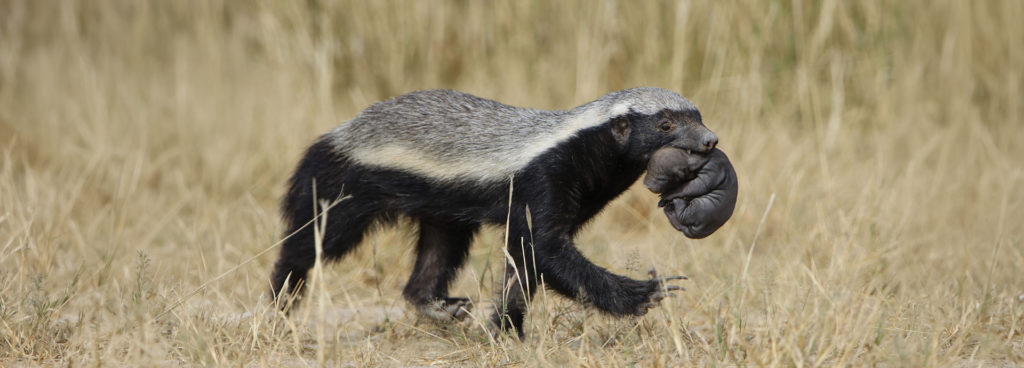
At dawn, orange light ruffles these bodies of water. Now it’s me shivering in the back of a LandCruiser as guide Shephard Siziba weaves a trail through the bush. We stop beneath an acacia bent over the track. On its horizontal trunk sits an old baboon, noble as The Lion King’s Rafiki; if he was one of my shower-time oglers he wouldn’t recognise me now, shrouded in the poncho Siziba has provided. I’d happily remain in this cosy, lofty pose, inching through grass mottled with the pelts of African wild dogs; goggling at a pair of tawny eagles mating atop a camelthorn acacia; stumbling upon lionesses draped over kaolin mounds; peering down at the spoor of honey badgers; gazing up at a leopard slouched in a tree. But Siziba has other plans for me.
“We are going to track elephants,” he says. “On foot.” … Facing my fear, I follow Siziba, eyes glued to his buffalo skin gaiters and the rifle gripped by his side. My apprehension is misguided: before he became a guide, Siziba spent 17 years working in the field with the Zimbabwe Parks and Wildlife Management Authority; his knowledge of elephants is self-evident, his respect for them immense.
• • •
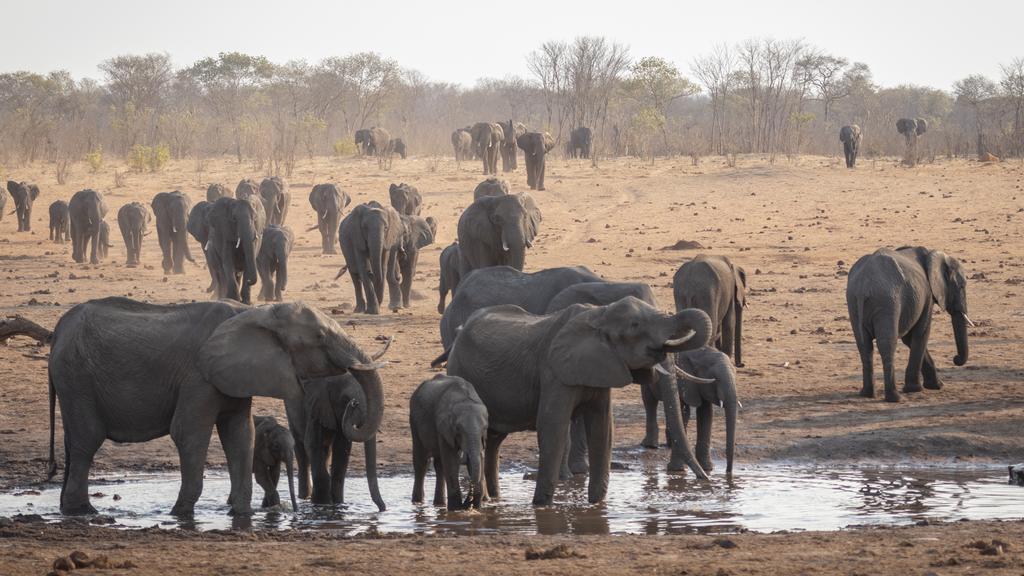
Stopping short of an oncoming bull, we observe him from behind a clump of mopane stumps, survivors of those elephantine demolitions. His leathery bulk is now wedged between combretum shrubs; his forehead – so wide it could crush me if I were pinned to the ground – is wreathed in dust billowing from his trunk. Surely he can hear the jackhammer of my heart upon my ribs?
“He doesn’t know we’re here,” Siziba whispers. “If he tries to walk towards us, we just walk slowly, and go behind that bush.” But we’re mere specks in the veldt, invisible to the world’s largest land mammal. The bull continues along his projected path, passes metres from us, melts noiselessly into the undergrowth.
• • •
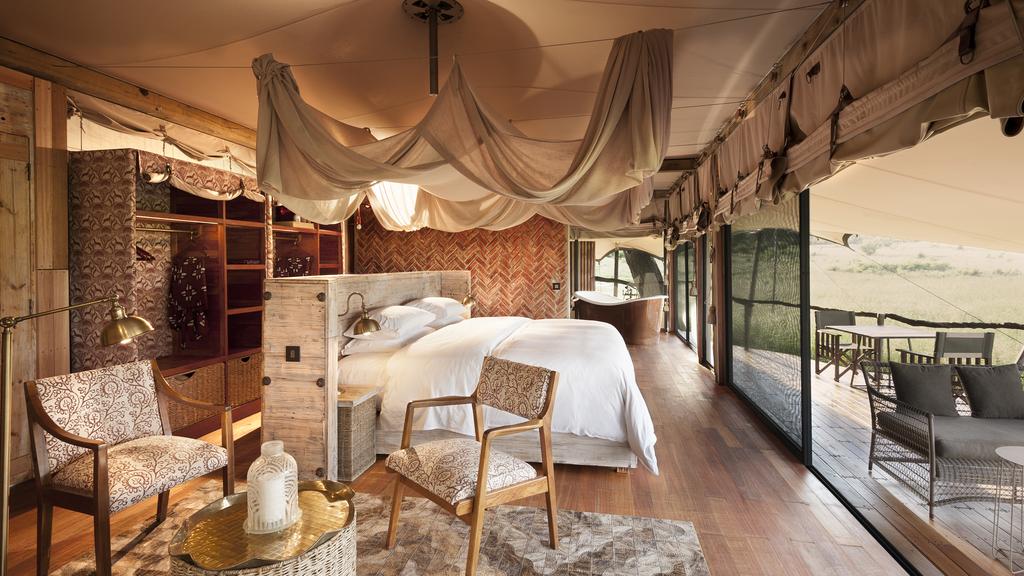
It takes hours for my jellied knees to set. Back at the LandCruiser, we’re alerted to a lion sighting. Everything else is a bonus, frankly… already I’m intoxicated, drunk on the wilderness of the young Ndlovu’s imagination.
South African Airways flies from Sydney to Johannesburg via Perth. Airlink flies from Johannesburg to Victoria Falls.
A three-night Somalisa safari costs $2,145* (at time of publishing, and subject to availability, seasonal and surcharge variation), with accommodation, meals and game drives; transfers at additional cost.
– all photos: Somalisa Camp