Chile
Fire & Ice
Chile Tours: A Journey Through Fire & Ice
Discovering Chile | In Summary
- Chile is the world’s longest country at roughly 4,270 kilometres from tip to toe, a shape so extreme that it spans six climatic zones simultaneously — from the hyper-arid Atacama in the north, where some weather stations have recorded zero rainfall for decades, to the sub-Antarctic channels and ice fields of the far south.
- The Atacama Desert is not only the driest non-polar desert on earth but also one of the finest stargazing destinations on the planet: its high altitude, low humidity and near-total absence of light pollution support more than a dozen major international observatories, and several lodges — including Explora Atacama — offer dedicated astronomy programmes with professional-grade telescopes.
- Chile’s wine industry punches well above its geographic weight: the country is the world’s fourth-largest wine exporter by volume, and its isolation by the Andes, Pacific Ocean, Atacama Desert and Antarctic winds has kept phylloxera largely at bay, allowing some of the world’s only surviving pre-phylloxera root stock to persist in valleys such as Maule and Itata.
Stretched out longitudinally along the Pacific coast, Chile is packed with phenomenal scenery, niche biospheres and geological idiosyncrasies. The best Chile tours are bespoke, tailormade to you, and could focus on the grandeur of nature to incorporate the world’s highest volcano, the driest desert, rainforests and hanging glaciers. These have all created striking landscapes, each inspiring unforgettable adventures.
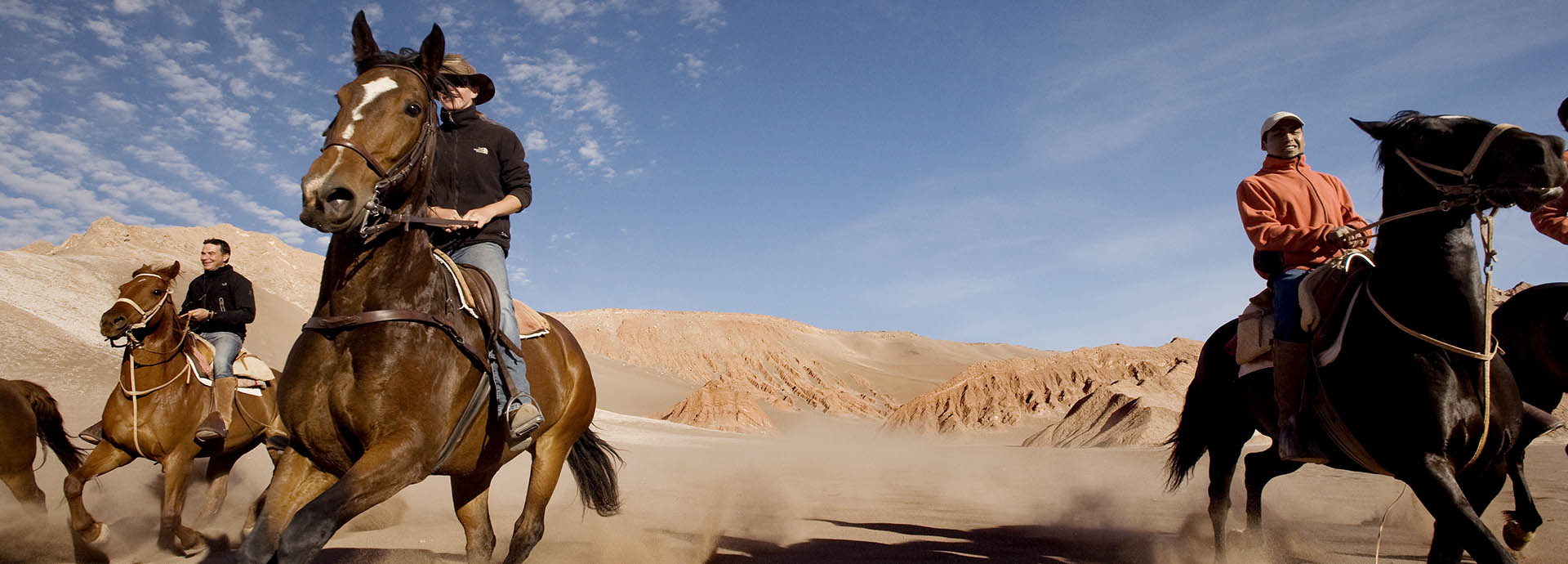
For active adventurers, Luxury holidays in Chile with Classic Safari Company could involve taking a four-wheel drive over the lunar landscape and glistening salt flats to discover with flamingo-filled lakes in the Atacama Desert. Or you might trek through vast ice fields and watch the Andes disappear into the great Southern Ocean in Patagonia, tackle white water rapids or gently float on quiet lagoons, soak in hot springs amidst ancient volcanoes, marvel at the mysticism of Easter Island, or trot on horseback though the rolling vineyards Chile’s wine country.
It’s not just about the wilderness, either. Urbanites have plenty to sink their teeth into while on their luxury holidays in Chile thanks to the country’s cosmopolitan capital, Santiago. With the energy of a thriving metropolis and the quaint nostalgia of a colonial town, this exuberant city is a fabulous base for culture vultures to delve into Chile’s art, history and food scenes.
For the ultimate South American adventure, you could dovetail one of our bespoke Chile tours with an expeditionary cruise into Antarctica. The southernmost tip of Patagonia is an ideal launching pad for a truly spectacular cruise holiday into the world’s coldest, windiest and wildest continent, which teems with wildlife and is truly the world’s ultimate travel frontier.
With The Classic Safari Company, luxury holidays in Chile showcase the very best of wildlife, wilderness and authentic South American culture.
You Will Love
- The dramatic Atacama Desert
- Mystical Easter Island
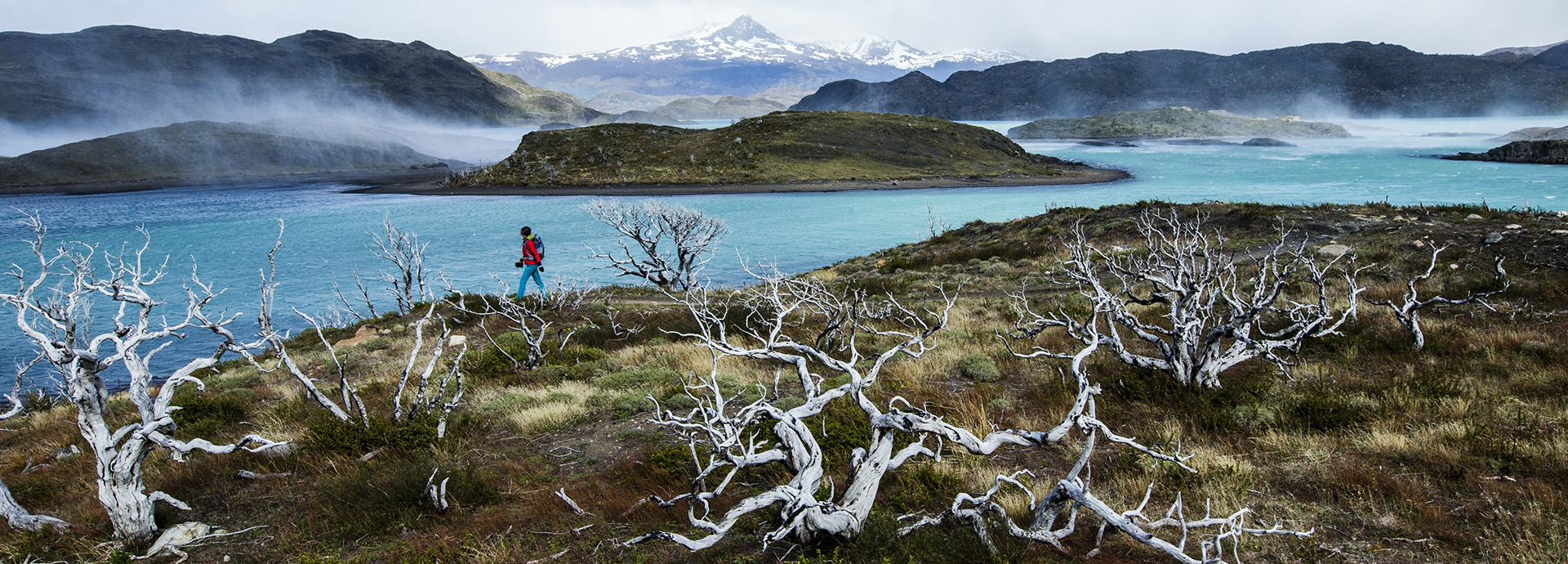
- Trekking in remote Torres del Paine
- Sipping Chilean wine in a vineyard
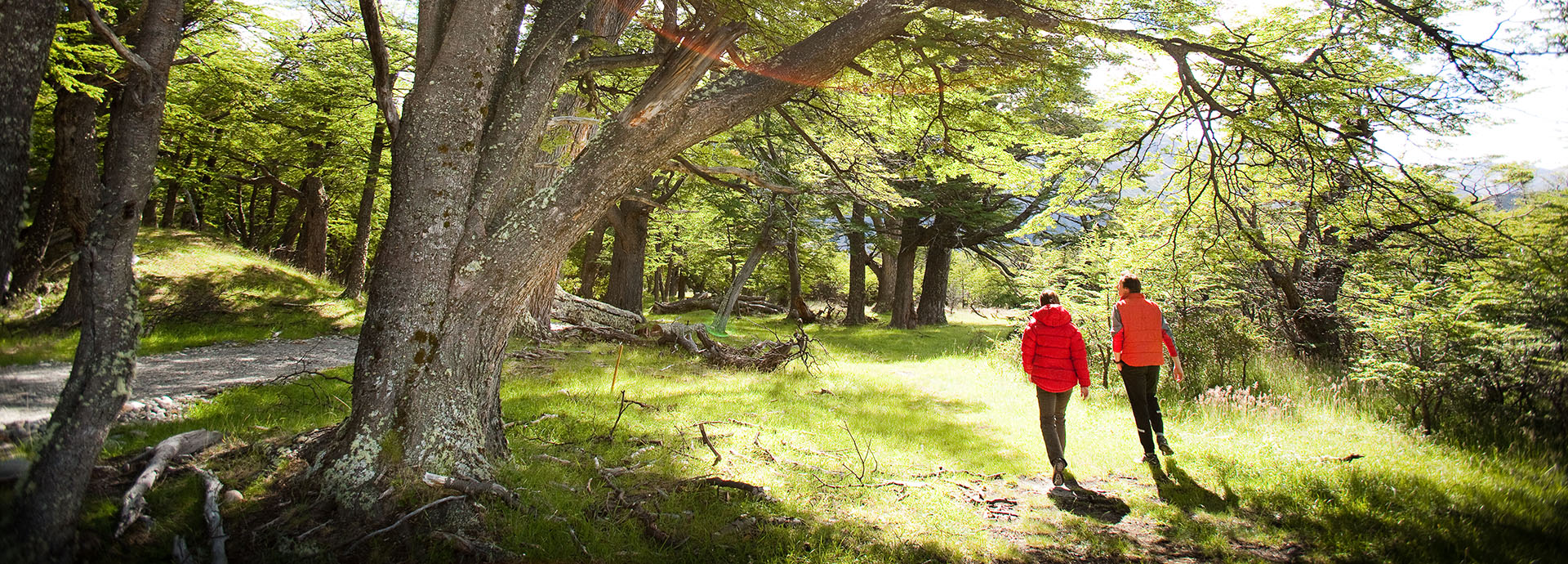
- Hiking, climbing & white water rafting
- Cosmopolitan city life in Santiago
Let us design your perfect itinerary.

Chile’s diverse regions from
deserts to ice fields
Atacama Desert
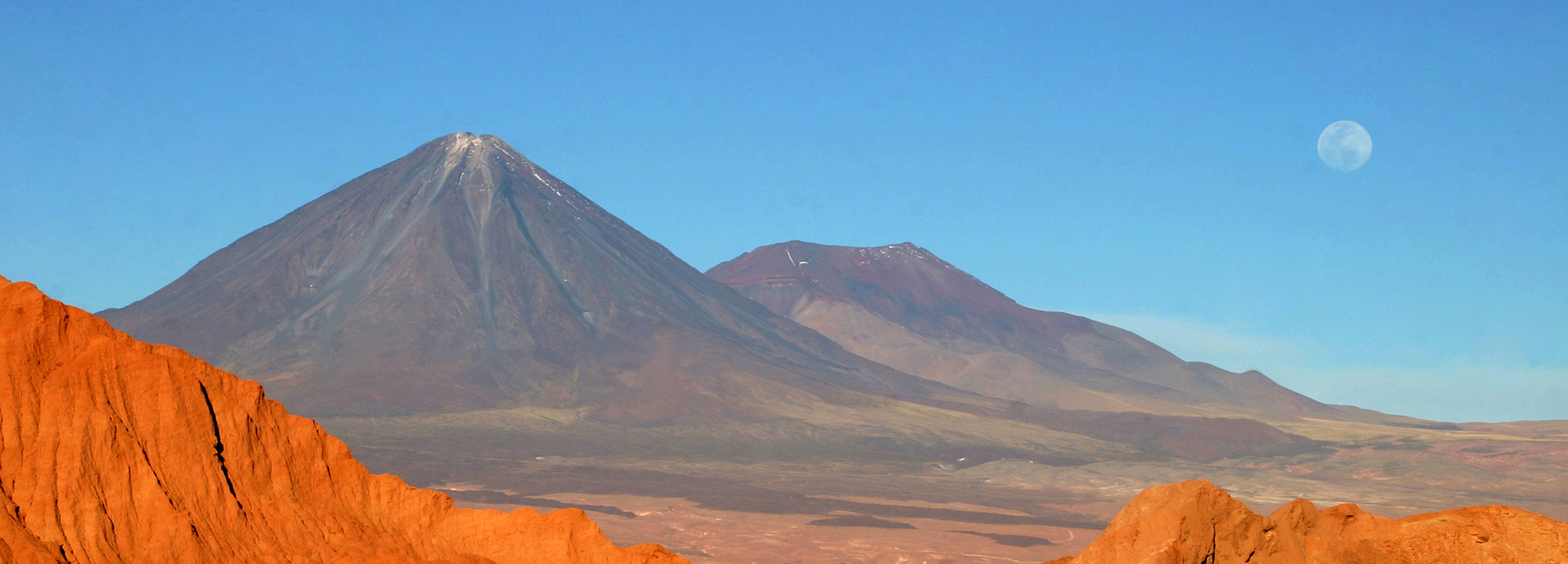
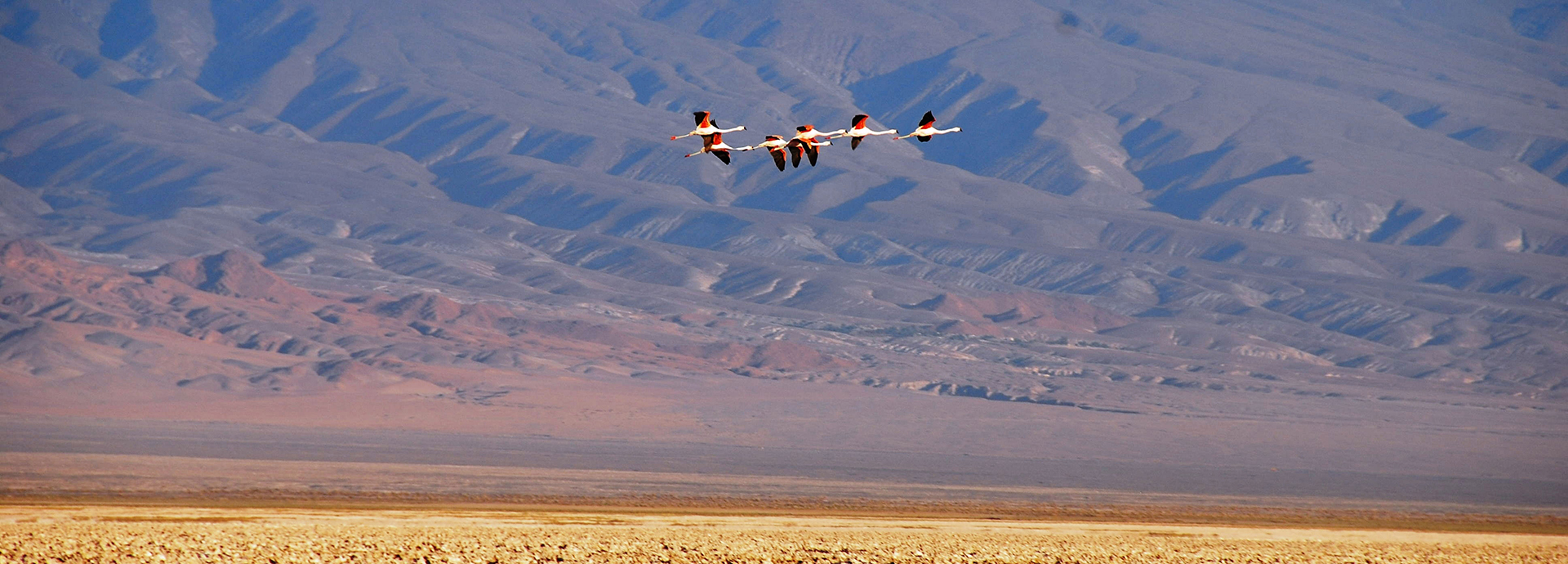
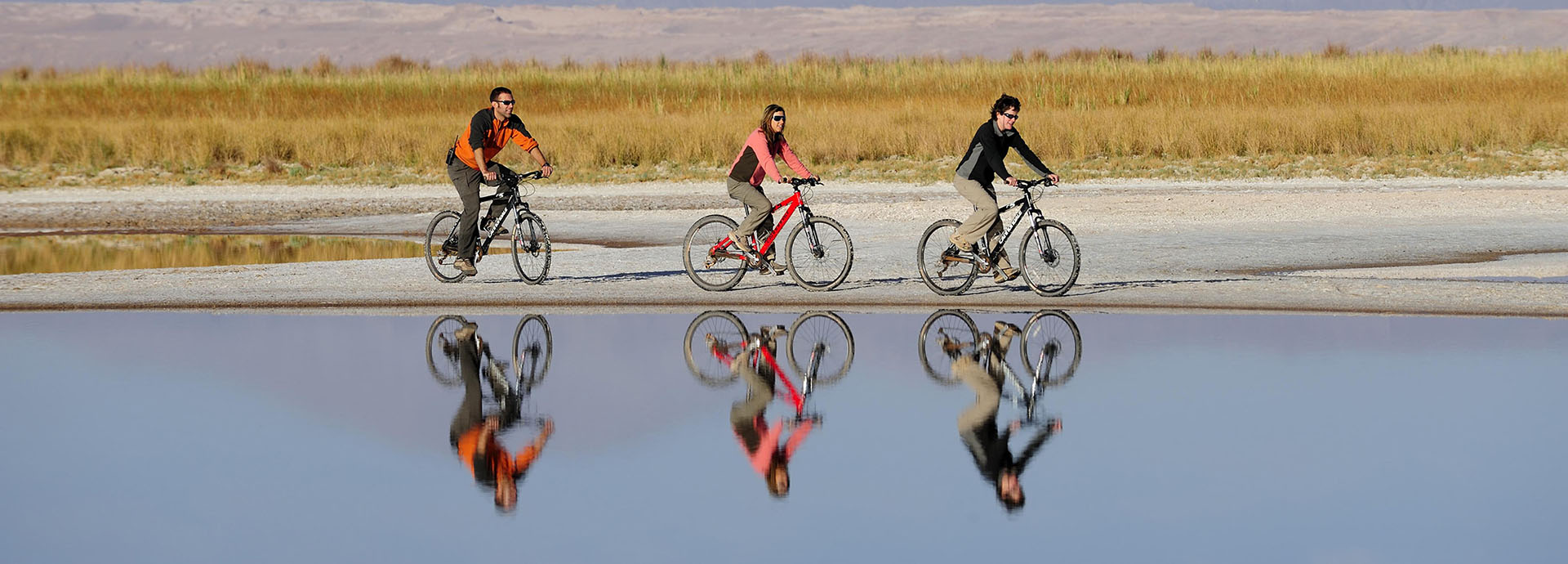
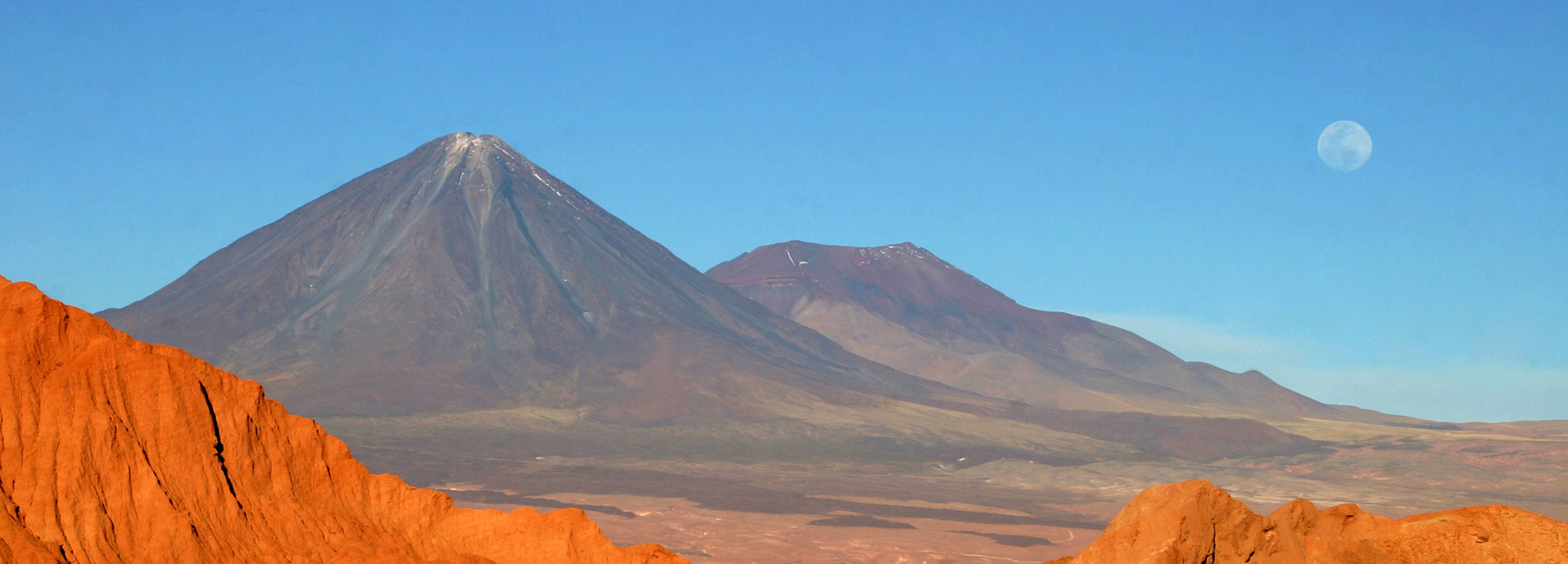
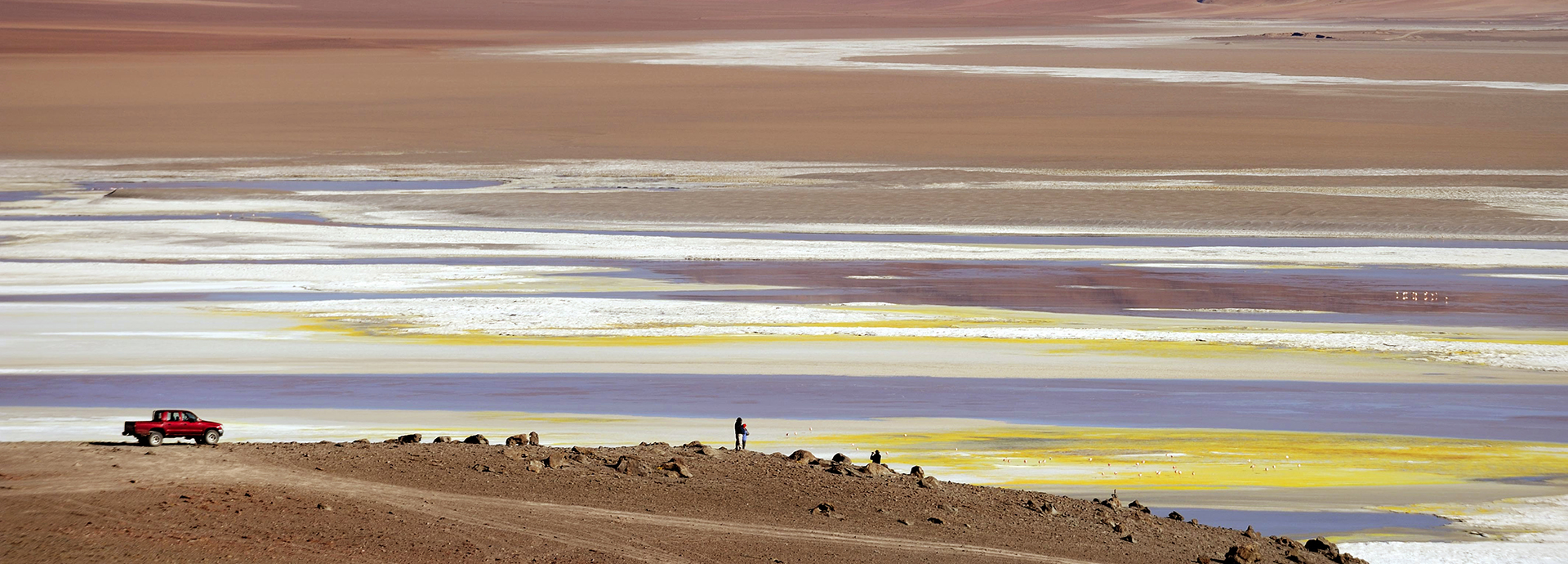
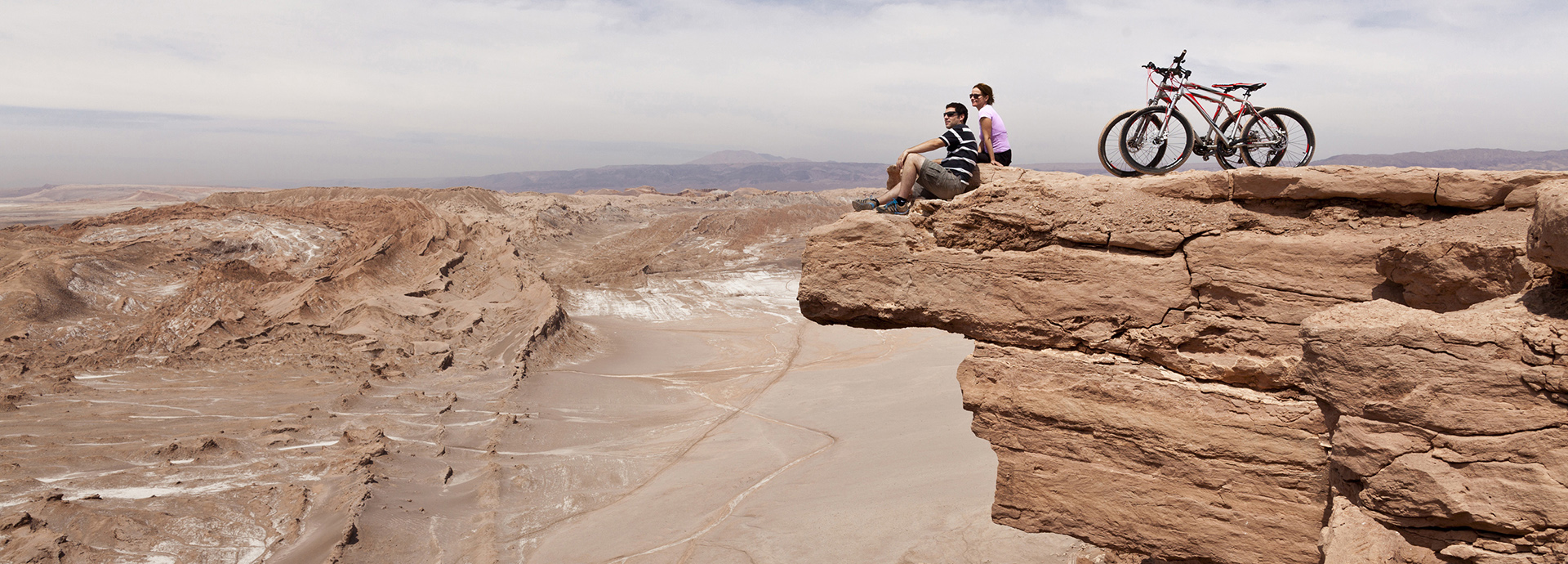
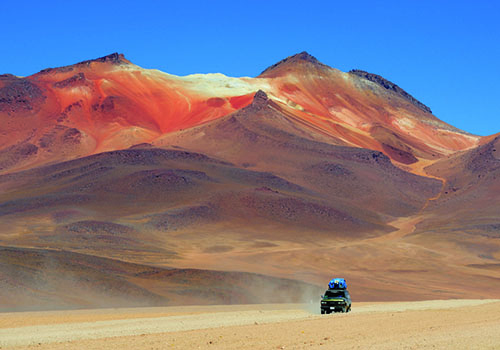
The Atacama is the driest desert on earth and like nowhere else on the planet. Against its stark, surreal, Martian landscapes, while on your bespoke Chile tours you will have the opportunity to bathe in hot springs at the foot of twin volcanoes; wake up at dawn to the thawing El Tatio geysers blowing plumes of steam; and become hypnotized by flocks of pink flamingos on vast salt lakes. During this leg of your highly tailored luxury holidays in Chile, you’ll be able to undertake desert adventures ranging from hikes, walks, bike rides to horse rides and volcano climbs, and find remote civilizations at the oasis village of San Pedro Atacama.
Chilean Patagonia
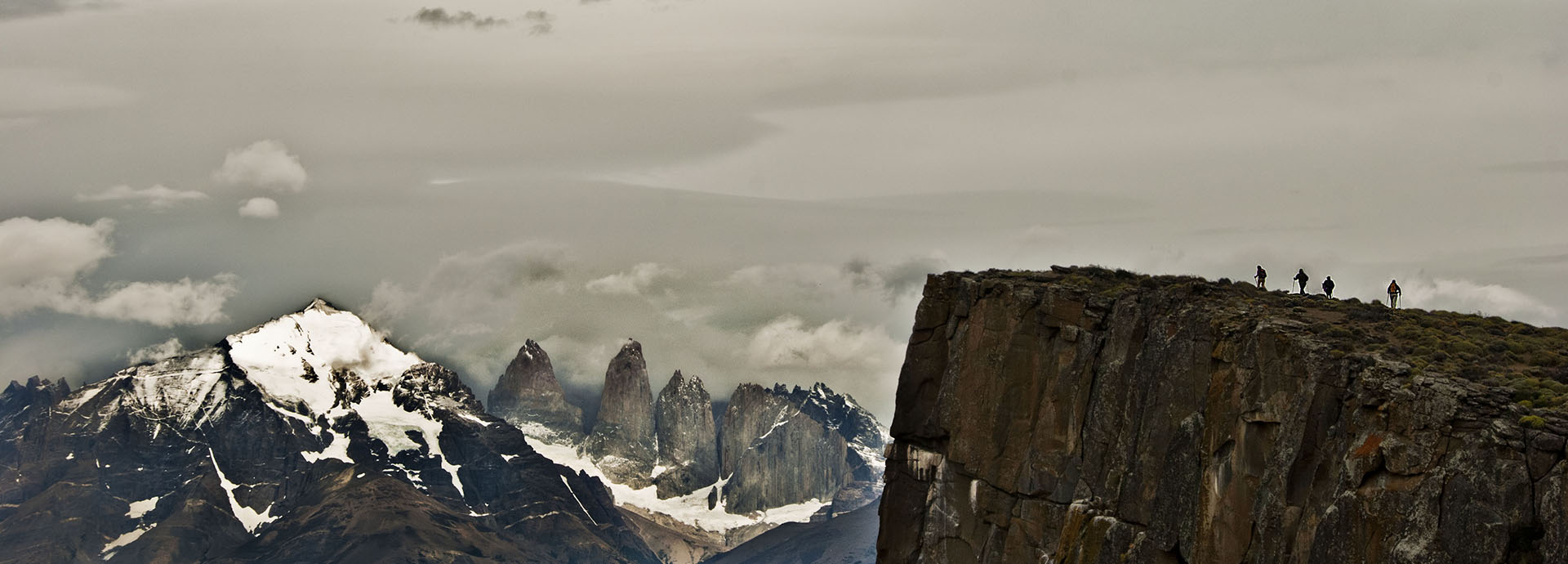
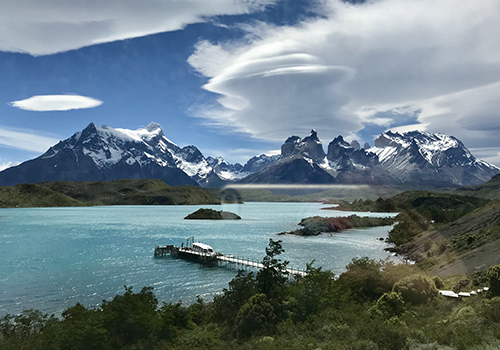
Patagonia possesses a beauty that shocks the senses and defies expectation. In the northern Lake District the landscape is dotted with dense forest, verdant countryside, snow-capped volcanoes and glacial lakes. There’s a wealth of activities to incorporate into our Chile tours including hiking, volcano-climbing, rafting, fly-fishing and horse riding. Complementing it beautifully, the south is dramatic and elemental. Astonishing scenery of jagged rocky spires and milky blue glaciers combine with exceptional hiking, climbing and pioneering puma conservation programmes to create unforgettable adventures woven into luxury holidays in Chile.
Easter Island
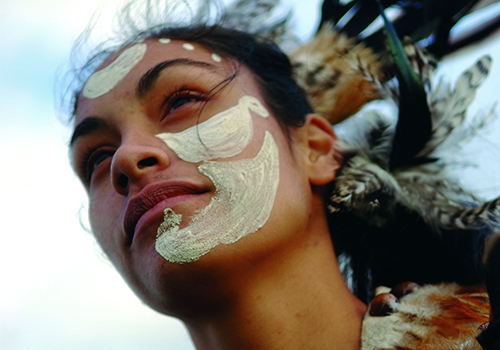
Easter Island (known as ‘Rapa Nui’ to its Polynesian inhabitants) is another option for the explorer searching for an adventure of their own. It lies 3,700 km west of Chile and the destination is worth the journey. Mystery surrounds its original settlement and the culture here is defined by myths and legends, and Easter Island is generally accepted as the most isolated permanently inhabited place on earth. The ancient language and many traditions endure, while enormous carved stone moai speak of a mystical, distant past. These silent stone figures, together with the history, geology, archaeology and the fiery sunsets, active adventures and friendly local Rapa Nui make Easter Island a spellbinding option for those looking to curate one-of-a-kind luxury holidays in Chile.
Santiago, Valpariso & Winelands
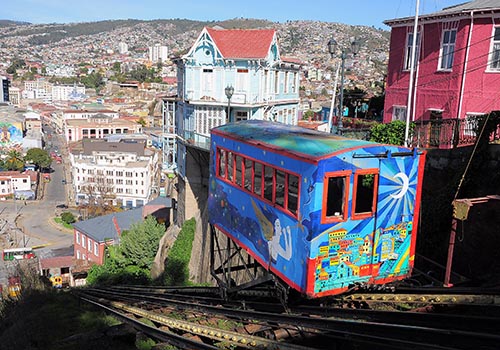
Santiago blends old world charm, new world thinking, a beautiful scenic backdrop and a touch of eccentricity to be a city of sophistication and soul. With grand architecture, a delightful array of museums and galleries, plenty of leafy green space, stylish design hotels and a flight of top-notch restaurants, its is an unmissable stop off during luxury holidays in Chile and captivates visitors from across the globe. In less than two hours you can be in an Andean ski resort, tasting the renowned wine of Maipo, Casablanca, and Colchagua, or soaking up the art scene on the coast in bohemian Valparaiso so its the perfect springboard for our bespoke Chile tours.
Unforgettable experiences for tailormade Chile tours
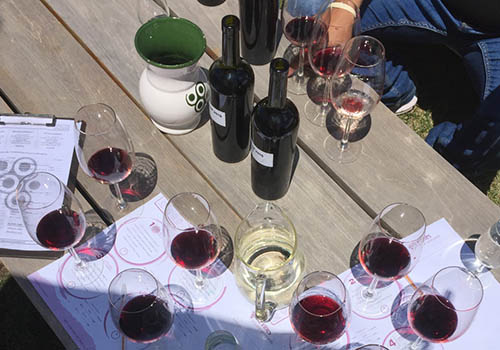
Taste Chile’s mouth-watering vino
Taste Chile’s mouth-watering vino
Chile has become a powerhouse in the wine industry and now produces world class merlot, syrah, cabernet sauvignon, and carmenere, which is their signature. White wine drinkers will also enjoy Chile’s excellent sauvignon blanc an...
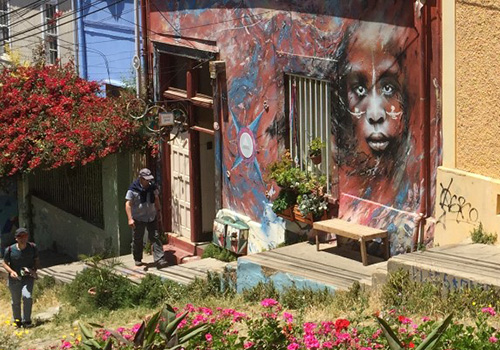
Admire the street art of Valparaiso
Admire the street art of Valparaiso
The seaside town of Valparaiso sprawls across a series of hillsides and is one of Chile’s most charismatic destinations. Known for its cool, bohemian atmosphere, it has long been home to some of South America’s best artists, w...
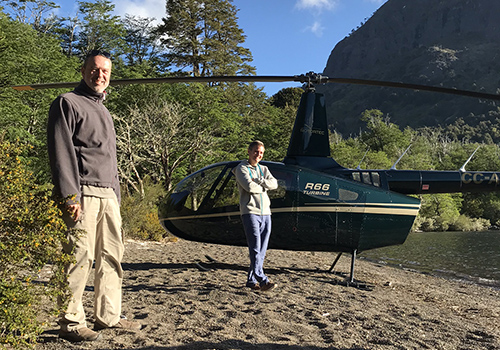
Helicopter to remote mountain lakes
Helicopter to remote mountain lakes
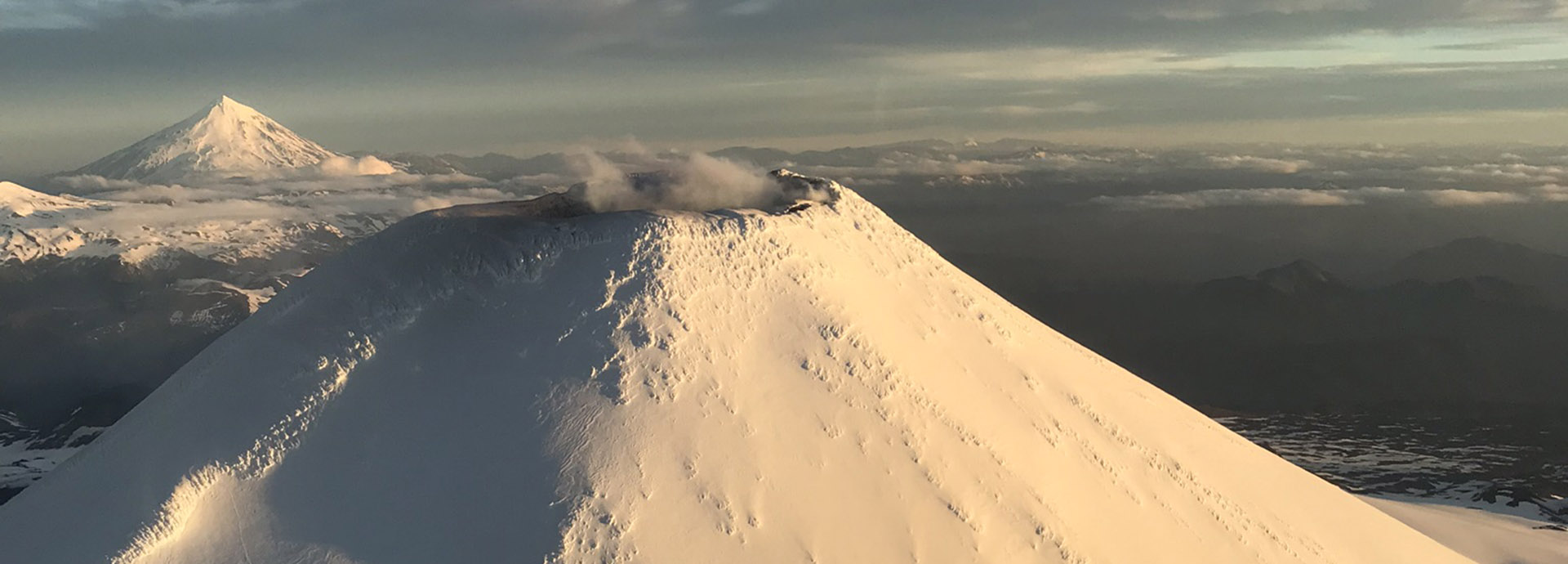
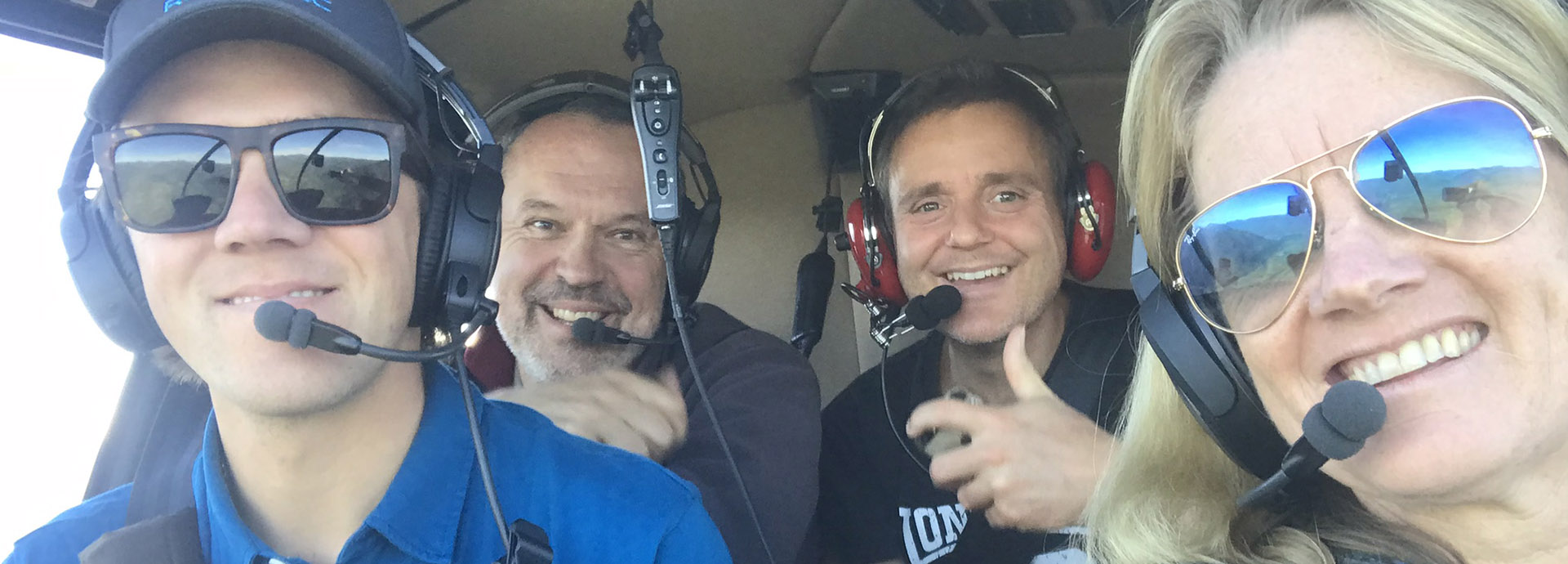
Travelling by helicopter allows you to access areas of the Andes that no one else can. You’ll soar over the mountains, stopping off in secluded locations for a glass of champagne and a dip in a hot spring. Before continuing your...
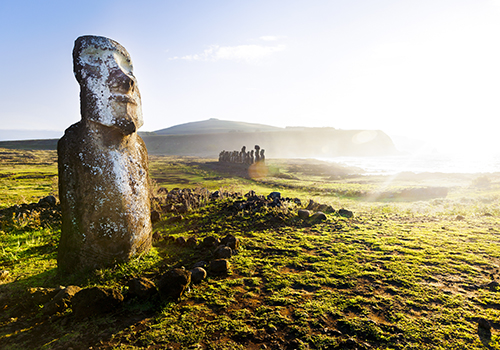
Unravel the mysterious past of Easter Island
Unravel the mysterious past of Easter Island
Nearly 4,000kms off Chile’s coast lies one of the most remote and remarkable places on earth – Easter Island. The island’s original Polynesian inhabitants carved vast stone statues, known as Moai. These impressive Moais coul...
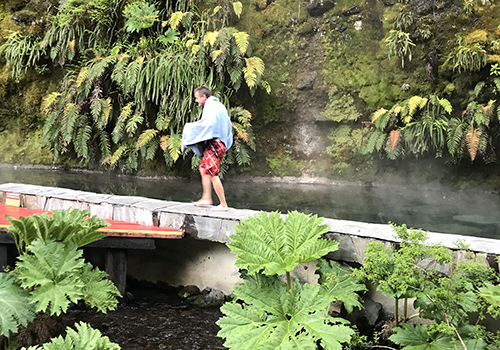
Relax in a volcanic thermal spring
Relax in a volcanic thermal spring
Thanks to the seismically active Andes mountain range that forms the spine of the country, Chile contains more than 270 thermal springs. After a long hike or horse ride the perfect remedy to sooth your aching muscles is to have a ...

Places to stay for luxury holidays in Chile
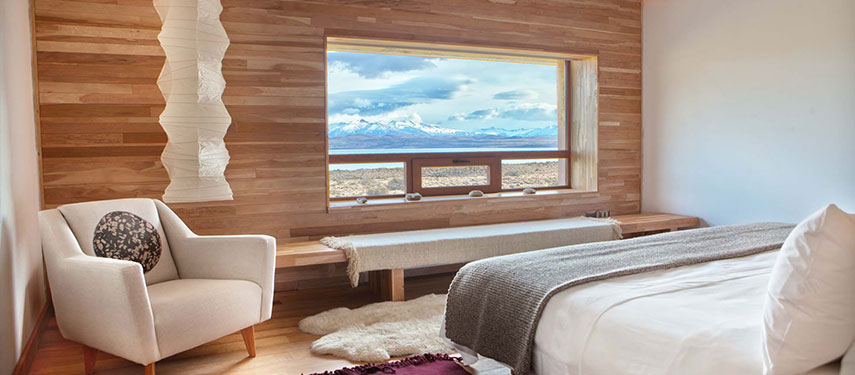
Tierra Patagonia – Torres del Paine
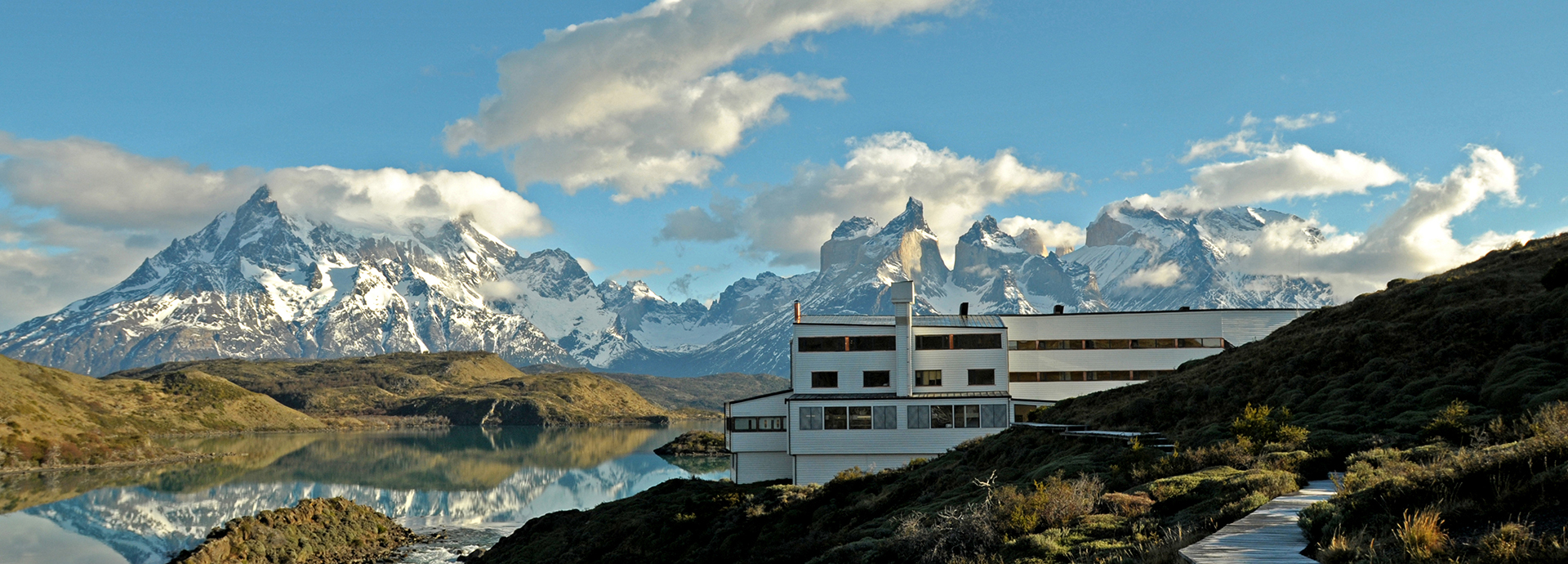
Stay with stunning views of the Paine Massif
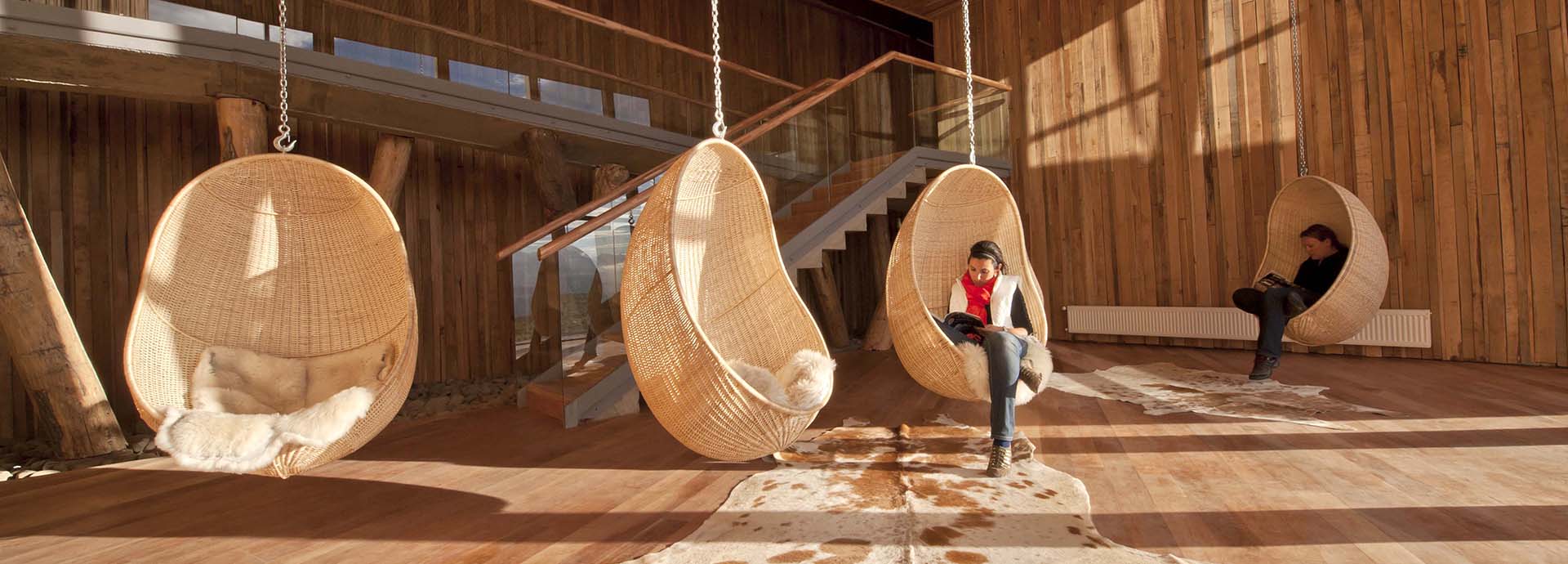
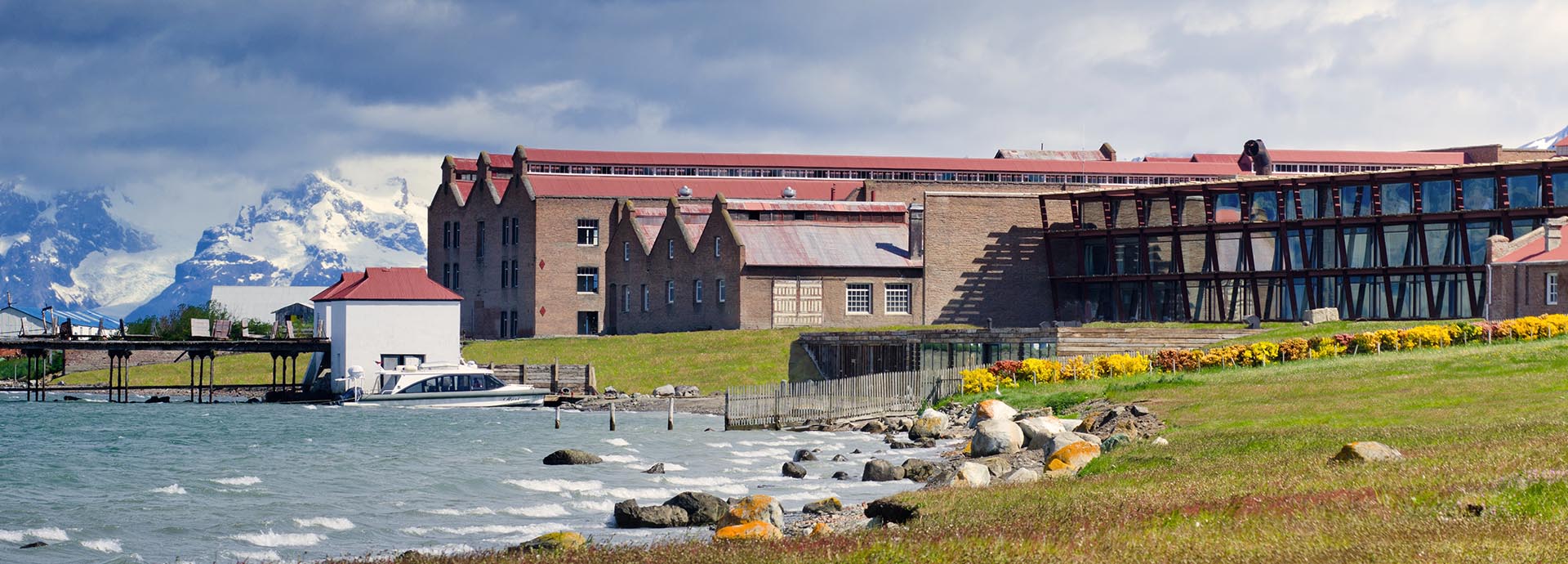
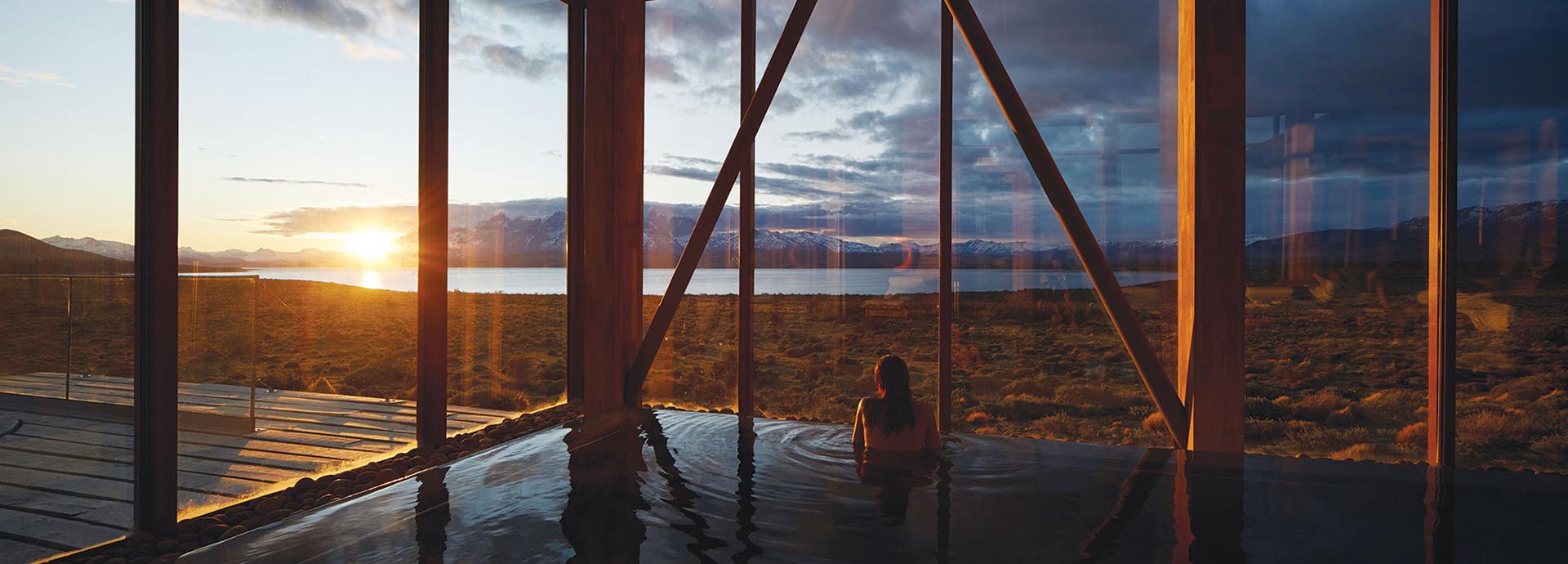
Tierra Patagonia, with only 40 guest rooms and suites, sits on a bluff where the vast pampas meet Lake Sarmiento. Tierra Patagonia brings cutting edge design, casual but exclusive accommodation, a superb range of outdoor excursions and legendary hospitality to one of Chile's most iconic destinations.... Read More
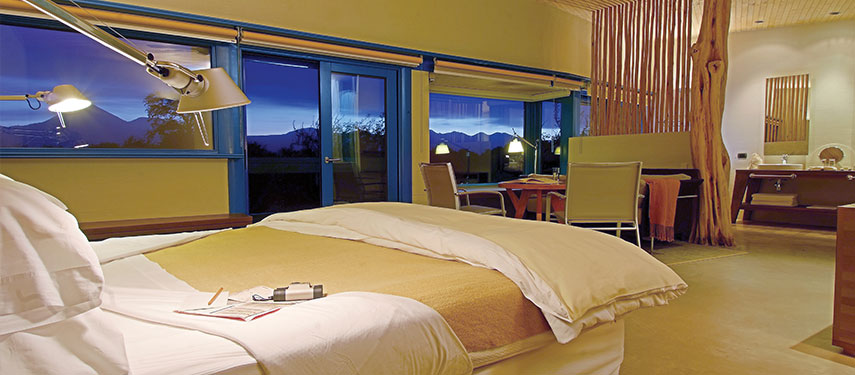
Explora Atacama – Chile
Great desert explorations
Explora Atacama offers casual elegance and an unforgettable experience in an otherworldly setting. Immersed in untouched nature and incredible scenery, the lodge offers over 40 explorations to discover the landscape, astronomy, geology, wildlife and ancient Aymara culture of the land.... Read More
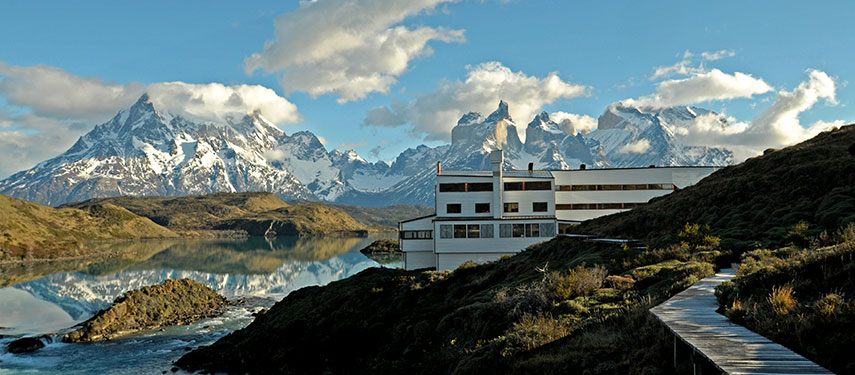
Explora Torres del Paine – Chile
Remote & Raw
Explora Patagonia is located at the centre of the Torres del Paine National Park, the heart of Patagonia, on the shores of Lake Pehoe. Enjoy the most majestic of views right from the lodge itself, and enjoy over 35 half and full day explorations which there are to choose from. Disconnect and unwind in remote Patagonia at Explora.... Read More
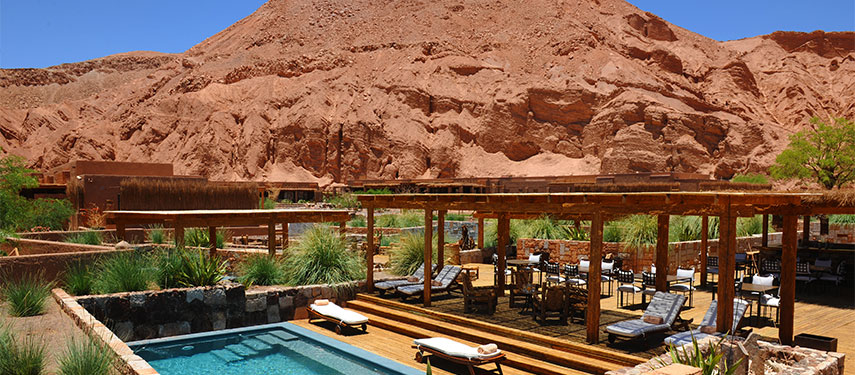
Nayaro Alto Atacama – San Pedro
Sweeping views, tranquility and silence
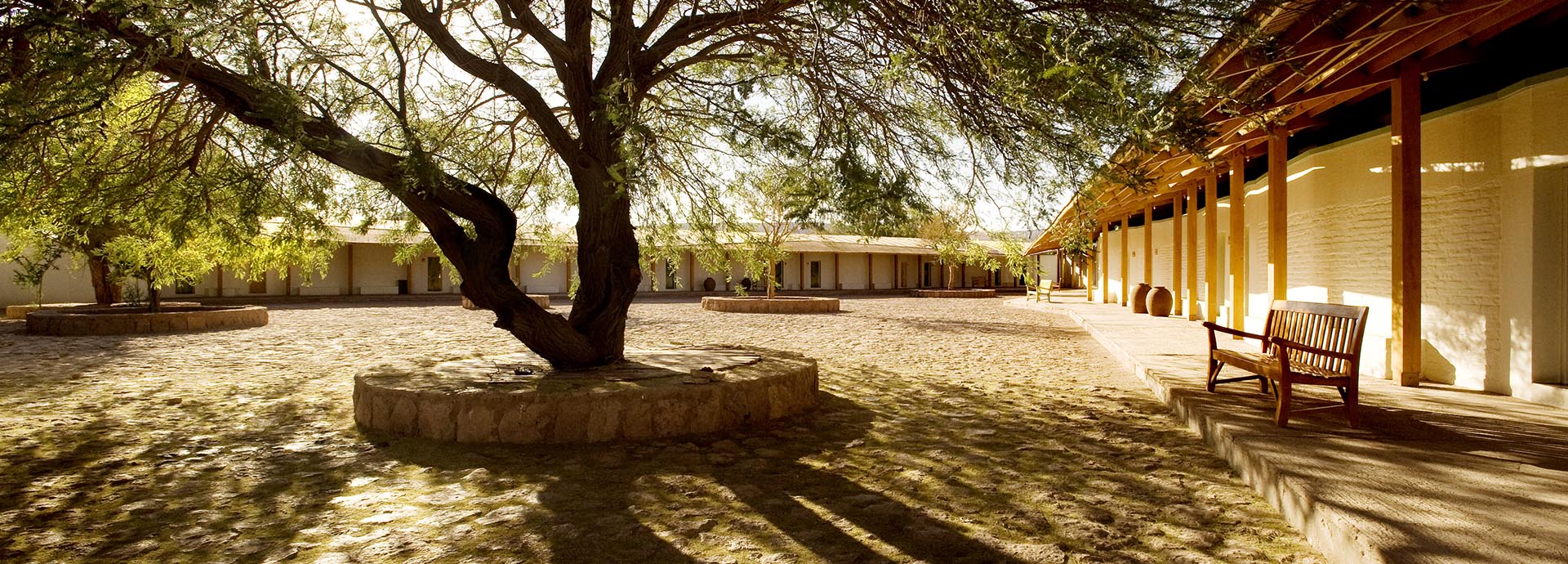
Surrounded by salt mountains, crumbling ruins, and flanked by the winding San Pedro River, Alto Atacama has one of the most breathtaking settings in the world. The lodge is a stunning example of innovative and sustainable architecture, blending seamlessly into the surrounding red rock hillside.... Read More
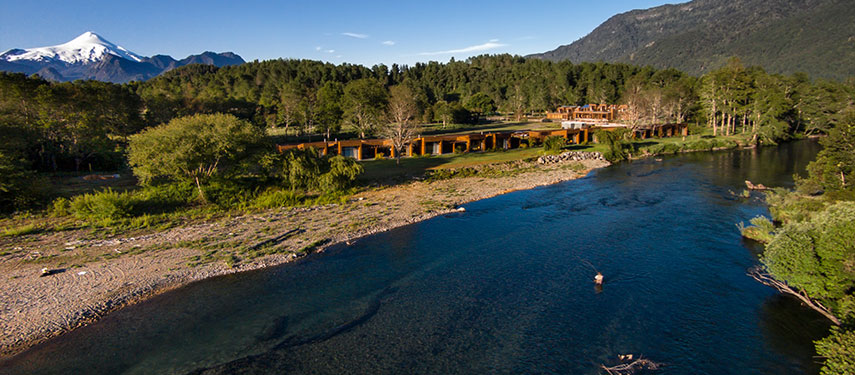
And Beyond Vira Vira – Pucon, Northern Patagonia
Year-round gourmet adventure
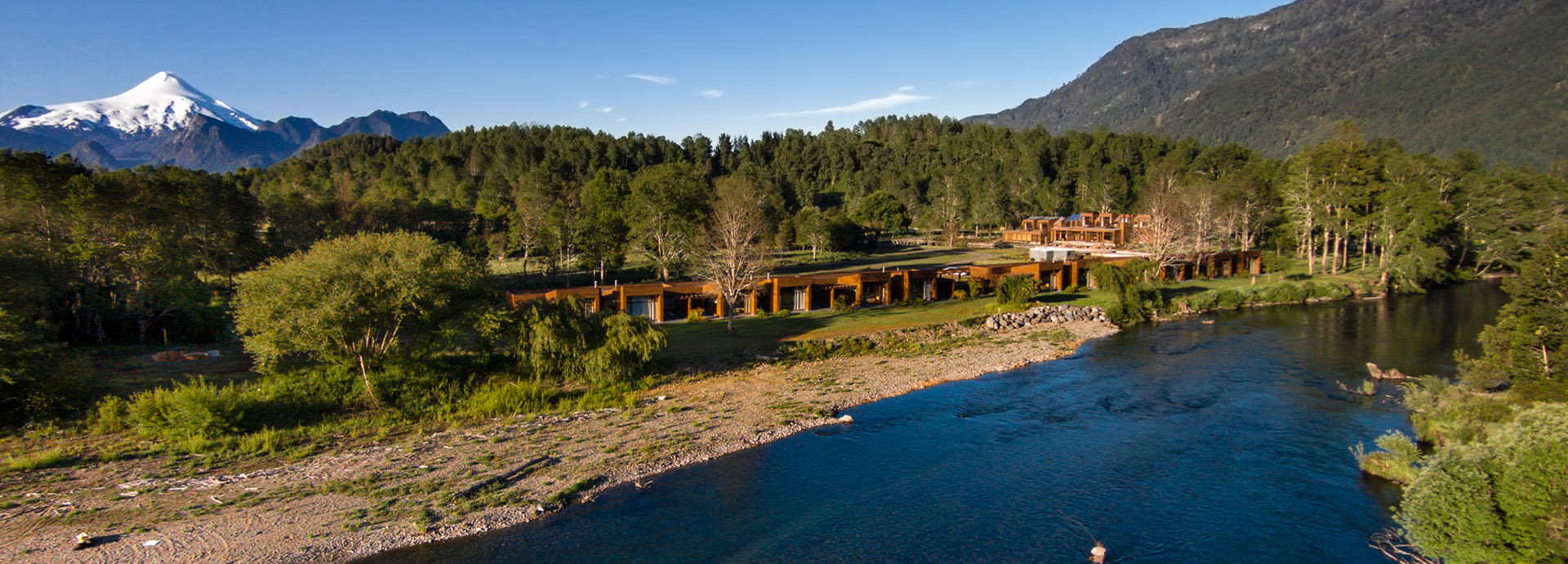
Hotel Vira Vira is set on a working farm in a beautiful and unique location in the northern Lakes District, the mecca for adventure sports in Chile. Experience life on a working farm whilst indulging in exquisite paddock-to-plate dining and enjoying a variety of exciting activities immersed in the natural beauty of this stunning region.... Read More
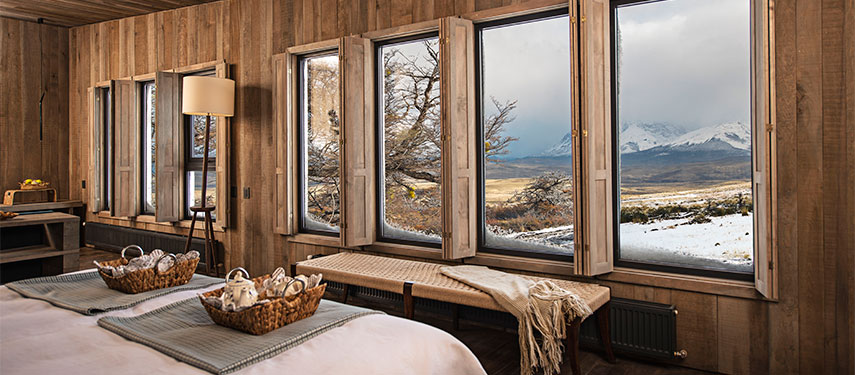
Awasi Patagonia – Torres del Paine, Southern Patagonia
A wild retreat in the wilderness of Torres del Paine
Awasi Patagonia is situated inside a private reserve neighbouring the Torres del Paine National Park. From the lodge you can enjoy spectacular views of the Torres del Paine peaks and Lake Sarmiento. Awasi Patagonia is stylish, intimate and atmospheric, providing a wonderful home-from-home in stunning wilderness.... Read More
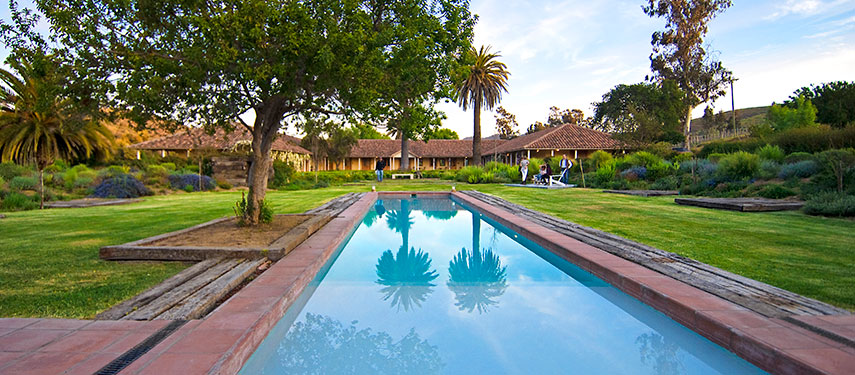
La Casona Matetic – near Valparaiso
Vineyard Bliss
Just 40km from the port city of Valparaiso lies La Casona, nestled amongst the certified-organic Matetic Vineyards. La Casona Matetic offers a boutique food and wine escape, the perfect alternative to a city stay, as a base in between day trips to Valparaiso, or as a location to head out on guided or self-guided walking trails.... Read More
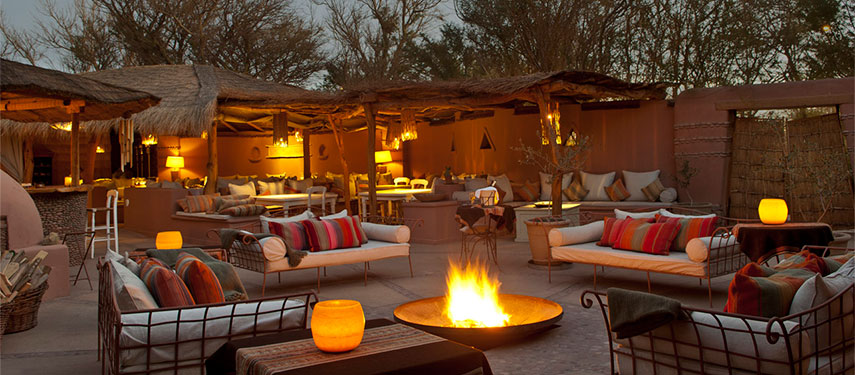
Awasi Atacama – San Pedro de Atacama
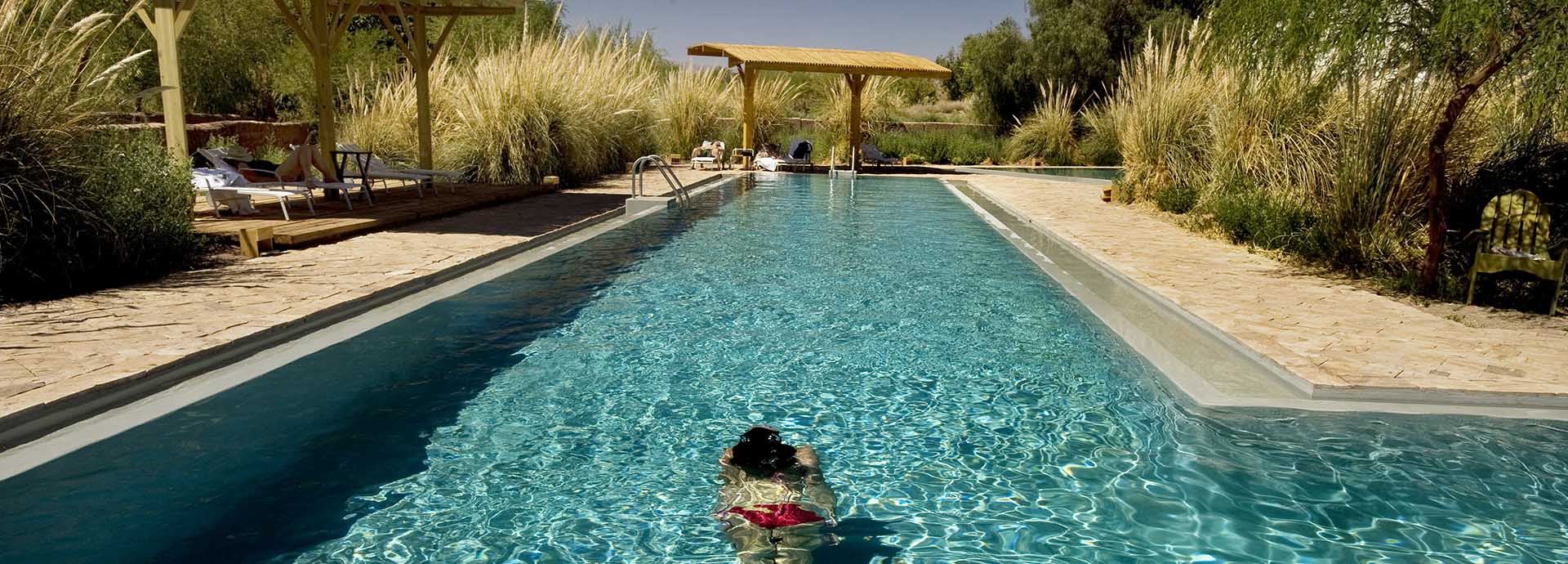
An oasis of style and sophistication in the desert
Located in San Pedro de Atacama, Relais & Châteaux member Awasi Atacama is an intimate, rustic-luxe oasis in the world’s driest and most dramatic desert. Enjoy privately guided activities tailored to your personal interests and pace as you explore the geysers, salt flats and dunes of incredible region.... Read More
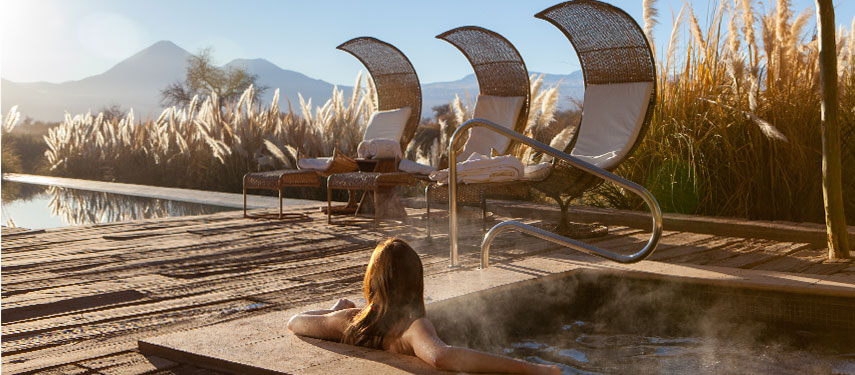
Tierra Atacama – San Pedro de Atacama
Desert Boutique
Tierra Atacama is a small contemporary hotel with views to the Licancabur volcano. The lodge offers plenty of ways to explore this fascinating desert area. Choose from hiking, biking, horse riding and more. Tierra Atacama is an excellent base for exploring this extraordinary terrain.... Read More
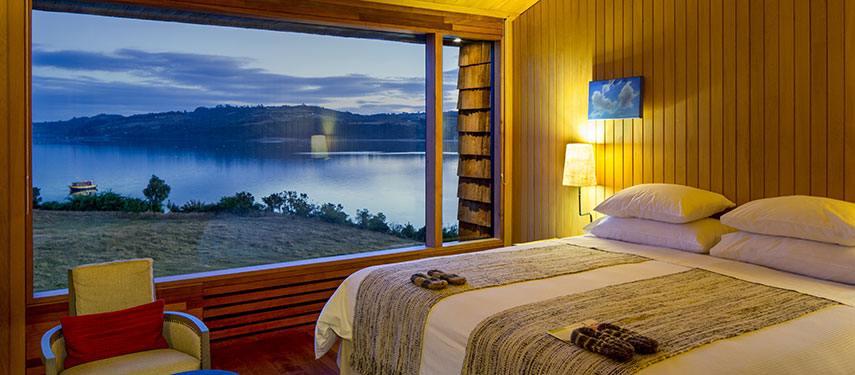
Refugia Chiloé – Chiloé, Northern Patagonia
A rich, spiritual culture
Refugia Chiloé is designed to blend with the natural landscape, taking in dramatic views of verdant pastures and dramatic coastline whilst evoking the island's vibrant and ancient culture. Carefully planned excursions include boating, horseback riding, biking and hiking, all designed to provide a well-rounded, immersive experience.... Read More
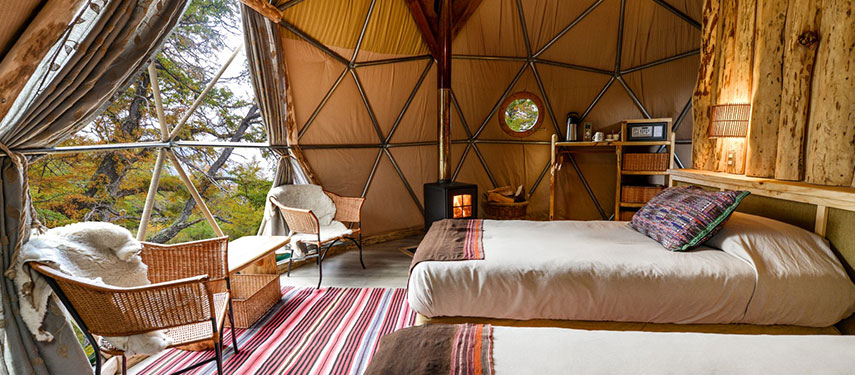
EcoCamp Patagonia – Torres del Paine
Active adventure in the wilderness
EcoCamp is situated in the very heart of Torres del Paine National Park and is an innovative leader in adventure trekking, with a 'leave no trace' ethos and with expert guides taking travellers through the wild Patagonian plains past glacial lakes, snow-capped mountains, fierce waterfalls and exquisite wildlife.... Read More
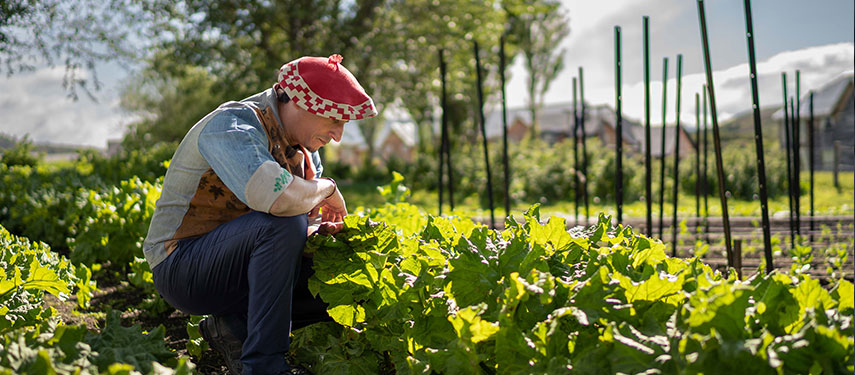
Las Torres Hotel – Torres del Paine
Estancia Patagonia
Hotel Las Torres has a privileged location at the foot of the Torres del Paine. Choose to horseback ride with experienced gauchos, trek various trails catering to all levels of experience, observe flora and fauna with specialized guides, or opt for the comfort of a vehicle excursion throughout the most attractive places in the park.... Read More
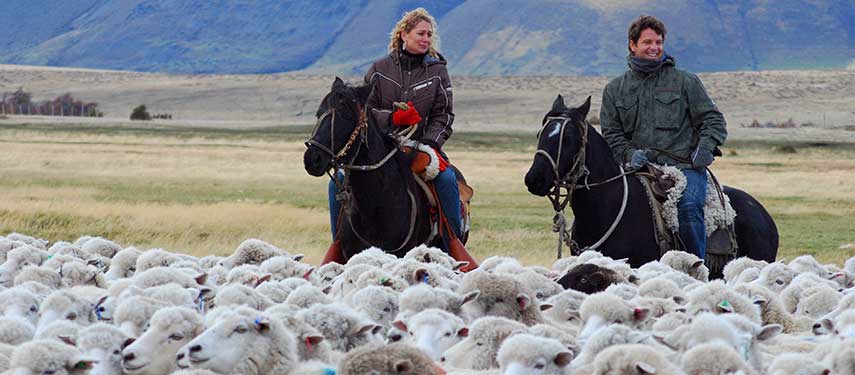
Remota Lodge – Puerto Natales
Year round adventures
Remota is located just outside of the town of Puerto Natales, Patagonia. Remota have designed their activity packages to suit a range of styles : soft, adventure and fly-fishing. Remota offers trips both inside and out of Torres del Paine National Park and is the perfect escape for those seeking adventure and more.... Read More
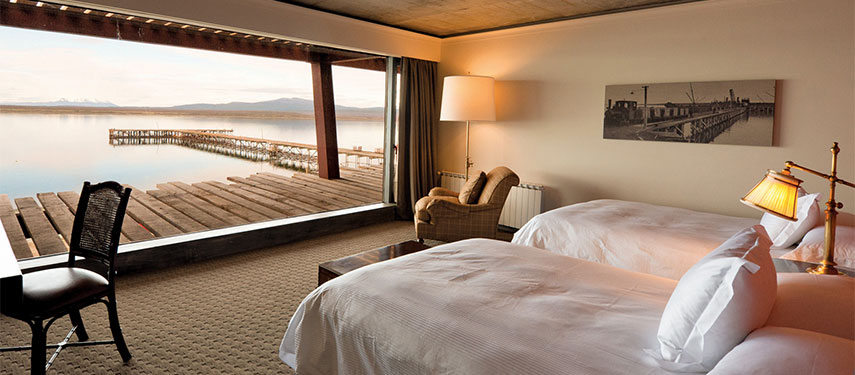
The Singular Patagonia – Puerto Natales
Heritage Classic
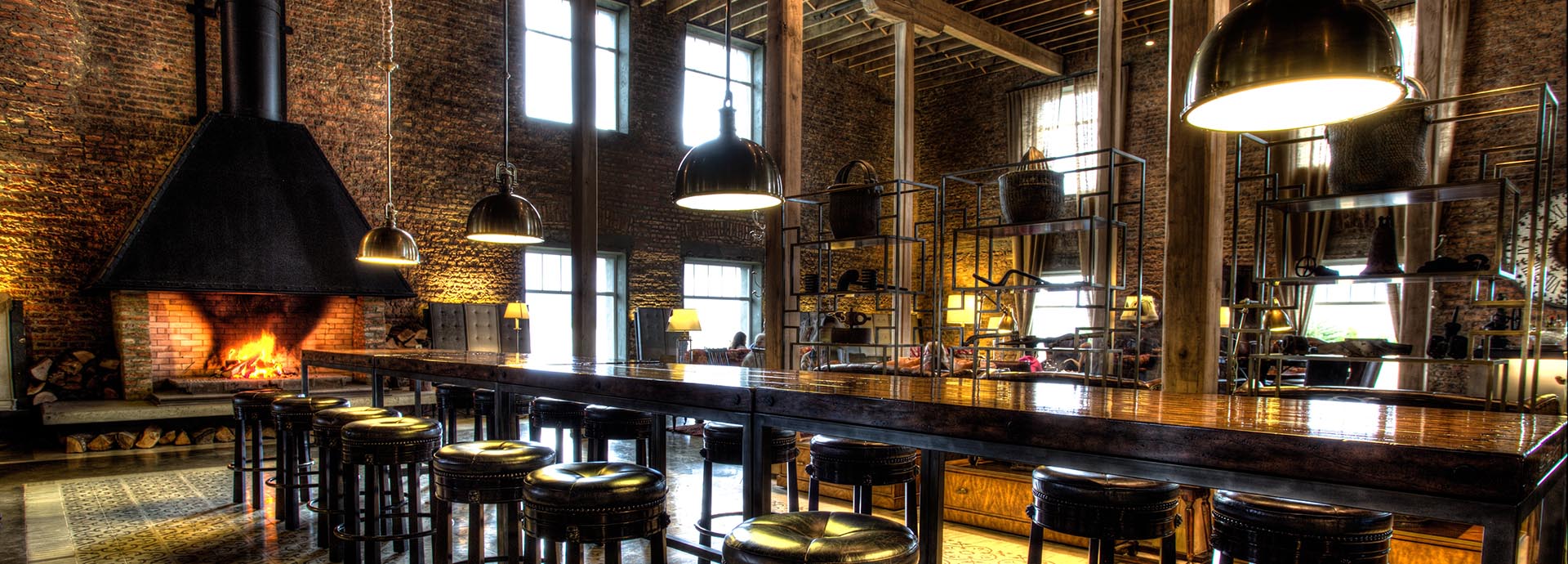
The rooms at The Singular Patagonia provide comfort and style with an amazing view of the Patagonian fjords. There are over 20 different Patagonia excursions available during your stay, with friendly, experienced and knowledgeable guides leading the way, you will get an in-depth, insider look at authentic Patagonia.... Read More
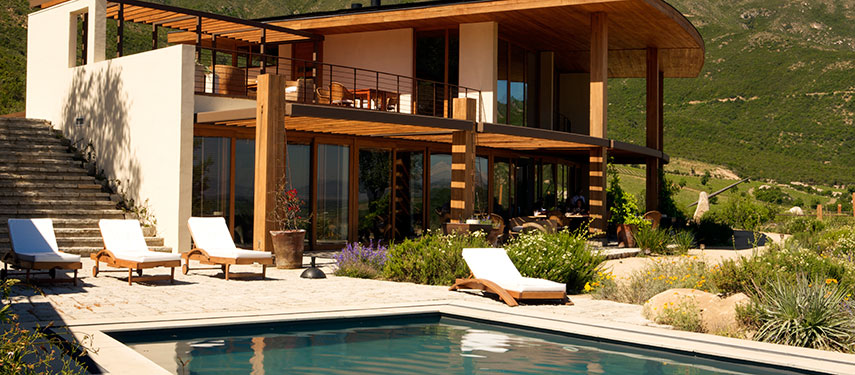
Clos Apalta Residence – Santa Cruz, Chilean Hills
Luxe amongst the vines
Clos Apalta Residence is nestled amongst the Chilean hills with extraordinary views of the Apalta vineyards and Colchagua Valley. Tour the local wineries, horse-back ride, hike, or perhaps relax by the infinity pool after a massage. Clos Apalta Winery is an idyllic spot for getting in touch with nature and enjoying a little luxury.... Read More
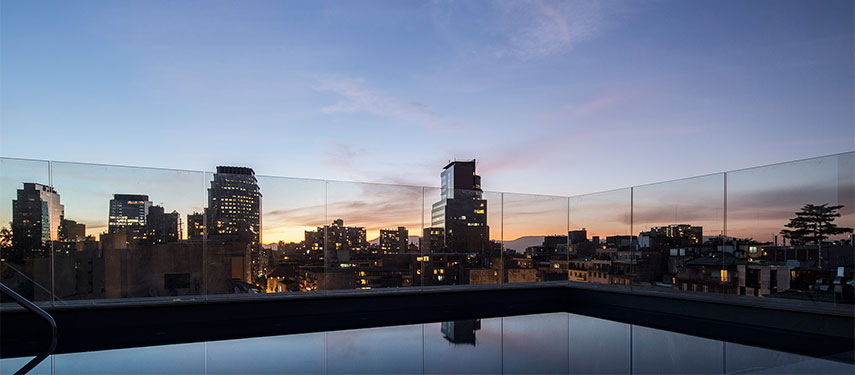
The Singular Lastarria – Santiago
Santiago Boutique Hotel
Blending seamlessly into the bohemian neighbourhood of Lastarria, The Singular Santiago combines the style of early 20th century buildings with neoclassical French architectural influences. The result is a striking new addition to the Santiago cityscape. This trendy retreat embraces artistic heritage while adding cutting-edge modernity.... Read More
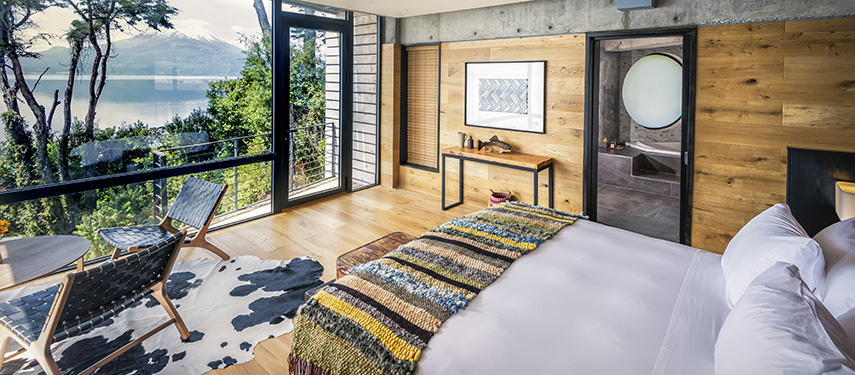
Hotel Awa – Puerto Varas
Privileged lakeside location
Perched along the sparkling shoreline of Lake Llanquihue, just outside of popular Puerto Varas, Hotel Awa is a boutique, family-created retreat. Explore the great outdoors with a plethora of excursions ranging from fishing and birdwatching to volcano climbs and more. Hotel Awa is stylish, balancing in with its stunning natural environment.... Read More
A collection of journeys to weave into our Chile tours
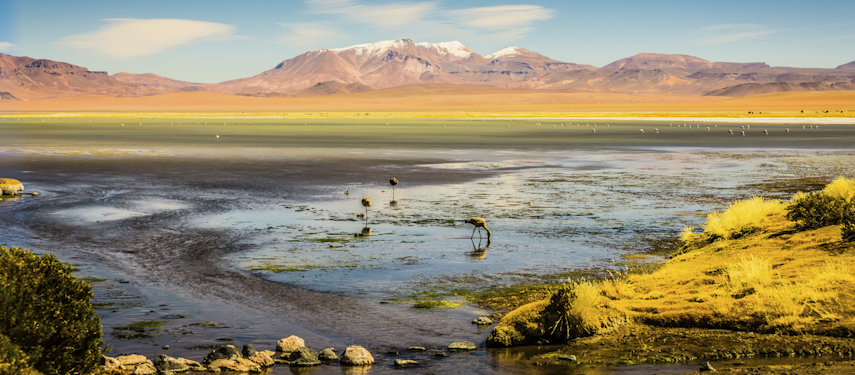
Chile: Fire, Forests & Ice
Itinerary Inspiration | Atacama & Pucón Patagonia, Chile & Argentina
Head off on a spectacular journey through South America’s most startling landscapes as they shift from burnt orange to brilliant blue… the volcanoes, desert and flamingoes of the Atacama, the lush greenery and farm to table food of the Lake District, the vast and majestic mountainous features of the Torres del Paine and the culture, music, colours and more of the Paris of Latin America, Buenos Aires....Read More
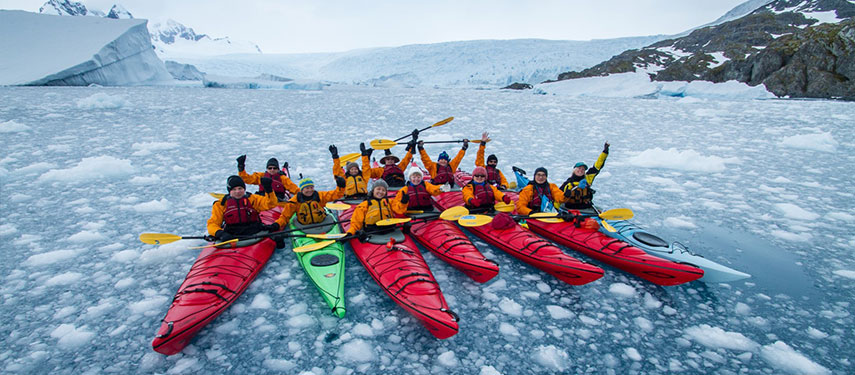
Chile & Antarctica: Ends of the Earth
Itinerary Inspiration | Patagonia & Antarctica
This itinerary inspiration provides the framework for an adventure starting off in Santiago before heading South to Patagonia and to explore the Torres del Paine National Park, before a one-in-a-lifetime adventure on a fly-cruise expedition through Antarctica!...Read More
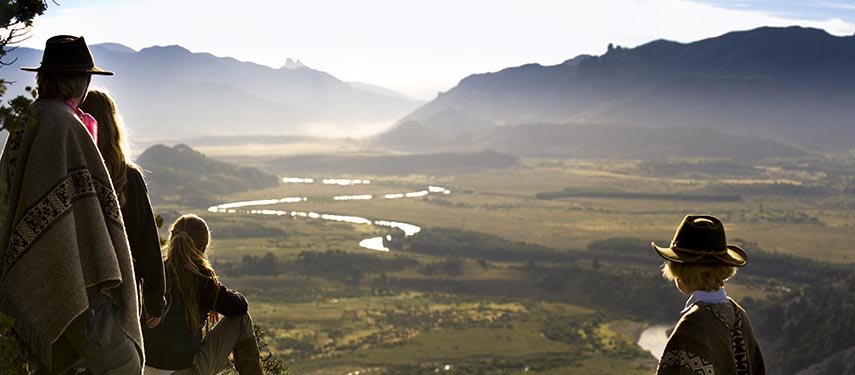
Chile & Argentina from Top to Toe
Itinerary Inspiration | Atacama Patagonia Torres del Paine
Spend just under three weeks exploring some of the best of Chile and Argentina, starting in the desert-scape of the Atacama in Chile, traversing the beautiful Argentine Lakes District and exploring on foot, horse, water or land, Patagonian Chile and its mountains, glaciers and alpine scenery with a finish in Santiago, the hub for the nation and start/end point of a journey for many Australians to South America.
...Read More
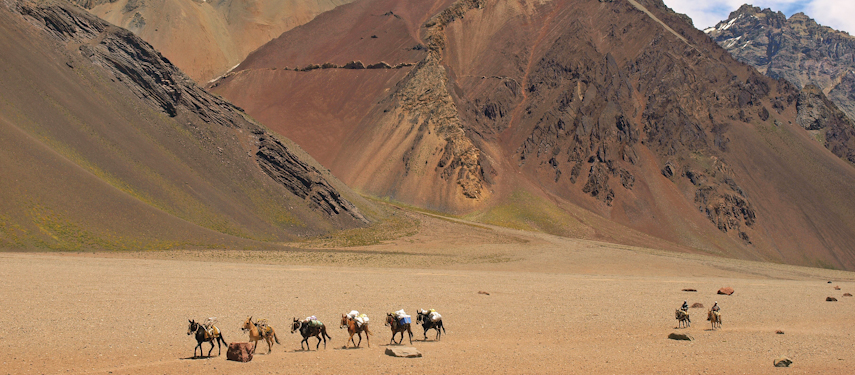
Chile: An Andes Adventure
Itinerary Inspiration | Chile's Atacama Iguazu & Argentine Estancias
Spend just over two weeks on an off-the-beaten-track journey exploring the desert, rural and farm environments in the Atacama and Salta, before a couple of nights at the mighty Iguazu Falls, and wrapping up at Legado Mitico in Buenos Aires, the Paris of Latin America....Read More
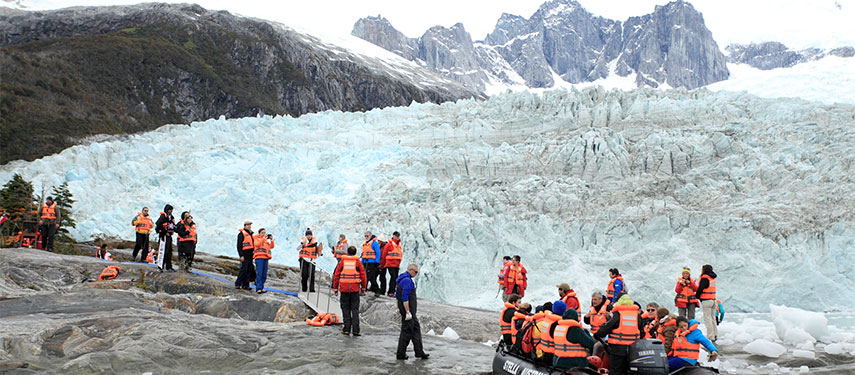
Argentina: Patagonia Cruise
Itinerary Inspiration | Chile & Argentina by Land & Sea
A multi-faceted itinerary to suit a range of tastes - the relaxed Chilean Lakes District with a river setting and activities such as kayaking, hiking and horse-trekking, along with farm-to-table fresh food, taking it up a notch to the breathtaking vistas of Patagonia with more opportunities to hike, bike and explore the vast outdoors, a once in a lifetime adventure to Antartica onboard the Australis, then finishing in the Paris of Latin America, Buenos Aires....Read More
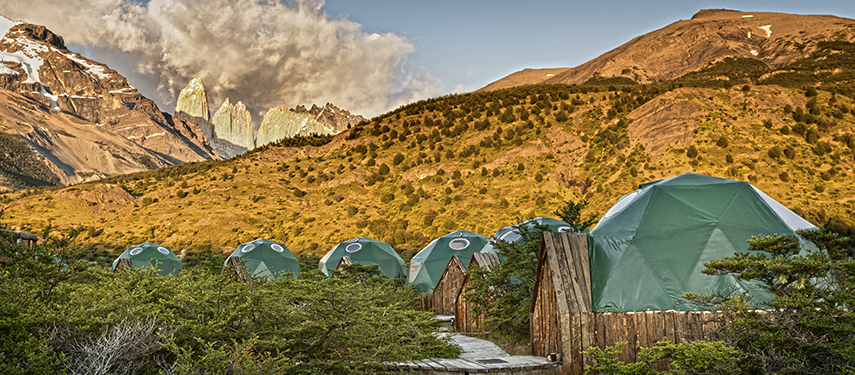
The W Trek
Hiker Patagonia | Torres del Paine Wilderness
This journey focuses on traversing the Torres del Paine National Park. Hike between 3 and 10 hours per day, from 6 - 22km with differing altitudes and staying either at Eco Camp Patagonia in their classic domes, or in huts along the journey. Finish up with a couple of nights at the Singular Patagonia for further exploration of the area, or great food and wine and a chance for some rest and recovery....Read More
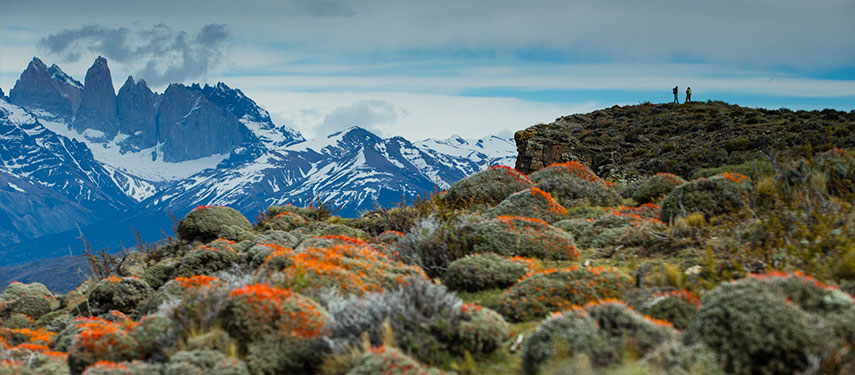
Patagonia for Hikers
Itinerary Inspiration | Two Countries & Two Unreal Hikes
It goes without saying that the Torres del Paine National Park and Mt. Fitz Roy are 'meccas' for avid hikers in South America. On this Patagonia for Hikers journey, spend four nights in each region, with the opportunity to hike and explore both areas at a style, pace, length and duration of your choice, all while staying in comfortable and scenic accommodation....Read More
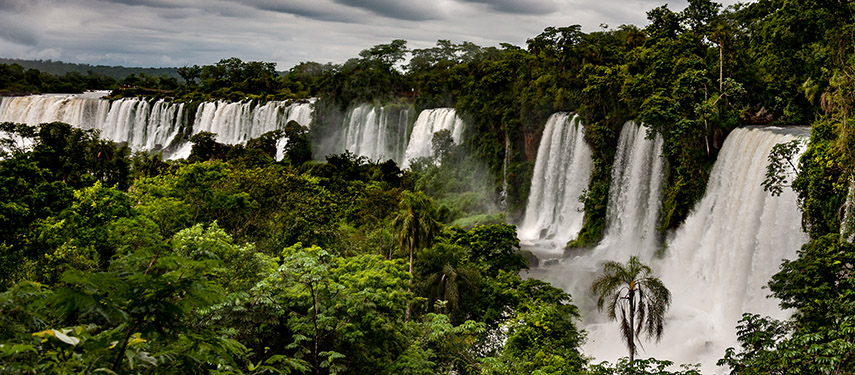
Patagonia: Glaciers to Iguazú Jungles
Itinerary Inspiration | Chile & Argentina
Argentina, Chile and Brazil are destinations which can be explored each on their own, time permitting. Mix them into a three week journey and incorporate the cities of Santiago and Buenos Aires, along with an exclusive stay in Chilean Patagonia, the opportunity to get up and close to glaciers in Argentina and to horse ride and stay on an estancia, along with ticking of the bucket list, a visit to Iguazú Falls, surrounded by lush jungle....Read More
Patagonia & Lakes Crossings to Iguazu
Itinerary Inspiration | Luxury Chile & Argentina
Just under three weeks duration, this itinerary allows the traveller to visit a number of destinations within Chile and Argentina, with a side-trip to Brazil to finish up Iguazu. Experience world-class accommodation, architecture, lakes, mountains, glaciers, culture, music, fine food and the thunder of the Falls....Read More
Chile: Frequently Asked Questions
Chile’s extreme length means timing depends entirely on which region you are visiting. Patagonia and Torres del Paine are best experienced between October and April, when longer days, milder temperatures and more stable trail conditions make trekking and outdoor activities optimal. The Atacama Desert is accessible year-round, though the austral summer months of December and January bring intense midday heat; shoulder months of April–May and September–October offer more comfortable temperatures for desert exploration. Easter Island enjoys a relatively stable subtropical climate throughout the year, with March–May considered particularly pleasant. For wine country and Santiago, spring (September–November) and autumn (March–May) are ideal.
There are no direct flights from Australia to Chile. The most common routing is via Auckland or Los Angeles to Santiago’s Arturo Merino Benítez International Airport. Flight times from Sydney via Auckland typically total around 16–18 hours. Australian passport holders do not require a visa to enter Chile for tourism purposes and may stay for up to 90 days. Chile’s currency is the Chilean peso; credit cards are widely accepted in Santiago, tourist lodges and most hotels, though cash remains useful in smaller towns and rural areas.
Torres del Paine National Park in southern Chilean Patagonia is among the most scenically dramatic protected areas on earth, with a landscape shaped by glacial action, Andean uplift and the relentless Patagonian winds. Its signature towers — three granite pillars rising more than 2,500 metres above sea level — are the product of magma that solidified beneath ancient ice sheets and was subsequently exposed by glacial erosion over millions of years. Unlike many wilderness destinations, Torres del Paine offers a spectrum of experiences from the celebrated multi-day W Trek to single-day excursions, helicopter access and private reserve stays, making it accessible to both serious trekkers and those seeking more comfort-forward adventures.
Chile combines naturally with Argentina, particularly in Patagonia where the two countries share the Andes and many classic itineraries cross the border via the famous Lakes Crossing between Puerto Montt and Bariloche. Buenos Aires is a natural bookend for any Chile itinerary, providing a contrast of urban sophistication against wilderness. More adventurous travellers can extend south from Patagonia on an expeditionary cruise to Antarctica, with Punta Arenas and Ushuaia serving as departure points. Peru and the Galápagos can also be combined for a broader South American journey, though the distances involved typically require additional travel days.
Chile’s remarkable geographic range supports an equally diverse array of wildlife. The Atacama Desert hosts three flamingo species — Andean, Chilean and James’s — alongside vicuña, viscacha and Andean fox. Patagonia is home to puma, guanaco, the Andean condor and South Andean deer (huemul), as well as significant populations of Magellanic penguins along the southern coastline. The channels of southern Patagonia support humpback whales, orcas and Peale’s dolphins. Easter Island’s surrounding Pacific waters are rich in marine life including manta rays and sea turtles, while the island itself hosts Polynesian bird species found nowhere else.
Chiloé is a large island in northern Patagonia with a culture distinct from mainland Chile, shaped by centuries of relative isolation and a fusion of indigenous Mapuche-Huilliche and Spanish colonial traditions. The island is celebrated for its distinctive palafito stilt houses, its network of UNESCO World Heritage-listed wooden churches — more than 150 built between the 17th and 19th centuries — and its unique mythology, which includes a rich canon of sea monsters and spirits. Chiloé is also an important ecological zone: it sits on the Pacific Flyway and supports significant seabird populations, while its sheltered bays are farmed for some of Chile’s finest salmon and shellfish.
Chile: A Glossary of Terms
Atacama Desert — The world’s driest non-polar desert, stretching along Chile’s northern Pacific coast and Andean plateau; parts of the desert have recorded no rainfall for several decades, yet support complex ecosystems of flamingos, vicuñas and extremophile microorganisms.
Torres del Paine — A national park in southern Chilean Patagonia, named for three distinctive granite towers (torres) shaped by millions of years of glacial erosion; one of South America’s premier wilderness trekking and expedition destinations.
Carménère — Chile’s signature red wine grape, once thought to be extinct after the 19th-century phylloxera epidemic devastated European vineyards; rediscovered growing in Chilean wine valleys in 1994, where it had survived in isolation for over a century.
Moai — The monolithic stone statues carved by the Rapa Nui people of Easter Island between roughly the 13th and 16th centuries; more than 900 exist across the island, the tallest standing nearly 10 metres high and weighing up to 82 tonnes.
Rapa Nui — The indigenous Polynesian name for Easter Island and its people; a self-governing territory of Chile located approximately 3,700 kilometres off the Chilean coast in the south-eastern Pacific Ocean, making it one of the most remote permanently inhabited places on earth.
Patagonia — A vast, sparsely populated region spanning southern Chile and Argentina, characterised by Andean mountain ranges, glacial lakes, ice fields and steppe grasslands; shared between the two countries, with the Chilean side encompassing Torres del Paine, the Southern Patagonian Ice Field and the Strait of Magellan.
El Tatio — One of the highest geyser fields in the world, situated at approximately 4,300 metres above sea level in the Atacama Desert; most active at dawn when the temperature differential between the earth’s heat and the cold high-altitude air creates dramatic plumes of steam.
Altiplano — The high Andean plateau shared by Chile, Bolivia, Peru and Argentina, sitting at elevations typically between 3,500 and 4,500 metres; home to the salt flats, flamingo lagoons and volcanic landscapes that define much of Chile’s north.
W Trek — The most popular multi-day hiking route through Torres del Paine National Park, tracing a W-shaped path past the park’s principal landmarks including the Grey Glacier, the French Valley and the base of the Torres; typically completed over four to five days.
An absolutely fantastic travel company - every one of the many trips they have organised for us over 22 years have been faultless and fabulous.
Judith & Roger Williams
Would do it all again and not change a moment. Best holiday ever!
The McGowan Tribe
It certainly was the best trip we have EVER had. The experiences were mind blowing. We want everyone we know to experience Africa - the animals, the people - magical.
Jo-anne & Dean Mifsud
The Classic Safari Company is the best I have dealt with. Extremely knowledgeable & professional, friendly, patient & understanding of first timers to Africa.
Annette Whiley
Classic Safari Company were brilliant - 10/10
Di & Kingsley Yates
Classic Safari is the place to go to for "top end" adventure travel.
Ron & Alison Guthrie
If you want the most sensational experience in Africa let Julia and the staff at Classic Safari Co plan it for you! Their knowledge, expertise and enthusiasm for their job means your every wish will be fulfilled.
Miriam & Joseph Harrison
Their experience and knowledge of Africa is evident and we couldn't have been happier with the total package. This has given us a taste for Africa - now we are ready for more.
Andrew & Pip Stevens
Classic Safari Company has done it again! A unique experience that ticked all the boxes - wildlife, culture and dining experience. A dream come true!
Ros Wheeler
Absolutely everything was first class & so well organised.
Simon & Jackie Adams
The trip of a lifetime, couldn't have dreamt of a better adventure if I tried.
Emma Jeffcoat
You can't improve on perfection. I had my best birthday and holiday with my family celebrating my 80th birthday in Africa. Everything that Julia organised was perfect and the whole trip was a highlight!
Buckingham Family
Everything was perfect! Advice and information on destinations and activities hit everything I had hoped to experience. I contacted the Classic Safari Company upon recommendation and have now, in turn, recommended to others.
Tim Bradley
Very knowledgeable and patient. Our trip was all that we hoped for. Wonderful!
Jane & Robert Happell
Thank you for making our trip to Africa so spectacular. The attention to detail really made it special. It really was the trip of a lifetime.
Paul Cozzi
An amazing experience - the best family holiday we have ever had. We were extremely impressed by the meticulous attention to our itinerary. I can't speak highly enough of all the elements of this exciting journey!
Sheryl & Robert Taylor
We loved it all. Our son wants to go back tomorrow. We would ALL go back again!
Laurence & Remi Cunningham
Classic Safari are the people who genuinely know other culture and offer incredible insight to perfectly meet your expectations.
Melanie McMillan & Iain Jones
The trip exceeded my expectations and was the best family holiday I have ever had. Our children simply loved it and now I know more about African wildlife than they do about our own farm animals.
Rowntree family
We are so happy we put our trust in CSC, we had an amazing adventure and would recommend them to anyone.
Kim & Brad Balance
Julia you did a fantastic job - everything was first class. Well organised, efficient and stress free. We all agreed it was the best holiday we've ever had. Cant wait to travel with CSC again.
Milford family
We wanted the opportunity to see as many wildlife parks as possible and the Classic Safari Company provided an action-packed itinerary that included six, with 11 tiger sightings and nine leopard. This was overlaid with an introduction to Jaisalmer, Jaipur and the 'real' India. Pench and Panna were the hidden gems of a really great trip, very well organised, seamless and enjoyable. As a solo traveller I felt incredibly safe at all times. I want to go back!
Mark Taylor
Exellent and wonderful, reaching way above expectations.
Elizabeth Mackintosh
Thank you for putting together the ancestral adventure of a lifetime. I cannot speak highly enough of the trip.
Jenny Kidd