Why Zambia Should be Next on Your Holiday Hit List
Why Travel to Zambia? Zambia is a country where big game rules ...
Read More
A safari on foot in the big, bad wilderness is amazing – and nerve-racking, as Steve Madgwick discovers
on a walking safari in Zambia.
– Excerpt from The Sydney Morning Herald Traveller Magazine, December 28, 2025 – by Steve Madgwick
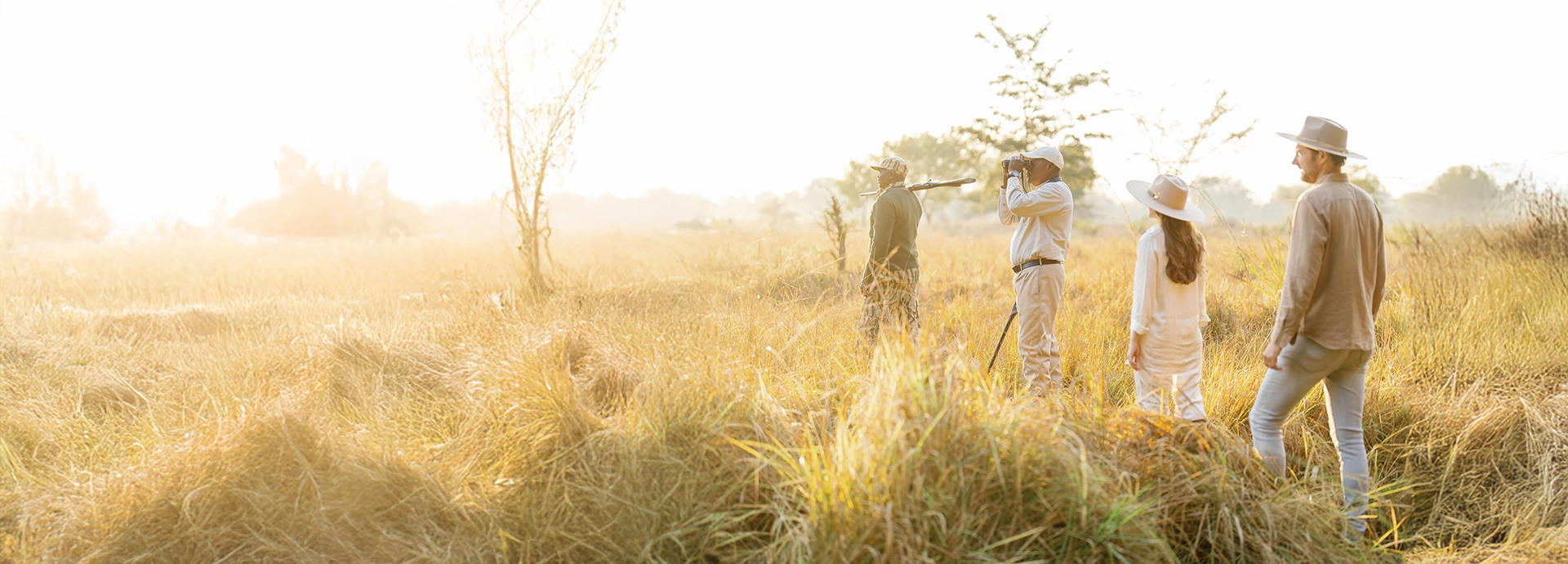
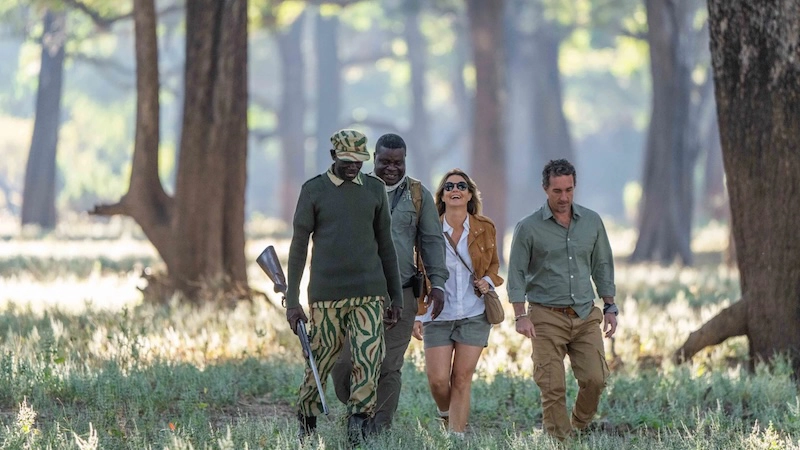
To my left and right are blond grass and celeste sky. I don’t dare look behind me, even though I’m last in line; a challenge-free meal. Guide Lawrence Banda talks as calculatingly and slowly as he walks, five paces in front, carrying a wooden staff, binoculars, a belt-mounted multi-tool yet no water bottle. Peter parts the grass in front of him, dressed in ranger fatigues. His vanguard eyes are ever-scanning; his hefty Soviet-era rifle simultaneously reassuring and off-putting.
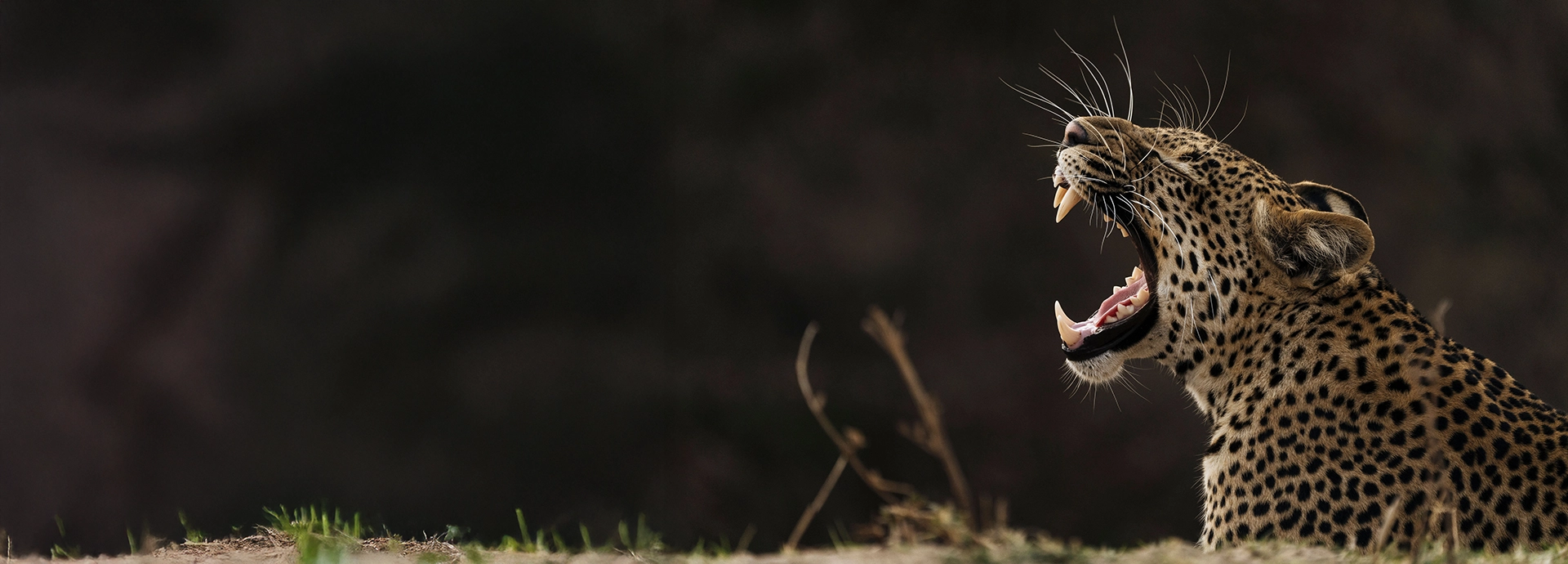
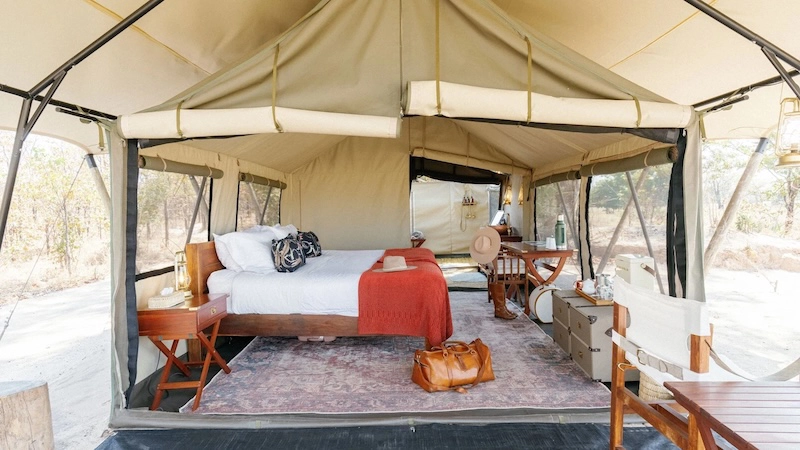
The grass crackles, murmurs and whispers as we clomp through it. I conjure an image of a ready-to-pounce Christopher, but Lawrence reckons his favourite leopard is sated now, after dining on a middling-sized antelope right in front of our starting-point, Tide + Tide Luwi Camp in South Luangwa National Park, eastern Zambia.
Feel the tension rising? Readying yourself for that jump-scare moment, when the snarling [insert beast] charges and the rifle pops? Well, you’re barking up the wrong acacia tree if you think that’s an average day on a walking safari. In fact, if your guide promises you close encounters with anything less timid than a baby impala, then flee for your very life.
Beforehand, I sit with Lawrence on a stuffed-leather couch… listening to him describe big-cat kills he’s witnessed from this vantage point. At this point, the very idea of wandering into the realm of southern African predators on an overnight walking safari still feels ludicrous. Lawrence begins to lower my red flags; a walking safari in Zambia and game drives are diametrically opposed beasts with vastly different dynamics.
For the next two days, we’ll walk in single file, always, so animals see us as one big thing, giving them unambiguous escape routes…. Surprising a predator or large ruminant is a potentially fatal mistake. Most predators, including those mighty lions, apparently consider us to be the apex predator, but our goal is to stay far away and generally seem non-threatening.
• • •
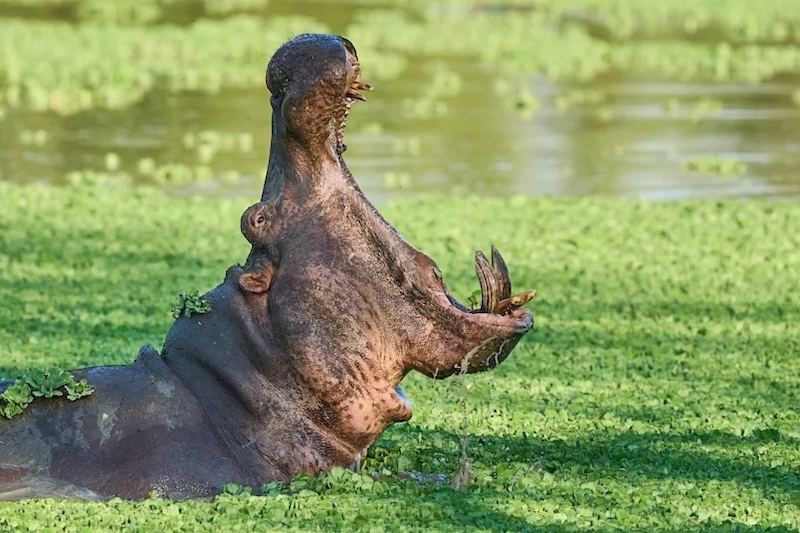
[South Luangwa National Park] has a prolific leopard population, at least 10 lion prides, more than 20,000 hippos, and significant numbers of African wild dogs and elephants. The endemic Thornicroft’s giraffe makes its home here, and there’s enough birdlife (about 400 species) to make seasoned twitchers twitch uncontrollably. In South Luangwa’s minus column: It has “only” four out of the Big Five. Rhinos were poached out of existence here last century.
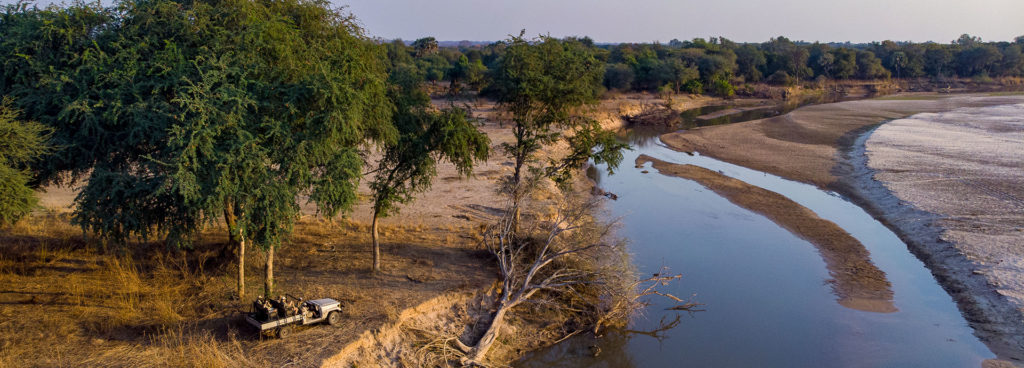
We follow “hippo highways”, trails worn into the savannah by these cute brutes who prefer to plant soft feet on soft ground. Sparse diminutive shrubs thicken into Mopane woodland in sections; leaves glow burnt-orange in dry-season death throes. The desiccated ground is thirsty, scorched in patches, backburned by park authorities because grazers – like the dramatically striped Crawshay’s zebra – won’t eat long, dried grass.
Lawrence’s left-hand rises. Across the dry Luwi River-bed, three elephants trim mopane trees of their leaves. Wordlessly, Lawrence kicks up dust with his left boot, gauging wind direction, motioning me to freeze. Ideally, they’ll smell us and wander away. The slight wind, however, blows towards us so we begin what turns out to be colossal detour around them.
• • •
The safari’s slow-burn tempo naturally focuses my attention on the savannah’s minutiae. I grasp the disproportionately massive effect that tiny grass-devouring termites have on this ecosystem, forcing hippos to commute ever-increasing distances from the rivers for food. The sandy ground narrates infinite stories. A single quill and scratch marks outside an abandoned aardvark burrow tells us that a porcupine has beaten honey badgers and wild dogs to this free home.
We follow two pairs of lion tracks along a sandy trail, crossed by a single leopard’s, all long gone now – probably. The veiny smoosh of elephant feet is the most wondrous sight – inconceivably shallow and delicate, given their heft. We play endless rounds of Guess That Poo. I note that spotted hyena scat is whitish, thanks to the animal’s high-calcium/bone-rich diet.
• • •
The tactics and techniques [of a walking safari in Zambia] were developed here in South Luangwa by safari-legend Norman Carr. In the 1950s, the British conservationist reportedly persuaded a local chief to allocate some tribal land for a game reserve (back when Zambia was Northern Rhodesia). Carr began a game-viewing camp, which focused on safaris where the only shots came from camera shutters.
• • •
The savannah sticks to me; my face is a camouflage of muddy sunscreen sweat; my boots like clumps of dirt. Up ahead, small specks shift and stir. Lawrence walks on. An irrefutable meat scent swirls into my dirt-caked nostrils.
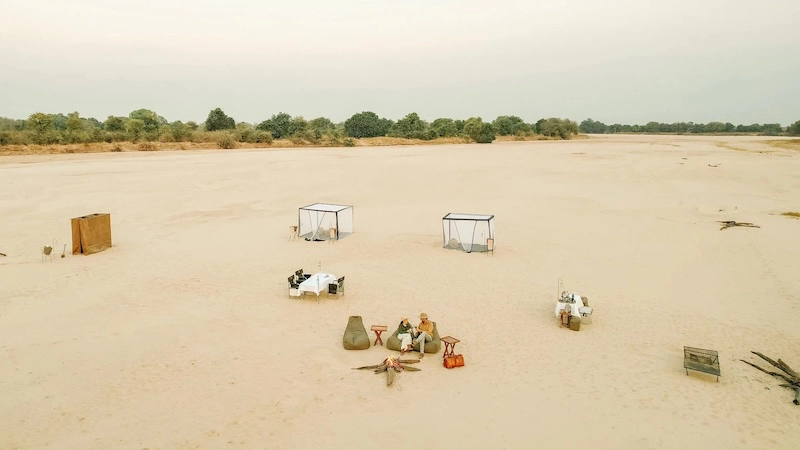
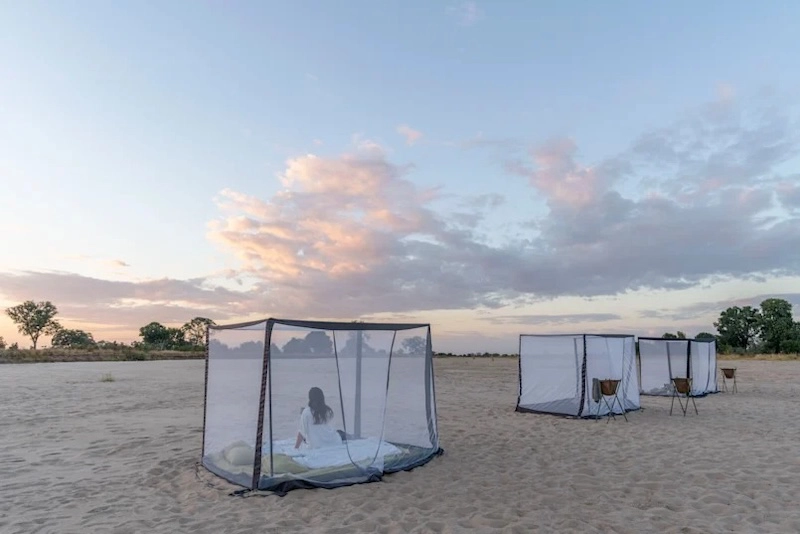
Two white prisms – insect nets surrounding our bedrolls – sit on sand that will be metres underwater in wet season. Three figures assemble in welcome, one motioning me towards the makeshift, white-table-clothed bar. The Bombay Sapphire gin bottle’s trademark mouthwash-blue contrasts chimerically with the falling dusk.
• • •
I pop into the shower-half of the canvas bathroom tent, scrubbing the day’s soil and toil off me with water that’s been solar heating since this morning’s set-up… Outlying campfires are lit around the “Sleepout Under the Stars” camp to deter hyenas that’ll inevitably circle later tonight. {A guide] will stay up, rifle cocked, while the rest of us will keep our eyes peeled and ears open, whether we choose to or not.
Hot water is delivered to my bed-side receptacle. A final rinse. As recommended, I unroll my bedroll just before laying down; better to retain heat from the day and the hot-water bottle. Turkey-sized southern ground hornbills gossip in the waning light. Residual heat ascends into the insatiable Zambian sky; crescent moon squinting down.
Qantas flies from Sydney to Johannesburg non-stop. Connect to Lusaka, then Mfuwe with Airlink. See flyairlink.com
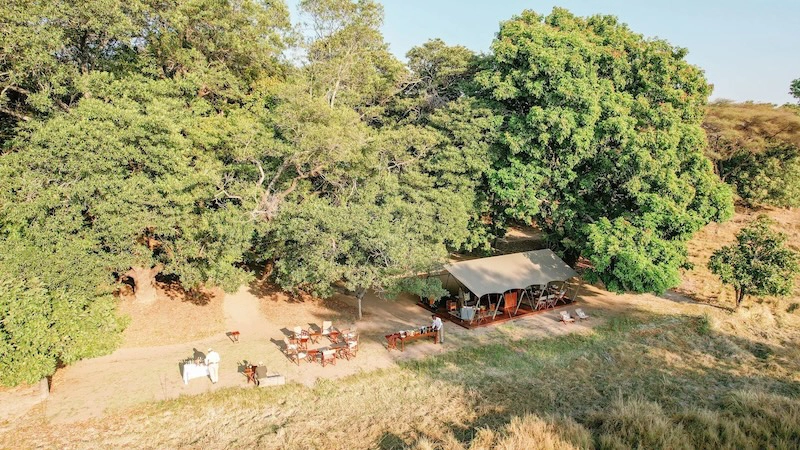
There is a wide array of accommodation available in South Luangwa National Park, catering to almost every budget. The Classic Safari Company tailors multi-camp Zambian itineraries, but in this article, Steve Madgwick stayed at Time + Tide Luwi. Prices for Time + Tide Luwi from $US940 a person a night (sleep-out extra). Flights extra.
READ THIS ARTICLE IN FULL NOW AT THE SYDNEY MORNING HERALD
This article originally appeared in the Traveller section of The Sydney Morning Herald and The Age.