


















DISPATCHES FROM EXOTIC LANDS
The Allure of South India
Why Should It Be on Your Travel Radar?
South India offers a different travel experience to the north. It is defined by tropical landscapes, calm waterways, ancient cultural traditions, and wellness-focused travel. Travellers come here for depth, beauty, and a slower pace. If you are planning a journey through India, the south should be a priority because it blends culture, nature, and relaxation in a balanced way.
We’re often asked about what makes South India an ideal travel location, and this guide highlights three major travel experiences: Kerala’s backwaters, Tamil Nadu’s Dravidian temples, and Goa’s beaches that we would highly recommend. These destinations reflect the broader strengths of the region: tranquillity, heritage, and restorative travel.
What Makes the Kerala Backwaters a Signature South India Experience?
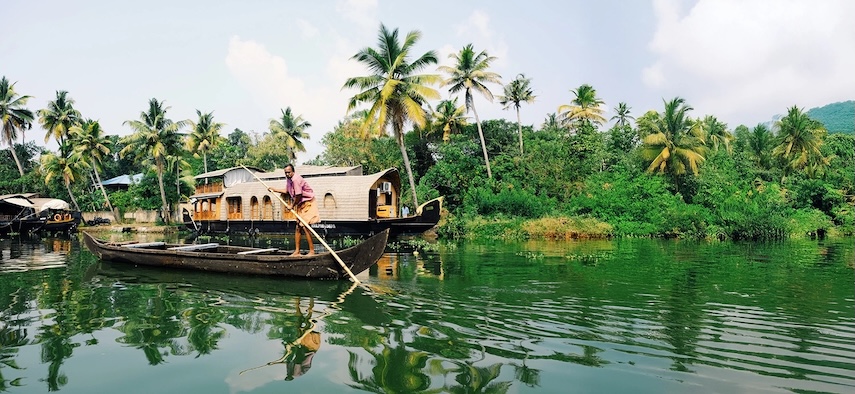
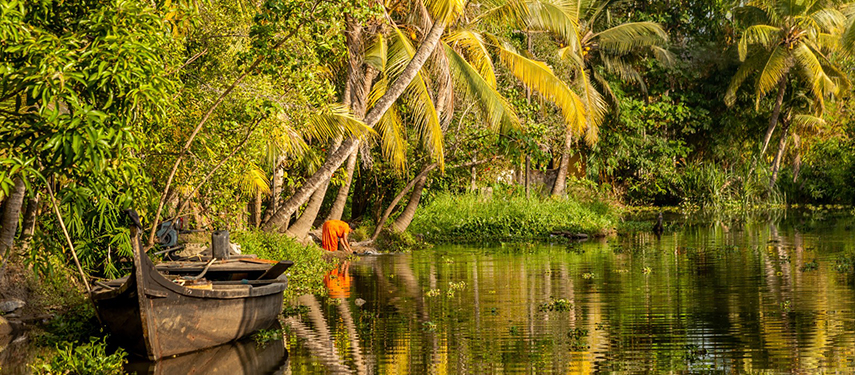
The Kerala backwaters represent one of the most recognisable landscapes in South India. This interconnected system of canals, lagoons, and lakes runs along the Arabian Sea and supports traditional village life. It is a calm environment, ideal for travellers seeking slow travel and nature immersion.
A houseboat cruise is the primary way to explore the region. These vessels, known as kettuvallam, move gently through the waterways, offering uninterrupted views of coconut groves, rice paddies, and fishing communities. Travellers often value the consistent pace, steady scenery, and quiet atmosphere. Dawn and dusk provide excellent light conditions for photography and wildlife spotting.
Local cuisine is another key feature of the backwater experience. Many houseboats prepare coconut-based curries, fresh fish, and vegetarian dishes that reflect Kerala’s food traditions. Travellers who want a wellness focus can continue their stay at Ayurveda resorts. Kerala is recognised as the global centre of Ayurveda, offering authentic treatments and programs that support relaxation and balance.
The Kerala backwaters suit travellers who want gentle movement, cultural observation, and natural surroundings. It is a core reason many visitors choose South India over northern itineraries.
Why Are Tamil Nadu’s Dravidian Temples Globally Significant?
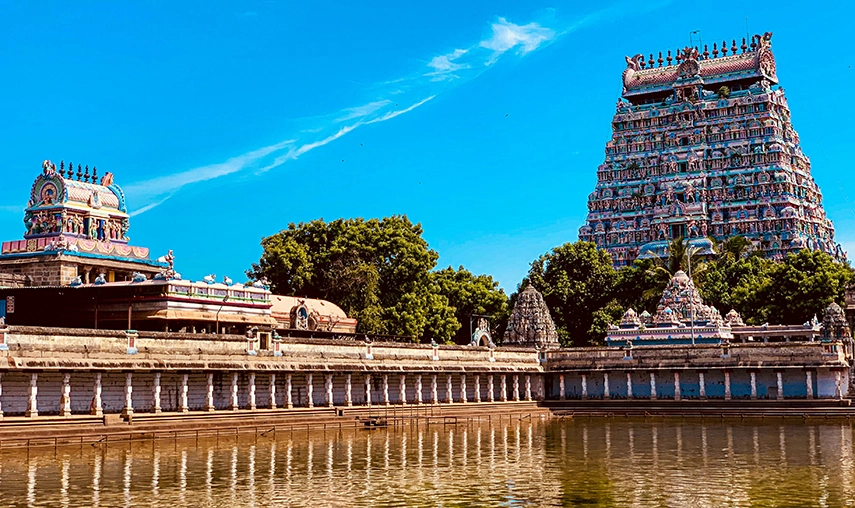
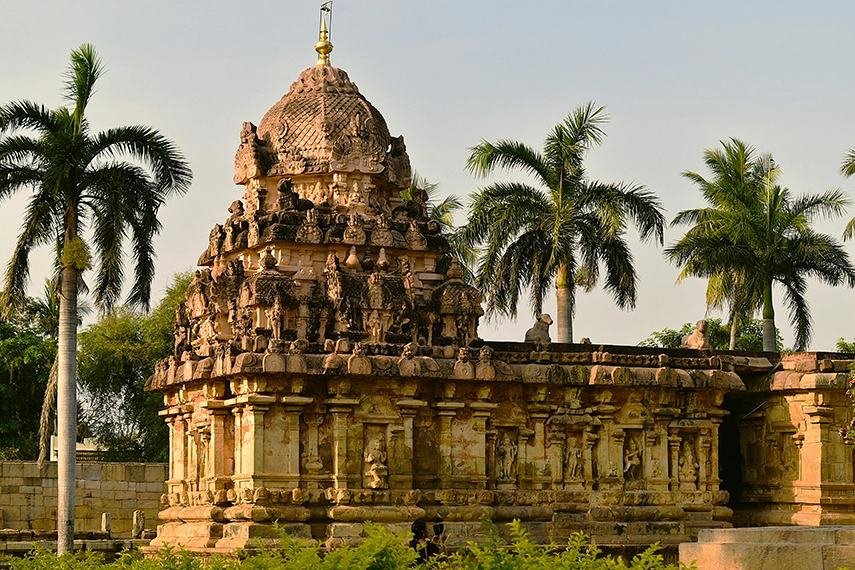
Tamil Nadu contains some of the most important temple architecture in India. These temples, known as Dravidian temples, represent an ancient cultural tradition that continues today. For travellers interested in history, spirituality, and architecture, Tamil Nadu provides a deep and structured cultural experience.
The Meenakshi Amman Temple in Madurai is the best-known example. Its colourful towers, large courtyards, and continuous rituals attract visitors from around the world. The temple explains the scale of Tamil spiritual life and the technical skill of its historic builders.
The Brihadeeswarar Temple in Thanjavur is another major site. This UNESCO-listed monument was built during the Chola dynasty and demonstrates advanced engineering. The temple’s granite dome and detailed carvings remain among the finest examples of Dravidian design.
Travellers can also explore Mahabalipuram, located along the coast. Its rock-cut temples and bas-reliefs offer open-air heritage viewing with ocean landscapes. Sites like the Shore Temple and Arjuna’s Penance are accessible and easy to explore.
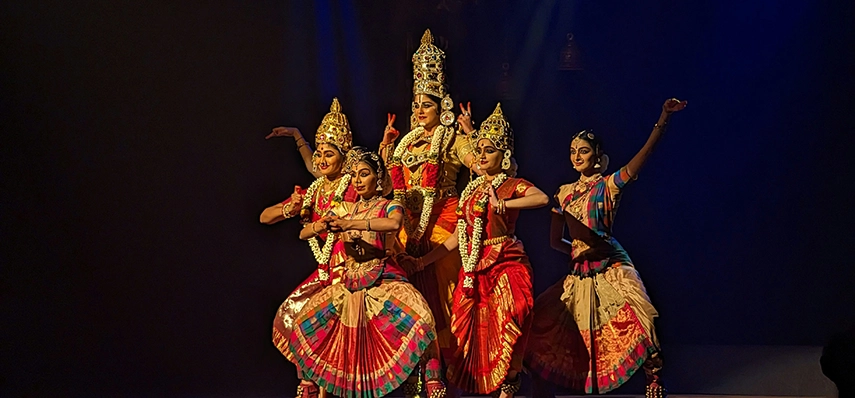
Tamil Nadu also provides cultural activities such as Bharatanatyam dance performances, Carnatic music concerts, and temple festivals. These experiences help travellers understand the state’s living traditions. Tamil Nadu is ideal for those who value education, heritage, and architectural depth.
How Does Goa Combine Relaxation, Culture, & Coastal Lifestyle?
Goa is one of India’s most accessible beach destinations. Travellers come for warm-water swimming, coastal scenery, and a lifestyle that balances activity with relaxation. Goa’s beaches appeal to different types of travellers based on region.
North Goa is known for nightlife, beach shacks, dining options, and markets. It suits travellers who want social settings, diverse food, and entertainment. Popular areas include Baga, Candolim, and Calangute.
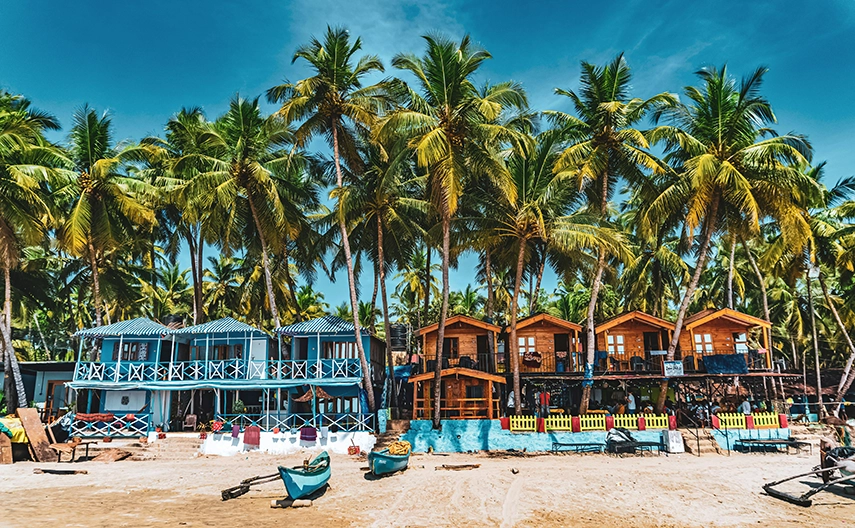
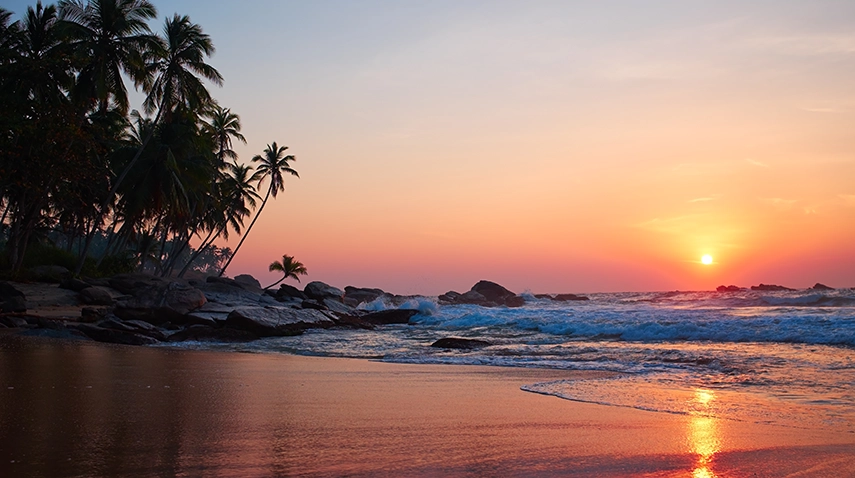
South Goa offers quieter beaches and a more relaxed environment. Palolem, Agonda, and Colva provide soft sand, palm trees, yoga studios, and wellness retreats. This region suits travellers prioritising rest, ocean time, and gentle routines.
Goa also features Portuguese-era architecture, spice plantations, and seafood cuisine. Visitors can explore Old Goa’s UNESCO-listed churches or try traditional dishes like fish curry rice, vindaloo, and bebinca. This combination of beach culture and heritage makes Goa one of South India’s most versatile travel destinations.
South India: Your Questions Answered:
What Themes Define a South India Travel Experience? Across Kerala, Tamil Nadu, Goa, and neighbouring regions, several themes consistently shape the travel experience:
Does South India Offer Distinct Natural Environments? Yes. Tropical vegetation, backwaters, hill stations, forests, and protected wildlife areas define the landscape.
Is Spirituality a Core Part of Travel Here? Yes. Temples, rituals, and festivals remain active parts of daily life.
Is Wellness Easily Accessible? Yes. Ayurveda, yoga, meditation, and nature-based retreats are widely available.
How Does South Indian Cuisine Shape the Journey? Dishes such as dosa, idli, sambhar, seafood curries, and coconut-based meals provide a distinctive culinary identity.
Is South India Suited to Slow Travel? Yes. The region consistently offers pacing that encourages rest, reflection, and cultural immersion.
Should South India Be Your Next Destination? If you want a travel experience built around beauty, cultural depth, wellness, and natural variety, South India is a strong choice. The Kerala backwaters deliver calm and scenery. Tamil Nadu showcases some of the world’s most impressive temple architecture. Goa offers beaches, relaxation, and coastal culture.
Together, these destinations explain why South India continues to rise on global travel itineraries. It offers a balanced journey that feels meaningful, restorative, and memorable.
Glossary of Key Terms
Ayurveda: A traditional Indian system of medicine focused on balance, natural treatments, and wellness.
Bharatanatyam: A classical Indian dance form originating in Tamil Nadu.
Carnatic Music: South India’s classical music tradition.
Dravidian Temple: A temple architectural style common in South India, marked by carved towers and stone structures.
Kettuvallam: A traditional Kerala houseboat used for travel along the backwaters.
Mahabalipuram: A coastal heritage site in Tamil Nadu known for rock-cut temples and carvings.
Meenakshi Amman Temple: A major temple complex in Madurai, Tamil Nadu.
Backwaters: A network of canals, lakes, and lagoons in Kerala, central to the region’s tourism and ecology.
Vindaloo: A Goan dish known for its tangy, spicy flavour.

OLDER POSTS
Vogue Australia – Nov, 2011
Isabel Lucas explores Botswana's Makgadikgadi with Vogue Australia, connecting with both nature…

E-NEWS | FEB | JOIN US: PIONEER UNCHARTED POLAR WATERS
An evening of polar waters explorations 8 MARCH 2016 | 6.00PM |…