

















DISPATCHES FROM EXOTIC LANDS
What to Expect on a North India Tour
Culture, Cuisine & the Himalayas
North India is a land of contrasts, where the chaos of Delhi bazaars meets the calm of Himalayan monasteries, and where the grandeur of Mughal architecture coexists with mountain simplicity. A well-planned North India tour is less about ticking off landmarks and more about experiencing rhythm, ritual, and refinement across one of the world’s most captivating regions.
What Makes a North India Tour So Special?
The essence of North India lies in its diversity. Within a few hundred miles, travellers move from the Mughal palaces of Agra to the sacred ghats of Varanasi and onward to the snow-kissed serenity of the Himalayas. Each stop offers a new layer of history, faith, and flavour.
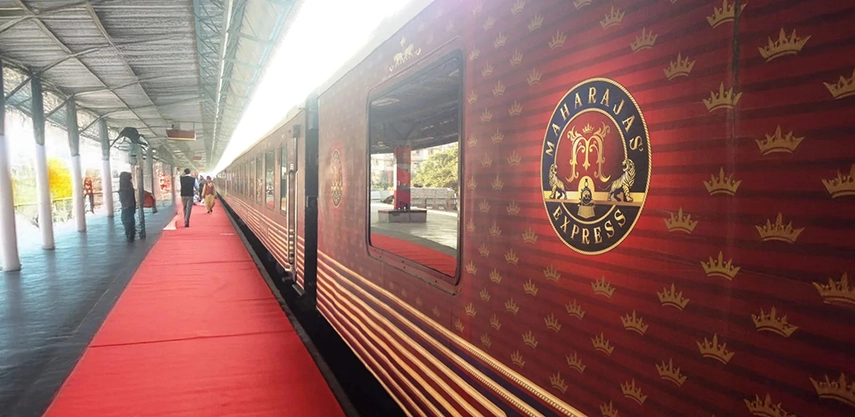
A tailored North India itinerary ensures seamless transitions between these worlds—private transfers, expert local guides, and curated stays that balance heritage luxury with contemporary comfort. Whether you arrive by the Maharajas’ Express or a private flight, the experience feels like a journey through time.
Where Should You Start Your North India Journey?
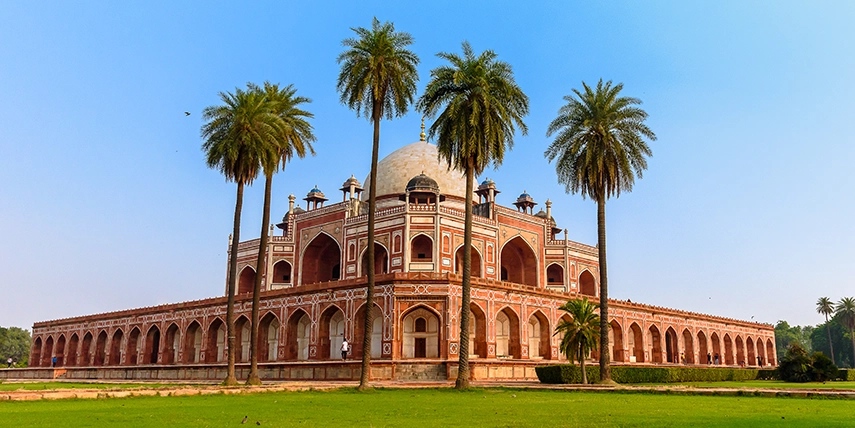
Most journeys begin in Delhi, the beating heart of modern India. With an expert guide, visitors can trace centuries of empire and innovation, from Humayun’s Tomb and the Red Fort to the sleek galleries of Lado Sarai and the diplomatic calm of Lutyens’ Delhi.
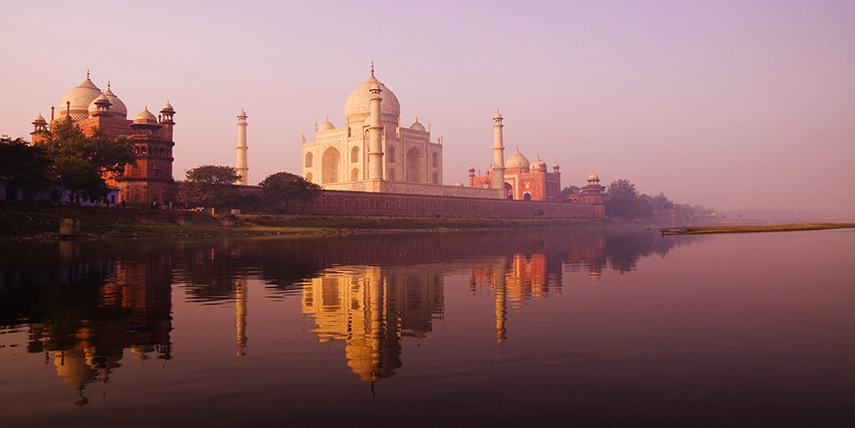
From there, the road (or rail) leads to Agra, where sunrise over the Taj Mahal remains one of the world’s great travel moments. Private access tours allow visitors to view the marble masterpiece before the crowds, capturing its subtle shift from blush pink to ivory white in the morning light.
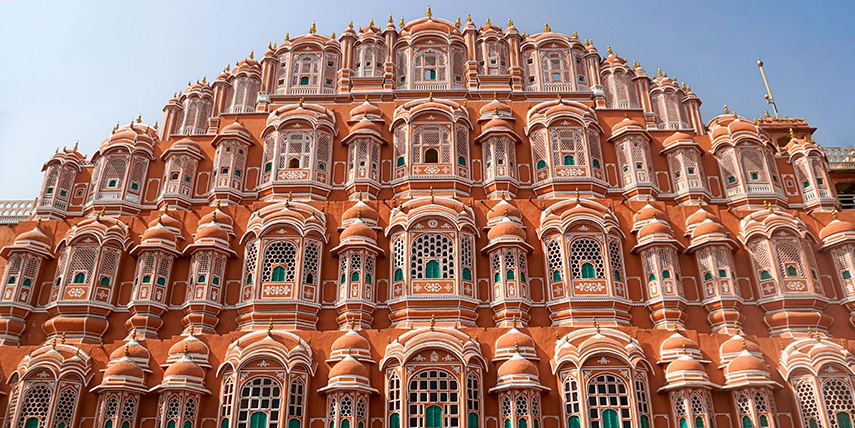
The journey then unfolds into Jaipur, the Pink City, alive with artisans, bazaars, and royal palaces. For the refined traveller, bespoke experiences might include private block-printing workshops, rooftop dining at the City Palace, or boutique stays within former havelis restored to their 18th-century glory.
Why Visit Varanasi on a North India Tour?
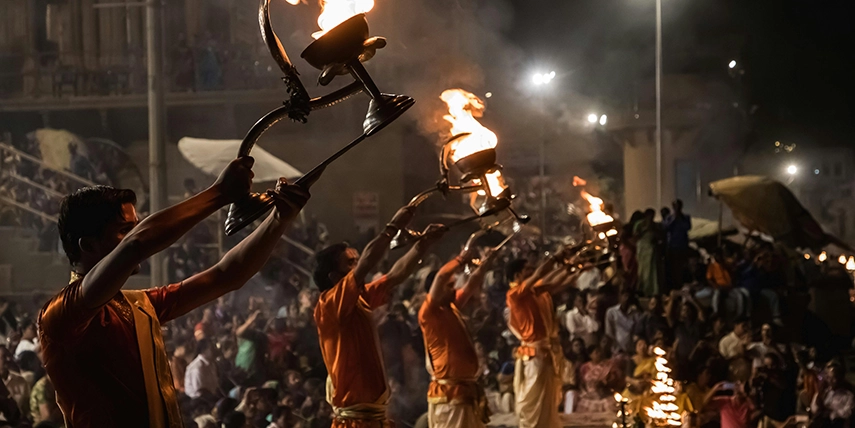
Varanasi is the spiritual counterpoint to India’s splendour. Here, the Ganges is not a river. Rather, it’s a living deity. Sunrise brings the murmur of prayers and the rhythmic splash of pilgrims; dusk ignites the ghats in golden flame during the Ganga Aarti ceremony.
A private boat at dawn offers the most contemplative perspective, while guided walks through the labyrinthine lanes reveal temples, silk weavers, and timeless rituals. Travellers often describe Varanasi as transformative—it’s less a destination and more a meditation on existence itself.
What Can You Expect in the Indian Himalayas?
North India’s mountain arc offers a different kind of luxury: stillness. From Rishikesh and Mussoorie in Uttarakhand to Leh and Nubra Valley in Ladakh, the Himalayas invite both adventure and introspection.
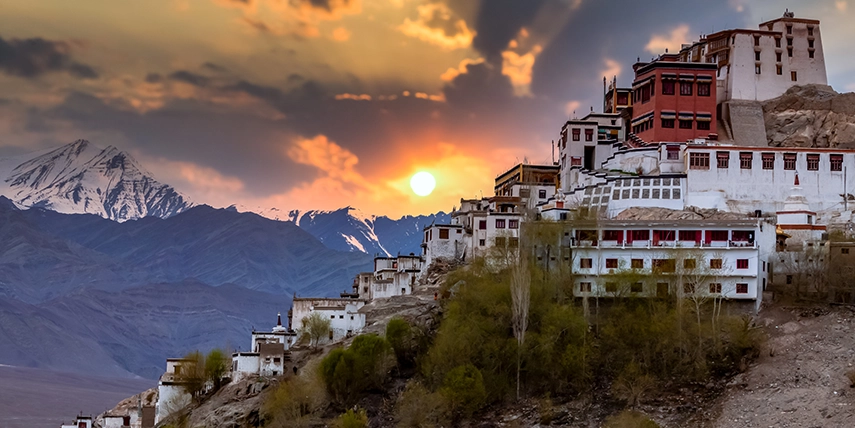
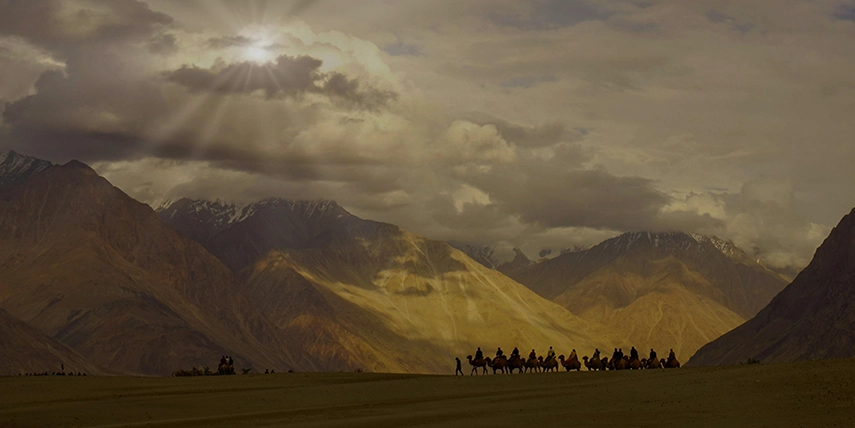
In Rishikesh, yoga pavilions overlook the Ganges as it spills from glacial origins. Boutique retreats combine Ayurveda, meditation, and organic cuisine for rejuvenation of body and mind. Further north, Ladakh offers stark beauty—Buddhist monasteries perched on cliffs, prayer flags fluttering in the wind, and luxury lodges that merge ecological design with traditional hospitality.
For those who prefer effortless exploration, helicopter transfers and guided treks open access to remote valleys without sacrificing comfort.
What Culinary Experiences Define North India?
The cuisine of North India is as varied as its landscapes. Think Lucknow’s Awadhi kebabs, Delhi’s street-food chaat, Jaipur’s Rajasthani thalis, and delicate Himalayan fare infused with herbs and honey.
High-end culinary tours can include private tastings with chefs, market walks led by local food historians, and dinners hosted in royal kitchens where family recipes date back centuries. The region’s flavours—smoky, spiced, and layered—are integral to understanding its soul.
How Should You Approach Cultural Etiquette?
Refinement in India comes through respect. Remove your shoes before entering temples, dress modestly, and greet with a gentle “namaste.” In return, expect warmth and genuine curiosity.
A private guide is invaluable in bridging worlds, and helping guests engage meaningfully, whether at a village art cooperative, a classical music recital, or a private viewing of miniature paintings.
How to Travel Seamlessly Between Iconic Destinations
Distances can be vast, but luxury travel design makes them effortless. Private chauffeurs, luxury trains, and regional flights ensure smooth passage between Delhi, Agra, Jaipur, and beyond. Many travellers opt for the Golden Triangle as a foundation before extending to Varanasi or the Himalayas.
Custom itineraries orchestrate every detail—from visa assistance to private airport lounges, so that travellers can focus entirely on the experience.
Why North India Captivates the World
A North India tour weaves together the sensory and the spiritual, including bazaars and mountains, temples and tea, grandeur and grace. Travellers who approach it with openness, guided by local expertise, discover a journey that refines perception itself.
Whether you’re watching the Taj Mahal blush at dawn, sharing silence with monks in Ladakh, or tasting saffron-rich curries in Jaipur, North India invites you not just to see, but to feel.
Glossary Of Terms:
• Ghat: River steps used for bathing and worship, especially along the Ganges.
• Aarti: A devotional ceremony involving fire and chant.
• Haveli: Traditional mansion, often converted into boutique accommodation.
• Thali: A platter serving multiple small dishes, representing regional cuisine.
• Namaste: Traditional greeting translating roughly to “I bow to the divine in you.”

OLDER POSTS

Vogue Australia – Nov, 2011
Isabel Lucas explores Botswana's Makgadikgadi with Vogue Australia, connecting with both nature…

E-NEWS | FEB | JOIN US: PIONEER UNCHARTED POLAR WATERS
An evening of polar waters explorations 8 MARCH 2016 | 6.00PM |…