
DISPATCHES FROM EXOTIC LANDS
Best Places to Travel in 2026
Our Top Choice of Global Destinations
Another year is gone – if you can even believe it! So the time has come to share with you our Top 10 best places to travel in 2026.
It seems like only a month ago that we were planning our journeys for 2025, but with the new year shining like a fast-approaching light at the end of a tunnel, we are already checking our passport expiry dates, updating our luggage and tracing our fingers across the myriad destinations that fill our minds with inspiration and our hearts with excitement.
Now entering our 34th year, we continue to provide clients with bespoke itineraries that seamlessly blend luxury with experiential travel. Even the most tried and tested locations continue to inspire and enthrall, maintaining superb exclusivity and remote enchantment despite the ever-growing number of travellers. While the Maasai Mara and Kruger, the Taj Mahal and Machu Picchu, the Serengeti’s Great Migration and India’s Holi festival will continue to be highly recommended, there are new experiences, lesser-known destinations and less beaten tracks that offer novel and wondrous adventures to even the most globally travelled explorer.
These our our top 10 best places to travel in 2026 – a collection of locations, properties, countries and experiences that are guaranteed to scratch the travel itch, and that come with The Classic Safari Company’s discerning seal of approval:
Botswana Expeditions on Foot
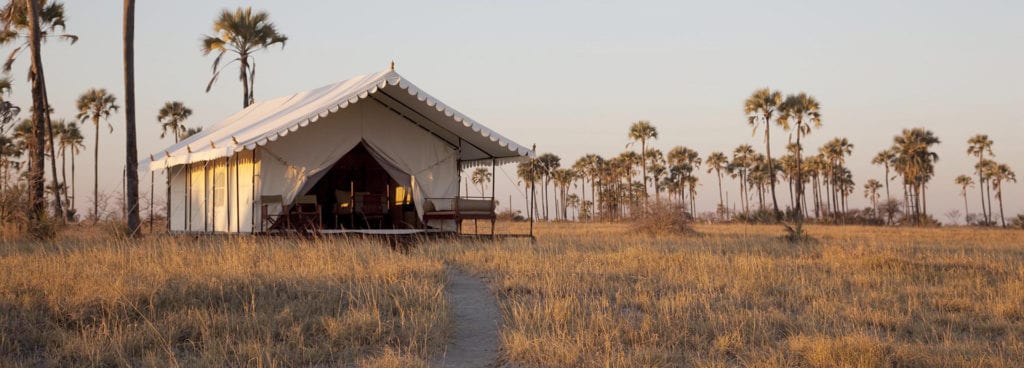
Botswana is far from a secret in the world of safari travel, and is amongst our clients’ most frequented destinations, but there are plenty of secrets left to discover in the plains and waterways of this southern African nation. Located on the southwestern reaches of the Okavango Delta, Beagle Expeditions originally began as an entirely mobile camp.
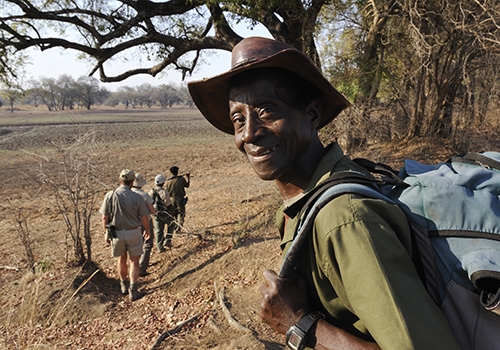
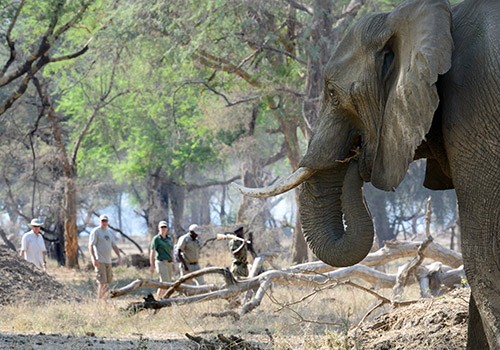
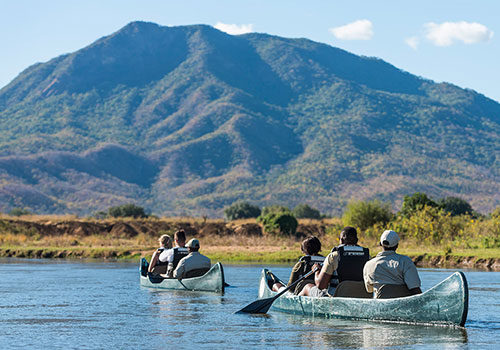
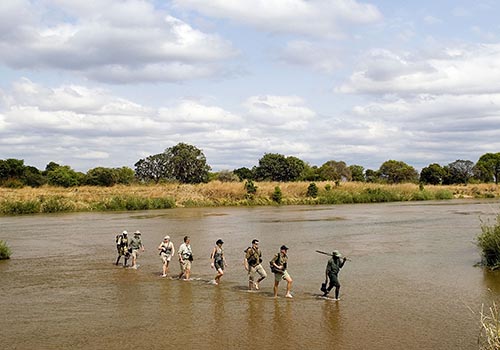
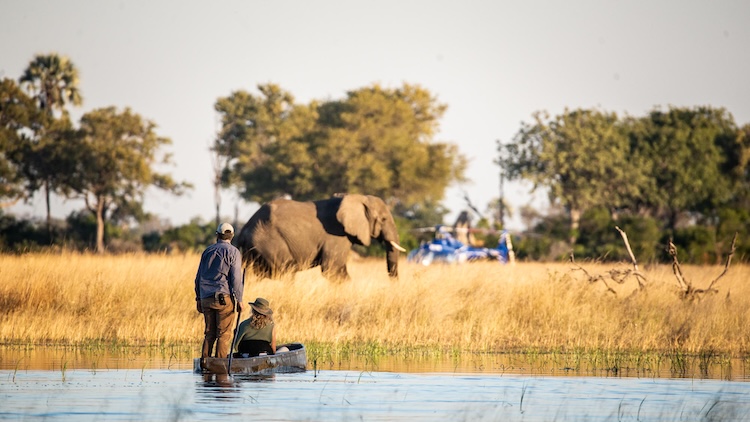
Over the last couple of years, the romance has remained, but the formula has changed, offering greater comfort and luxury, more established camps, but the same unparalleled level of escapism and absolute exclusivity. Where previously the camp would be dismantled and relocated, guests now spend a recommended three nights at two permanent exclusive-use camps – Kweene Trails and Magwegwe – each catering to a maximum of just eight guests. The first day can be spent on game drives, taking a scenic helicopter flight, drifting in a mokoro or simply relaxing in camp. On the morning of day two, guests are given the option of a full-day game drive or walking safari, taking them deeper into the exclusive-use private concession. Averaging 12 kilometres, the walk is at a gentle pace, taking regular stops throughout its four-to-six-hour duration. At lunch, guests unfurl the bed rolls they have been provided, delve into their backpacks and enjoy a delicious packed lunch before taking a siesta under the shade of a sweeping jackalberry tree. In the low-water season, the walk is completed through the early afternoon, crossing waist-deep rivulets to make camp. When the Okavango is in flood, mekoro gather guests to complete the journey in sedate repose, red lechwe and elephant families watching from the banks as you drift by.
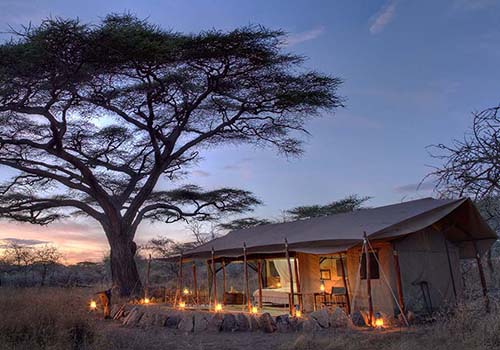
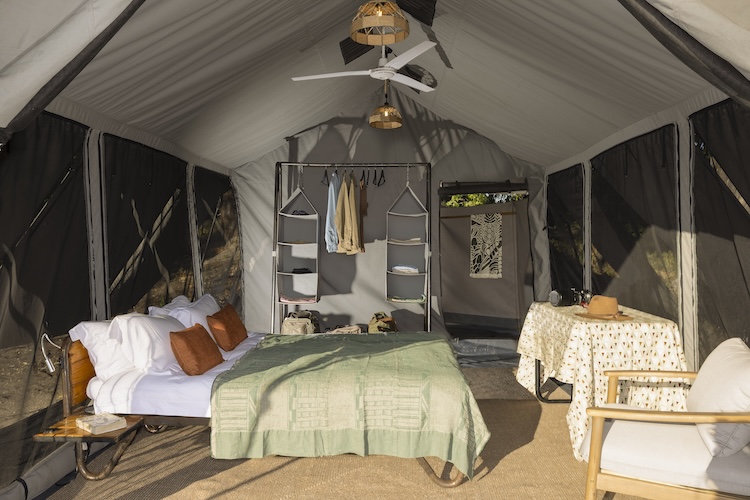
The newly-redeveloped Beagle Expeditions has done away with its former dome tents, guests now enjoying spacious meru-style tents with en-suite bathrooms featuring bucket showers and composting toilets. Much of the atmosphere and simplistic charm of a truly mobile camp remains, and each camp is a reflection of the other, even the staff travelling from one to the other, to maintain that sense of a transitory safari. But with the establishment of two semi-permanent camps, greater comfort has been achieved, a lounge room, large double beds and even ice baths elevating Beagle Expeditions in its offerings. By its nature, a level of absolute luxury must be relinquished, but in its place, one experiences the African bush like never before: raw, wild, exclusive… and absolutely priceless.
A Slow Cruise Through Seychelles
Seychelles has been a benchmark in tropical island luxury for many years, and while land-based properties offer almost obscene levels of decadence surrounded by nature, white-sand beaches and turquoise waters, to explore the archipelago by water is to rediscover this iconic destination.
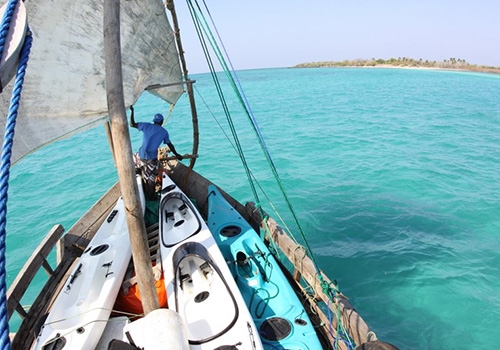
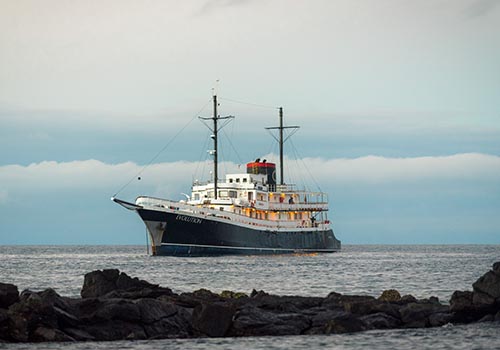
Catering to just 30 guests, Aqua Expeditions’ Aqua Lares takes a tranquil, exploratory cruise through the island chain. A thalassophile’s dream adventure, the ocean takes centre stage, with snorkelling, kayaking and diving forming the foundation of daily activities. But this is by no means the soul focus of Aqua Lares’ offerings. Land-based excursions take in both ecology and history, visiting ancient ruins as well as jungles and islands home to wondrous and endemic species. Amongst these is Aldabra Island – home to over 100,000 giant tortoises, the most significant population in the world.
Onboard, private cabins provide a sanctuary of calm and elegance, superbly furnished and appointed to offer every comfort you could wish for. A spa, gymnasium on-deck jacuzzis and gourmet dining provide the facilities of a landlocked hotel and yet, beyond the gunwales, the horizons are forever changing and the serenity is omnipresent.
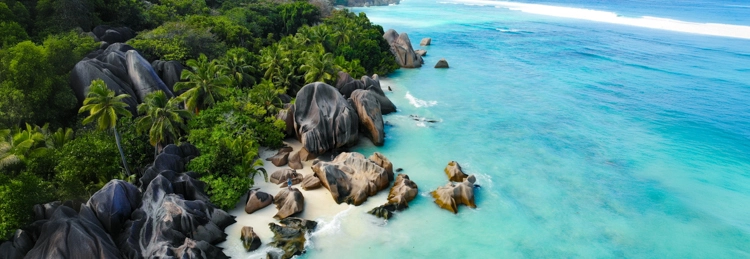
Aqua Lares takes in several routes through the Seychelles before migrating north to explore Svalbard and the Arctic Circle – itself an exceptional and inimitable journey. However, of its collection of voyages, its exploration of Seychelles and Tanzania’s Spice Islands comes with our highest recommendation.
A far cry from the overpopulated, oversized behemoths that cruise the world’s oceans, these expedition cruises offer a far more personal experience, with a staff-to-guest ratio of 1:1 and activities tailored to your daily wishes. If your heart still yearns for exploration but a bumpy game drive is diminishing in appeal, this may well be your perfect compromise: a floating lodge with every luxury conceivable yet retaining a permanent, profound and tangible connection to the natural world.
The Other Great Migration
There can be no denying that the 1.5-million-strong herds of the Great Migration are one of the most spectacular sights of the animal kingdom.
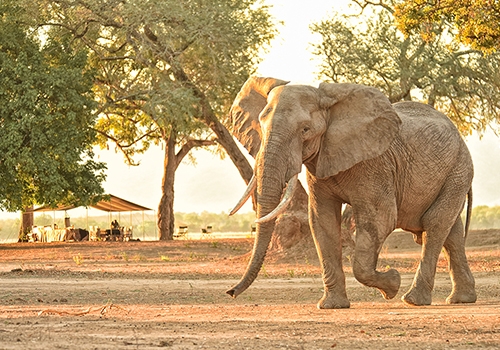
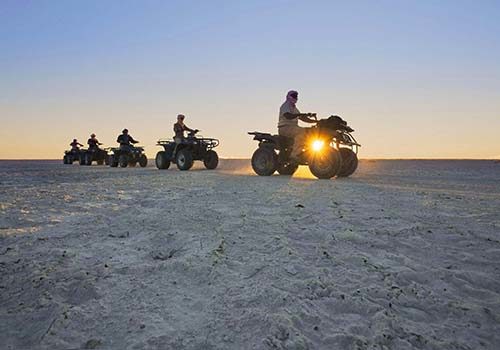
Few realise, however, that this isn’t Africa’s only mass relocation of wildlife. We will discuss the fruit bat migration of Zambia shortly, but Botswana too has an immense torrent of annual mammalian movement. As the dry season takes grasp over the Makgadikgadi, tens of thousands of zebra, hundreds of elephant and a swathe of antelope species make their way to the Botete River, one of the few permanent sources of water.
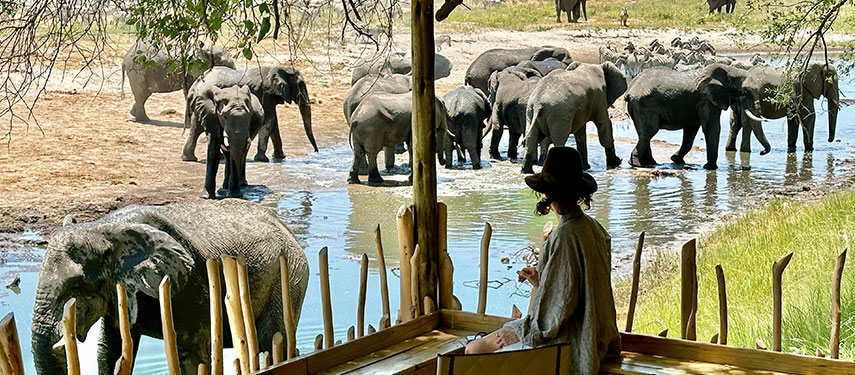
Perched high on the elevated river bank, Moela is in the perfect position to take advantage of this natural wonder. A collaboration between the local community and investors, Moela is an exemplar of ethical tourism, giving back more than it takes and providing employment, conservation and security for the region.
It also happens to offer prime viewing of the Boteti riverbed. Each of its unique suites possesses its own private viewing platform from which to wile away countless hours staring in wonder at the extensive herds. Game drives through the small but exclusive concession unveil an expanded diversity of wildlife, and zebra aren’t the only creatures to return when the rains abate. Predators, too, follow in their footsteps, preying on this moveable feast as it traverses the arid landscape.
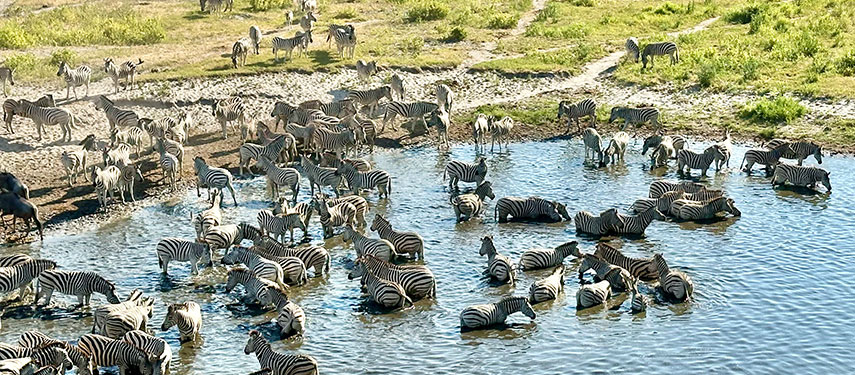
Africa’s second-largest herbivore migration is certainly an appealing prospect, but at any time of year, Moela provides an exceptional stay, enveloped by nature and steeped in the culture of the San Bushmen.
Congo – The Forgotten Gorilla Destination
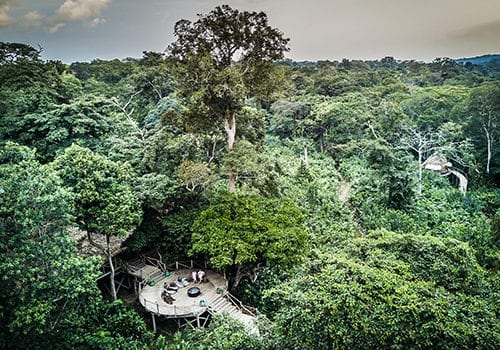
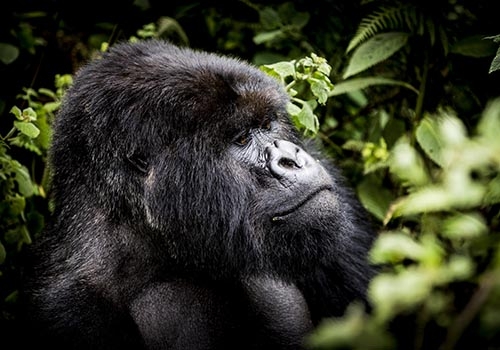
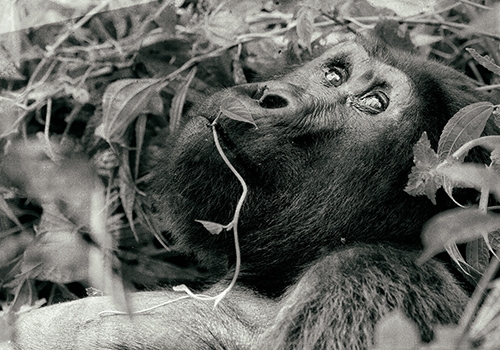
Visiting Congo-Brazzaville earlier this year, Ella Collins and Julie McIntosh were, quite simply and consummately, astounded. The vibrant and frenetic capital of Brazzaville, the wonder of wading through waterways and submerged forests, the magic of staying in treetop lodges surrounded by the forest canopy, and, not least, hiking wooded pathways to meet the endearing and characterful troupes of tree-climbing lowland gorillas.
Unlike their mountain-dwelling cousins, the more diminutive lowland gorillas are arboreally-adept, swinging from vines, scaling trees and residing as frequently in the canopy as on the ground. They are often also more active, foraging the forest floor in the constant search for the 20 kilograms of fruit, roots and invertebrates that they consume daily.

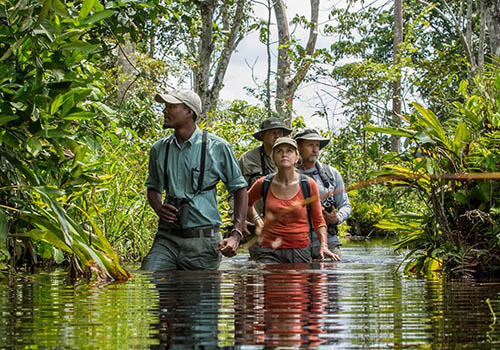
It isn’t the gorillas alone that make Congo extraordinary. Swathed in rainforest and intersected by a network of waterways, traversing the landscape is all but impossible by conventional safari methods. Boats are used to transport luggage and goods to and from lodges, but for guests it is on foot that they must navigate the flooded landscapes.
Understandably, this may prove somewhat unappealing for some, but the rewards for the endeavour are unequivocal. No other experience can come close to an exploration of the Congo, making it not only one of our top 10 best places to travel in 2026, but possibly one of our top 10 experiences of a lifetime.

The Unknown North
Zambia is an exceptional safari destination. With Mosi-oa-Tunya (Victoria Falls) in the far south, the mighty Zambezi and its national park and, to the north, the magically abundant South Luangwa National Park, along with a disparate array of lodging options, it is the perfect country for your first safari, and offers a wonderful contrast to the more iconic Kenyan and Tanzanian experiences.
But there is more to be discovered…
Further north again lies the aptly-named North Luangwa National Park, an area that once suffered poaching and population decline but is now increasingly protected and abundant. Despite this wonderful boon for conservation, North Luangwa remains largely overlooked by tourism, resulting in very few visitors and superb exclusivity.
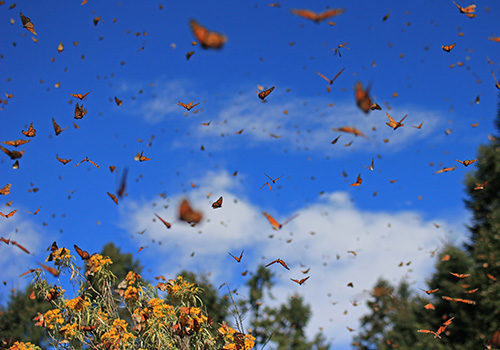
Added to its captivating glades of winterthorn and ebony, superb wildlife sightings and wonderful remoteness, it also provides access to the Bangweulu Wetlands – a stronghold of the enchanting shoebill stork – and Kasanka National Park, home to the world’s true largest mammal migration. Between October and December each year, up to ten million straw-coloured fruit bats bolt out the golden sunset as they fly in search of seasonal fruits.
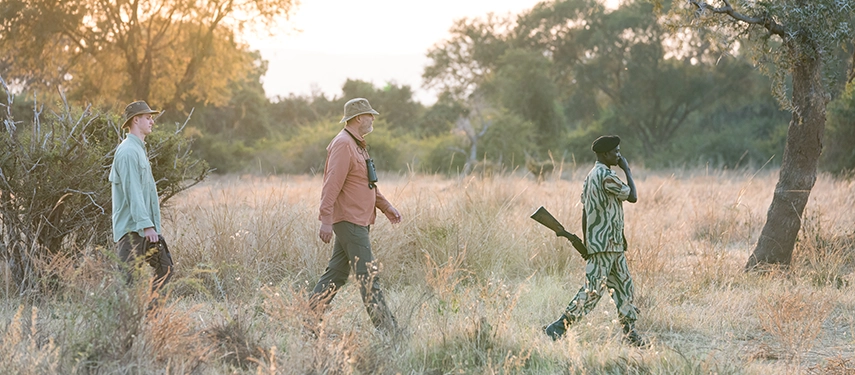
Taking full advantage of the remote and untouched landscape, Kutandala Camp is one of the very few to offer accommodation within the North Luangwa. Like Zambia’s equivalent of Beagle Expeditions’ camps, Kutandala provides all the amenities one might wish for, but renounces the trappings of refined luxury in favour of pure, unrefined natural immersion.
Traverse Otherworldly Landscapes
The Atacama Desert conjures visions of sci-fi movies and surreal, Dali-esque scenes, its red dunes, winding canyons and glistening salt flats unlike any other vista on the planet. In this foreboding yet captivating terrain, Explora Atacama places you on the tantalising brink of the unknown, the endless expanses reaching out in every direction.
For the avid adventurer, this might be too much to bear, and even a novice explorer might be mentally drawn into the landscape, wondering what might lay beyond the next dune, the next outcrop or just over the horizon.
Travesìa Atacama-Uyuni offers a rare opportunity to transit a spectacular and otherworldly high-altitude route, that very few feet have trodden, in surprising and remarkable comfort. Journeying from Chile’s Atacama Desert to Bolivia’s salt flats, this South American odyssey takes you across 485 kilometres, from the Atacama Desert to Bolivia’s Salar de Uyuni. Combining walking, cycling, horse riding and four-wheel drive transfers, not every step is under your own steam, but the more you forsake the easy way and plunge into the wilderness under your own steam, the more bewitched you become by your ethereal surroundings.
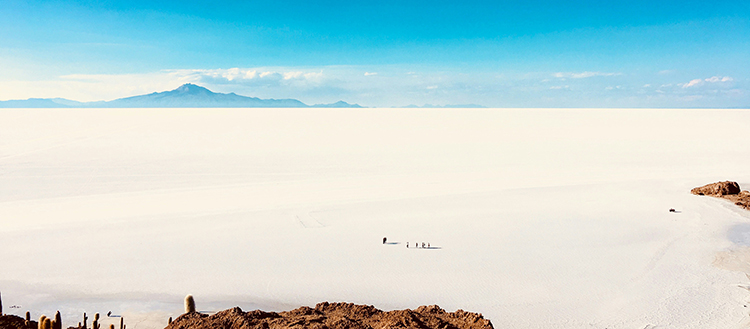
Winding through mountain ranges, across arid plains, past towering volcanoes and brackish lakes cast pink by a blanket of migratory flamingos, each moment will induce unbridled awe, as you trek from one exclusive lodge to the next, culminating at over five kilometres above sea level at the Uyuni salt flats – the world’s largest, and un utterly breathtaking sight to behold.
This is a journey that will never be forgotten, and most certainly can’t be equalled, for those not content to sit on a beach for days on end, or looking for something that leaves predictability as scarce and arid as water in the driest place on Earth.
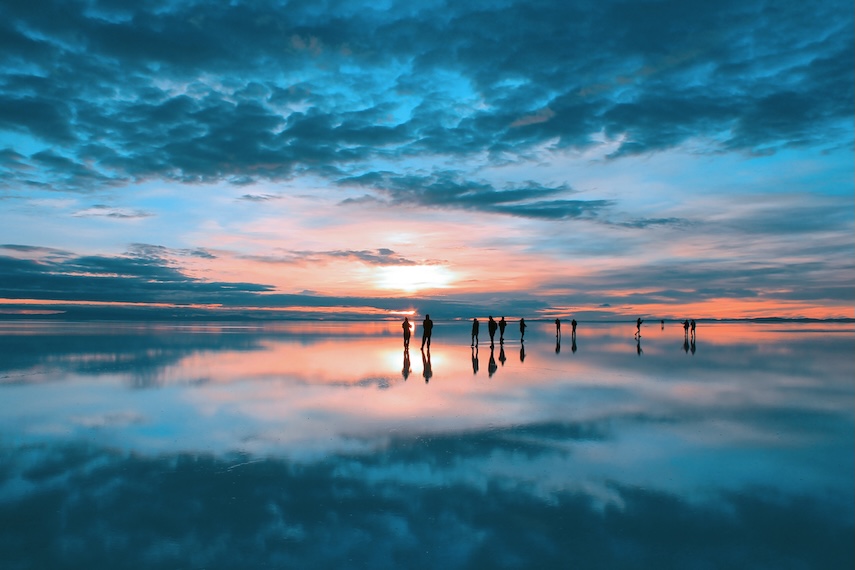
A Land of Confusion
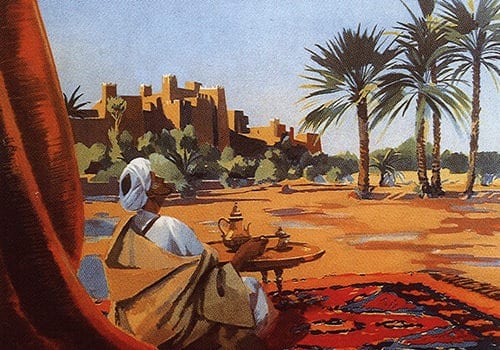
Tunisia is baffling… in a good way. Its capital, Tunis, is a fusion of quaint, whitewashed Mediterranean charm and skyscrapers that wouldn’t be out of place in Dubai. A stronghold of the Romans, it is also steeped in history, the ancient city of Carthage was a key trading port, far predating the empire, but claimed as one of its foremost cities, and more remnants of the Romans can be found across the nation.
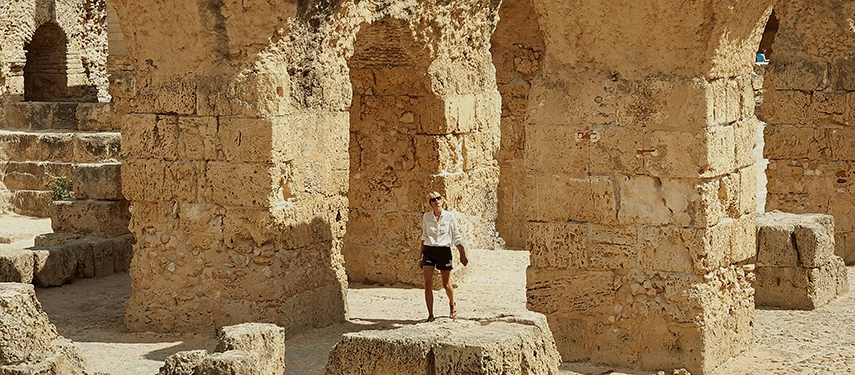
Into the desert, and one might find an eerie familiarity, the haunting landscape used in numerous Hollywood films and, if you follow the guide books, you can still find the set of Luke Skywalker’s Tatooine home from the movie Star Wars. The oasis of Tozeur springs in perplexing lushness from the arid sands of the Sahara, and despite all the desert, the country also has a superb wine industry almost storied as its many archeological sites.
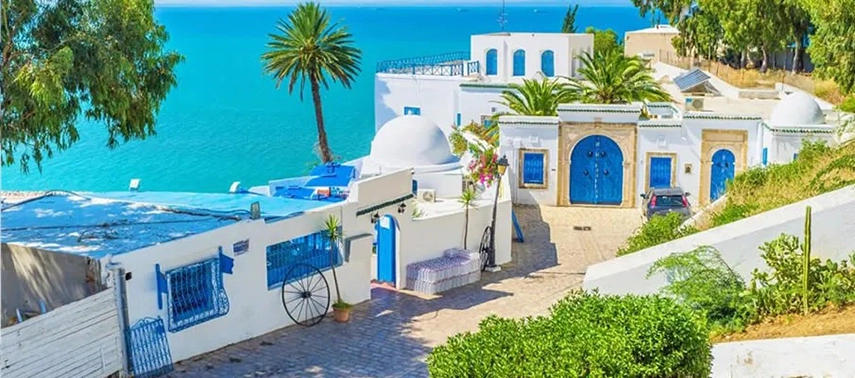
This perplexing land of contrasts, from seashore to sand dune, is the subject of an upcoming set itinerary, departing in October and encapsulating the confounding wonder and diversity of this fascinating nation, where Berber families dwell in underground caves, menus are a fusion of Arabic, Greek and Italian, and your night’s accommodation might equally be an opulent contemporary oasis or regal Bedouin tent under illuminated desert skies.
From Liwonde to Lake
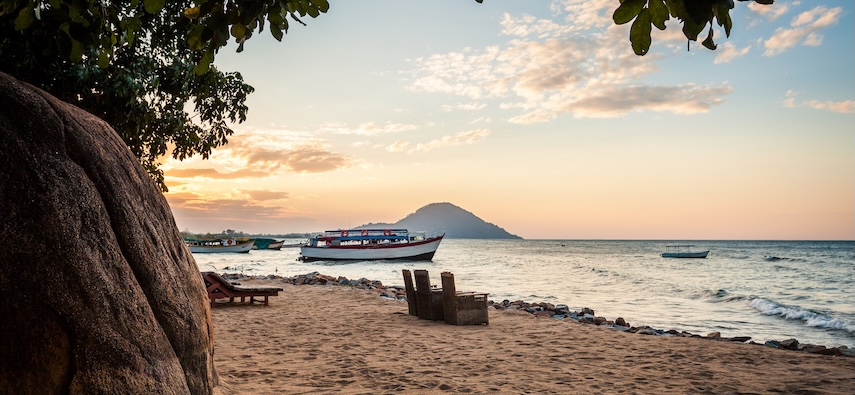
With the faintest whiff of irony, landlocked Malawi presents a superb opportunity for a bush-to-beach safari. Unlike Kenya, Tanzania, Mozambique and South Africa, whose borders end on at least one side with an ocean coastline, Malawi sits in the central east of the continent, hemmed in by its neighbouring nations.
Liwonde National Park gained recognition in recent years for its reintroduction of a healthy lion population. Absent for over two decades, nine lions were translocated in 2018, aided in part by the Leonardo DiCaprio Foundation, and have since produced several litters. This conservation success story has led to growing renown for this often overlooked park. Likewise, over the last two decades, the previously nationally extinct black rhino has been given a fresh revival in Majete Wildlife Reserve, Liwonde following, with a thriving population established in 2019.
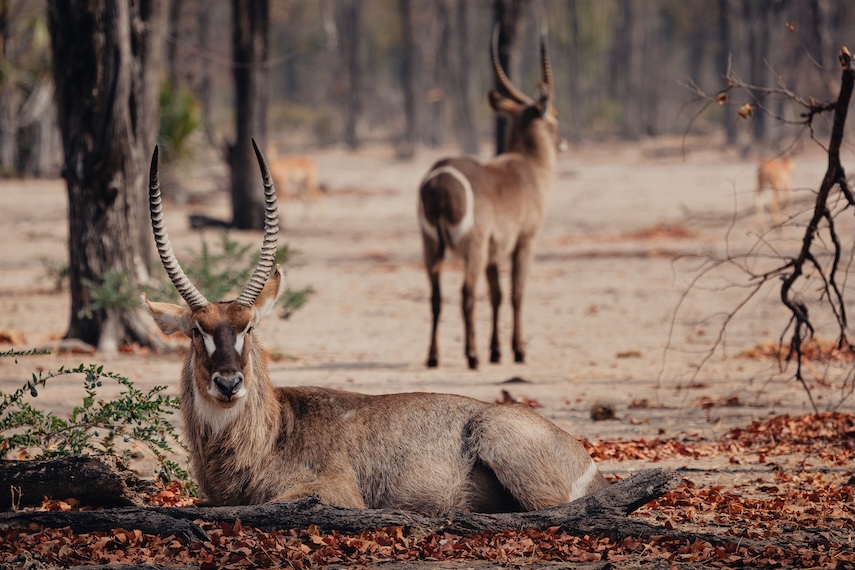
For many years, Malawi was somewhat disregarded as a wildlife destination, such was the impact of poaching. But this resurgence – not only in the formerly eradicated species, but also in a wide range of fauna, including large elephant herds – has breathed new life into the country’s tourism trade and reputation.
What is particularly magical about Malawi – and in many ways unique – is its eponymous lake, lying along its northeastern border. Among the ten largest lakes in the world, spanning 29,600 square kilometres and reaching 700 metres in depth, Lake Malawi possesses more species of freshwater fish than any other body of water on the planet. This makes it exceptionally appealing to divers and anglers alike, and its calm surface is also exceptional for a wide range of water activities. Along its banks, sandy beaches and a far-distant shore could make one easily believe that one is on the coast, rather than almost 400 kilometres from the nearest ocean. Properties on the banks of the lake take full advantage of their position, creating a tropical, desert island atmosphere in the heart of Africa. This unique combination – from safari to shore – is seeing an increasing rise in Malawi’s popularity, but not yet so much as to diminish the wonderful sense of peace and exclusivity of this underrated nation.
Pure & Wild
Escapism is possibly the fundamental reason we travel; to escape the normality of our day-to-day, to escape the familiar, and to venture into the unknown. Even in the most packaged and predictable of holidays, we are escaping into a place of peace and wonder.
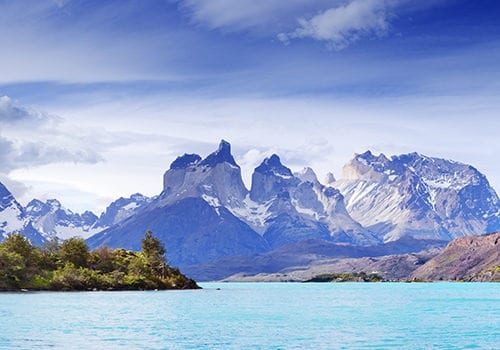
Few places embody the sensation of escapism quite as consummately as Patagonia. Raw and rugged, isolated and untouched, it is a place where nature rules supreme, in the flora and fauna, the climate and the terrain. The towering mountains of Los Glacieres National Park make one stoop in humility, the giant sentinels watching over the landscape for time immemorial. Puma stalk through the rough scrub in search of rabbits, or with a little luck, a young deer and guanaco, while high above soar the mighty Andean condors – the largest of all flighted birds – hoping to spy a tasty morsel up for grabs far below.
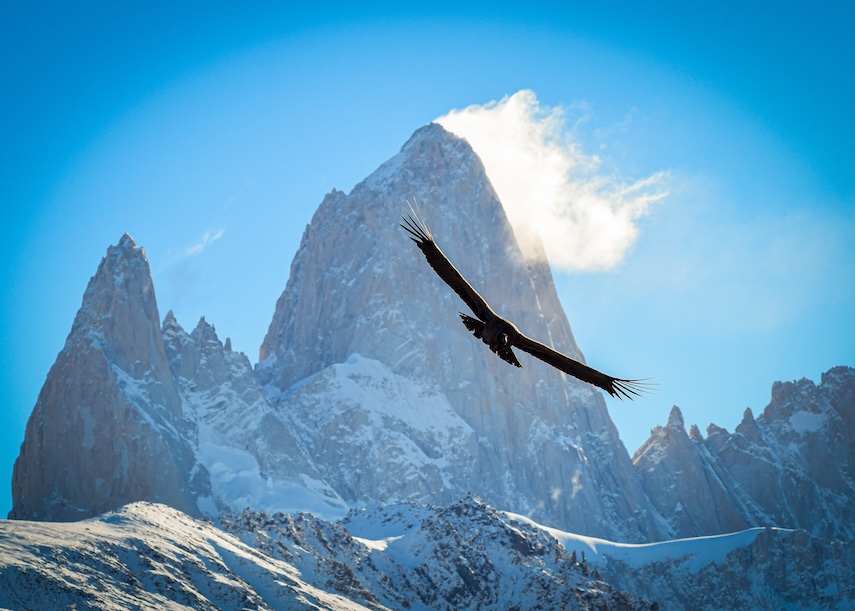
Wherever we travel, we are always visitors, but in Patagonia, there is a sense of being a visitor not simply to the locale, but to the environment, the elements, the ecosystem – even the very planet. Humankind doesn’t belong here, and thankfully has been almost unreservedly denied a foothold, but for a few ethical, conservation-driven properties.
Explora El Chalten is one of this privileged handful, passionate in preserving this pristine environment, and inviting guests to join them in sustainable initiatives. Explorations take you into the region’s most remote and pristine locations, every adventure customised daily to match your skills and interests and providing a completely unique experience each and every day. Over 30 adventures from this cosy yet luxurious lodge alone take you hiking across glaciers, kayaking along valleys carved over millennia by tranquil rivers, to lakes teeming with fish and forests filled with birdlife.
Active adventure and exploration are the modus operandi, but it is the intoxicating immersion in the rugged, untouched wilderness that will leave you utterly speechless.
Adding to this awe and wonder, if you book early you may just be able to catch the stunning complete solar eclipse on the 17th of February, 2026.
The Definition of Bush to Beach
Tanzania has the Serengeti and Zanzibar, in Kenya it is the Maasai Mara and islands of Lamu. Familiar names all, and often with the crowds to match their renown. A short skip down the coast brings you over the border and into Mozambique, where the vast Gorongosa National Park covers almost 4,000 square kilometres and stands as an exemplar of conservation. A hop from the country’s coastline finds you in the Bazaruto Archipelago and the idyllic Benguerra Island – the very definition of a tropical paradise, itself set within an expansive marine nature reserve.
20 years of civil war decimated Mozambique’s wildlife, Gorongosa alone losing an estimated 90 percent of its inhabitants. But the subsequent three decades have set it as a global benchmark for the power of conservation, and today the fauna is booming. Immense elephant herds, thriving predators – including leopard, lion and wild dog – an array of herbivores and enough birds to keep any avid twitcher twitching 24/7; the park even has numerous endemic species, including the Gorongosa pygmy chameleon, that have lauded it a global biodiversity hotspot.
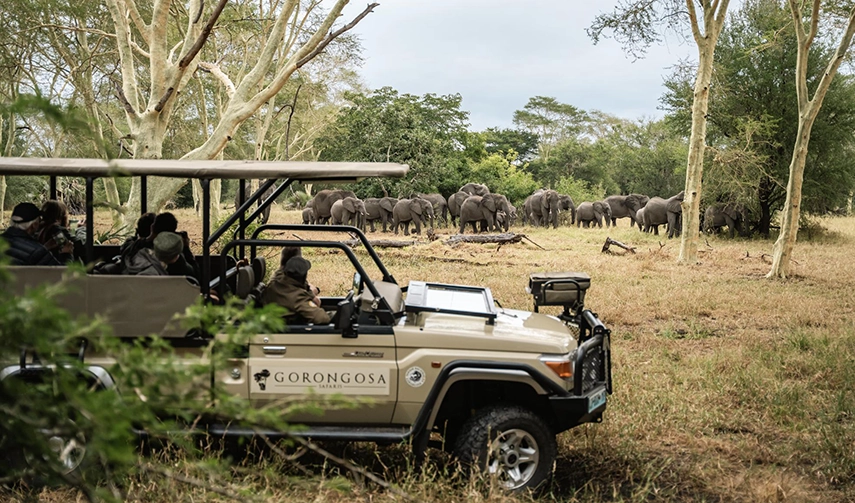
Adding to all of this, its sparse number of visitors makes Gorongosa feel more like an intimate private reserve than an immense national park. The number of camps can be counted on one hand, the flagship of which is Muzimu Lodge, a luxurious property and one of two camps within over one million acres of protected land. As with the park itself, conservation is at the core of Muzimu’s principles, and its pangolin protection and research project offers a firsthand glimpse at these endearing but highly threatened animals. Named after a Mozambican guardian spirit, Muzimu Lodge certainly lives up to its name.
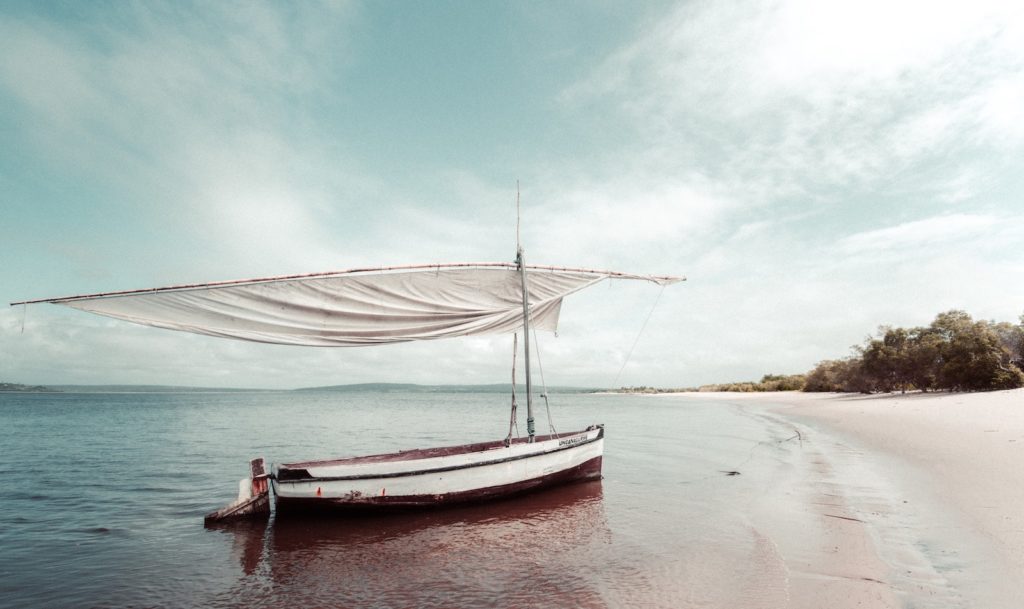
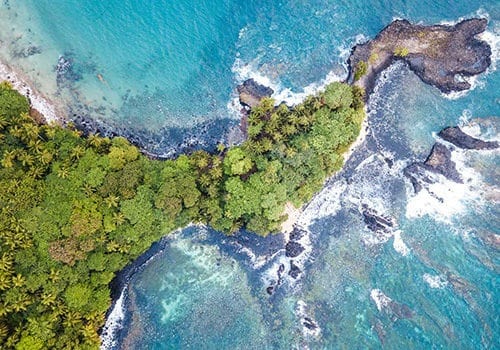
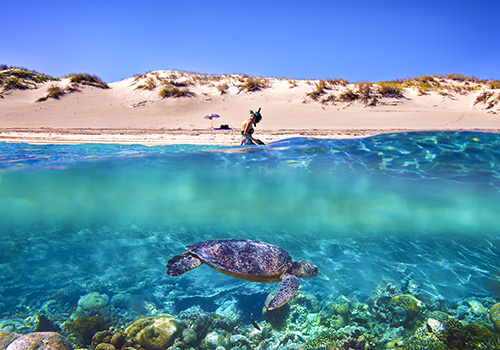
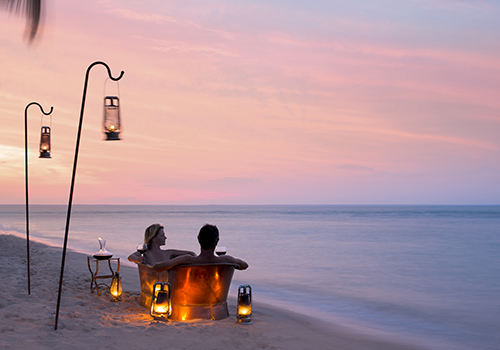
When the days of dust and drives have been fulfilled, visitors can venture offshore, rinsing away the safari in the pristine waters of the Indian Ocean. Despite being the second largest of the Bazaruto islands, Benguerra is home to just 2,000 people and is only 11 kilometres in length. Much of the island is designated national park and home to 140 bird species, dugongs and a wealth of marine life. A Mecca for divers and sport fishing enthusiasts, Benguerra is best enjoyed with toes in the sand, drink in the hand, and the warm hues of a tropical sunset bathing you in golden light. From bush to beach, Mozambique offers an impeccable safari itinerary of two vastly contrasting, yet perfectly complementing chapters.
We are entering the Chinese Year of the Horse. Whether you are a believer or not, spiritually connected or far more practically-minded, it’s all the excuse we need to embody the horoscope’s predictions of freedom, movement, and pursuing dreams with passion.

OLDER POSTS
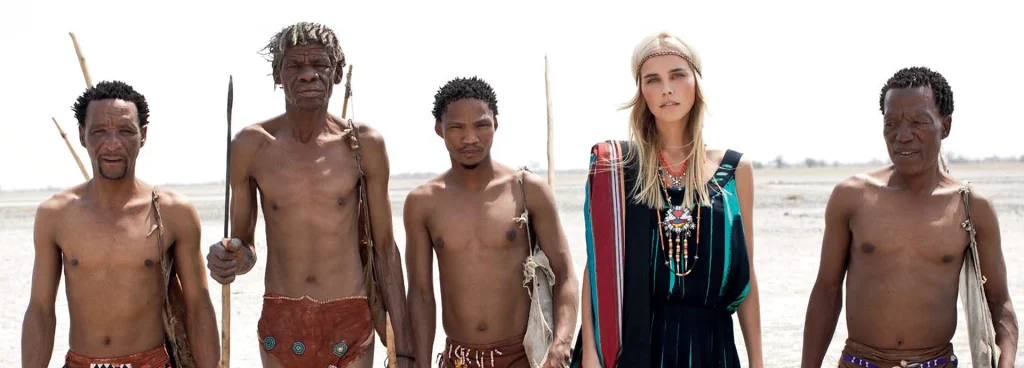
Vogue Australia – Nov, 2011
Isabel Lucas explores Botswana's Makgadikgadi with Vogue Australia, connecting with both nature…
E-NEWS | FEB | JOIN US: PIONEER UNCHARTED POLAR WATERS
An evening of polar waters explorations 8 MARCH 2016 | 6.00PM |…